How To Style a Show Home for Maximum Impact
A show home isn’t styled to look pretty.
It’s styled to sell.
Every cushion, every lamp, every piece of artwork should have a purpose. The goal isn’t decoration for decoration’s sake, it’s to create emotional connection, demonstrate lifestyle and reduce hesitation.
With competition high across most developments, impact matters more than ever.
Here’s how to style a show home properly, with intention.
See how we style spaces to create impact and drive sales.
Start With Structure, Not With Accessories
Before adding a single cushion, focus on balance.
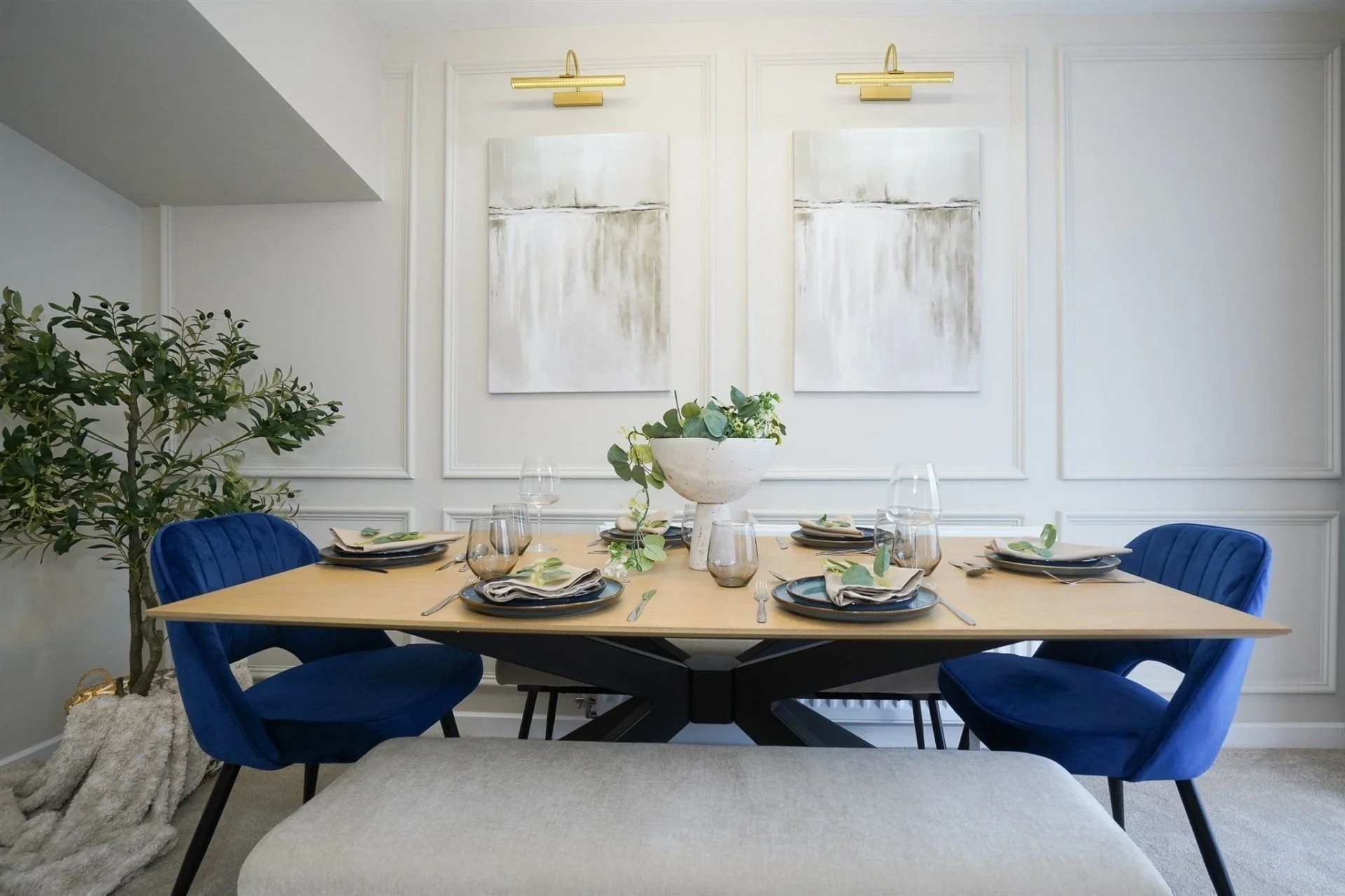
Strong show home styling begins with proportion and symmetry. Humans are naturally drawn to order. When a space feels balanced, it feels calm and calm builds confidence.
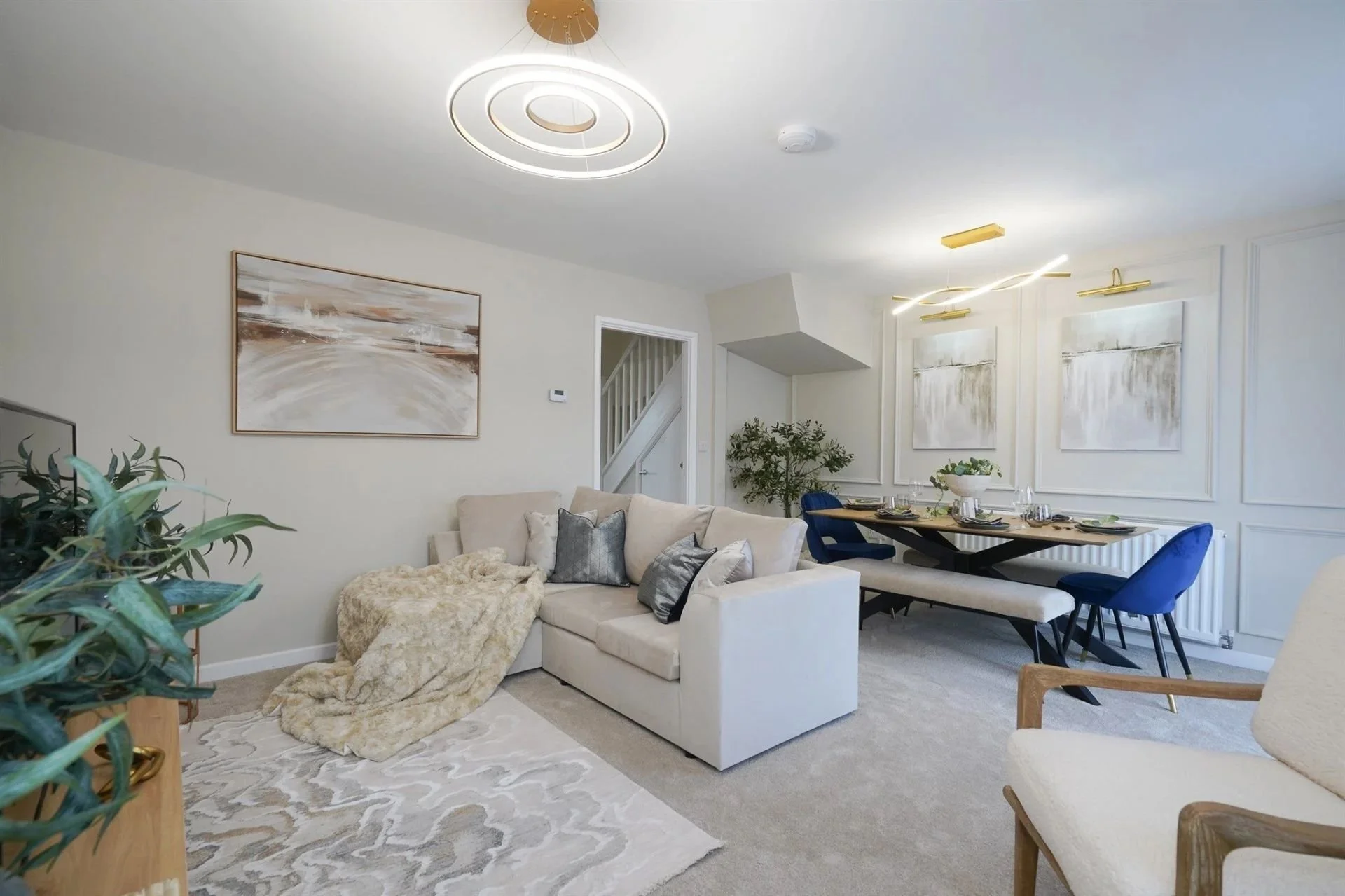
Consider:
Pairing bedside tables and lamps
Framing sofas with matching side tables
Styling surfaces in considered groupings (often in threes)
Keeping sightlines clear on entry
Symmetry isn’t about rigidity. It’s about visual stability.
And stability subconsciously reassures buyers.
Layer Texture, Not Clutter
There’s a difference between styled and over‑styled.
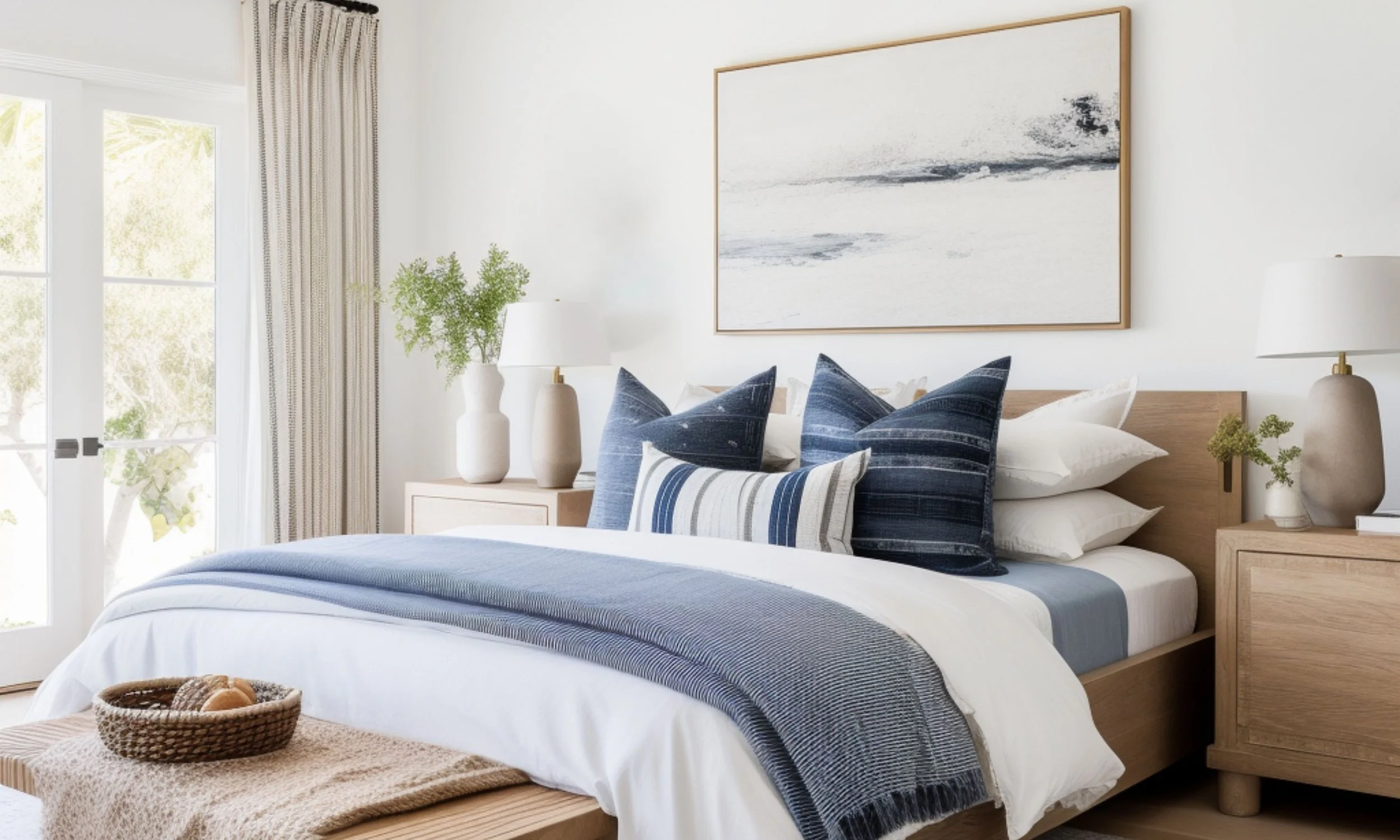
Maximum impact comes from layering materials thoughtfully:
Linen against timber
Soft boucle beside smooth stone
Brushed metals paired with woven textiles
Texture creates depth. Depth creates richness.
Too many small accessories, however, create visual noise. And noise distracts from the property itself.
Restraint always feels more premium.
Make The Bed a Statement
In any show home, the main bedroom carries emotional weight.
It represents comfort. Sanctuary. Aspiration.
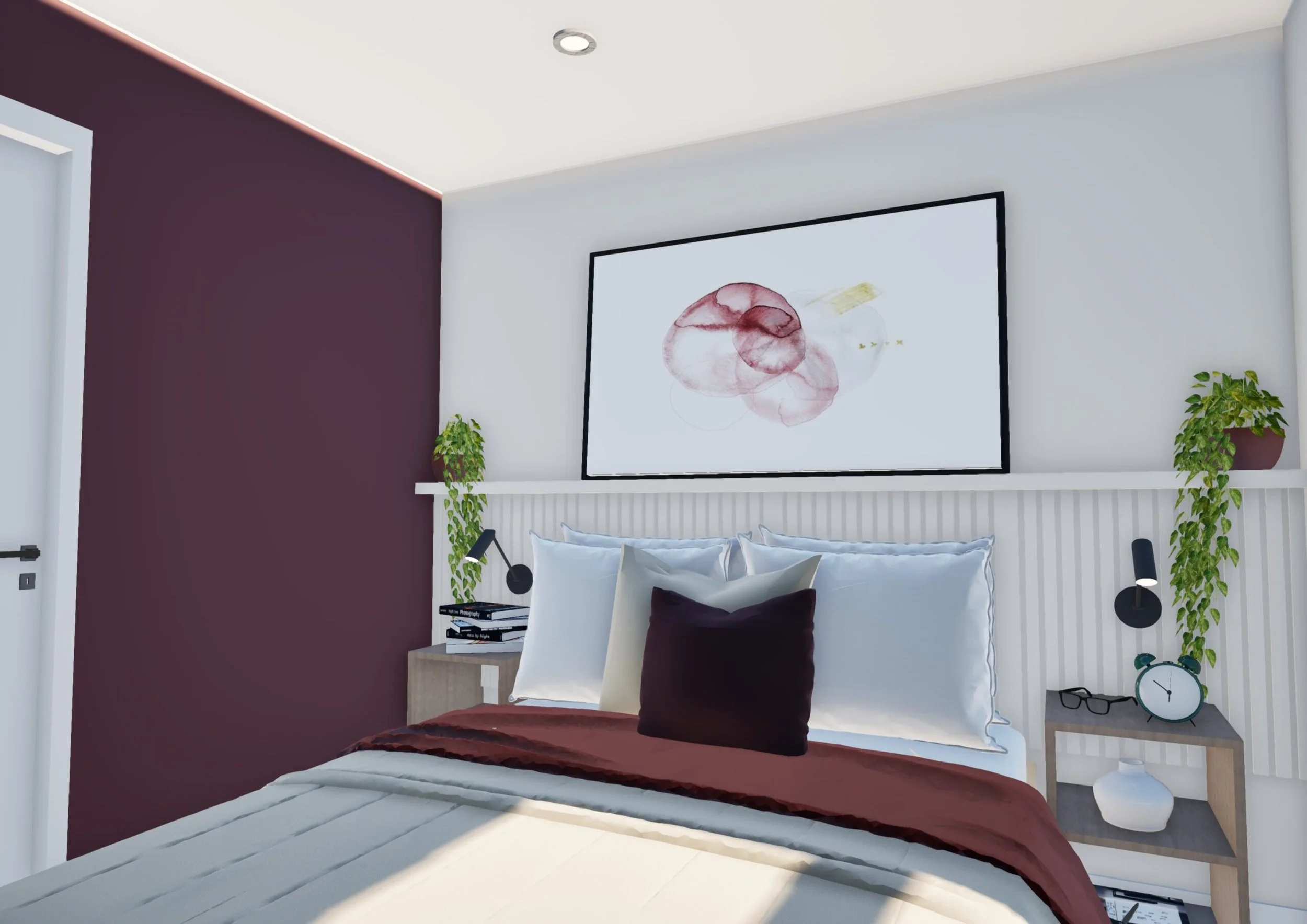
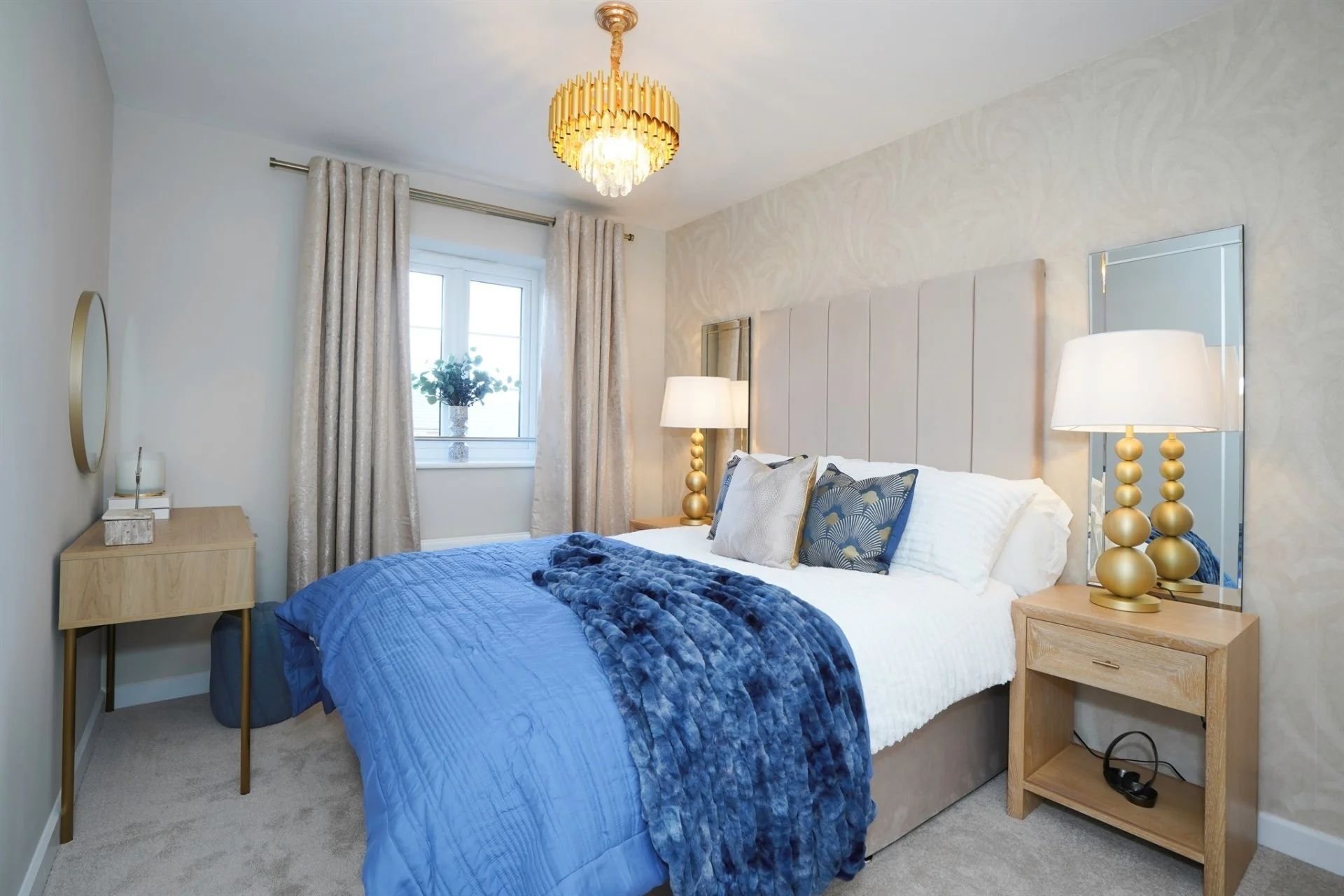
A perfectly dressed bed communicates care and quality. Crisp layering, tailored sheets, structured cushions and a well‑placed throw elevate perception instantly.
Upholstered headboards or panelled backdrops add depth and create that boutique‑hotel feeling buyers respond to. They signal luxury without overwhelming the room.
The bed isn’t just furniture.
It’s the emotional anchor of the space.
Keep Walls Broadly Appealing, But Not Flat
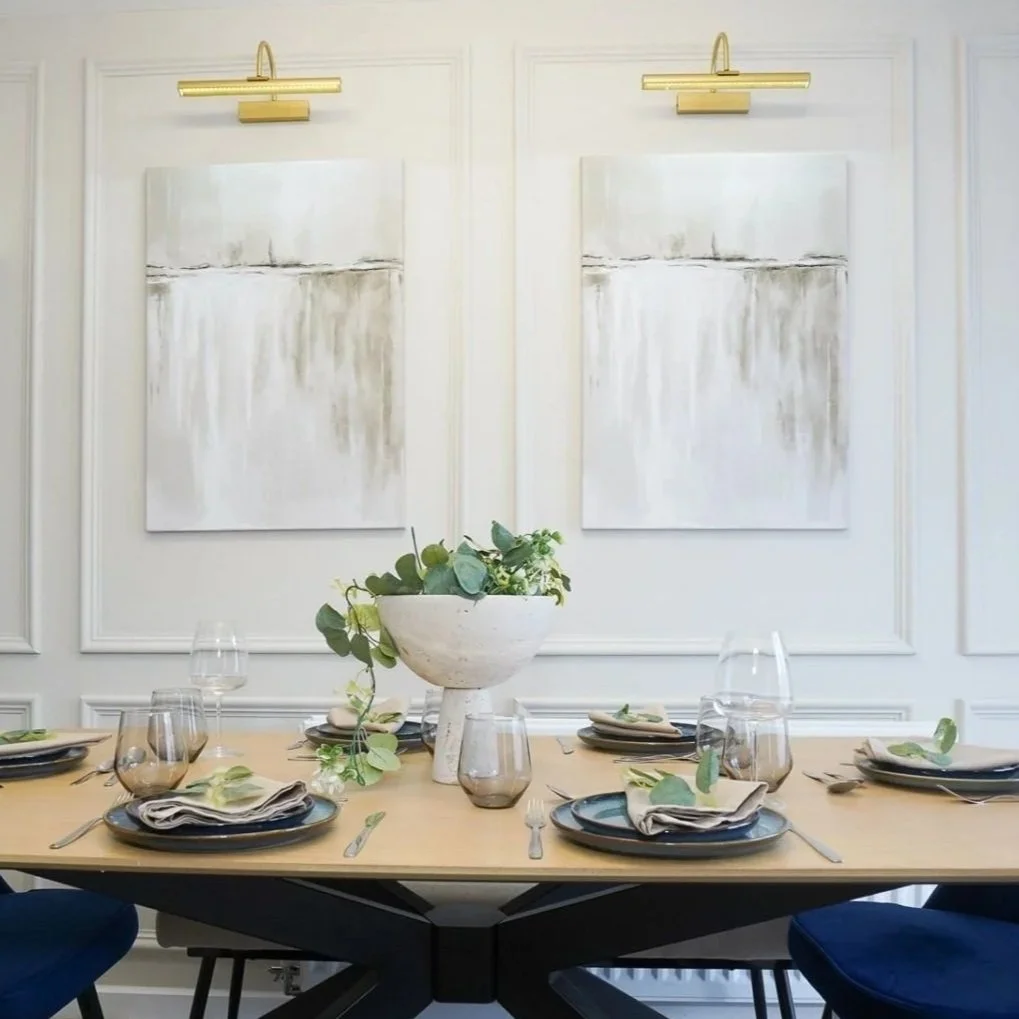
Neutral doesn’t mean white and lifeless.
Muted greens, soft taupes, warm greys and dusty blues create warmth while maintaining flexibility. The key is choosing tones that feel contemporary yet timeless.
Walls should provide a backdrop for imagination.
Bold feature colours can work, but only when used strategically, not universally. Buyers need to see possibility, not someone else’s personality.
Style Children’s Rooms With Intention
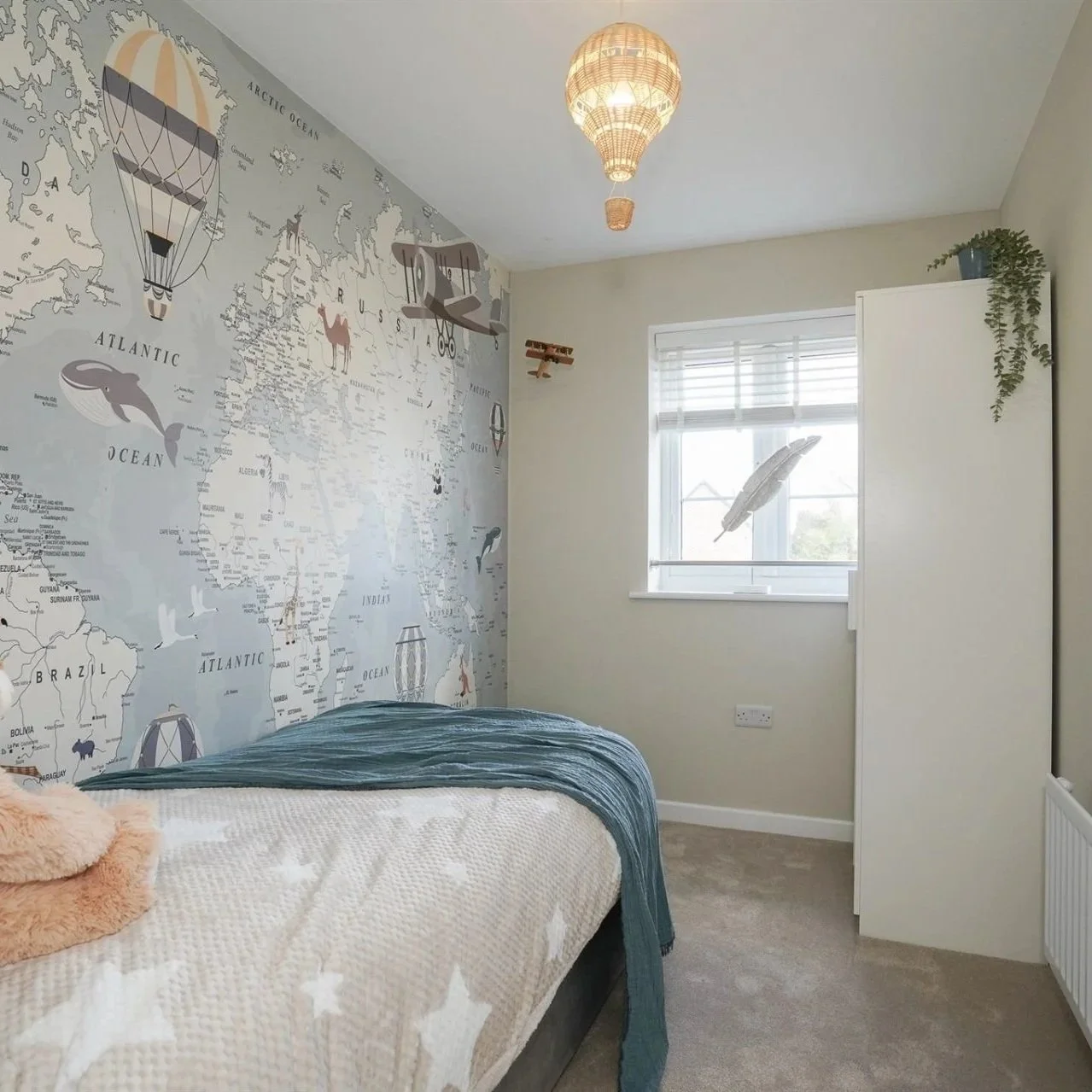
Family homes benefit from showing versatility.
Children’s bedrooms shouldn’t feel chaotic, they should feel considered. Simple shelving, coordinated bedding, framed artwork and controlled pops of colour create charm without clutter.
The objective isn’t realism.
It’s aspiration within reach.
When buyers see a child’s room that feels joyful but organised, they imagine family life without overwhelm.
Demonstrate Flexibility With A Workspace
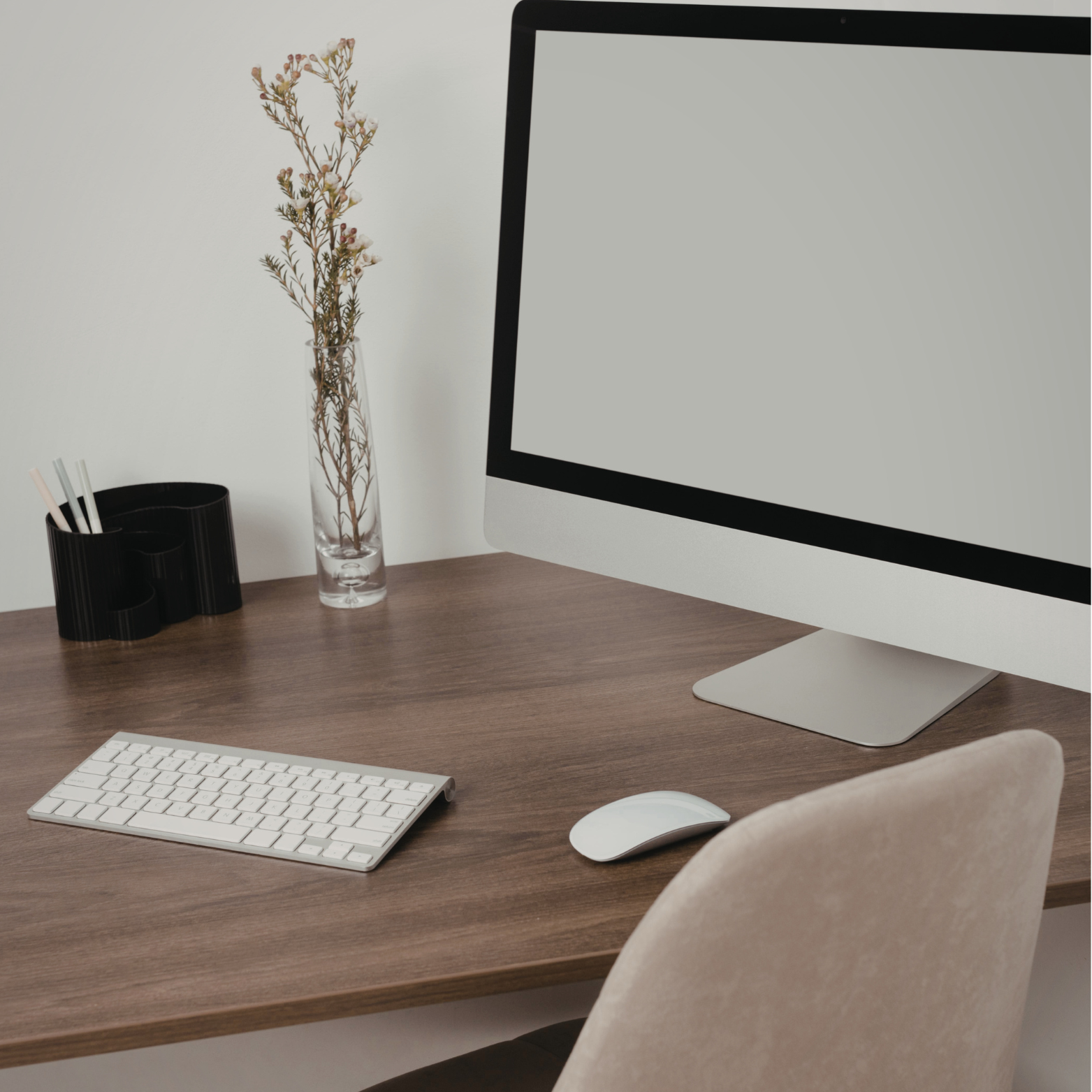
Home working isn’t a trend. It’s embedded in modern life.
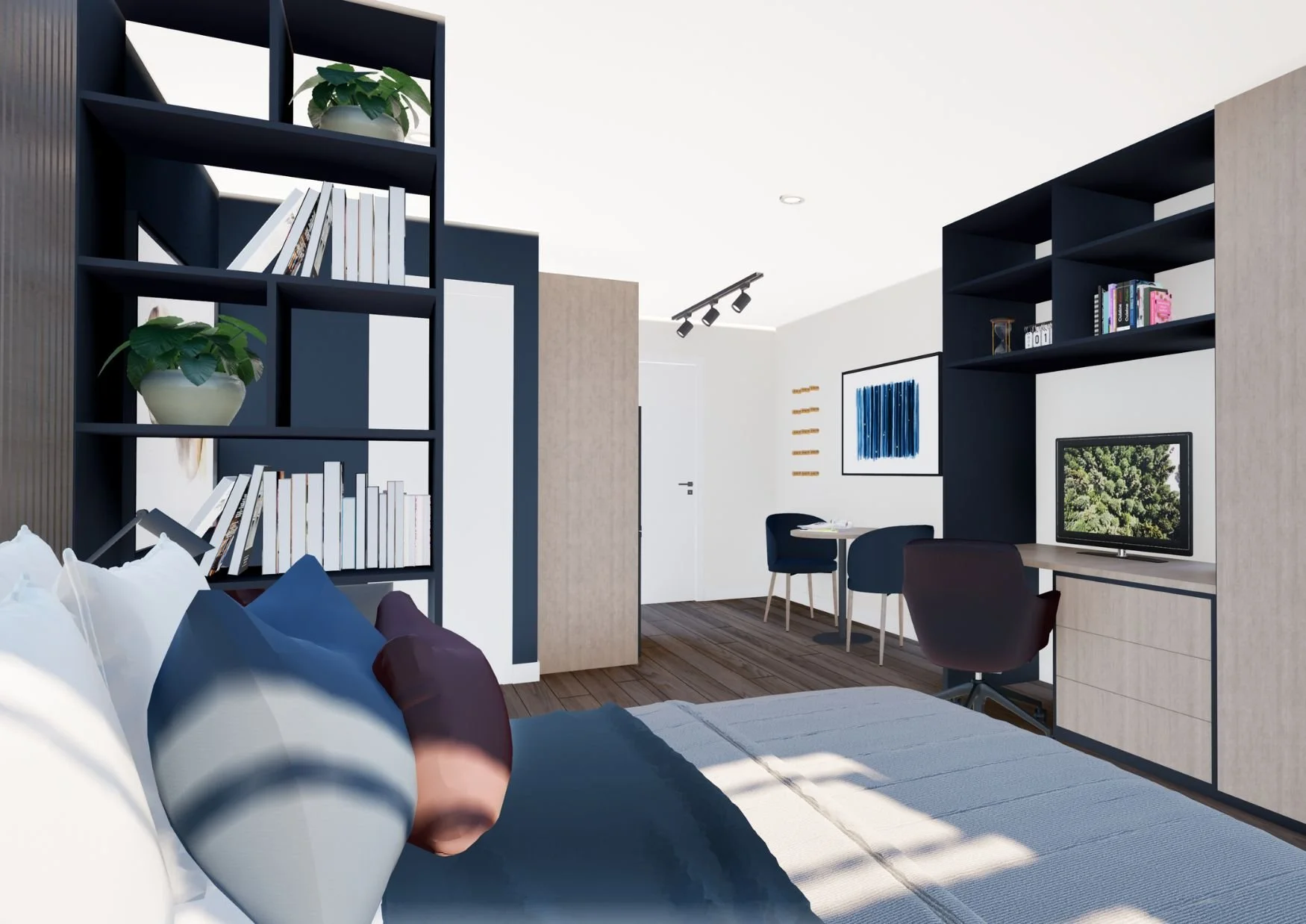
Even in smaller properties, styling a defined workspace adds perceived value. A slim desk, an upholstered chair, layered lighting and subtle storage solutions communicate practicality.
The message is clear:
This home adapts to your lifestyle.
And adaptability increases appeal across buyer demographics.
Lighting Creates The Finishing Layer
Never underestimate lighting.
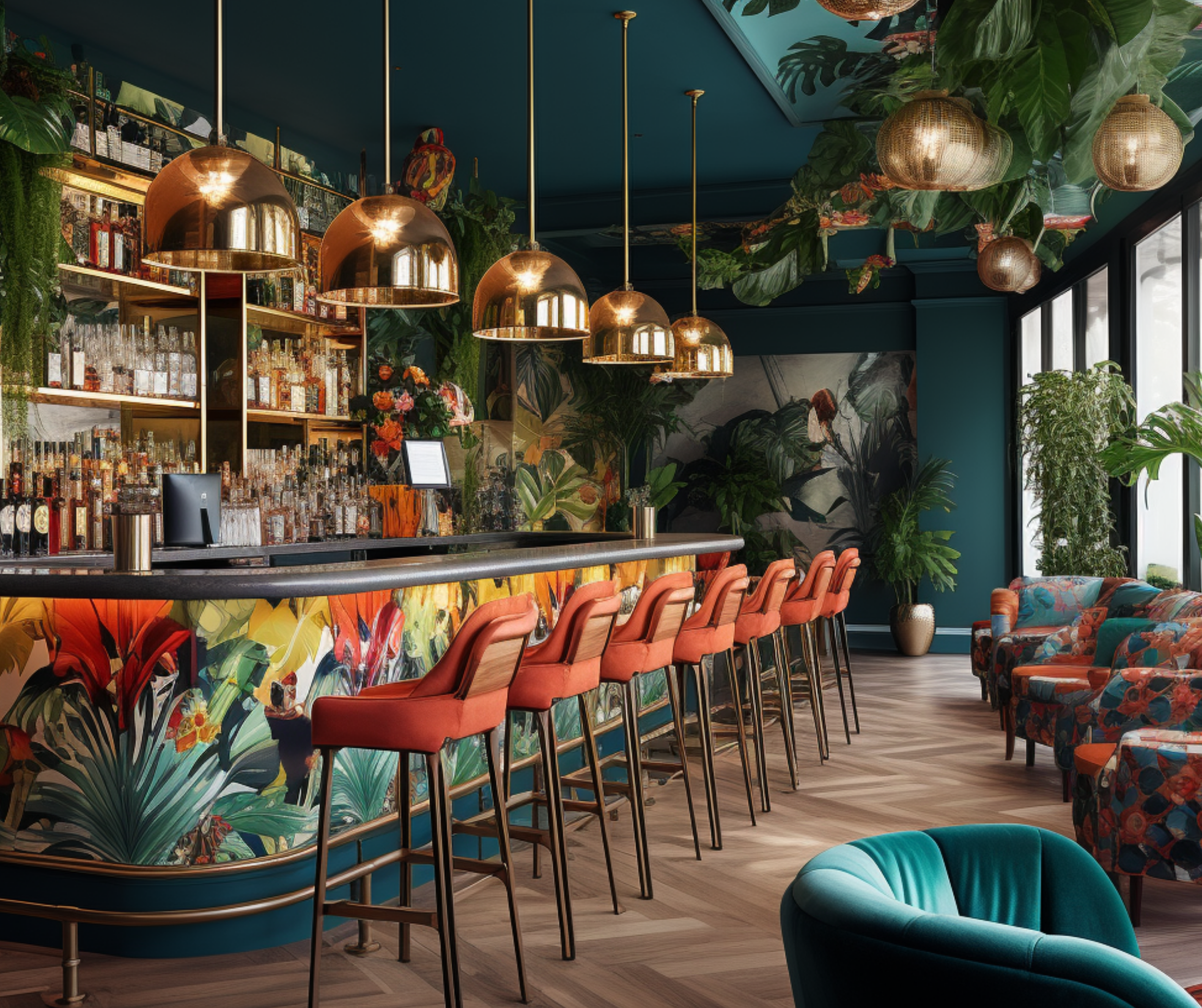
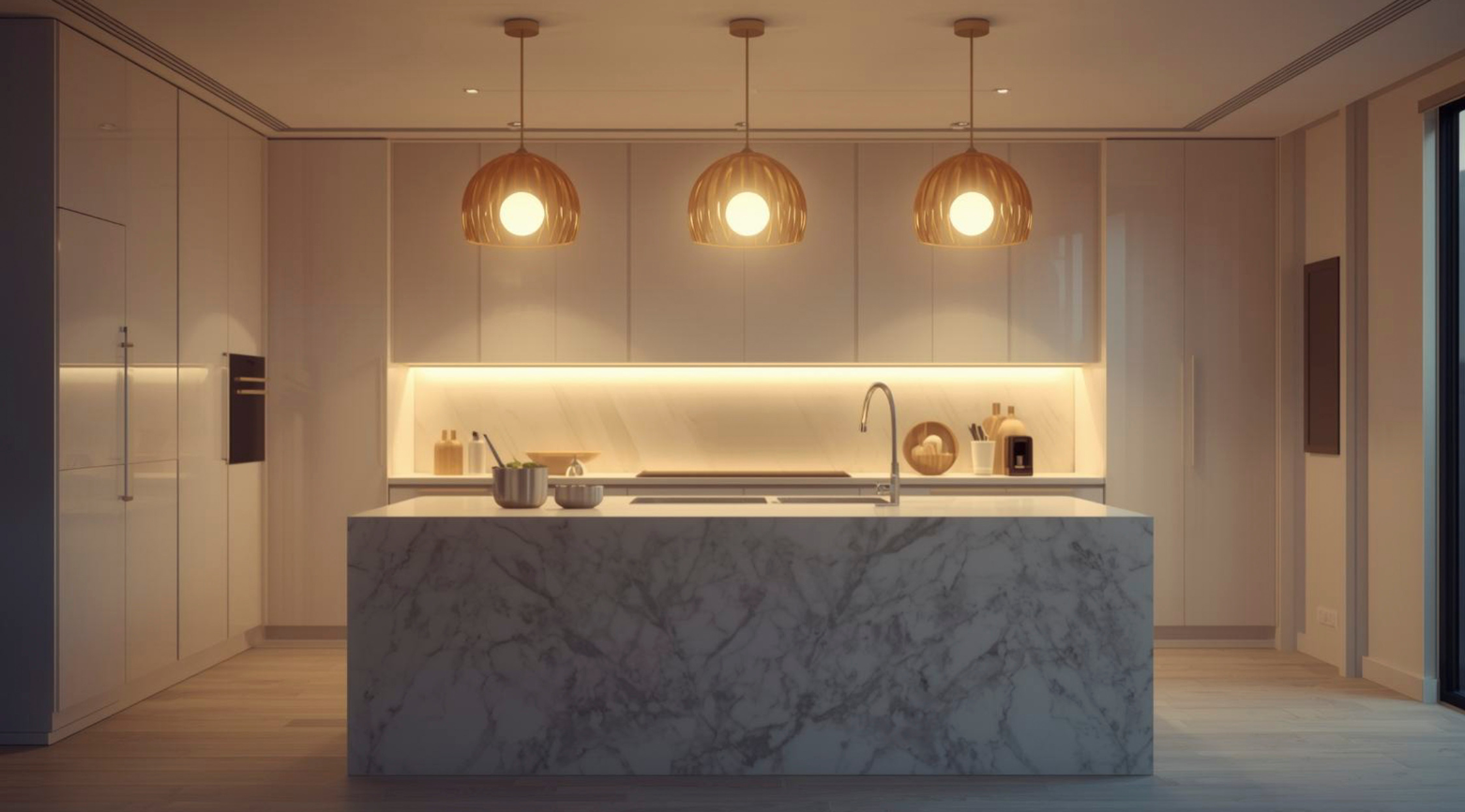
Overhead lighting alone flattens a space. Layered lighting — table lamps, wall lights, feature pendants — creates warmth and intimacy.
Lighting should:
Highlight focal points
Enhance texture
Create atmosphere
Support flow between zones
The right lighting makes everything else look better.
See how lighting transforms perception and atmosphere.
Edit Relentlessly
The final step in styling is removal.
Step back and ask:
Does this add value?
Does it clarify the space?
Or does it distract?
Show homes should feel effortless. Effortlessness is achieved through careful editing.
Style With Commercial Intent
Maximum impact isn’t about excess.
It’s about clarity.
When a show home is styled strategically, it:
Feels aspirational but attainable
Demonstrates functionality
Builds trust in the developer
Enhances perceived value
Encourages faster decision‑making
At Shropshire Studios, we approach styling as a performance tool — not a finishing flourish.
Because the most effective show homes don’t just look impressive in photographs.
They convert in person.
Get guidance on styling your show home for maximum impact.