How To Design Show Homes Based on Buyer Psychology
A show home isn’t just styled.
It’s engineered.
Every colour, every furniture placement, every lighting decision should be working towards one goal: helping buyers see themselves living there.
Because homes aren’t purchased purely on logic. They’re purchased on emotion, then justified with numbers.
When buyer psychology is understood and applied properly, show homes don’t just look impressive.
They convert faster.
Buyers Need To Project Themselves Into The Space
One of the biggest mistakes in show home design is over‑personalisation.
Highly specific styling, bold thematic choices or excessive accessories can make a home feel like someone else already lives there.
Psychologically, buyers need room to imagine.
That doesn’t mean blank or sterile. It means curated restraint.
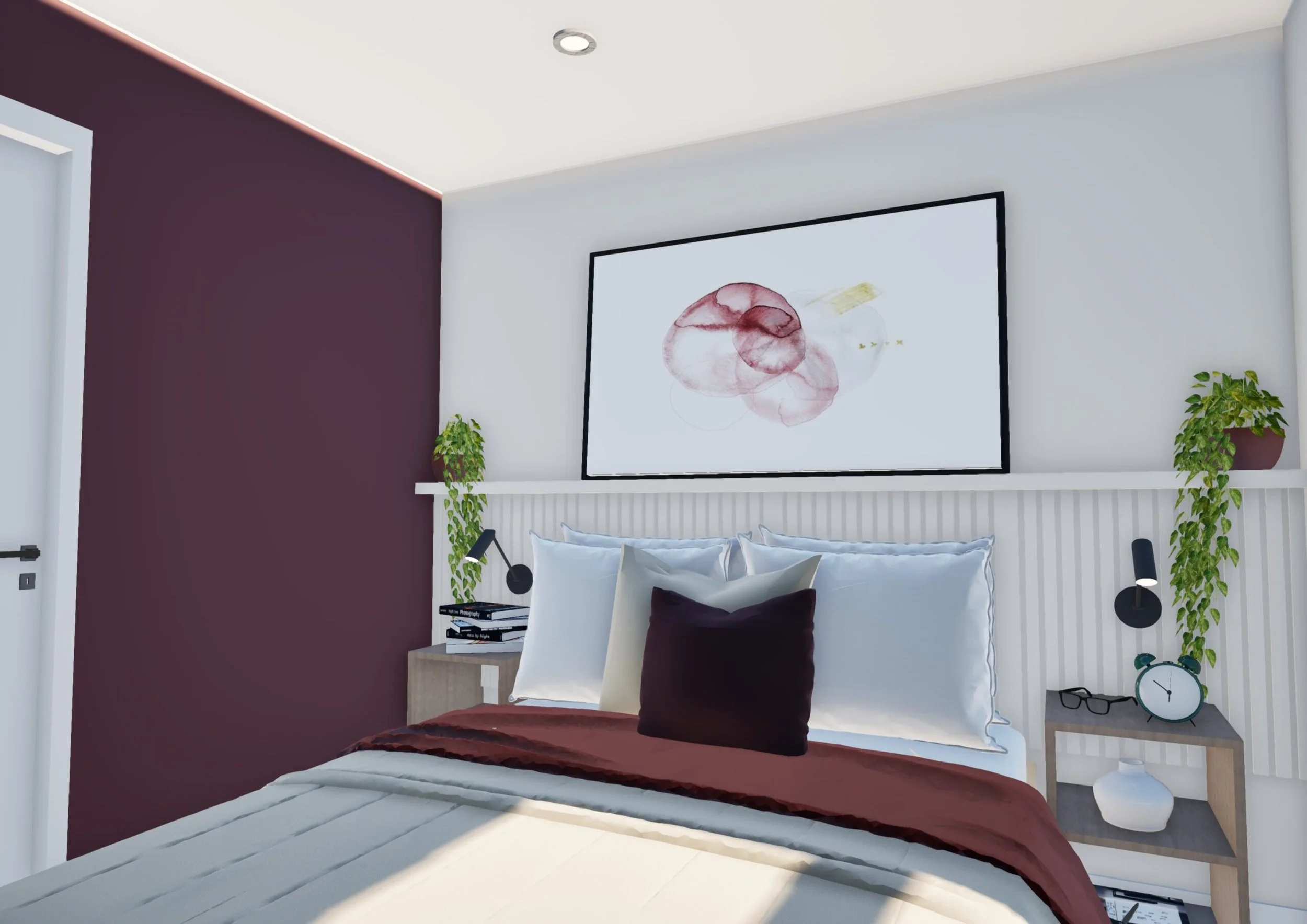
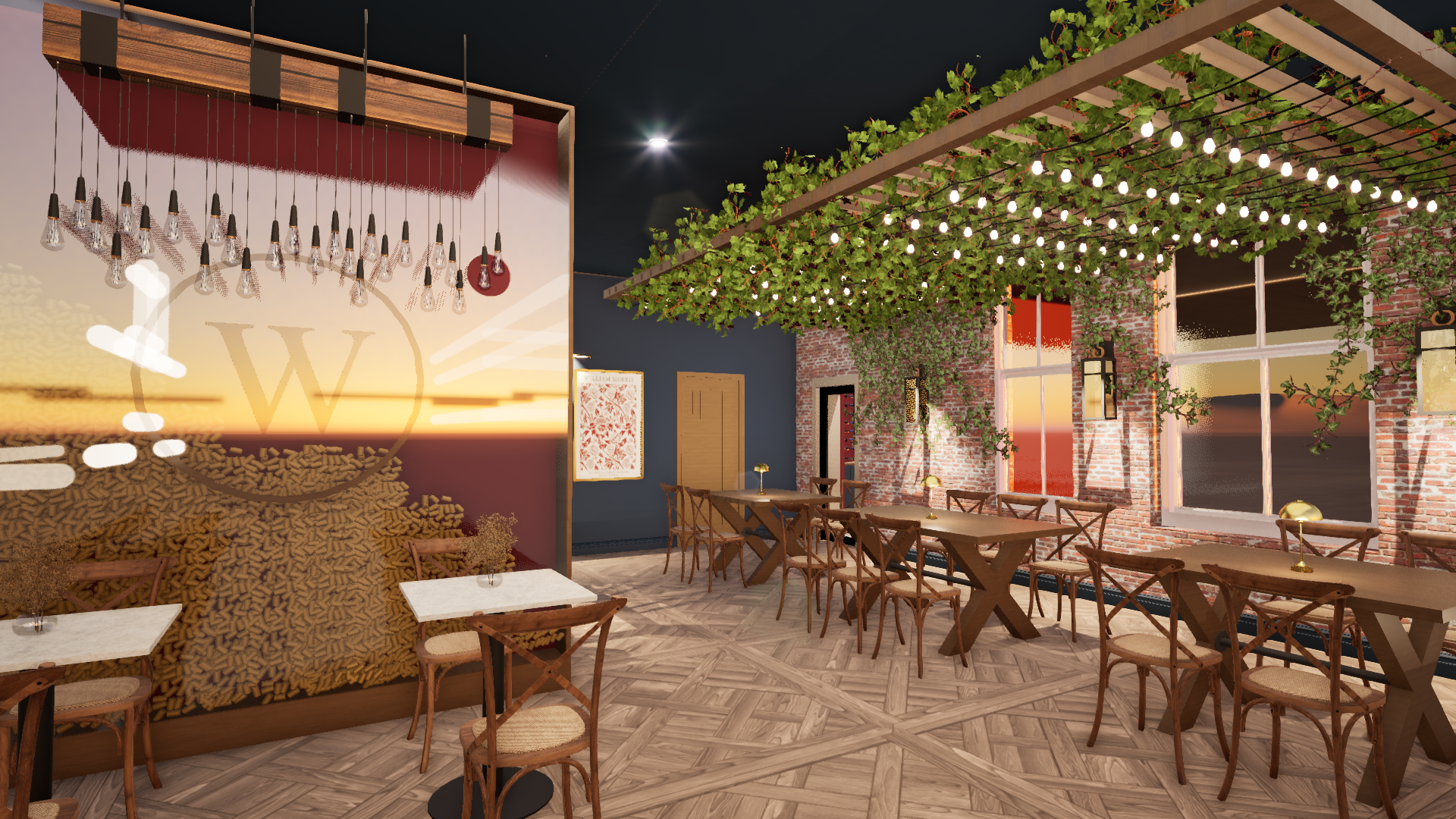
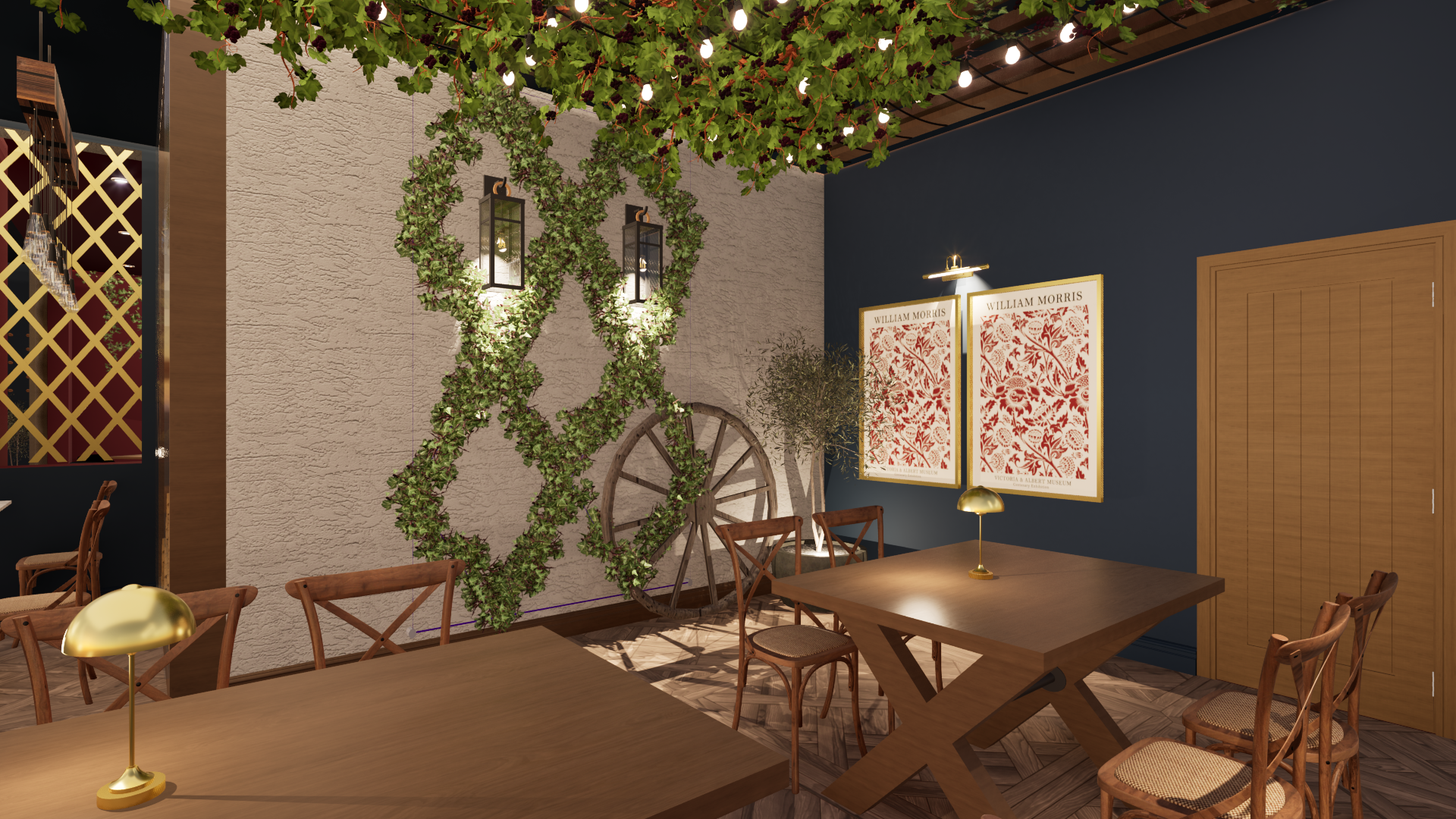
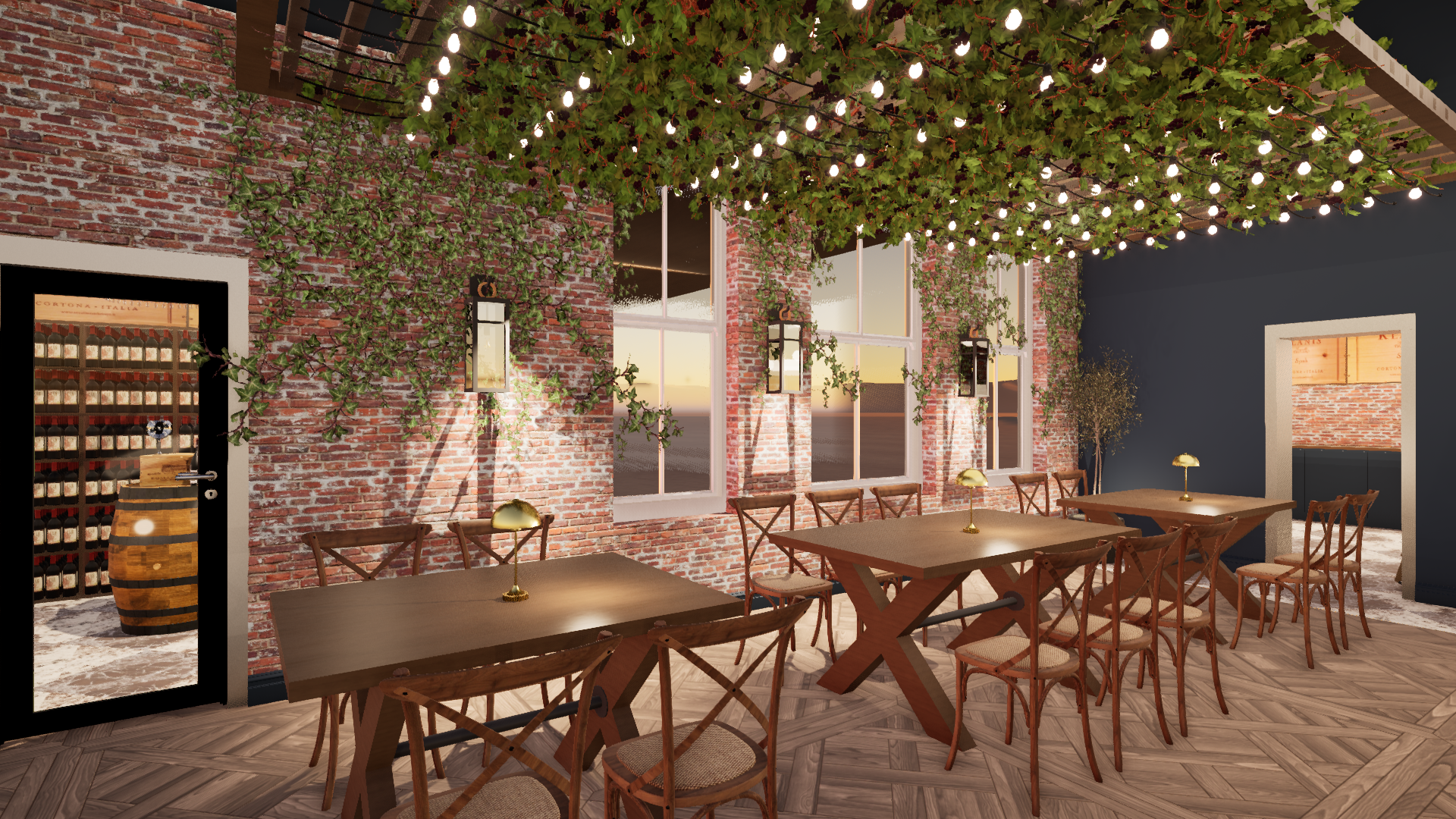
Neutral foundations layered with texture, linen, timber, wool and stone create warmth without dictating taste. Carefully placed accent colours add personality without narrowing appeal.
The space should whisper possibility, not shout identity.
See how emotional connection directly impacts buyer decisions.
First Impressions Form In Seconds
Buyers decide how they feel about a property almost instantly.
Before they register square footage or storage, they register atmosphere.
Does it feel calm?
Does it feel aspirational?
Does it feel like somewhere they belong?
That emotional response is what determines how they move through the rest of the viewing.
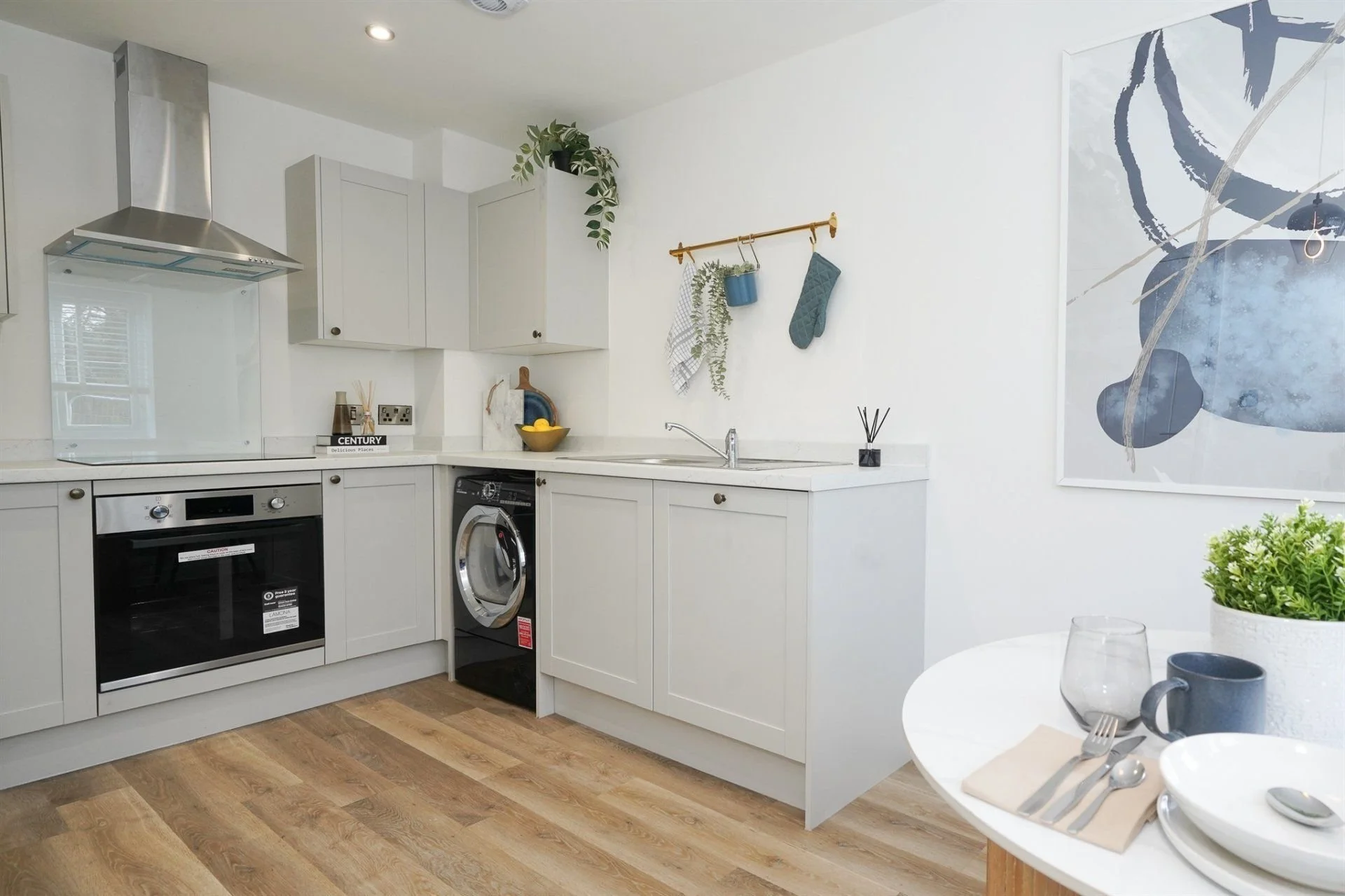
Designing for psychology means controlling that first impression deliberately:
Layered, warm lighting
A balanced, cohesive palette
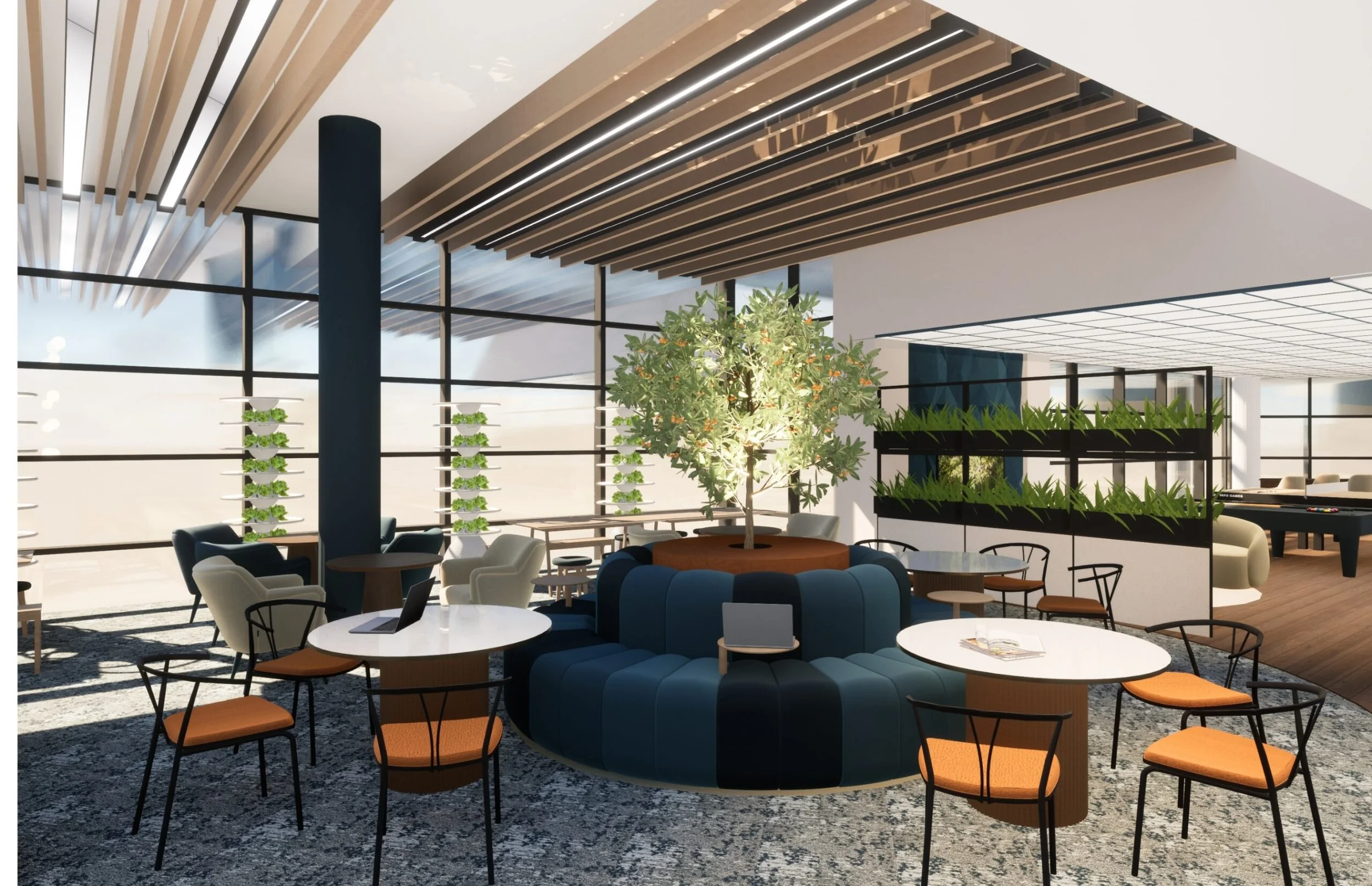
Clear sightlines on entry
A focal point that anchors the space
When the first few seconds feel right, resistance lowers.
Layout Drives Confidence
Uncertainty slows decisions.
When buyers walk into a room and instantly understand how it functions, confidence builds.
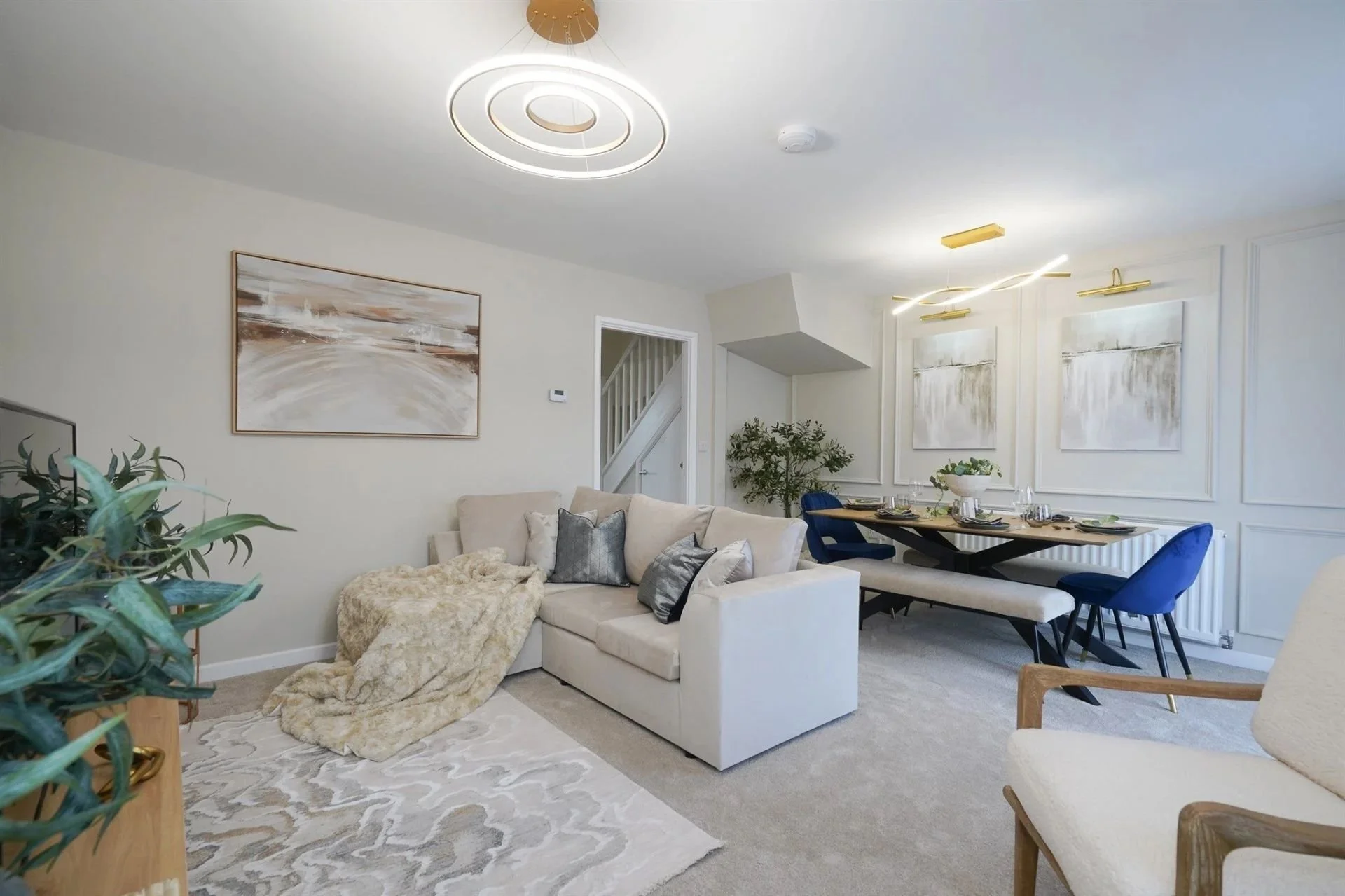
Furniture placement should:
Clarify scale
Demonstrate practical living
Highlight circulation
Show flexibility
An awkwardly arranged room raises subconscious questions about usability. A clearly zoned space reassures buyers that the home works.
And reassurance speeds up commitment.
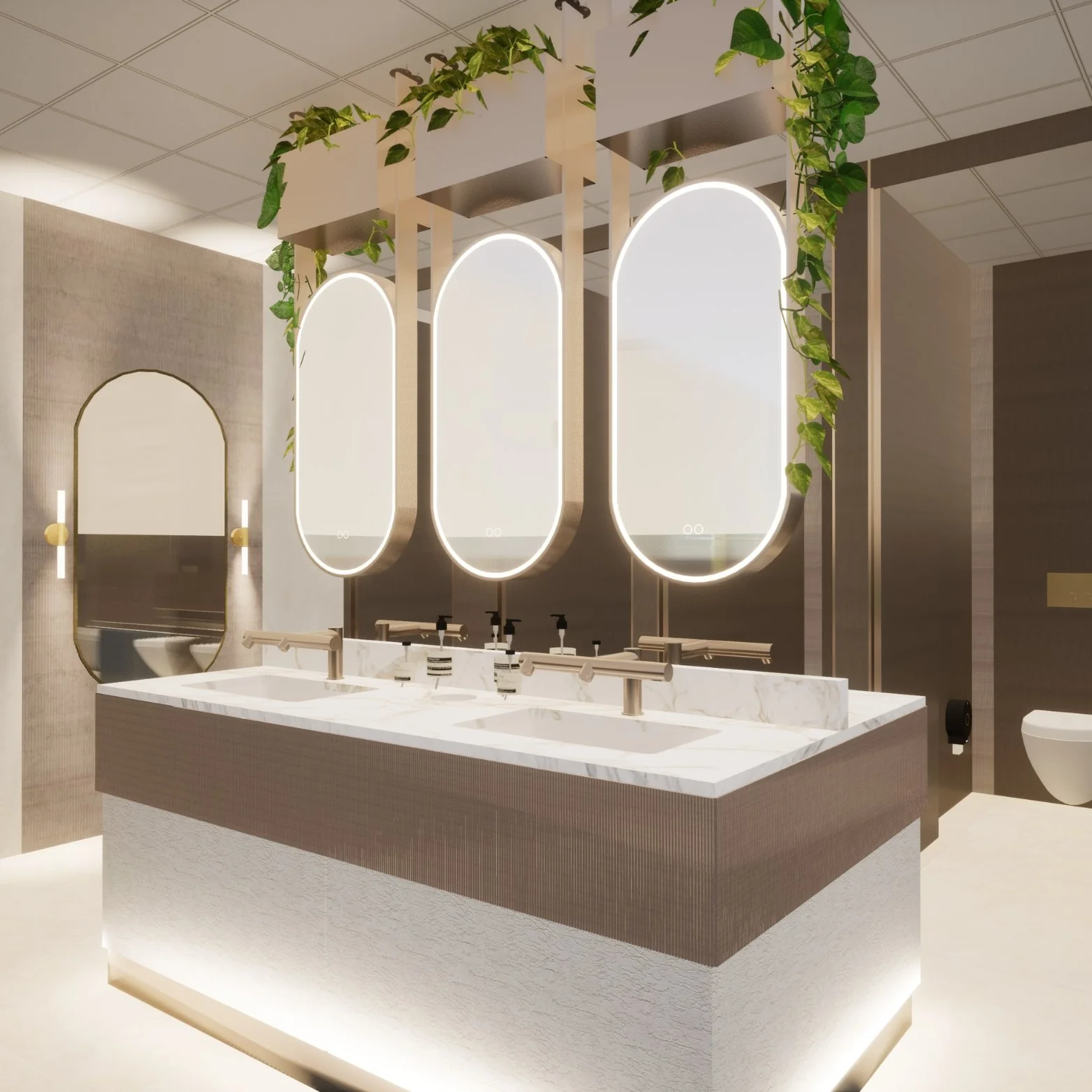
Emotion Is Built Through Sensory Detail
Great show homes engage more than the eye.
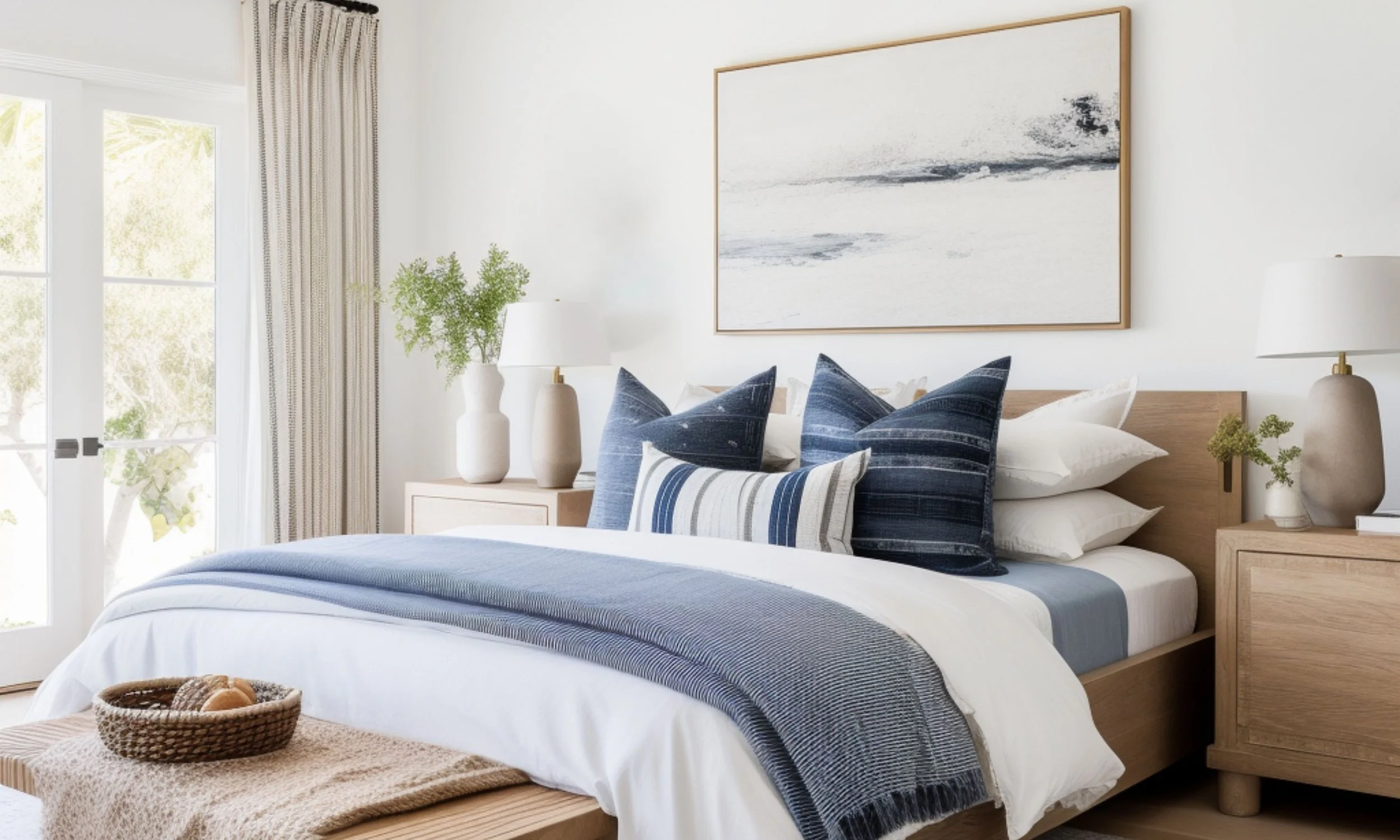
They incorporate:
Soft textiles create comfort
Layered lighting creates warmth
Balanced acoustics create calm
Subtle sensory cues, without becoming gimmicky, enhance emotional connection.
When a bedroom feels genuinely restful and a living room feels inviting rather than staged, buyers move from observing to imagining.
That shift is critical.
Highlight Features, Don’t Compete With Them
Every property has strengths.
Natural light. Ceiling height. Architectural details. Garden views.
Show home design should direct attention toward these features, not distract from them.
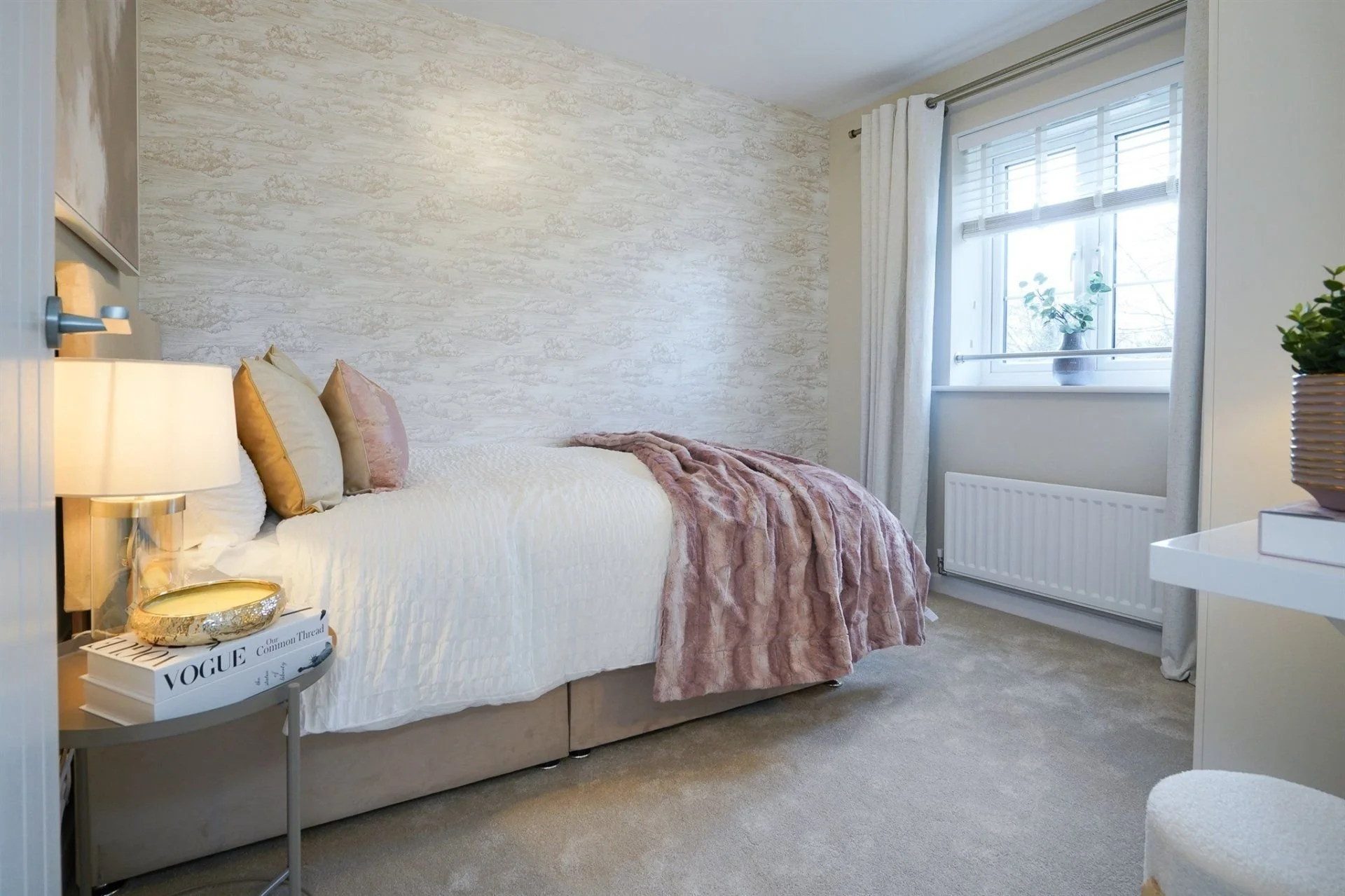
This might mean:
Positioning seating to frame a window
Using mirrors to amplify light
Keeping wall treatments restrained around standout elements
Psychologically, when buyers notice quality features effortlessly, they associate the property with value.
Perceived Value Is Created Visually
Buyers use design as a proxy for build quality.
If the interior feels considered, balanced and well‑executed, they assume the same care has been applied to construction.
This is where timeless design becomes commercially powerful.
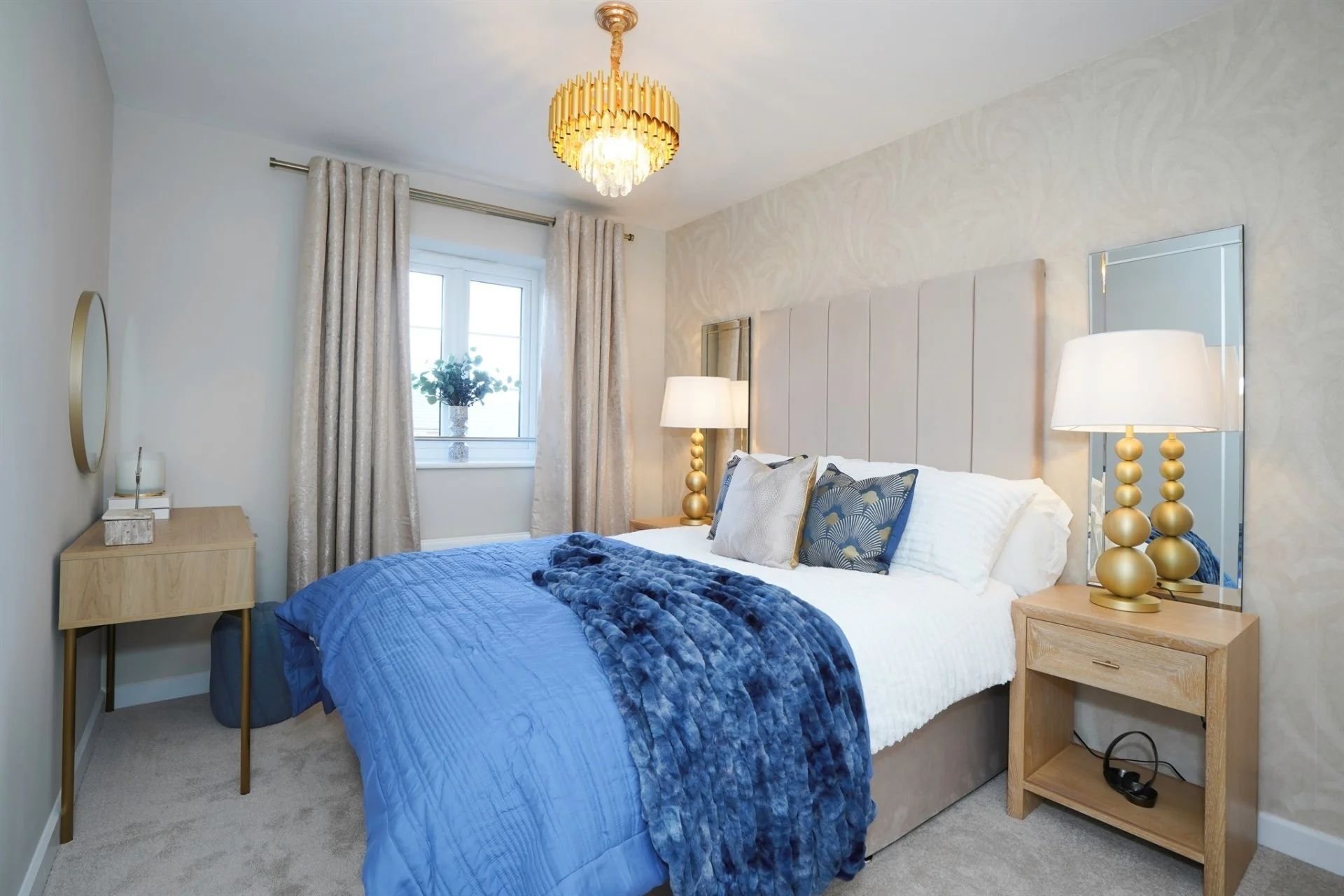
Powerful show home design elements:
Muted palettes
Natural materials
Proportionate furniture
Layered textures
These elements signal longevity and investment security, two key drivers in purchase decisions.
See how to style a show home for maximum impact:
Reduce Friction, Increase Flow
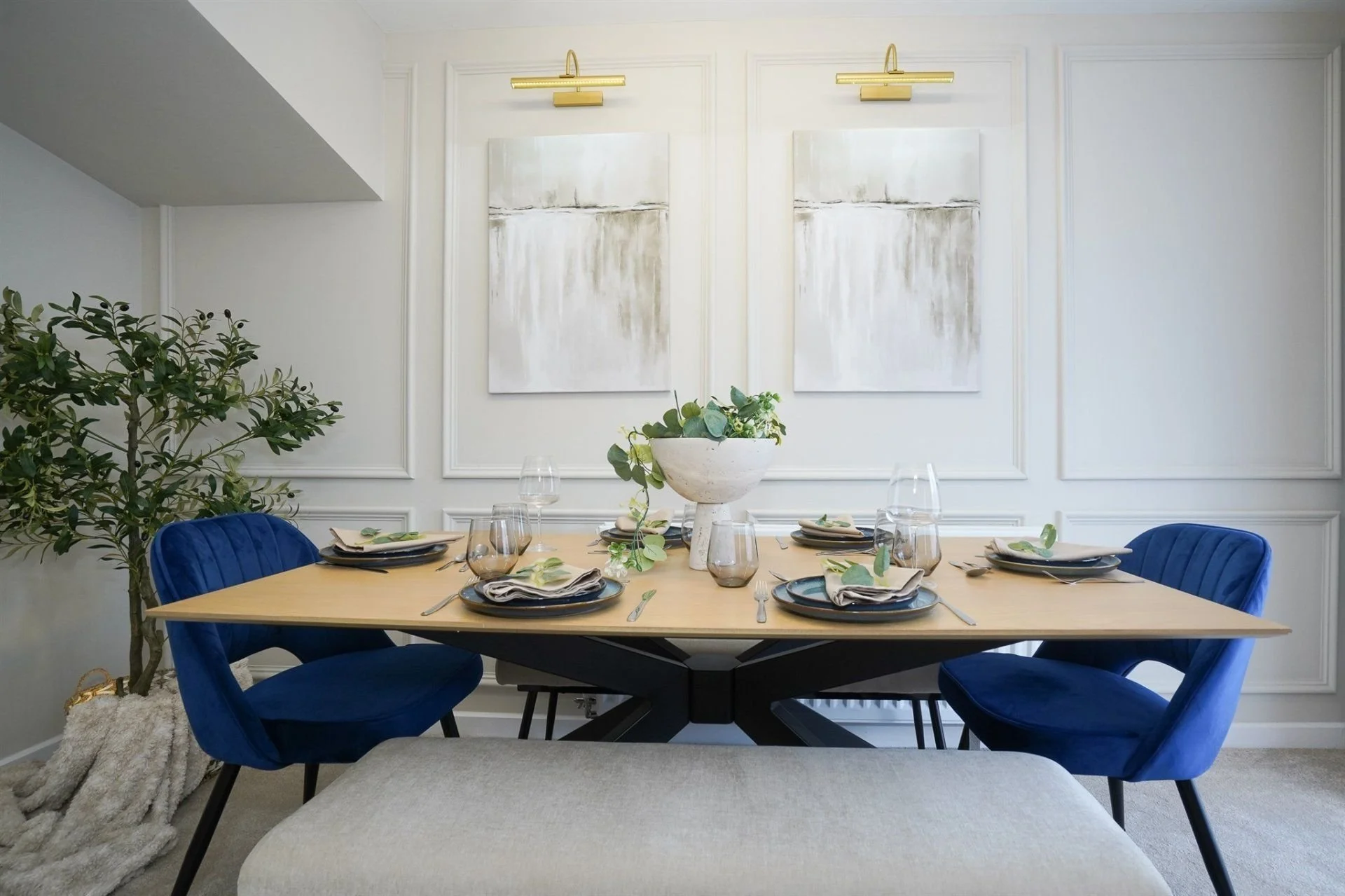
A successful show home feels easy to move through.
Clear circulation paths. Logical transitions between living, dining and kitchen zones. Bedrooms that feel appropriately scaled.
When movement is intuitive, stress decreases.
And when stress decreases, buyers stay longer.
Longer viewings correlate directly with stronger emotional attachment.
Design for Trust, Not for Impact
The most important psychological trigger in property sales is trust.
Buyers are asking:
Is this a sound investment?
Does this developer care about quality?
Will this home age well?
Overly trend‑driven interiors can feel temporary. Over‑designed spaces can feel forced.
Timeless, balanced design communicates stability.
And stability builds trust.
See how we create trust-led, high-performing interiors.
Show Homes Are Sales Strategy
A show home should never be treated as decoration.
It is a marketing tool. A confidence builder. A conversion accelerator.
When designed around buyer psychology, it:
Creates immediate emotional connection
Reduces uncertainty
Broadens appeal
Increases perceived value
Speeds up decision‑making
At Shropshire Studios, we approach show home design strategically, blending atmosphere, proportion and timeless detailing to ensure homes don’t just look impressive on launch day.
They perform.
Because in the end, the best show homes don’t simply stage a lifestyle.
They make buyers believe it’s already theirs.
Let’s design a space that connects emotionally and sells faster.