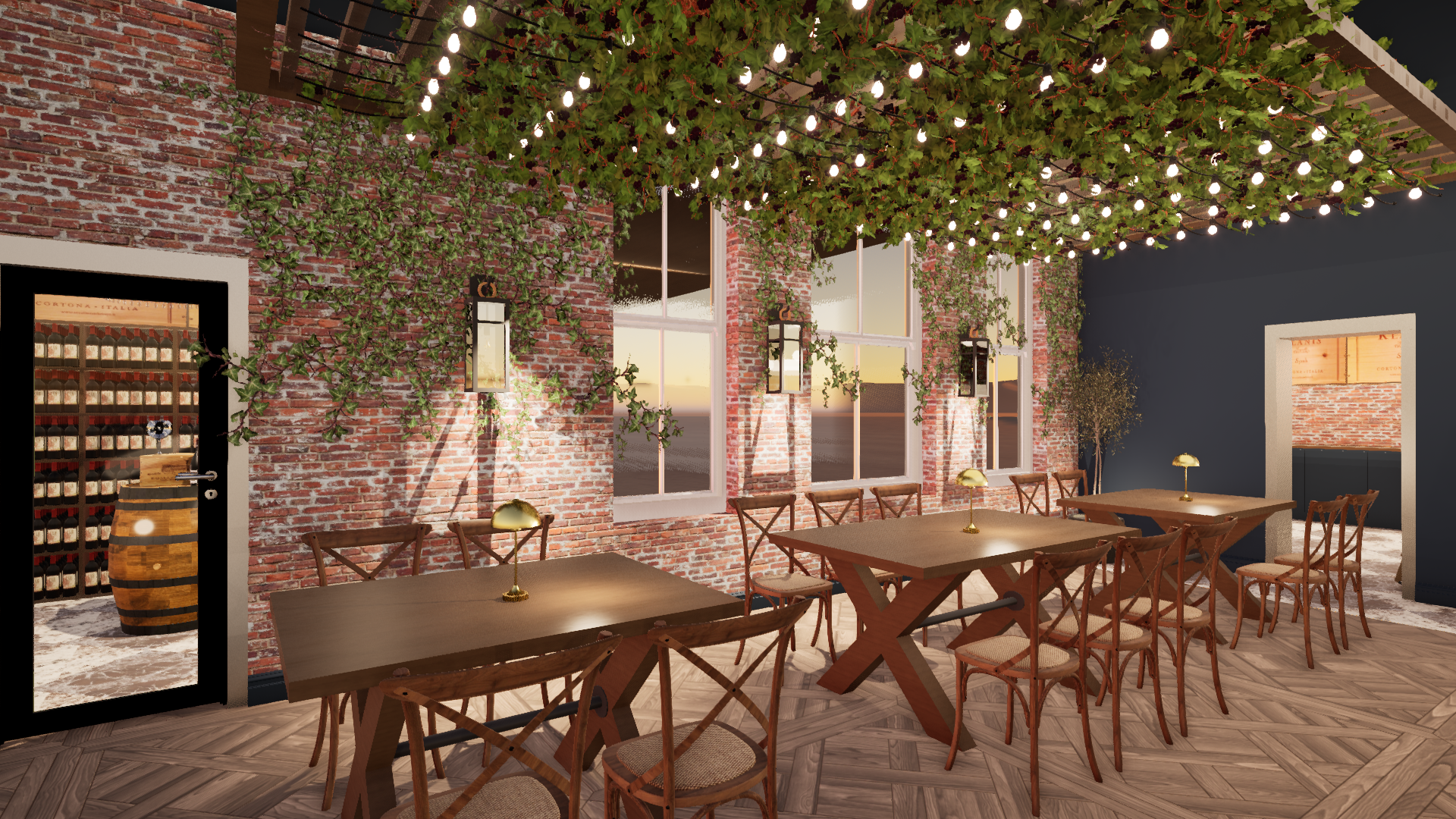
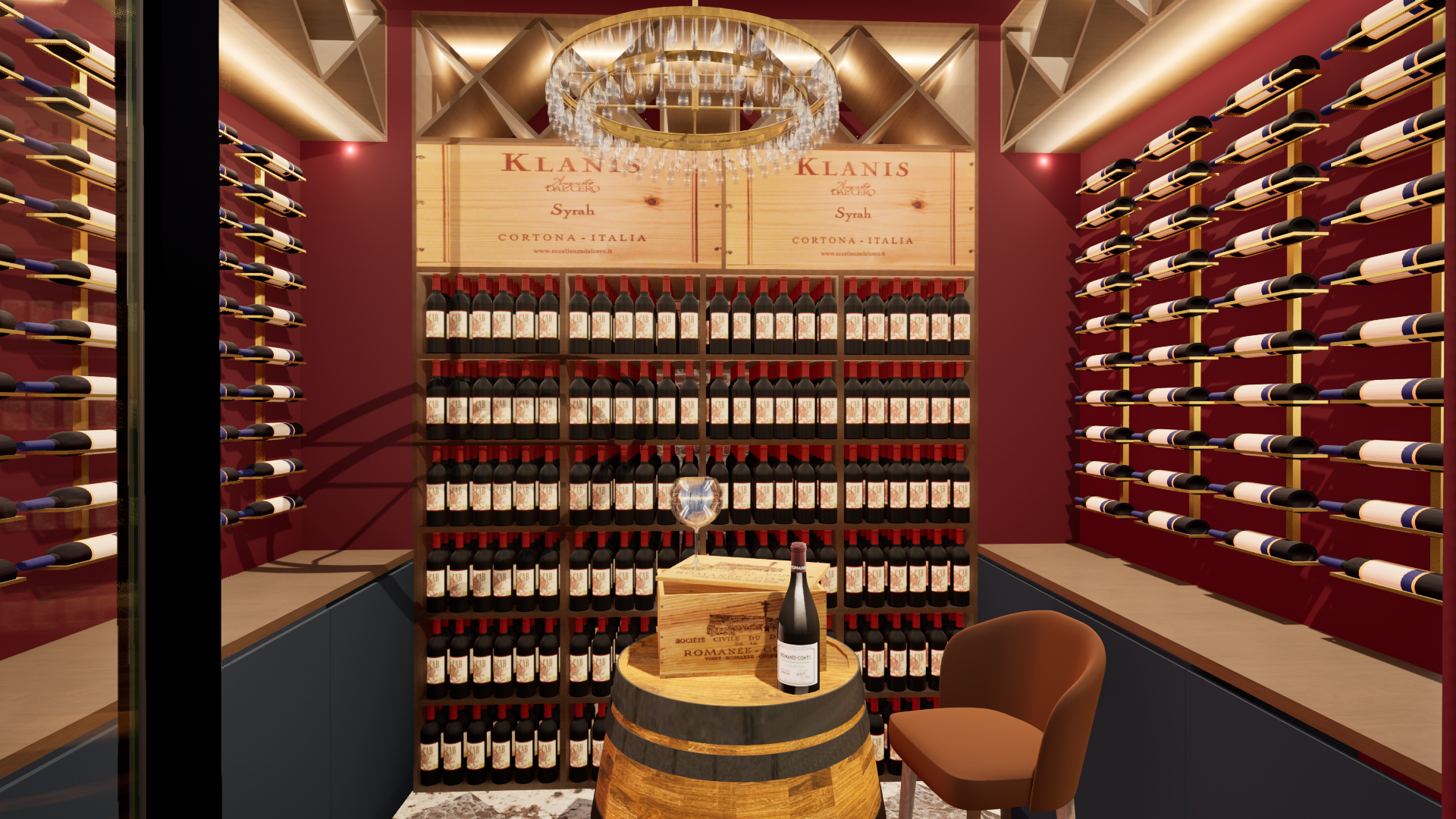
The Biggest Mistakes Developers Make With Interiors
In property development, interiors are often treated as the finishing touch.
They shouldn’t be.
Interiors influence buyer perception, sales velocity, rental value and long‑term brand reputation. Yet many developments still approach them as a cost centre, rather than a commercial driver.
The result? Beautiful buildings that underperform.
Here are the biggest interior mistakes we see developers make and why they matter more than you think.
Designing For Yourself, Not The Market
One of the most common mistakes is designing based on personal taste or previous success.
Markets shift. Buyer expectations evolve. What worked five years ago may already feel dated.
Large formal dining rooms in areas where buyers want open-plan living. Minimal storage in family-focused developments. Styling that appeals to a niche demographic rather than the core target audience.
Interiors should be driven by insight, not instinct.
Developers who invest in understanding who their buyer is — and how they live — consistently outperform those who rely on assumption.

Prioritising Aesthetics Over Function
A space can photograph beautifully and still fail commercially.
Awkward layouts, undersized bedrooms, poor circulation or insufficient storage create friction. And friction creates hesitation.
Buyers don’t always articulate why something feels “off.”
But they feel it.
Functionality builds confidence. Confidence accelerates decisions.
Design should always begin with how the space works, not how it looks on a brochure.
Wasting Space Through Poor Layout
Square footage is expensive.
Yet we regularly see developments with oversized hallways, dead corners or poorly proportioned rooms that dilute value.
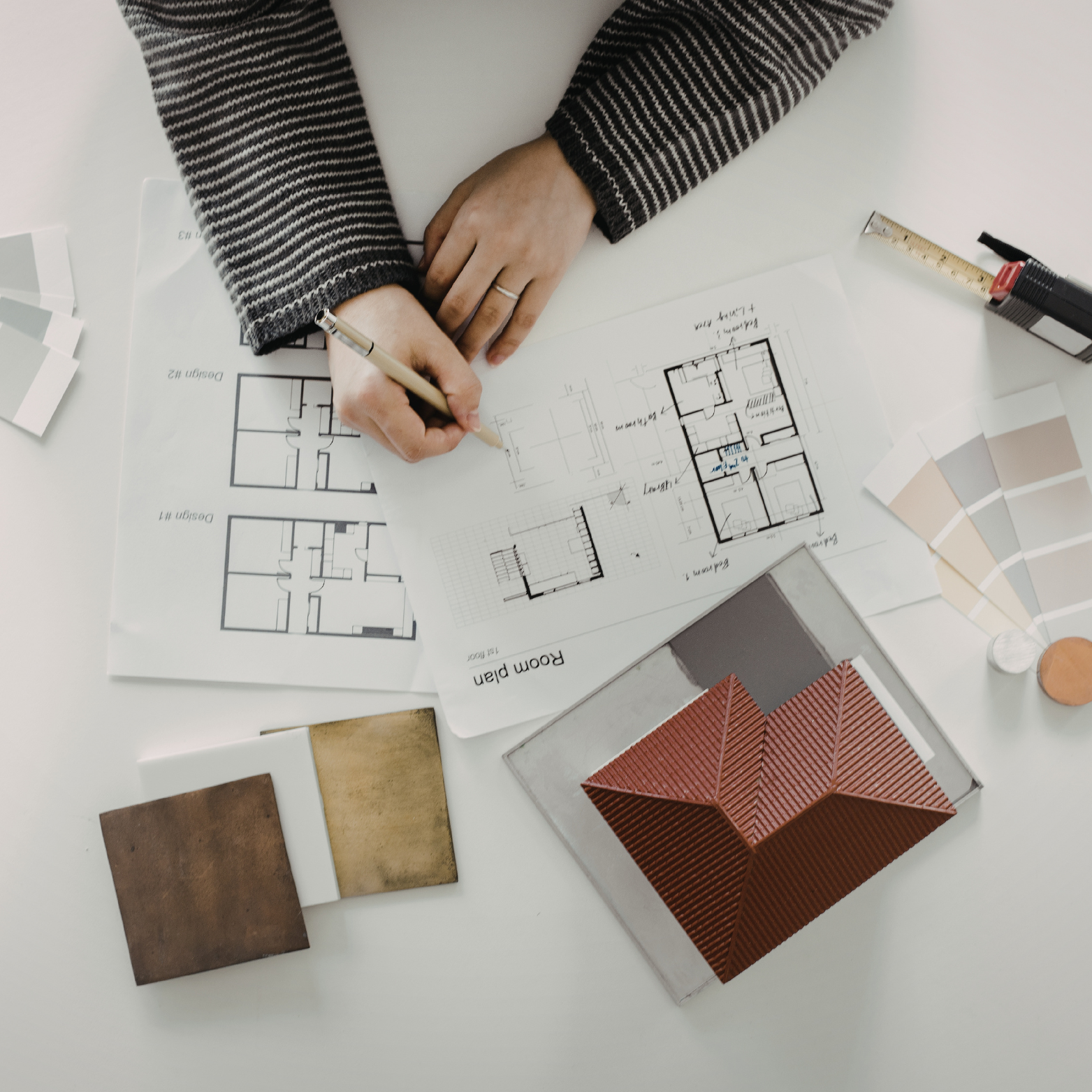
Efficient space planning isn’t about cramming more in. It’s about clarity:
Logical circulation
Rooms that feel usable
Defined zones within open-plan layouts
Furniture layouts that demonstrate practicality
Every square metre should earn its place.
Ignoring The Power of First Impressions
Buyers decide how they feel within seconds of entering a property.
Underwhelming entrance halls. Flat lighting. Weak visual focal points.
These may seem minor, but they shape emotional response immediately.
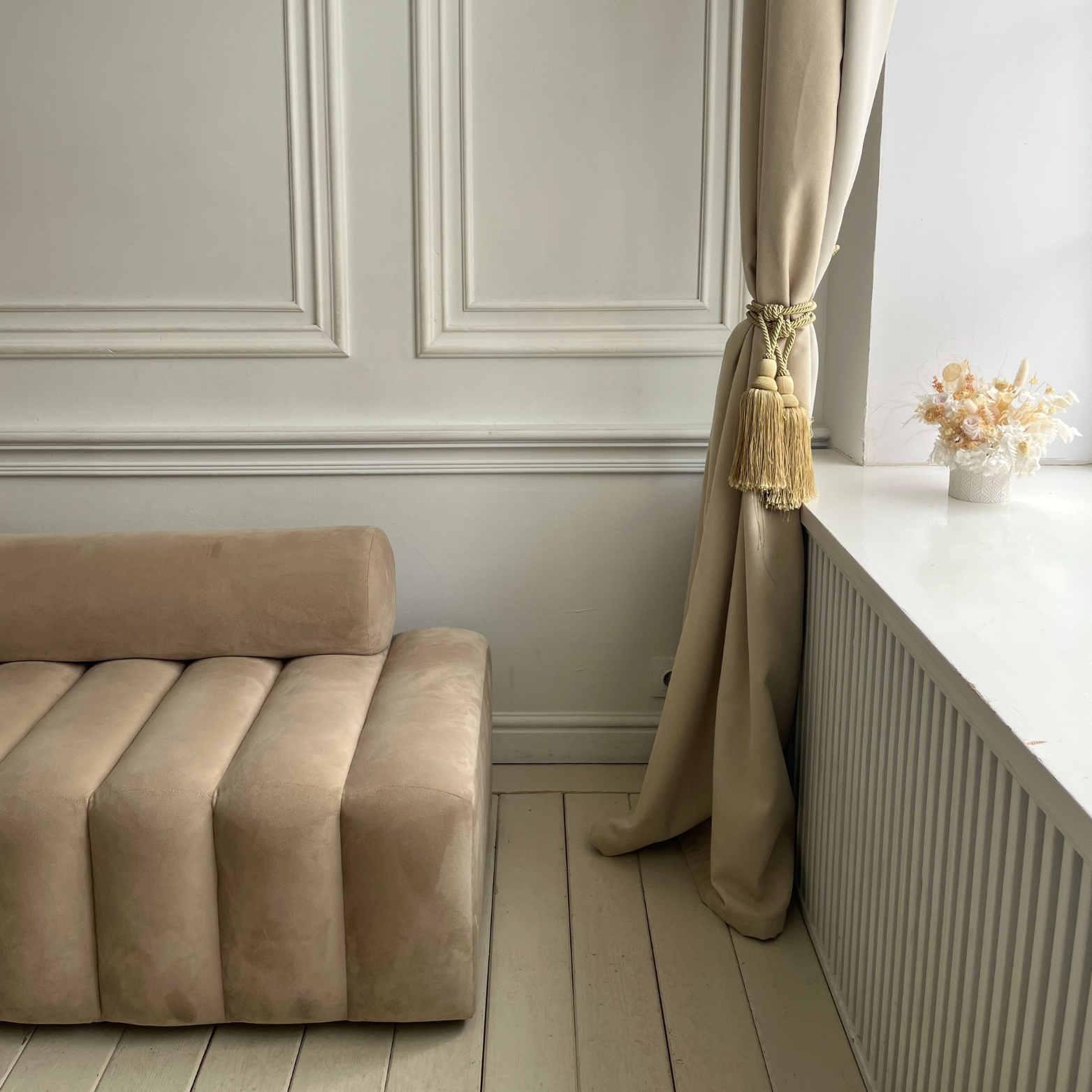
Strong developments invest in arrival moments:
Balanced lighting
Clear sightlines
Cohesive material palettes
A sense of proportion and scale
The entrance sets the tone. And tone influences perceived value.
Cutting Corners On Materials
Short-term savings can lead to long-term damage.

Low-quality finishes may reduce initial cost, but they often:
Date quickly
Show wear faster
Undermine perceived value
Increase maintenance complaints
Buyers equate material quality with build quality.
Durable, tactile, well-considered materials communicate longevity and care, both critical in purchase decisions.
Failing To Design For Flexibility
Modern buyers value adaptability.
Hybrid working. Changing family structures. Evolving lifestyle needs.
Properties designed without flexibility risk obsolescence.
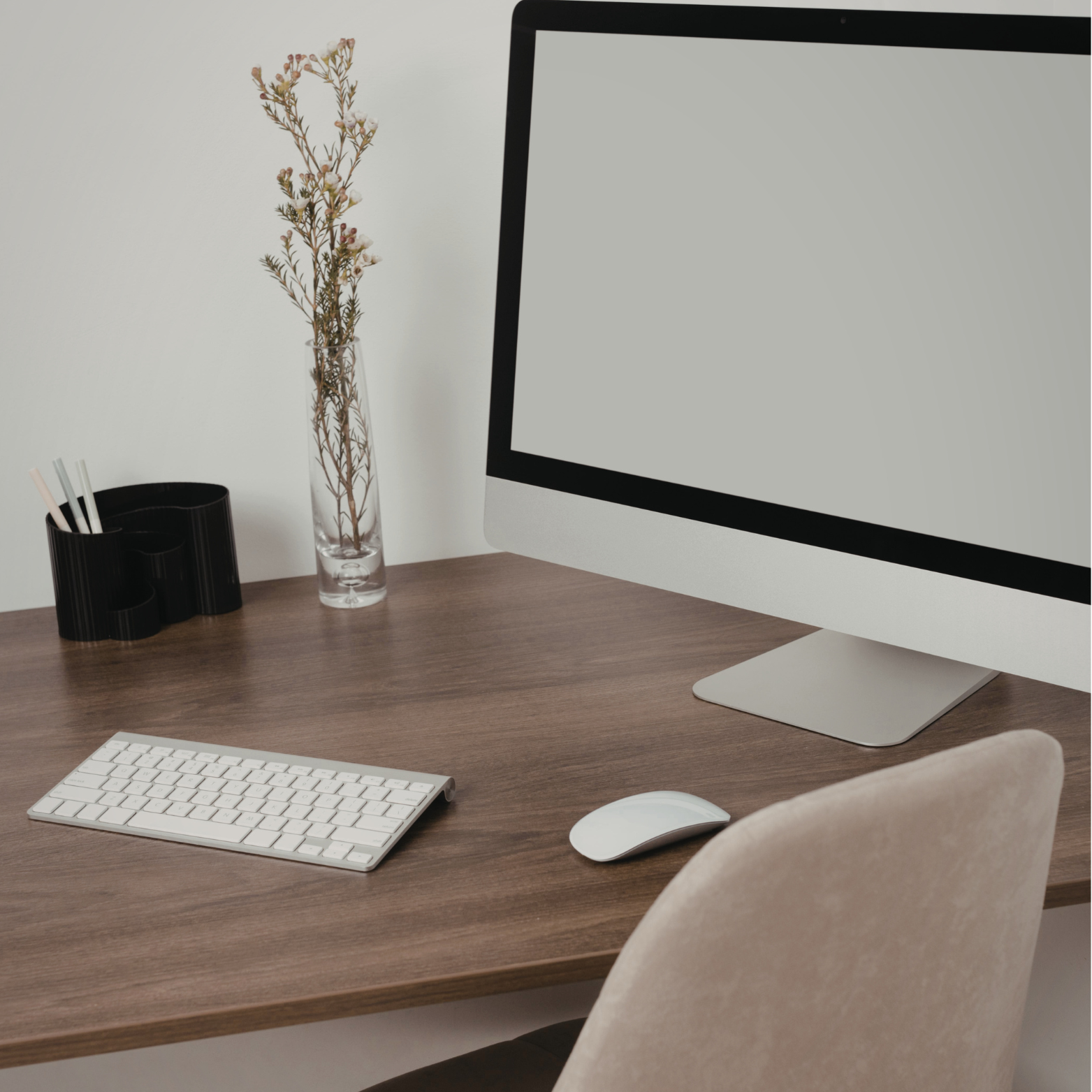
Simple considerations make a difference:
Multi-functional spare rooms
Space for a home office
Storage solutions that support longevity
Layouts that allow reconfiguration
Future-proofed interiors broaden appeal and extend market relevance.
Chasing Trends Instead Of Building Timelessness
Trend-led interiors can look impressive at launch.
But developments often sell across months, sometimes years.
Highly specific colour palettes or fashion-driven finishes can age quickly, narrowing buyer appeal and requiring refreshes mid-phase.
Timeless, layered, neutral foundations provide longevity.
Trends can be introduced subtly through styling, not hard finishes.
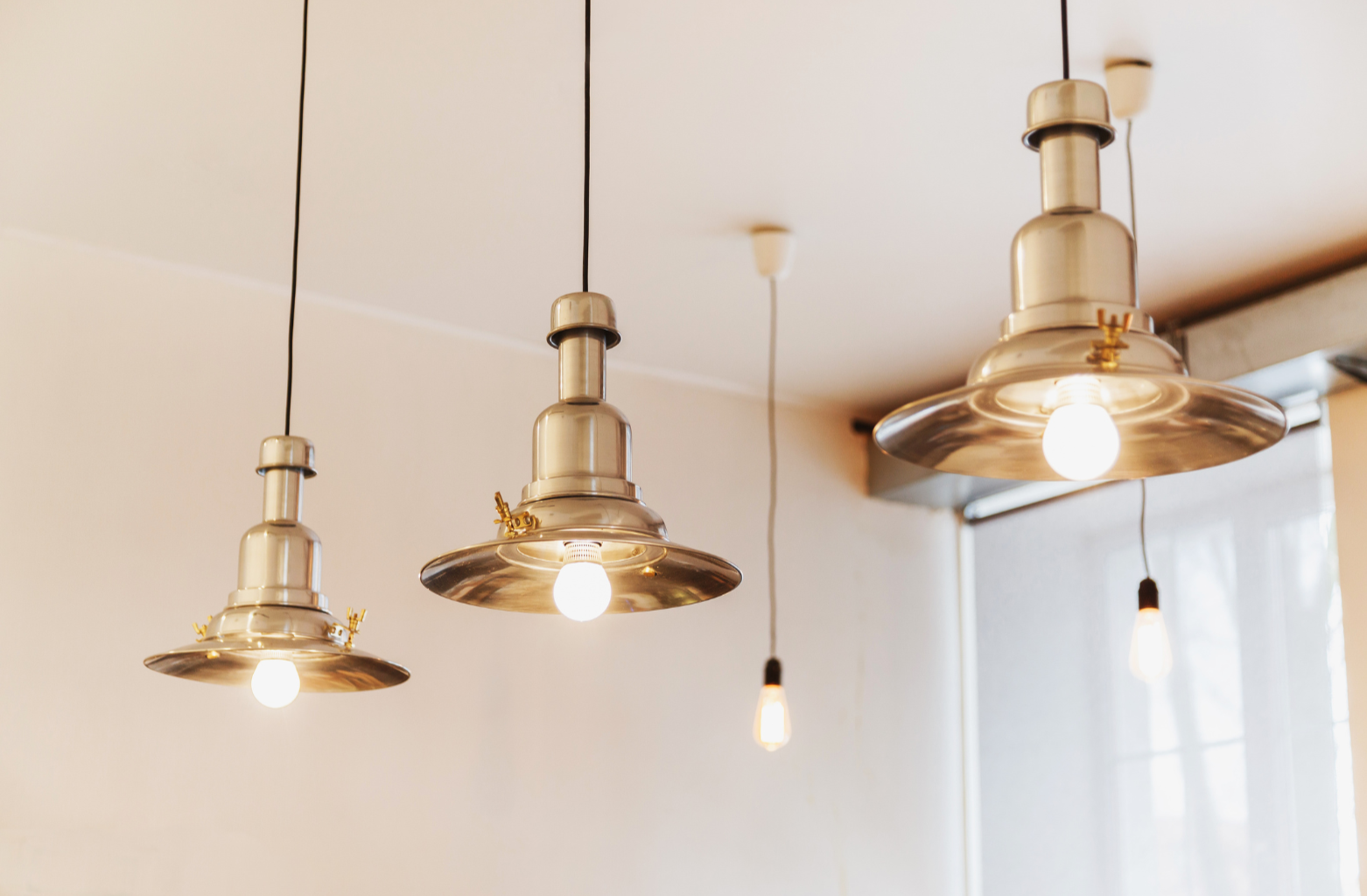
Treating Lighting As An After Thought
Lighting is one of the most underestimated elements in development.
Ceiling-mounted downlights alone will never create atmosphere.
Poor lighting flattens space, reduces warmth and diminishes architectural features.
Layered lighting, combining ambient, task and accent transforms perception. It creates depth, comfort and emotional connection.
Lighting isn’t decorative.
It’s psychological.
Real World Impact
We’ve seen developments struggle despite strong locations and solid construction — simply because interiors weren’t aligned with their market.
In one instance, a commercial space prioritised visual impact over practicality. The layout limited usability, storage was insufficient, and lighting was harsh.
After reconfiguring the space to improve flow, introducing built-in storage and implementing layered lighting, tenant interest increased significantly and rental value followed.
The building hadn’t changed.
The interior strategy had.
Interiors Are A Commercial Strategy
Developers who treat interiors as an afterthought often leave money on the table.
Those who treat interiors as a performance tool see:
Faster sales
Stronger rental demand
Higher perceived value
Improved brand reputation
At Shropshire Studios, we approach interiors strategically, aligning design with buyer psychology, functionality and long-term commercial performance.
Because in development, great interiors aren’t decoration.
They’re leverage.