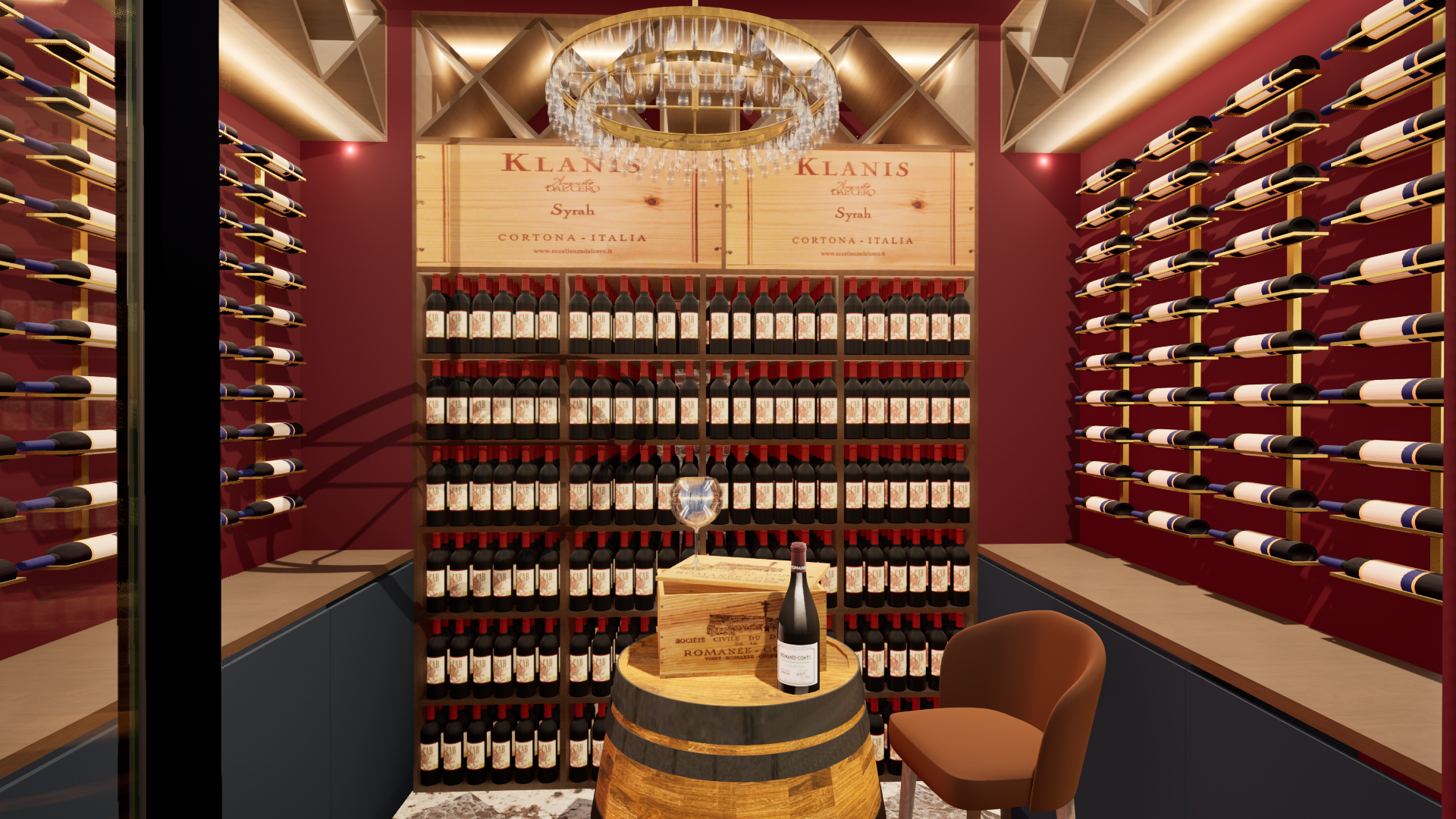
Why Lighting Matters More Than You Think
Lighting is one of the most underestimated elements of workplace design — yet it has a direct impact on how people feel, focus and perform.
It’s not just about visibility. Lighting influences mood, energy levels, wellbeing and perception. When it’s done well, it quietly supports productivity. When it’s done badly, it becomes a daily drain.
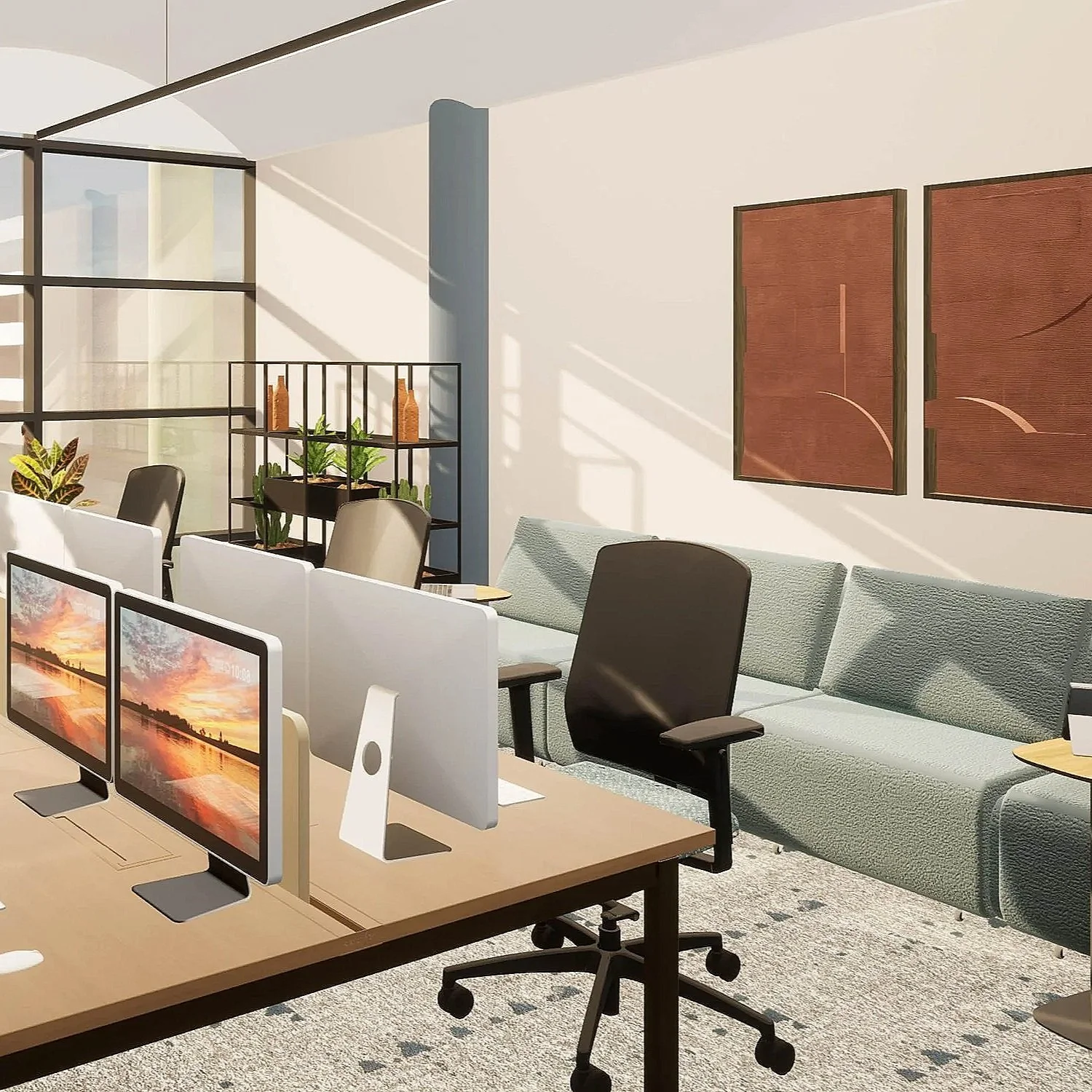
Lighting Shapes How People Feel at Work
Light affects our circadian rhythms, alertness and emotional state.
Offices that prioritise good lighting feel calmer, healthier and more comfortable to spend time in.
Well‑designed lighting helps to:
Reduce eye strain and fatigue
Support concentration and focus
Improve mood and overall wellbeing
Create a more welcoming, human environment
Harsh, flat lighting does the opposite — making spaces feel clinical, tiring and uninspiring.
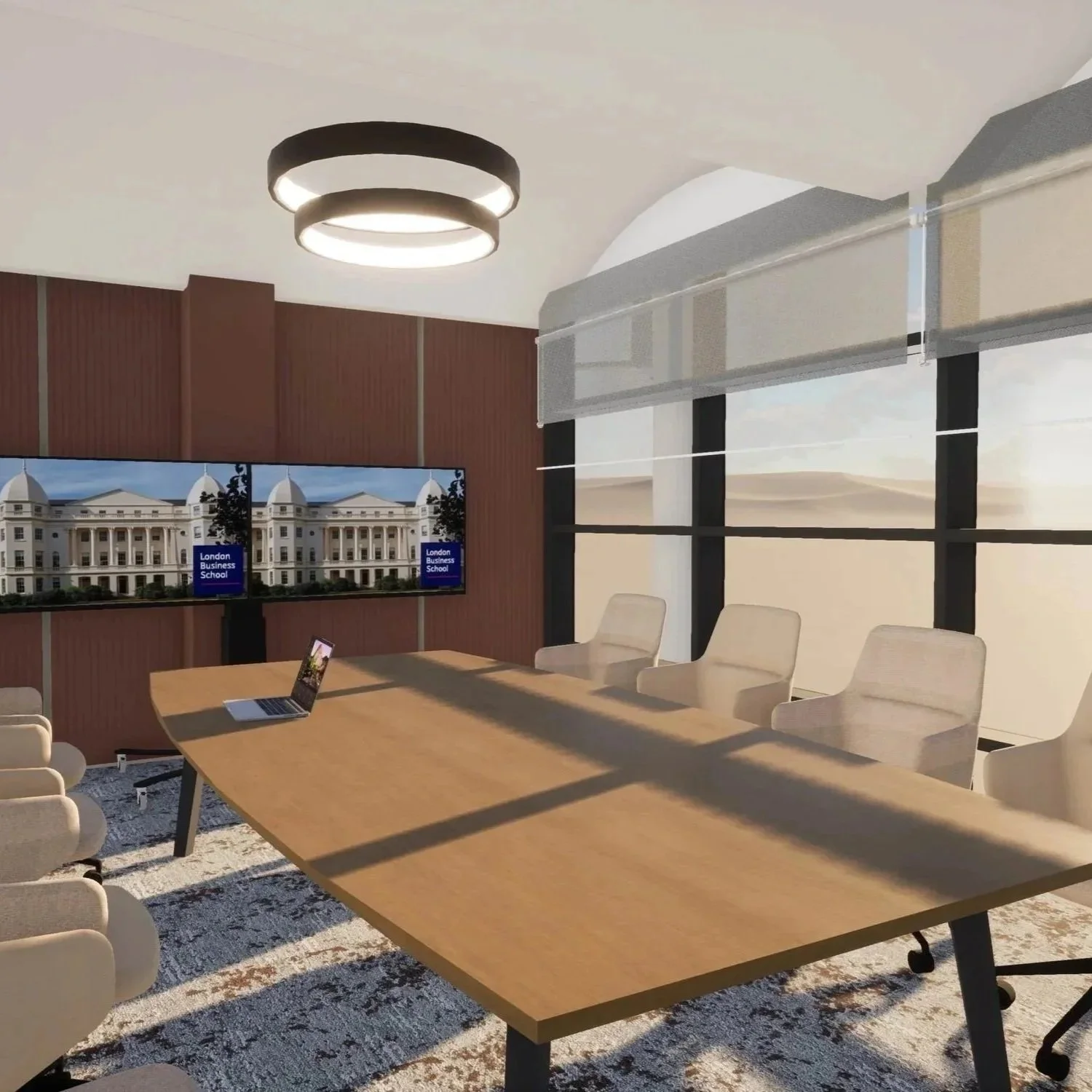
Natural Light Is a Performance Tool
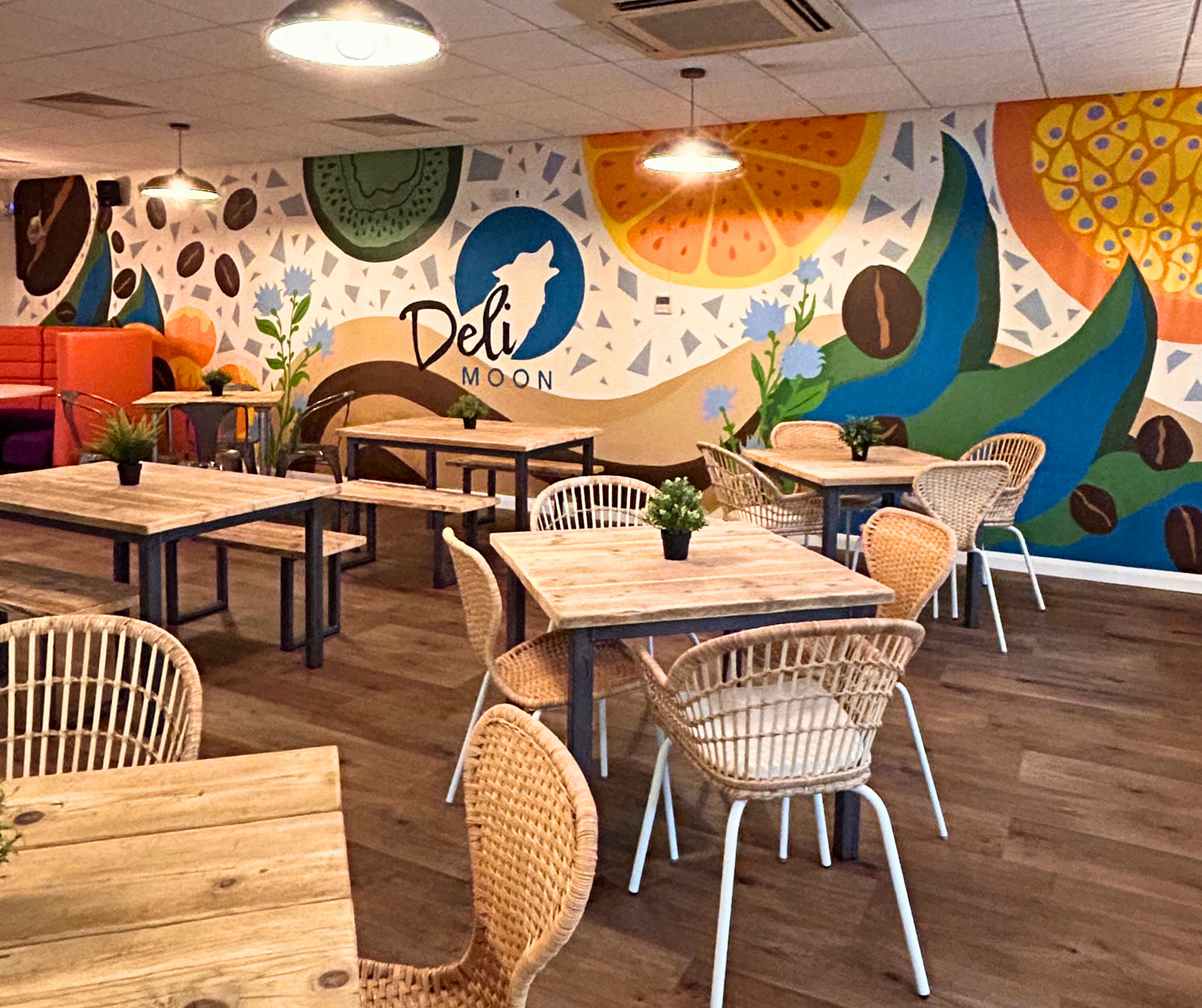
Access to daylight is one of the most valuable design assets in any workplace. Offices that maximise natural light consistently perform better than those that don’t.
Effective daylight strategies include:
Positioning desks near windows
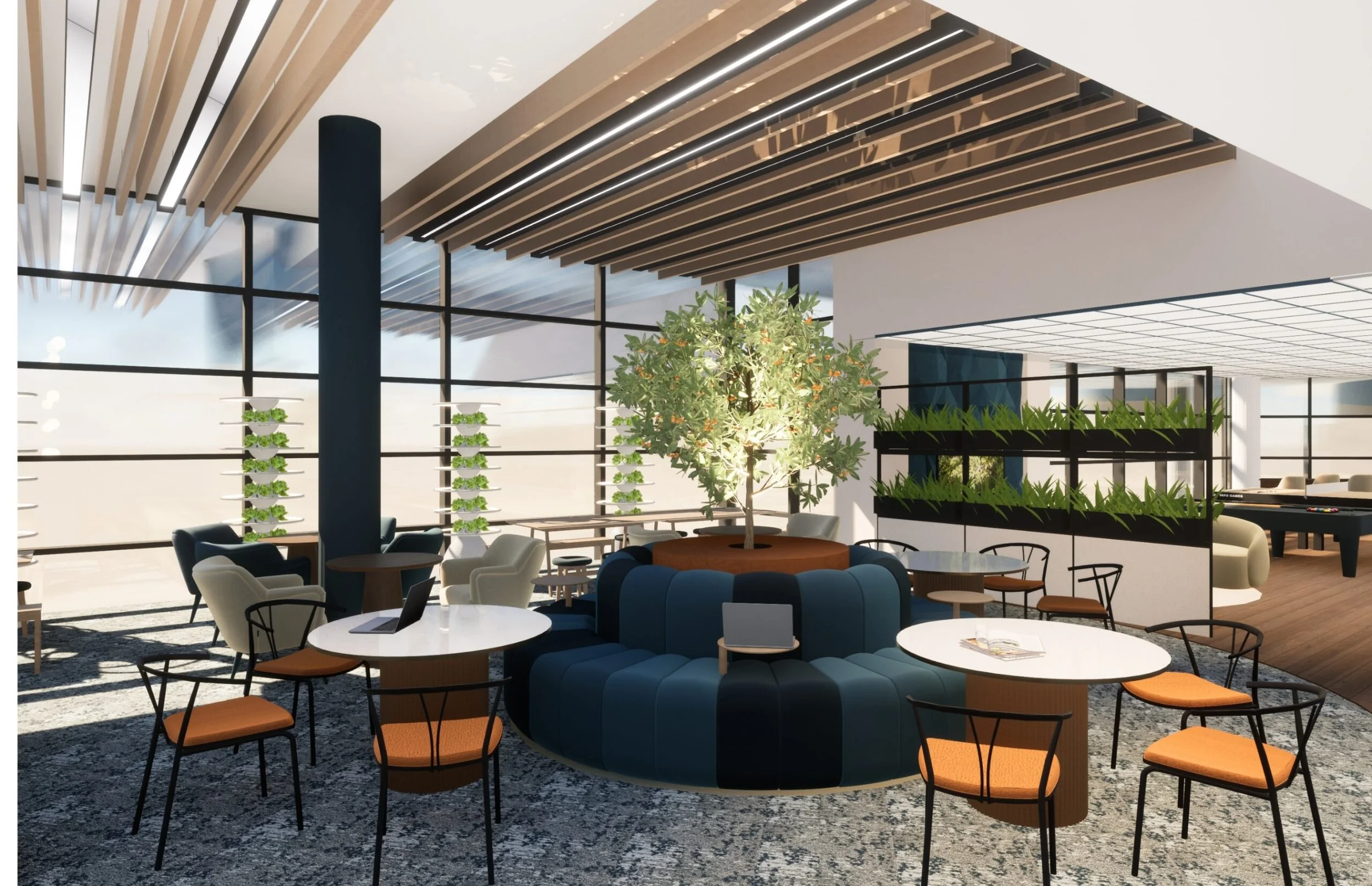
Using glazed partitions to share light
Avoiding deep, dark floorplates where possible
Daylight helps regulate sleep patterns, improves alertness and makes spaces feel more open and positive.
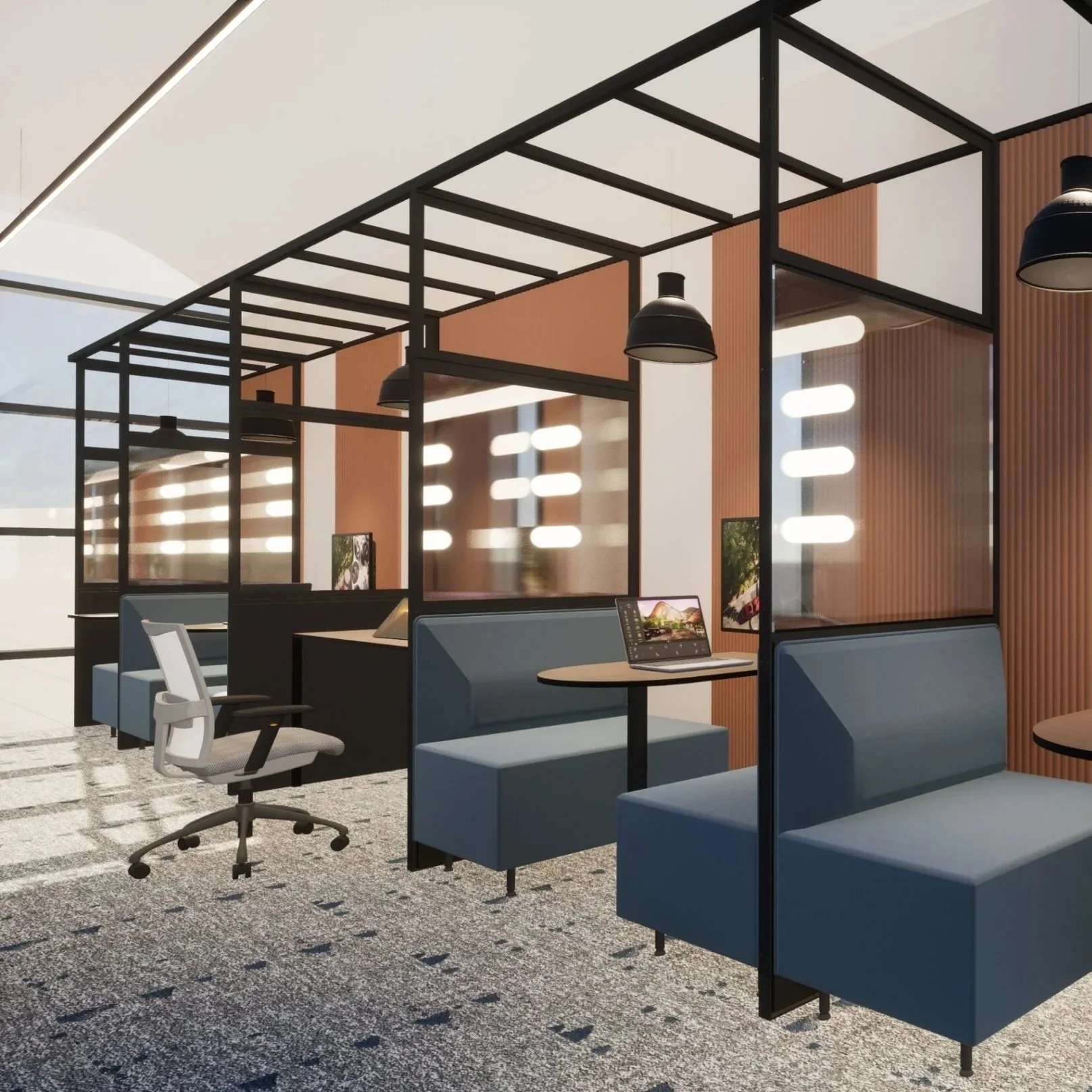
Artificial Lighting Needs to Be Layered
Good workplace lighting is never a single solution.
It’s layered.
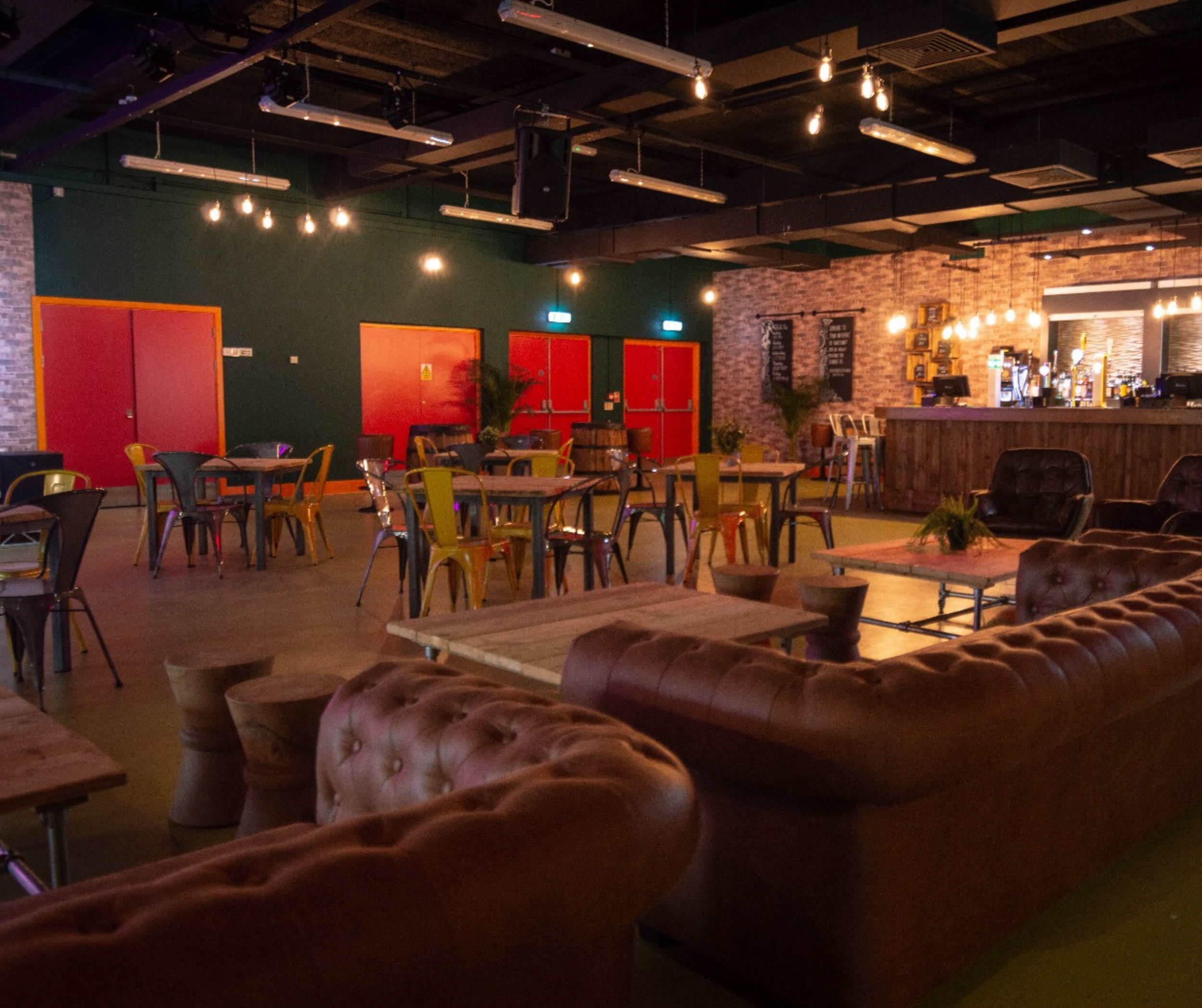
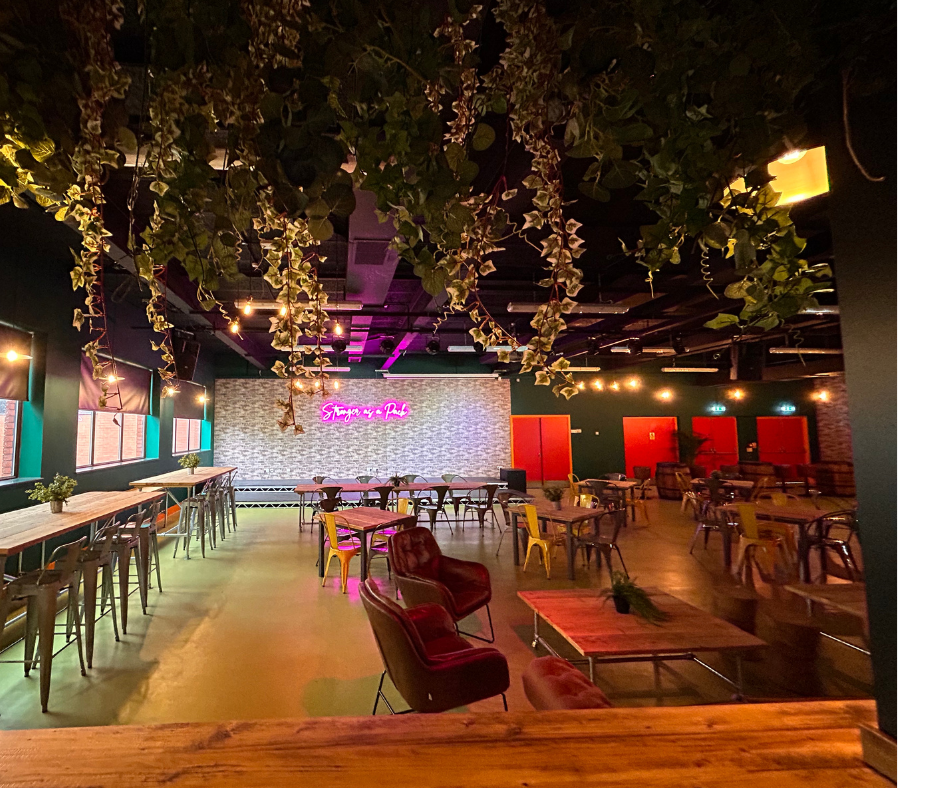
High‑performing offices balance:
Ambient lighting for overall comfort
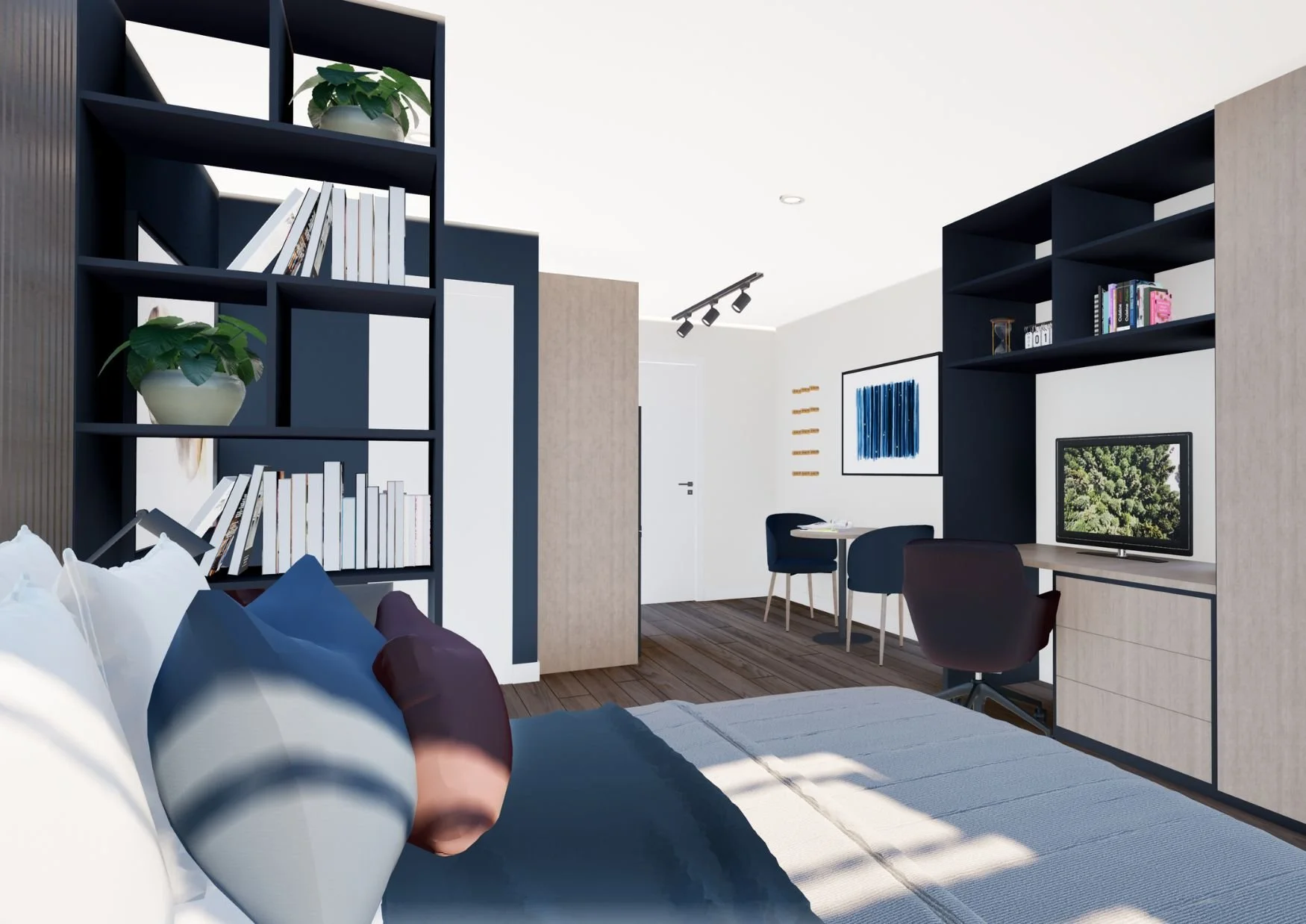
Task lighting for focused work
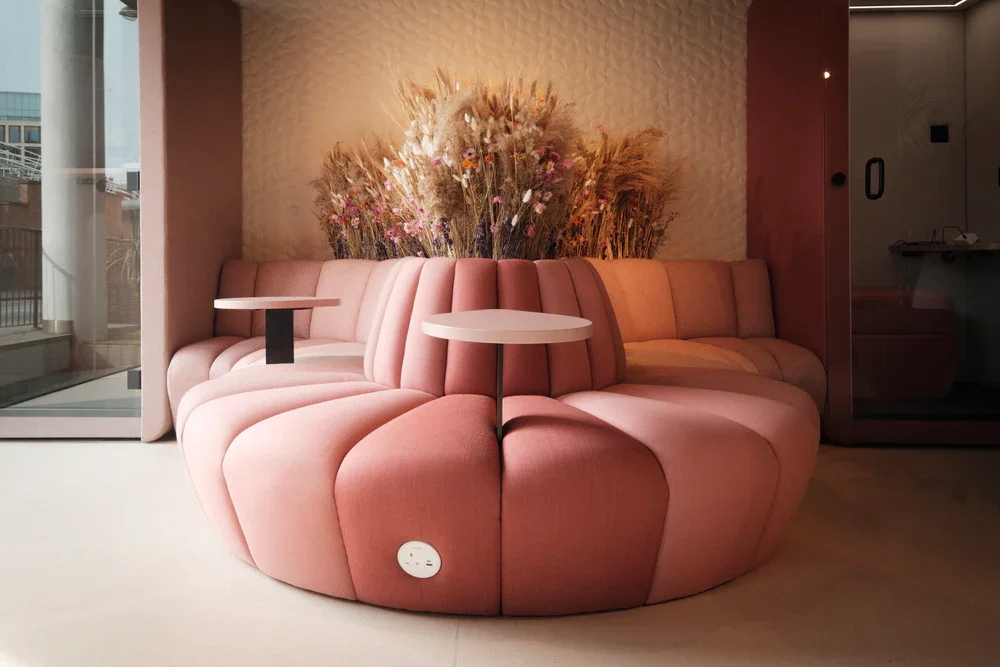
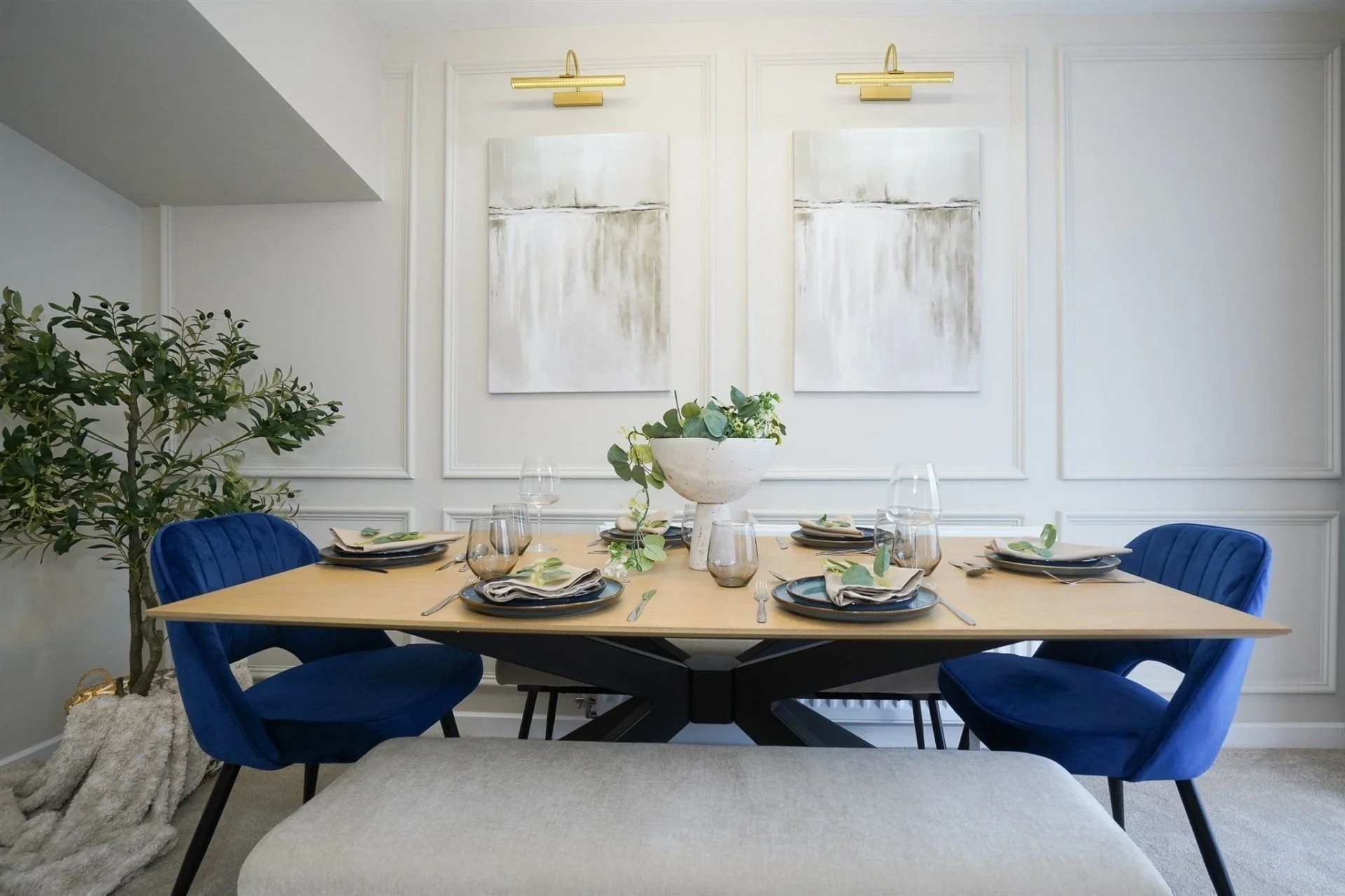
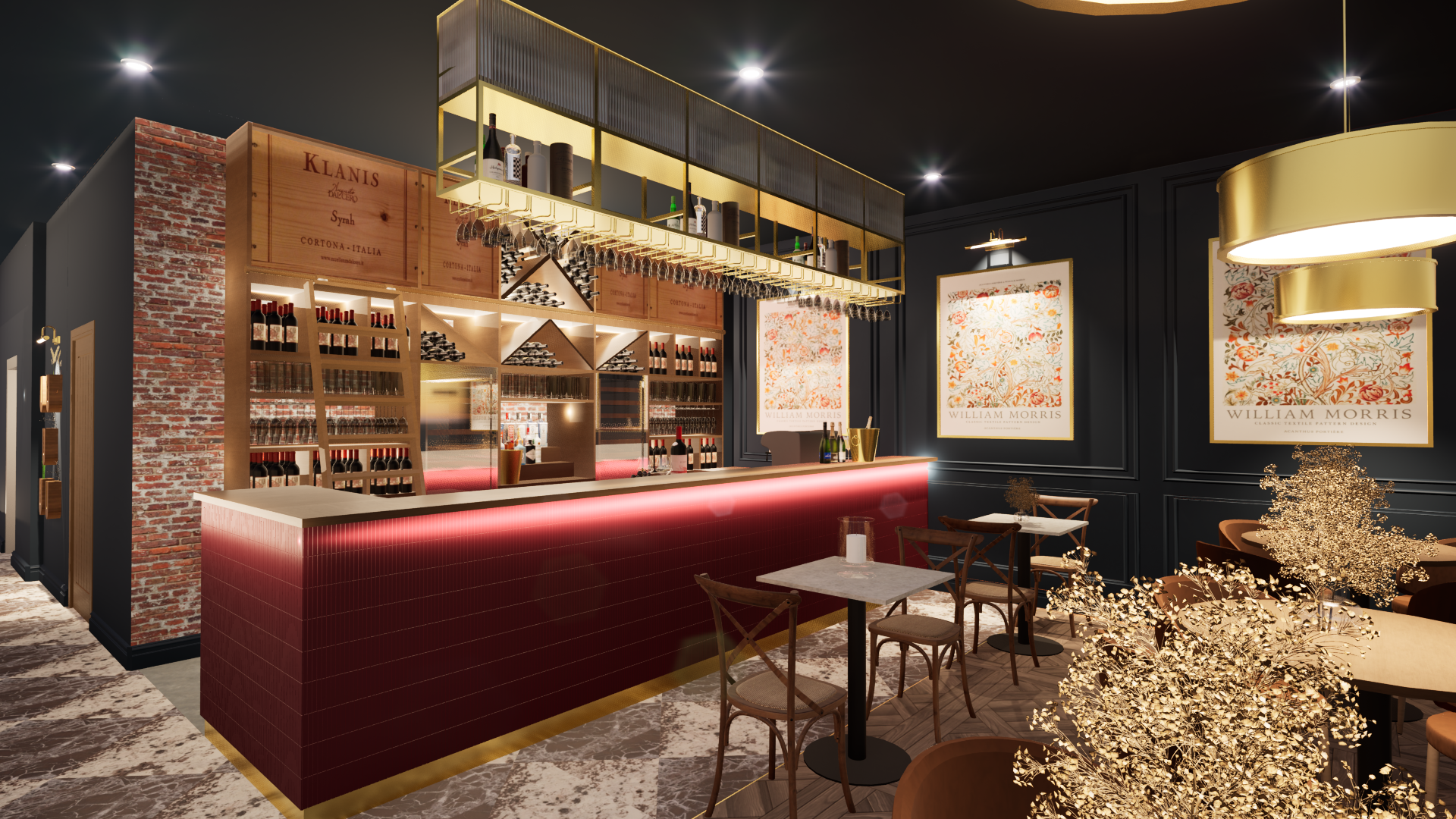
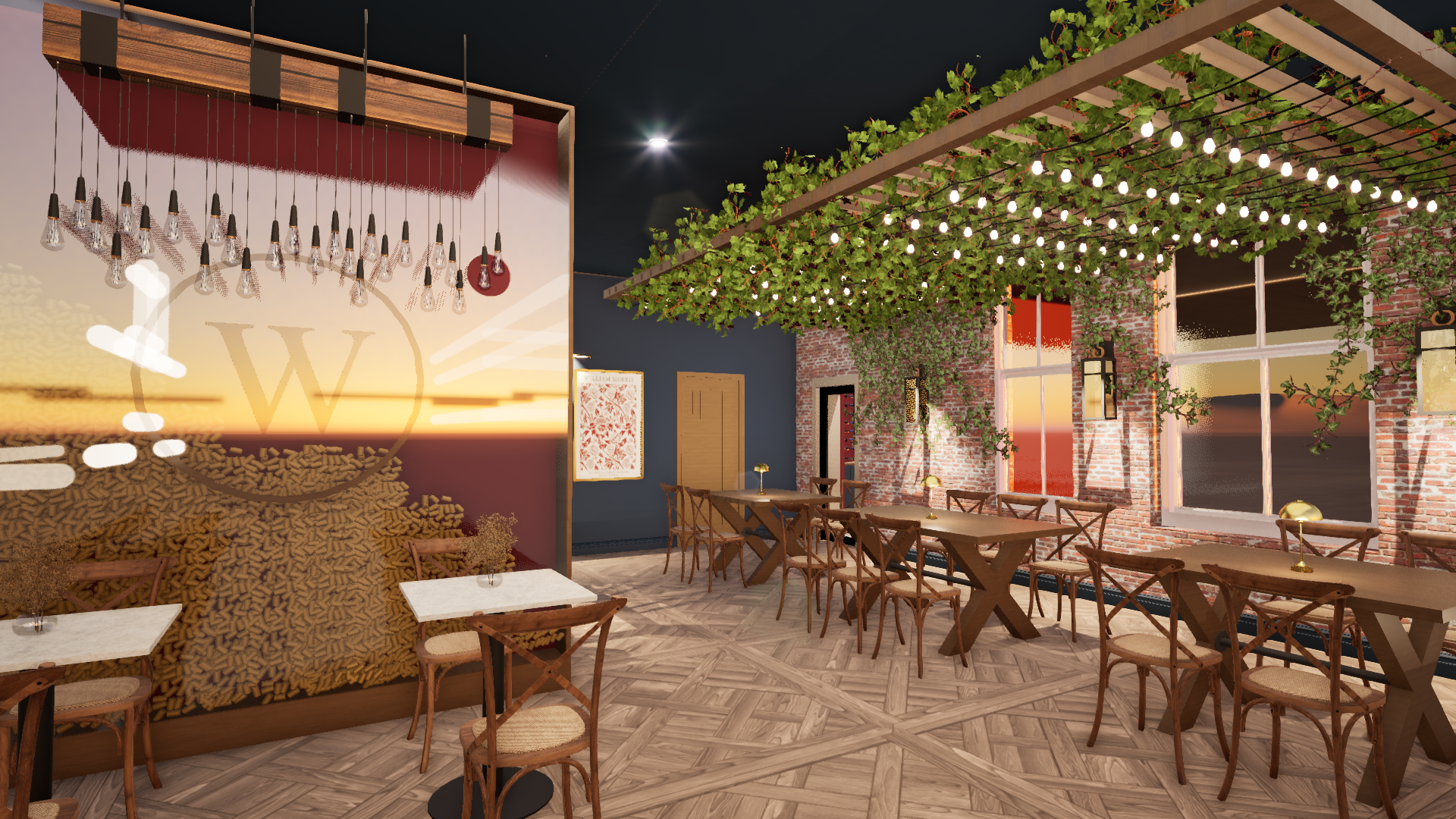
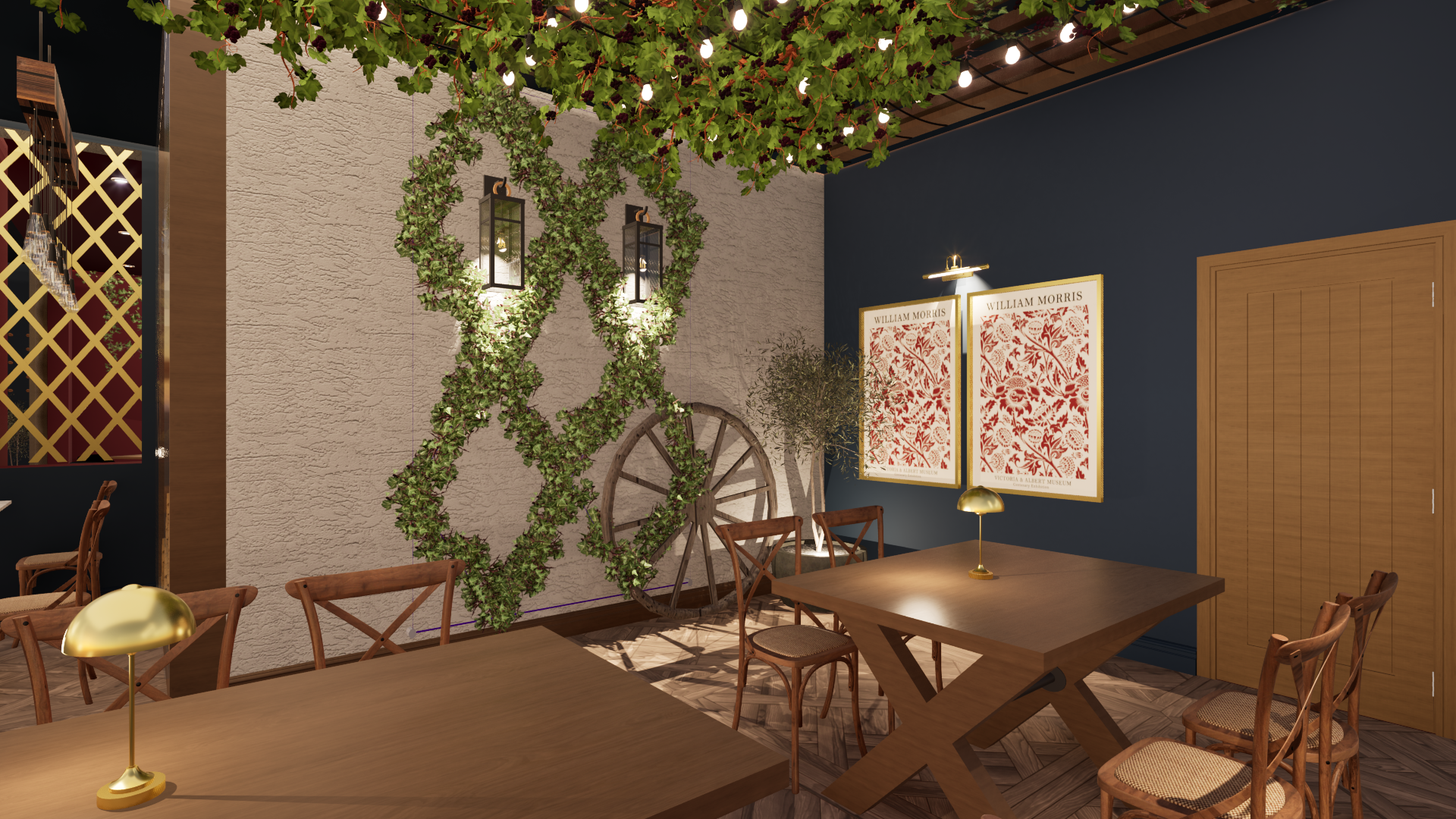
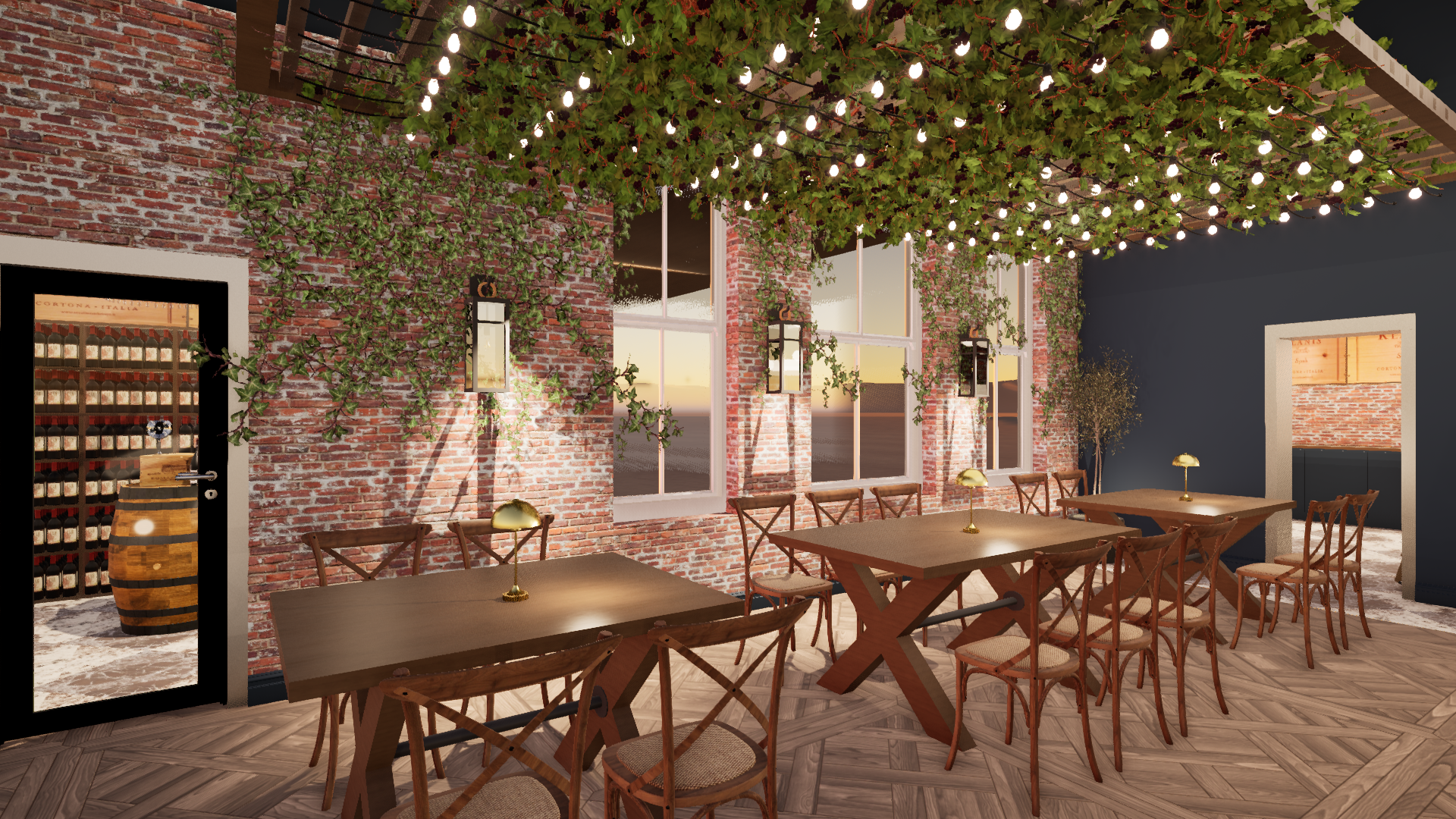
Accent lighting to add depth and warmth
This approach avoids glare, reduces fatigue and allows different areas to support different activities throughout the day.
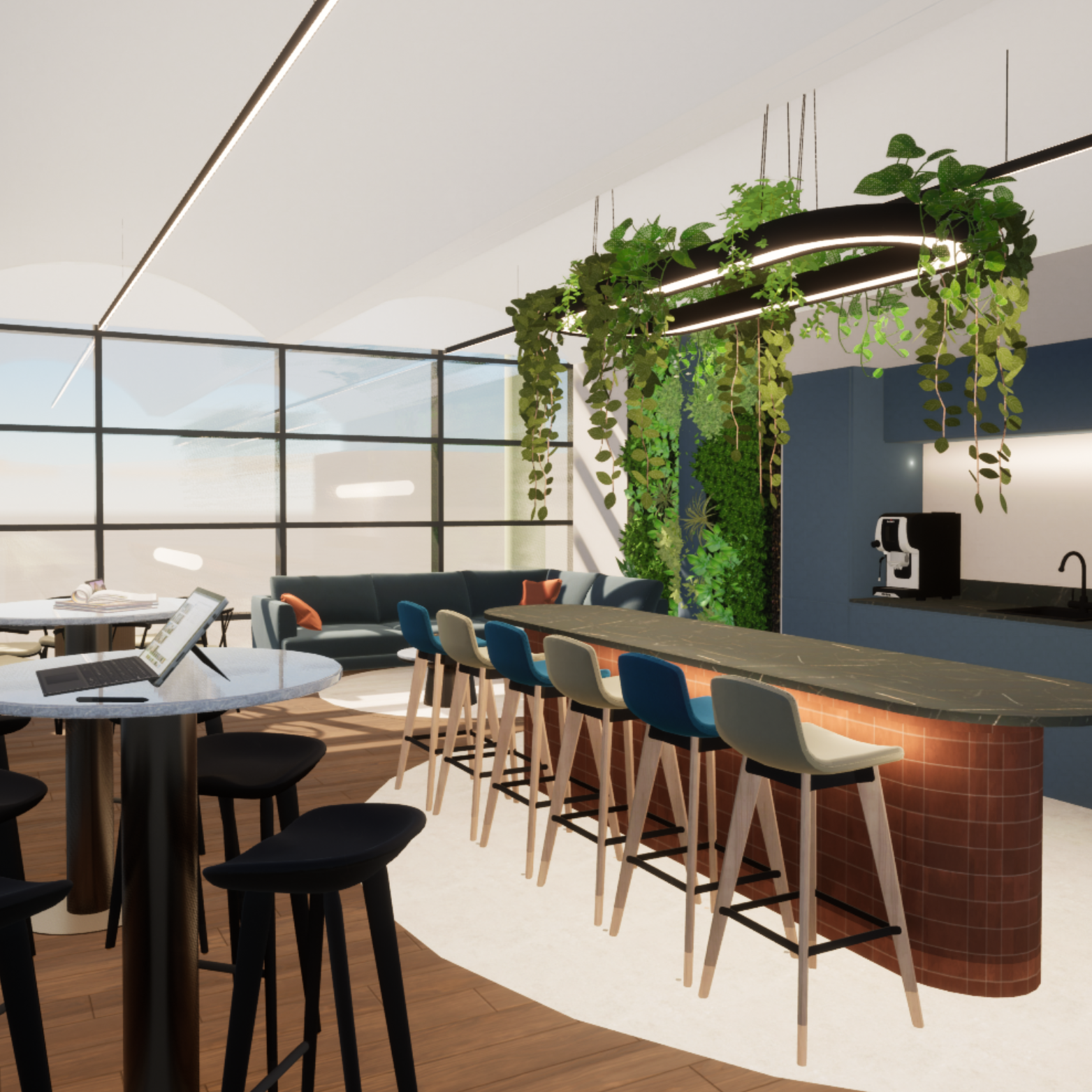
Lighting Supports Brand and Experience
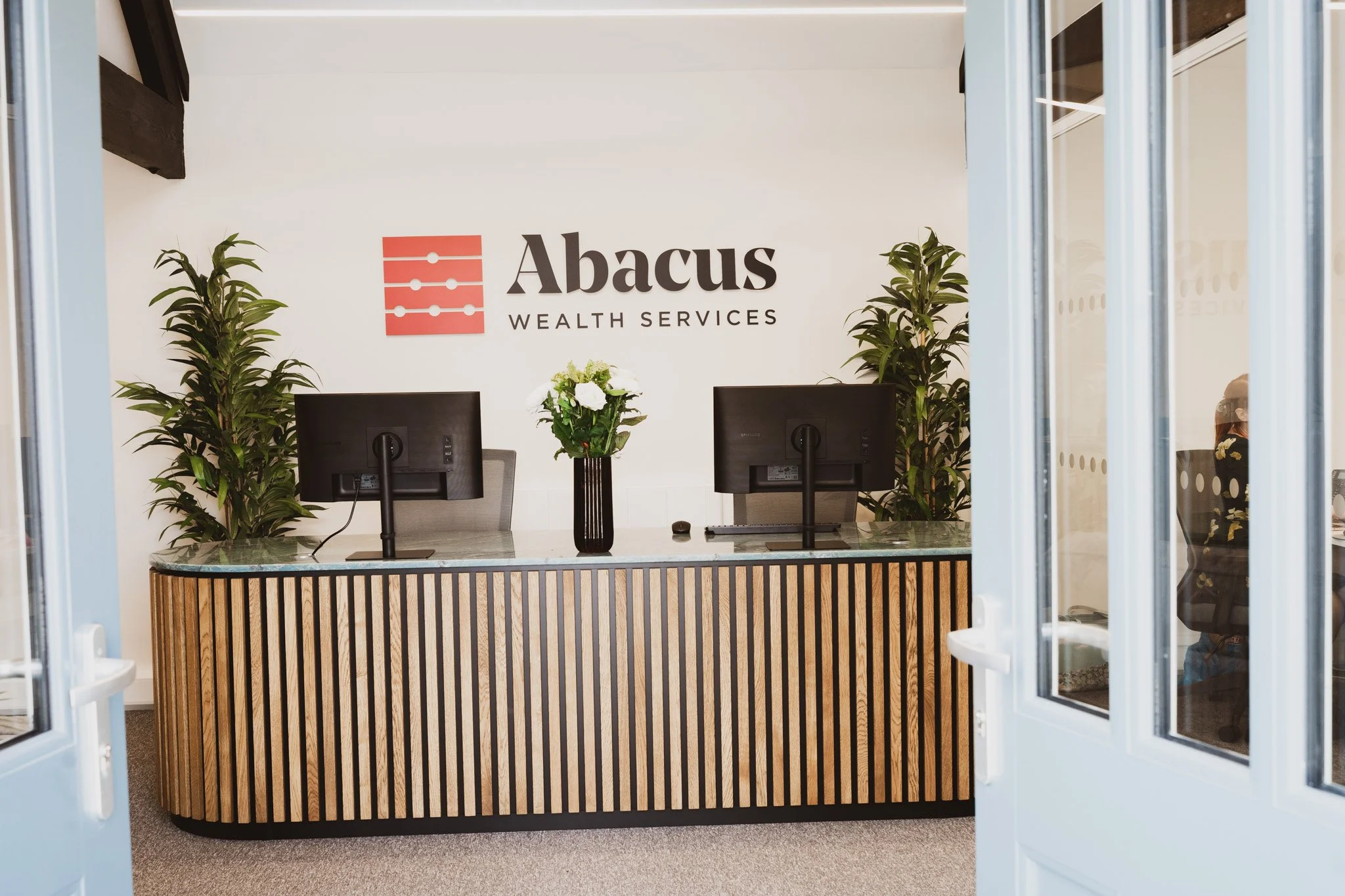
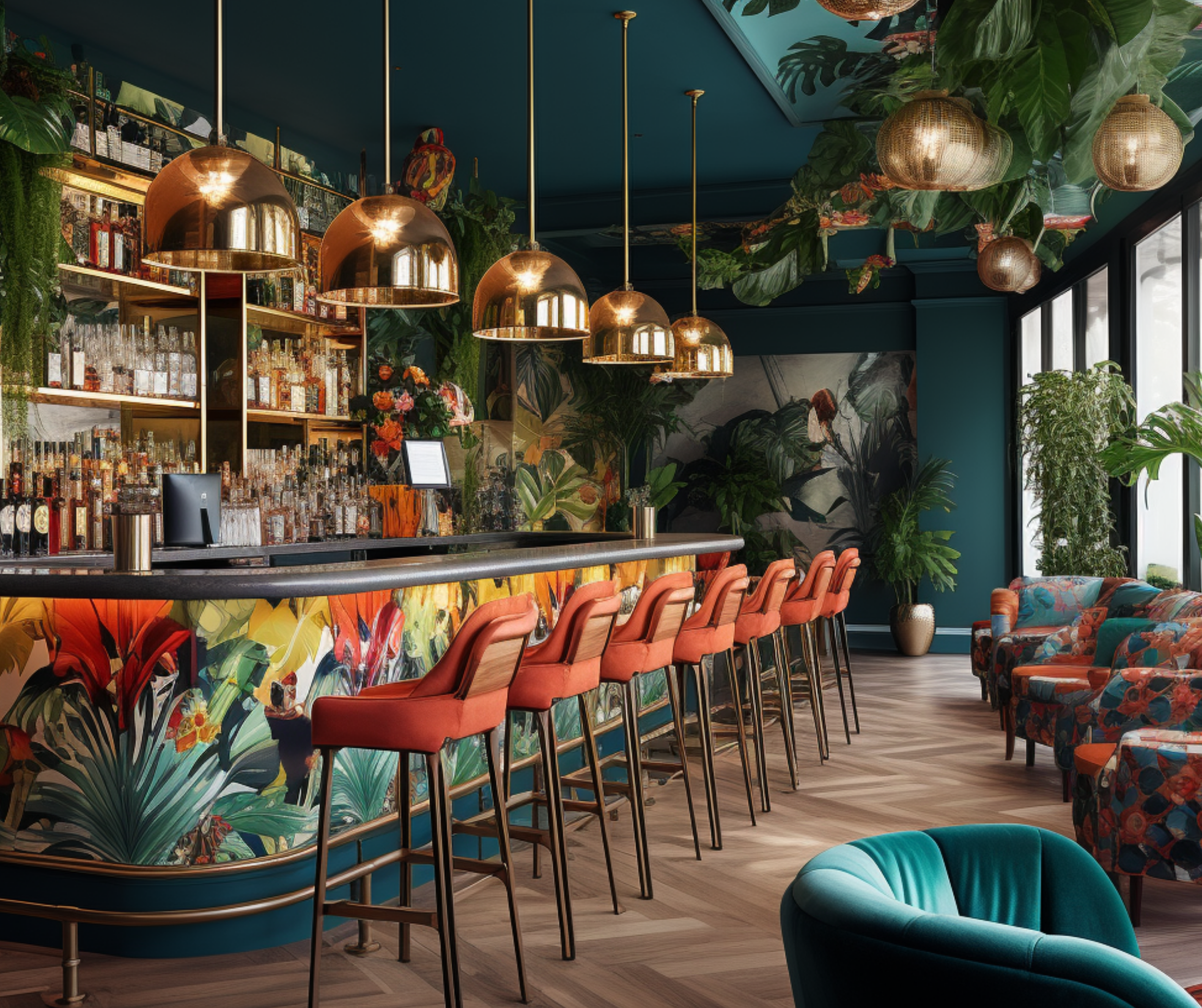
Lighting also plays a key role in how a space is perceived. It influences first impressions, brand quality and atmosphere.
Warm, considered lighting can make an office feel:
More premium and professional
More welcoming to visitors and clients
More aligned with company culture and values
Lighting is one of the fastest ways to elevate a space — without major structural change.
The Bottom Line
Lighting isn’t a technical afterthought. It’s a design tool.
When lighting is thoughtfully planned, offices feel better to work in, easier to focus in and more aligned with the people using them.
At Shropshire Studios, we design lighting that supports wellbeing, performance and experience — because how a space feels matters just as much as how it looks.