How to Refresh Your Restaurant Without Closing
Closing your restaurant for refurbishment can feel like a necessary evil.
But in reality, shutting your doors means more than pausing construction, it means lost revenue, disrupted routines and disappearing visibility.
The good news? A well‑planned refresh doesn’t have to mean going dark.
See how we help restaurants evolve without closing their doors.
With the right strategy, phasing and design decisions, it’s entirely possible to evolve your space while continuing to trade, protecting both cashflow and customer loyalty.
Here’s how to approach it properly.
Start with the Strategy, not Scaffolding
Before any work begins, clarity is essential.
Are you refreshing finishes? Reworking layout? Elevating brand perception? Improving acoustics or lighting?
Not every update requires structural change.

In many cases, meaningful transformation can come from:
Reconfiguring furniture layouts
Upgrading lighting schemes
Introducing new materials and upholstery
Refining colour palette and branding
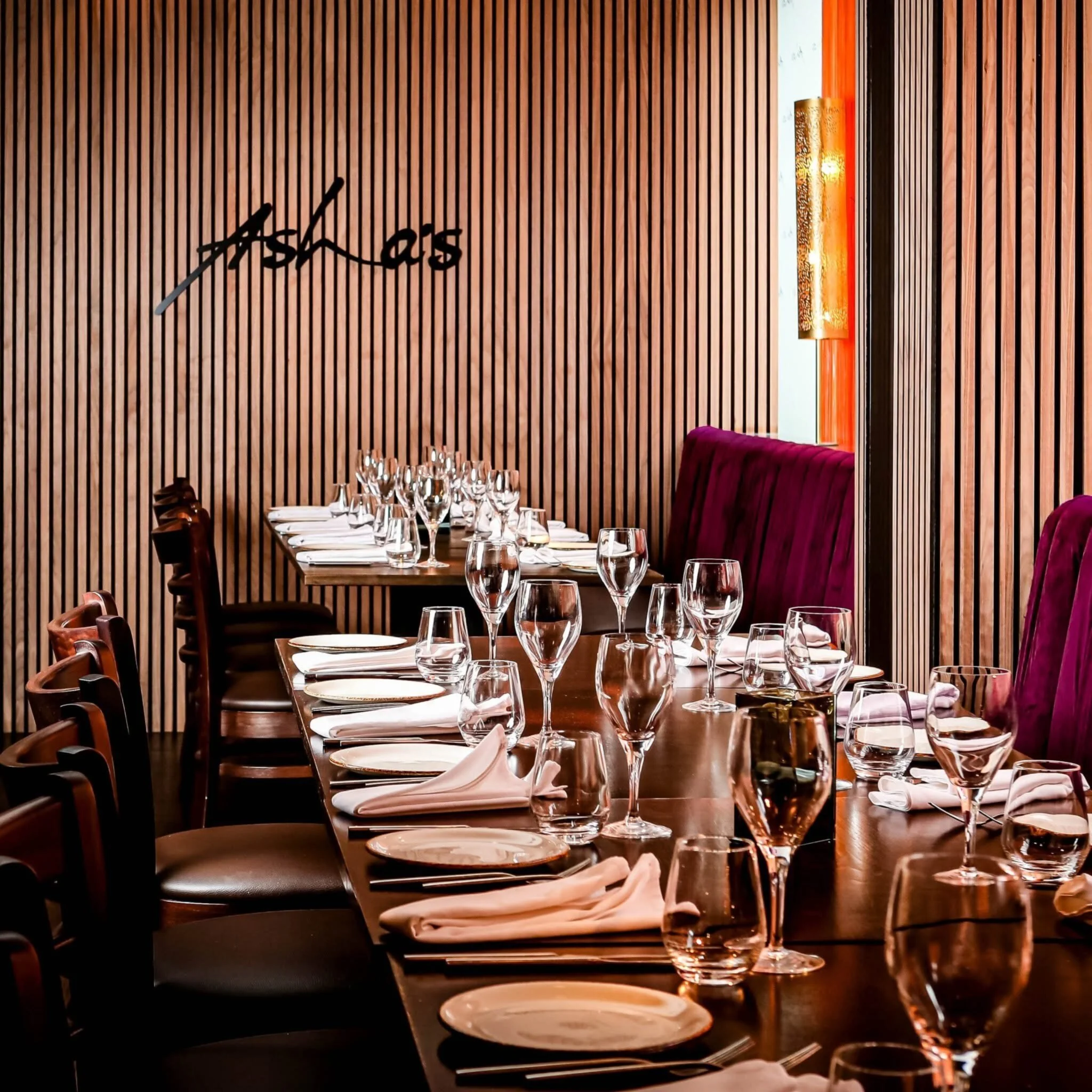
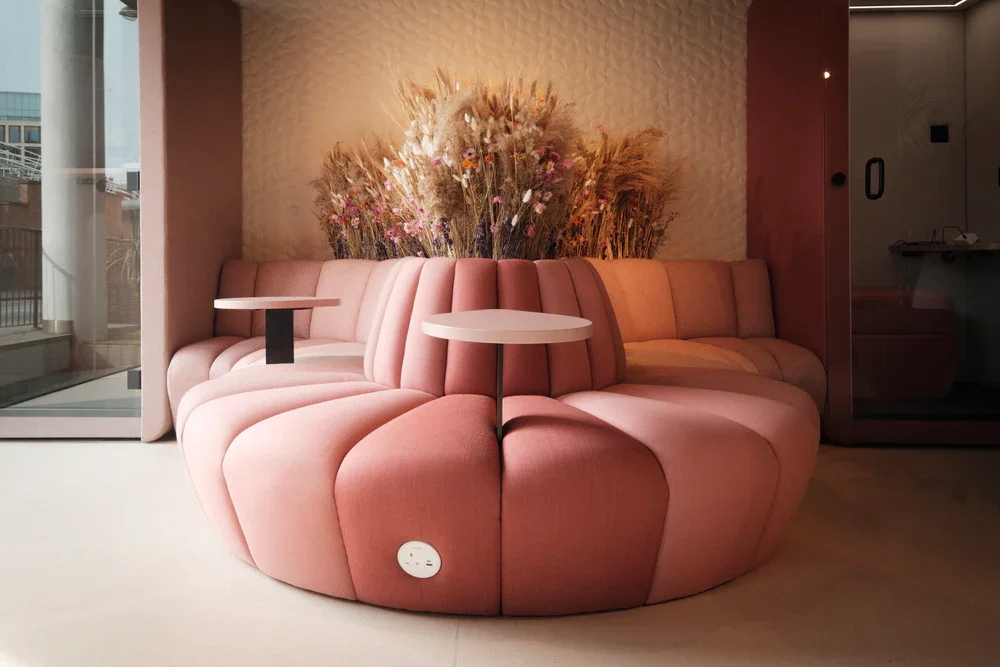
Enhancing focal features (bars, banquettes, feature walls)
When the objective is clear, the intervention can be precise, and precision reduces disruption.
Understand how strategic design decisions drive revenue in another one of our blogs.
Phase the Work Intelligently
The most successful live refurbishments are phased carefully.
Rather than attempting a full overhaul at once, divide the project into manageable zones. One area can be refreshed while another continues operating.
For example:
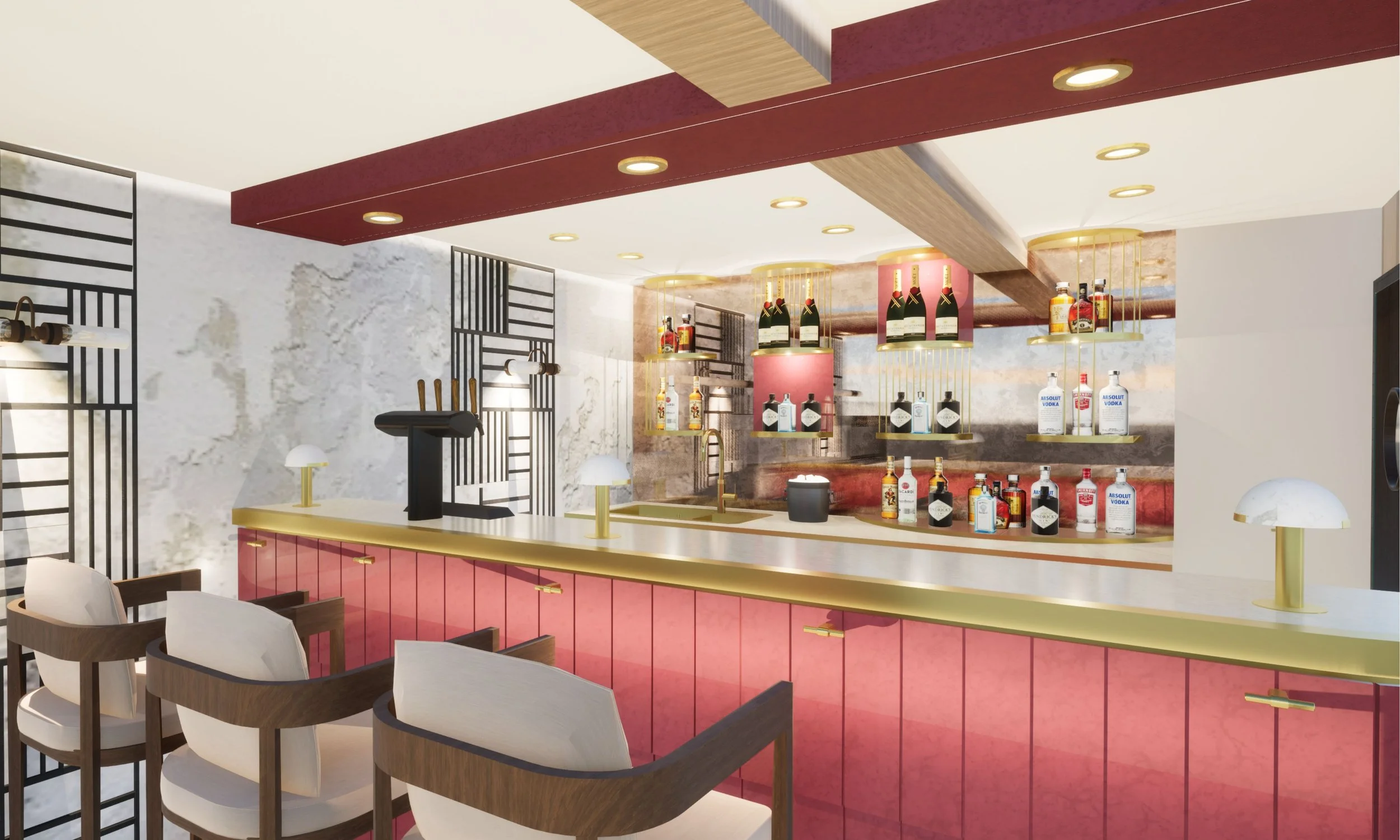
Refresh bar areas mid‑week
Update seating sections in rotation
Schedule flooring and joinery overnight
Tackle back‑of‑house separately from front‑of‑house
Phasing maintains atmosphere while quietly improving the environment around it.
Design for Minimal Disruption
A refresh should feel intentional, not chaotic.
Temporary partitions, carefully screened work zones and controlled circulation routes maintain guest comfort. Dust, noise and visual clutter must be managed with the same care as aesthetics.
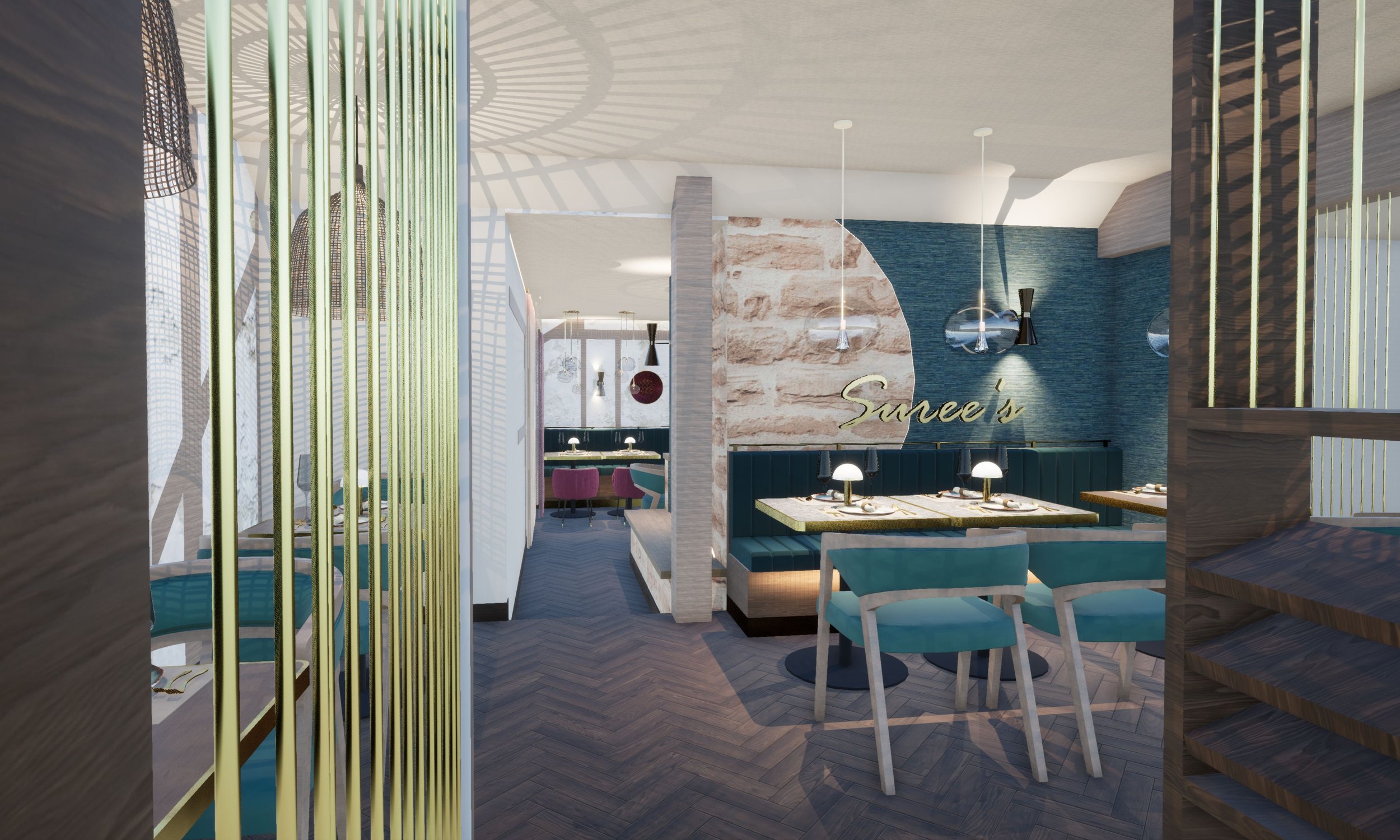
From a design perspective, we often recommend focusing first on the elements that create immediate visual impact with minimal structural intervention:
Decorative lighting upgrades
Soft furnishing replacements
Wall treatments and finishes
Bar detailing
Statement features
These changes can dramatically shift perception without major downtime.
Adapt Your Offer, Without Compromising Experience
If kitchen or bar adjustments are part of the refresh, temporary operational shifts can protect service quality.
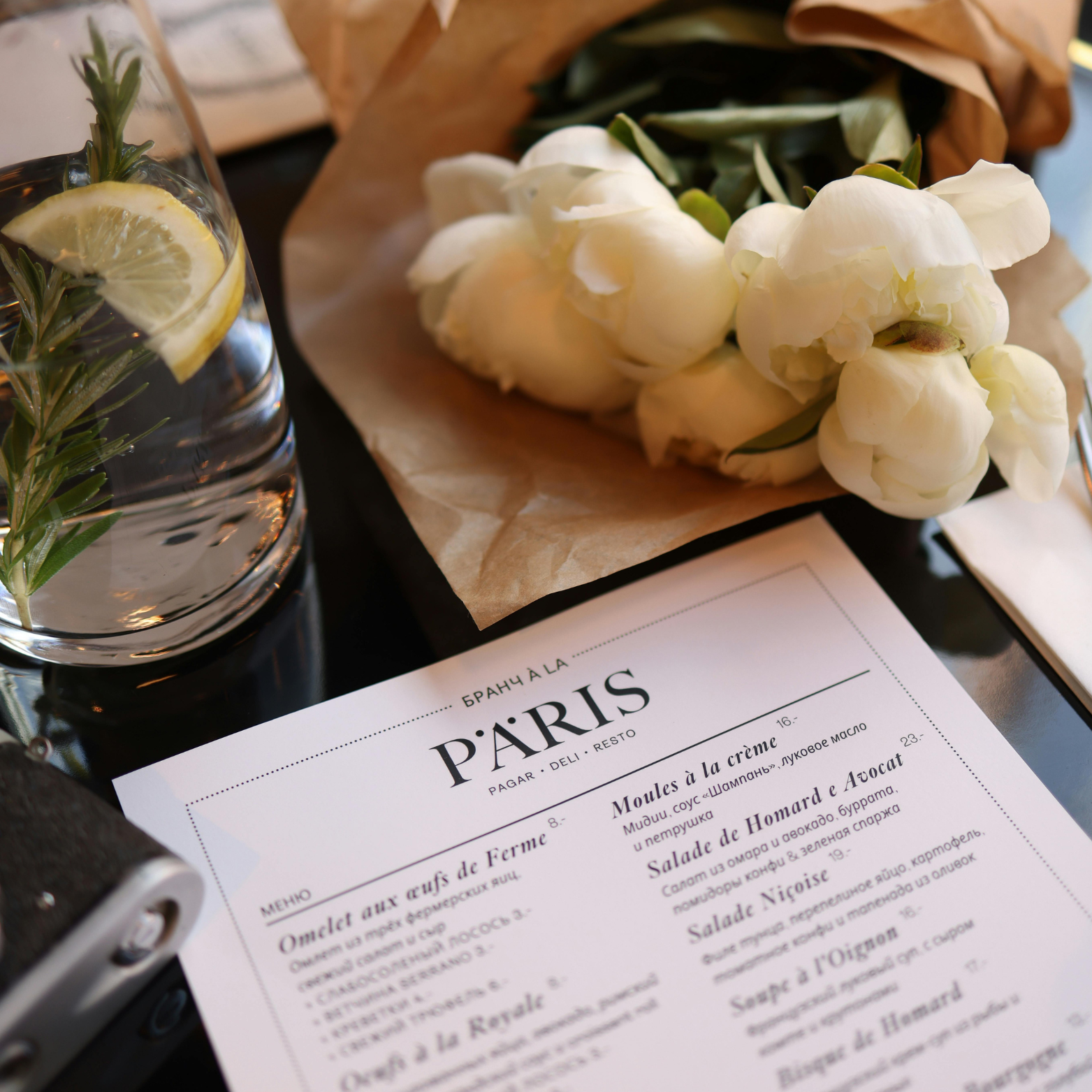
A reduced menu, curated specials or limited‑time feature items can maintain interest while simplifying back‑of‑house pressure.
Handled well, this doesn’t feel like compromise, it feels curated.
Guests appreciate transparency when it’s communicated confidently.
Use The Moment as a Marketing Opportunity

Refreshing without closing creates something valuable: narrative.
Share the evolution.
Behind‑the‑scenes previews, phased reveals and subtle “coming soon” messaging build anticipation rather than frustration. In a social‑media‑driven hospitality landscape, transformation becomes content.
Guests feel part of the journey, not inconvenienced by it.
Invest in High Impact, Quick Install Solutions
Speed matters.
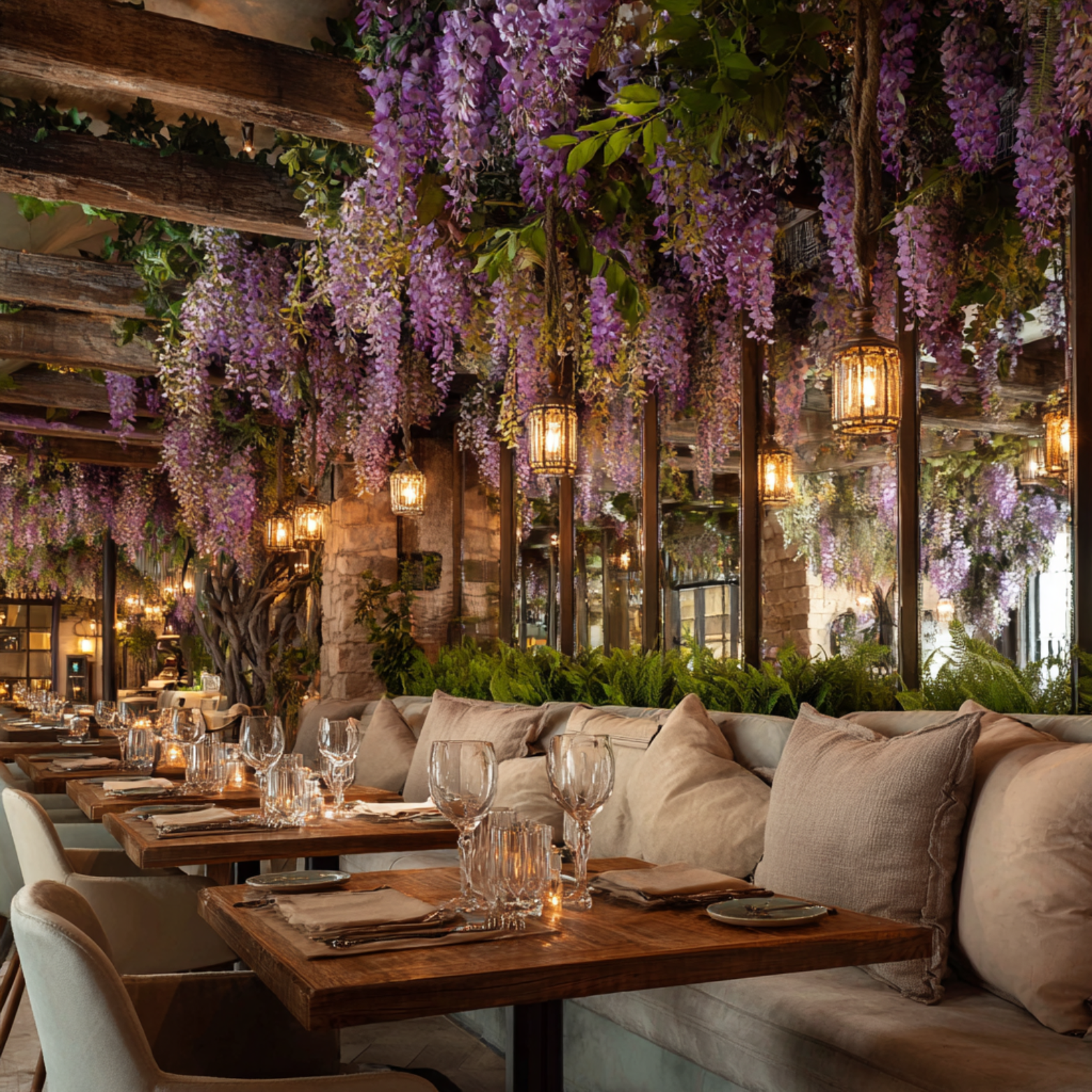
Modular joinery, prefabricated elements and pre‑finished materials significantly reduce programme length.
Bespoke doesn’t have to mean slow, it means well considered.
Lighting upgrades, acoustic treatments and soft‑finish improvements often deliver disproportionate impact relative to installation time.
The key is choosing interventions that improve atmosphere immediately.
Learn how quick design upgrades can transform perception instantly.
Never Compromise Health and Safety
Live environments demand rigorous planning.
Fire regulations, ventilation, hygiene standards and safe circulation routes must remain intact throughout. A refresh should never feel like a construction site.
A considered approach ensures guests feel confident, not cautious.
Focus on Experience, Not just aesthetics
A refresh isn’t about making the space look newer. It’s about making it perform better.
Ask:
Does the layout support flow?
Is lighting flattering and layered?
Are acoustics controlled?
Does the space encourage longer dwell time?
Does it reflect the brand’s current identity?
When those questions are addressed, even modest updates can significantly elevate perception and spend.
Refresh Without Loosing Momentum
The most effective restaurant updates are strategic rather than reactive.
With careful phasing, intelligent design choices and clear communication, it’s entirely possible to evolve your space without closing your doors.
At Shropshire Studios, we approach live hospitality refurbishments with commercial performance in mind, balancing atmosphere, operational continuity and long‑term value.
Because in hospitality, momentum matters. And a well‑managed refresh should build it, not pause it.
Get in touch to discuss a live refurbishment that keeps your business moving.