The Psychology of Layout in Bars and Restaurants
When people walk into a bar or restaurant, they don’t consciously analyse the layout.
But they feel it immediately.
They sense whether the space feels energetic or intimate. Whether it’s somewhere to settle in for the evening or somewhere to grab a quick drink and move on. Whether they’ve got the “good table” or the one no one else wanted.
That response isn’t accidental. Layout is one of the most powerful psychological tools in hospitality design shaping behaviour, spend and overall experience long before the first drink is poured.
The way a space is experienced in those first few moments is never accidental.
Explore how we approach hospitality layout and concept design from the very beginning.
First Impressions Set the Pace
The entrance sequence defines expectation.
A narrow, high‑energy entry that opens directly onto a lively bar sets a fast rhythm. A slower reveal perhaps through layered spaces or framed views builds anticipation and signals a more immersive experience.
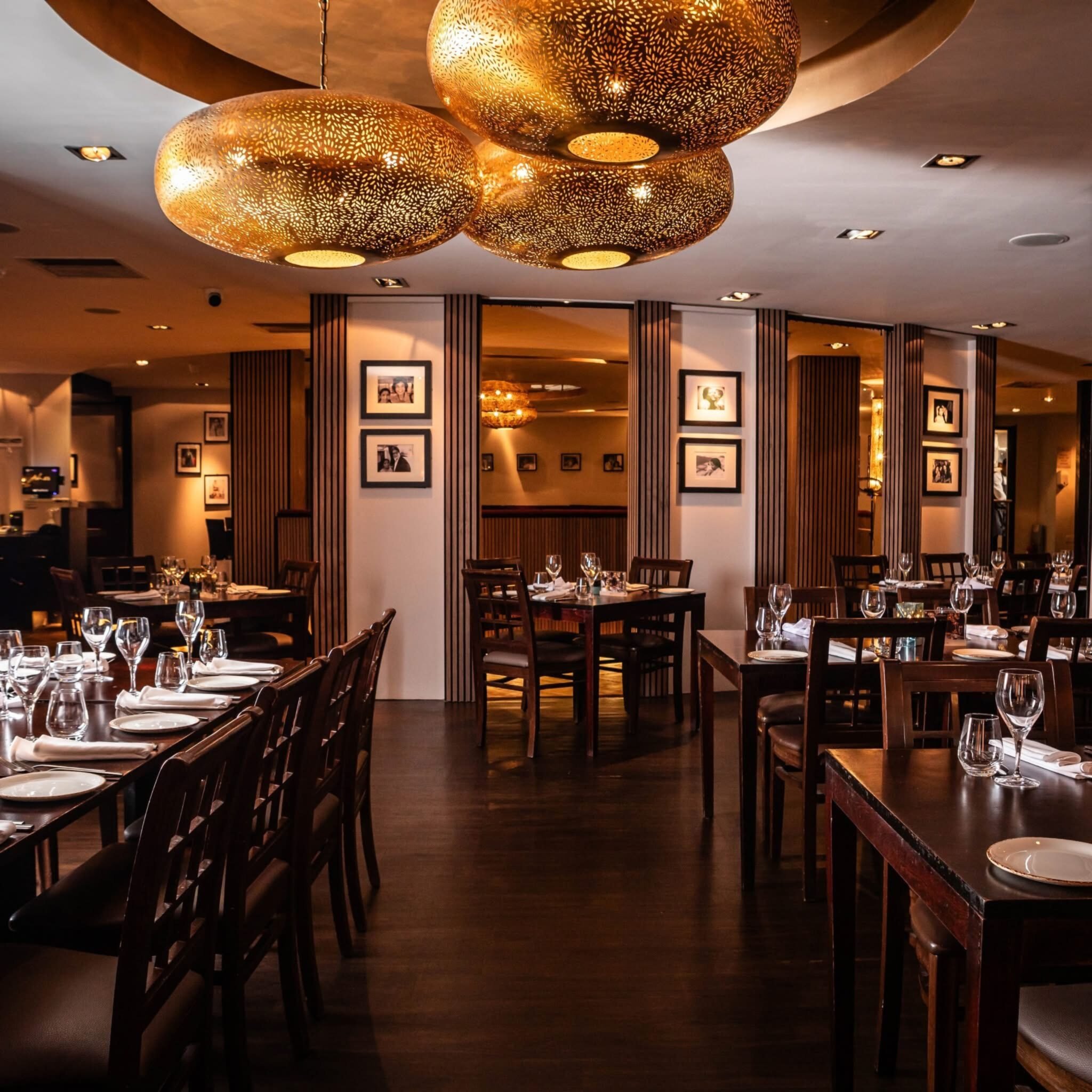
The first 30 seconds determine how guests categorise the venue:
Social and spontaneous
Intimate and premium
Relaxed and informal
High‑volume and fast‑paced
Layout establishes this pace before any menu is opened.
Where the Bar Sits Changes Everything
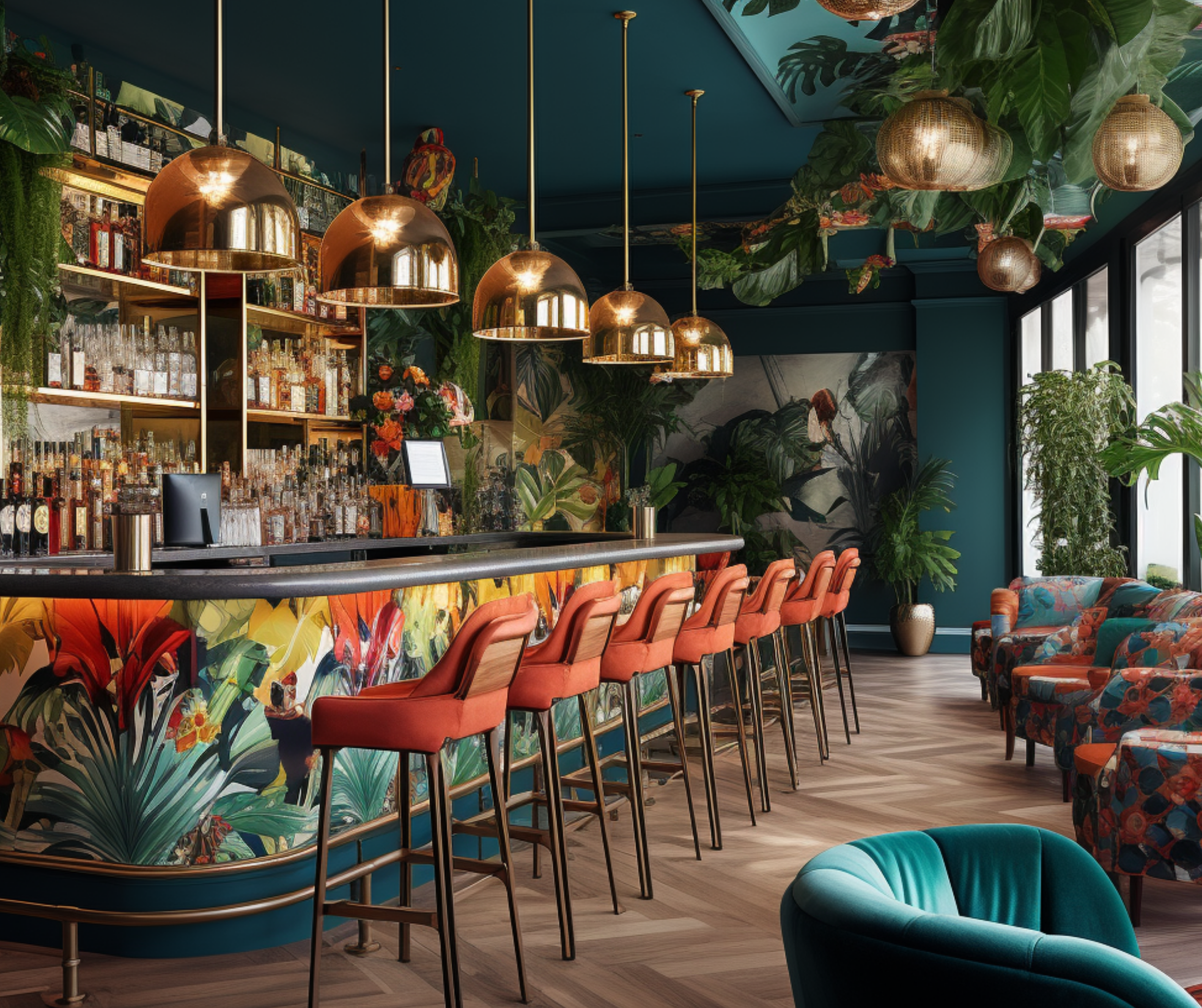
The bar is rarely just a service point. It’s a psychological anchor.
A centrally positioned bar encourages circulation, interaction and visibility. It creates energy and movement ideal for social, high‑turnover environments.
A tucked‑away or partially screened bar shifts the dynamic. It softens the space, allowing dining areas to feel more composed and immersive.
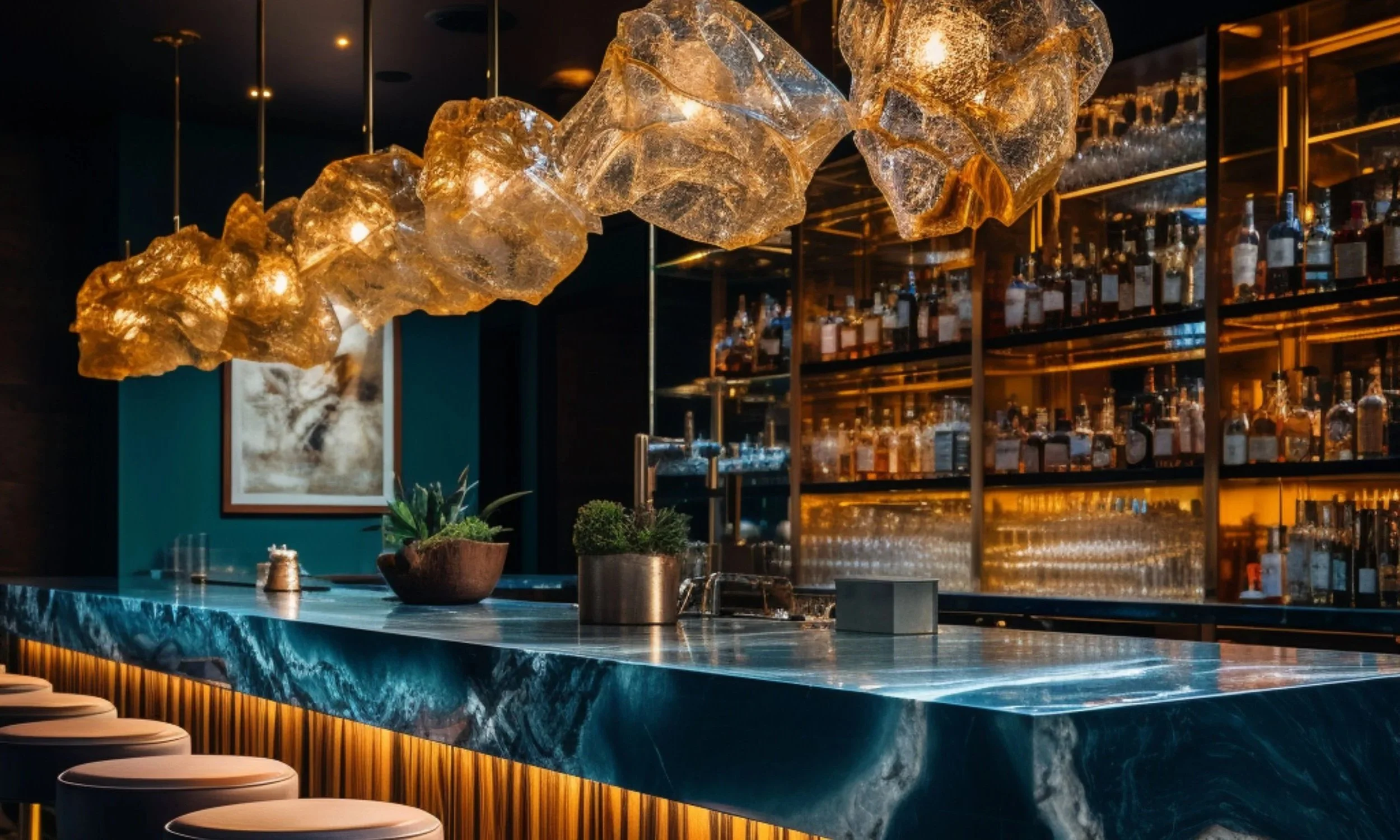
Sightlines matter. When guests can see activity, drinks being made, staff moving confidently, other guests enjoying themselves — it reinforces atmosphere and social proof.
Energy is contagious. Layout controls how it spreads.
Zoning Influences Spend Time
Not every guest wants the same experience.
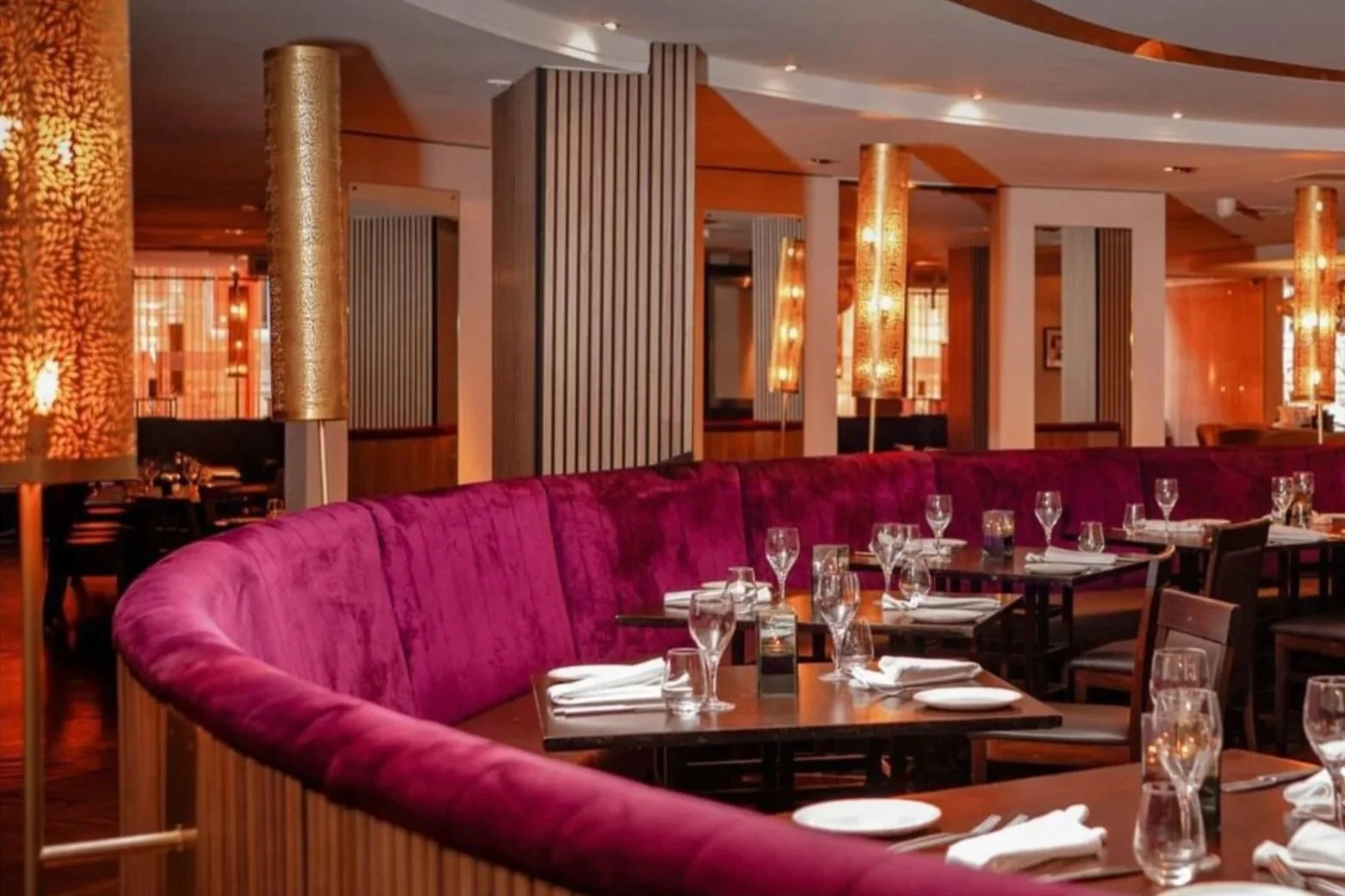
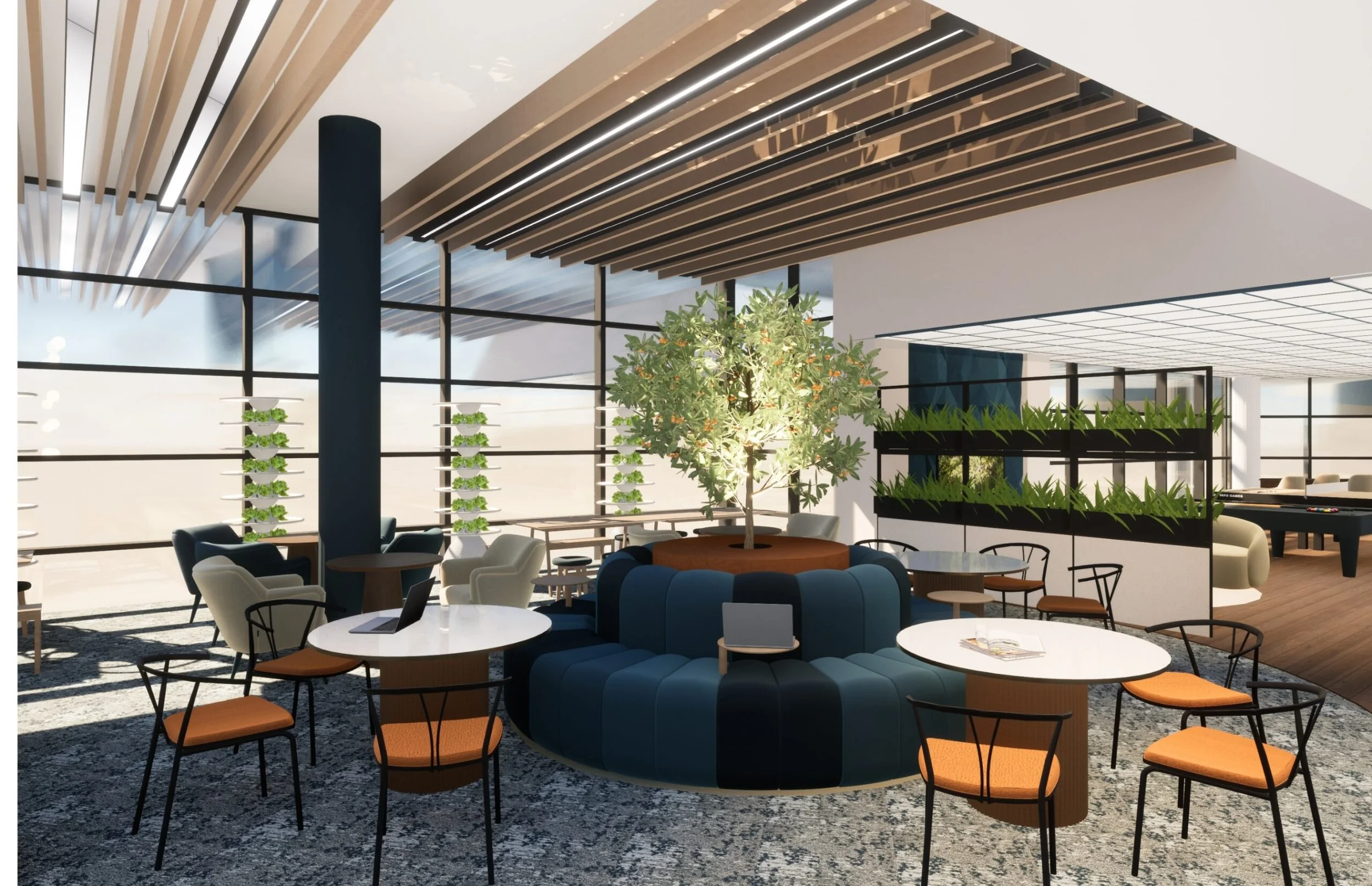
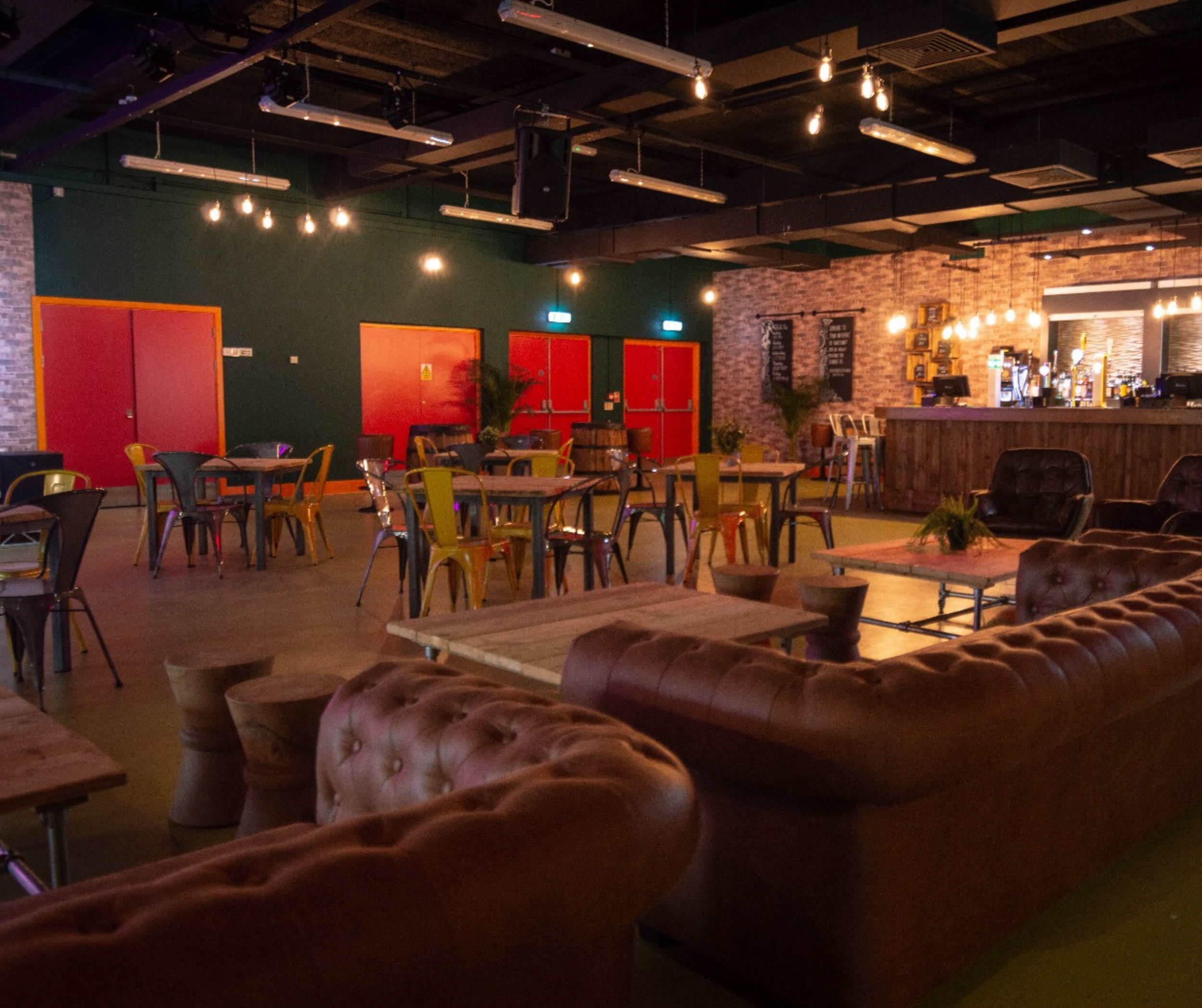
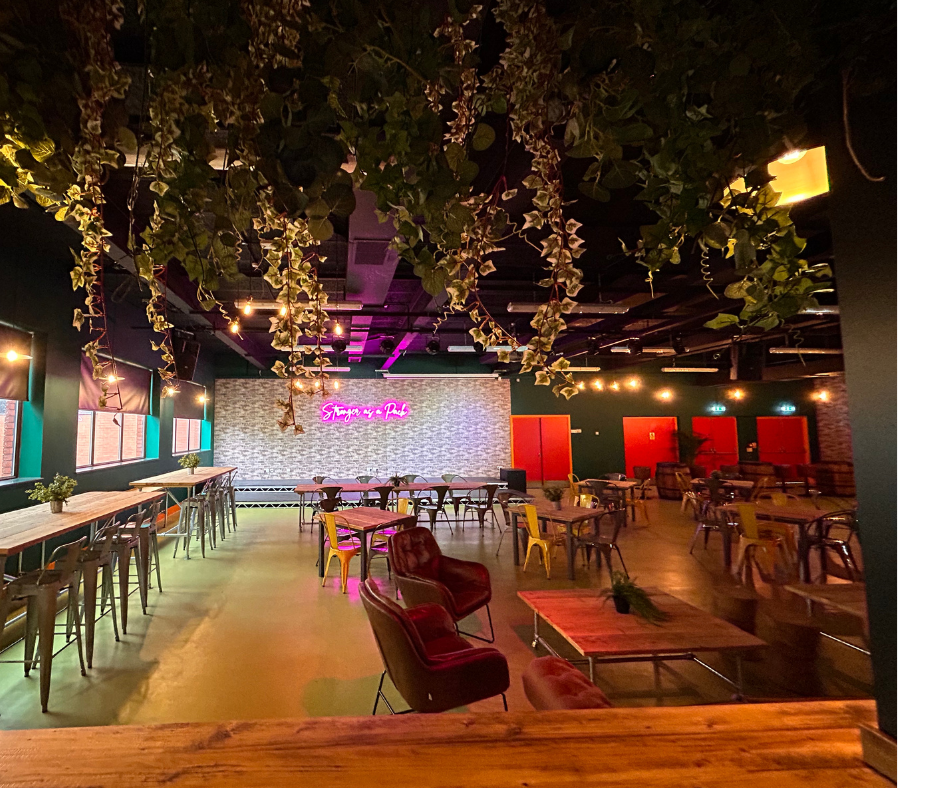
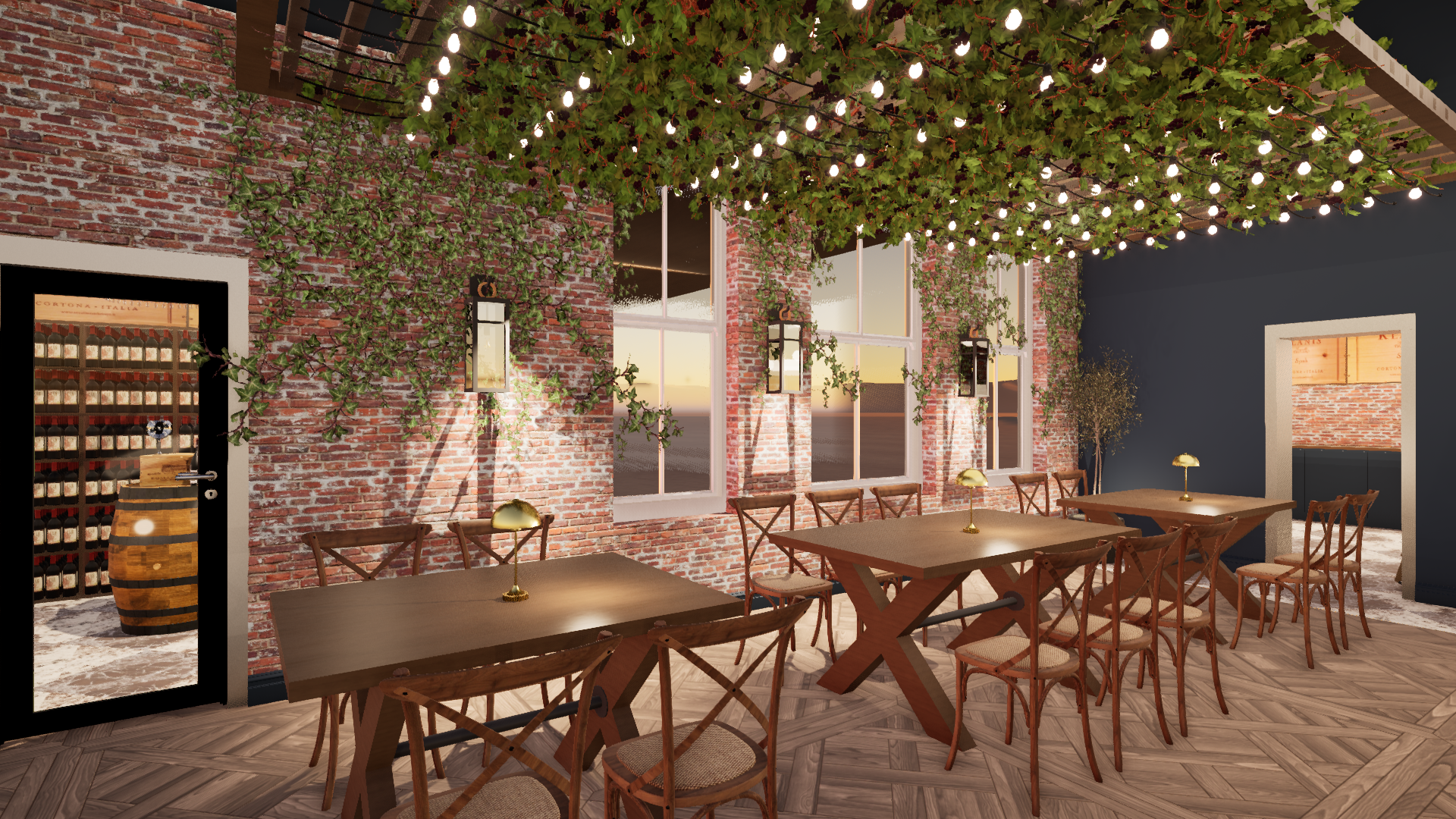
Effective hospitality layouts create distinct zones:
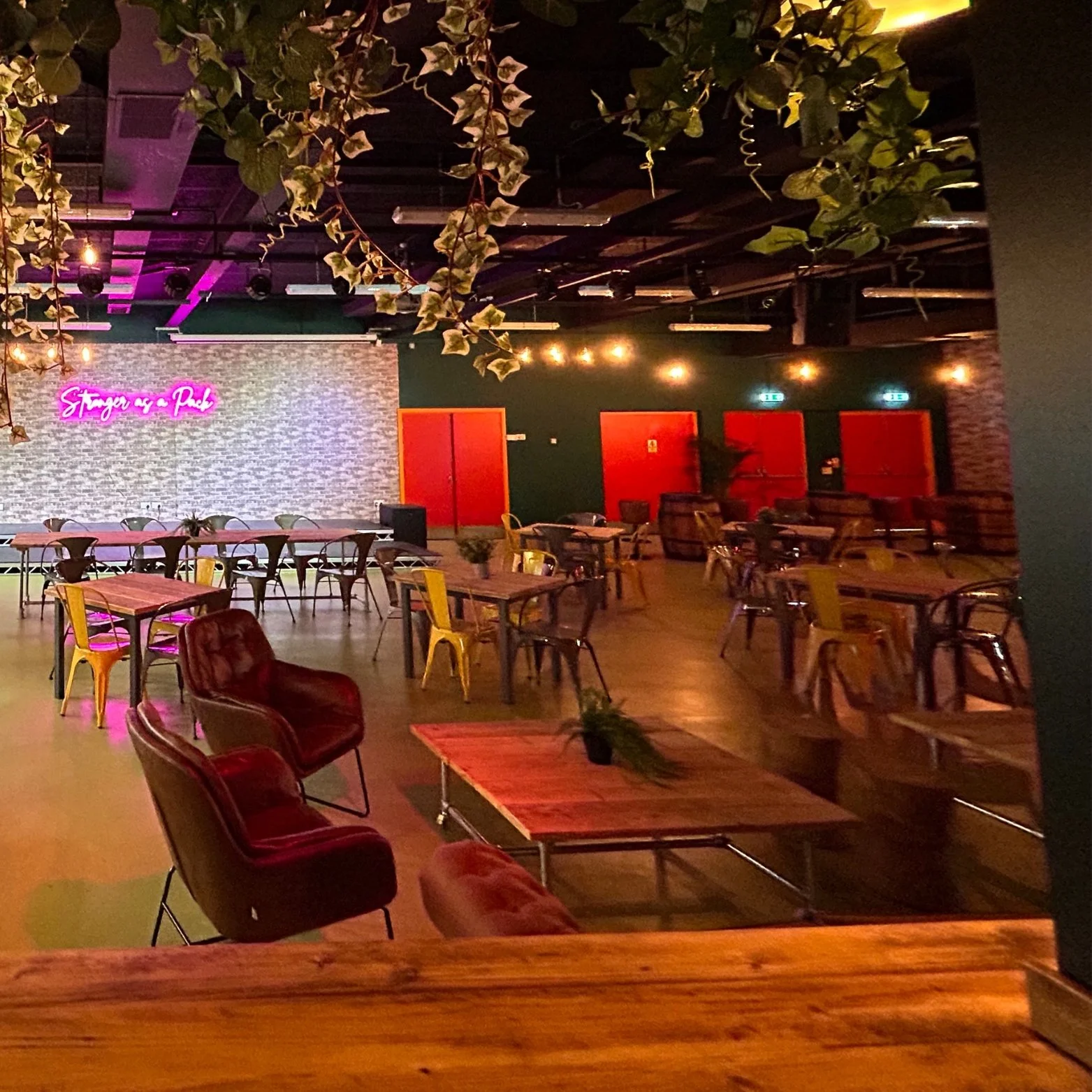
High‑energy social areas
Intimate dining pockets
Flexible group tables
Casual bar seating
Quieter corners
This variety allows guests to self‑select the atmosphere that suits them. When people feel they’ve chosen the right spot, they stay longer.
Without zoning, spaces can feel one‑dimensional, either too loud or too flat. Thoughtful layout provides gradation, not uniformity.
Circulation Shapes Comfort, Even if No One Notices
Poor circulation creates friction.
Guests shouldn’t feel staff constantly brushing past them. They shouldn’t feel exposed in walkways or trapped in tight corners. Nor should staff routes cut through intimate dining zones.

When circulation is intuitive and unobtrusive:
Service feels smoother
Noise feels contained
Guests feel more at ease
Ease translates into longer dwell time and higher comfort levels, often subconsciously.
Table Placement Affects Perceived Value
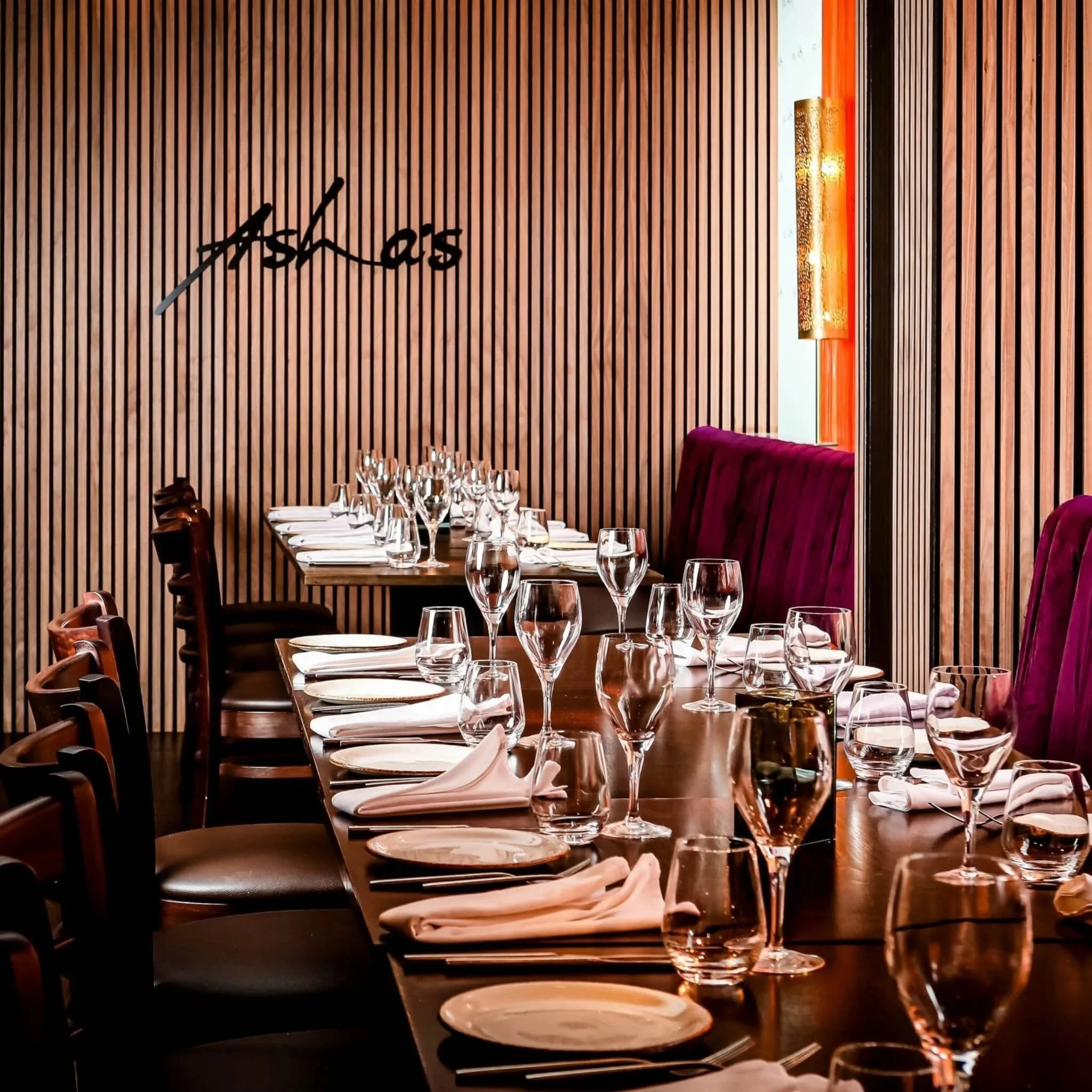
Guests instinctively assess whether they’ve been given a “good” table.
Tables near kitchens, toilets or heavy circulation routes can feel secondary, even if the food is exceptional.
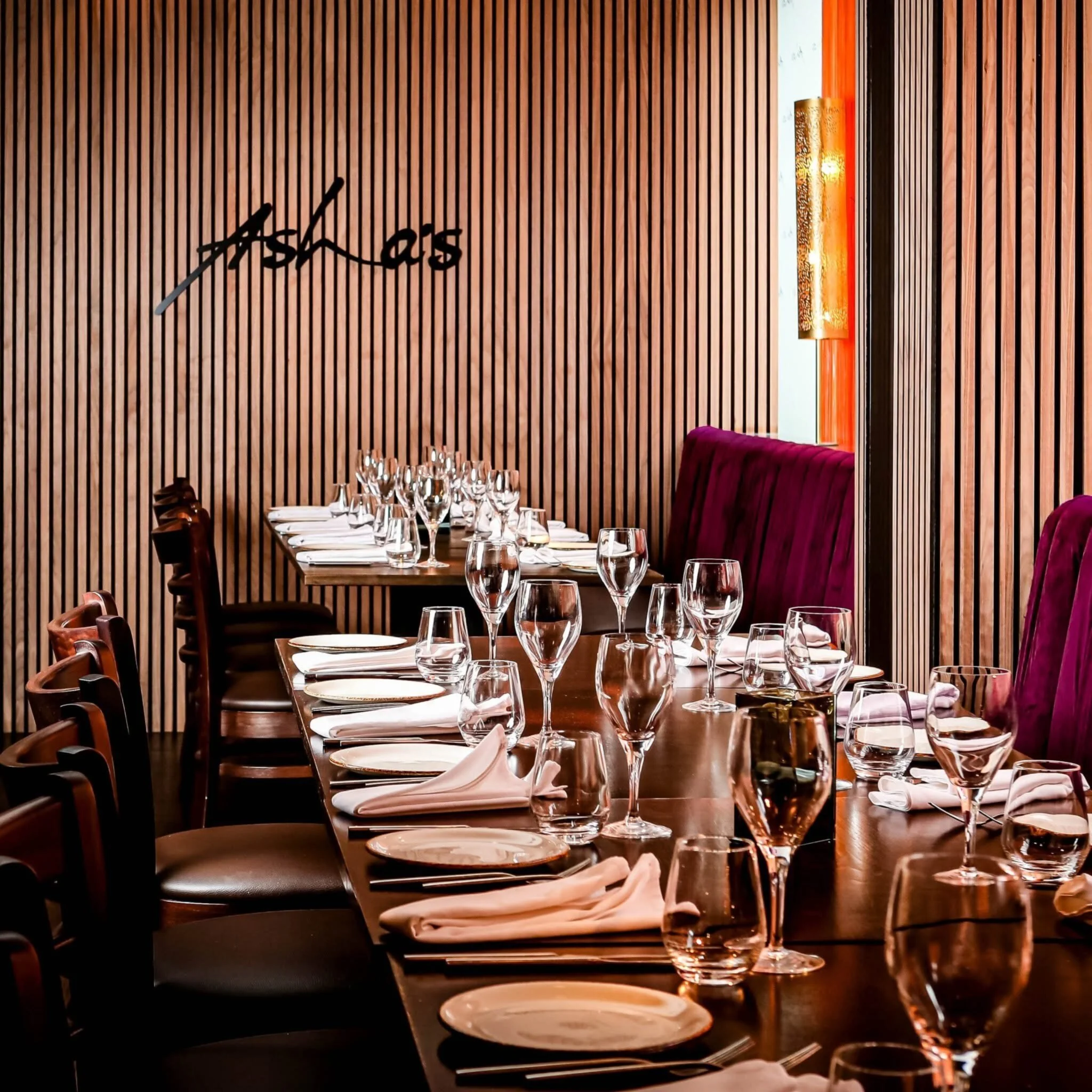
Conversely, well‑positioned seating with balanced privacy, clear sightlines and comfortable spacing enhances perceived quality.
The goal is subtle equity. Every table should feel intentional.
Psychologically, when guests feel well placed, they feel well treated. And that influences their willingness to stay, spend and return.
Proximity Drives Social Energy
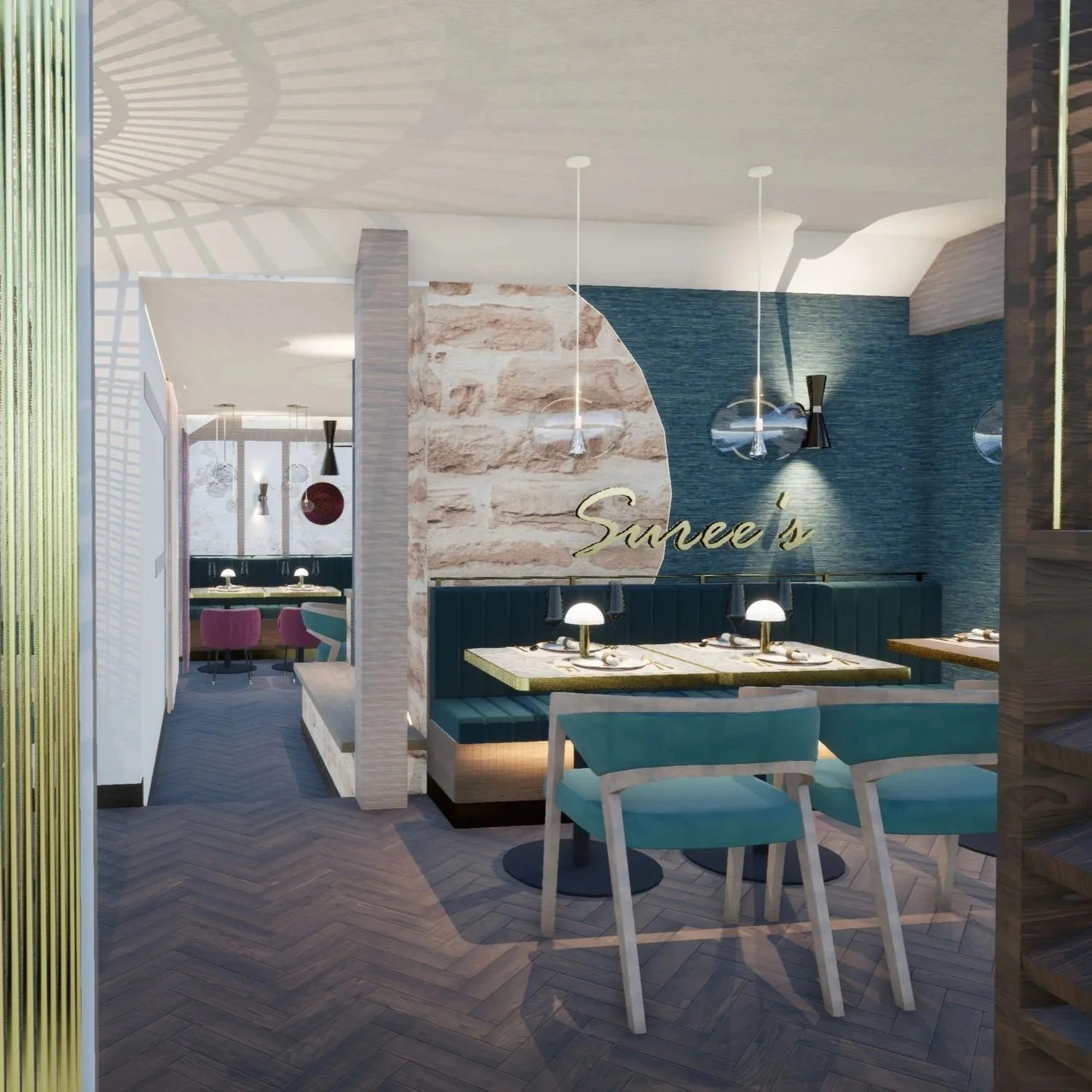
Distance between tables influences atmosphere.
Close spacing can create buzz and intimacy, ideal for lively bars and high‑energy dining concepts.
More generous spacing introduces calm, privacy and premium perception.
The psychological balance is delicate. Too close and guests feel crowded. Too far and the space feels empty, even at healthy occupancy levels.
Layout is about calibrating that density so energy feels vibrant, not overwhelming.
Layout Directly Impacts Spend
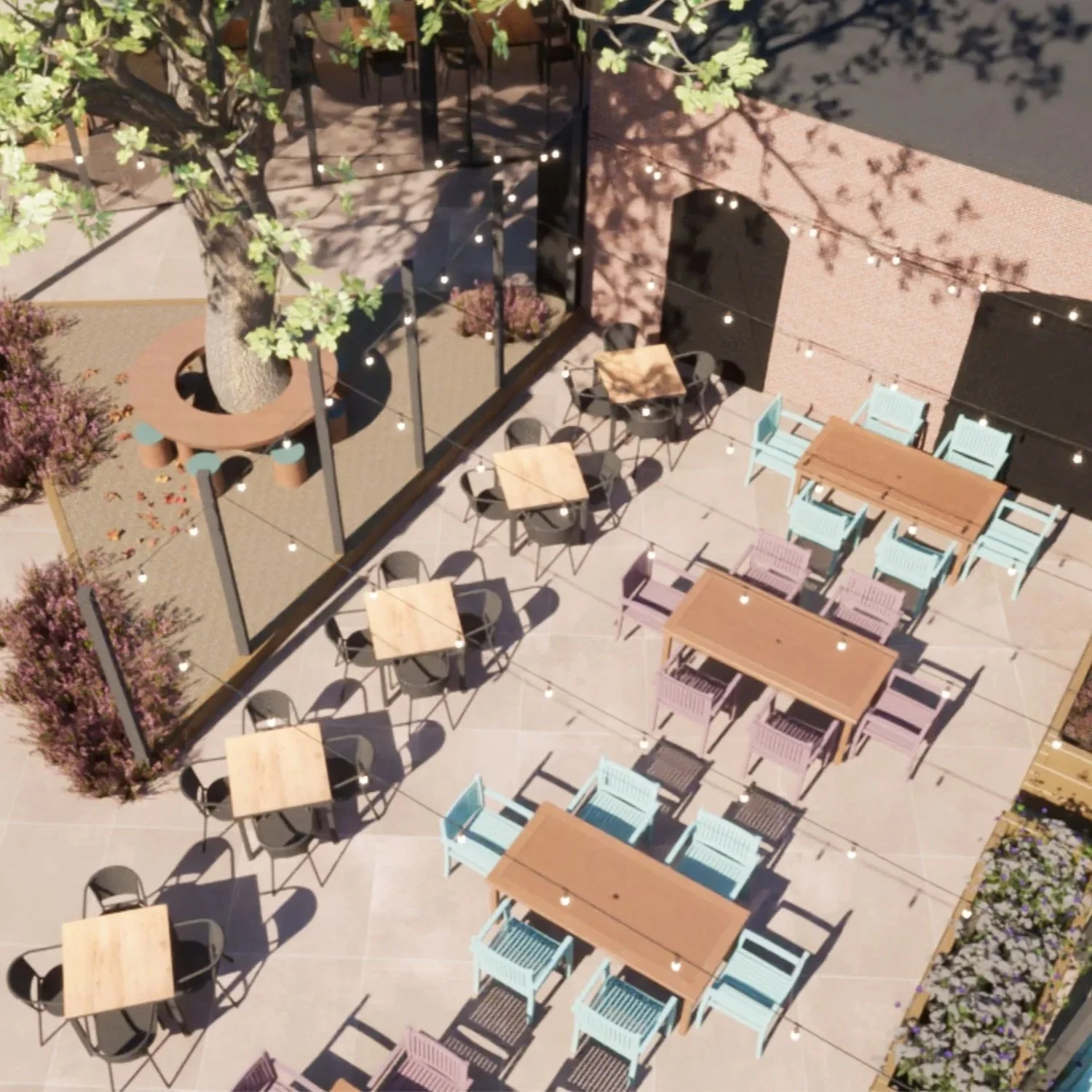
Behavioural psychology and spatial planning are closely linked.
A well‑positioned bar encourages spontaneous second drinks. Comfortable booth seating increases the likelihood of dessert or another bottle of wine. Flexible group tables invite larger bookings.
If guests feel rushed or unsettled by the layout, dwell time shortens. If they feel immersed and comfortable, time extends and spending naturally follows.
The space either supports revenue or restricts it.
When layout supports behaviour, commercial performance follows.
Discover how our design & build approach aligns layout, flow and experience from day one.
Designing for How People Actually Behave
At Shropshire Studios, layout decisions are never arbitrary.
We ask:
How should guests move through the space?
Where should energy build — and where should it soften?
What behaviours support the commercial model?
How can layout encourage interaction without sacrificing comfort?
Because in bars and restaurants, layout isn’t just about fitting tables into square metres. It’s about shaping experience, atmosphere and performance.
When the psychology of layout is understood, design becomes more than visual — it becomes strategic.
And that’s where hospitality spaces truly thrive.