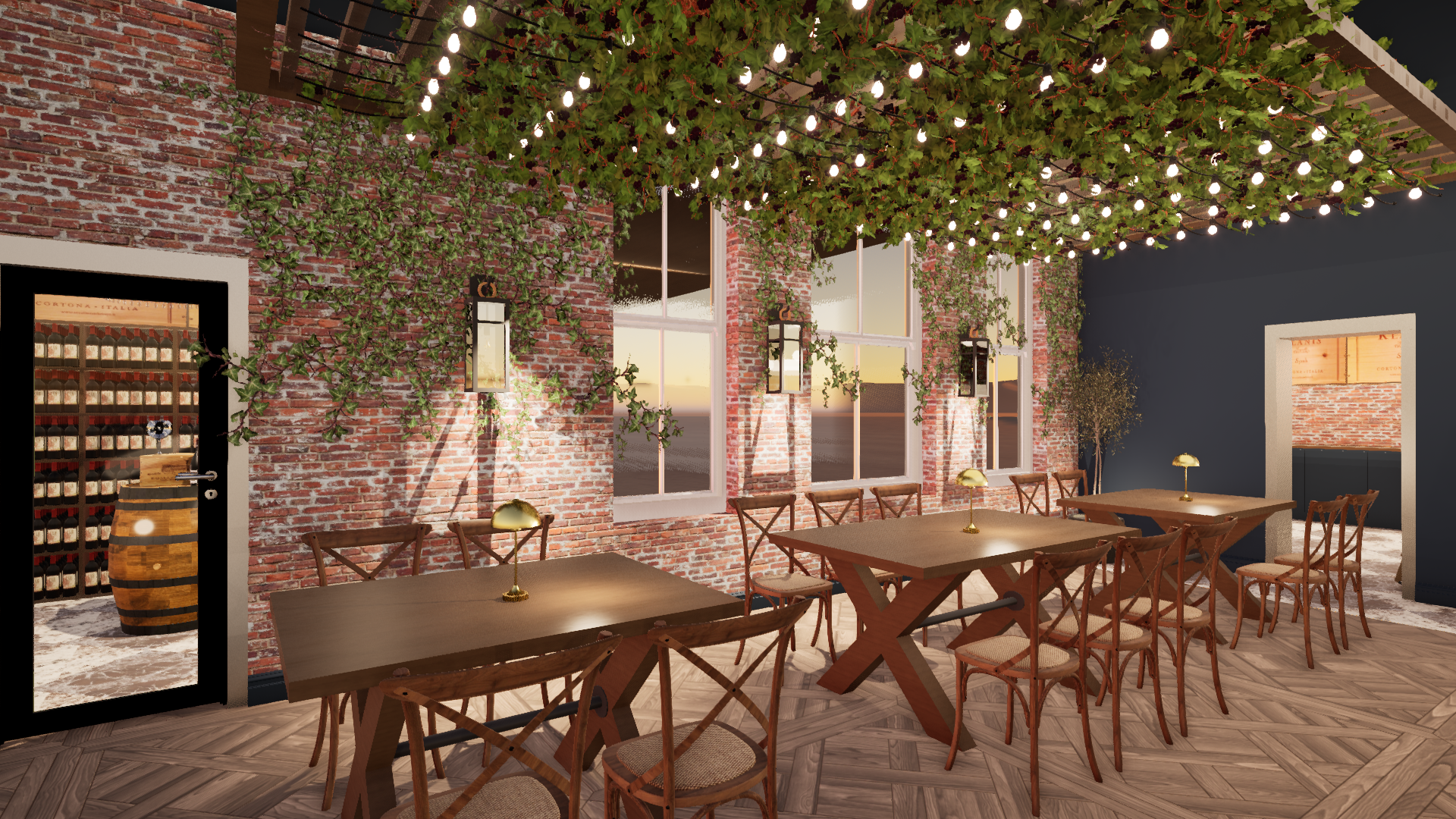
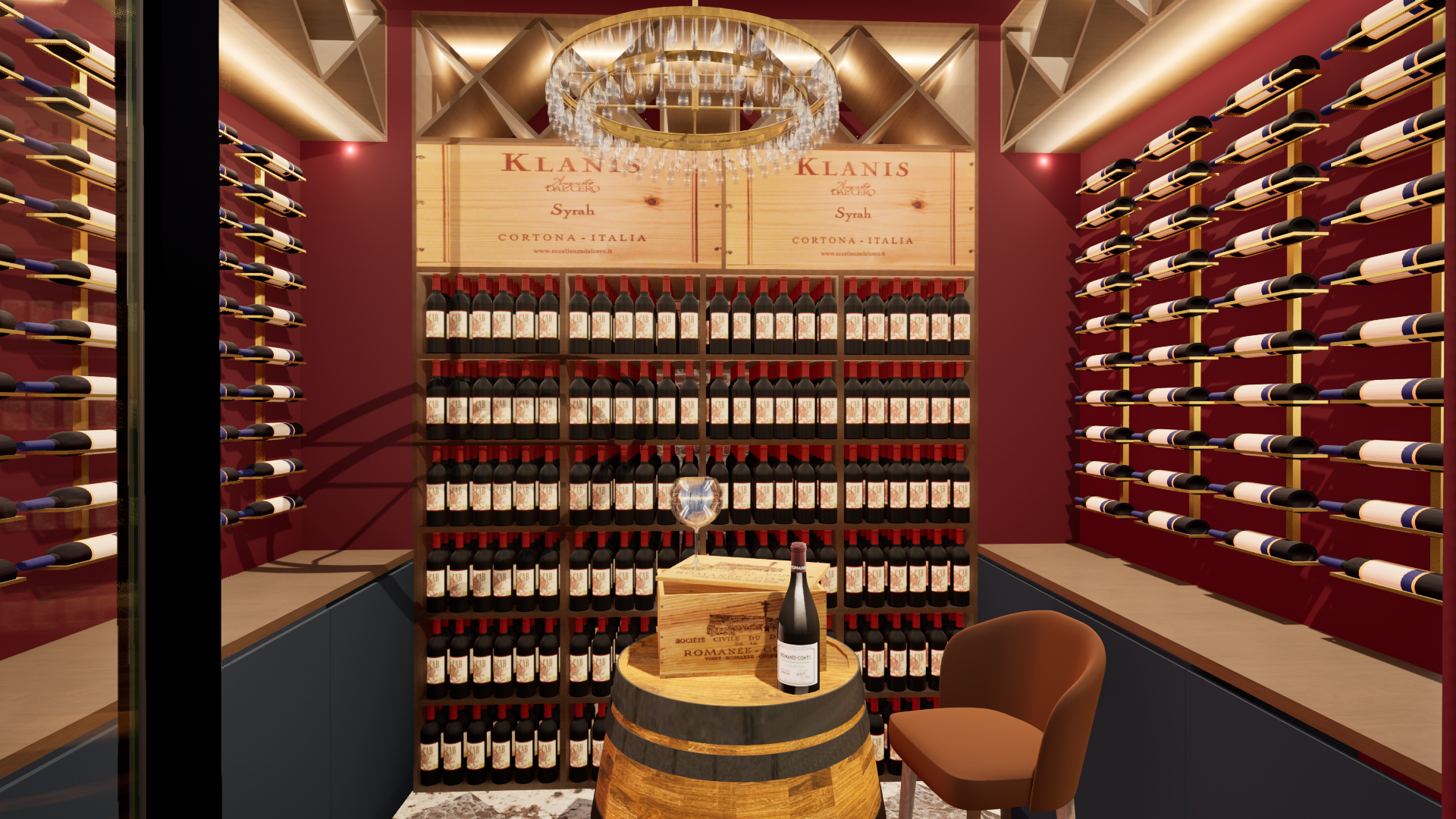
Lighting for Hospitality How to Create Atmosphere
In hospitality, lighting is never just functional.
It’s emotional.
Before guests taste the food or order a drink, they experience the light. It shapes first impressions, influences mood and quietly determines whether a space feels intimate, energetic, luxurious or forgettable.
At Shropshire Studios, we treat lighting as one of the most powerful tools in hospitality design, not an afterthought, but a strategic driver of atmosphere and revenue.
See how we design lighting and interiors that enhance atmosphere and drive revenue.
Here’s how to get it right.
Atmosphere with Layers
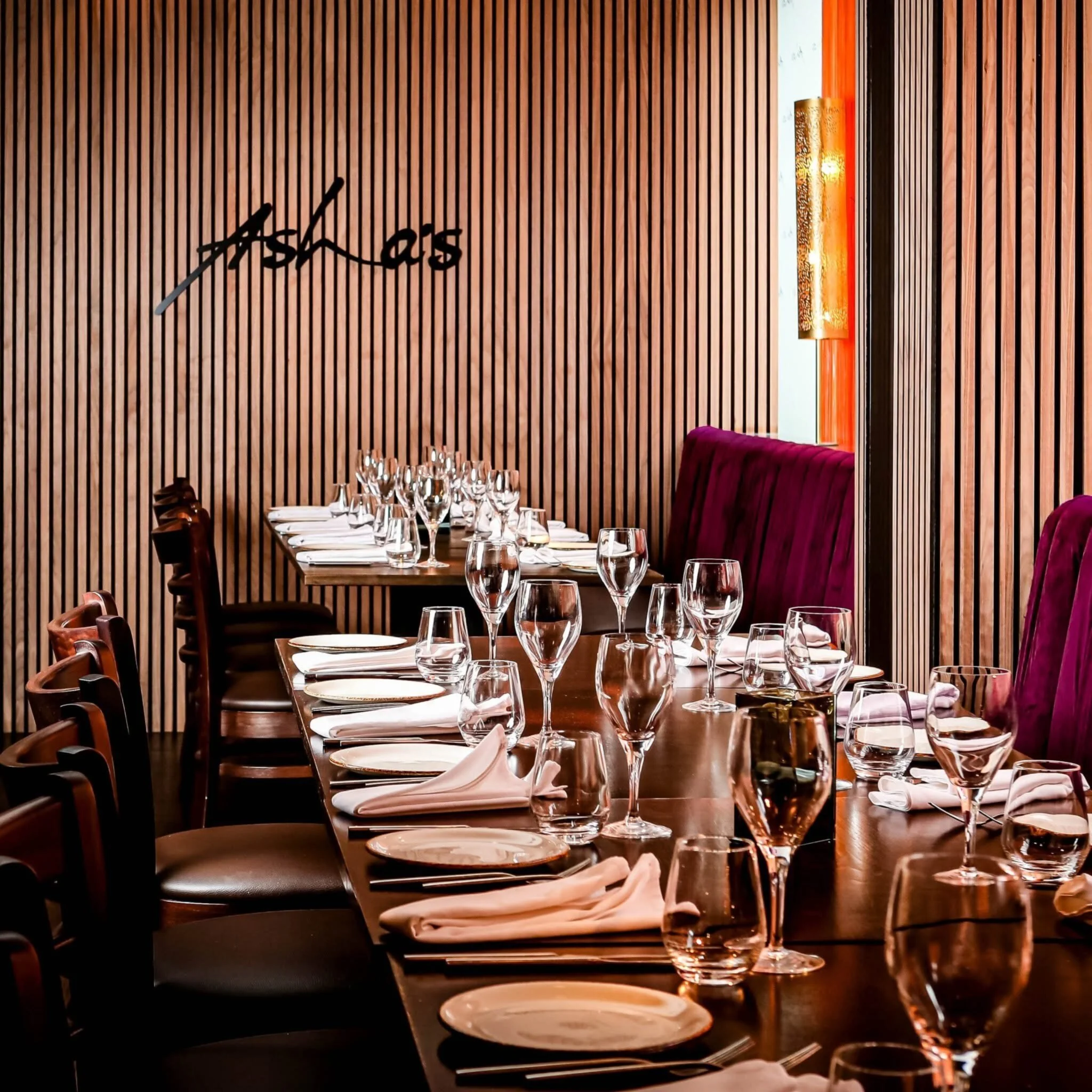
Great hospitality lighting is layered.
Relying on a single overhead lighting scheme flattens a space.
Instead, atmosphere is built through a combination of:
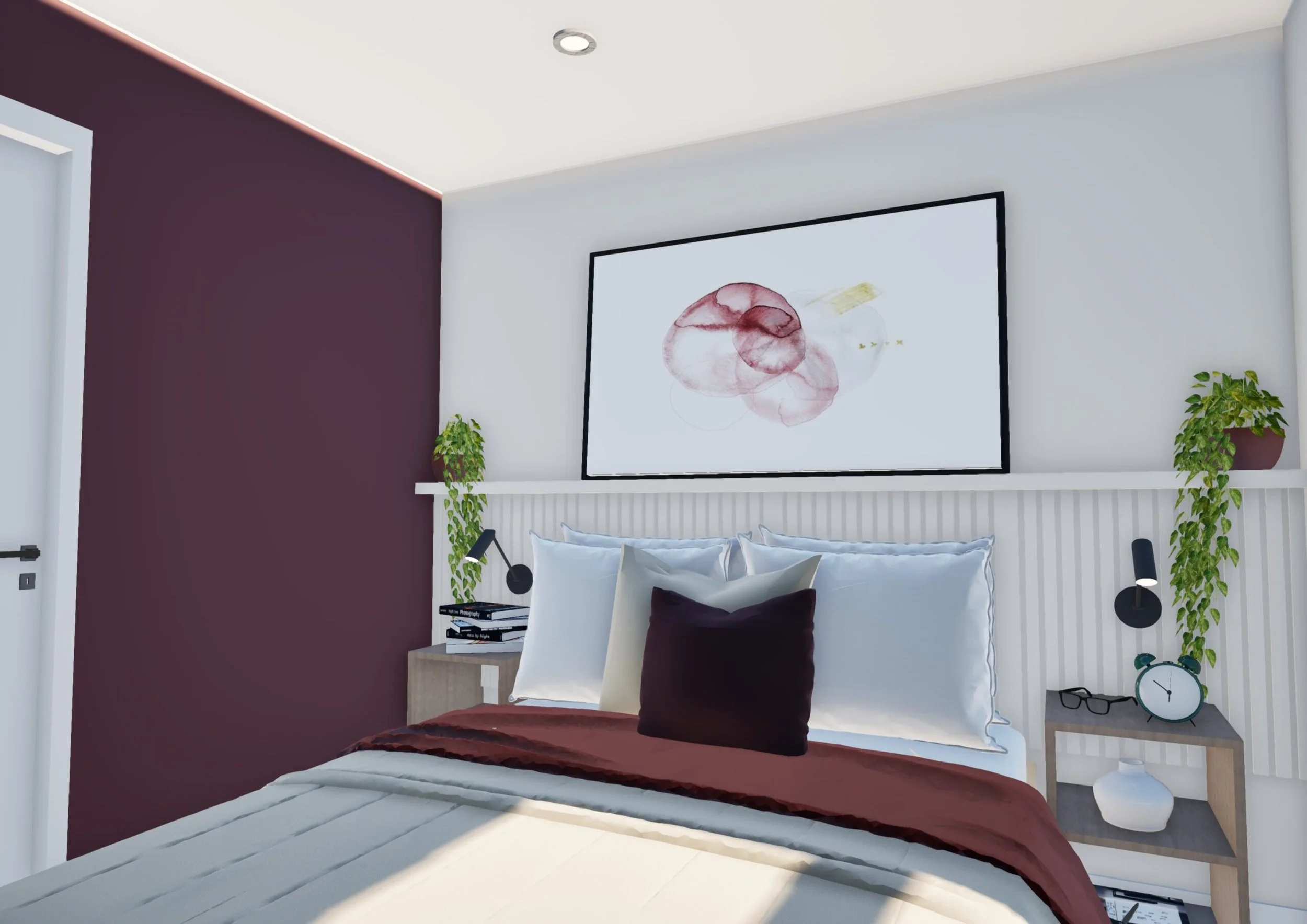
Ambient lighting to create overall warmth
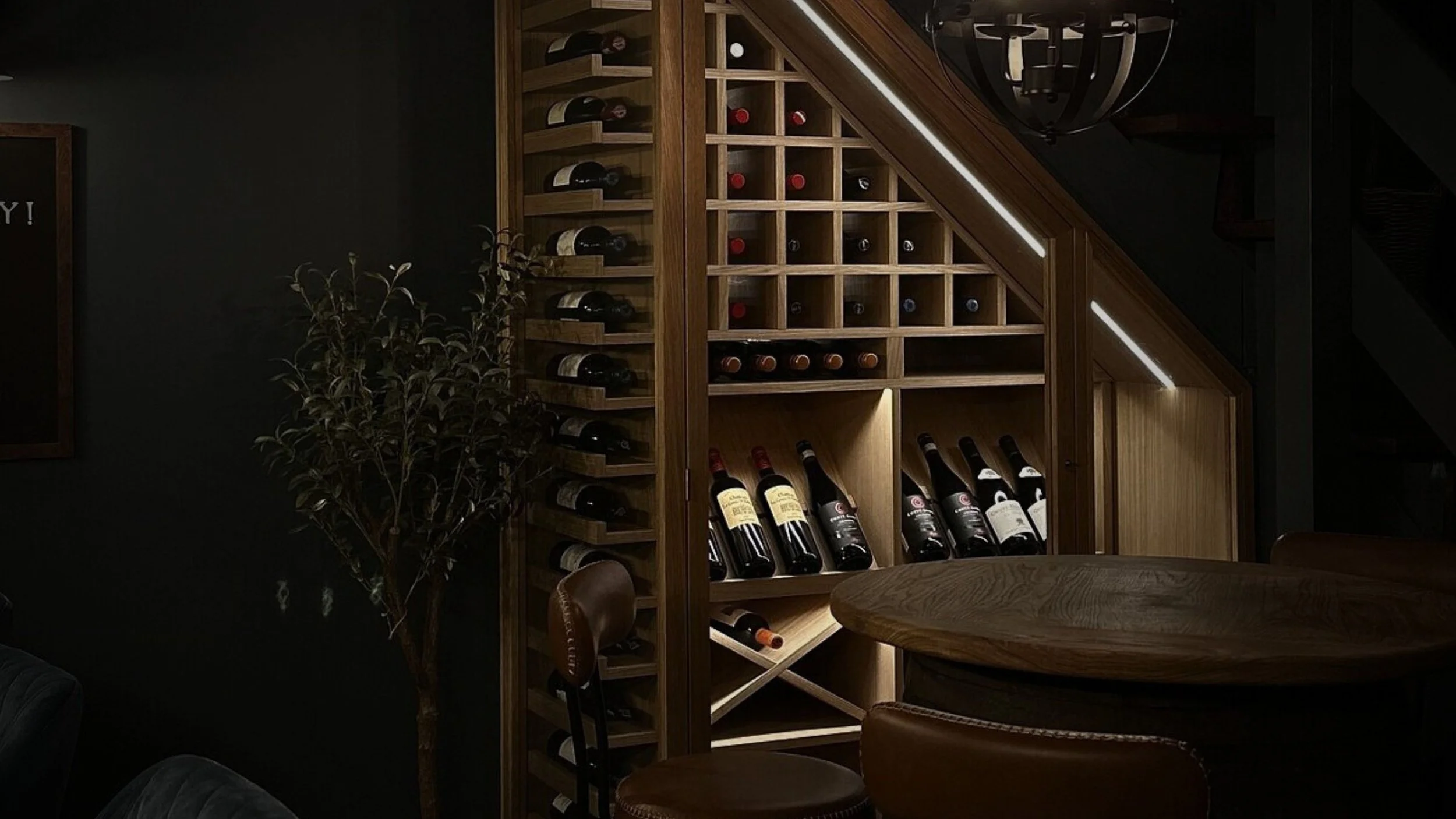
Accent lighting to highlight architectural details or focal points
Decorative lighting to add personality and identity
Task lighting to ensure practicality for staff and guests
Layering allows flexibility. A brunch service shouldn’t feel like a late‑night cocktail setting. Lighting should adapt to time of day, mood and service style.
The best hospitality spaces evolve throughout the day and lighting is what makes that possible.
Colour Temperature Changes Everything
Cool white lighting feels clinical.
Overly warm lighting can feel heavy or dated.
The key is balance.
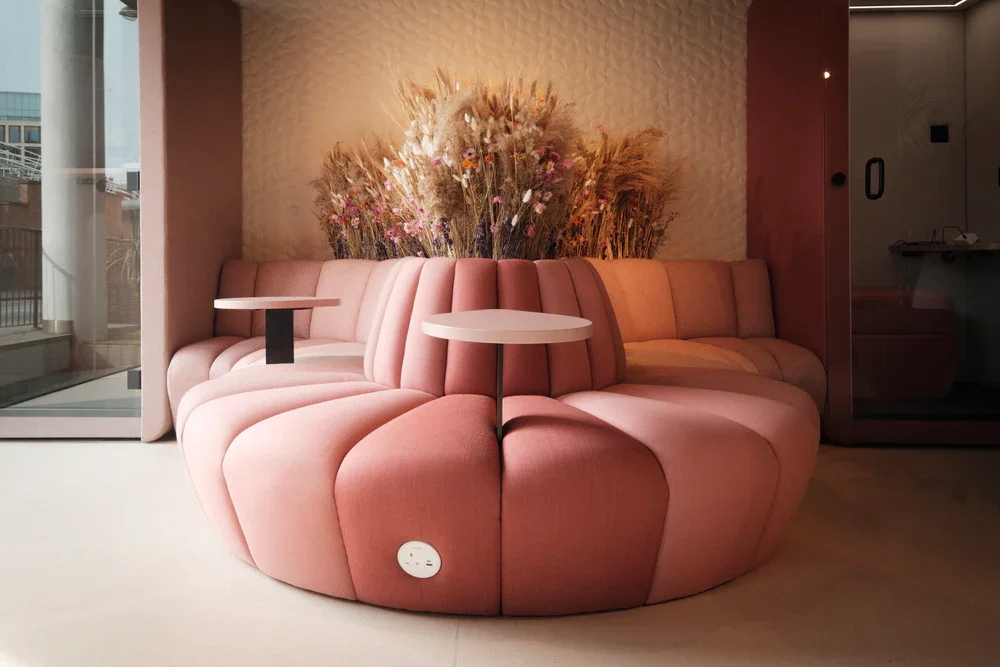
Restaurants often benefit from warmer tones that flatter skin and enhance food presentation. Bars may lean slightly deeper to create intimacy. Hotel lobbies require warmth without sacrificing clarity.
Lighting influences how guests look, and how they feel about how they look. When people feel comfortable and confident in a space, they stay longer.
And longer dwell time almost always correlates with increased spend.
Lighting Directs Behaviour
Lighting is subtle psychology.
Bright, evenly lit environments encourage movement and turnover. Softer, layered lighting encourages guests to settle in.
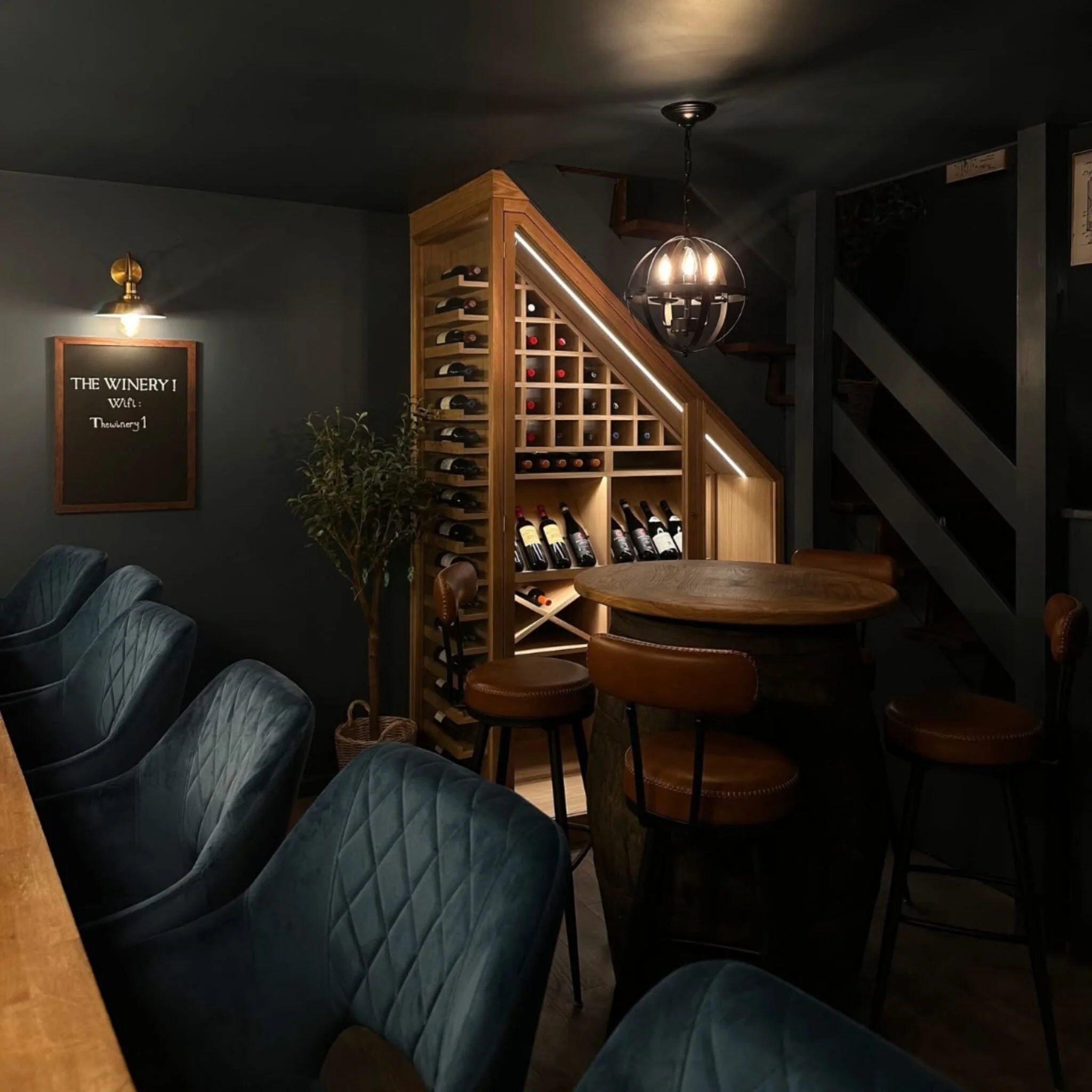
If you want to increase dwell time:
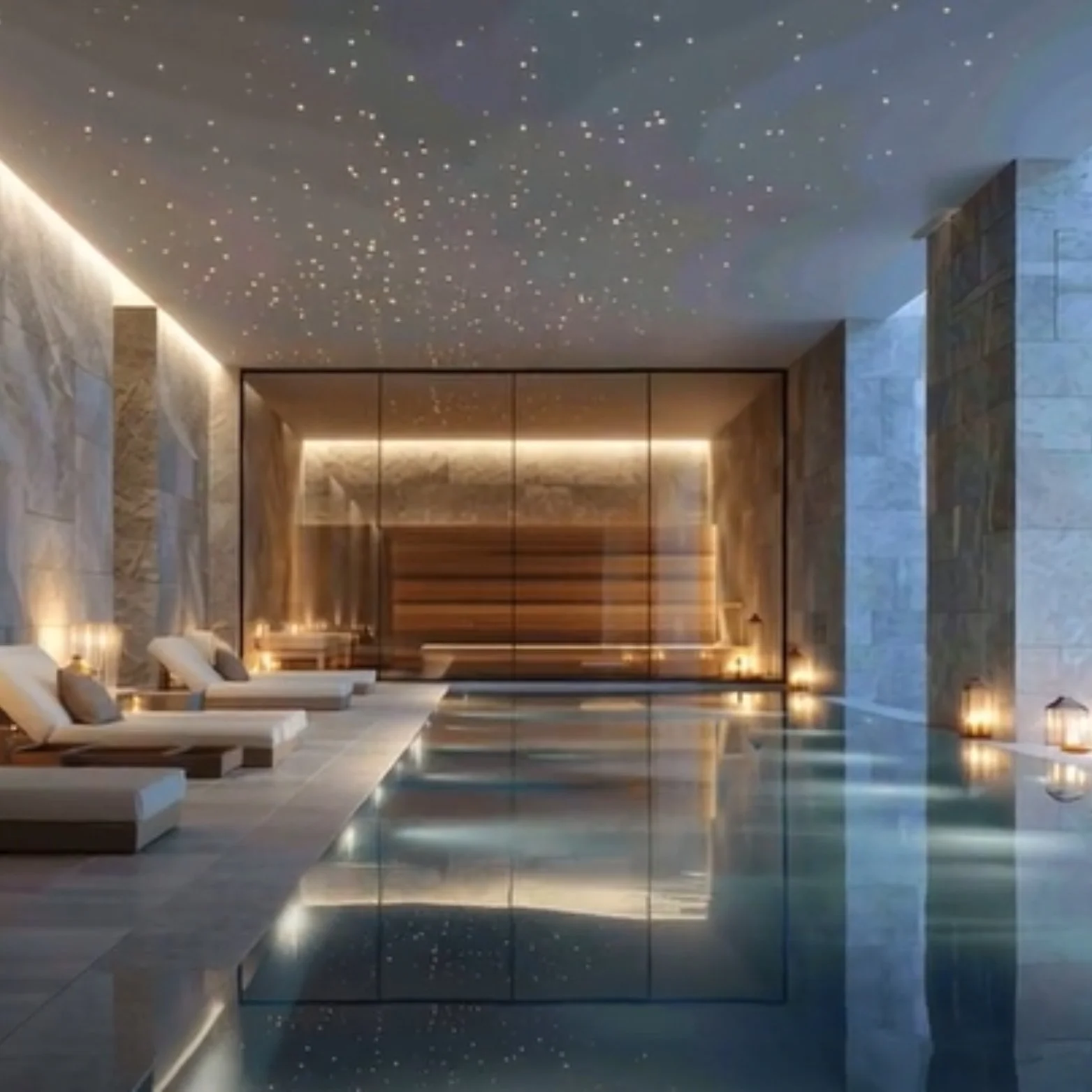
Create pools of softer light around seating
Use pendants or low‑level lighting to define intimacy
Avoid overly bright perimeter lighting
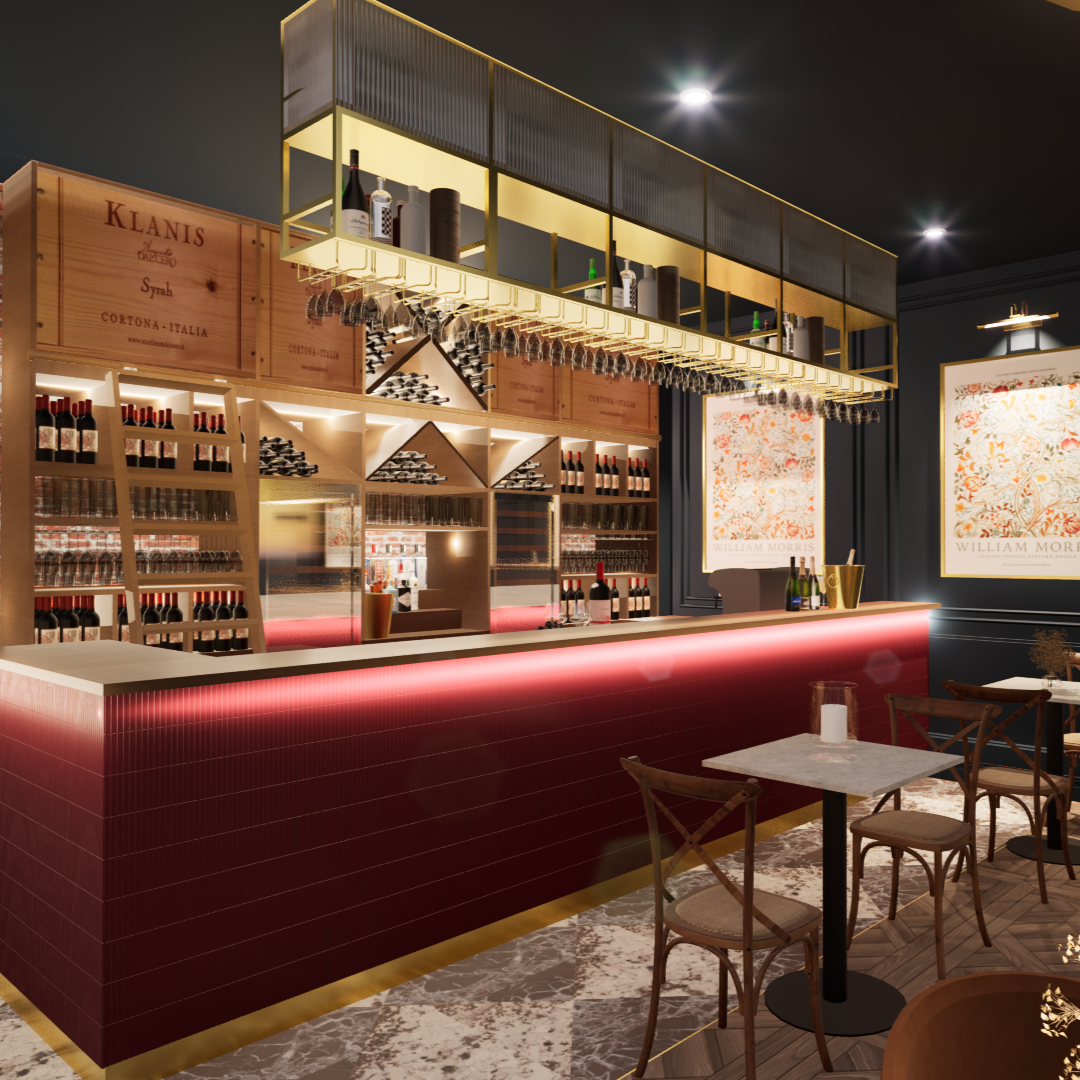
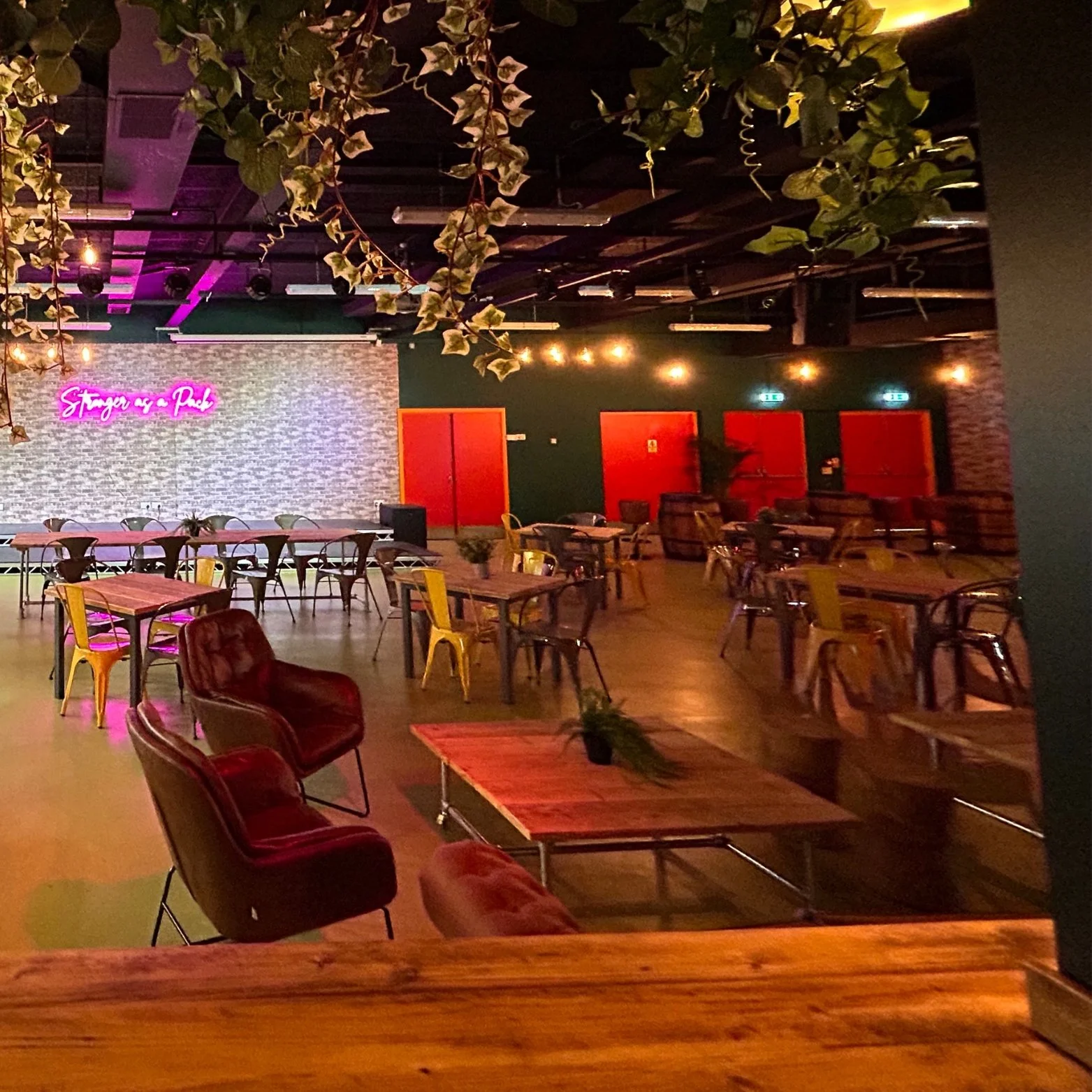
If you want energy and vibrancy:
Increase contrast
Introduce focal lighting features
Highlight bar areas or key social zones
Light tells guests how to use a space without a single sign.
Discover how spatial design shapes behaviour, flow and guest experience.
Feature Lighting Creates Identity
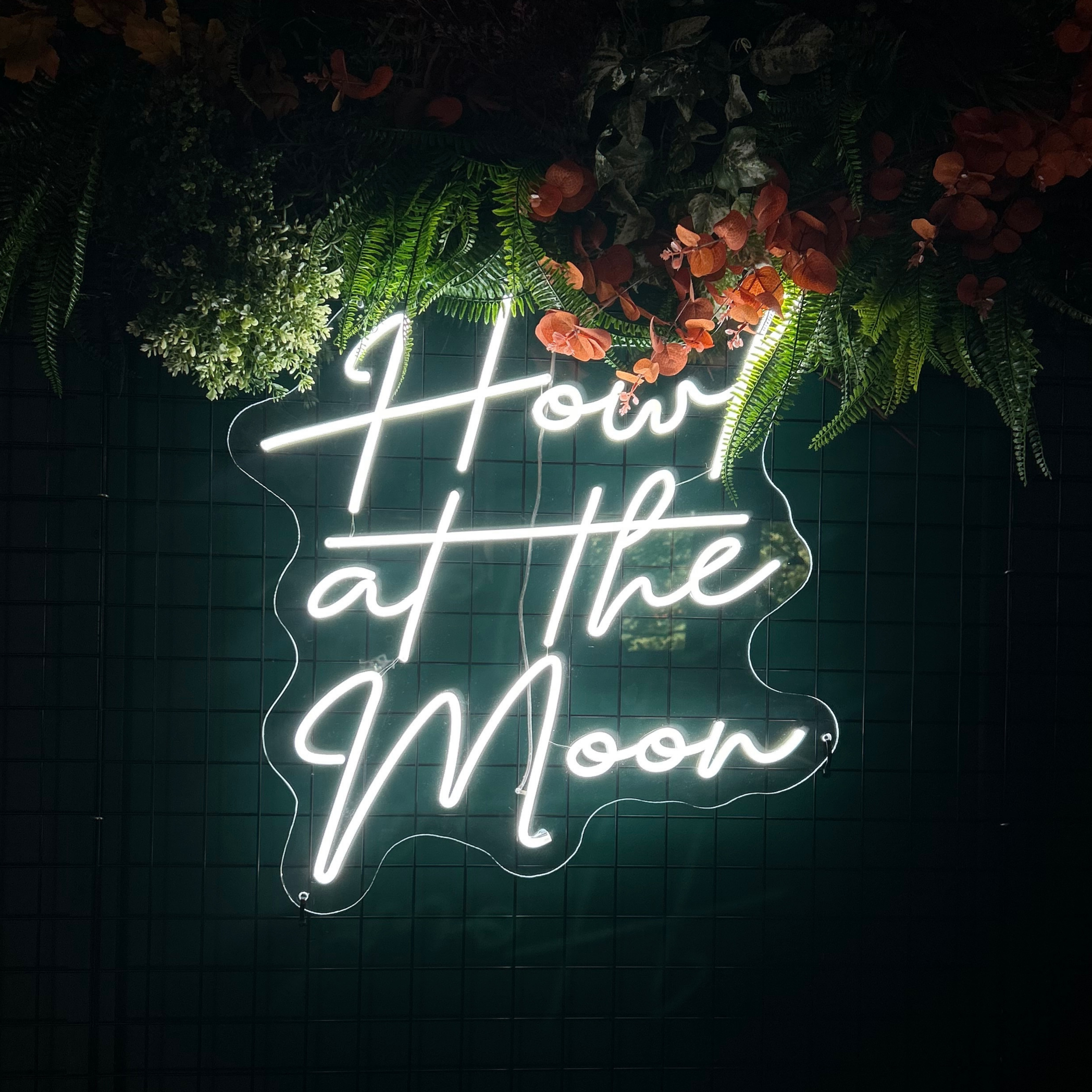
In a world of visual discovery and social media, lighting often becomes the signature moment.
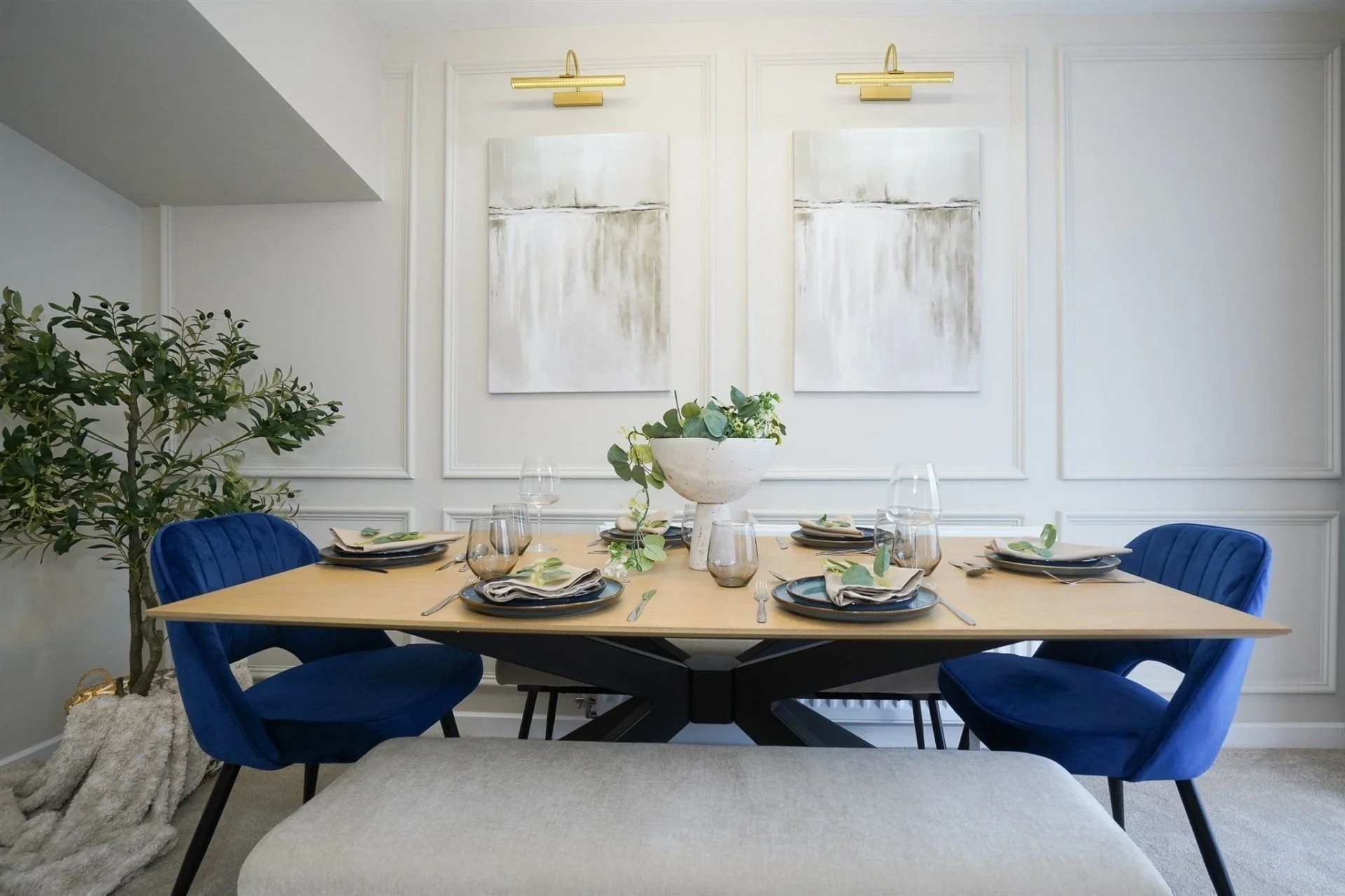
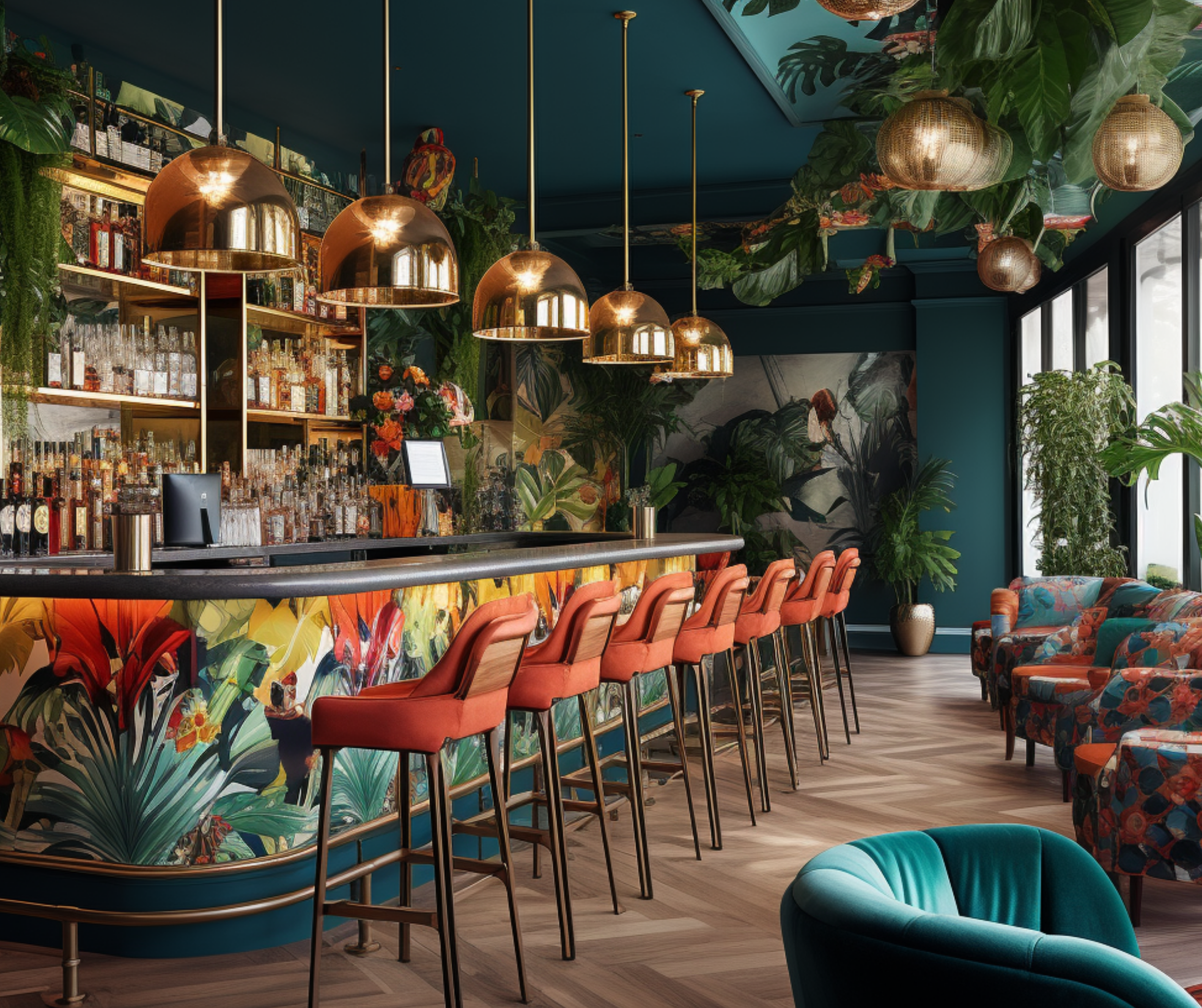
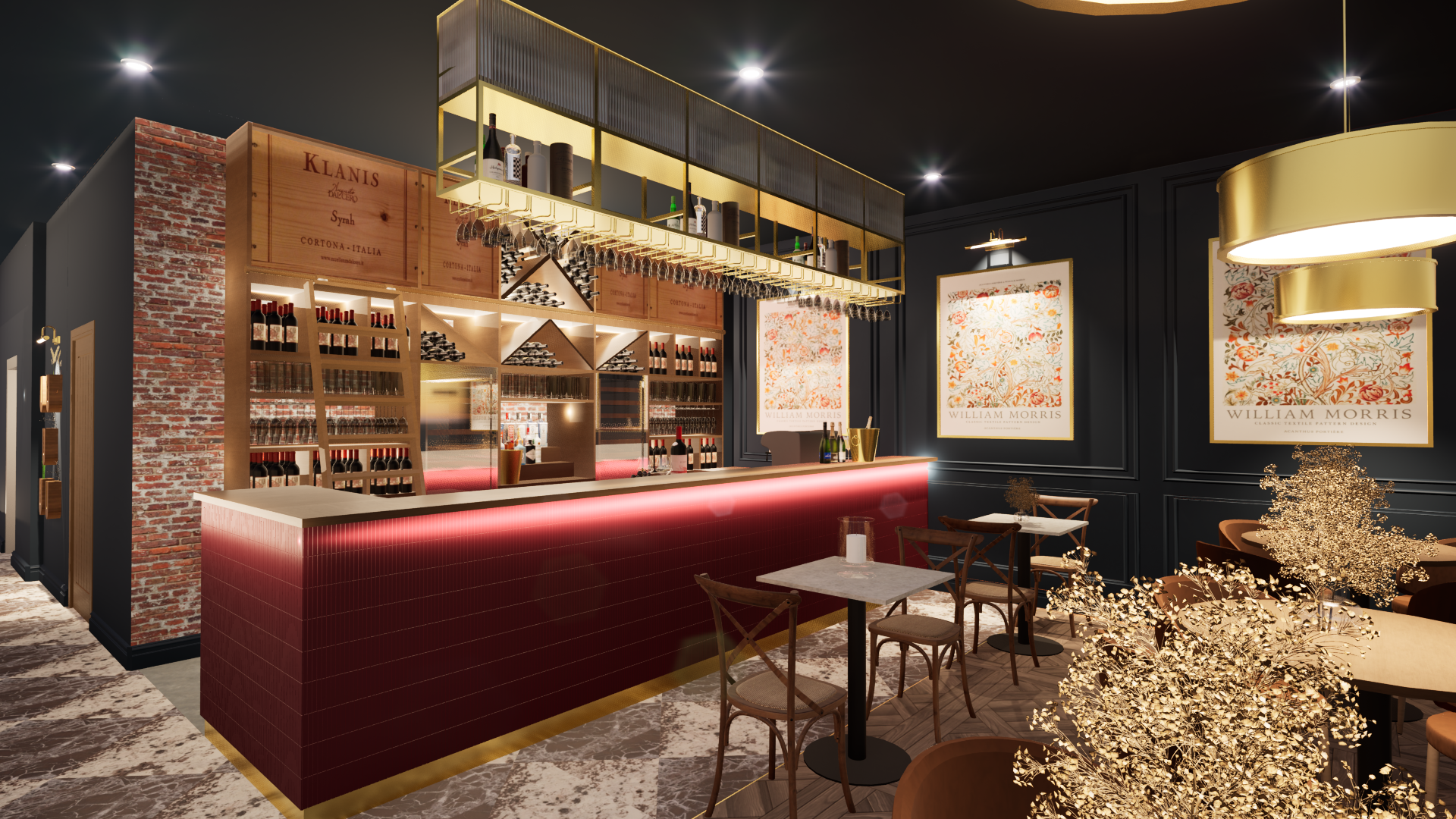
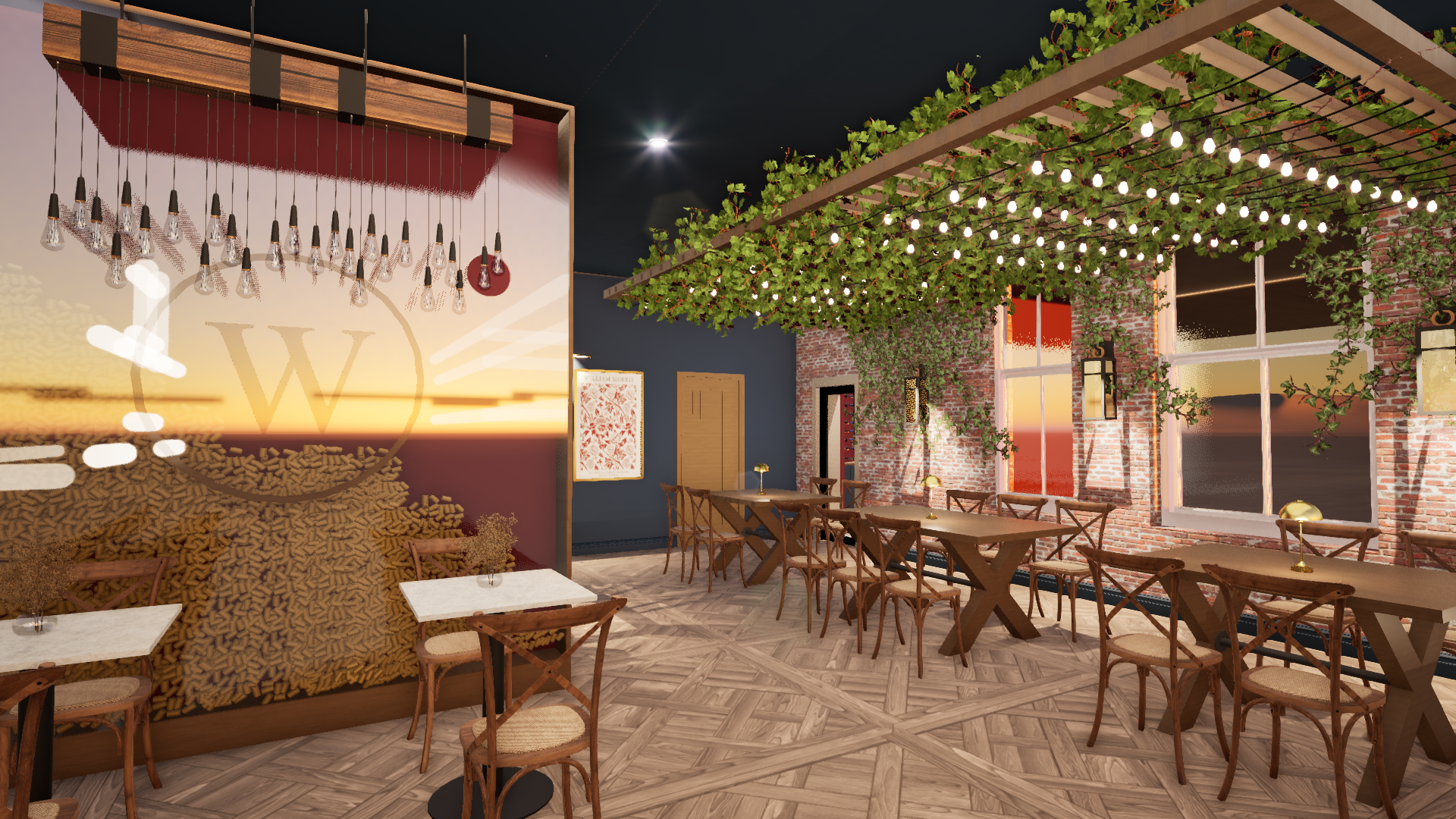
Statement pendants, sculptural chandeliers, illuminated shelving or subtle LED detailing can transform perception instantly.
But it must feel intentional.
Feature lighting should reinforce brand identity, not compete with it. When integrated properly, it becomes part of the narrative, not decoration for decoration’s sake.
Never Forget Function
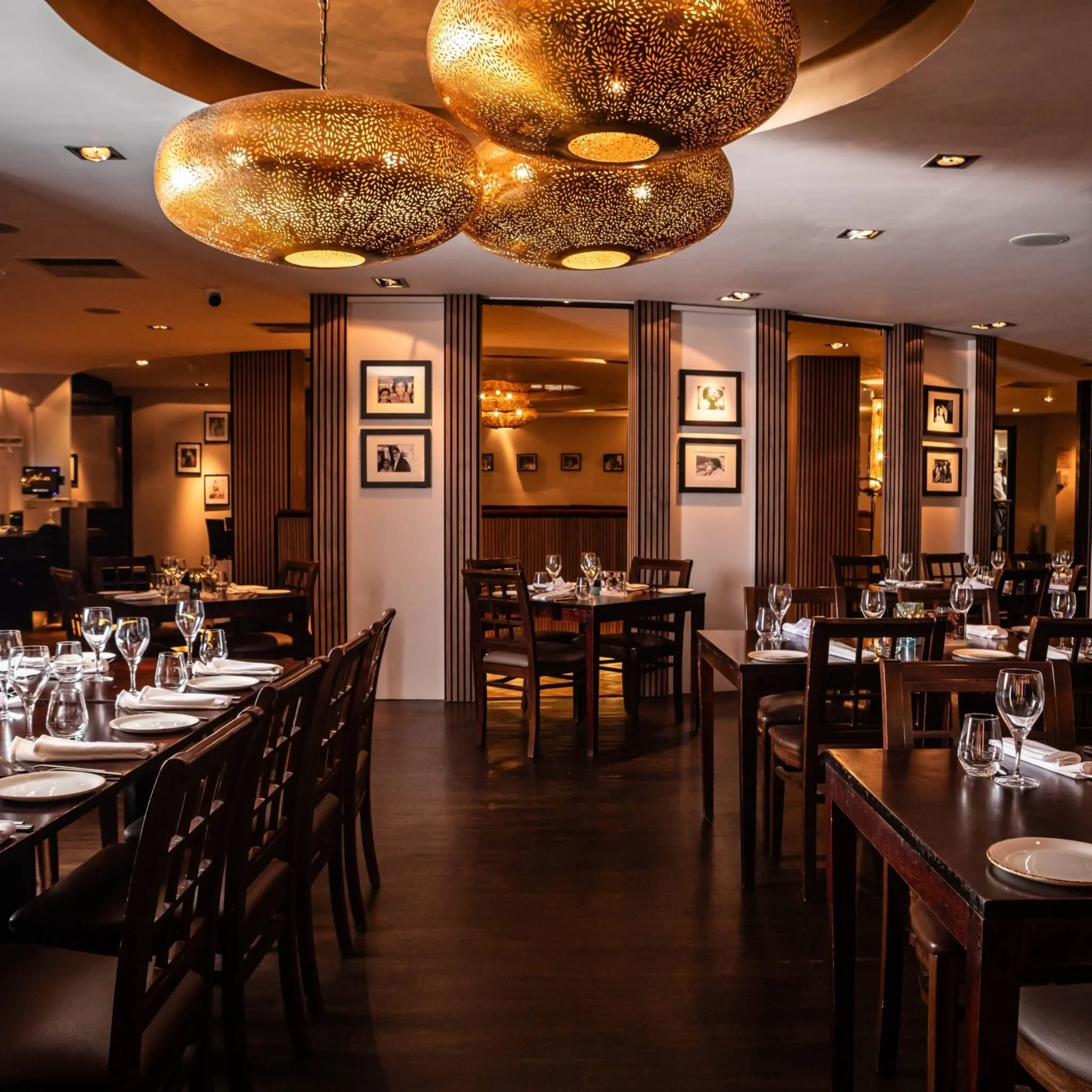
Atmosphere matters. But so does practicality.
Staff need clear sightlines. Kitchens and bars require appropriate task lighting. Circulation routes must remain safe and visible.
The most successful hospitality lighting schemes feel effortless because the technical planning is thorough.
Beauty and performance should never be in conflict.
Sustainability Without Sacrificing Mood
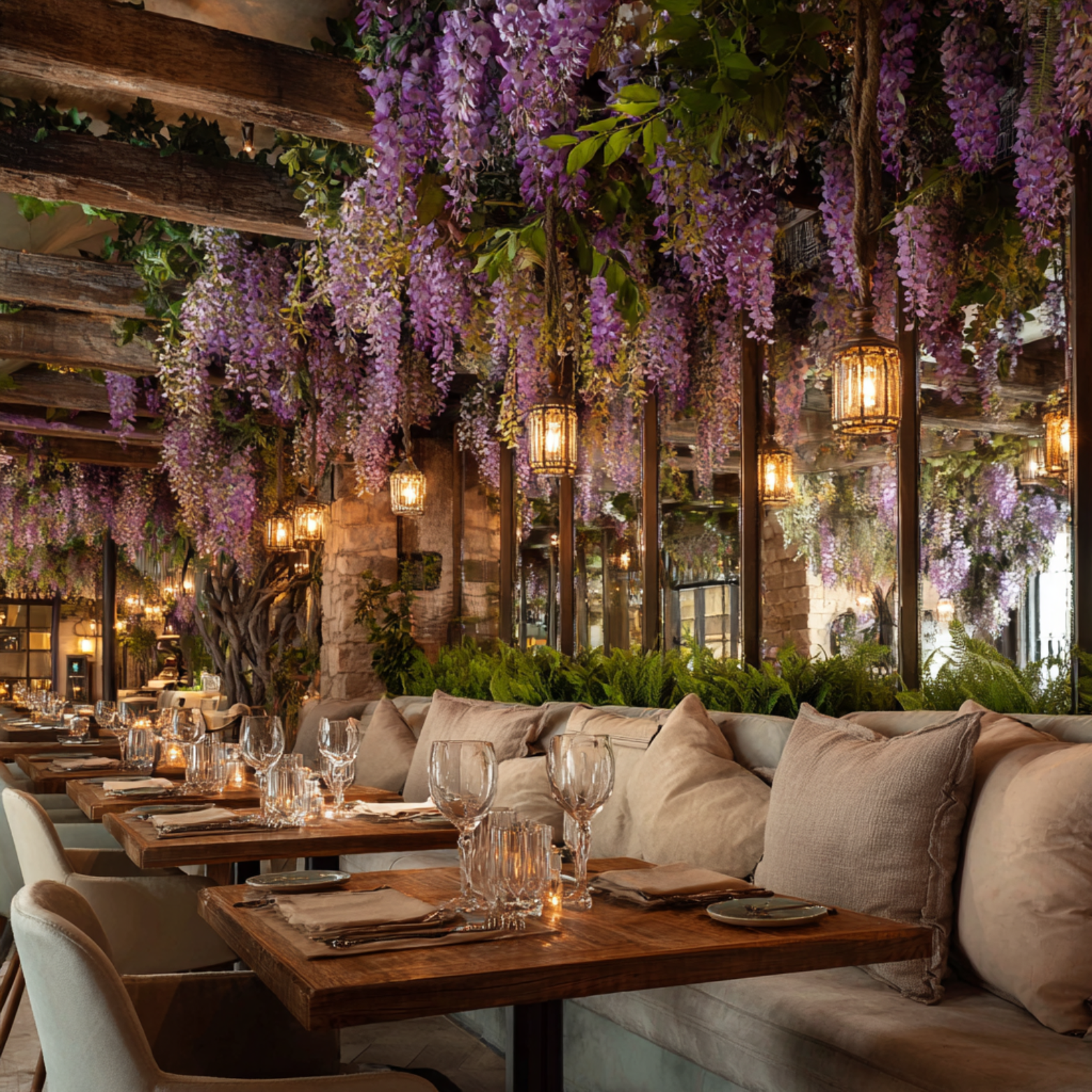
Energy efficiency is no longer optional.
LED technology, intelligent control systems and zoning allow hospitality spaces to reduce energy consumption while maintaining warmth and depth.
Dimming systems are particularly powerful. They allow gradual shifts in atmosphere from day to night, creating theatre without structural change.
Sustainable lighting is not about compromise. It’s about control.
Lighting is The Experience
In hospitality, experience is the product.
Lighting shapes how guests feel when they arrive, how long they stay, how they photograph the space and whether they return.
Done well, it’s barely noticed, yet deeply felt.
At Shropshire Studios, we design hospitality lighting with intention: balancing atmosphere, operational efficiency and commercial performance.
Because in the end, lighting doesn’t just illuminate a space.
It defines it.
Talk to us about creating a lighting scheme that enhances atmosphere and performance.