The Real ROI of Interior Design for Commercial Spaces
When businesses talk about return on investment, the focus usually falls on marketing spend, recruitment or technology.
Rarely does interior design enter the conversation in the same way. But it should.
For most organisations, their physical space is one of the largest investments they will ever make — and one of the most visible. Whether it’s an office, restaurant, care environment or leisure venue, interior design has a direct impact on perception, behaviour and performance.
The real question isn’t whether design delivers ROI — it’s whether your space is working hard enough to justify its cost.

First Impressions Are Financial Decisions
First impressions happen fast, and they’re rarely neutral.
Clients, customers and visitors form opinions within seconds of entering a space. Does it feel confident? Professional? Aligned with the brand? Or does it feel dated, improvised or inconsistent?
A well‑designed commercial interior builds trust immediately. It signals credibility, quality and attention to detail — long before a conversation begins. That confidence influences decision‑making, from whether a client chooses to engage, to how much value they place on your service.
Poor design, on the other hand, can quietly undermine even the strongest offering.
Design as a Marketing Tool, Not Just a Background
In today’s visual‑first world, interior design is no longer experienced only in person.
Spaces are discovered through:

Websites
Google listings
Social media
Reviews and shared imagery
Long before someone steps inside, they’ve already decided whether a place feels worth visiting.
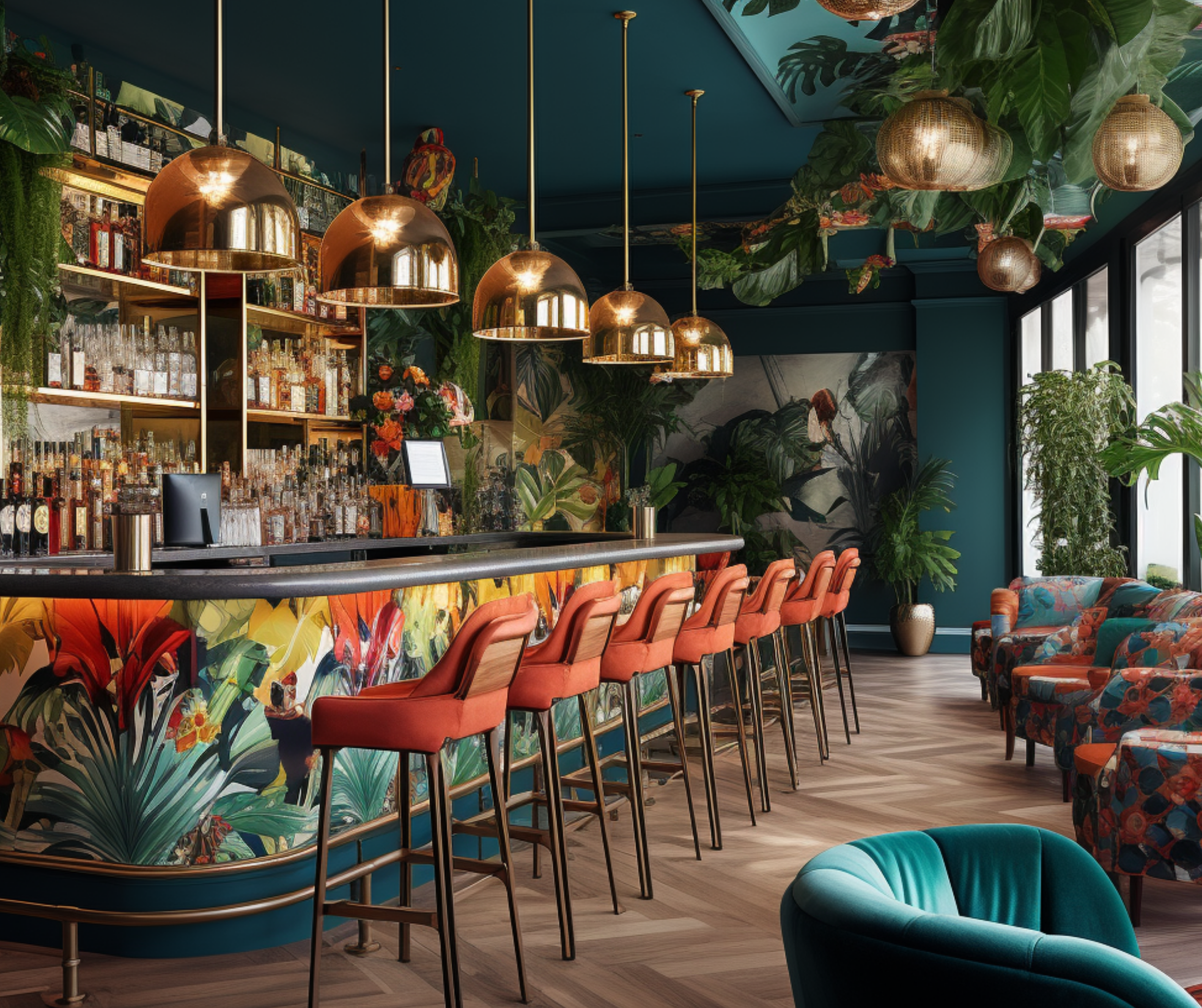
Design‑led environments photograph better, share better and stay memorable for longer. Every image shared online becomes a form of marketing — reinforcing brand awareness without additional spend.
This isn’t about gimmicks or trends. The spaces that perform best visually are those that feel layered, intentional and confident in their identity. When a space works well in reality, it naturally works well on screen.
How Design Impacts Behaviour and Performance
Interior design doesn’t just influence how a space looks, it shapes how people behave within it
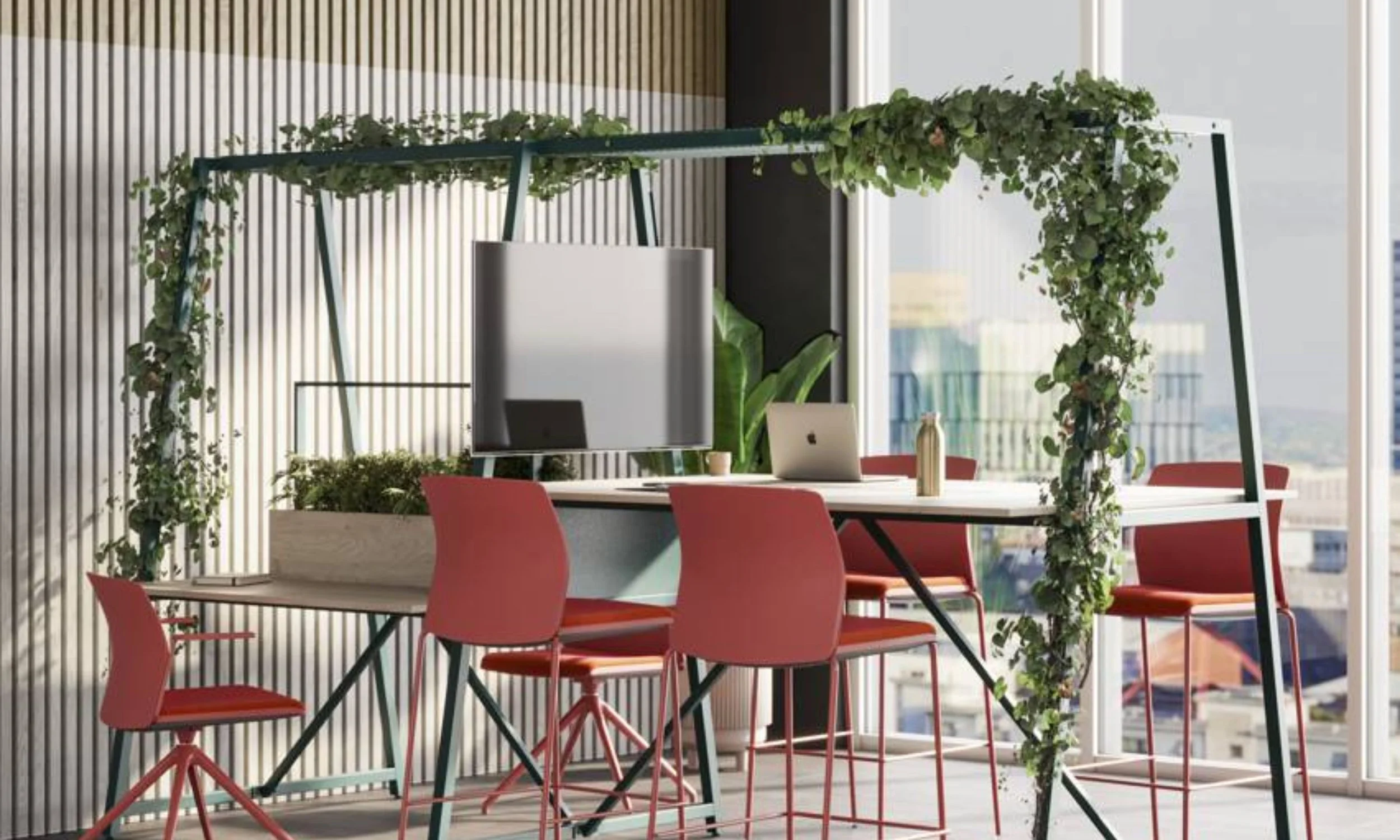
In commercial environments, good design can:
Improve comfort and ease of movement
Reduce friction and confusion
Support focus, collaboration or relaxation (depending on the brief)
Encourage people to stay, return and recommend
These behavioural shifts have measurable outcomes. People feel more at ease. Staff perform better. Customers engage more positively with the environment.
When design is poorly considered, the opposite happens — even if the service itself is strong.
The Often‑Overlooked ROI: Staff Experience
ROI isn’t just customer‑facing.
Employees spend more time in a space than anyone else, and the quality of that environment directly affects morale, productivity and retention. Well‑designed workplaces support comfort, clarity and flexibility — all of which contribute to better performance over time.
High staff turnover, disengagement or absenteeism often has multiple causes, but environment is frequently one of them. Investing in a space that supports how people actually work reduces long‑term costs associated with churn and inefficiency.
A workplace that feels considered sends a clear message: people matter here
Designing for Longevity Saves Money
One of the biggest misconceptions in commercial interiors is that cheaper design saves money.
In reality, poor layouts, unsuitable materials and short‑term decisions often lead to:
Premature wear and replacement
Ongoing maintenance issues
Disruption through frequent changes
Redesign costs that could have been avoided
Designing for longevity, using durable materials, flexible layouts and timeless principles — protects investment over time. The upfront cost may be higher, but the long‑term return is stronger and more predictable.
Good design reduces waste, not just visually, but financially.
Designing With ROI in Mind
At Shropshire Studios, we don’t treat design as decoration.
Every commercial project begins with understanding:
Who the space is for
How it needs to perform day‑to‑day
What behaviours it should encourage
How it supports wider business goals
From layout and lighting to materials and furniture, decisions are made intentionally — balancing experience, performance and longevity.
This is where design moves beyond aesthetics and becomes a strategic tool.
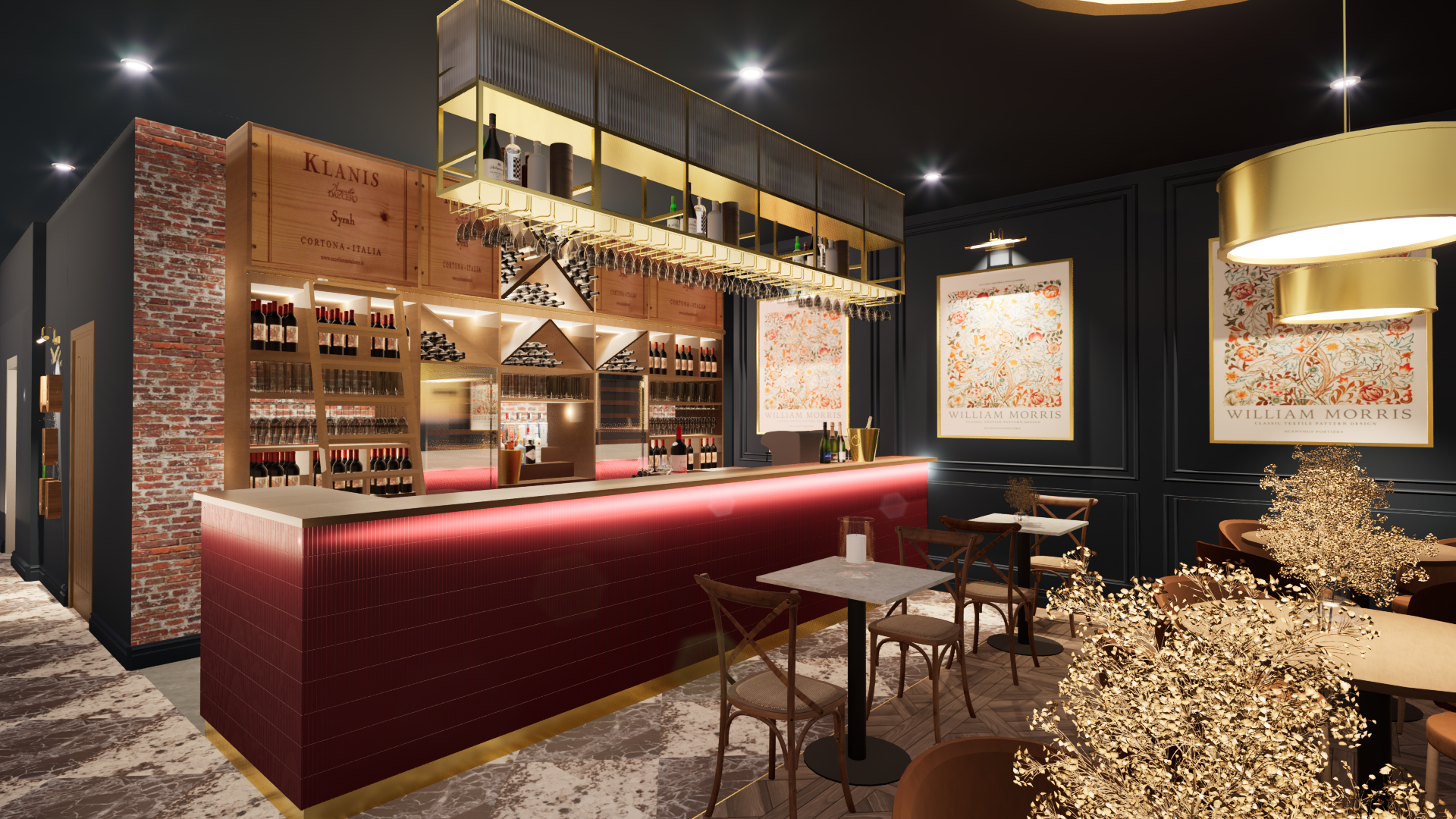
Your Space Is a Physical Expression of Your Brand
Every commercial interior tells a story.
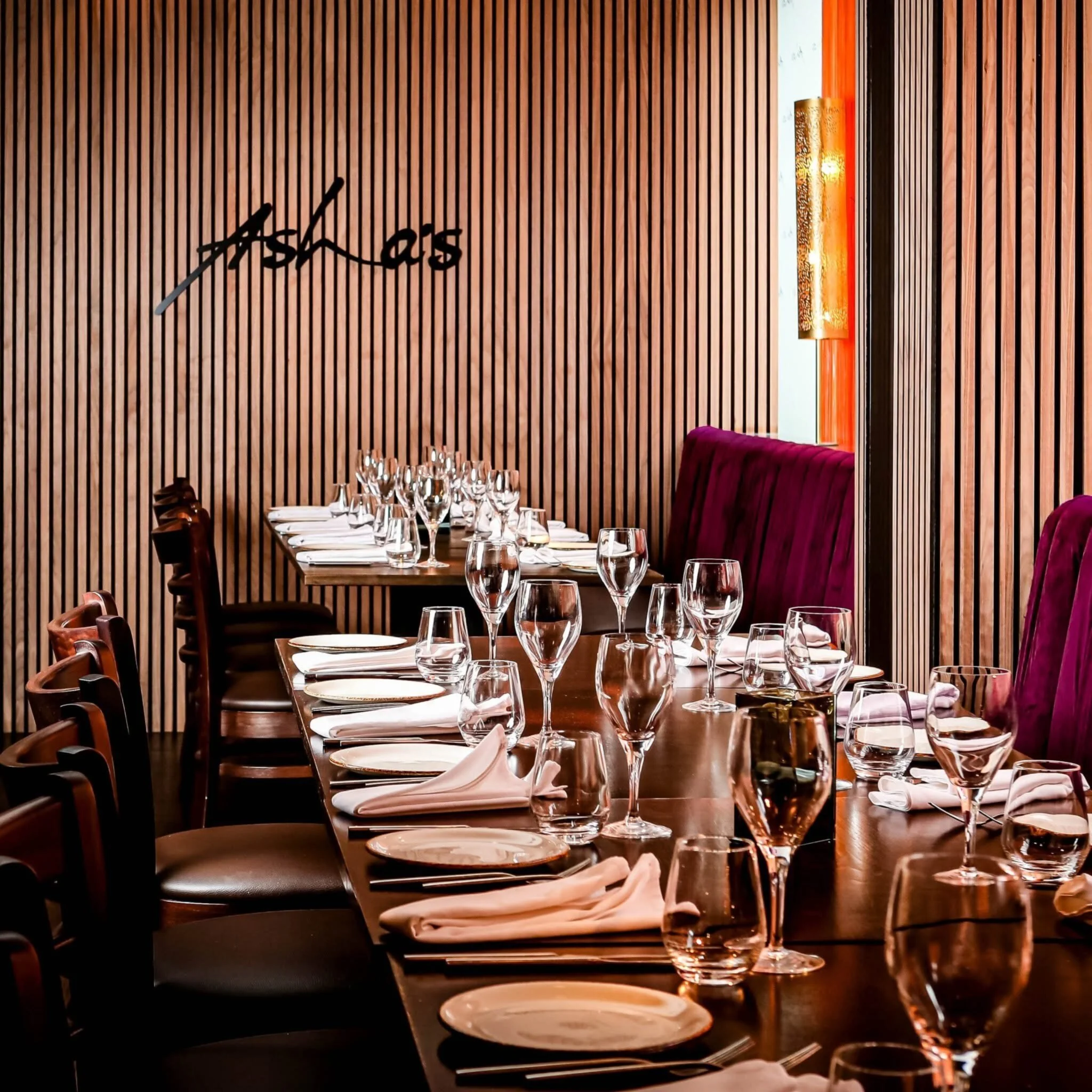
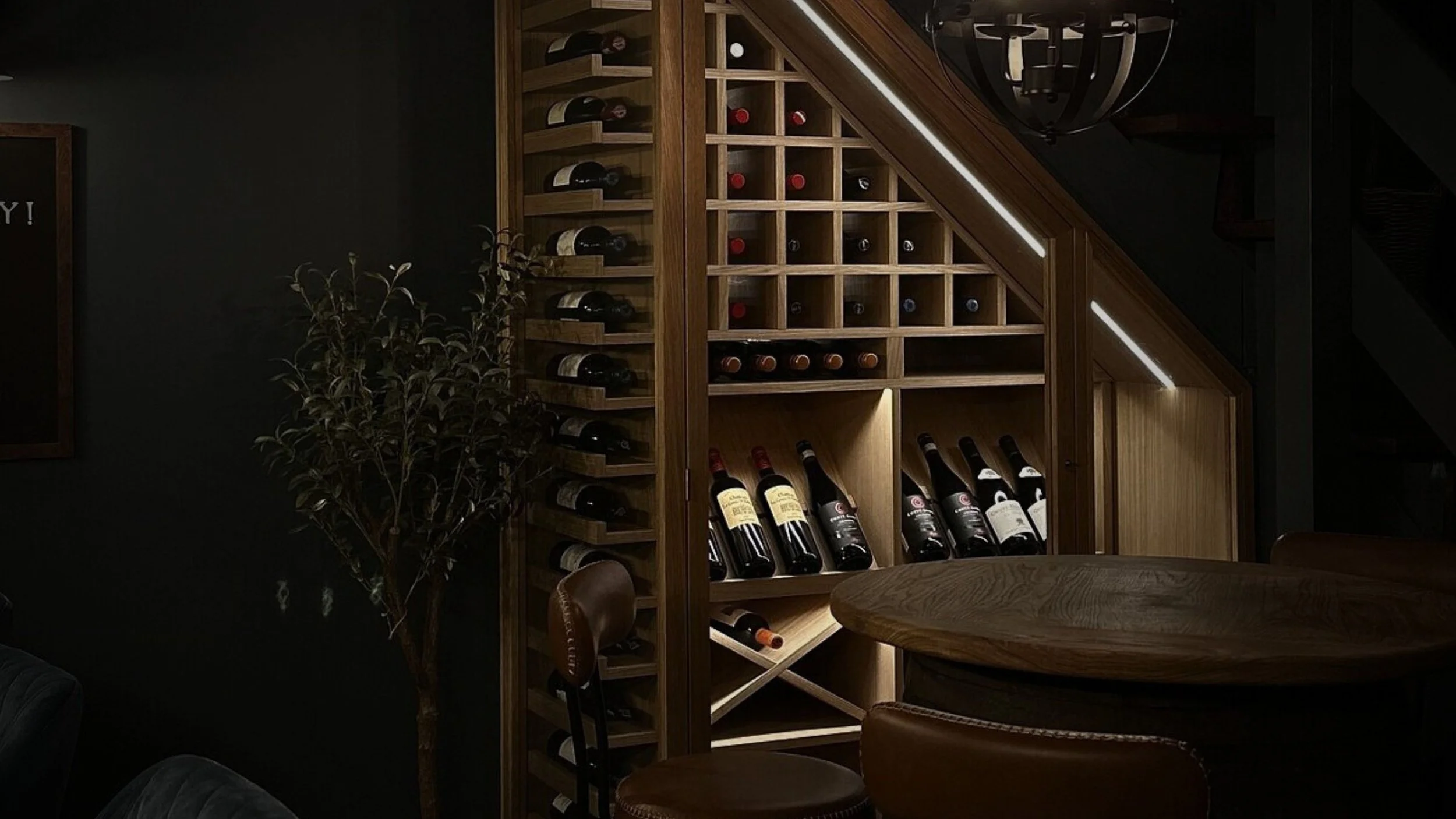
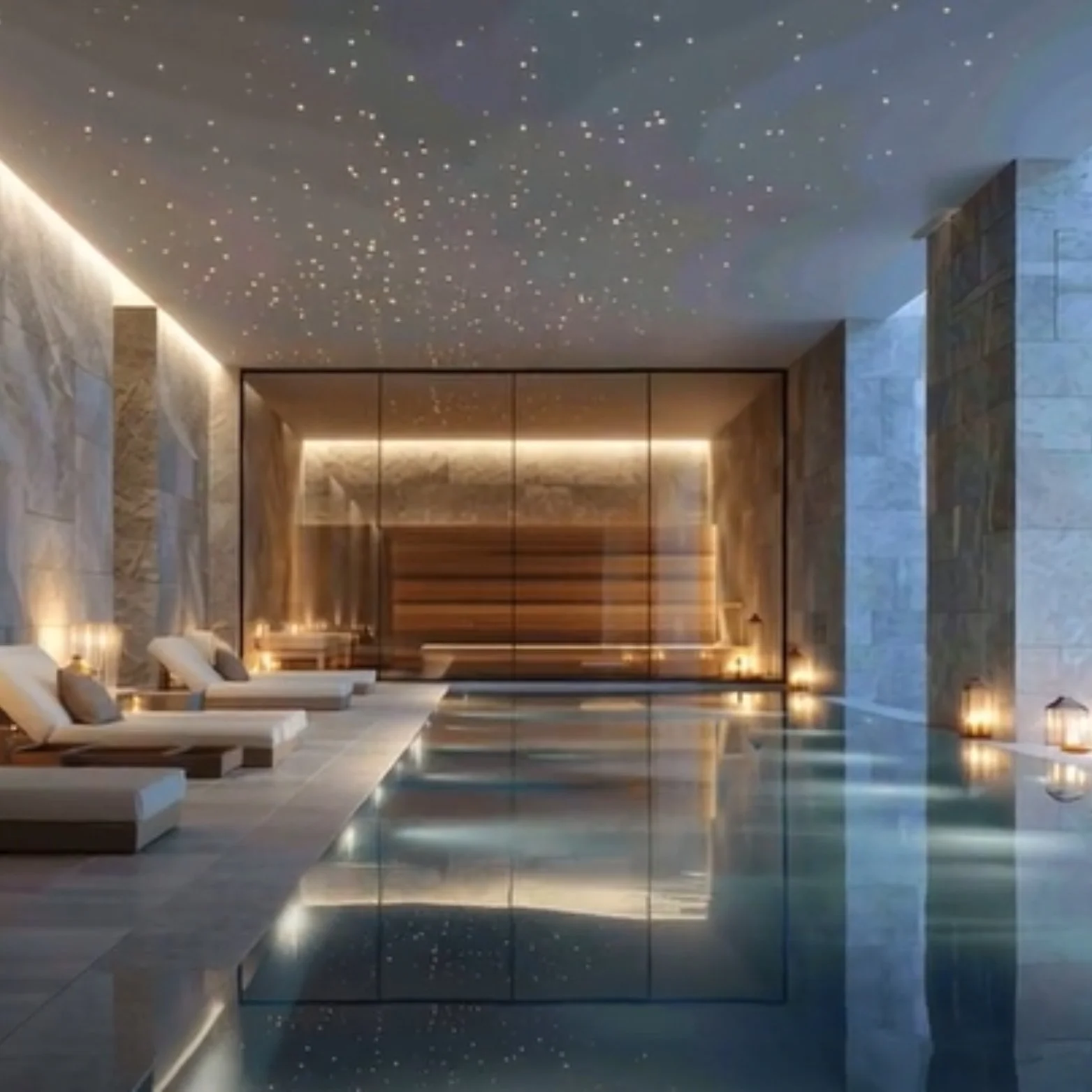
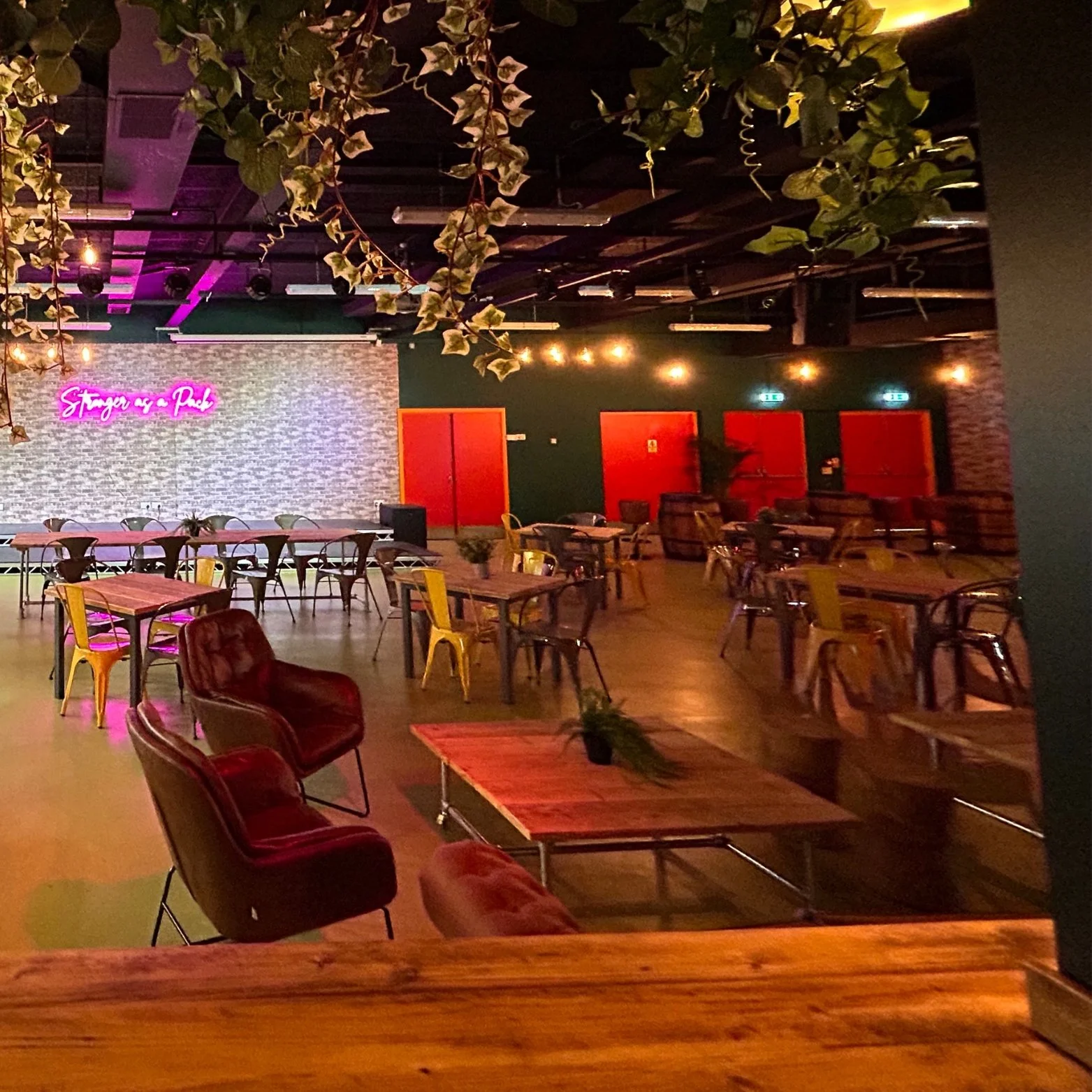
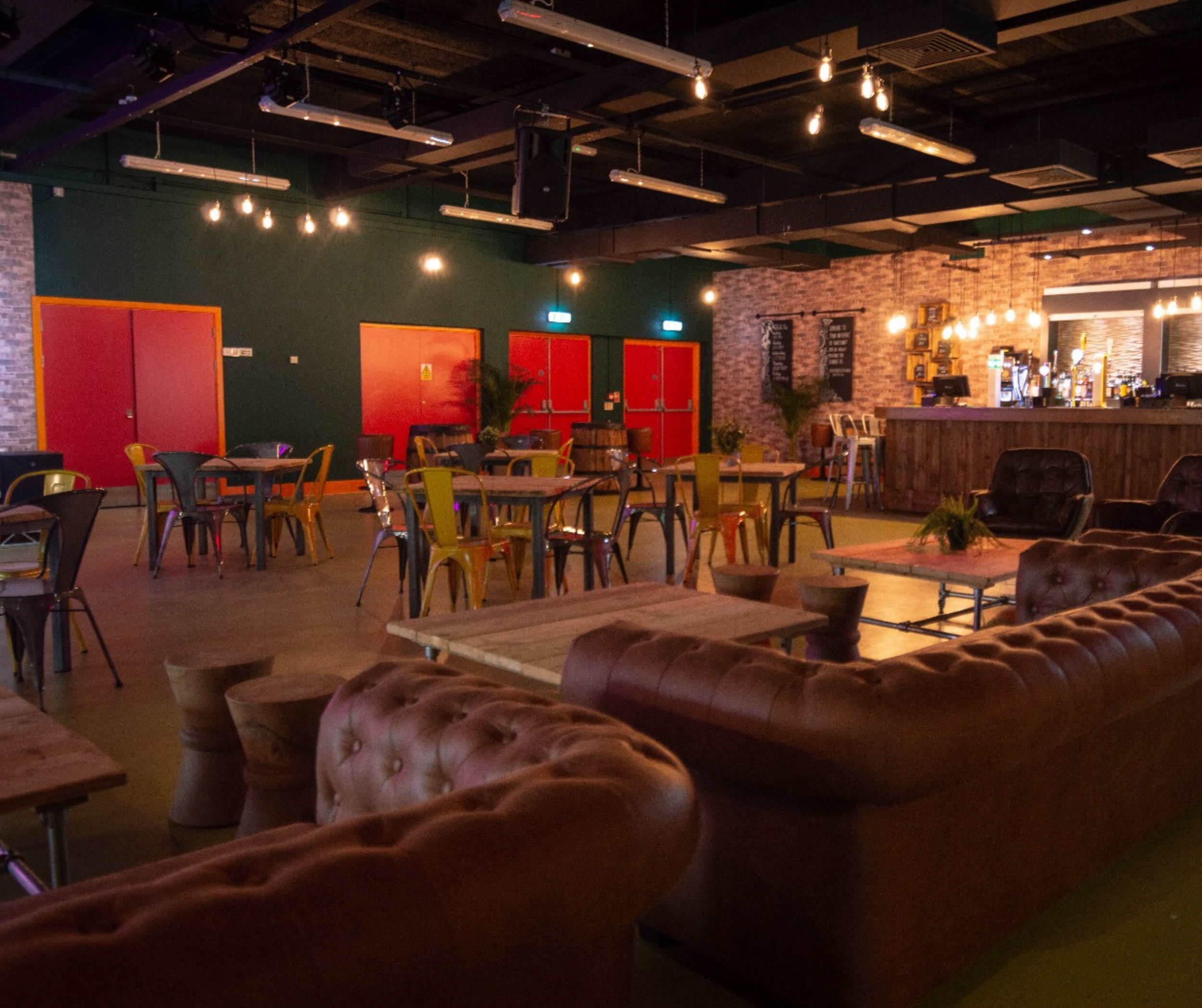
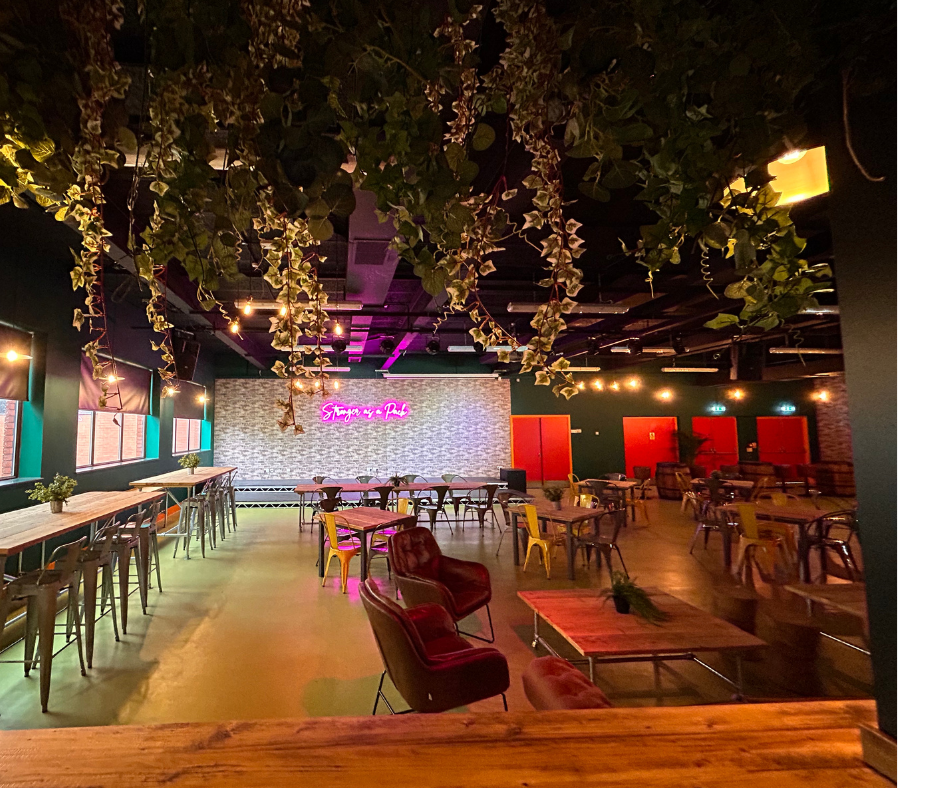
A workplace that feels chaotic sends a different message to one that feels calm and confident. A hospitality venue that lacks atmosphere feels forgettable, no matter how good the food. A care environment that feels institutional rather than human affects experience at an emotional level.
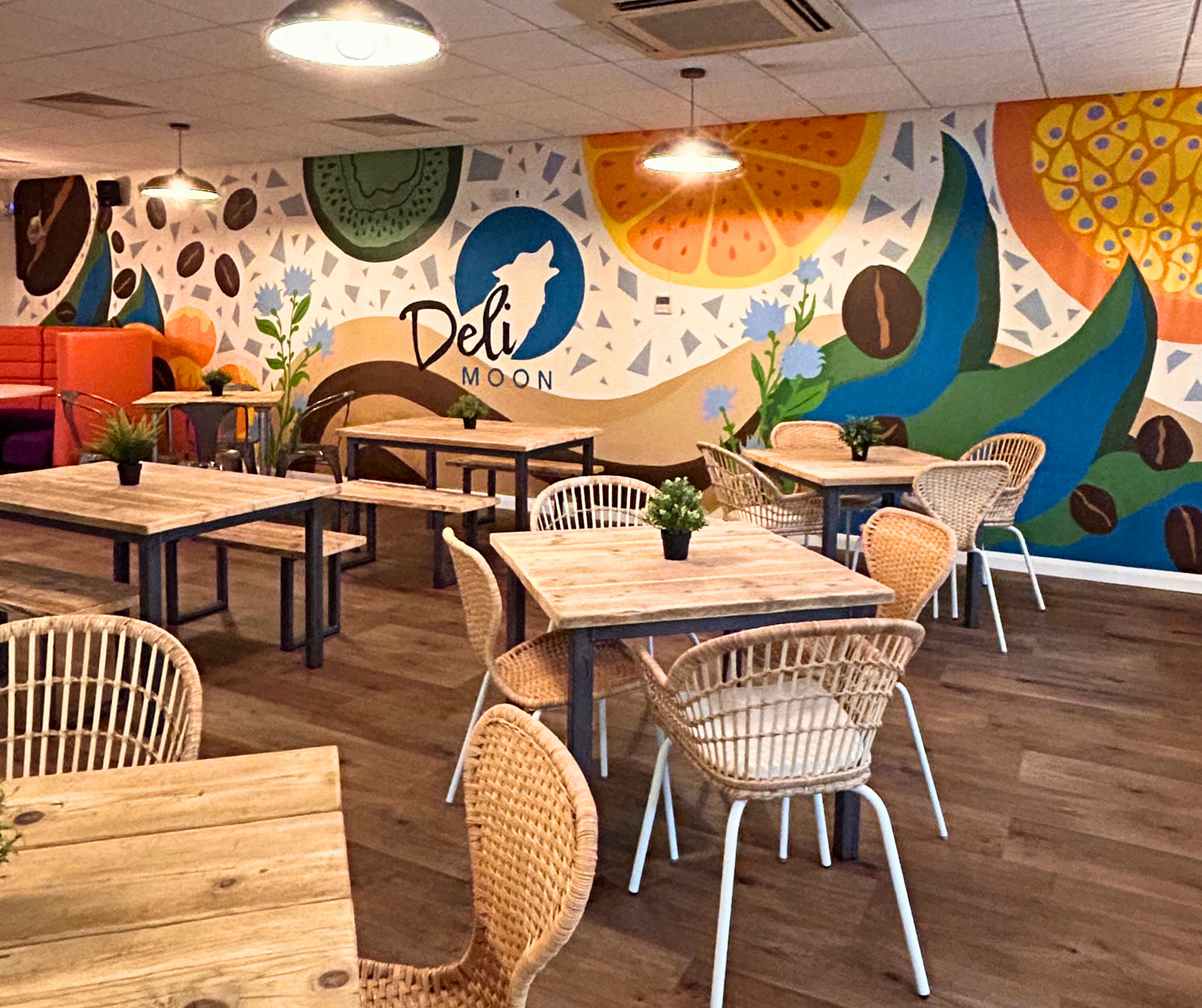
Interior design is one of the most powerful ways a brand shows up in the real world. When the space aligns with brand values, messaging and audience expectations, it reinforces trust. When it doesn’t, it creates disconnect.
That disconnect has a cost.
The Bottom Line
Great interior design is not an expense to be justified — it’s an investment that delivers measurable value.
It influences perception, supports performance, reduces long‑term costs and strengthens brand identity. When done well, it pays back in ways that go far beyond how a space looks on day one.
The most successful commercial spaces aren’t just well designed.
They’re designed to work.