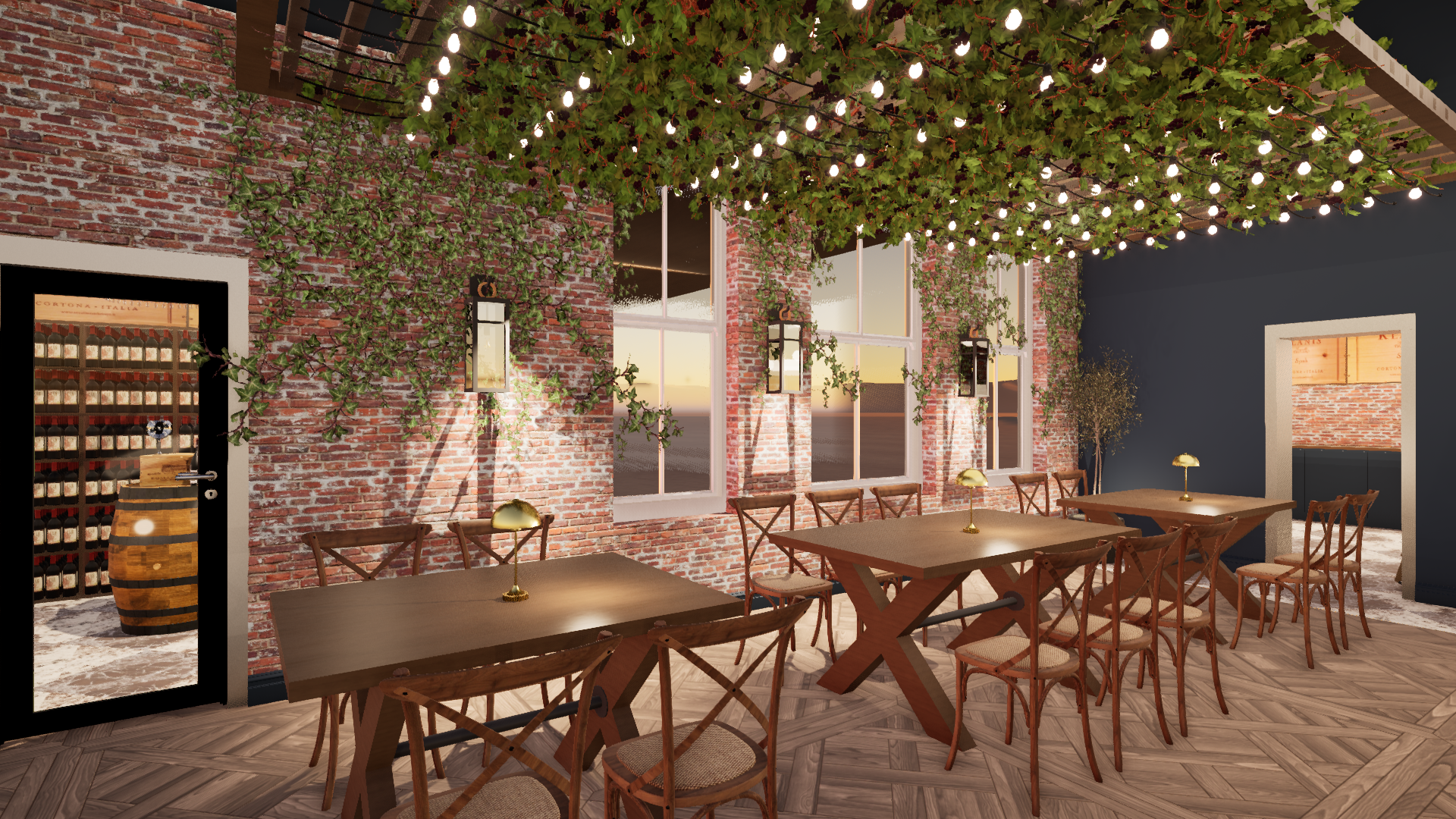
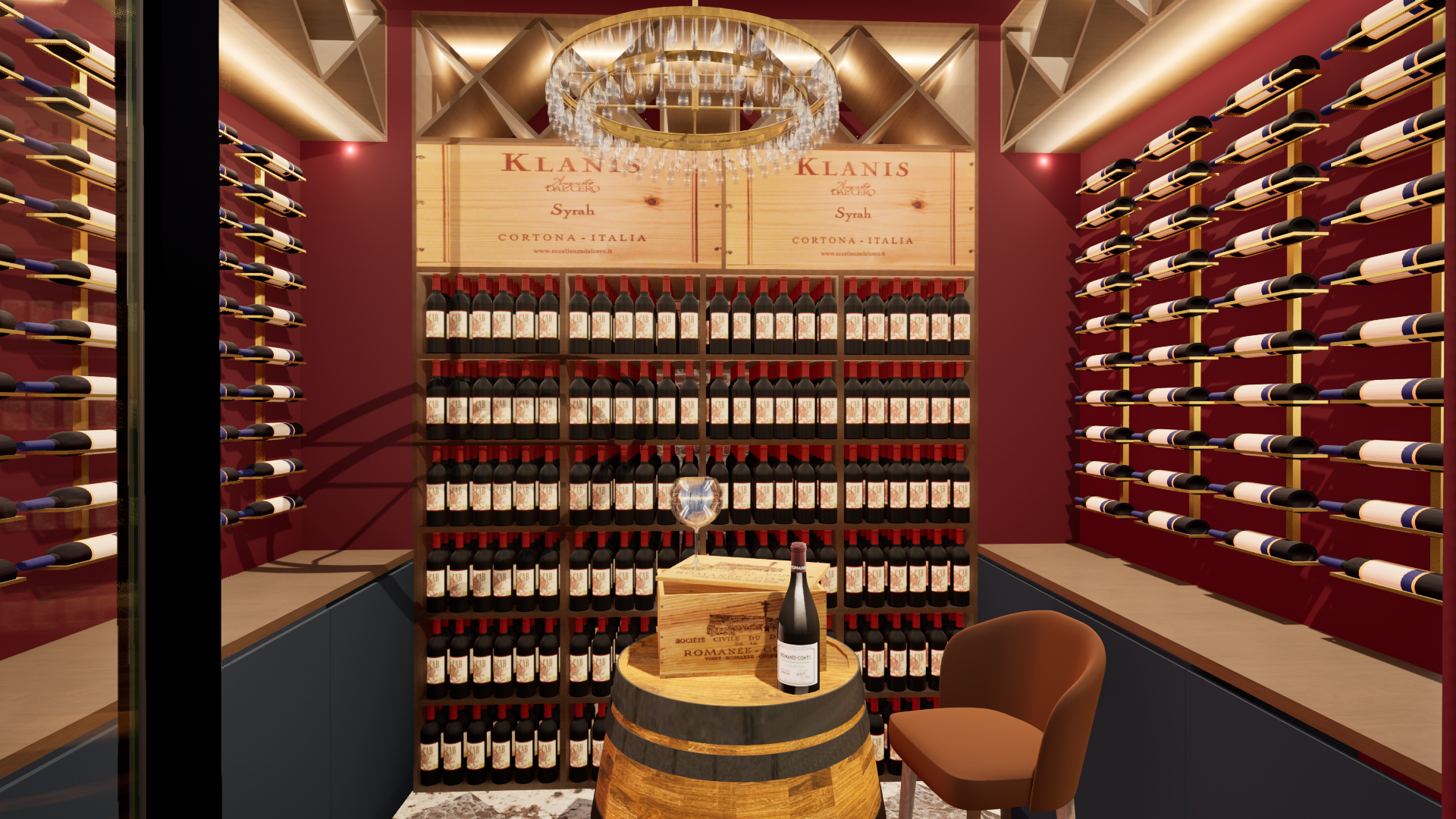
Budget vs Luxury: Where To Spend and Where To Save
Renovating a restaurant or bar is always a balancing act.
You want impact. You want atmosphere. You want guests to walk in and feel something instantly. But budgets are real, margins matter, and overspending in the wrong places can quietly damage long‑term performance.
The question isn’t whether to go budget or luxury.
It’s where to spend and where to save.
See how we balance budget and impact across real projects.
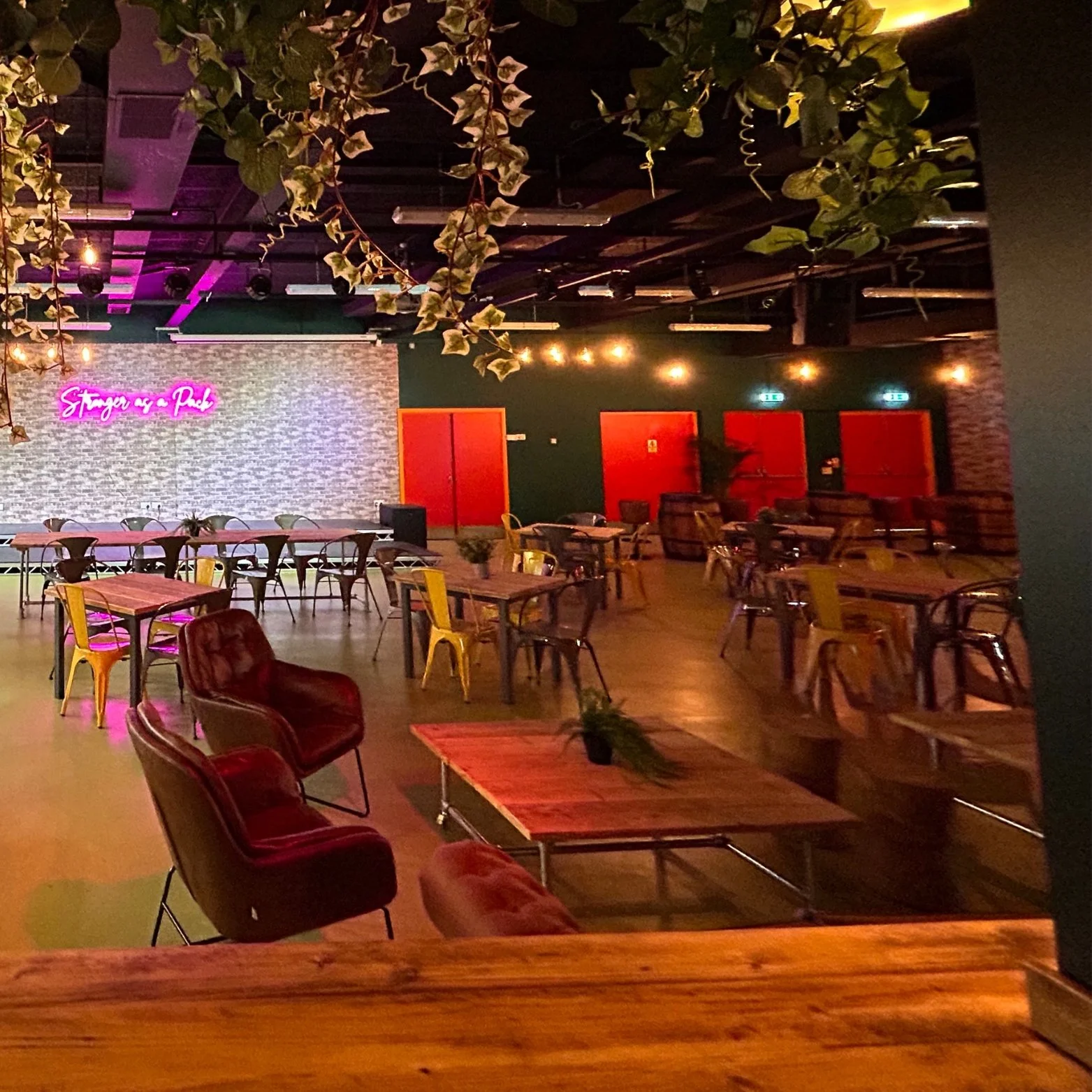
Where to Spend: Lighting
Lighting is never the place to cut corners.
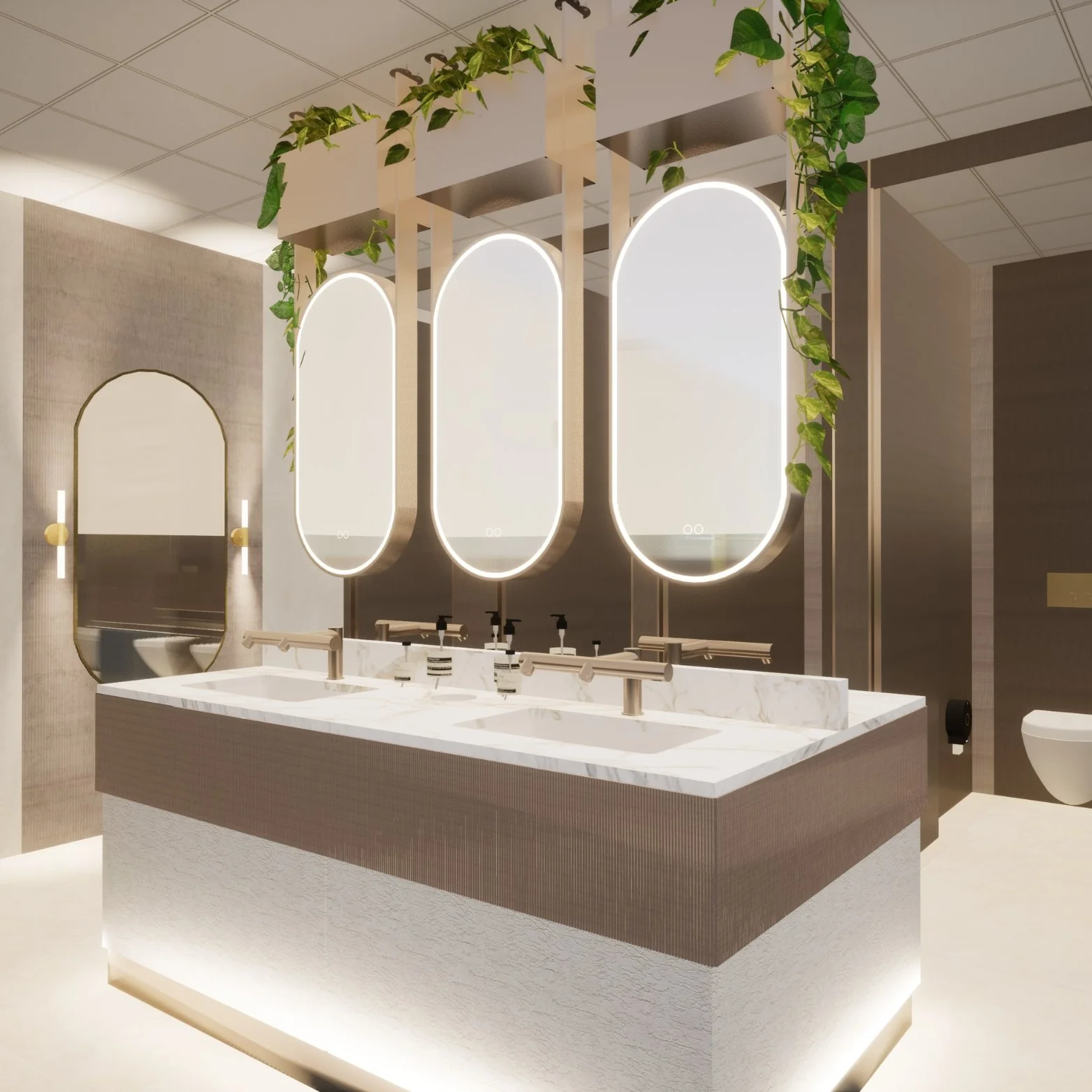
It defines atmosphere, shapes perception and influences spend time. Poor lighting will undermine even the most beautiful materials. Great lighting can elevate modest finishes.
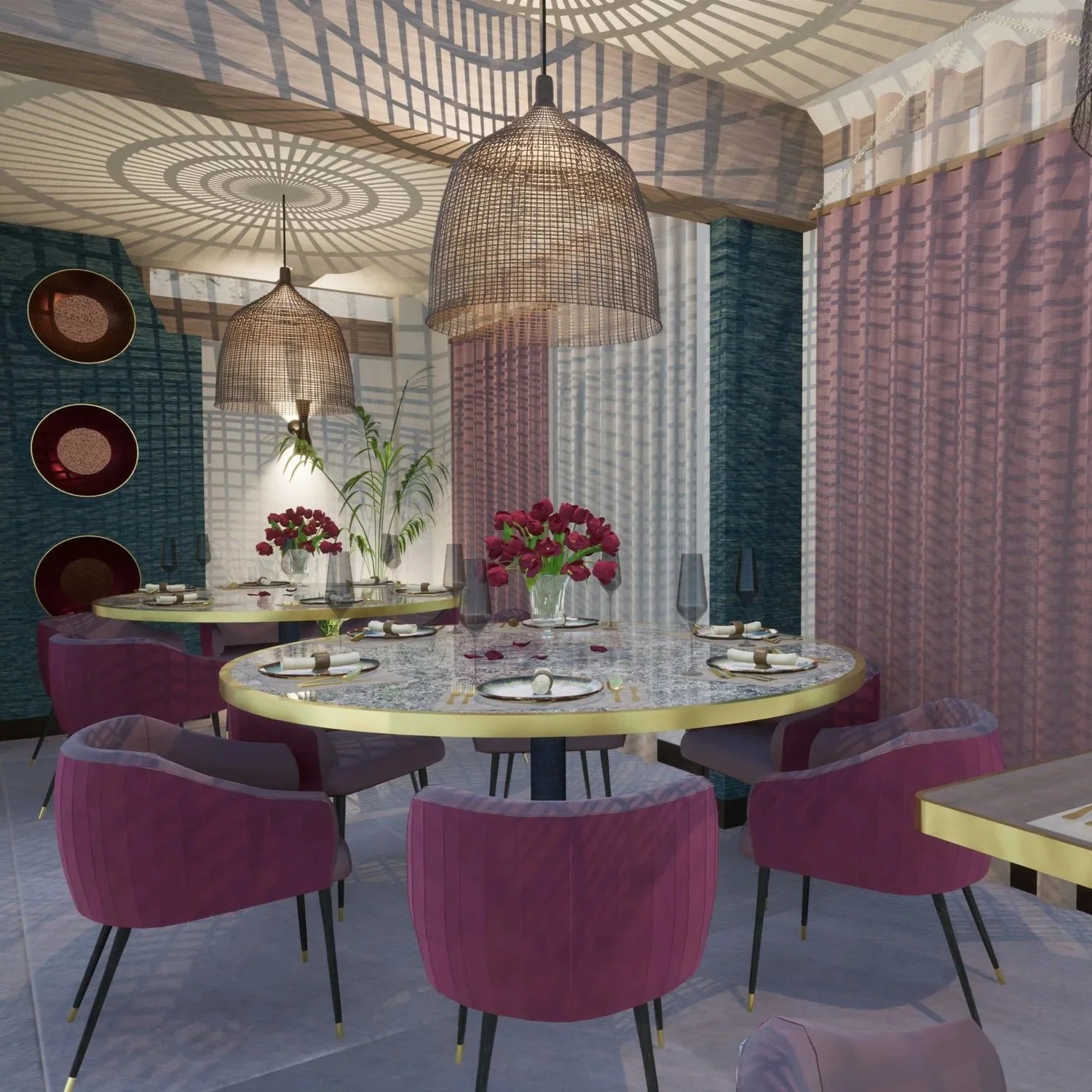
Invest in:
Layered lighting schemes
Dimming systems
Statement feature fittings
High‑quality warm LEDs
Lighting delivers disproportionate return on investment.
Learn how lighting shapes experience, mood and spend.
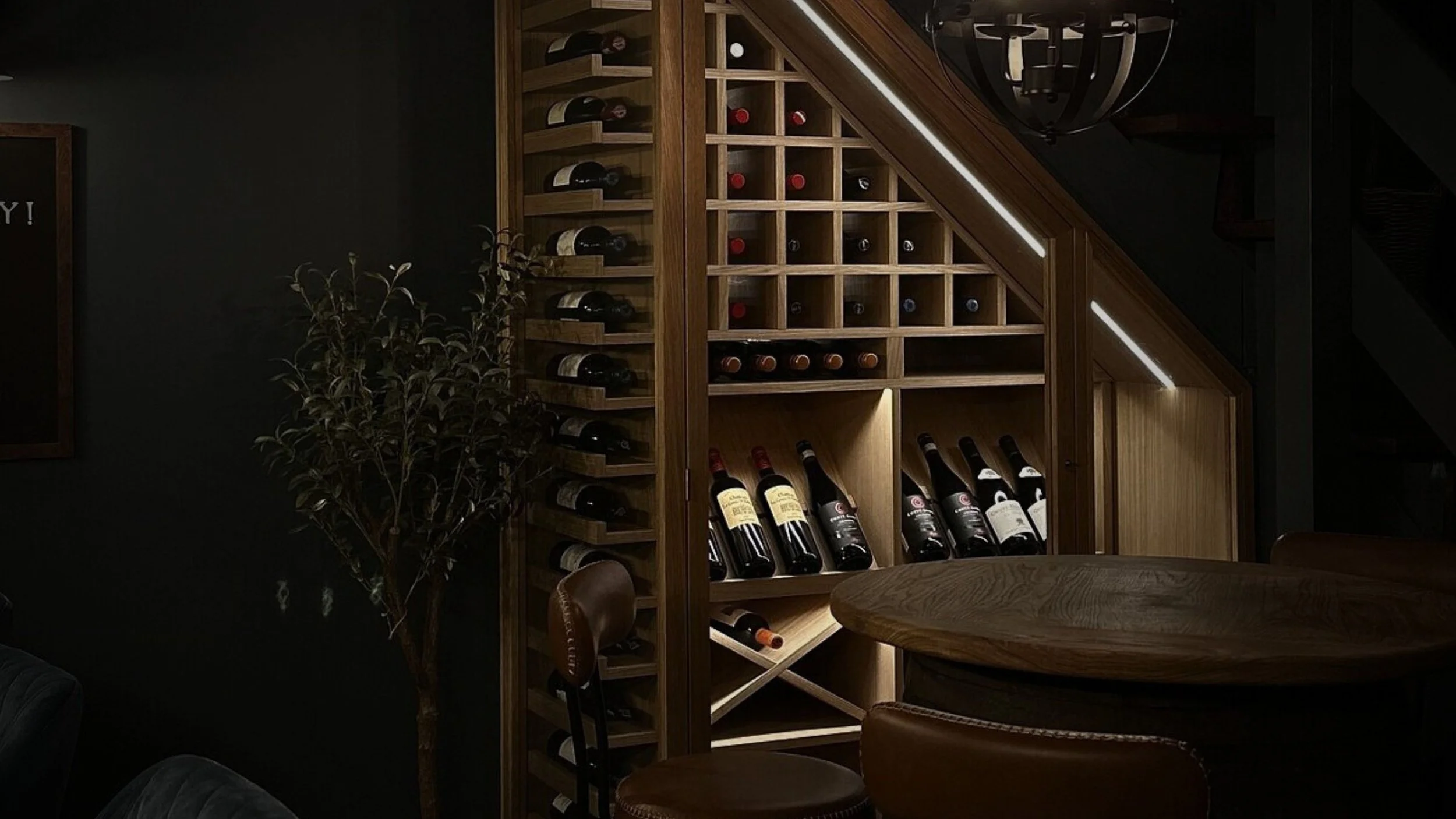
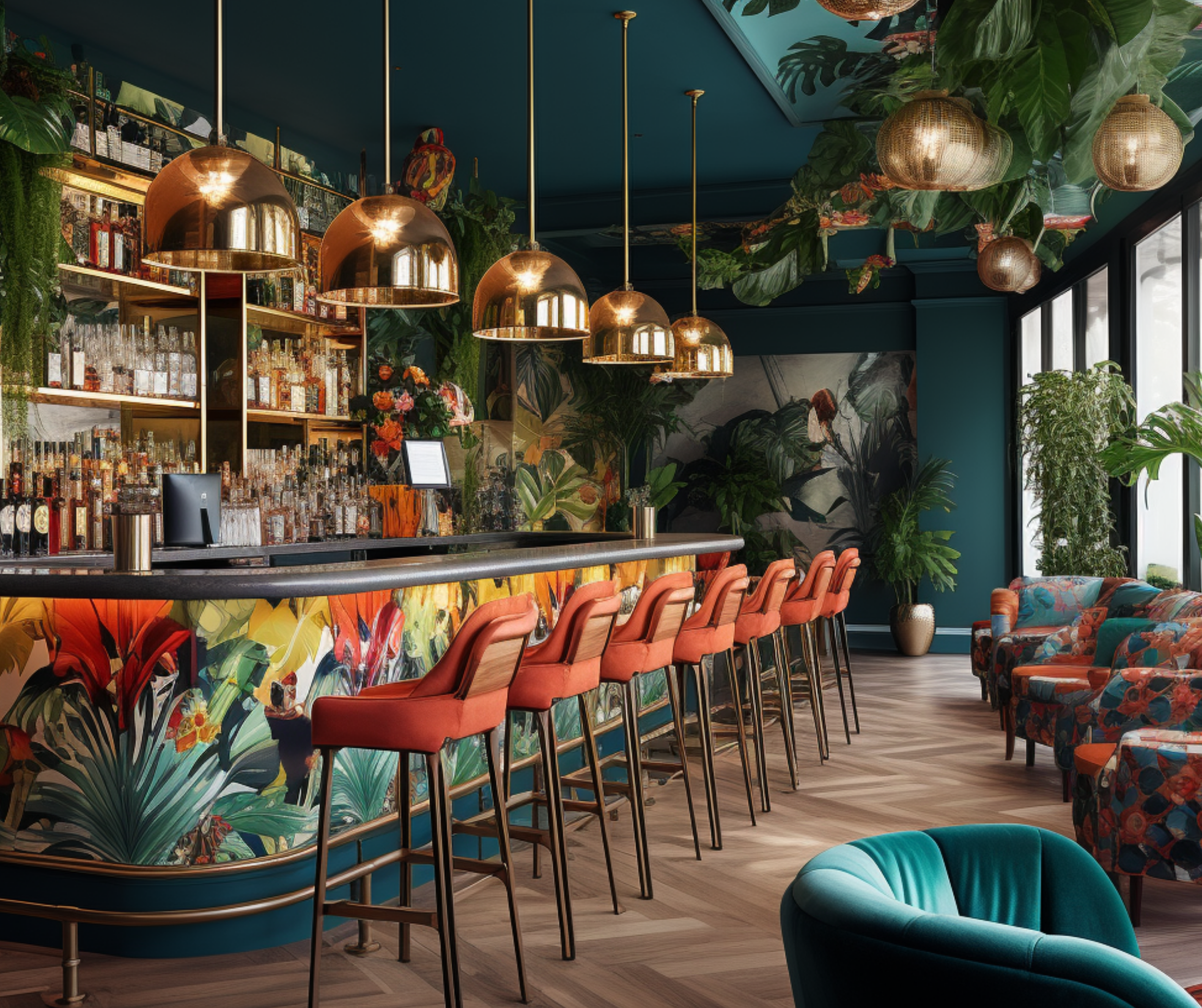
The Bar Area
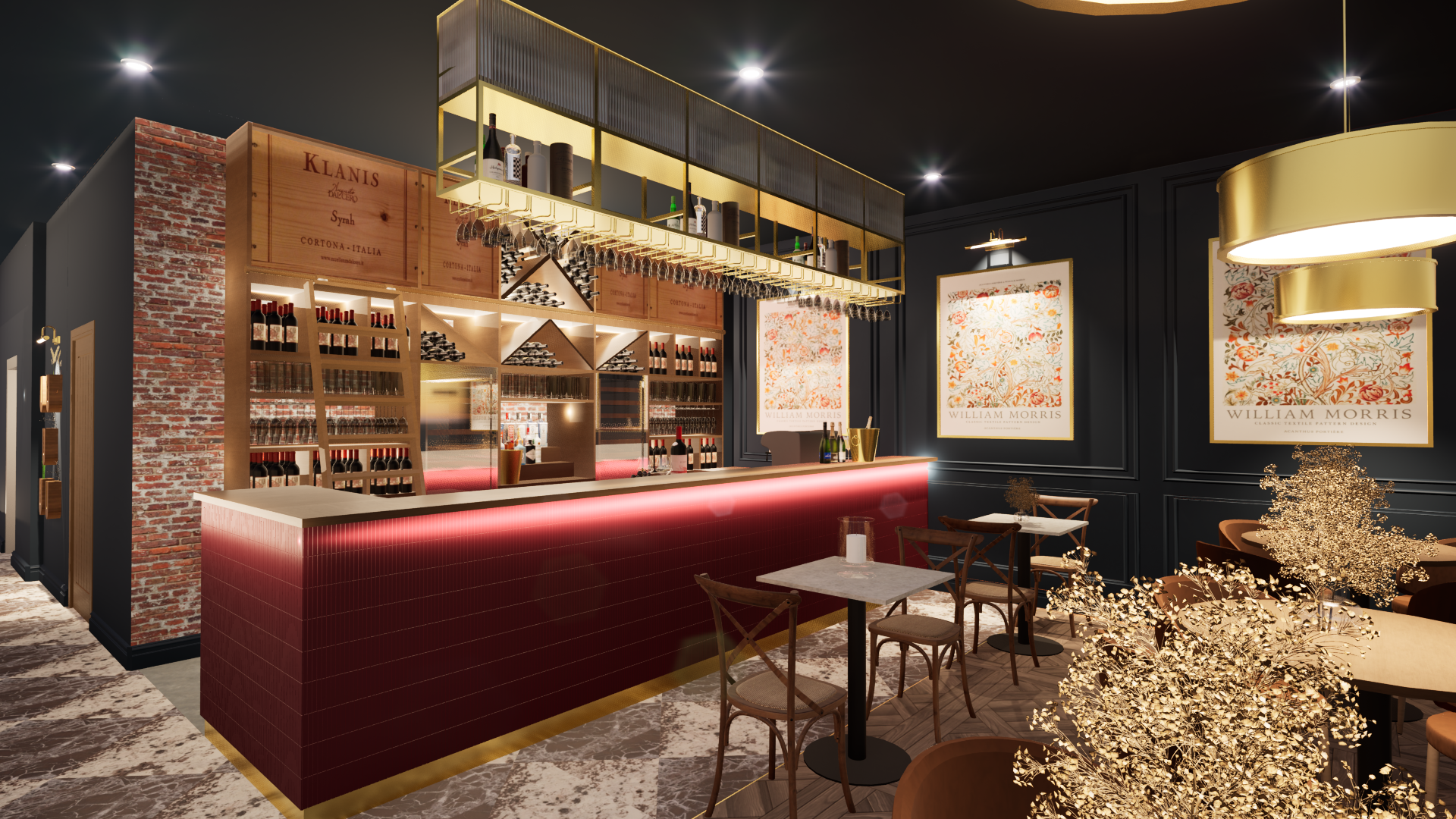
In most hospitality spaces, the bar is the focal point.
It’s where energy gathers. It’s what guests photograph. It’s what anchors the layout.
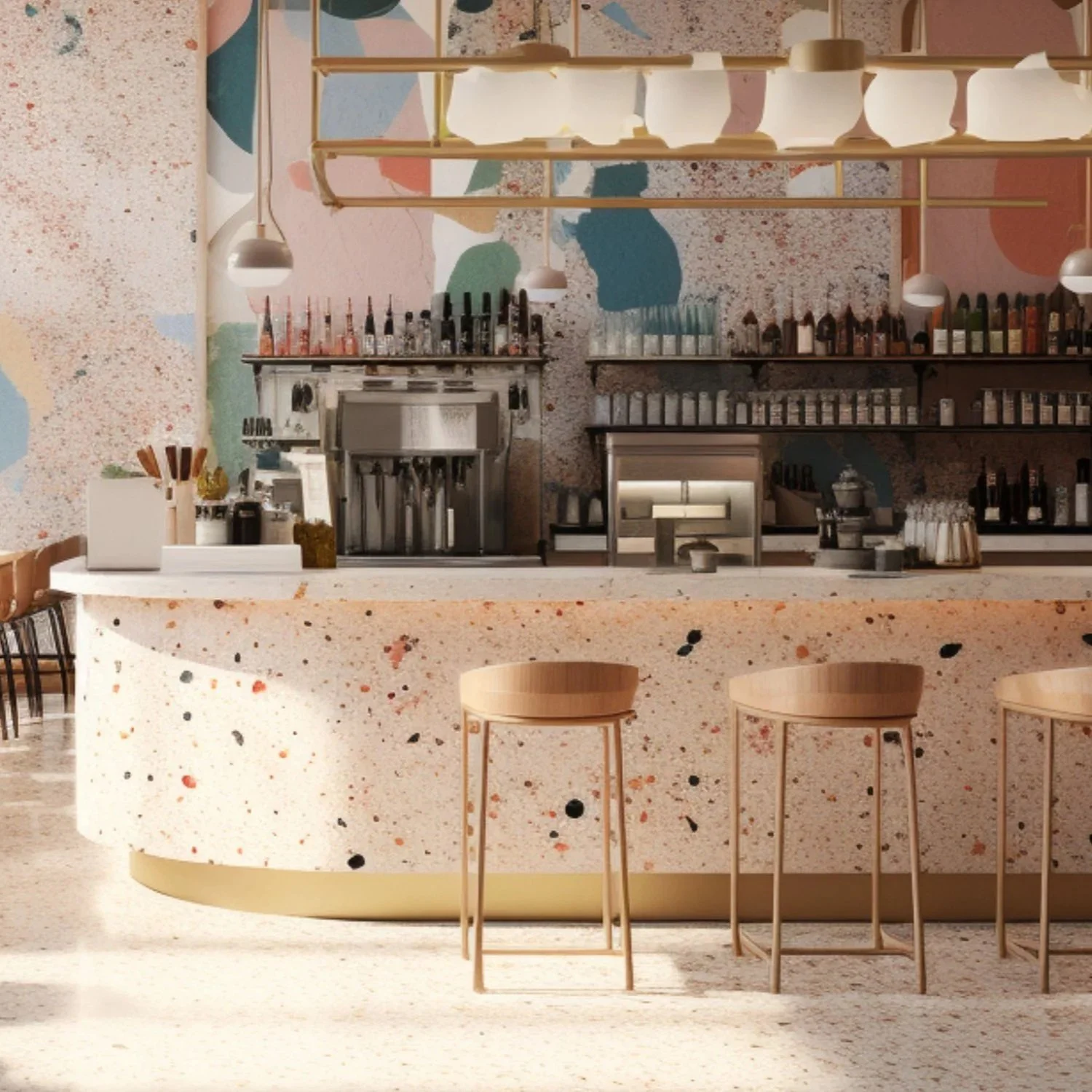
Spend on:
High‑quality joinery
Durable, tactile surfaces
Back‑bar displays
Integrated lighting
A strong bar design creates identity. It also drives revenue directly.
Seating Comfort
Guests don’t return to uncomfortable spaces.
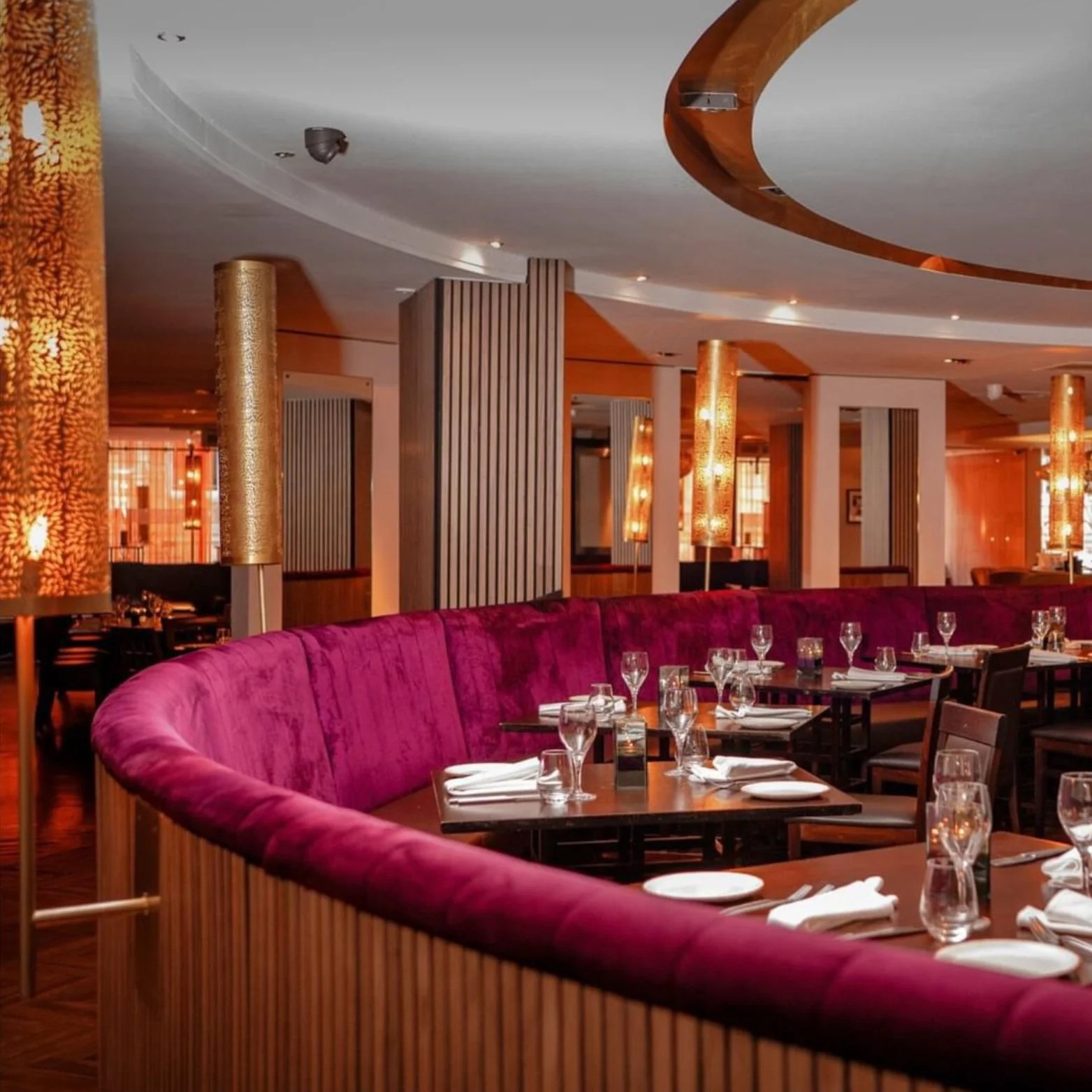
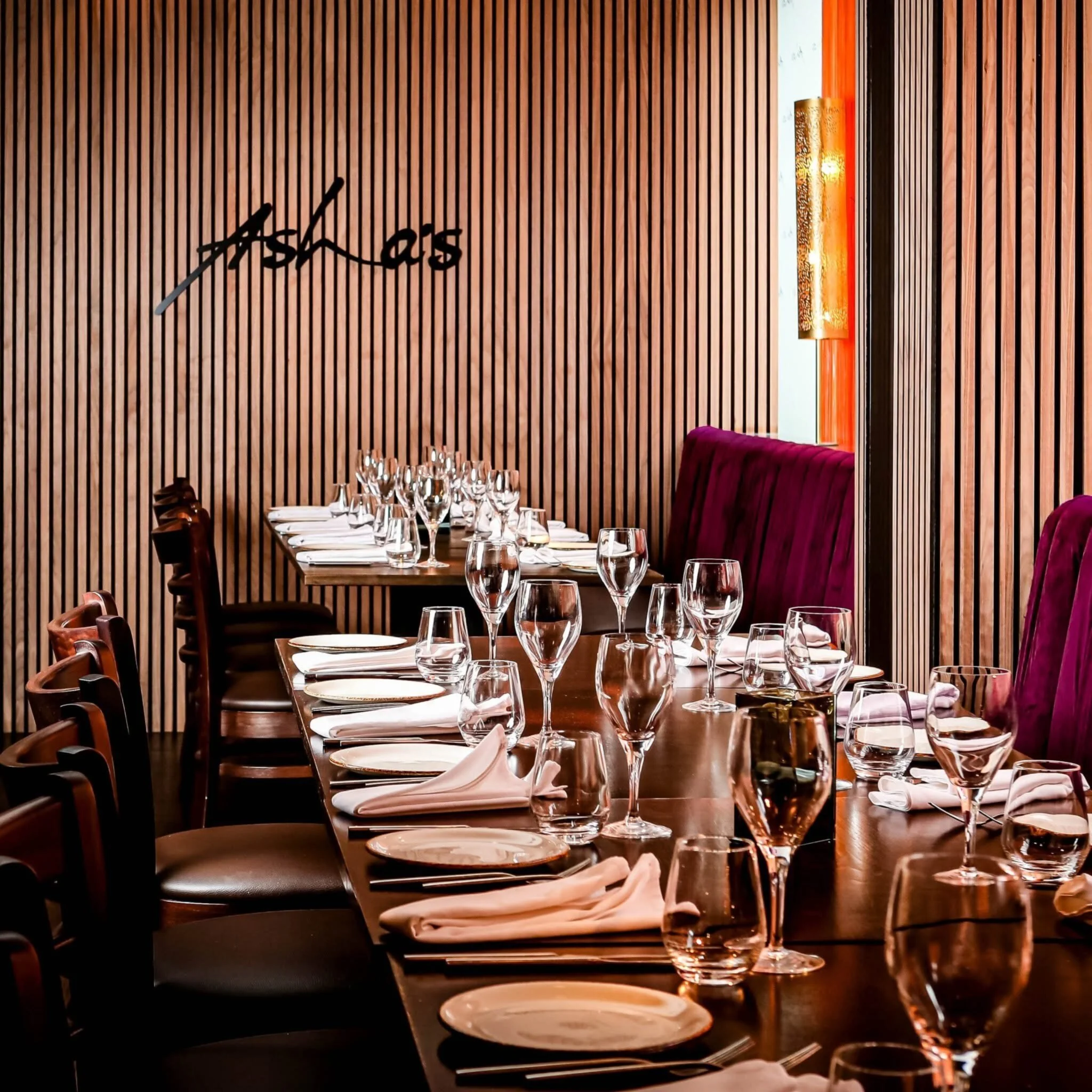
Banquette padding, upholstery quality and ergonomic design are worth investing in. You don’t need the most expensive fabric on the market, but you do need durability and comfort.
Well‑designed seating increases stay time. And time spent increases overall spend.
Acoustics
Often overlooked. Rarely forgiven.
Poor acoustics kill atmosphere faster than dated décor
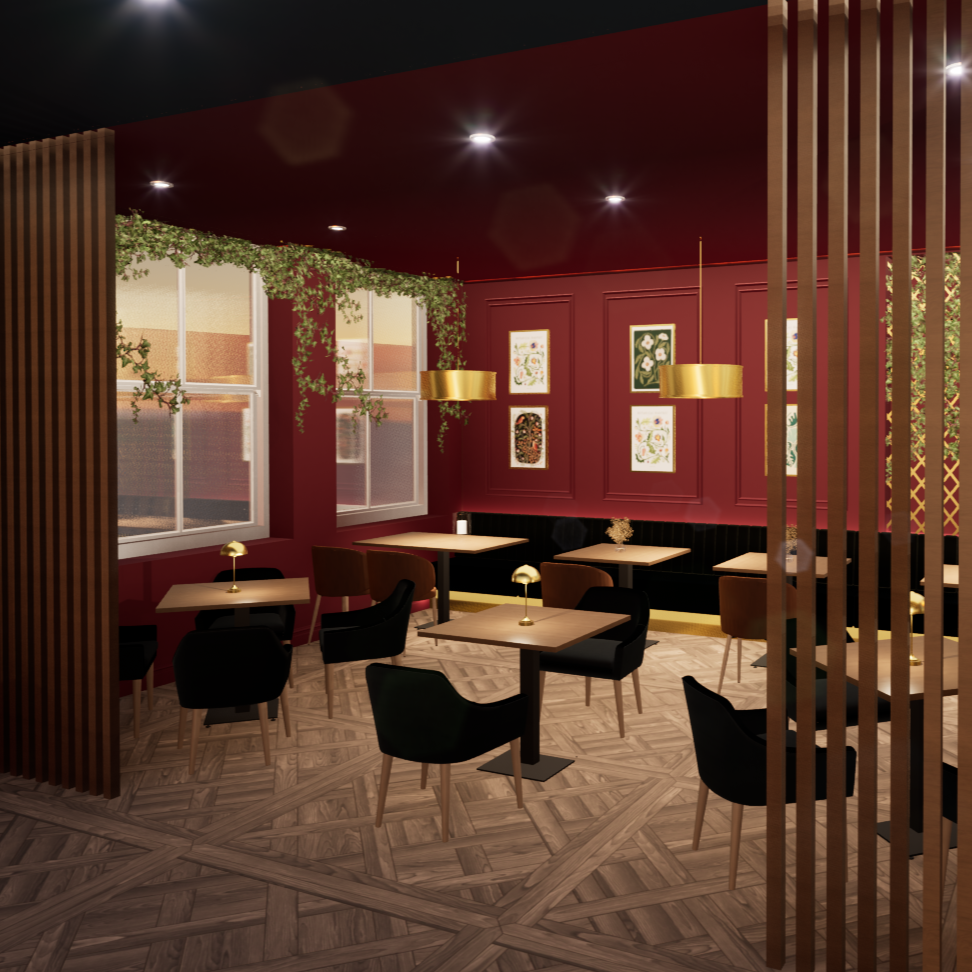
Invest in:
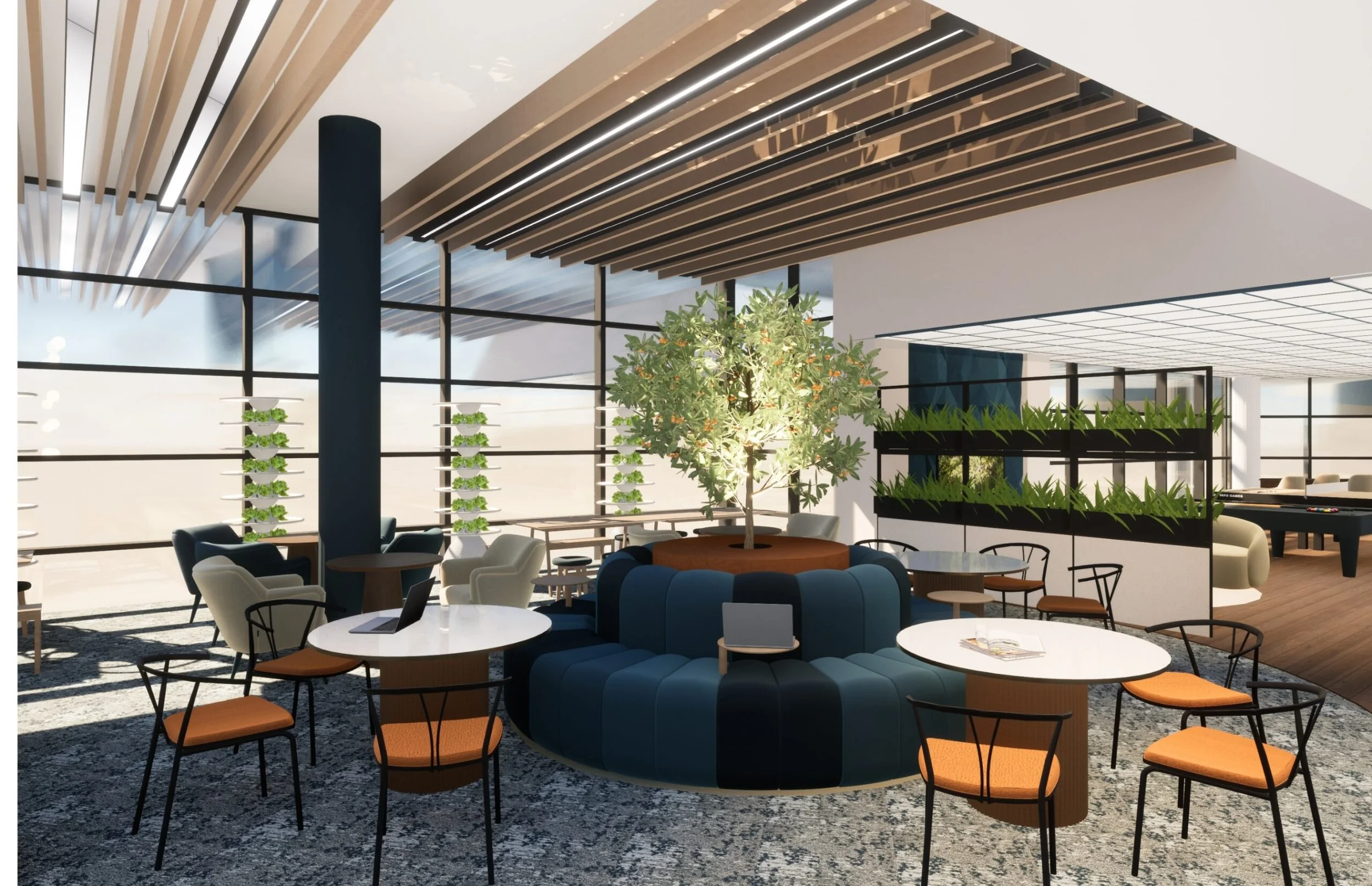
Acoustic ceiling treatments
Upholstered surfaces
Thoughtful zoning
Guests should be able to talk without shouting and still feel energy in the room.
Brand‑Defining Moments
Every successful venue has a signature element.
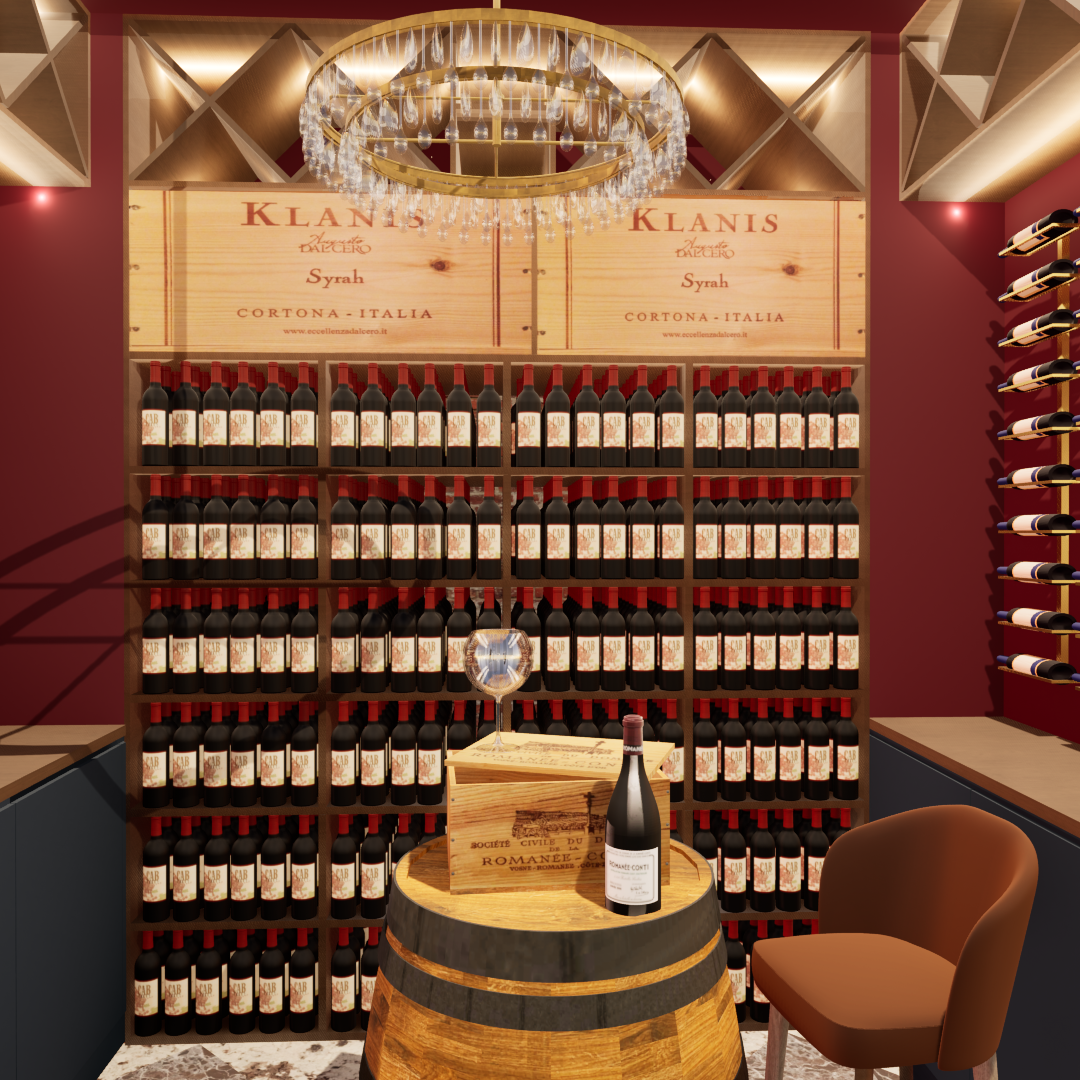
This might be:
A feature pendant installation
A dramatic staircase
A textured statement wall
Bespoke artwork
Spend on one or two powerful moments rather than spreading budget thinly across everything.
Impact beats excess.
Where to Save:
1.Back‑of‑House Finishes (Where Appropriate)
Durable and compliant? Yes.
Luxury marble tiles in a staff corridor? Unnecessary.
Back‑of‑house areas should prioritise functionality and longevity over aesthetics.
2. Decorative Accessories
Not every surface needs styling.
Well‑chosen materials and lighting create atmosphere without excessive layering. Over‑decorating can dilute impact and inflate costs.
Restraint often feels more refined.
3. Trend‑Led Finishes
Ultra‑specific trends age quickly.
Instead of investing heavily in short‑lived aesthetics, build a strong, timeless foundation. Trends can be introduced through:
Soft furnishings
Artwork
Styling elements
These are easier and cheaper to update later.
4. Structural Changes (Unless Necessary)
Moving walls, relocating kitchens or altering core infrastructure escalates budgets rapidly.
Before committing, ask:
Can layout adjustments achieve the same outcome?
Smart reconfiguration often delivers more than expensive reconstruction.
Discover how to invest smarter, not just spend more.
The Real Luxury is Intention
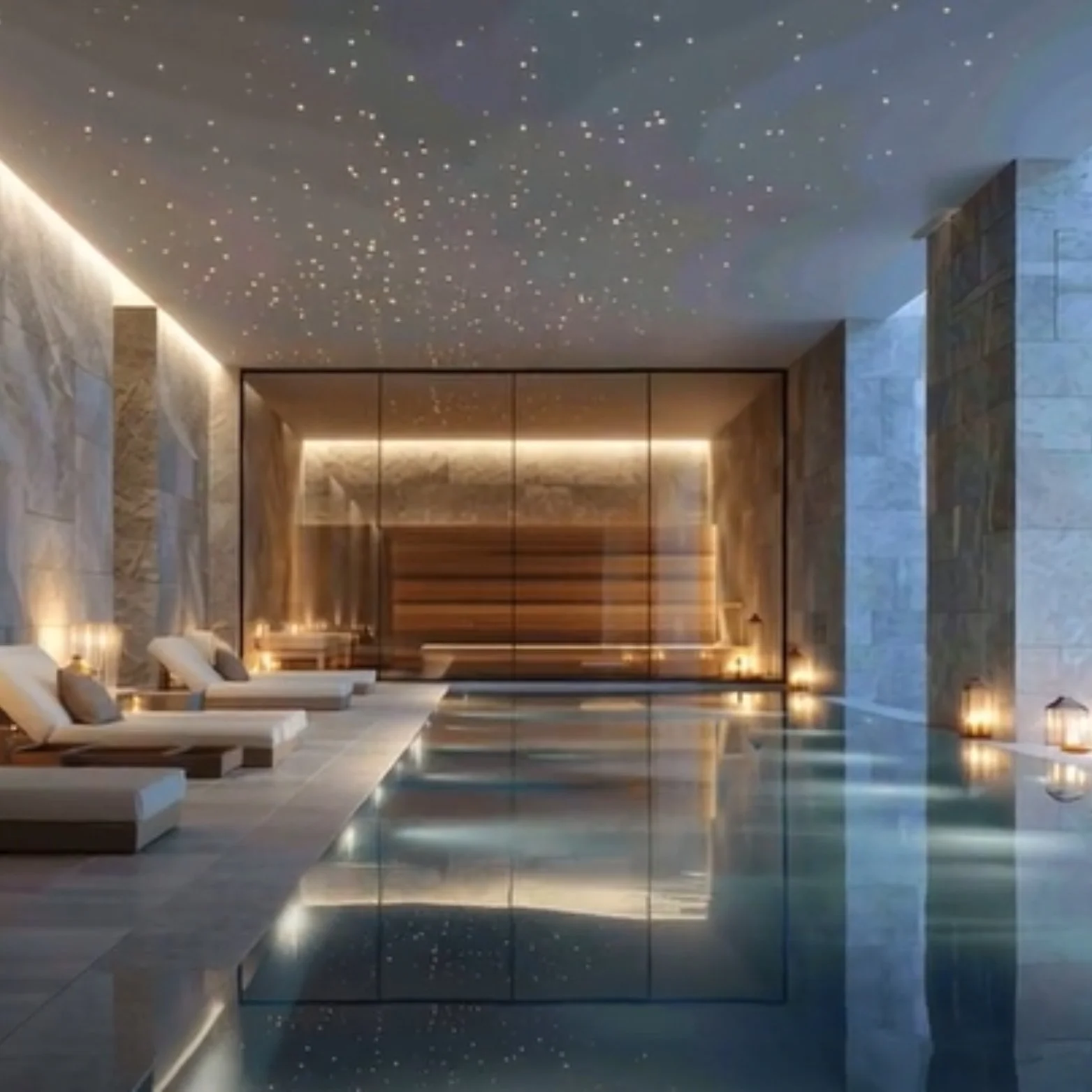
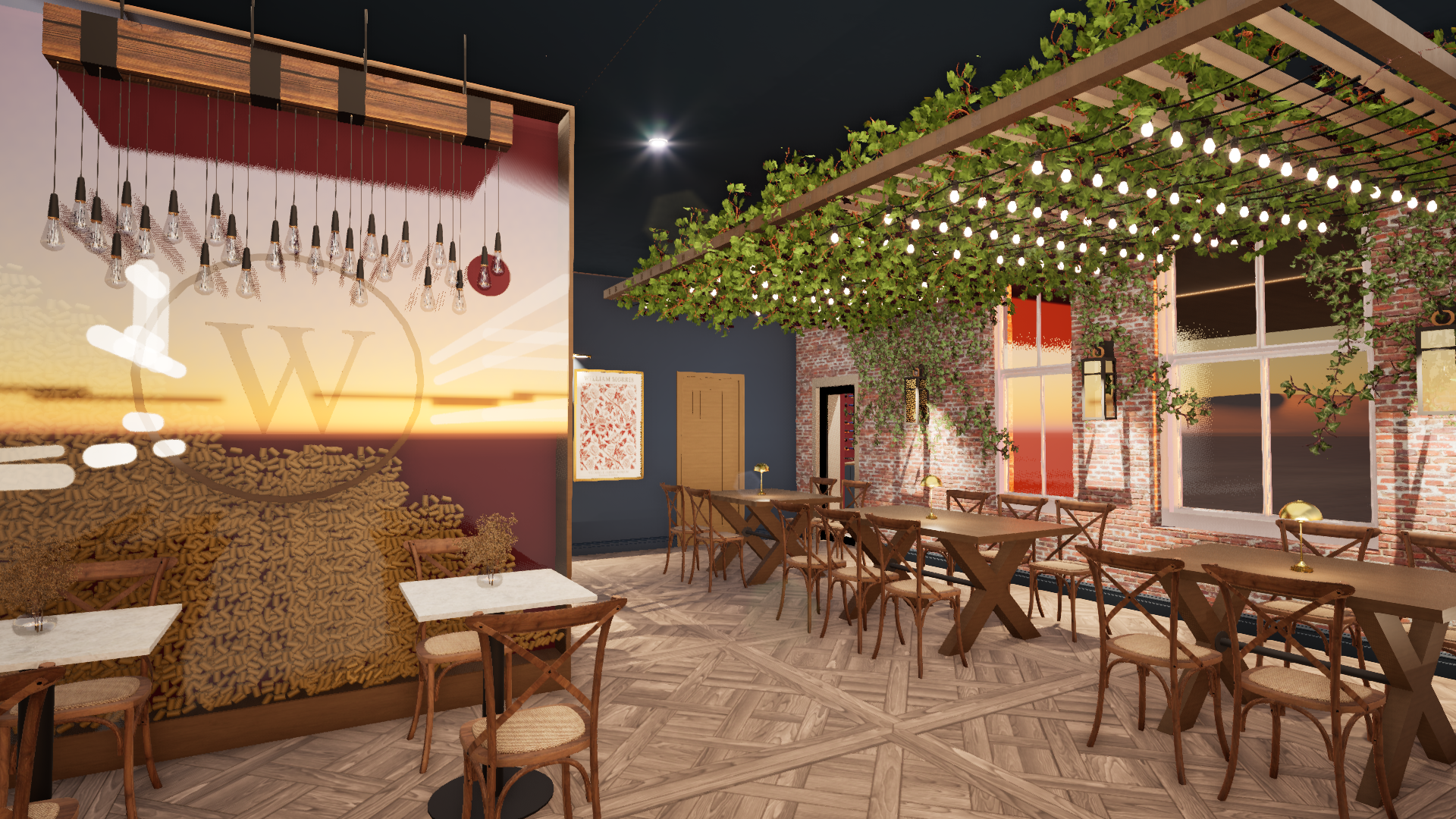
Luxury isn’t about expensive materials everywhere.
It’s about coherence.
A well‑designed space with modest materials can outperform an over‑specified but poorly considered interior. Guests respond to atmosphere, comfort and clarity, not price tags.
Spend where guests feel it.
Save where they won’t notice it.
Design for Return, Not Just Reveal
The most successful hospitality renovations aren’t the most expensive. They’re the most strategic.
When budget is allocated intelligently:
Atmosphere improves
Dwell time increases
Operational flow strengthens
Brand perception elevates
And the space works harder commercially.
At Shropshire Studios, we design with performance in mind, balancing investment with impact to ensure every pound spent contributes to experience and revenue.
Because in hospitality, smart design isn’t about luxury everywhere.
It’s about value where it matters most.
Talk to us about where your project should invest, and where it shouldn’t.