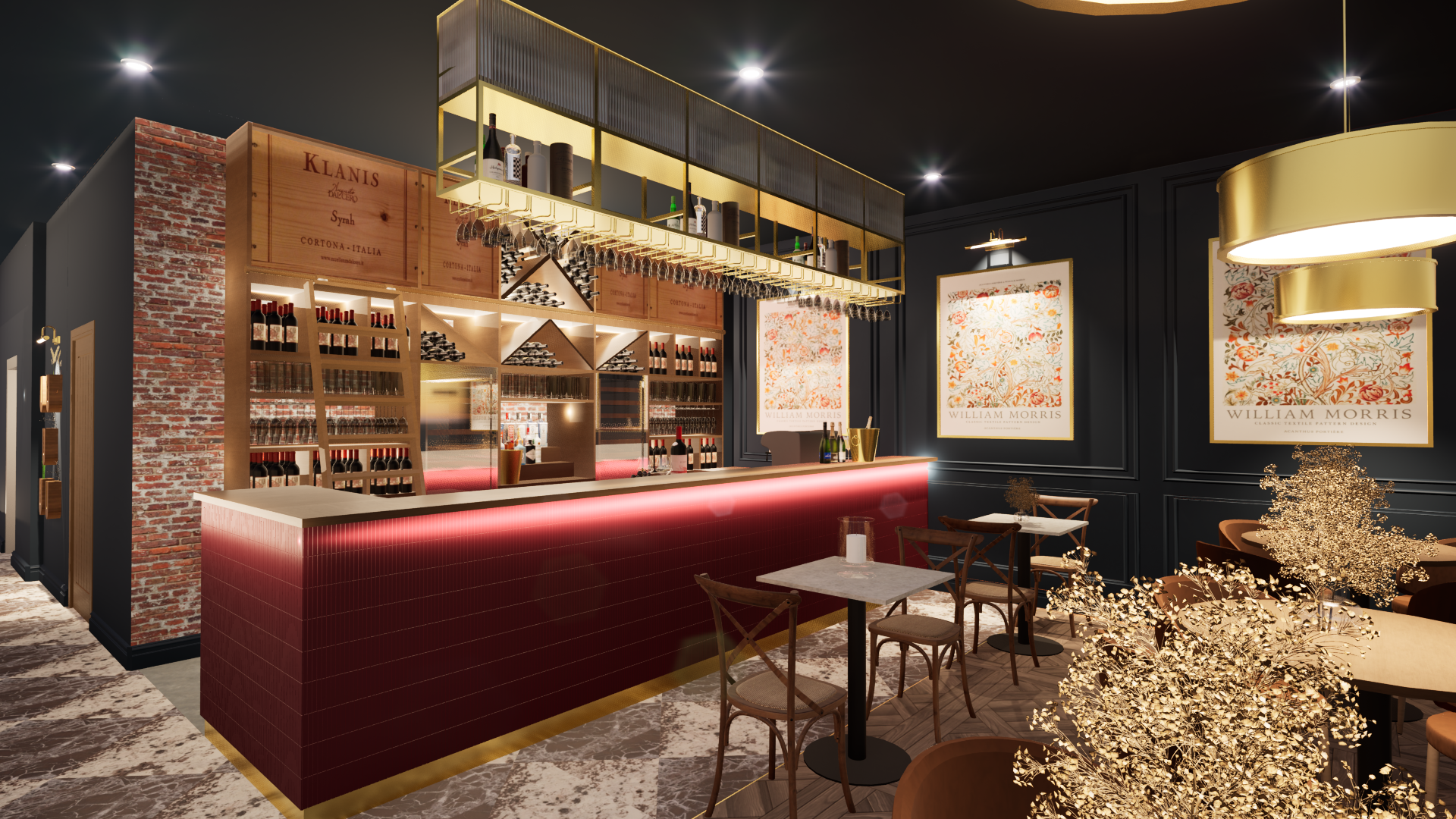
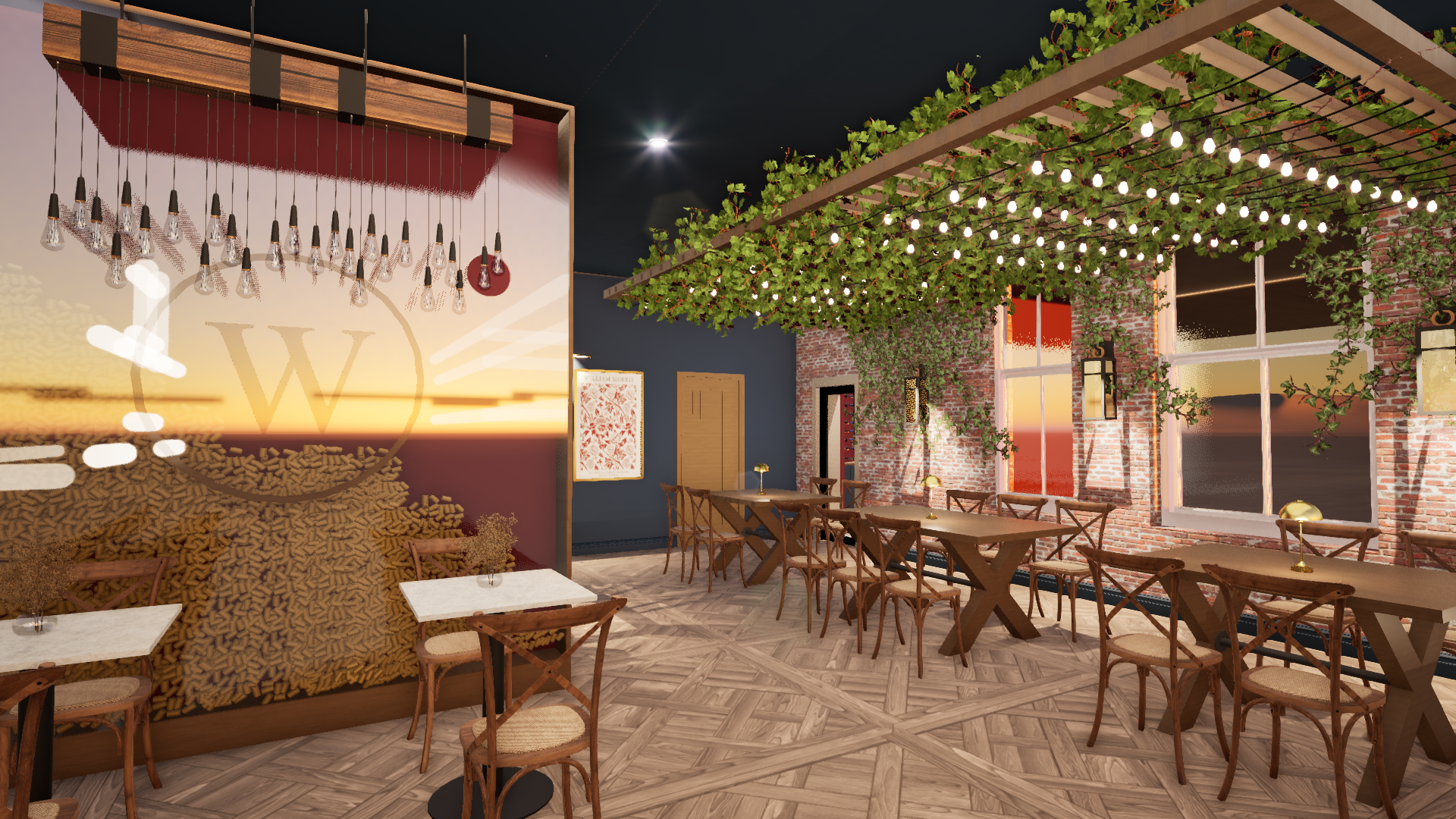
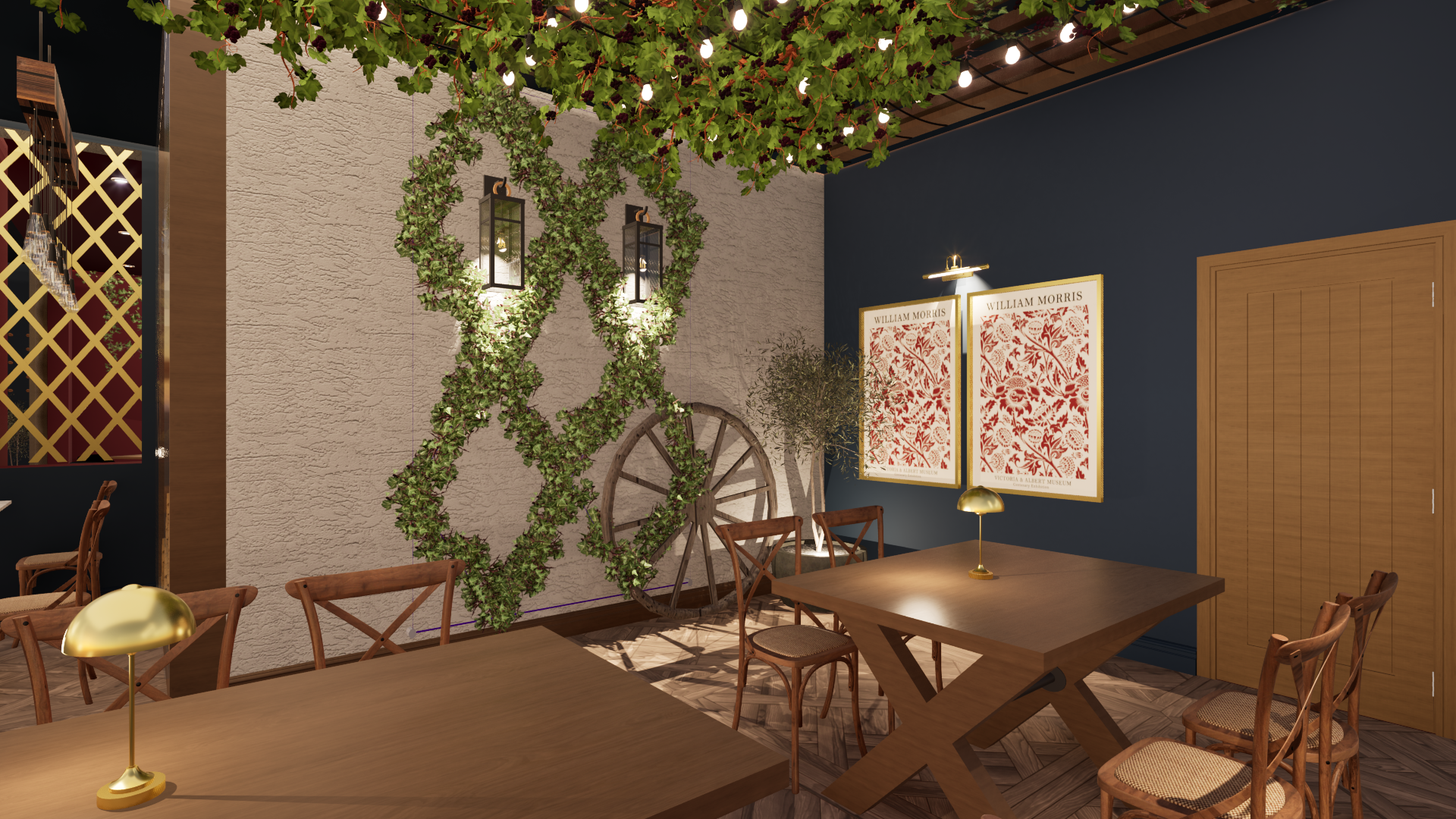
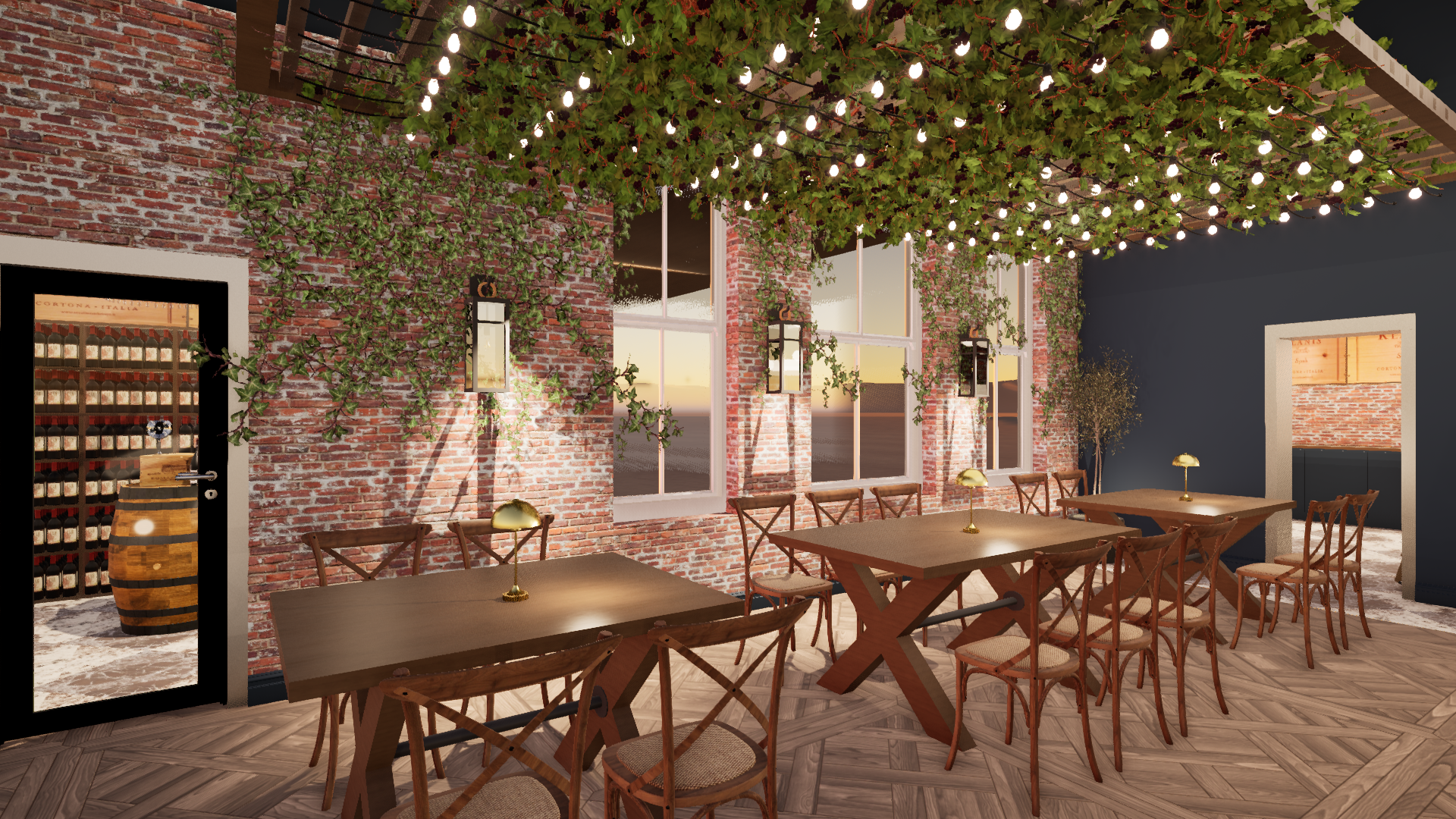
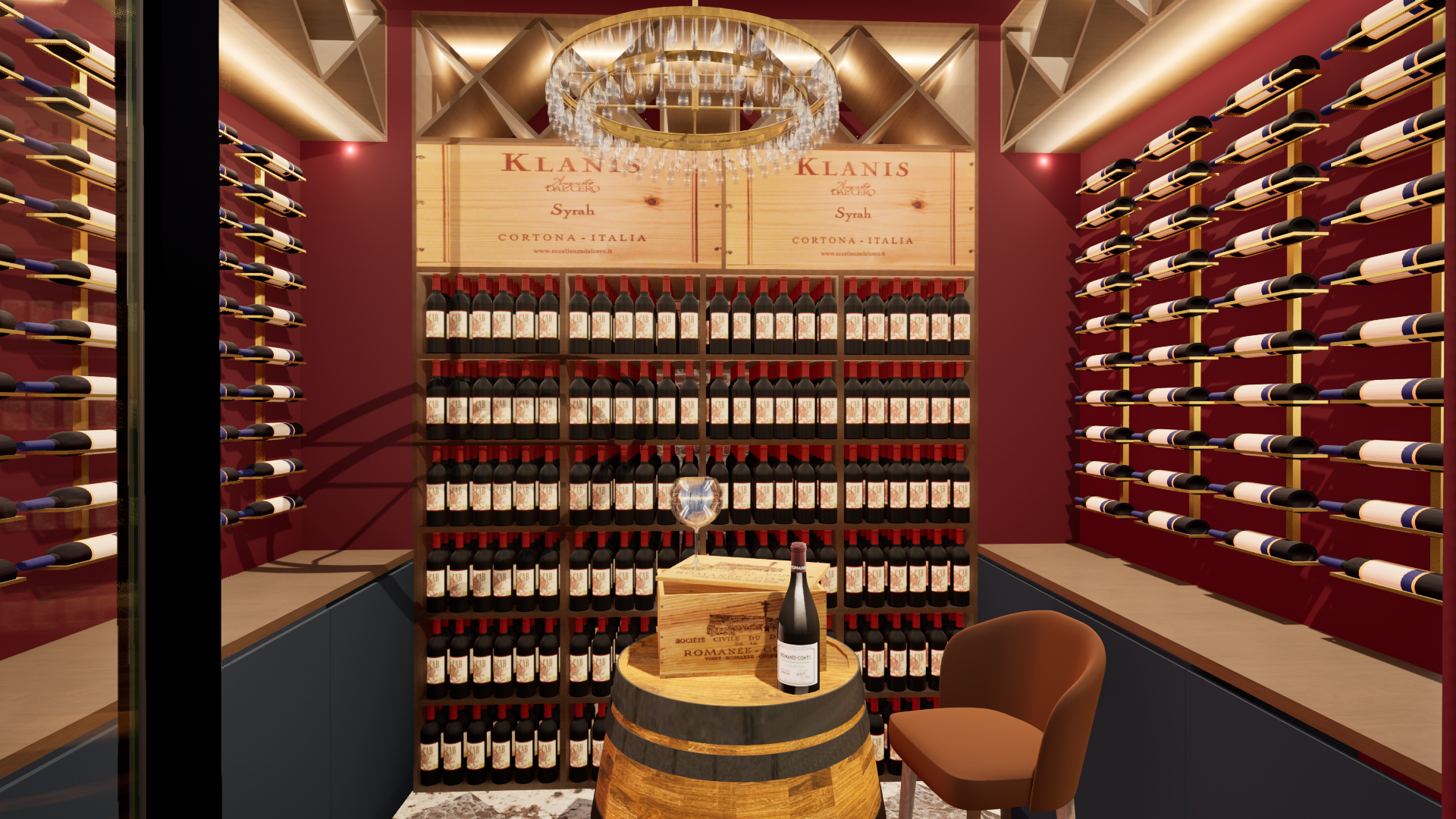
Why Interior Design Is Now One Of The Most Important Drivers In Hospitality
Hospitality has changed. Dramatically.
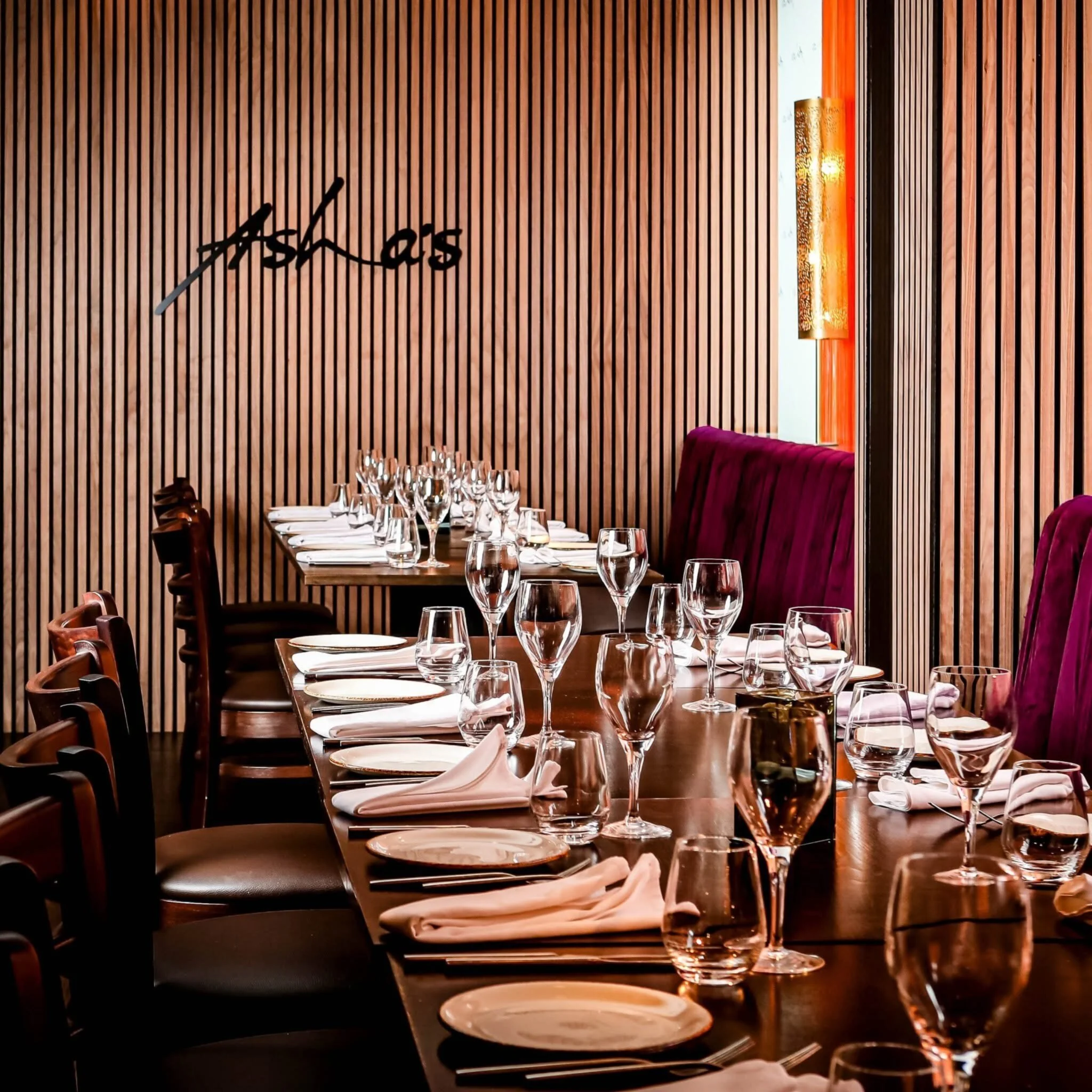
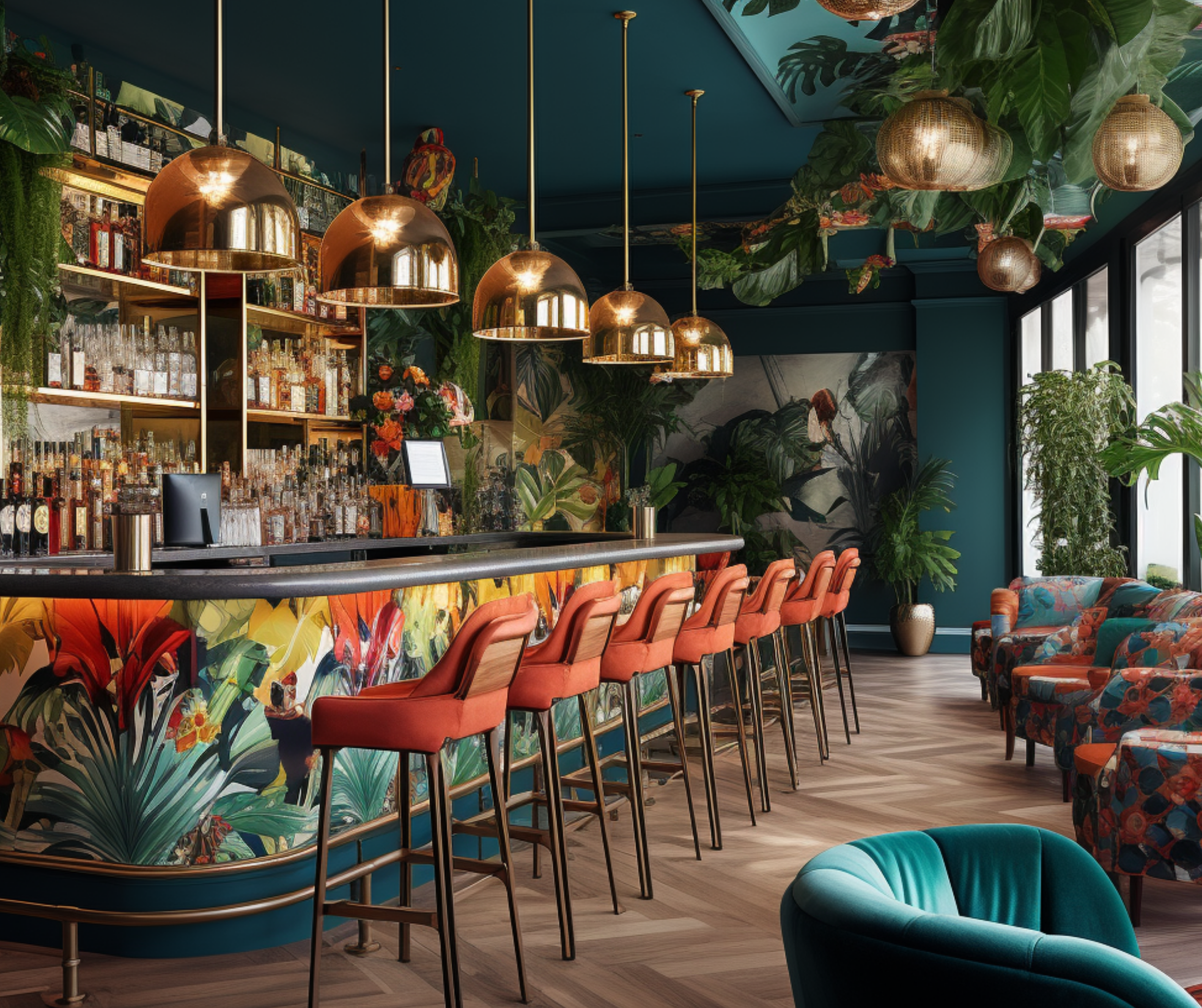
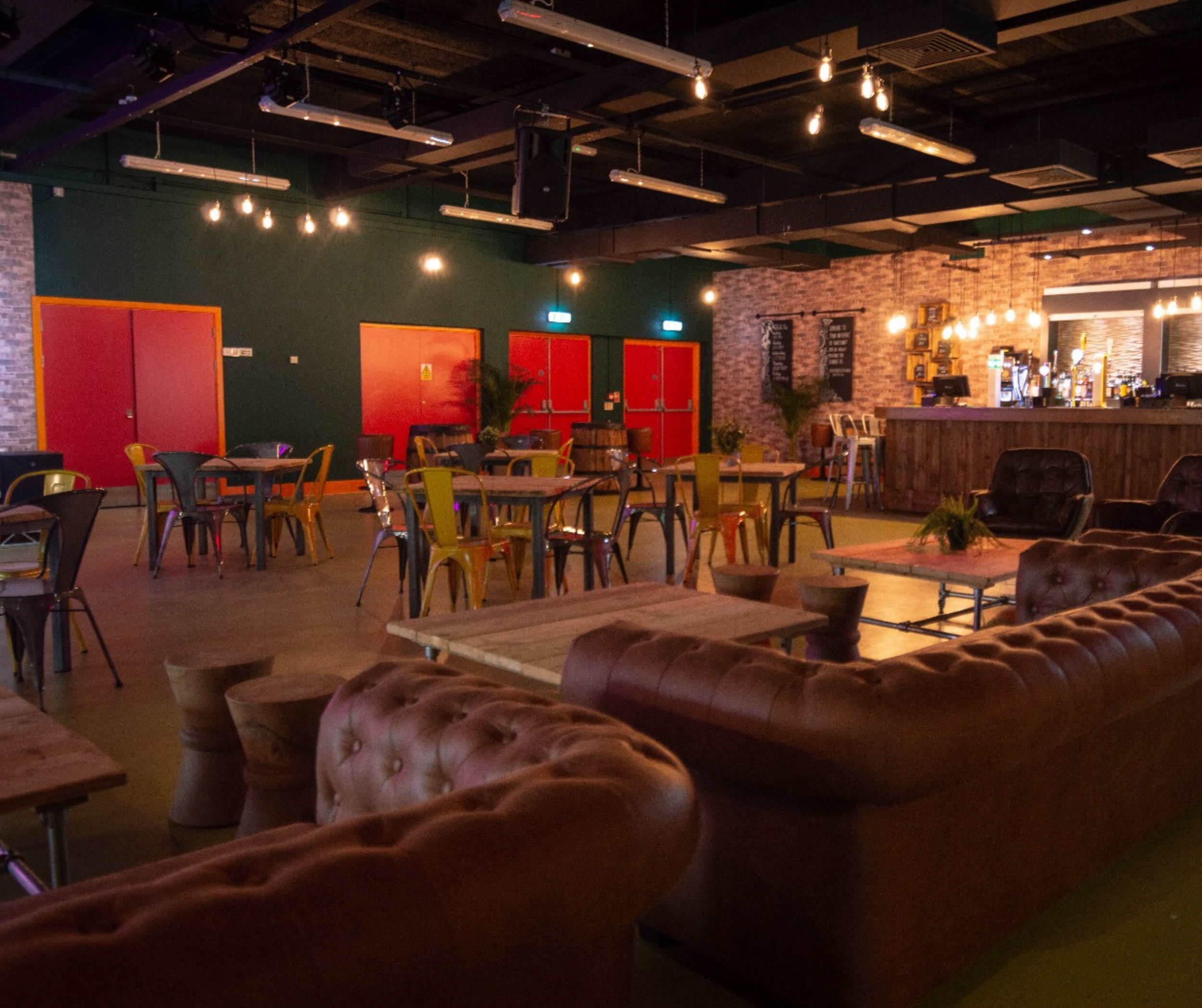
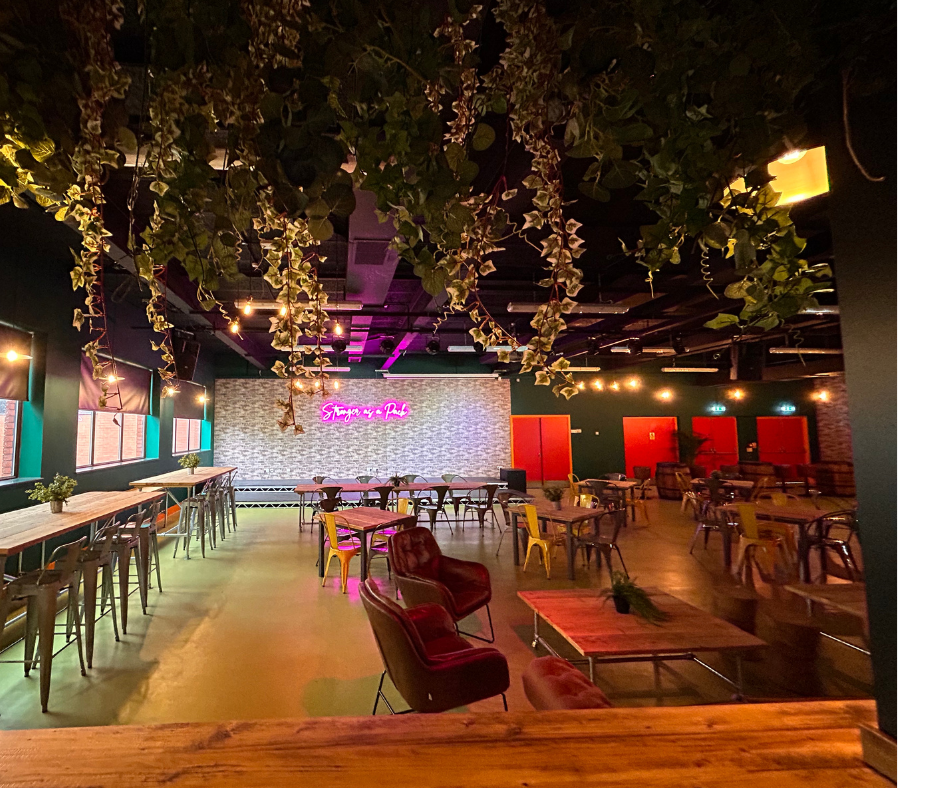
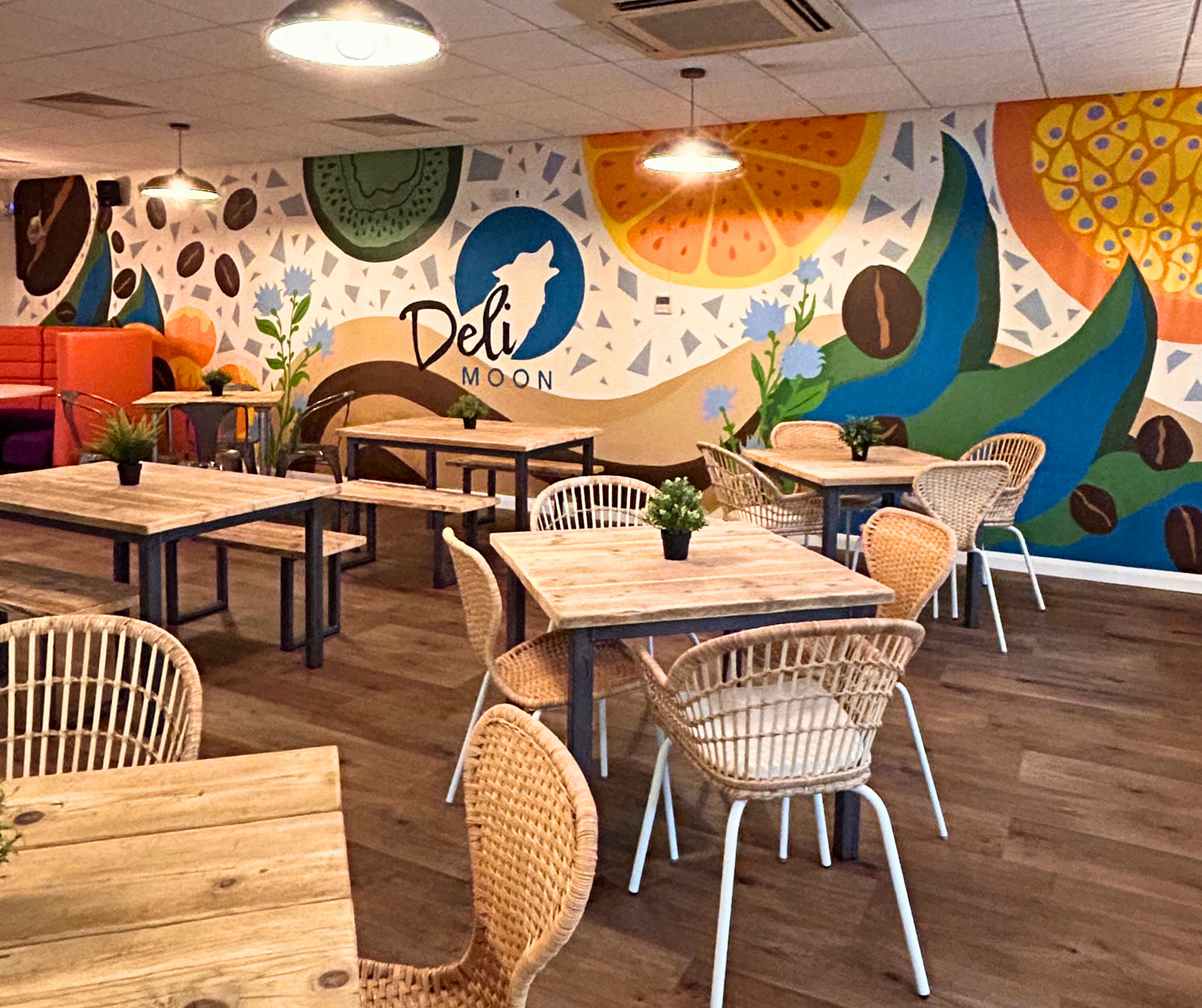
People no longer choose where to eat or drink based on menu alone. In a world dominated by social media, review platforms and visual discovery, interior design has become one of the most powerful decision‑making tools in hospitality.
Before a guest ever steps through the door, they’ve already experienced the space — through photographs on Instagram, Google, TripAdvisor and booking platforms. First impressions now happen online, not at the bar.
And increasingly, experience is the product.
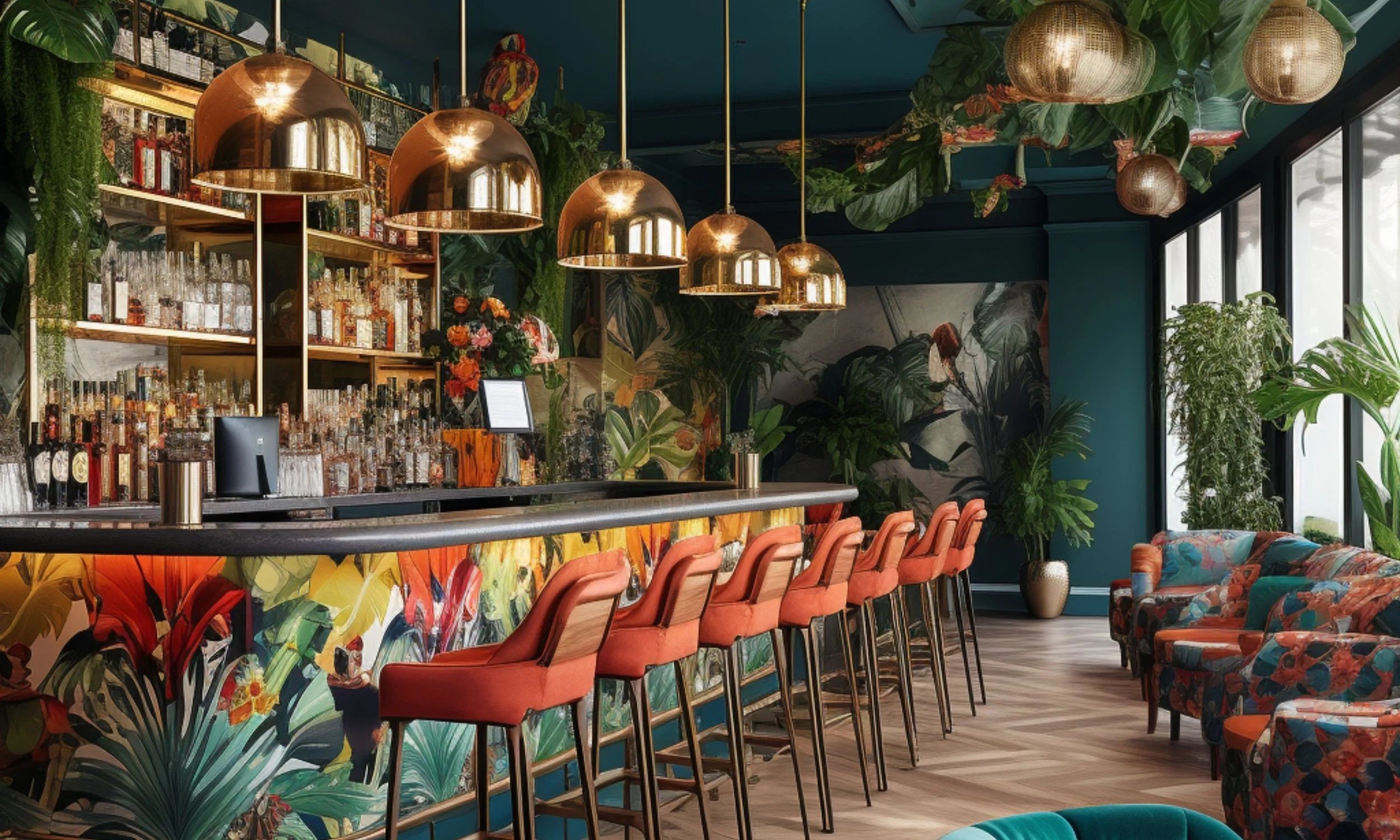
The Rise of Visual‑First Decision Making
Hospitality venues are no longer just competing with their neighbours — they’re competing on screens.
Research consistently shows that:
Venues with strong visual identity receive higher engagement on social platforms
Listings with compelling interior photography convert more bookings
Guests are more likely to visit places they’ve already “experienced” visually
In short, if a space doesn’t photograph well, it’s already at a disadvantage.
Interior design has become a marketing tool as much as an operational one — shaping how a venue is perceived, shared and remembered.
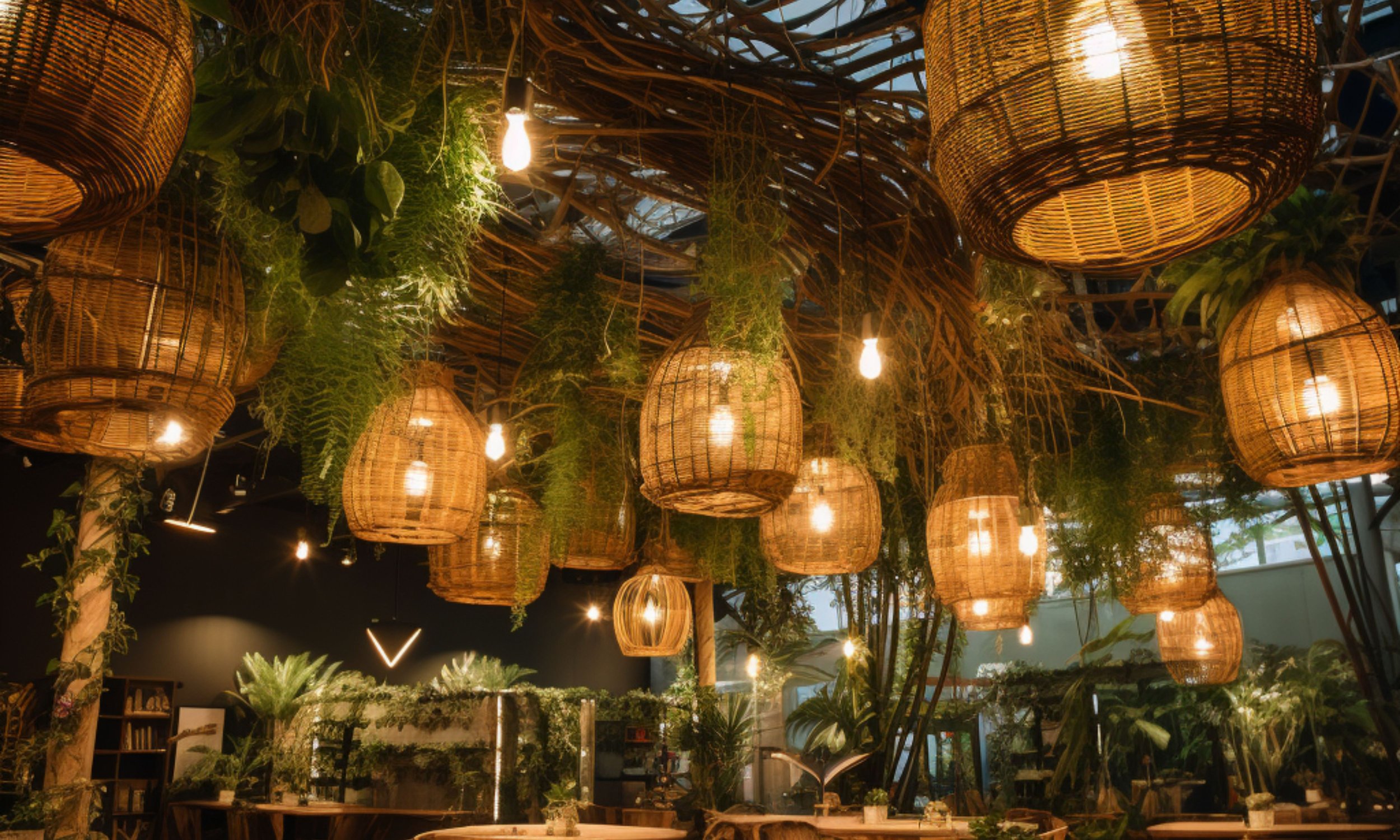
Experience Is the New Currency
Younger audiences, particularly Gen Z, are reshaping hospitality culture.
They are less driven by tradition and more by:
Atmosphere
Storytelling
Authenticity
Social experience
A drink is no longer just a drink. A meal is no longer just food. People are choosing venues based on how the space makes them feel — and how it fits into their lifestyle and identity.
This shift has changed expectations:
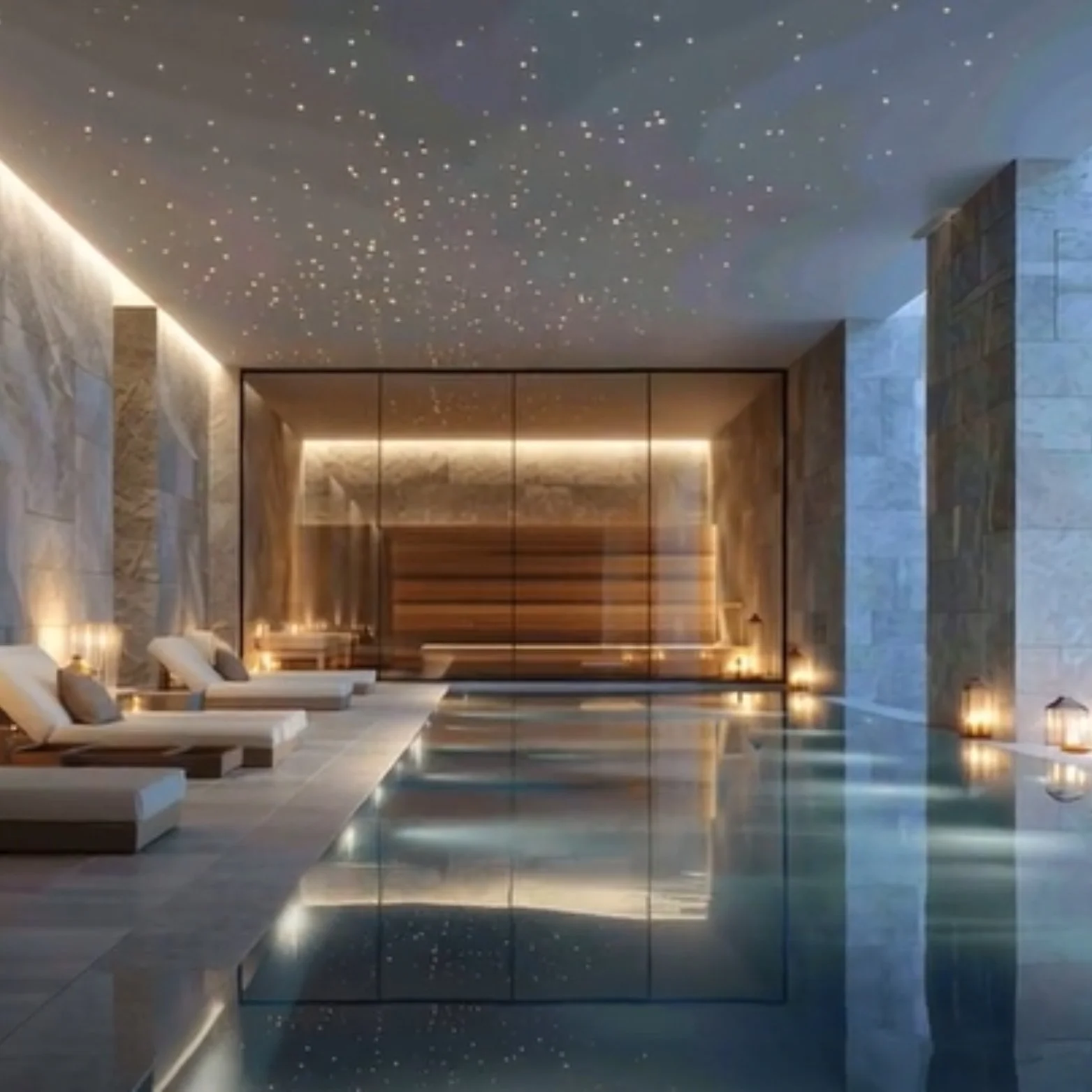
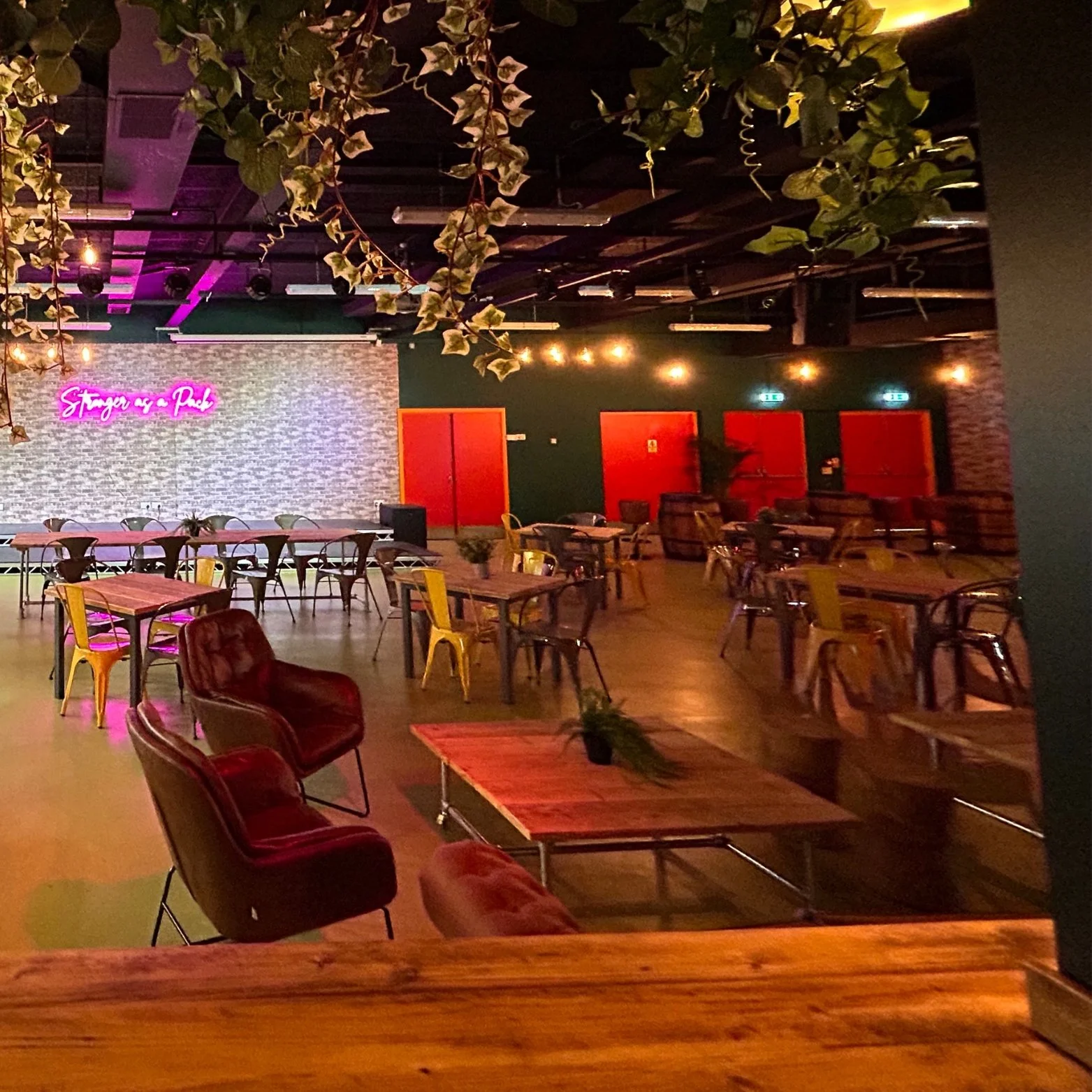
Guests want spaces that feel immersive, not generic
They expect design to reflect brand, mood and intent
They’re drawn to places that offer something memorable
Interior design plays a central role in delivering this.
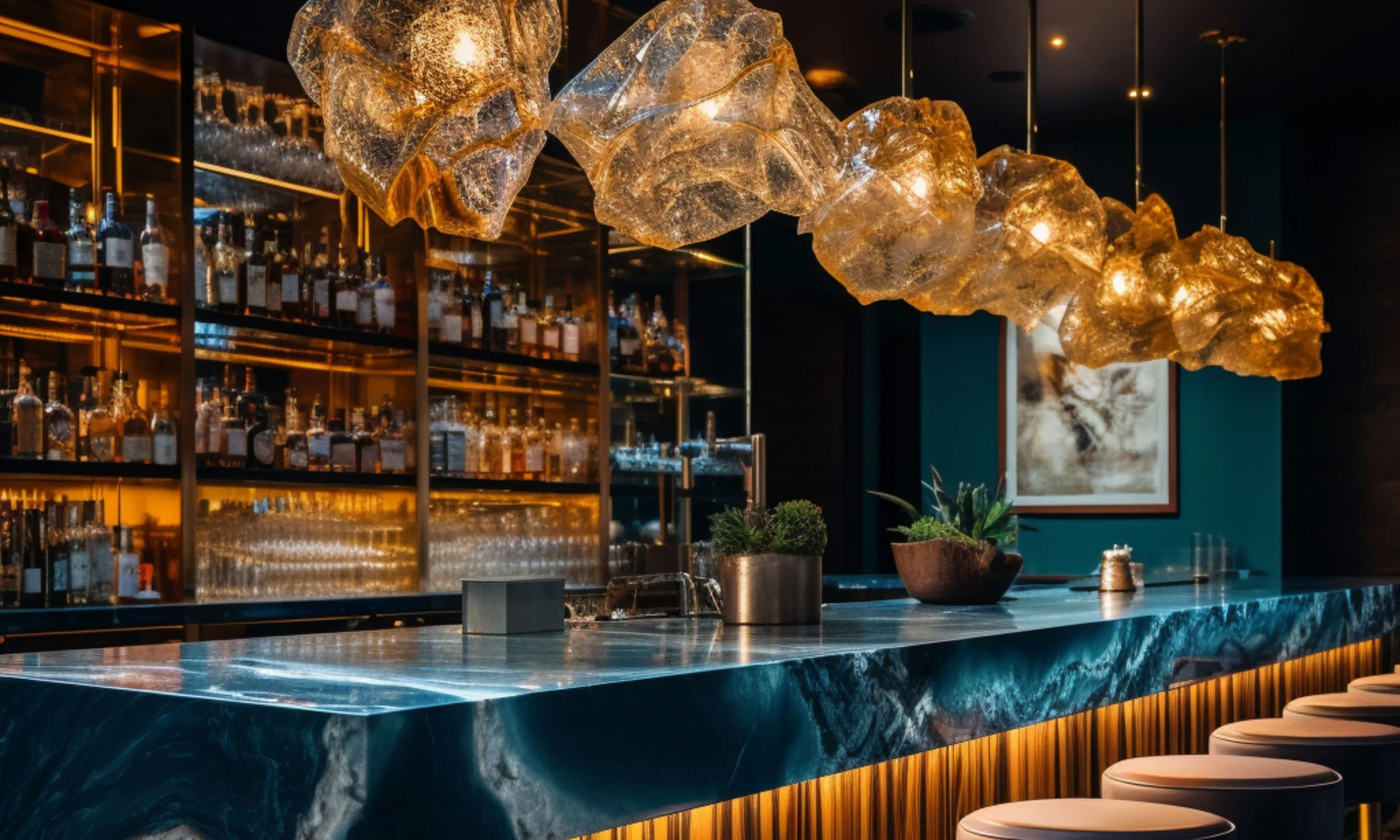
Why Design Influences How Long People Stay — and How They Feel
While we avoid industry jargon, the reality is simple:
The right environment encourages people to relax, order more, return and recommend.
Interior design directly affects:
Comfort and ease of movement
Acoustic levels and conversation quality
Lighting and mood
Sense of occasion and escapism
When these elements are well considered, guests naturally linger longer, feel more comfortable and associate the venue with a positive experience.
Poorly designed spaces do the opposite — no matter how good the food or service.
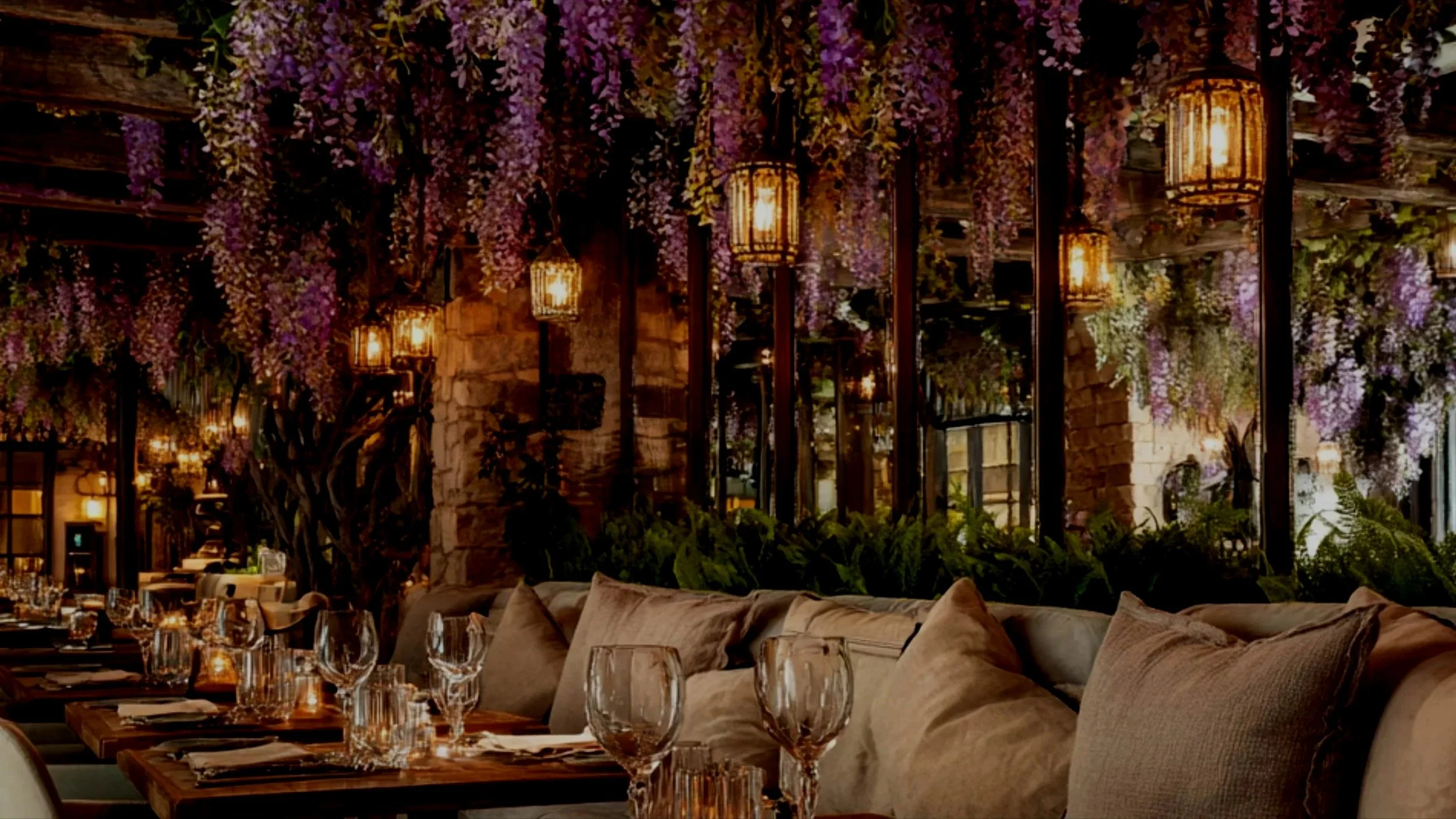
Instagrammable Doesn’t Mean Inauthentic
There’s a misconception that “Instagrammable” design means gimmicks.
In reality, the most shared spaces tend to be:
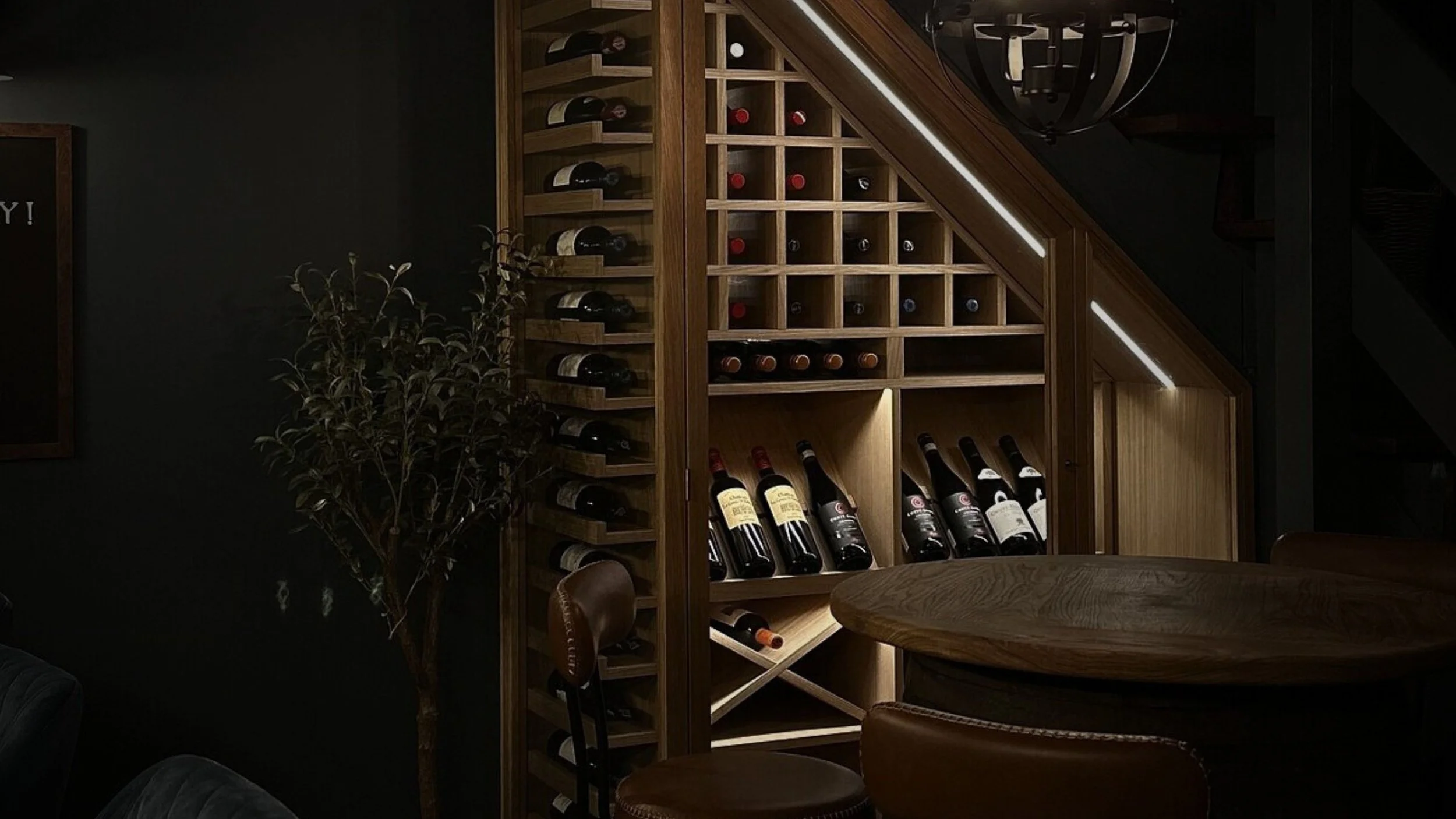
Thoughtfully layered
Atmospherically lit
Rich in texture and materiality
Confident in their identity
People respond to spaces that feel intentional and immersive — not staged.
Good hospitality design balances:
Visual impact
Operational flow
Comfort
Brand alignment
When done properly, the space photographs well because it works well.
Interior Design as a Commercial Strategy
For operators, interior design is no longer a finishing touch — it’s a strategic decision.
Design choices influence:
How a venue is positioned online
How guests move through the space
How comfortable they feel staying longer
Whether they return or recommend
In an experience‑driven hospitality landscape, design is often the difference between being forgettable and being fully booked.
The Bottom Line
People don’t just go out for food and drink anymore.
They go out for atmosphere, connection and experience.
Interior design sets the tone before a guest arrives, shapes how they feel while they’re there, and determines how they remember it afterwards.
In a culture driven by imagery, reviews and social sharing, hospitality interiors aren’t just background — they’re central to success.