The Ultimate Guide to Office Refurbishment Costs
Refurbishing an office is one of the most significant investments a business can make in its people, culture and performance.
Done well, it can transform how teams work, improve wellbeing and strengthen brand perception. Done poorly, it becomes an expensive exercise with little long‑term impact.
As working patterns continue to evolve, understanding what drives refurbishment costs — and how to budget intelligently — has never been more important.
This guide outlines the key factors that influence office refurbishment costs and how to approach investment with clarity and confidence.
What Really Influences Office Refurbishment Costs?
Office refurbishment costs vary widely because no two projects — or businesses — are the same. However, a small number of factors consistently have the greatest impact.
Scale and Scope - The size of the space and the extent of change are the biggest cost drivers. Light refresh projects cost far less than full strip‑outs, reconfigurations or major services upgrades.
Design Complexity and Specification - Simple, functional finishes cost less than bespoke joinery, feature lighting or specialist materials. Design ambition and budget need to align from the outset.
Existing Condition of the Space - Spaces requiring significant demolition, structural alteration or services replacement typically incur higher early costs — but often deliver stronger long‑term performance.
Location - Labour rates, logistics and access constraints all influence cost. City centre projects often carry higher premiums than regional locations.
Sustainability and Performance - Energy‑efficient systems, low‑carbon materials and wellbeing‑led design may increase upfront costs, but typically reduce operating costs and support long‑term value.
Compliance and Regulation - Fire strategy, accessibility, building services upgrades and landlord requirements can all shape scope — and budget — significantly.

Typical Cost Ranges
While every project is different, refurbishment costs generally fall into three broad bands:
Light Refresh
Cosmetic upgrades, redecorations and furniture updates typically sit at the lower end of the scale.
Mid‑Range Refurbishment
Reconfiguration, new finishes, upgraded lighting and technology usually require a moderate investment.
High‑End Refurbishment
Bespoke layouts, premium finishes, advanced technology and sustainability features sit at the top end of the cost spectrum.
These figures should always be treated as guidance only — real costs depend on scope, quality and constraints.

Where Budget Is Best Spent
The most successful refurbishments don’t simply look good — they perform well.
High‑value investment areas typically include:
Layout and space planning
Lighting and acoustics
Mechanical and electrical systems
Furniture quality and ergonomics
Flexibility and adaptability
These elements directly affect productivity, comfort, retention and longevity.

Planning Your Budget Strategically
Successful projects begin with clarity.
Key principles include:
Define clear objectives before design begins
Set a realistic budget aligned to ambition
Allow a contingency for unforeseen conditions
Prioritise long‑term performance over short‑term savings
Programme works to minimise business disruption
Refurbishment should be seen as a strategic investment — not simply a construction cost.
Why the Right Partner Matters
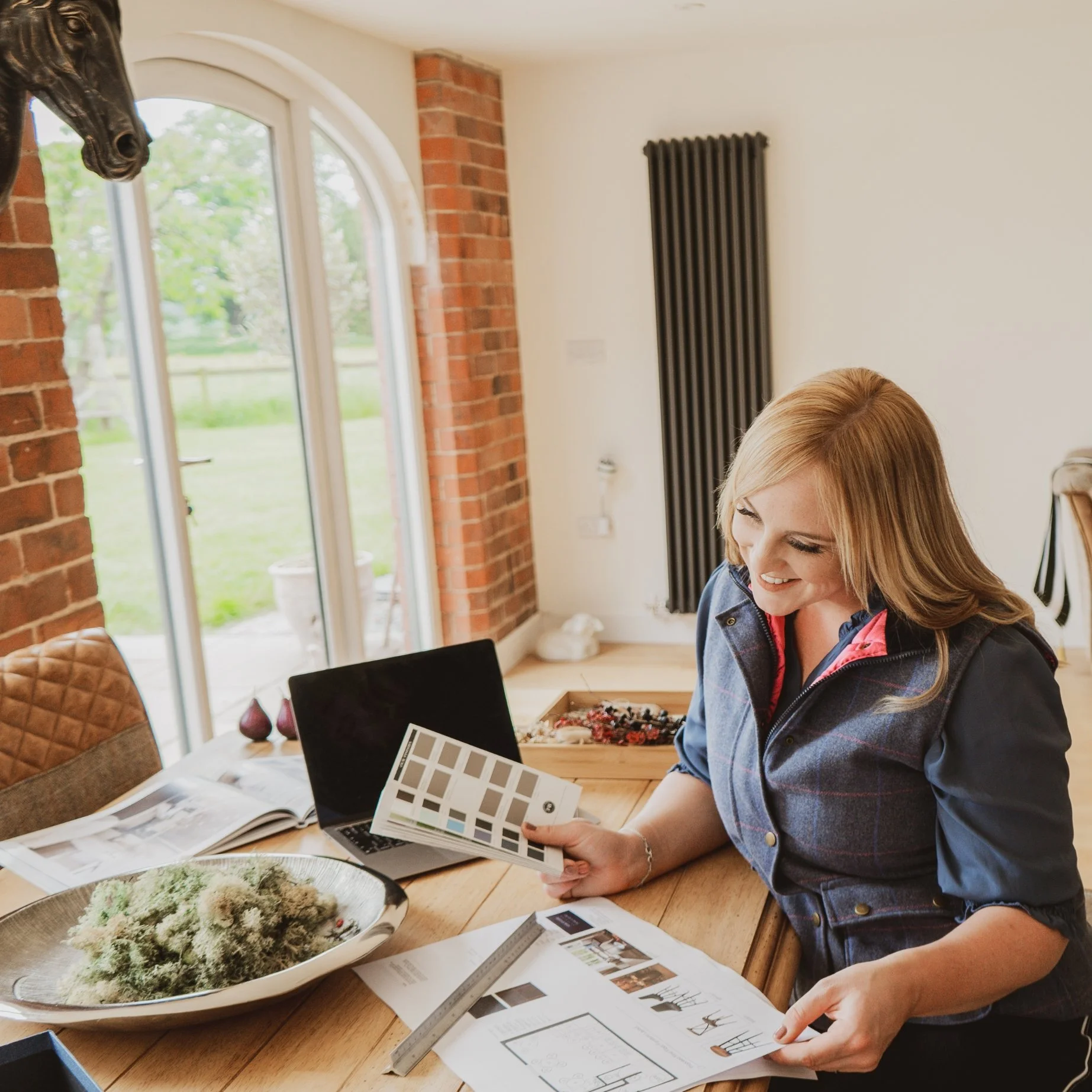
Office refurbishment is complex. Costs, programme, compliance and business continuity must be managed carefully and collaboratively.
At Shropshire Studios, we guide clients through:
Early feasibility and cost planning
Concept and detailed design
Consultant and contractor coordination
Procurement and delivery
Post‑completion support
Our role is to protect design quality, control cost and ensure the finished space performs exactly as intended.
The Bottom Line
Office refurbishment costs are shaped by far more than square metres and finishes.
They’re influenced by strategy, performance, flexibility and long‑term value. When investment decisions are made thoughtfully, refurbishment becomes a catalyst for cultural change, improved productivity and business growth.
At Shropshire Studios, we design and deliver refurbishments that balance ambition with realism — creating workplaces that perform as well as they inspire.
Because the best offices aren’t the most expensive.
They’re the ones that work hardest for the people inside them.