What Makes a Great Commercial Interior and What Most Get Wrong
A great commercial interior isn’t about trends or throwing in expensive furniture.
It’s about designing a space that works — for your people, your brand, your operations and your bottom line.
At Shropshire Studios, we design spaces that are both beautiful and highly functional. But before we get to what makes a commercial interior great, let’s talk about what causes most projects to fail.

Overcrowding the Space Not Enough Flow, Too Much Stuff
Trying to squeeze in as many desks, tables or seats as possible is the fastest way to ruin the user experience.
When people are dodging chairs, bumping into corners, or struggling to find quiet zones, productivity plummets.
Great layouts are intentional.
They use smart zoning, circulation routes, acoustic planning and departmental adjacencies to create a space that feels calm, organised and effortless.
Space isn’t something to fill.
It’s something to design.

Cutting Corners on Materials, False Economy
When budgets get tight, finishes are usually the first thing sacrificed.
But here’s the truth:
cheap materials cost you more long-term.
They wear out quicker, Scratch easily, Look dated faster.
Send the wrong message to clients.
Investing in quality, durable commercial-grade materials — woods, porcelain, engineered stone, textured panels, Crib 5 fabrics — protects both your brand and your budget.
It’s not about being extravagant; it’s about being smart.

Designing Without Strategy,
Aesthetic Without Purpose
Many spaces look good… but perform terribly.
Designing Without Strategy (Aesthetic Without Purpose)
Many spaces look good… but perform terribly.
A stunning concept without operational strategy is just decoration.
And decoration doesn’t increase revenue, improve staff retention or solve business problems.
Our designs always begin with:
brand story
operational flow
user behaviour
accessibility and compliance
workplace psychology
acoustic performance
lighting strategy
Design first, decorate second.

Poor Communication,
No Clear Process
This is a big one.
Projects fall apart when no one is steering the ship.
Miscommunication
Delayed decisions
Unclear responsibilities
Last-minute changes
Missing approvals
Commercial projects need structure, clarity and ownership.
This is why Shropshire Studios uses a 7 stage process — from concept to technical pack, procurement to styling — so every detail is accounted for.
A good design is only as strong as the process that delivers it.
The Principles Every High Performing Commercial Interior Needs:
Great commercial spaces are built on foundations, not trends.
Here’s what every workspace, restaurant, golf club, care space or show home truly needs:
Function, Flow and Flexibility
Commercial interiors need to work harder than residential ones.
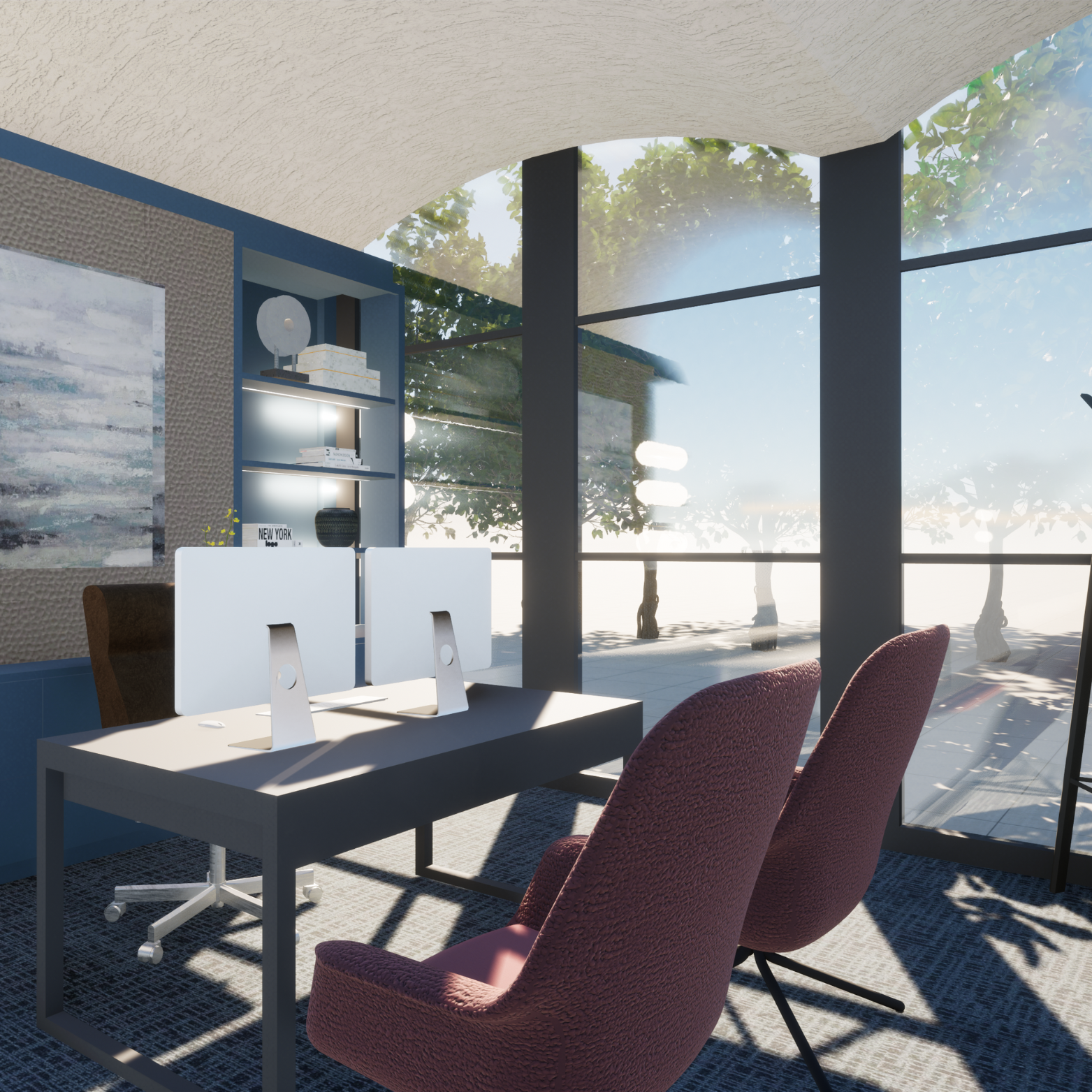
A workspace should support:
focused work
collaboration
private conversations
social connection
wellbeing
brand culture
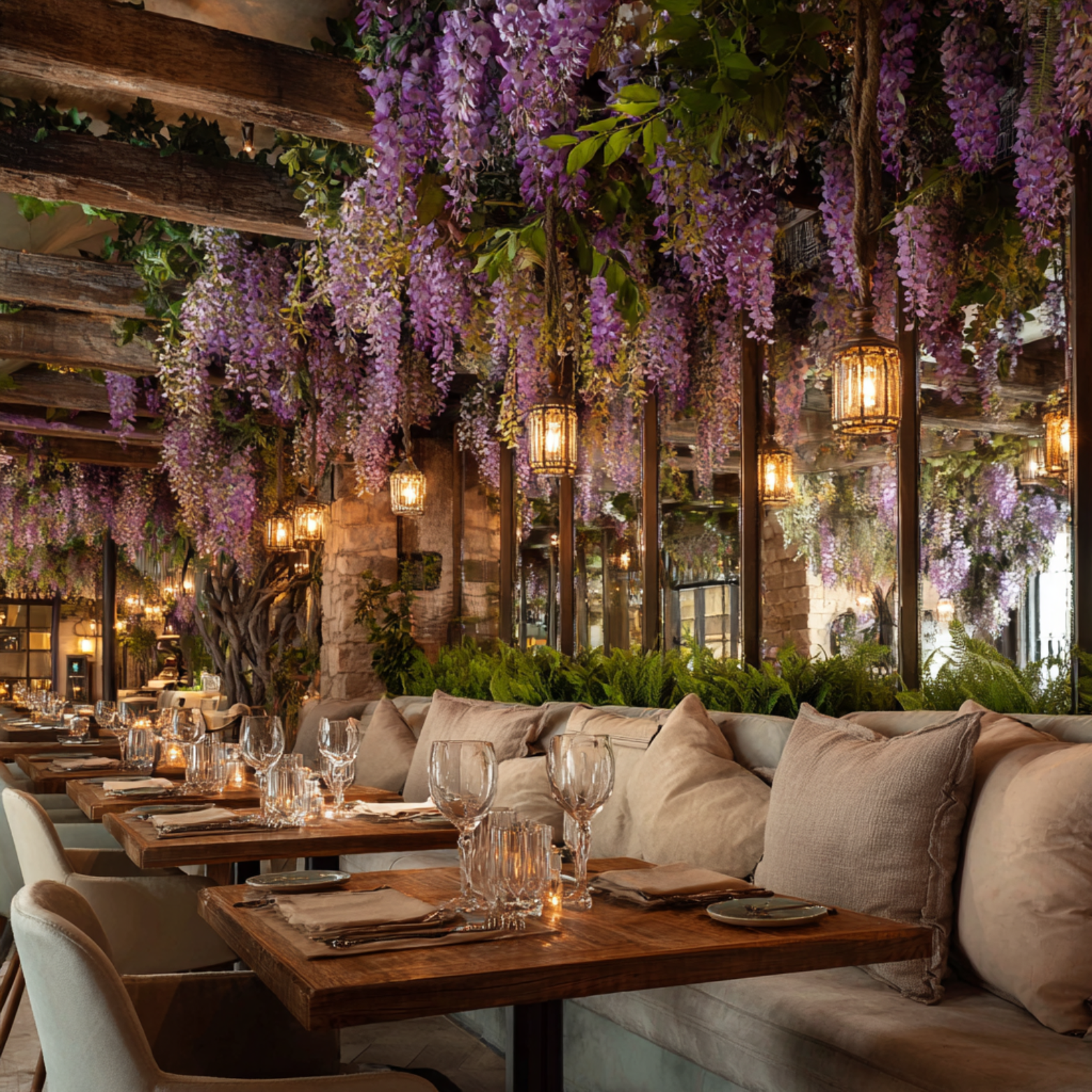
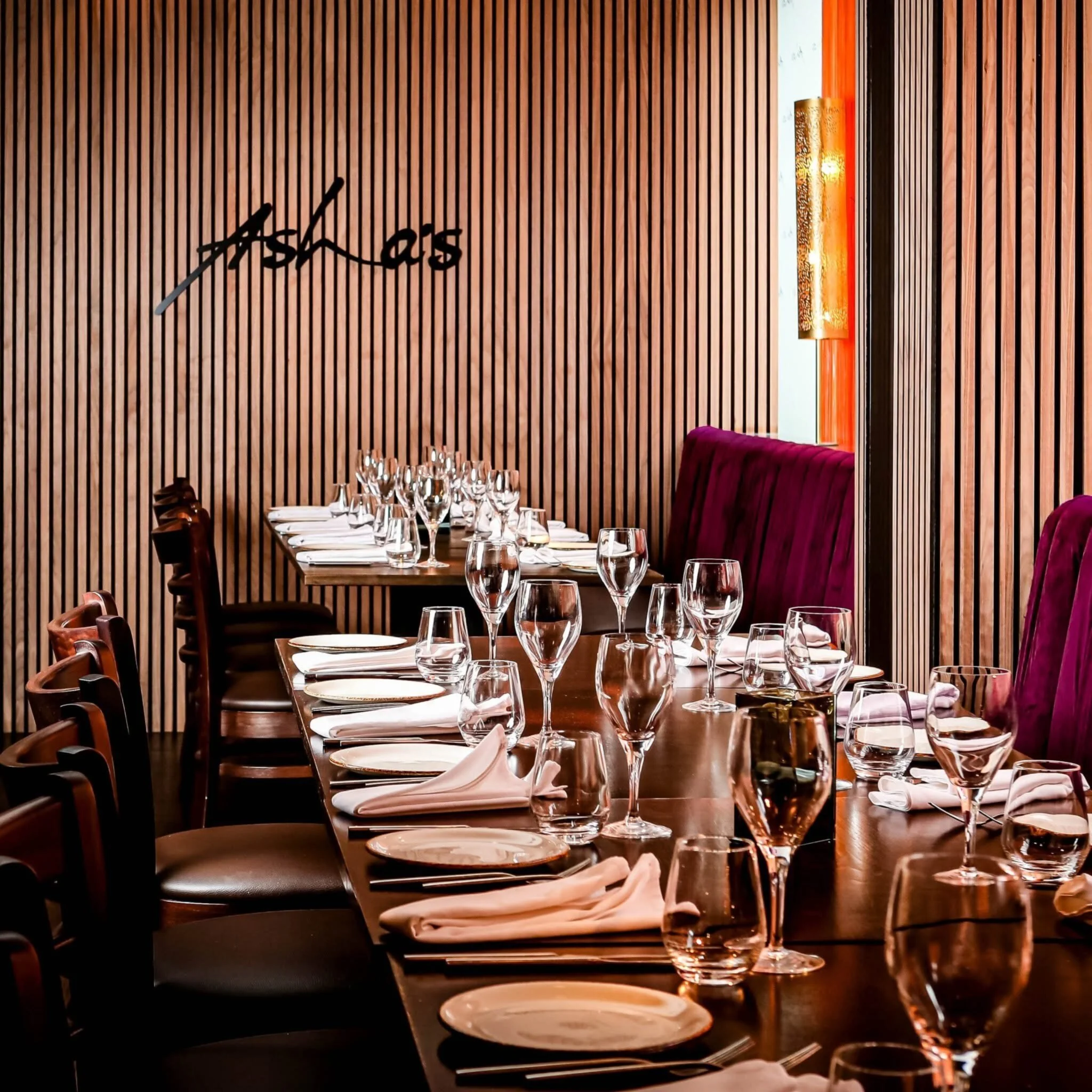
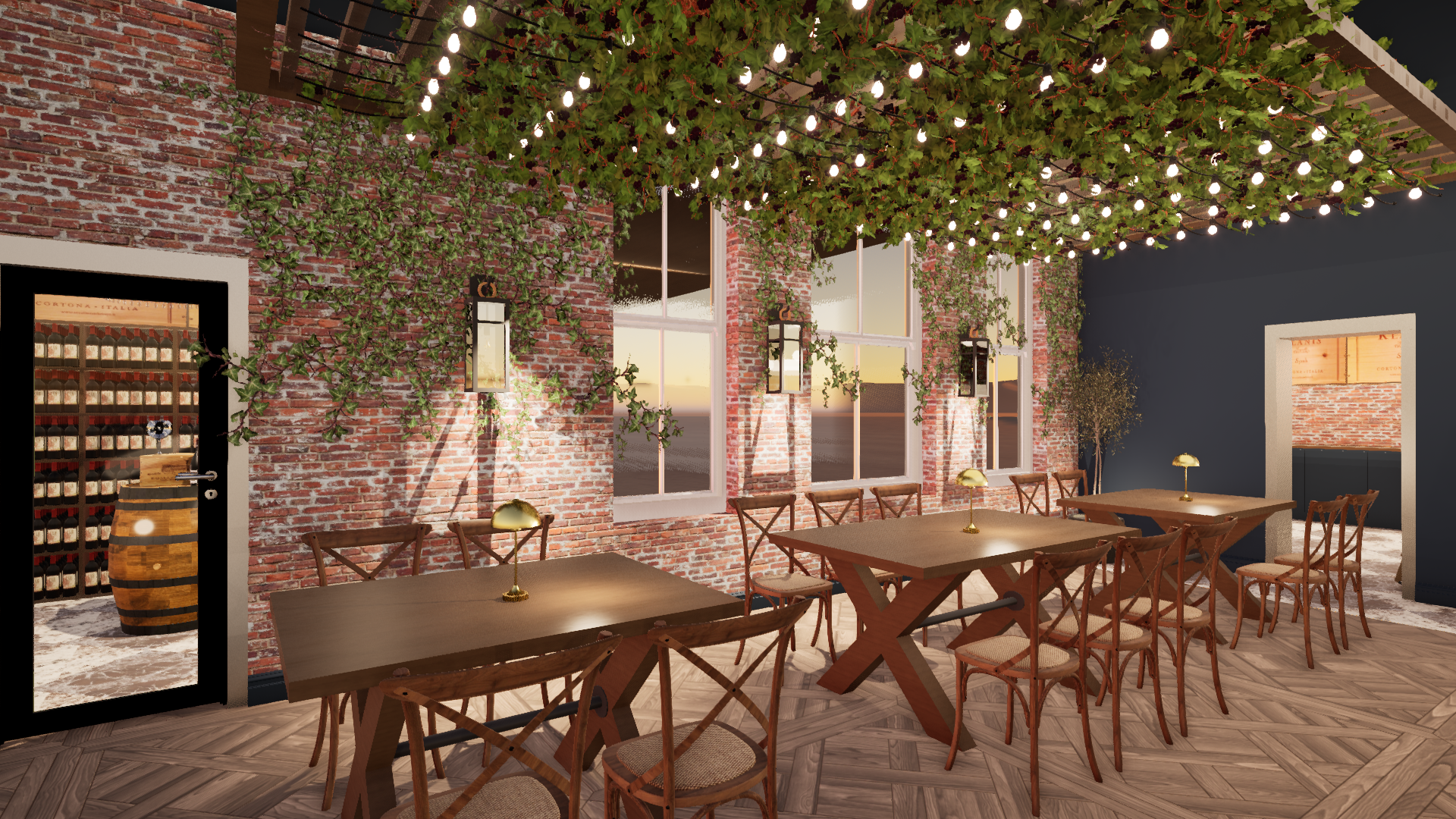
A restaurant should support:
fast, efficient service
dwell time
comfort
atmosphere
table turnover
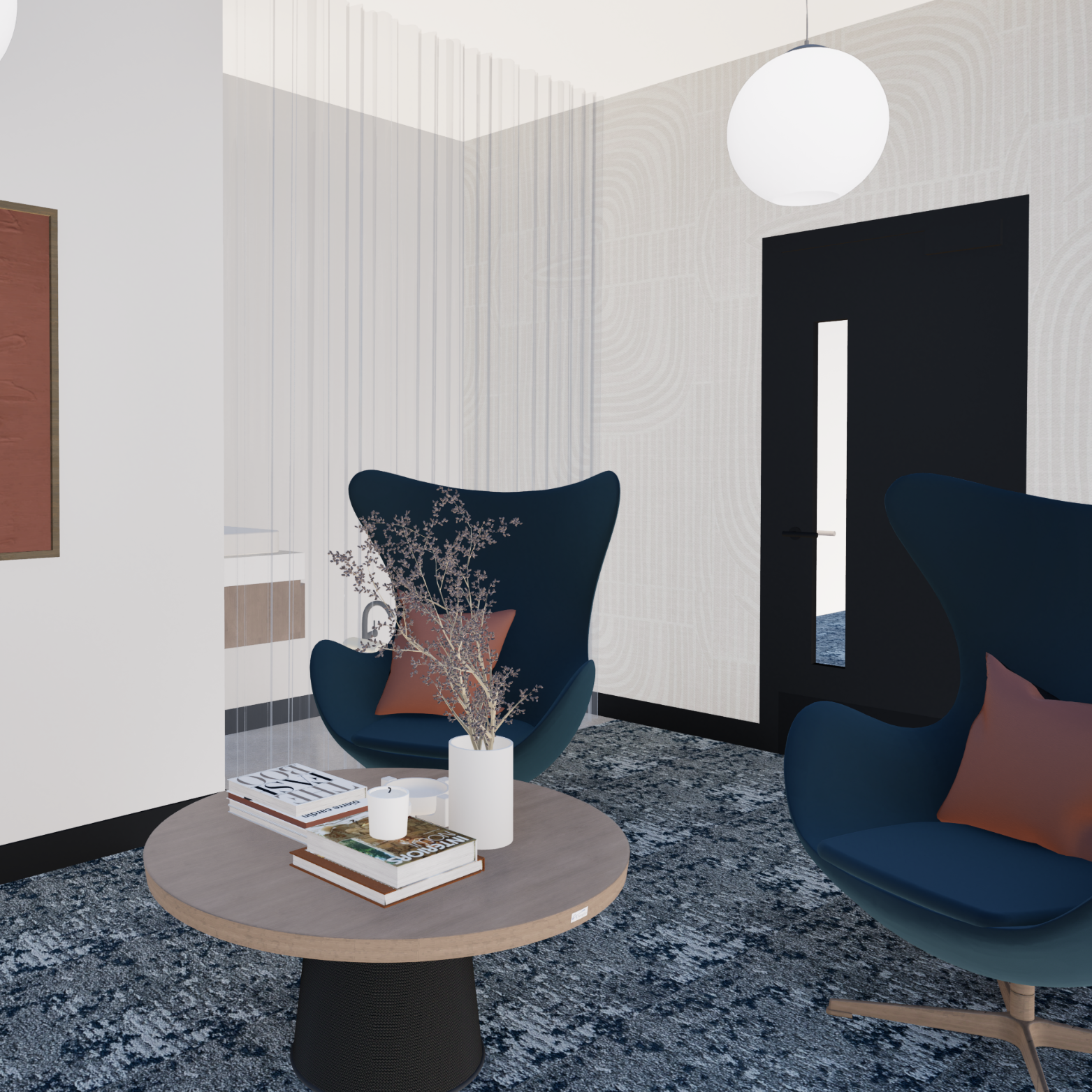
A care facility should support:
accessibility
sensory comfort
low stimulation
clear navigation
dignity
Make It Look and Feel Good, Atmosphere Matters
Commercial interiors should create an emotional response.
People decide how they feel in a space in under 7 seconds.
That means you need:
natural materials
warm textures
good acoustics
coherent colour palettes
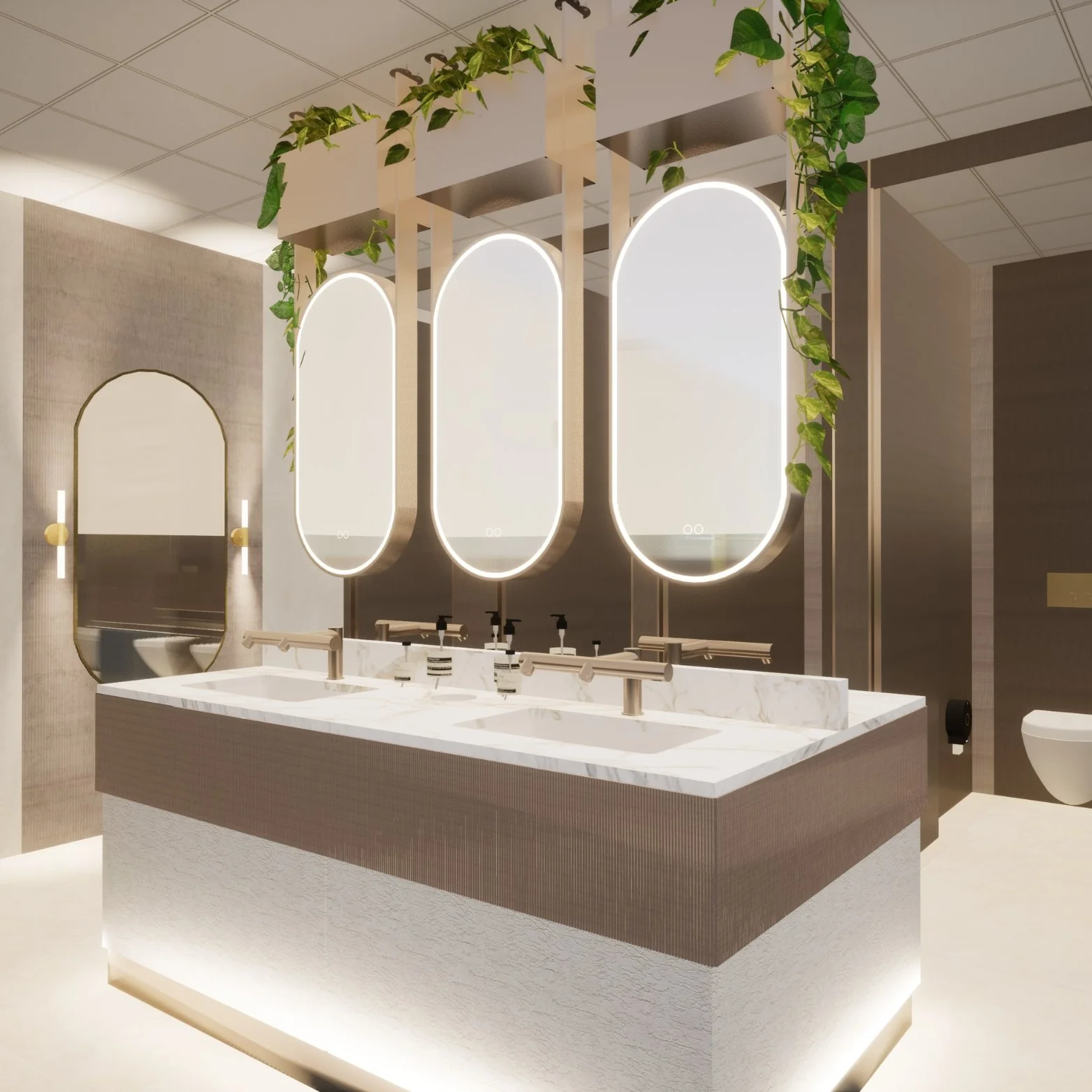
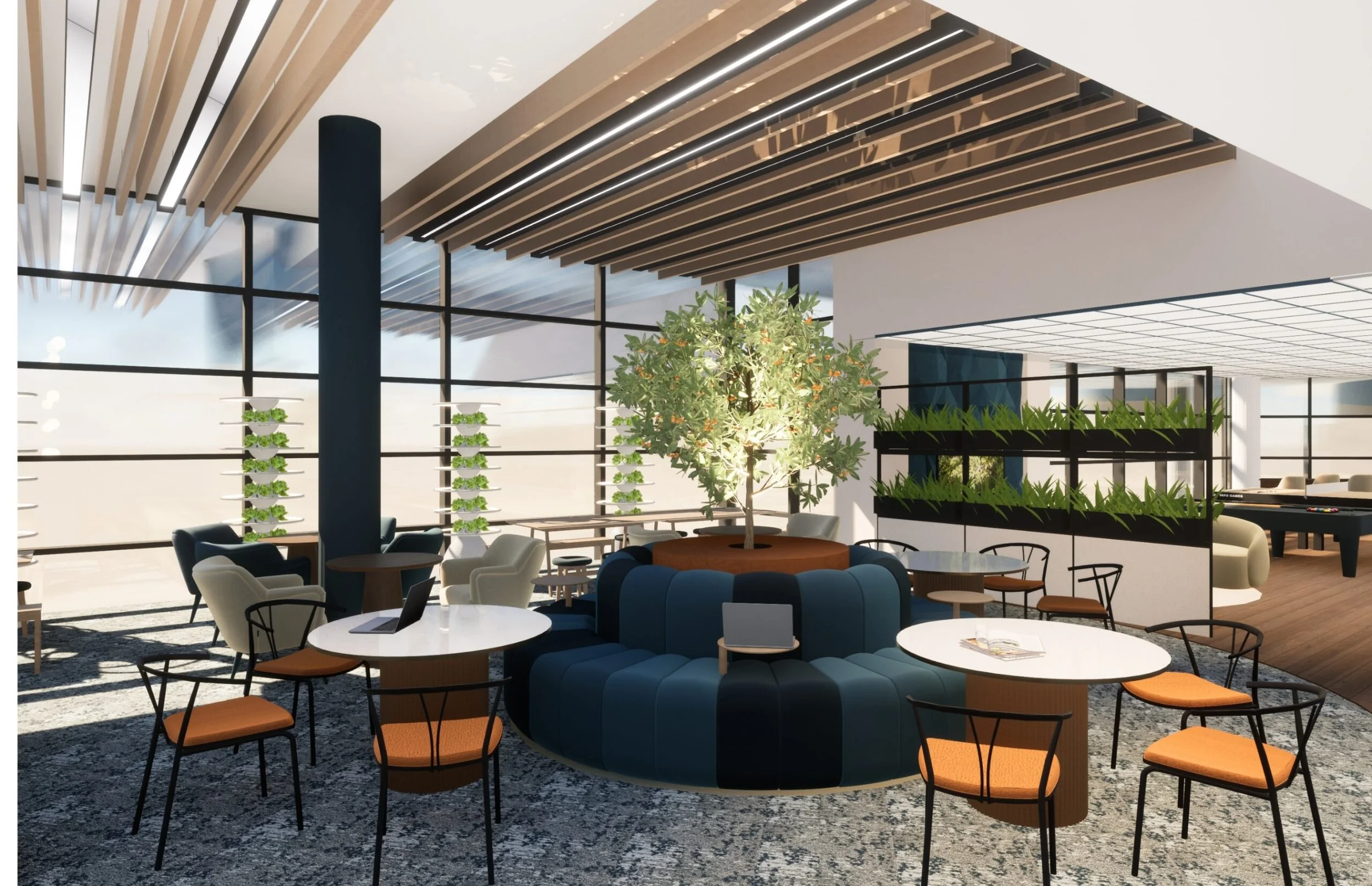
biophilic elements
balanced lighting
These don’t just make a space beautiful —
they affect mood, wellbeing, performance and brand perception.
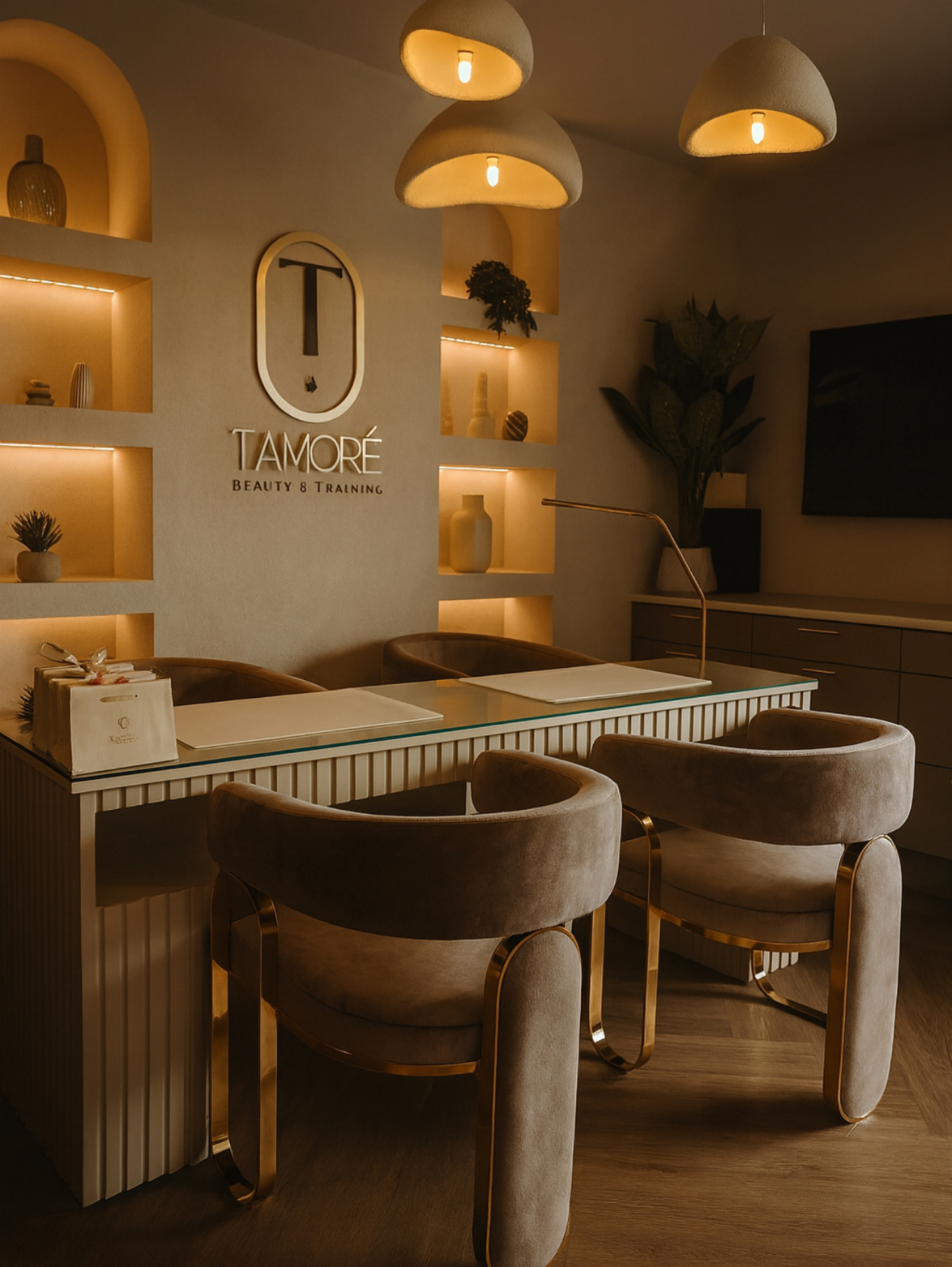
Lighting That Supports Productivity and Atmosphere
Lighting is one of the most overlooked elements in commercial design.
The wrong lighting:
causes fatigue
flattens atmosphere
affects accuracy and focus
makes the space feel clinical or dull
Great lighting layers:
natural light
ambient lighting
task lighting
accent lighting
Good lighting = good energy.
Good energy = better work, better hospitality, better experience.
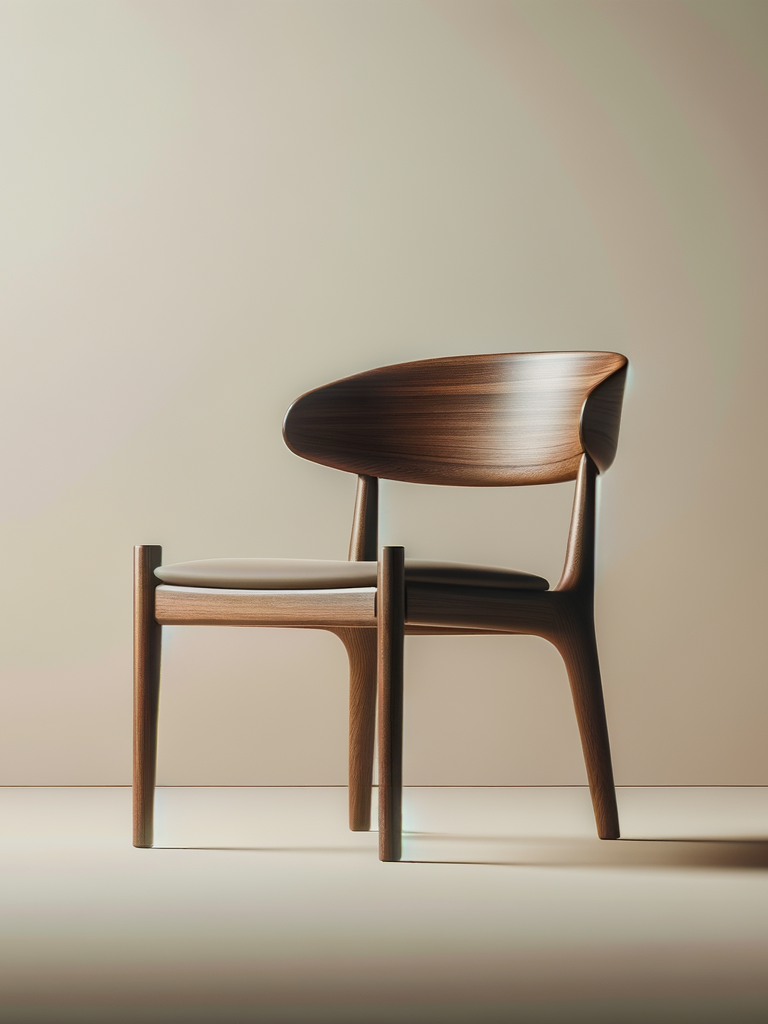
Furniture That Works, Not Just Fills Space
Ergonomics isn’t a luxury.
Furniture That Works — Not Just Fills Space
Ergonomics isn’t a luxury.
It’s essential for productivity and wellbeing.
Commercial interiors need furniture that is:
durable
ergonomic
modular
supportive of social interaction
acoustically thoughtful
compliant
Storage matters too.
Clutter is the enemy of efficiency and atmosphere.

Designing for People: Staff Wellbeing and Client Experience
This is the heart of commercial design.
Your space has two main jobs:
1. Support Your Team
People stay longer, work better and feel more motivated when a space supports them.
That means:
comfortable seating
quiet zones
greenery
lighting that doesn’t cause fatigue
acoustics that reduce stress
a layout that feels calm and considered
A well-designed workplace improves retention faster than perks ever will.
2. Impress Your Clients & Visitors
Your space is your brand’s handshake.
When someone walks in, they should instantly think:
“Professional.”
“Considered.”
“Successful.”
“Trustworthy.”
Design communicates this long before words do.
Whatever it is, the way you tell your story online can make all the difference.
Final Thoughts: What Makes a Commercial Interior Truly Great
It’s simple:
A great commercial interior is one that feels beautiful, performs brilliantly and reflects your brand with intention.
Most interiors fail because they focus on aesthetics first and strategy second.
At Shropshire Studios, we reverse that.
We design:
spaces that support people
layouts that make sense
materials that last
lighting that uplifts
acoustics that calm
moments that feel memorable
brands that feel alive
Design that works because it’s rooted in purpose.