How Interior Design Affects Staff Retention
In today’s workplace landscape, staff retention isn’t just about salary, perks or policies, it’s about the experience people have every single day in their working environment.
A well‑designed office can reduce stress, support wellbeing, boost productivity, and make people genuinely want to stay.
At Shropshire Studios, we design workplaces that feel intentional, human and high-performing spaces built around how people think, collaborate and thrive.
Here’s how thoughtful interior design directly influences staff retention, and what truly makes a great office space.
A Space That Feels Inspiring, Not Draining
People are deeply influenced by their surroundings.
If an office feels dull, cramped, noisy or outdated, morale dips.
If it feels bright, spacious and well-planned, people feel energised.
A great office space lifts the environment from “somewhere you work” to “somewhere you enjoy being”.
The design elements that influence inspiration:
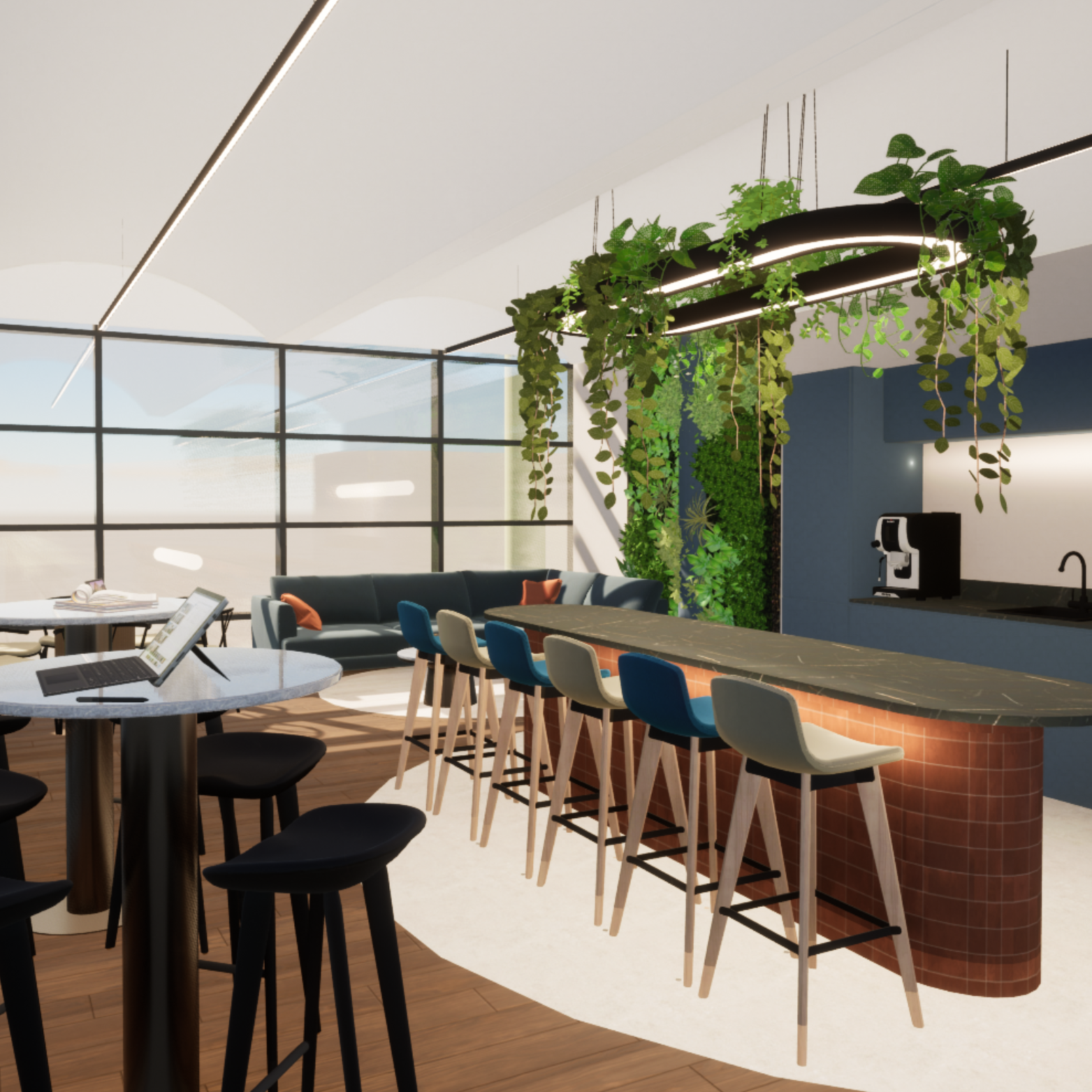
Strong natural light that improves mood and alertness
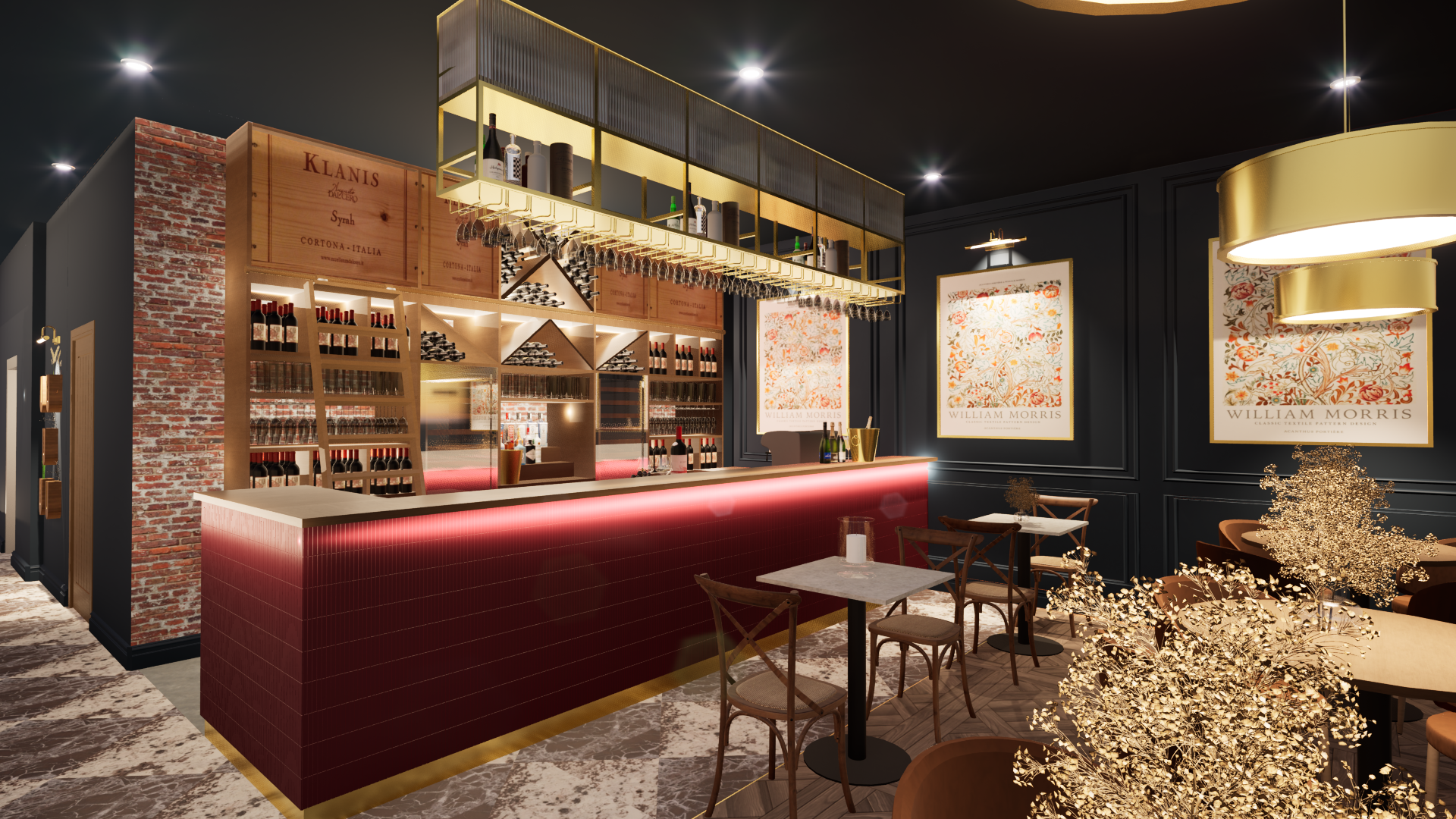
Warm, tactile materials like timber, stone, textured fabrics
Layered lighting that shifts from task to ambient
Clear sightlines that make spaces feel open and uncluttered
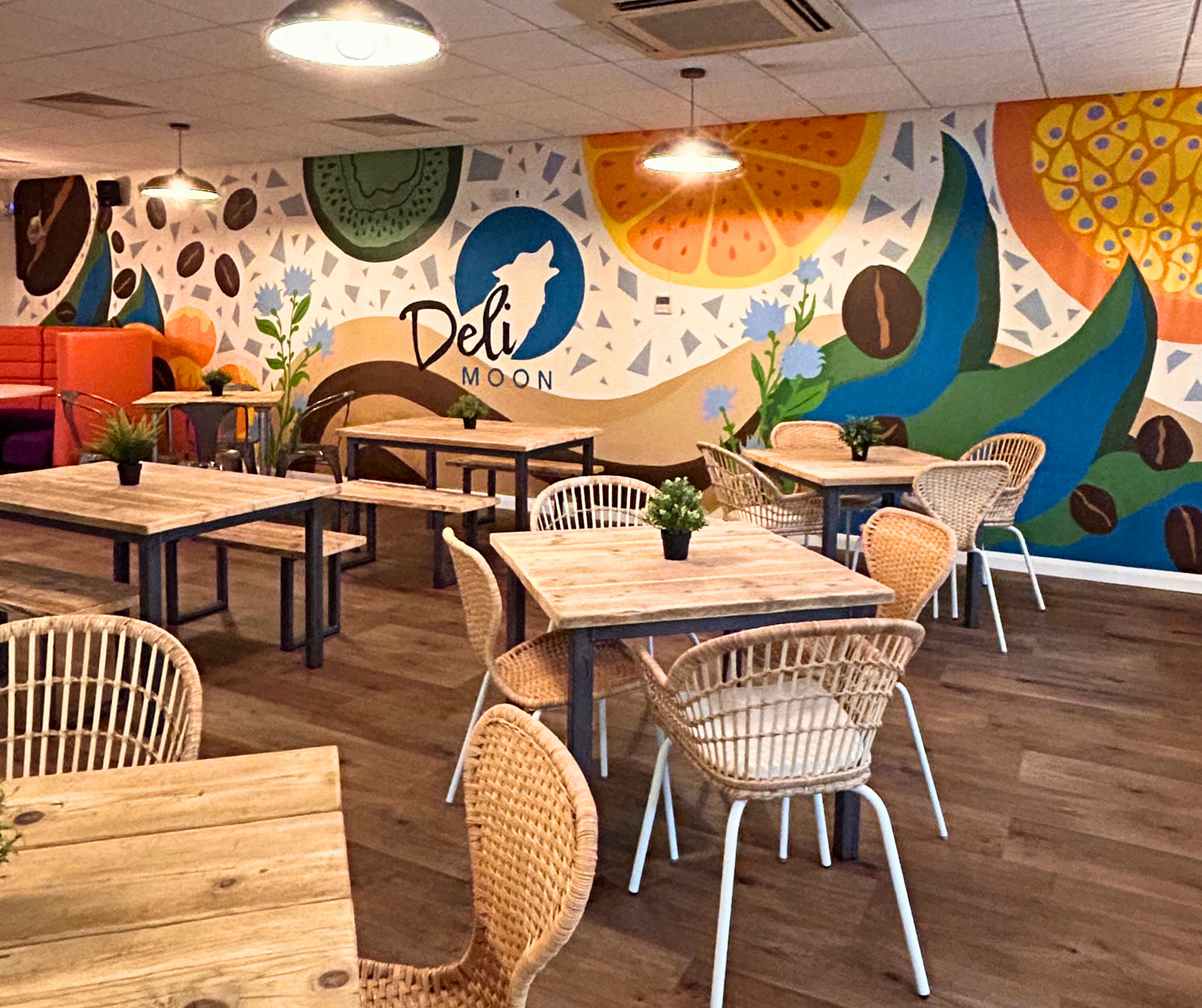
Visual moments that reflect the brand and purpose of the business
This creates a workplace identity people feel proud of — and pride is a key driver of retention.
Acoustic Comfort: Reducing Stress and Boosting Concentration
Acoustics are one of the most powerful and most overlooked factors in workplace satisfaction.
Poor acoustics lead to:
Distraction
Stress
Fatigue
Frustration
Avoidance of the office altogether
Good acoustic design does the opposite.
Acoustic essentials for a healthy office:
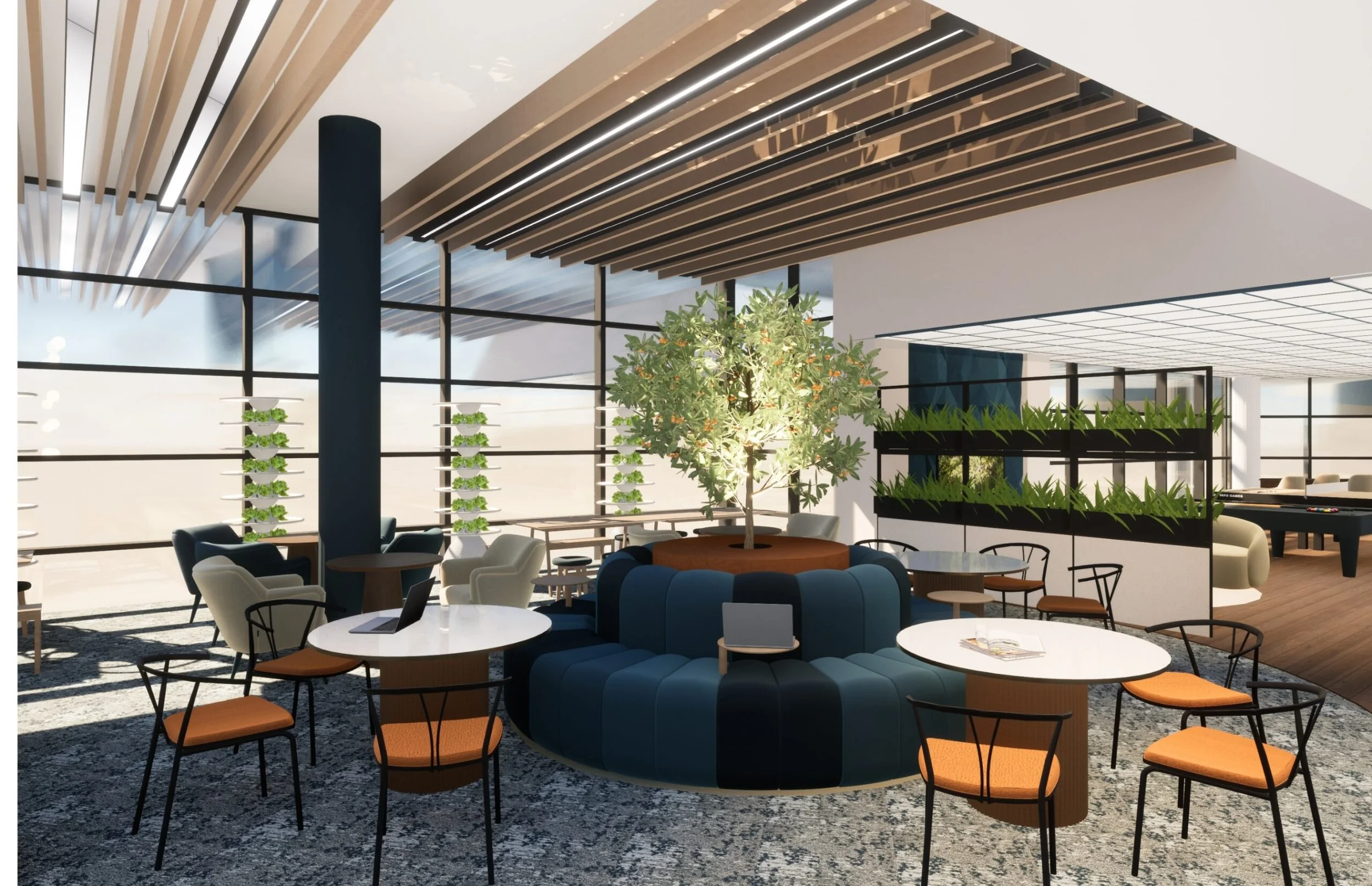
Ceiling baffles or rafts to soften echo
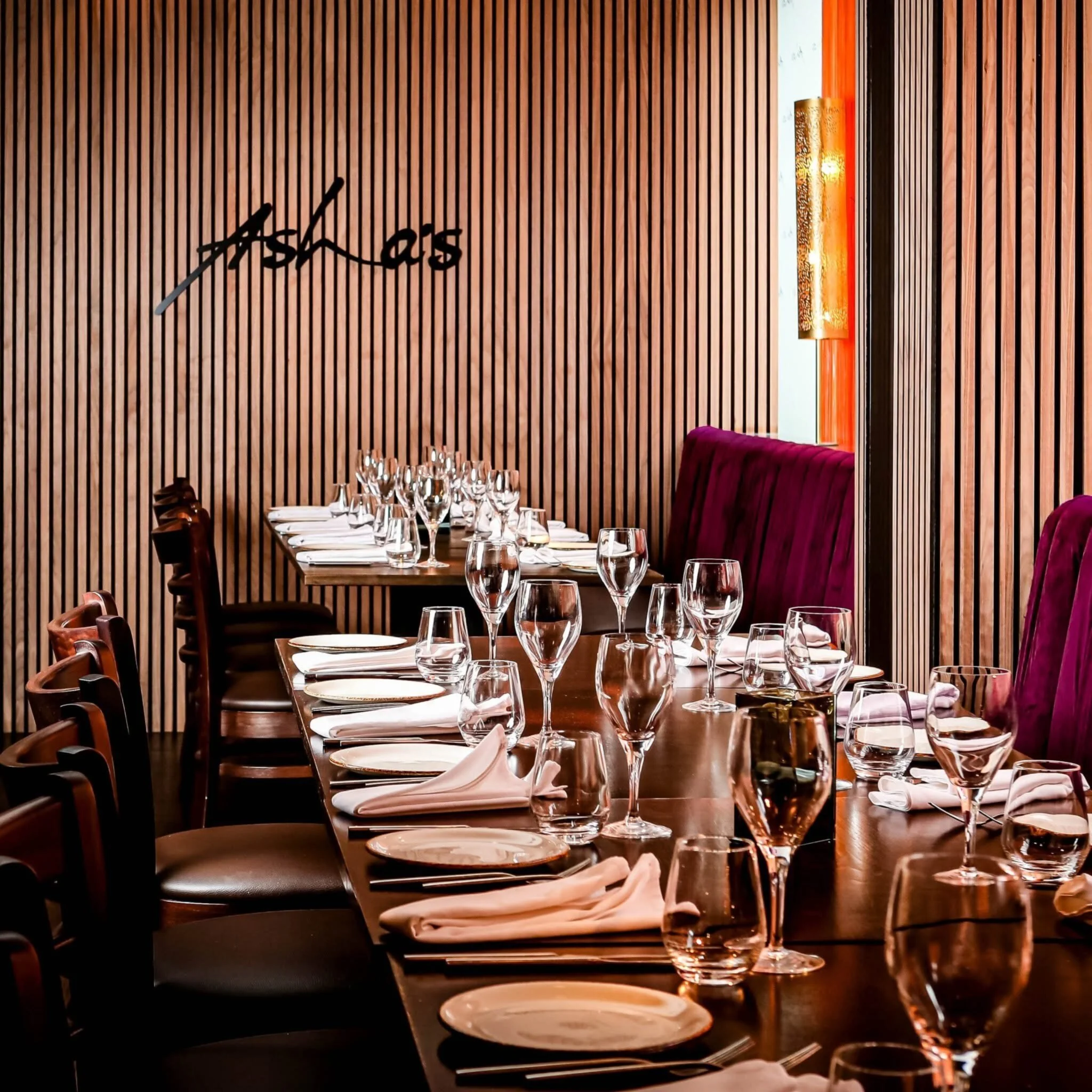
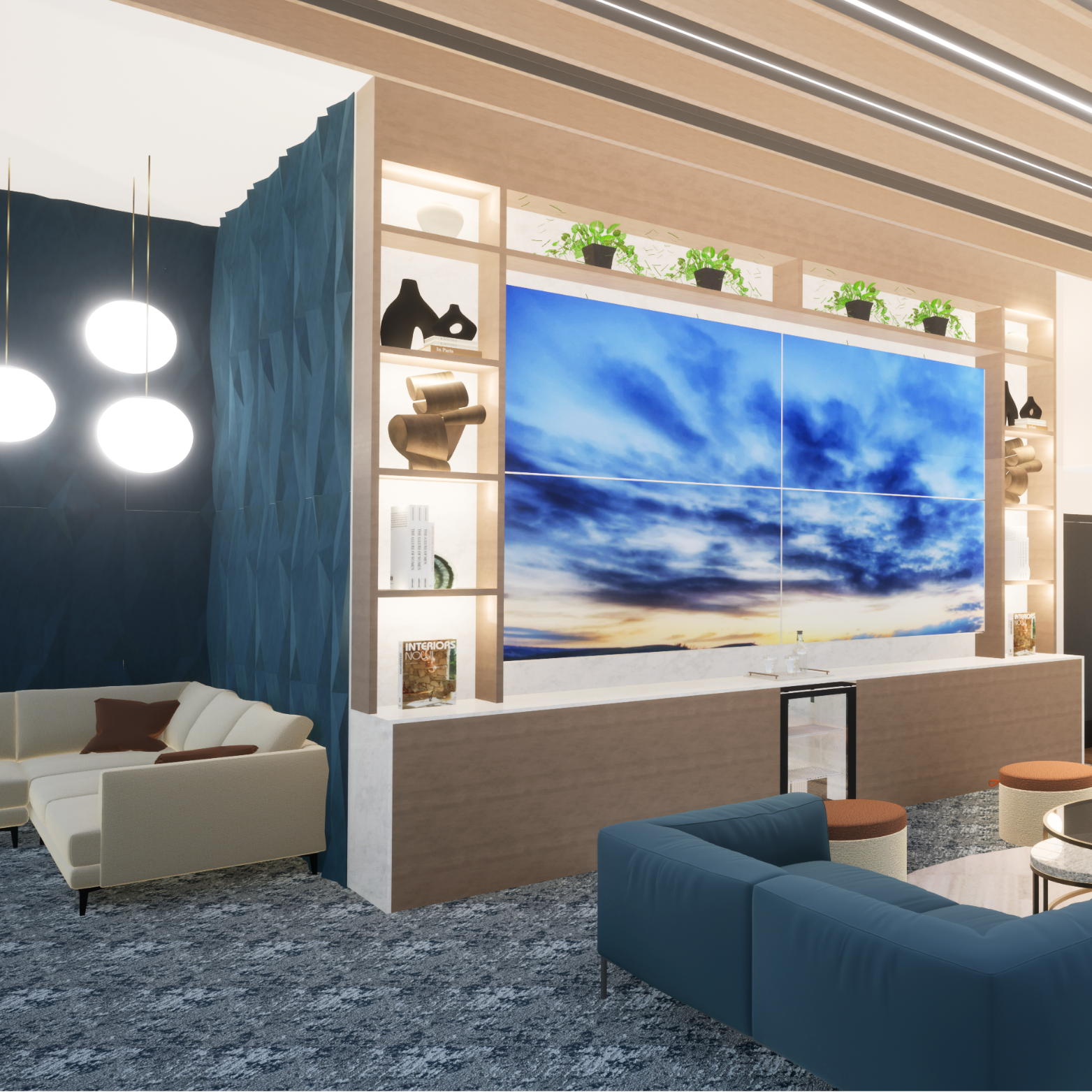
Acoustic wall panels or slatted timber
Soft flooring in high‑traffic zones
High-back seating for semi-private focus
Acoustic booths for calls and meetings
Zoning to separate loud and quiet areas
When employees feel they can actually focus, they stay longer.
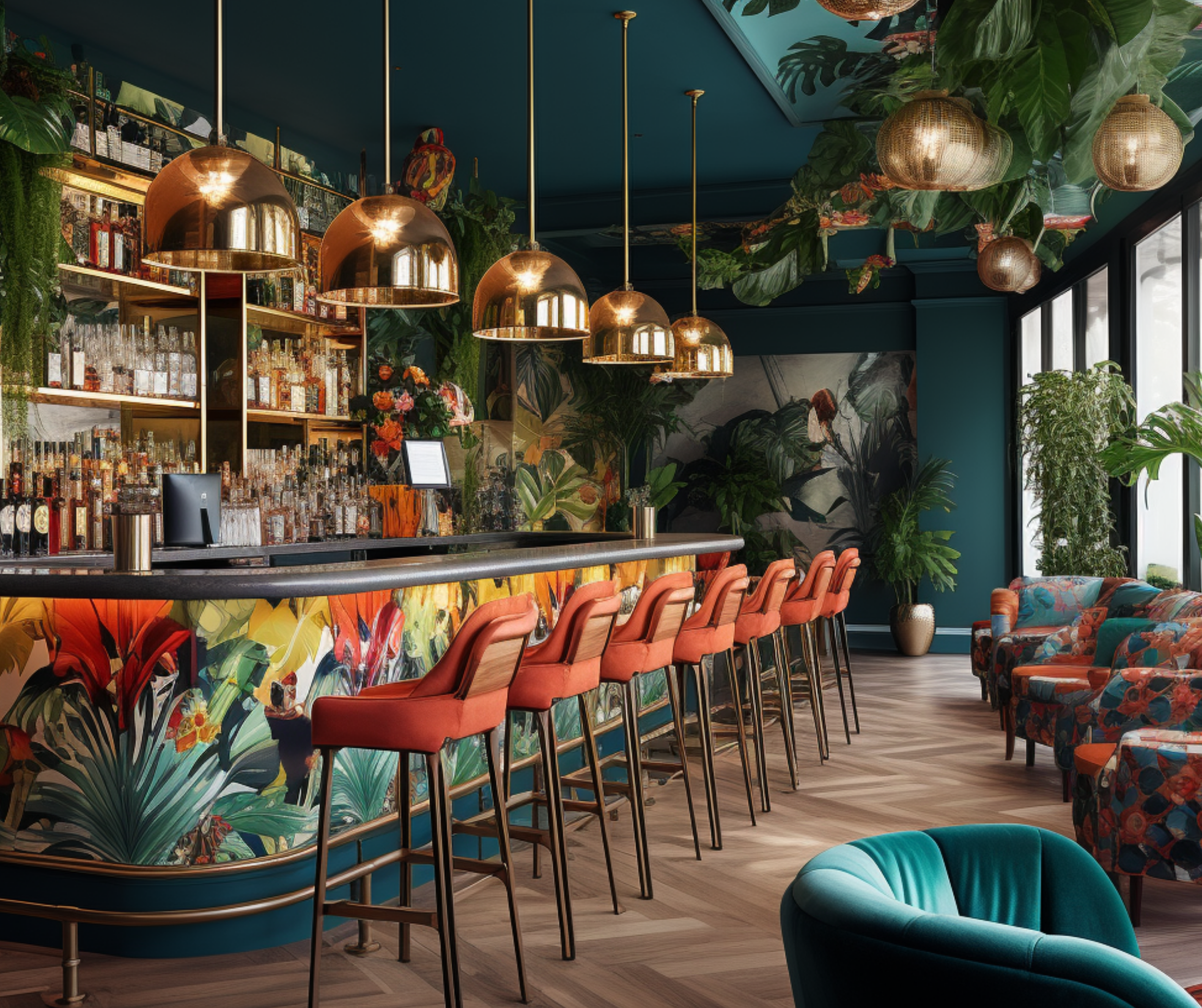
Biophilic Design: Bringing Calm Into the Workplace
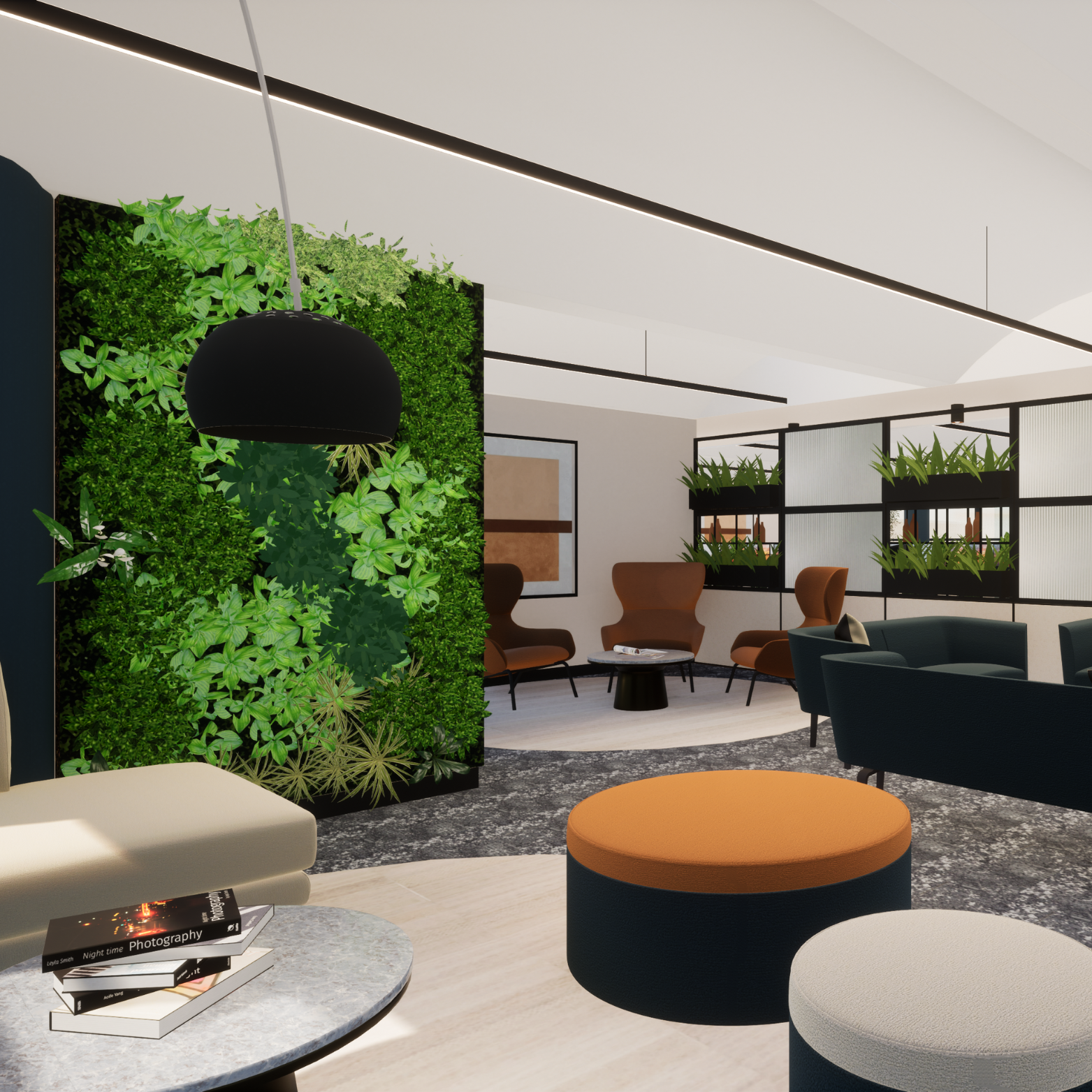
People are hardwired to connect with nature.
Biophilic design is not a trend, it’s a neurological need.
Biophilia reduces: stress, anxiety & cognitive fatigue.
And improves: creativity, focus & overall wellbeing.
Think
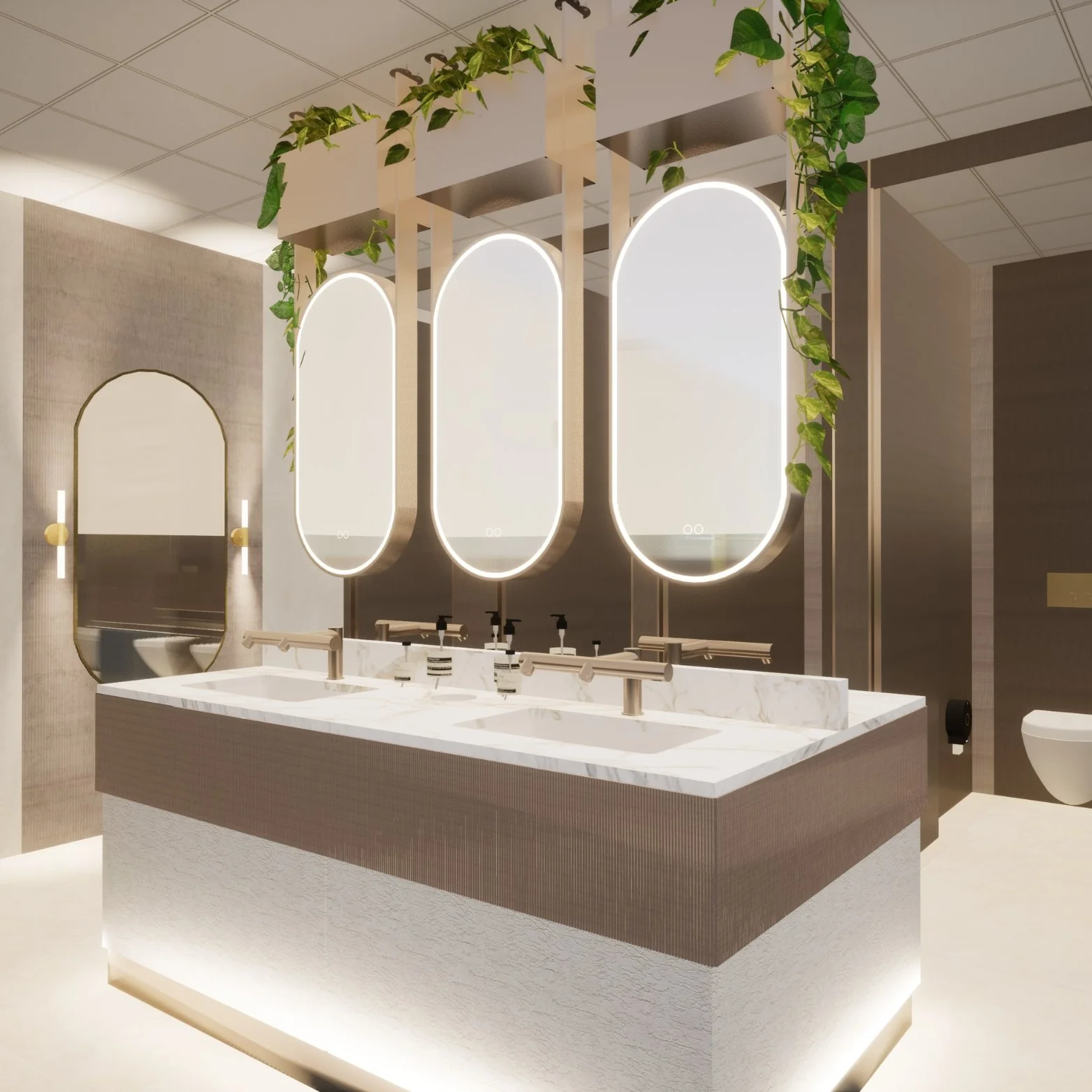
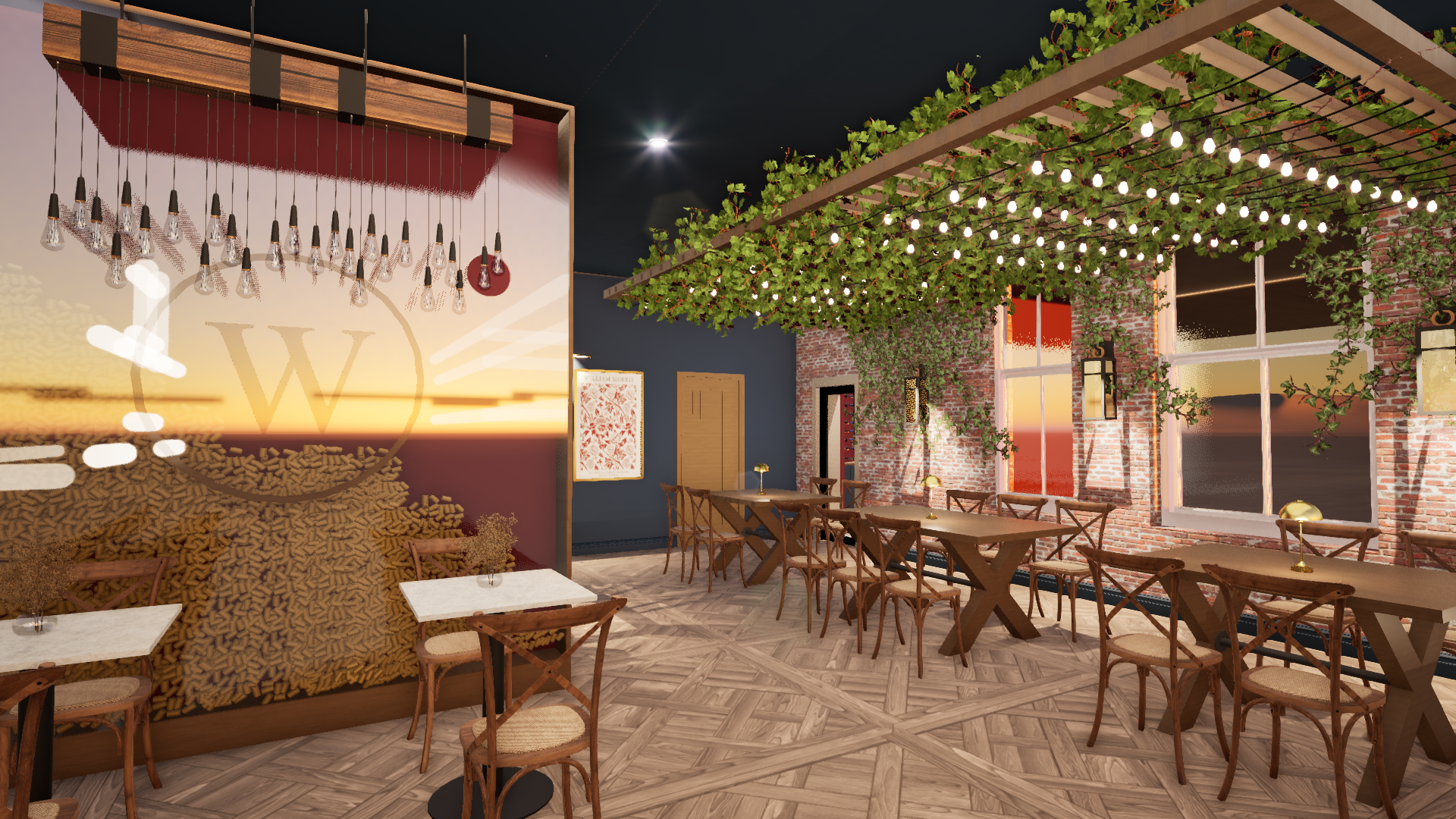
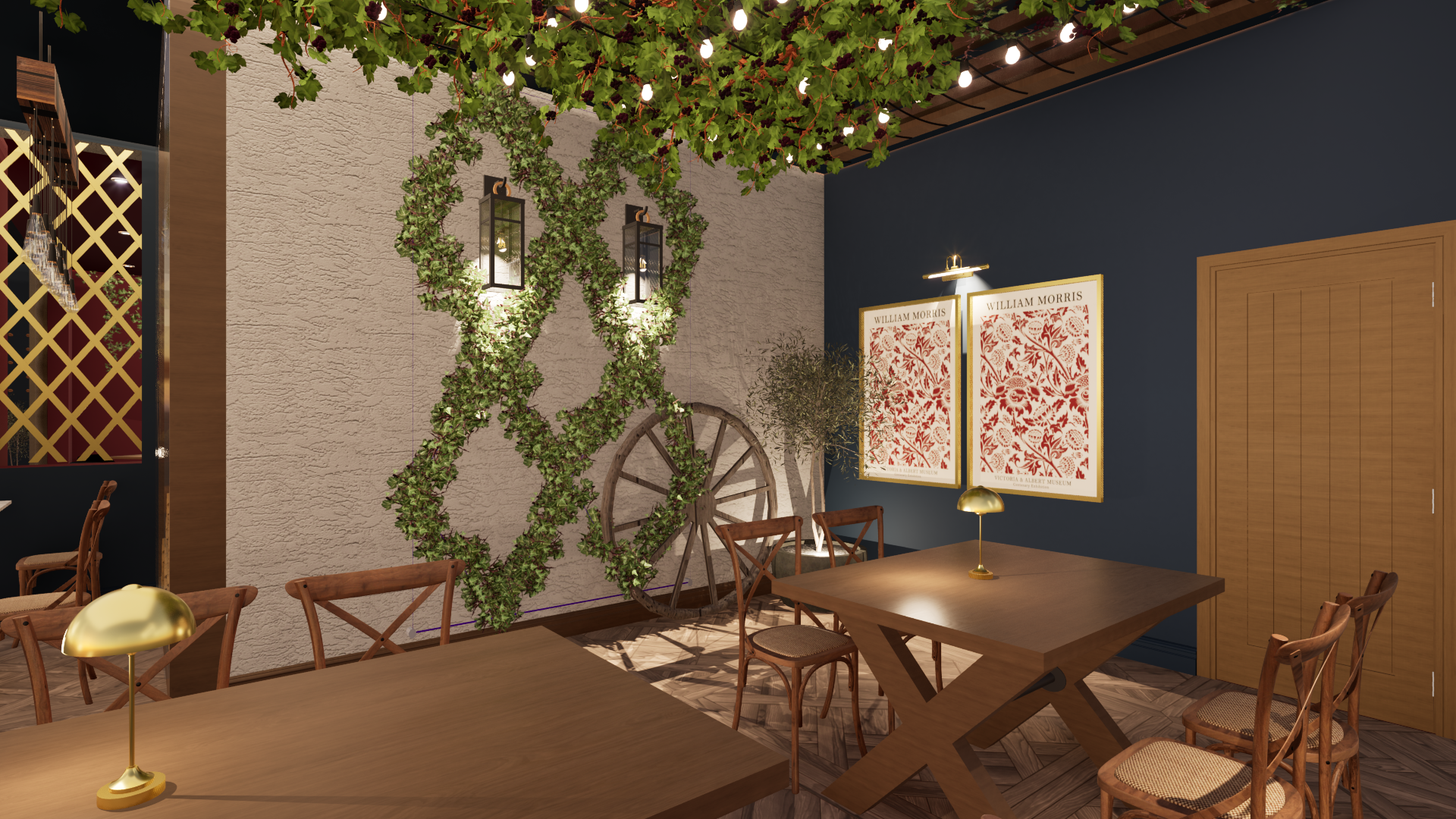
Real and preserved planting
Timber textures
Natural stone finishes
Moss features
Soft, earthy palettes
Organic shapes in joinery and furniture
A space that feels calm helps people show up as their best selves and stay in their roles longer.
Ergonomics and Comfort: The Foundation of Staff Wellbeing
No one wants to work somewhere uncomfortable every day.
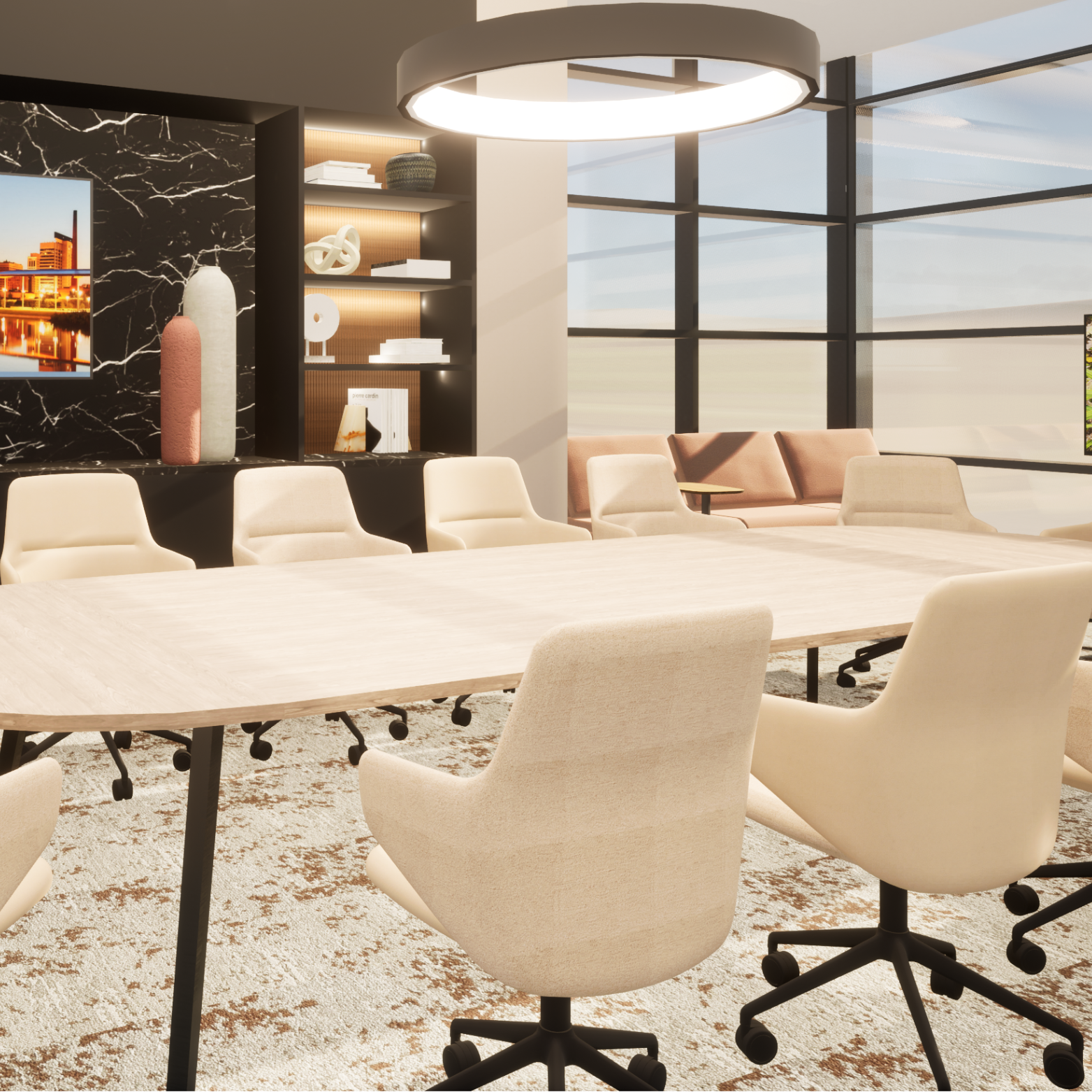
Ergonomically considered offices reduce physical strain and increase job satisfaction.
Key features include:
Adjustable desks
Supportive seating
Workstation variety
Proper lighting levels
Good thermal comfort
Thoughtful circulation and space planning
Comfort = longevity.
Brand Identity: Giving Employees a Sense of Belonging
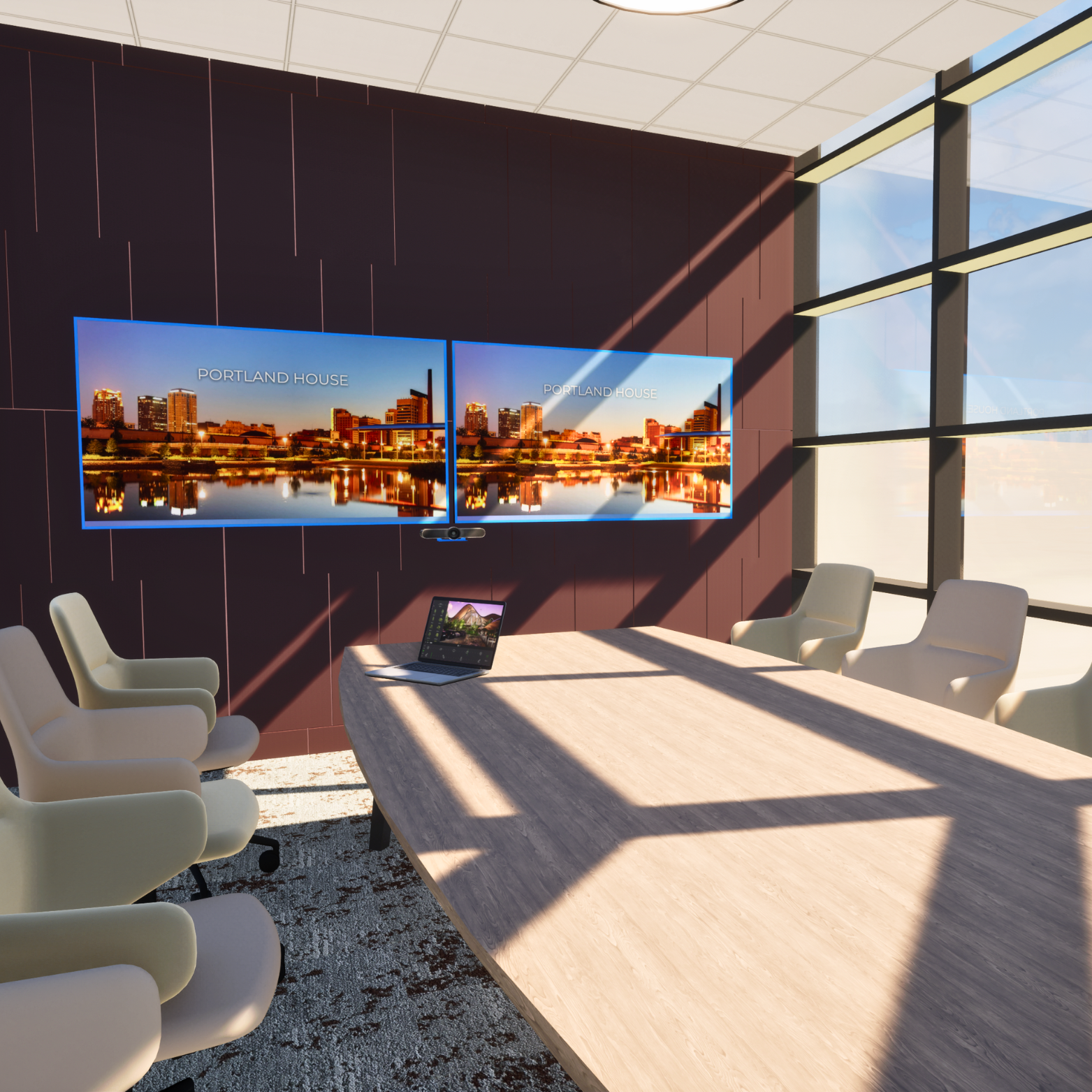
People are more engaged when their environment reflects the company’s values and culture.
Your office should feel like your brand, not a generic fit out.
Ways to embed identity:
Strategic colour choices
Branded artwork
Textured zones
Storytelling walls
Subtle motifs or details
Materiality that reflects the brand’s tone
When staff feel aligned with the space, they feel aligned with the business.
Technology That Makes Work Easier, Not Harder
A modern office should never create productivity barriers.
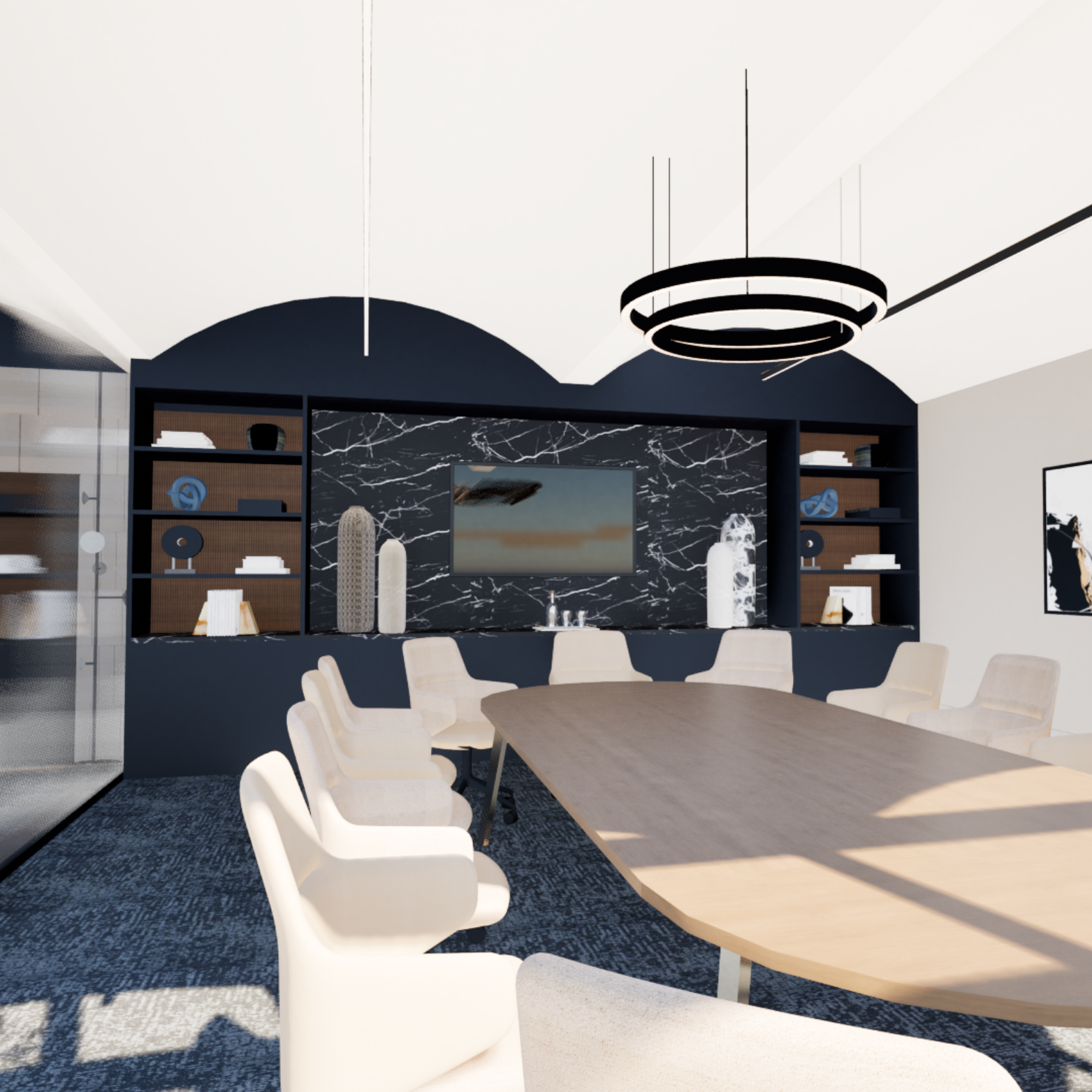
Technology should support seamless collaboration.
Essentials:
Video meeting spaces
Smart boards
Integrated AV
Reliable Wi-Fi throughout
Charging + power access everywhere
Hybrid‑friendly meeting rooms
Tech frustration is a hidden retention killer — good design solves it.
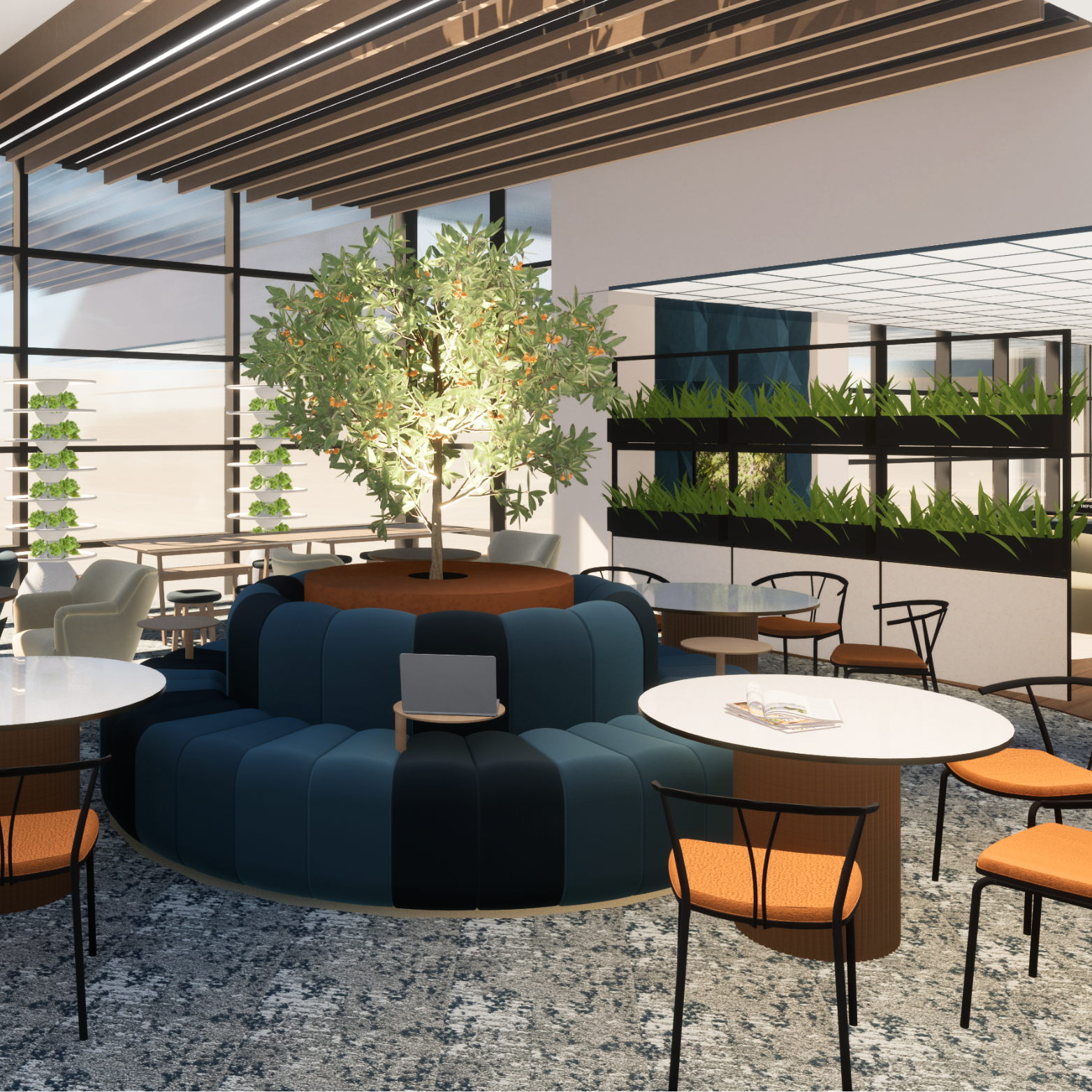
Sustainability: A Workplace With a Conscience
Today’s workforce cares deeply about environmental responsibility.
Sustainable design choices:
Energy-efficient lighting
Eco-friendly materials
Recycled acoustic panels
Low-VOC finishes
Smart heating and cooling
Thoughtful waste zones
A sustainable office signals a company that invests in the future, including the future of its people.
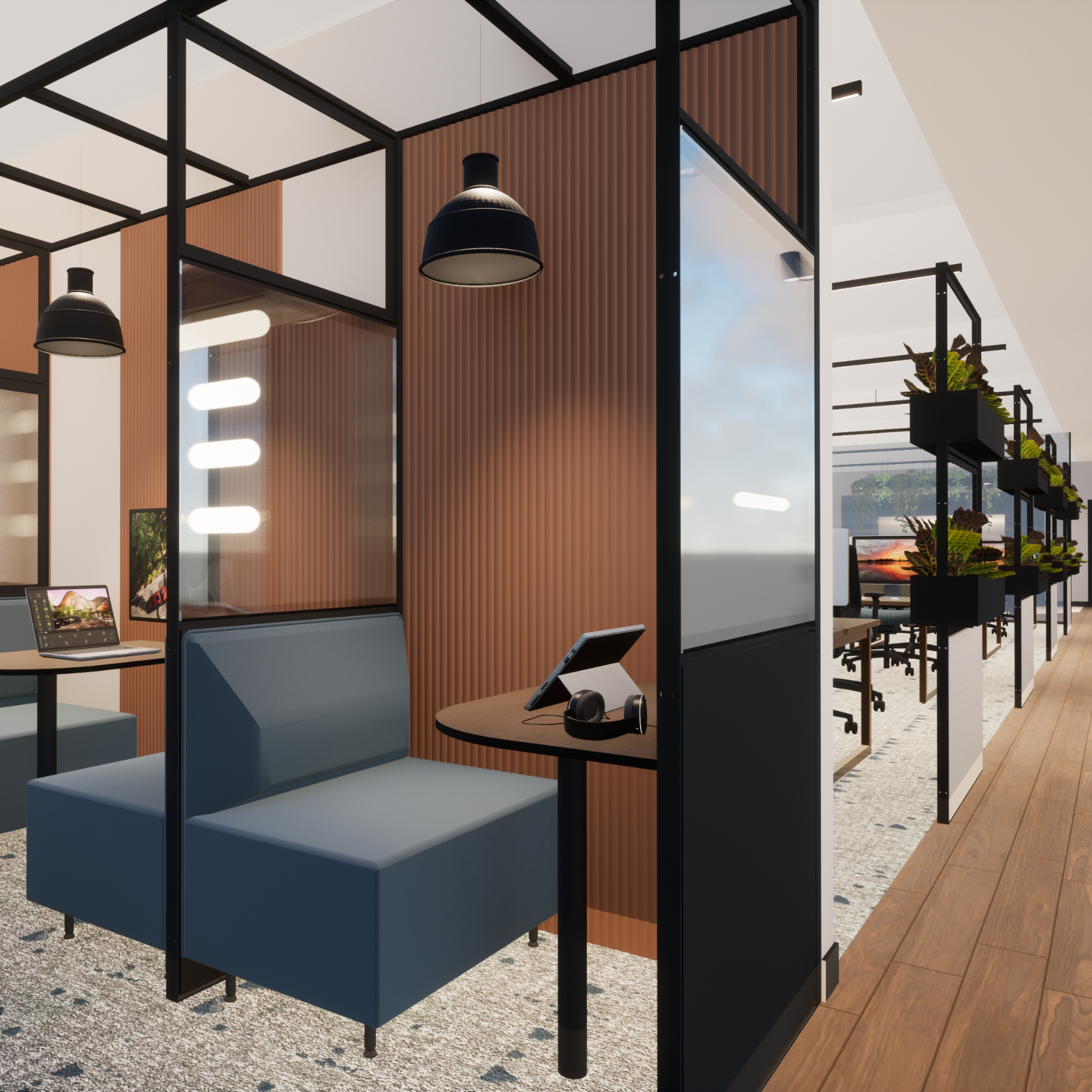
Variety of Spaces: Supporting Every Working Style
One of the largest frustrations in modern offices is lack of choice.
People need spaces that support the full spectrum of work modes:
Focus - Private booths, quiet zones, acoustic panels, soft surfaces, controlled lighting.
Collaboration - Shared tables, project rooms, writable walls, flexible seating.
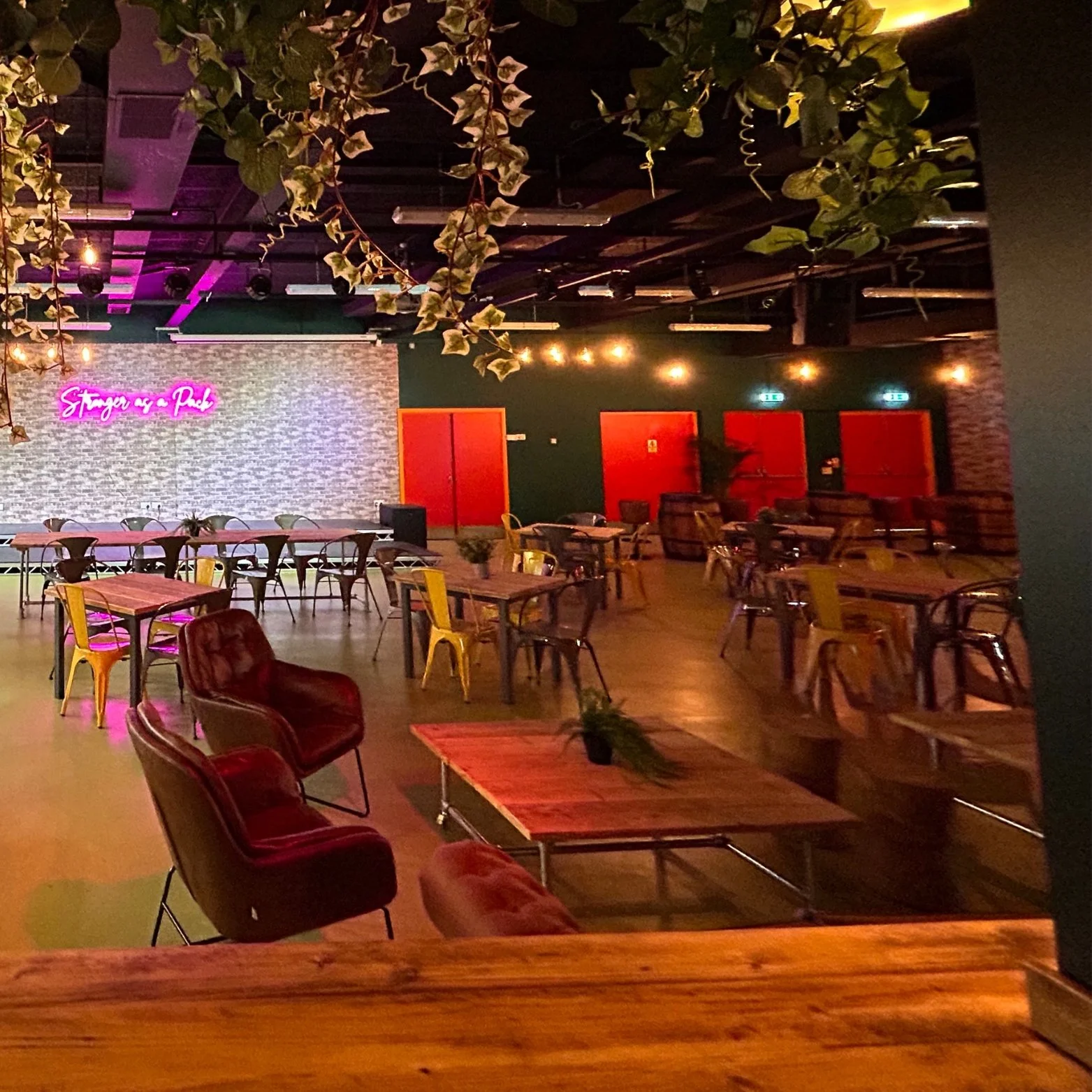
Connection - Social spaces, breakout areas, kitchen hubs that encourage community.
Recharge - Calm corners, soft seating, greenery, wellness rooms. A single layout cannot serve every task — but a blended, zoned environment can.
This variety helps different personalities feel supported, from introverts to extroverts, from strategists to creatives.
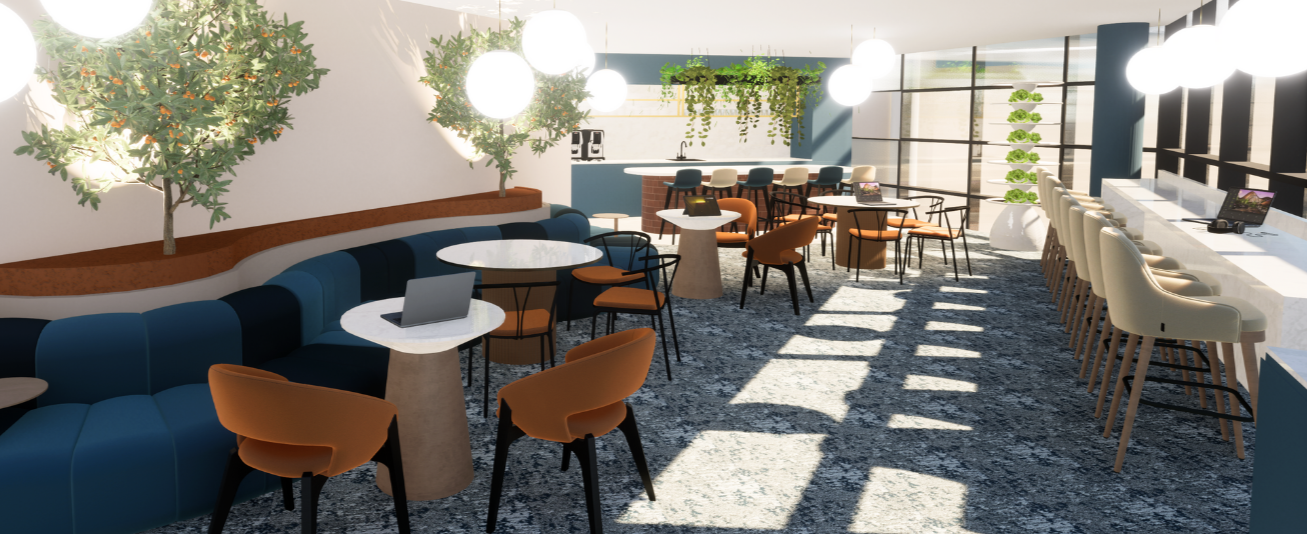
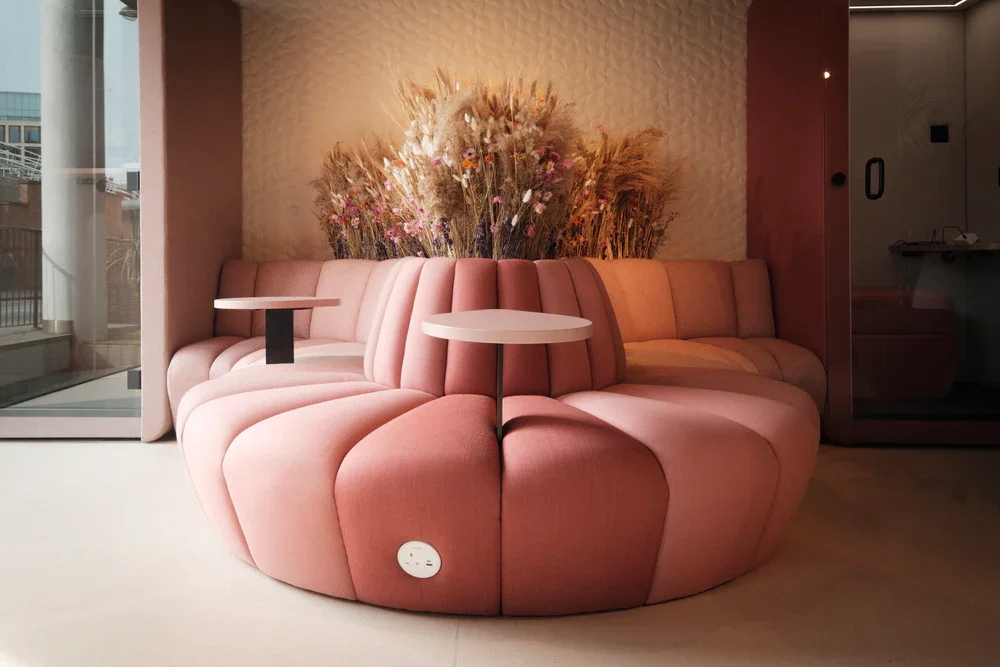
Why Breakout Spaces Matter
Breakout spaces play a crucial role in creating a healthy, high‑performing workplace. They support wellbeing, encourage connection and help staff feel genuinely valued.
Breakout spaces are important because they:
Reduce stress by giving employees a place to pause, reset and step away from their desks
Strengthen team relationships through informal conversations and natural, relaxed interaction
Boost creativity by offering a change of scenery that helps spark new ideas
Prevent burnout with softer, slower spaces that support a healthier work rhythm
Encourage collaboration outside of formal meeting rooms, where discussions often flow more freely
Create a sense of belonging by showing staff the company cares about their wellbeing, not just their output
Breakout spaces aren’t just social areas they’re strategic environments that support retention, culture and everyday performance.
Why Interior Design Has Become a Staff Retention Strategy:
A well designed office reduces stress, supports wellbeing, boosts productivity and strengthens company culture. It encourages real collaboration, attracts the right talent and gives hybrid workers a genuine reason to return. Ultimately, great design isn’t a luxury, it’s a powerful business tool that keeps people motivated, connected, inspired and loyal.