How to a Choose Compliant Flooring for High Traffic Areas
In any well designed space, flooring does far more than simply “finish” a room.
It sets the tone, supports the function, and particularly in high-traffic environments quietly determines how well that space performs over time.
Yet, one of the most common mistakes we see in both residential and commercial projects is flooring being chosen purely on aesthetics.
It looks right.
It feels right.
But six months in, it’s worn, marked, or no longer fit for purpose.
The reality? In high-traffic areas, flooring must work harder and smarter.
This is where compliance, durability, and design need to align.
What Is a High Traffic Area?
Before specifying materials, it’s important to define the environment.
High-traffic areas are spaces that experience consistent, repeated use. These aren’t occasional-use rooms—they’re the backbone of a building’s daily movement.

In residential settings, this typically includes:
Hallways and entranceways
Kitchens and open-plan living areas
Staircases
In commercial environments:
Reception areas
Corridors and circulation spaces
Retail floors
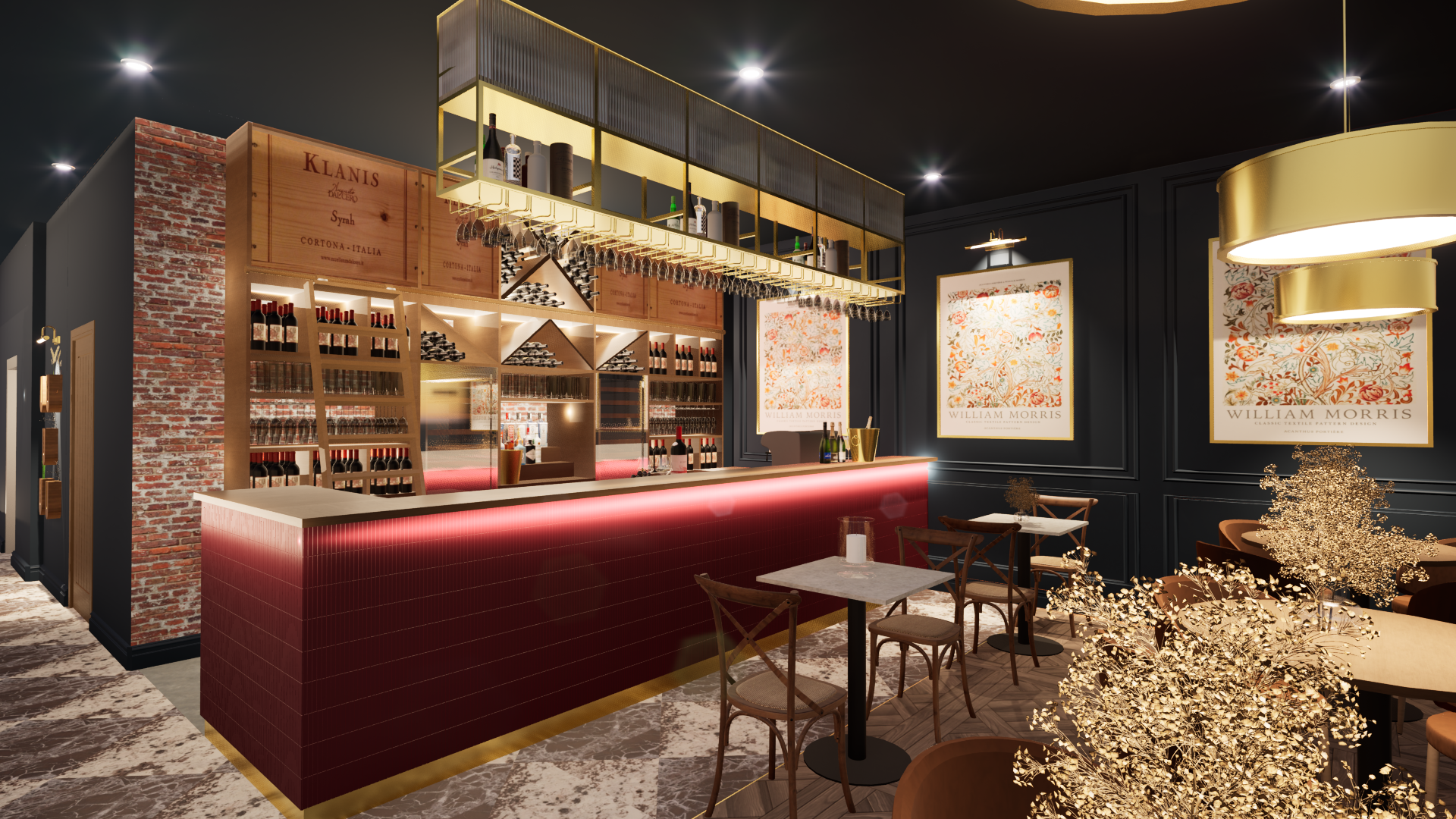
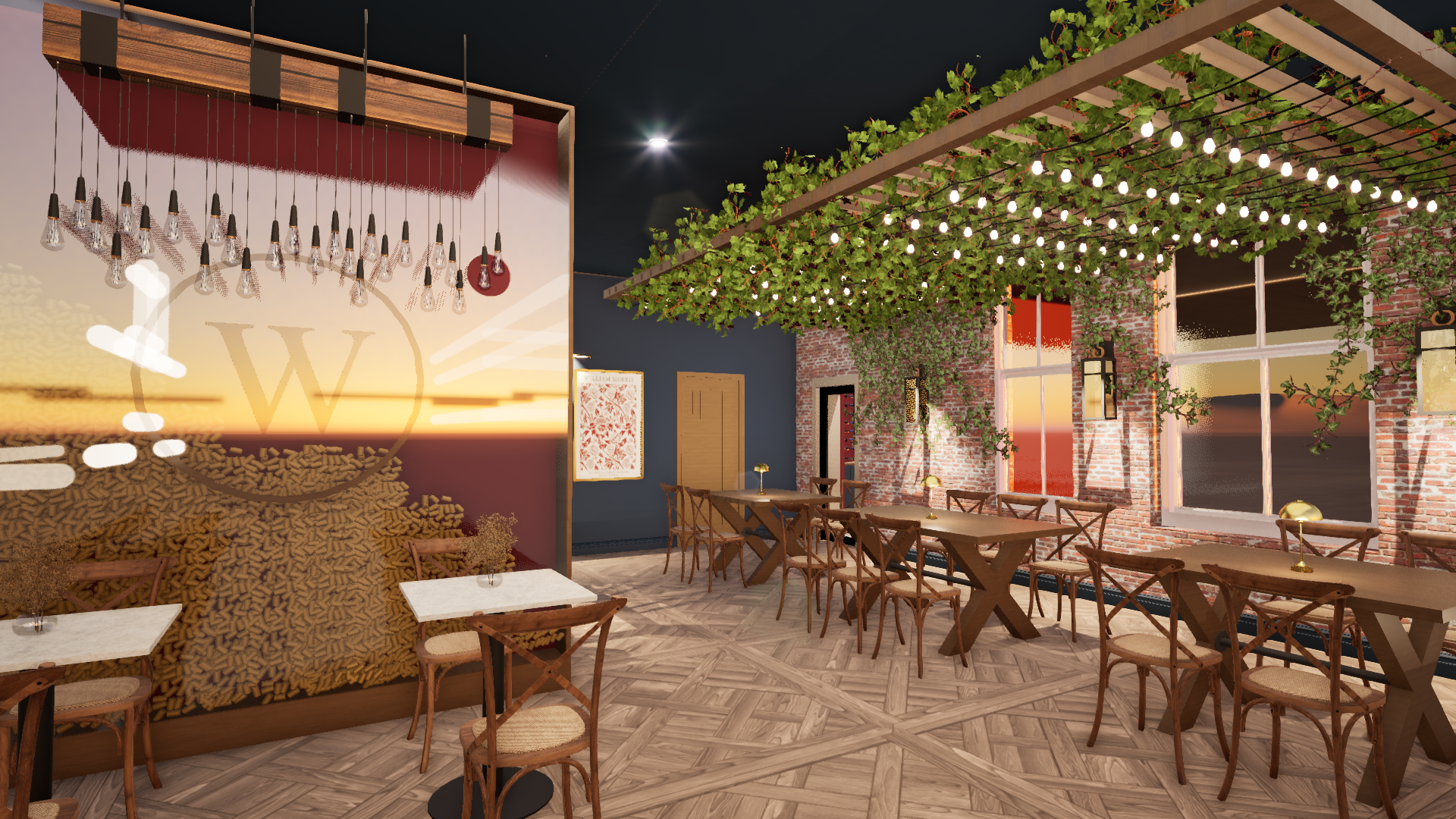
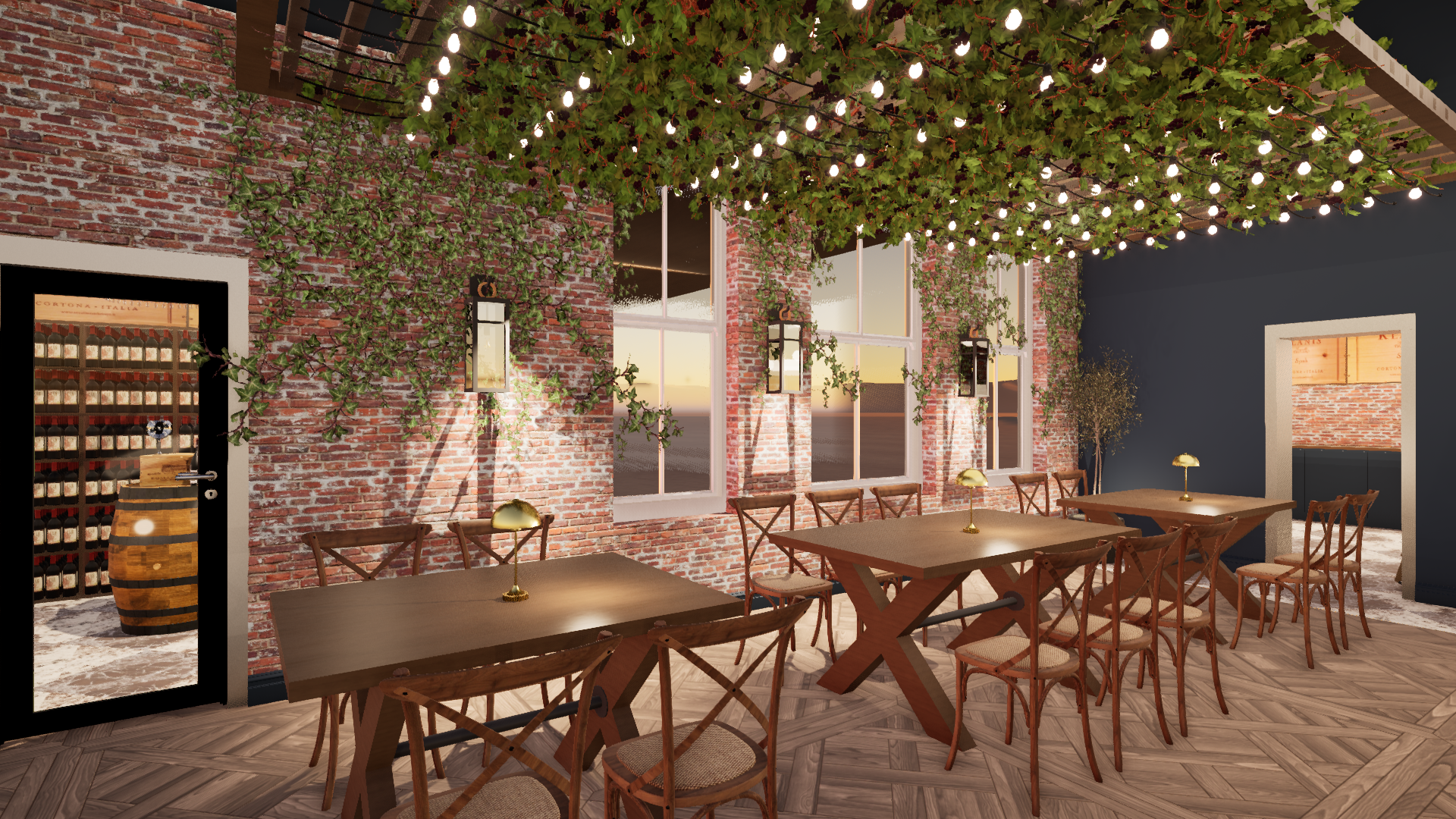
Hospitality venues
Offices with high occupancy
These areas are subject to constant footfall, furniture movement, and often moisture or debris from outside. As such, flooring needs to be selected with longevity and compliance in mind not just appearance.
Why Compliance Matters
In commercial and public-facing spaces, flooring isn’t just a design choice — it’s a regulatory one.

Key considerations include:
Slip resistance (particularly in wet or transitional areas)
Fire performance ratings
Durability classifications
Accessibility requirements (including transitions and thresholds)
Failure to meet these standards doesn’t just impact performance — it can create safety risks and legal liabilities.
Good design isn’t just about how a space looks. It’s about how it performs under pressure.
What Makes a Floor Suitable for High Traffic?
A well-specified floor in a high-traffic space should achieve a balance of:
Durability
It must withstand constant wear without deteriorating in appearance or structure.
Slip Resistance
Particularly critical in entrances, kitchens, and commercial settings where safety is non-negotiable.
Ease of Maintenance
If it’s difficult to clean, it won’t stay looking good simple as that.
Moisture Resistance
Water, spills, and tracked-in dirt are inevitable. The flooring should be designed to handle it.
Aesthetic Longevity
Not just how it looks on day one, but how it ages over time.
Flooring Options That Work
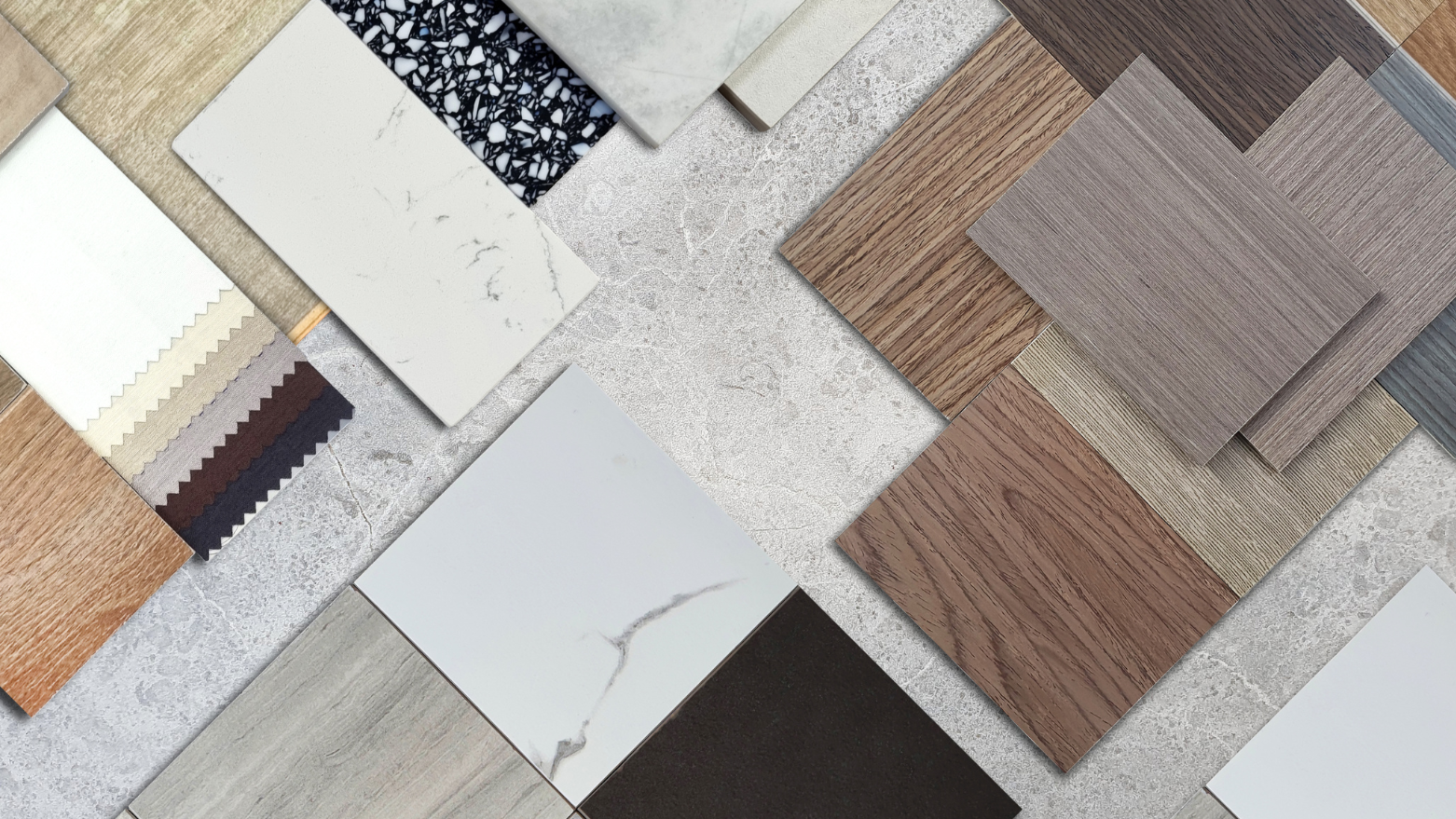
There’s no one-size-fits-all solution. The right material depends on the space, usage, and desired finish. However, a few options consistently perform well:
Porcelain & Ceramic Tiles
Highly durable, water-resistant, and easy to maintain. Ideal for both residential and commercial high-traffic areas, particularly where longevity is key.
Luxury Vinyl Tile (LVT)
A versatile, resilient option that offers strong durability with added comfort underfoot. It’s particularly effective in commercial environments where both performance and aesthetics matter.
Laminate Flooring
A cost-effective solution that has improved significantly in recent years. Suitable for moderate traffic areas, though care should be taken in moisture-prone spaces.
Engineered Wood (Used Carefully)
While visually appealing, timber requires careful specification in high-traffic areas. Engineered options with robust finishes can work well in controlled environments such as offices or reception areas—but less so in heavy-use commercial zones.
Designing for the Space, Not Just the Spec
Choosing the right flooring isn’t just about picking a material, it’s about understanding how the space will be used.
Ask the right questions early:
How many people will use this space daily?
Will it be exposed to water or dirt?
What level of maintenance is realistic?
Does the flooring need to meet specific regulations?
A retail environment, for example, demands something very different to a residential hallway—even if both are “high traffic.”
Design should always respond to context.
The Role of Detail
Even the best flooring can fail if the detailing isn’t considered.
Transitions between materials, edge protection, subfloor preparation, and installation quality all play a critical role in long-term performance.
Similarly, incorporating:
Entrance matting systems
Protective finishes
Correct cleaning regimes
…can significantly extend the lifespan of the floor.
It’s not just what you choose — it’s how you implement it.
A Smarter Approach to Flooring
Too often, flooring is treated as a finishing touch — something to be decided late in the process.
In reality, it should be considered from the outset.
Because when specified correctly, flooring:
Enhances safety
Supports compliance
Reduces long-term maintenance costs
Elevates the overall quality of a space
And when it’s not?
It becomes one of the most expensive mistakes to fix.
Final Thoughts
High-traffic areas demand more—from materials, from design, and from decision-making.
Choosing compliant, durable flooring isn’t about compromise. It’s about creating spaces that look good, perform well, and stand the test of time.
Because great design isn’t just seen.
It’s experienced — every single day