How Golf Clubs Can Increase Bar Revenue Through Interior Design
There was a time when the clubhouse bar was a given.
Finish your round, head inside, order a drink. Simple.
But that behaviour is changing.
Today’s golfers are time-poor, experience-driven, and increasingly selective about where they spend their money. If the clubhouse doesn’t offer something compelling, they won’t stay. They’ll head home, back to a hotel, or somewhere that simply feels more inviting.
Which means one thing:
Bar revenue is no longer guaranteed — it has to be designed for.
The Shift From Habit to Choice
Historically, clubhouses relied on routine. Members stayed because that’s what you did.
Now, staying is a decision.
And that decision is influenced less by the drinks menu—and far more by the environment itself.
If the space feels outdated, uncomfortable, or lacking atmosphere, it creates friction. Even subconsciously, it encourages people to leave.
On the other hand, a well-designed bar environment does the opposite.
It draws people in.
It encourages them to linger.
And ultimately, it increases spend.
Atmosphere Drives Behaviour
But one of the most powerful drivers is often overlooked — the space itself.
Atmosphere isn’t accidental. It’s designed.
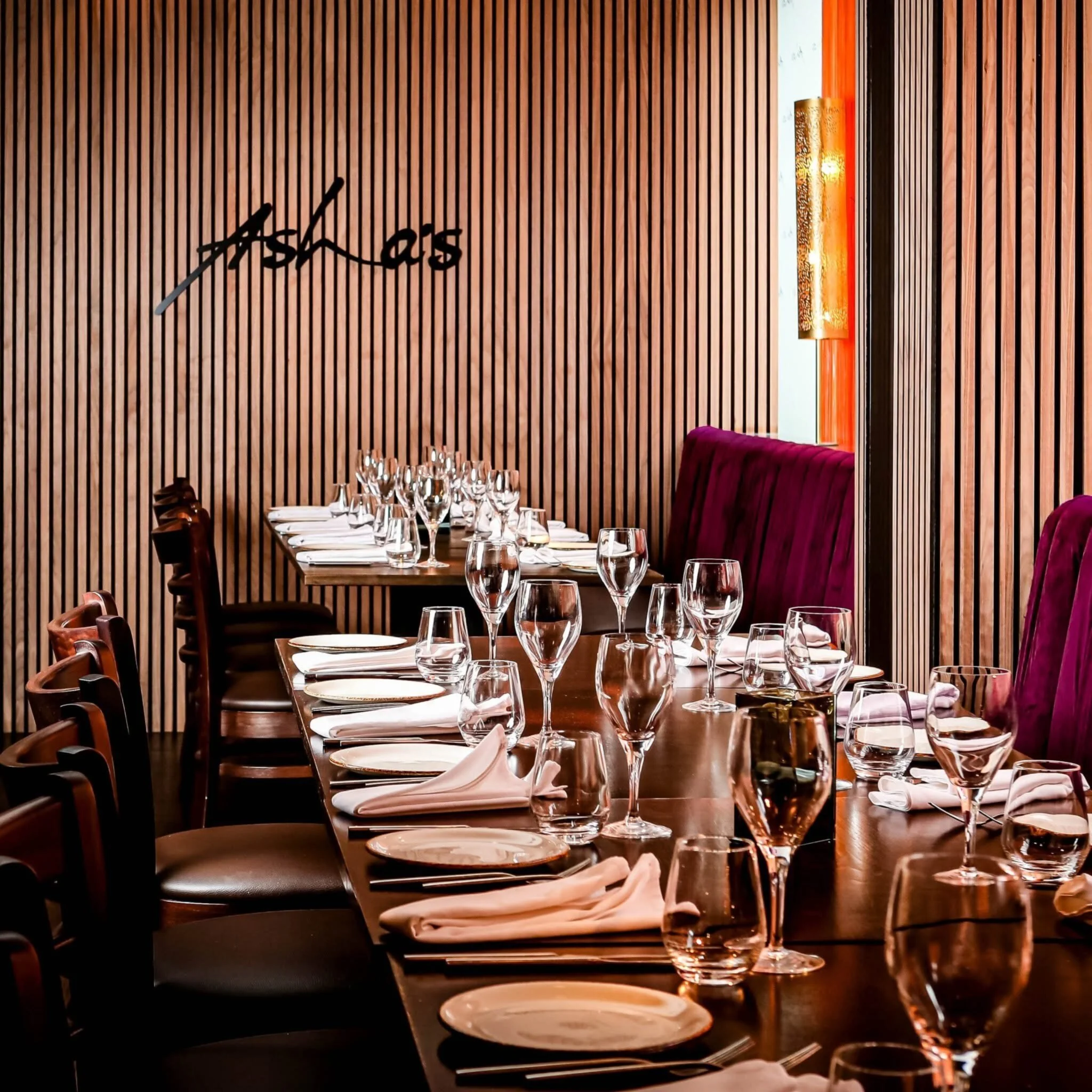
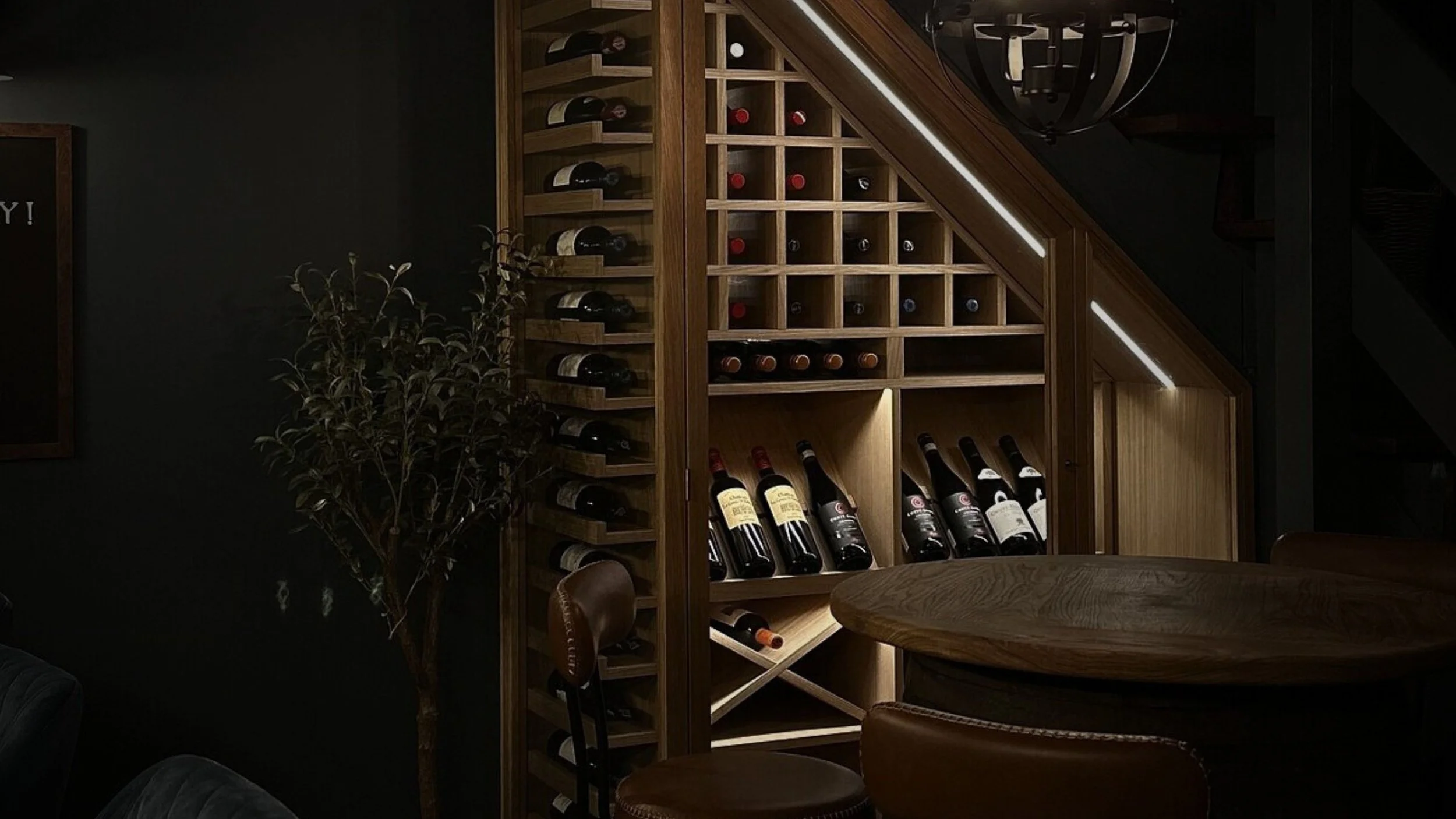
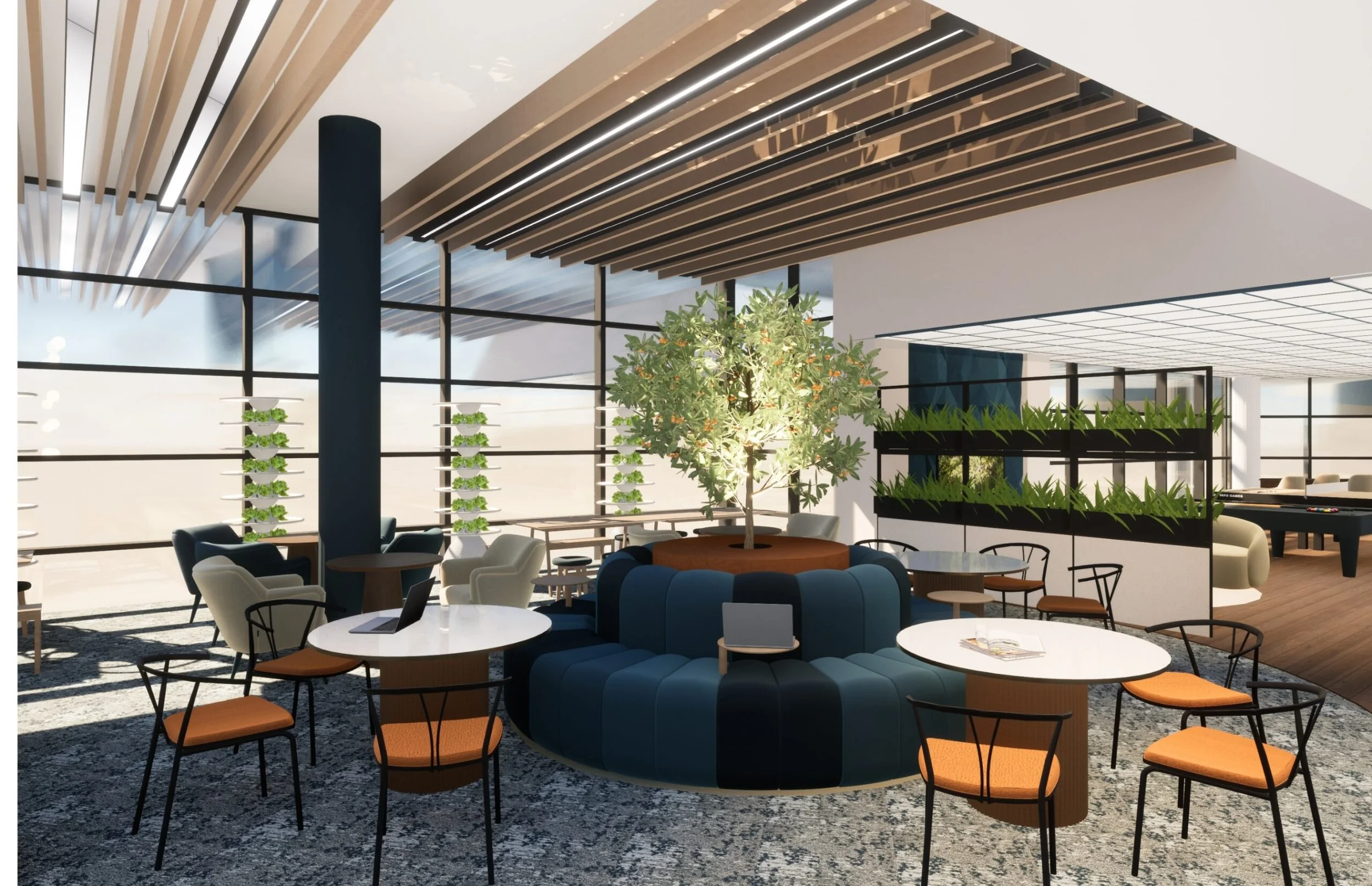
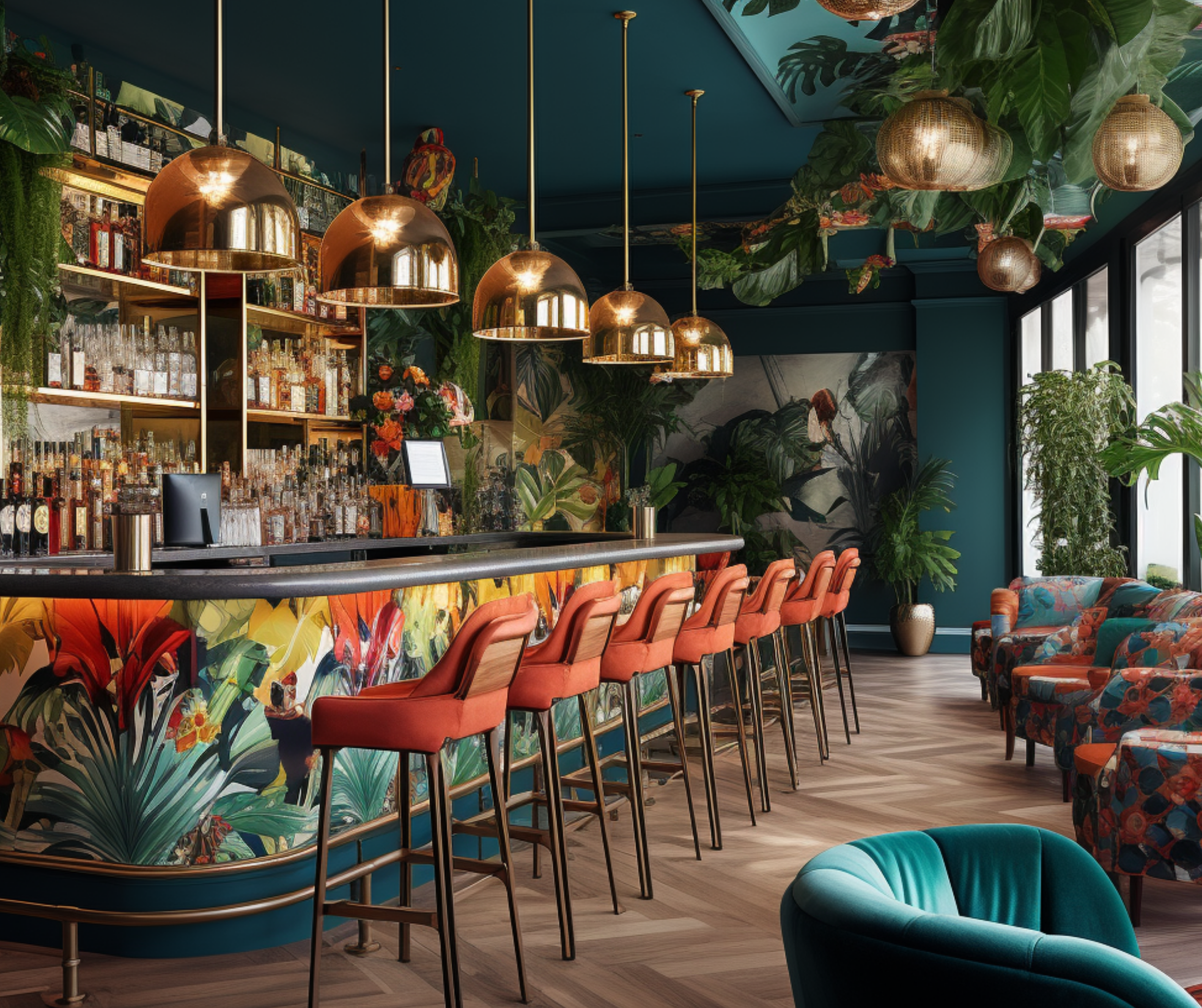
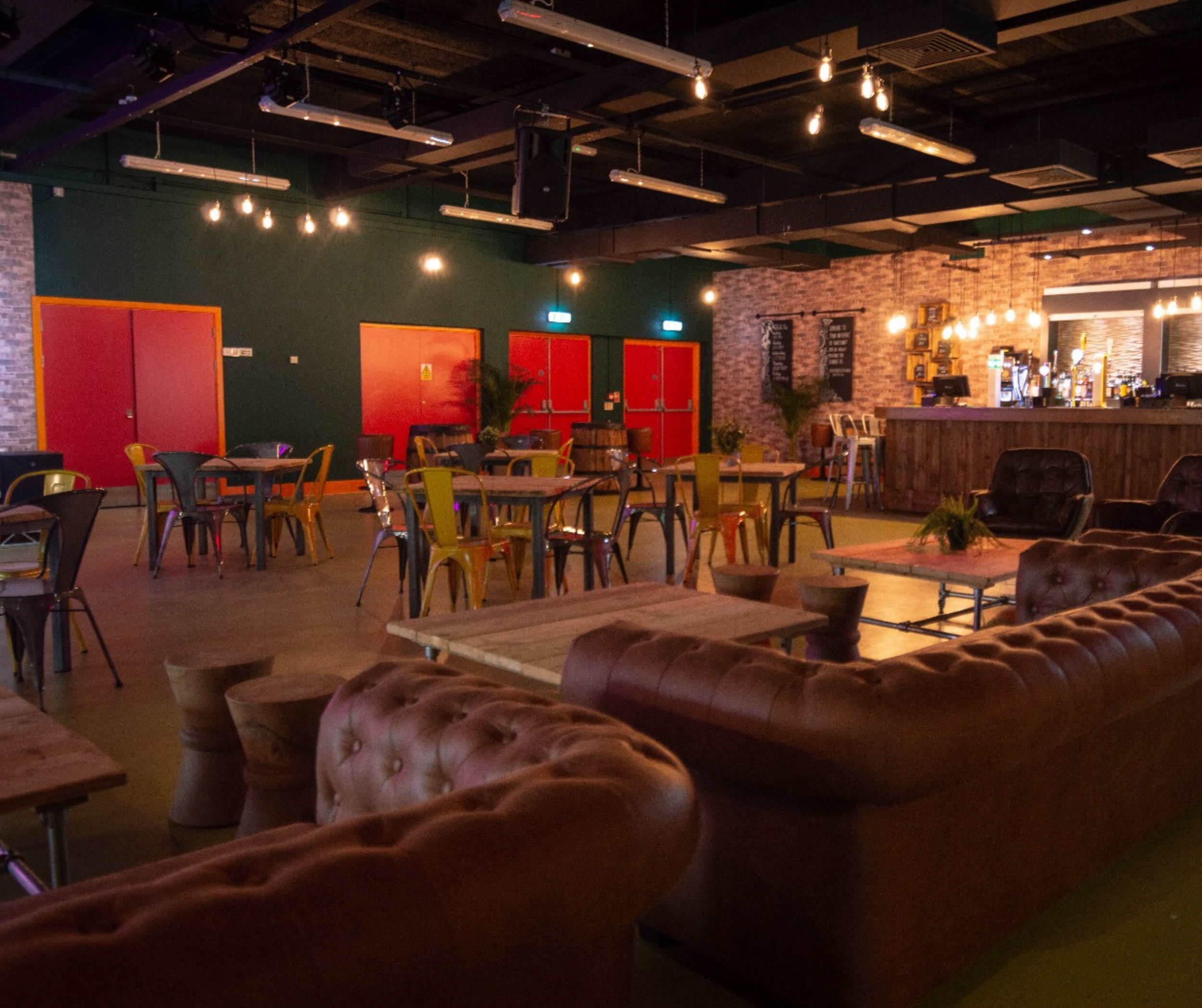
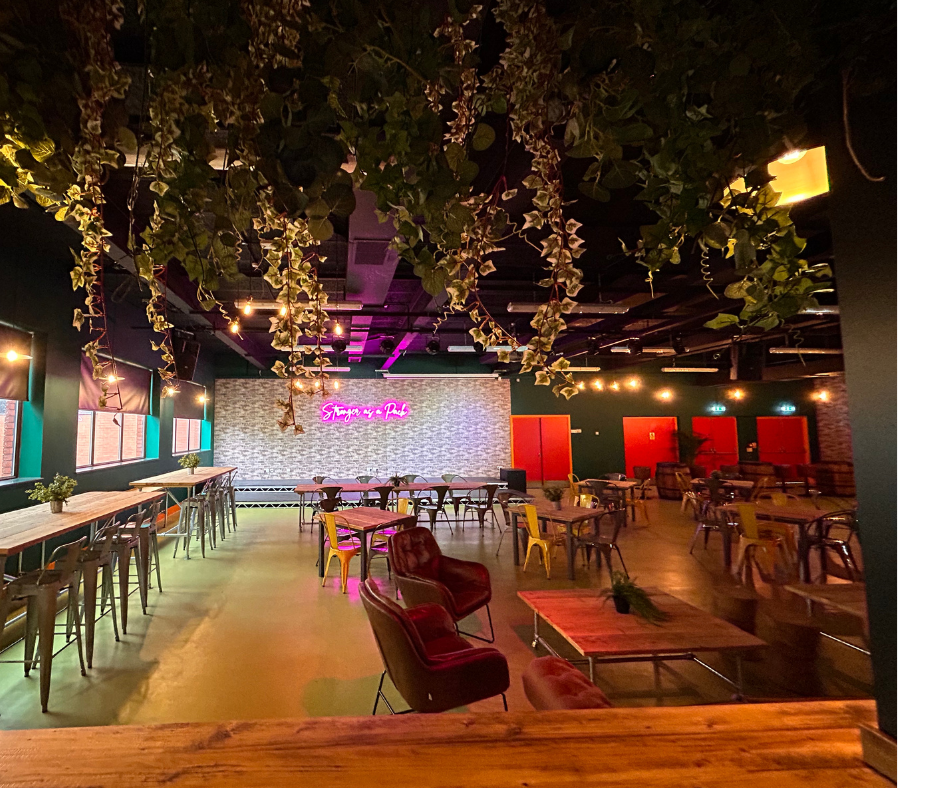
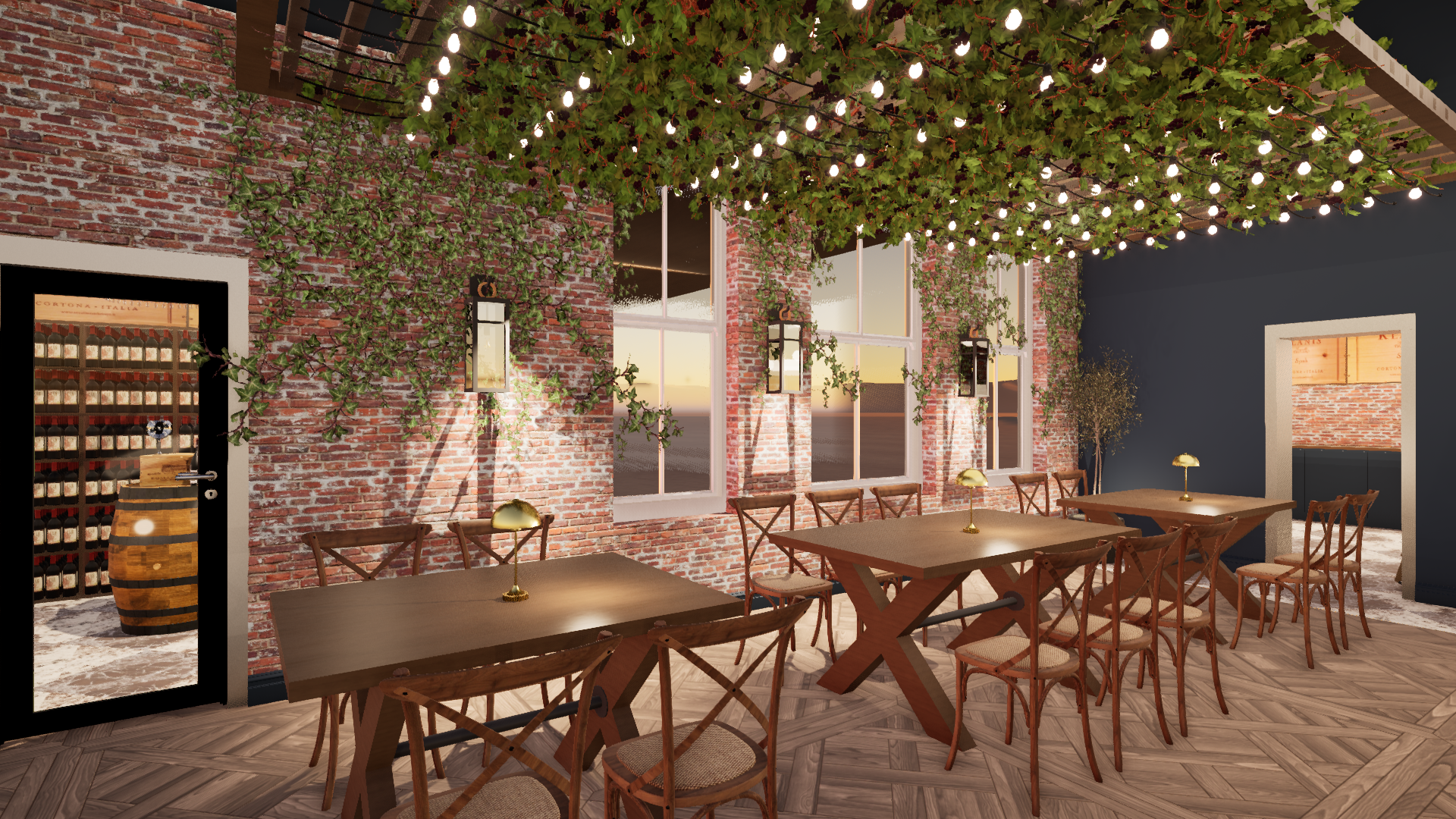
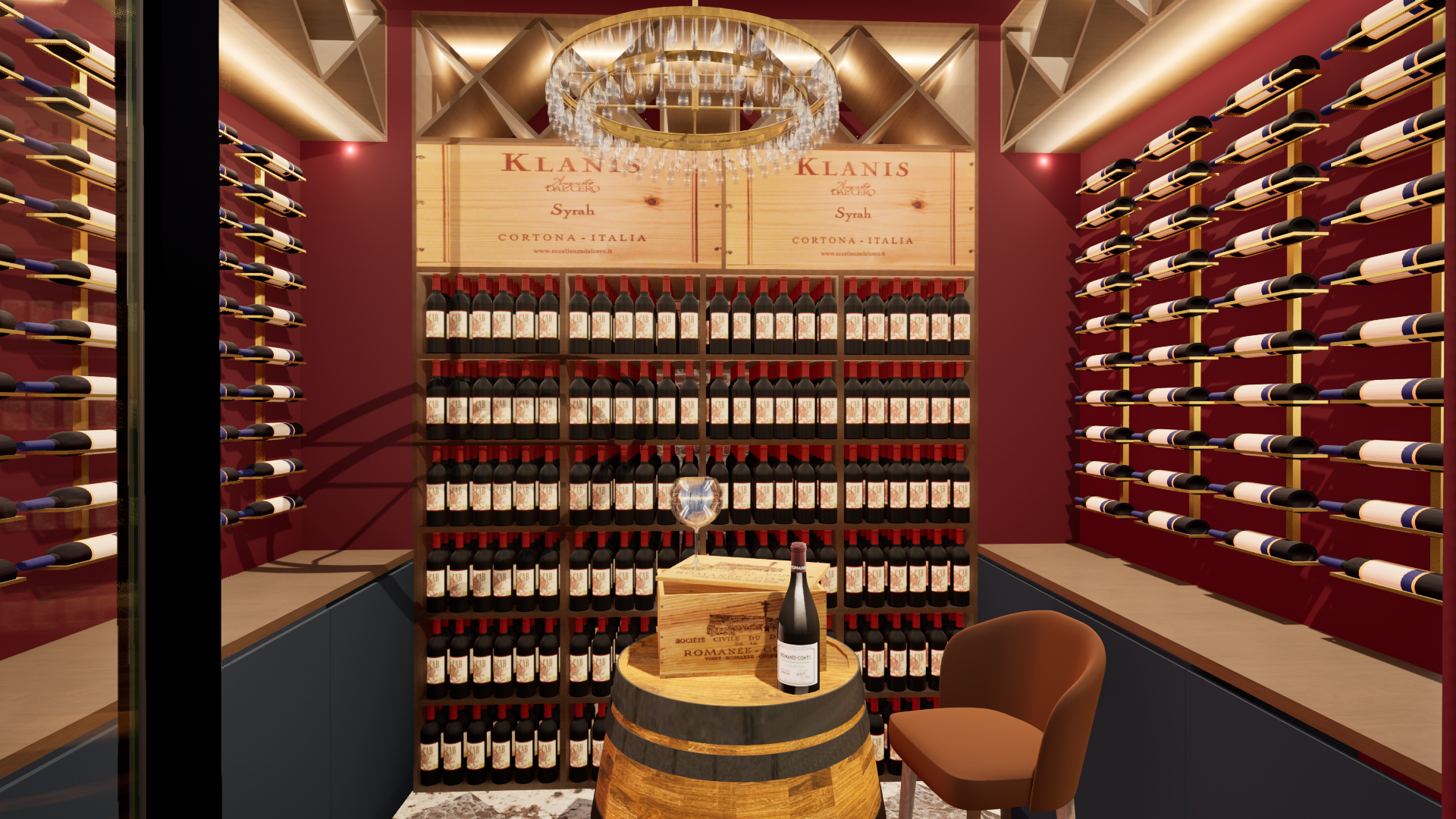
Lighting, layout, acoustics, materials, and furniture all contribute to how a space feels. And how it feels directly impacts how long people stay and how much they spend.
A bar that feels warm, social, and considered will always outperform one that feels like an afterthought.
Designing for Dwell Time
If you want to increase bar revenue, you need to increase dwell time.
The longer someone stays, the more likely they are to:
Order another drink
Stay for food
Invite others to join
Interior design plays a critical role in this.
The goal is simple: make it easy and enjoyable to stay.
Moving Beyond the “One Use” Space
Many clubhouses still operate with a single-mode mindset: post-round drinks.
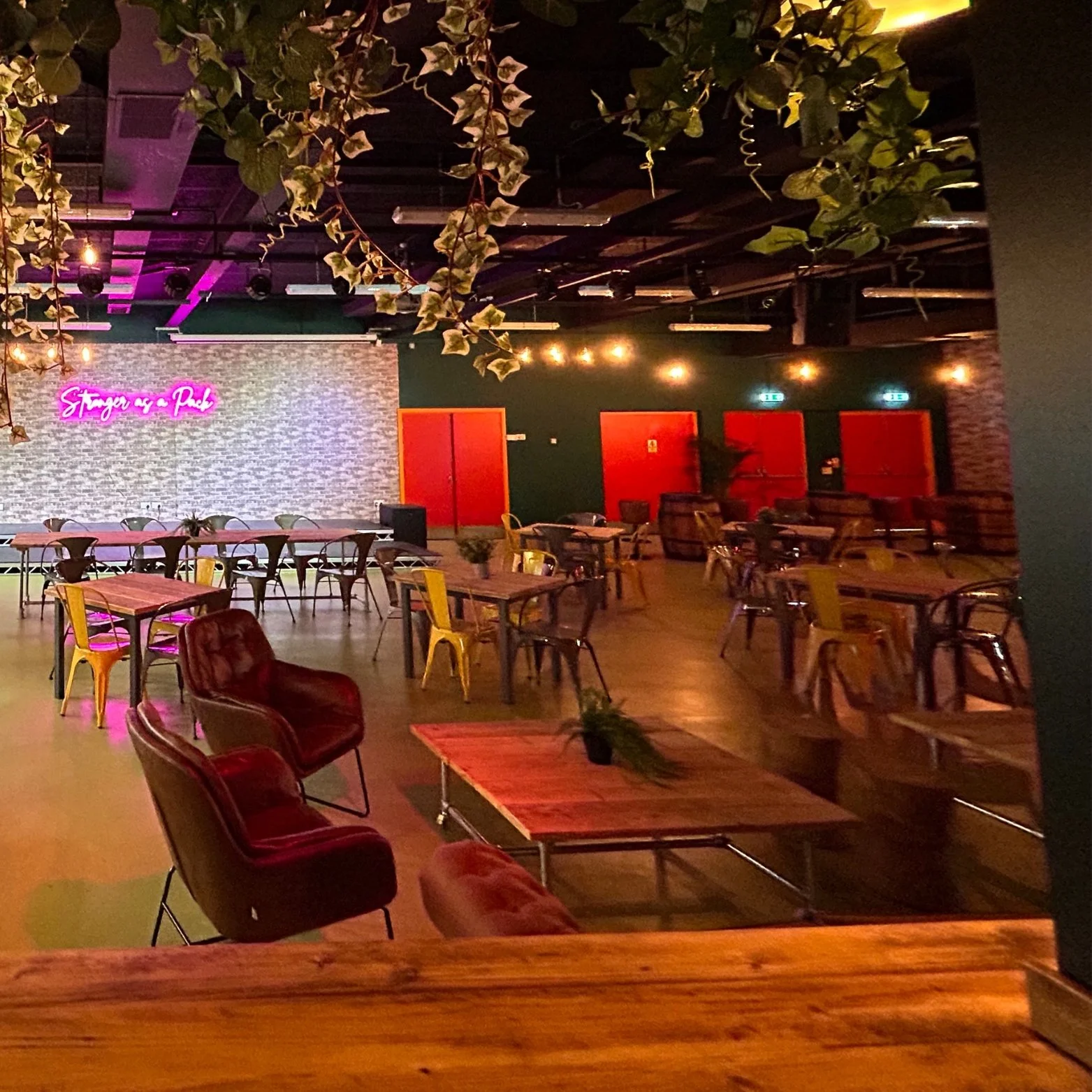
But the most successful clubs are designing spaces that work throughout the day and week.
Flexibility is key.
Because the more ways a space can be used, the more opportunities there are to generate revenue.
First Impressions Matter More Than Ever
For visitors in particular, the clubhouse bar is a defining moment.
It’s where the experience either continues—or ends.
A tired, dated space can undo an otherwise great day on the course.
A well-designed one can elevate it.
This doesn’t necessarily mean ultra-modern design.
Because perception drives recommendation and recommendation drives repeat business.
The Problem With Piecemeal Changes
One of the most common approaches is incremental updates:
A new carpet here
A few new chairs there
A coat of paint
While these changes can help, they rarely transform the space.
In fact, they often highlight what hasn’t been addressed.
A refreshed wall next to worn furniture.
New lighting exposing tired finishes.
The result? A space that still feels unresolved.
Increasing bar revenue typically requires a more holistic approach, one that considers the entire environment, not just isolated elements.
Comfort, Quality, and Perception
People don’t just spend money in a space — they assess it.
Subconsciously, they’re asking:
Does this feel worth staying in?
Would I bring guests here?
Does this reflect the quality of the club?
Worn upholstery, poor lighting, or uncomfortable seating send the wrong message.
And when people perceive value, they’re far more likely to spend.
Competing Beyond the Course
Golf clubs are no longer just competing with other clubs.
They’re competing with:
Local bars and restaurants
Hotels
Social venues
Which means the clubhouse bar needs to stand on its own as a destination—not just an add-on.
For some clubs, this also opens the door to:
Events and private functions
Social memberships
Non-golfing visitors
All of which contribute to increased revenue streams.
A Strategic Investment, Not Just a Refurbishment
Improving a clubhouse bar isn’t about “refreshing the décor.”
It’s about aligning the space with how people behave today.
That requires:
A clear vision for the experience you want to create
A realistic understanding of budget and return
A design approach that balances aesthetics, durability, and flexibility
Done well, it’s not a cost — it’s an investment.
One that encourages repeat visits, longer stays, and increased spend over time.
Final Thoughts
Golf clubs can no longer rely on tradition alone to drive bar revenue.
The expectation has shifted.
Members and visitors want spaces that feel considered, comfortable, and worth their time.
And the clubs that recognise this — those that invest in design, not just maintenance — are the ones that turn their clubhouse into a true asset.
Because in the end, it’s not just about serving drinks.
It’s about creating an environment people don’t want to leave.