How to Create Community Through Office Design
Community doesn’t happen by accident. It’s shaped — quietly and consistently — by the spaces people move through every day.
In the workplace, community is no longer a “nice to have”. It’s directly linked to collaboration, retention, wellbeing and culture. The offices that succeed are the ones that make connection easy, natural and inclusive — without forcing it.
At Shropshire Studios, we design workplaces where community forms organically, supported by layout, atmosphere and choice.
Why Community Matters at Work?
People are more likely to stay where they feel connected — not just to their role, but to each other.
When people feel connected to each other, they’re more likely to stay engaged and committed to their workplace. Offices that support community often see stronger collaboration, higher morale and a deeper sense of belonging — all of which contribute to improved long‑term retention. When connection feels natural, trust builds, and performance follows.
Design Starts With Natural Gathering Points
The strongest communities form around spaces people naturally gravitate towards.
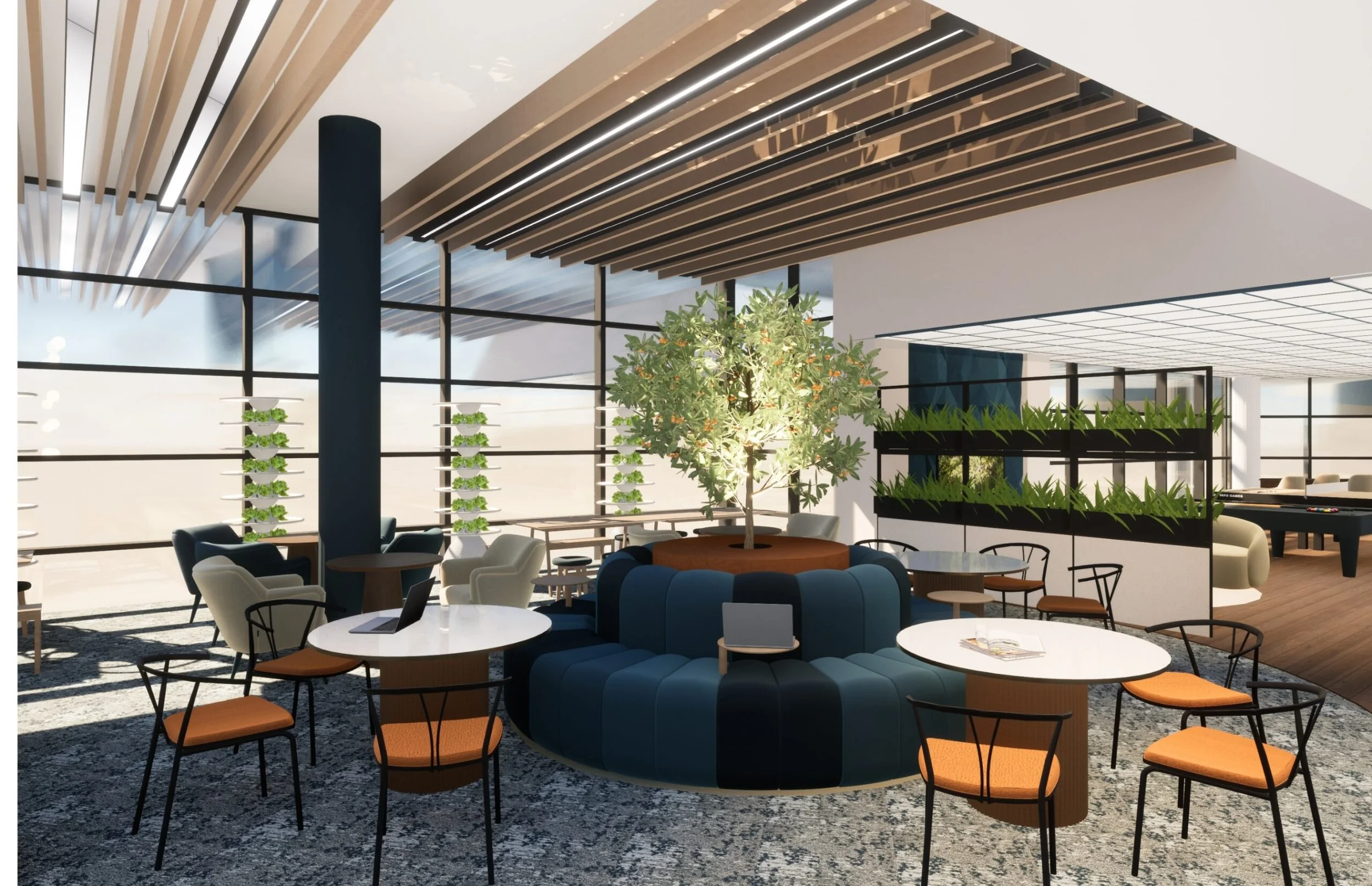
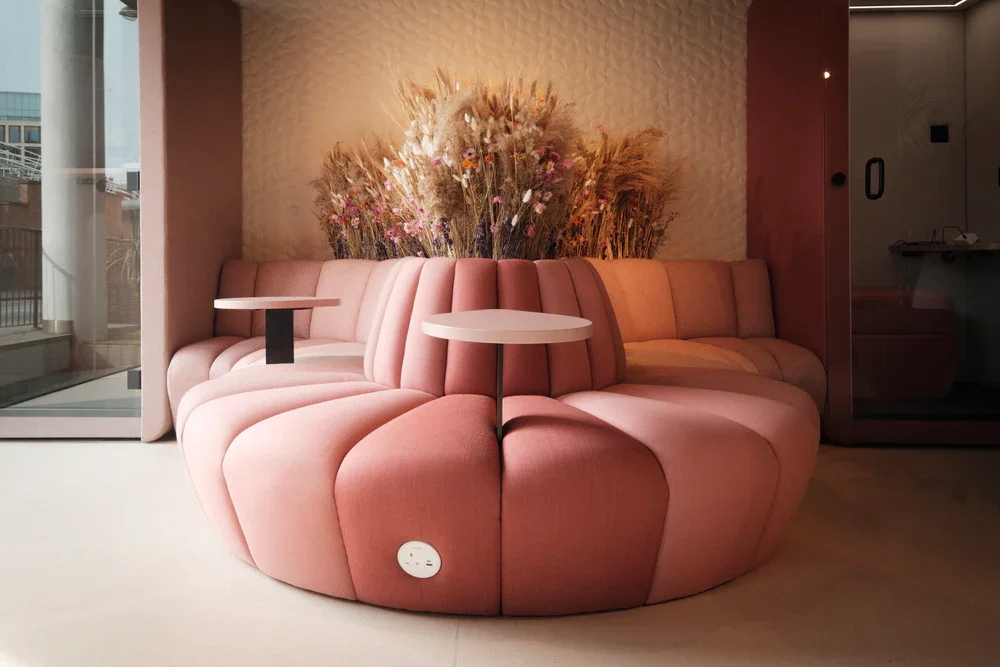
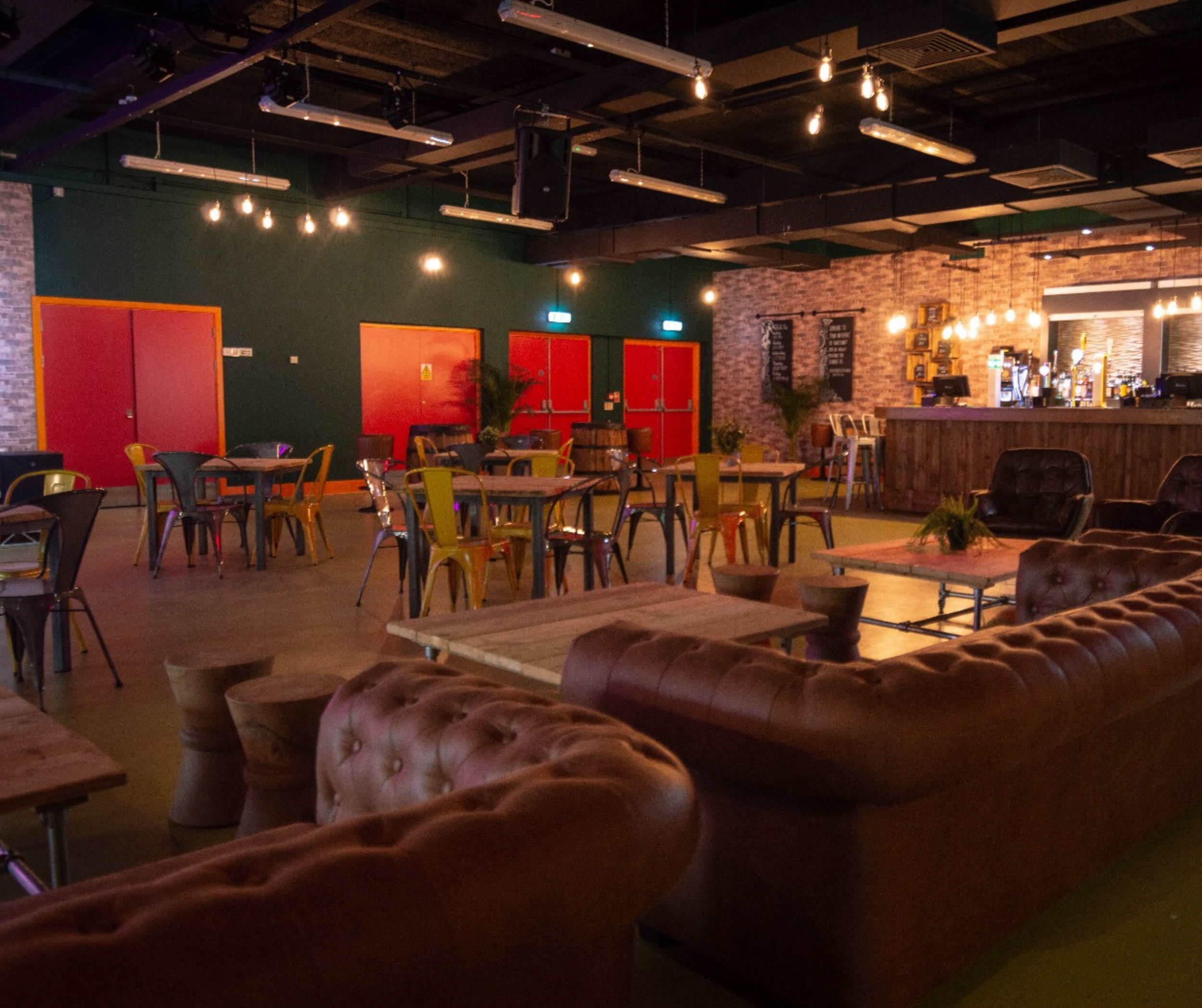
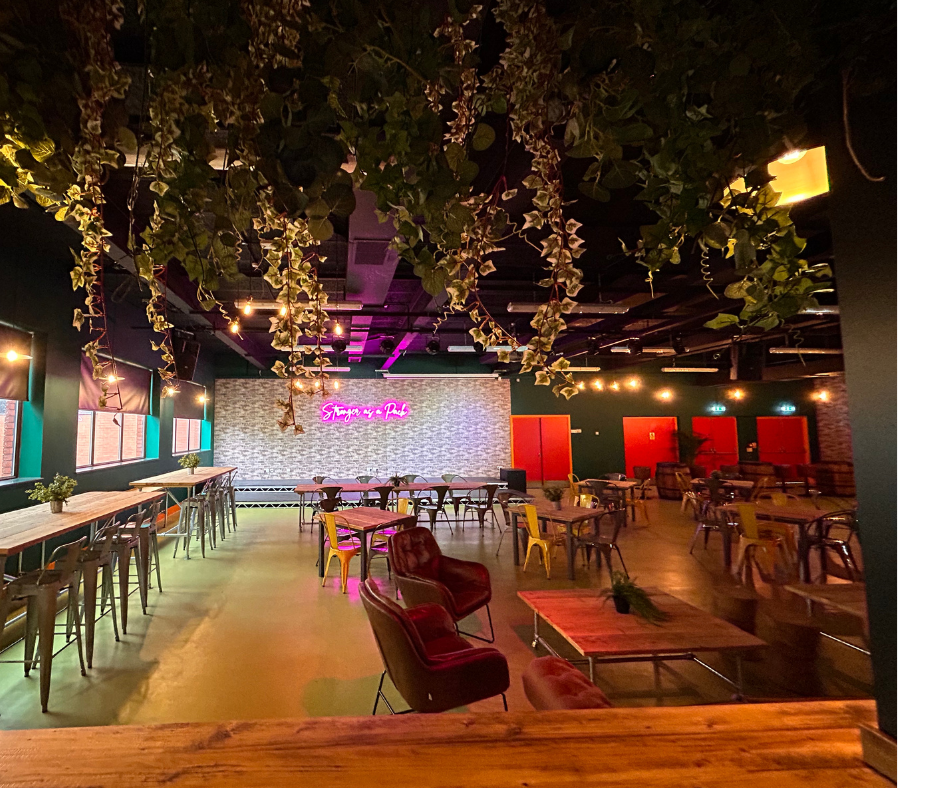
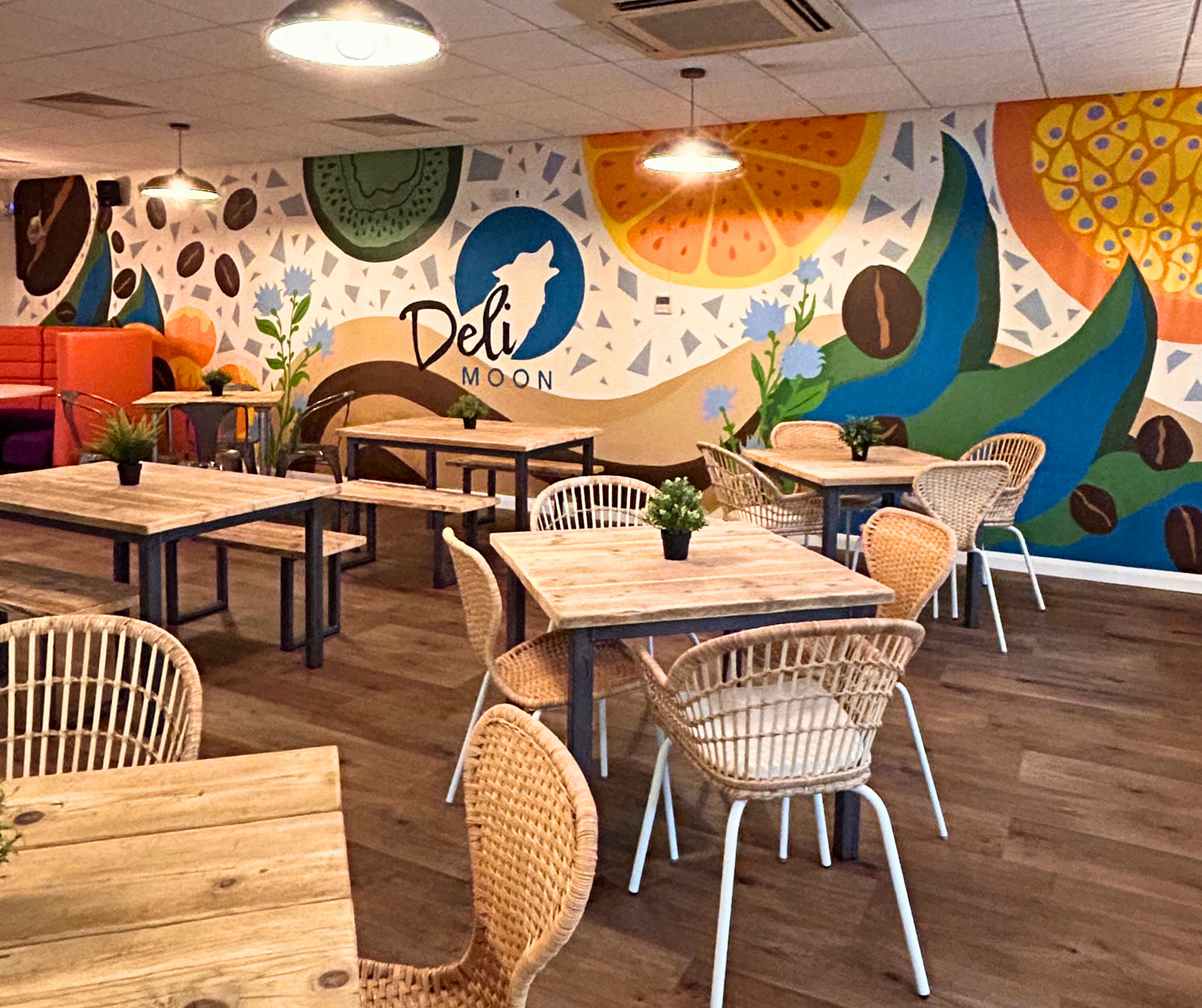
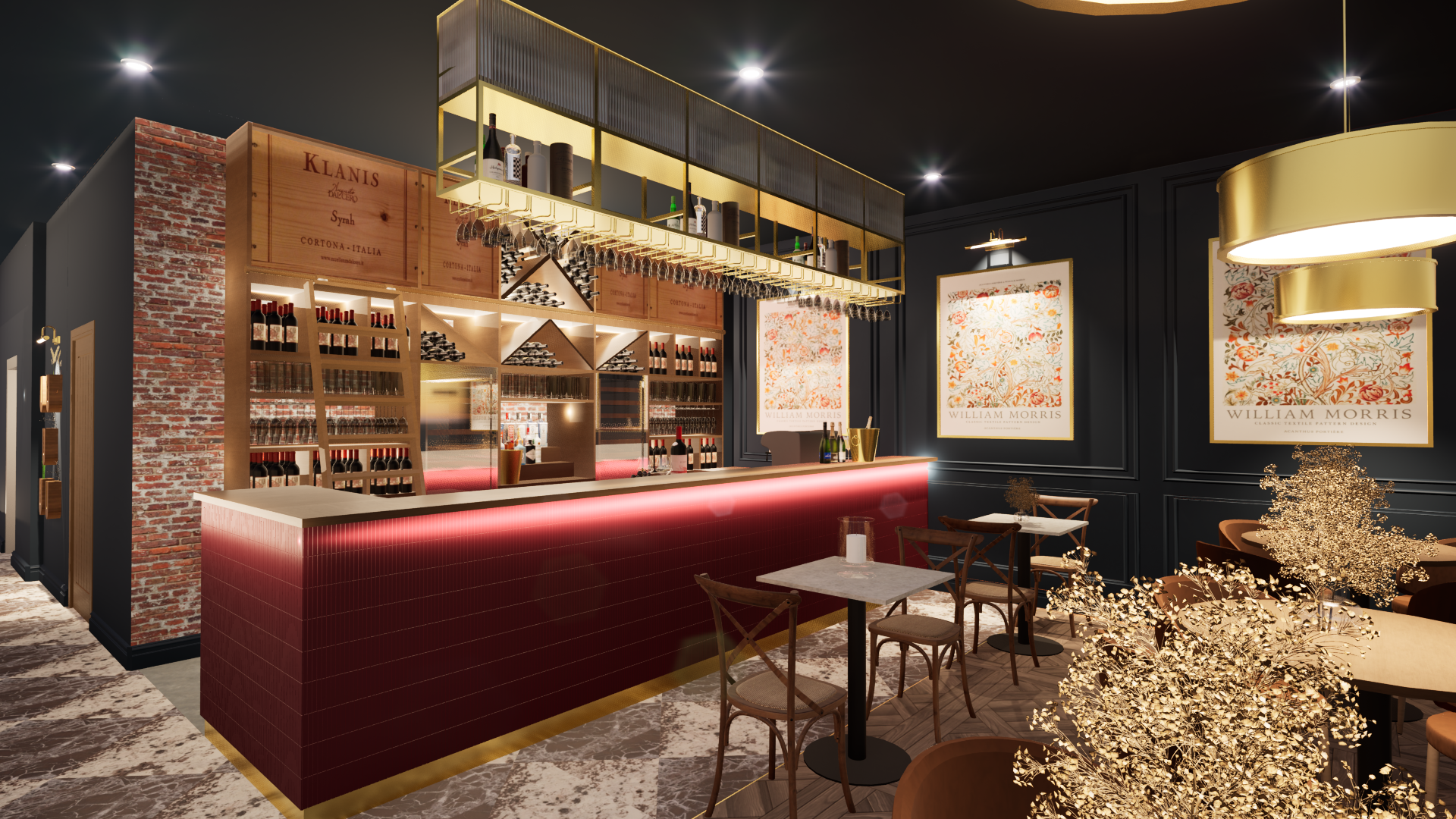
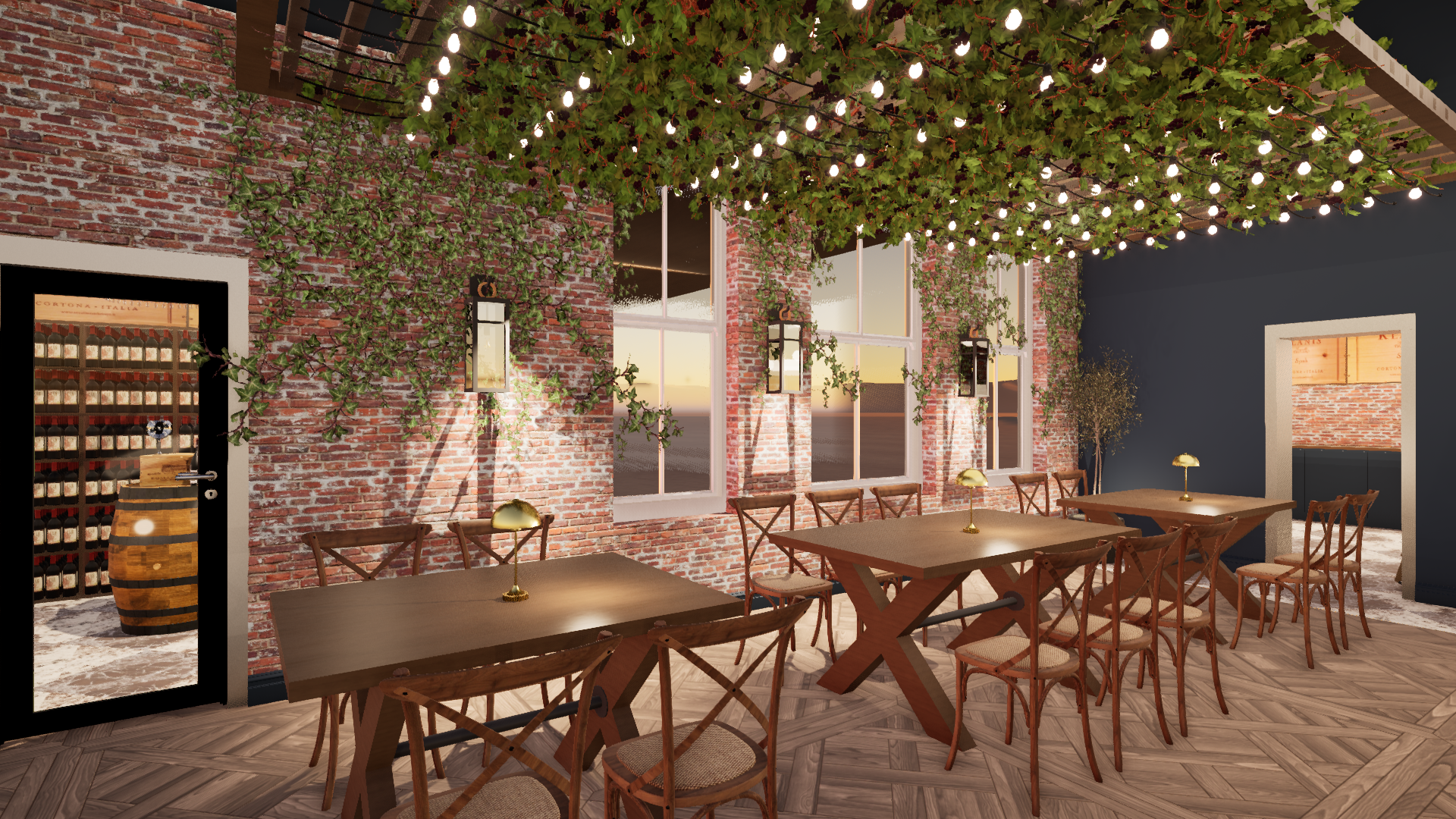
Central breakout areas, shared kitchens and informal lounges create the chance encounters that formal meeting rooms never will. A communal table or café‑style kitchen encourages conversation across departments, while relaxed seating helps people connect in a more human way.
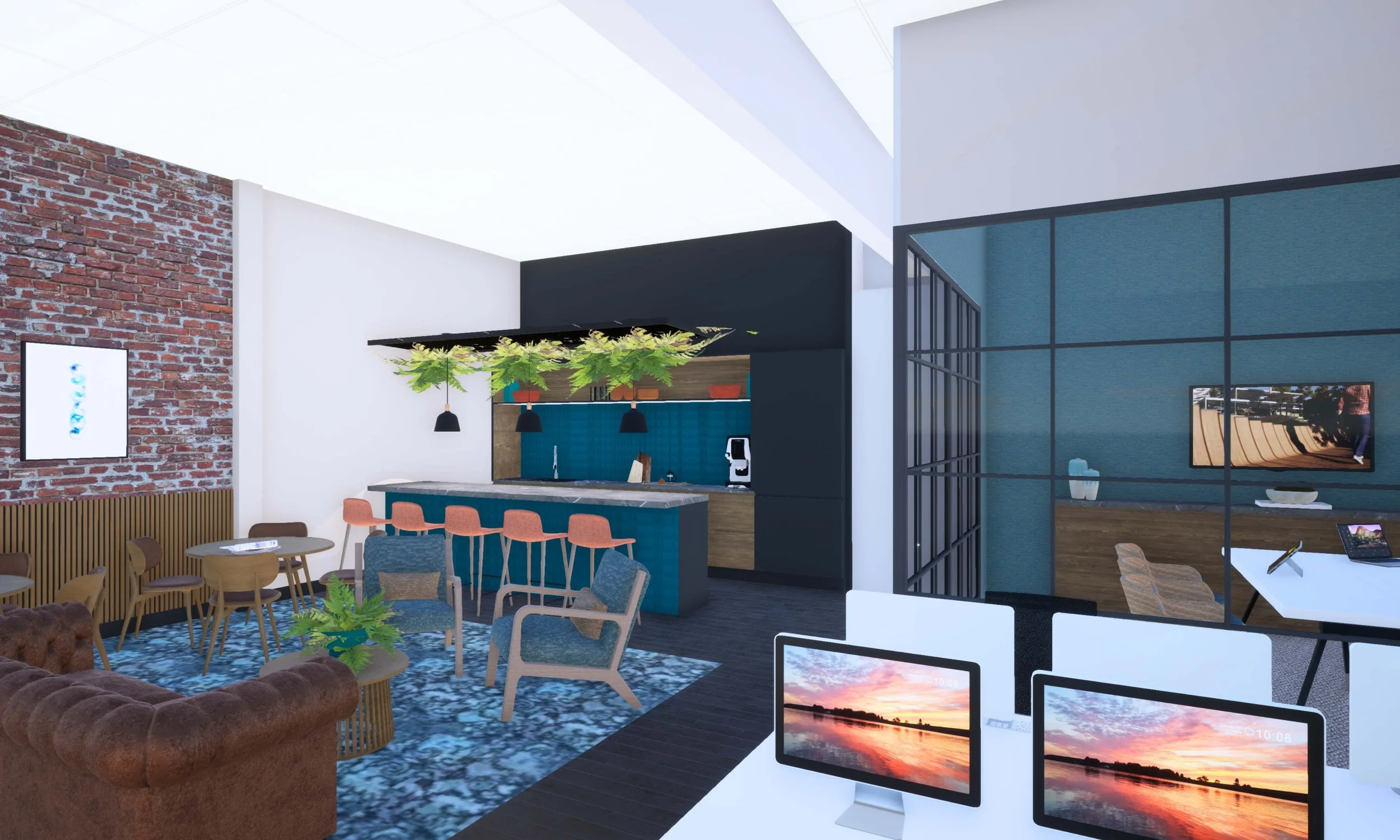
These spaces work best when they:
Sit at natural circulation points
Feel distinct from desk areas
Encourage lingering, not rushing
Balance openness with acoustic comfort
Well‑designed gathering spaces quietly do the work that structured team‑building often can’t.
Designing for Different Ways People Connect
Not everyone builds relationships in the same way.
Some people thrive in energetic, social settings. Others connect more deeply through quieter, one‑to‑one conversations. Effective office design supports both — without prioritising one personality type over another.
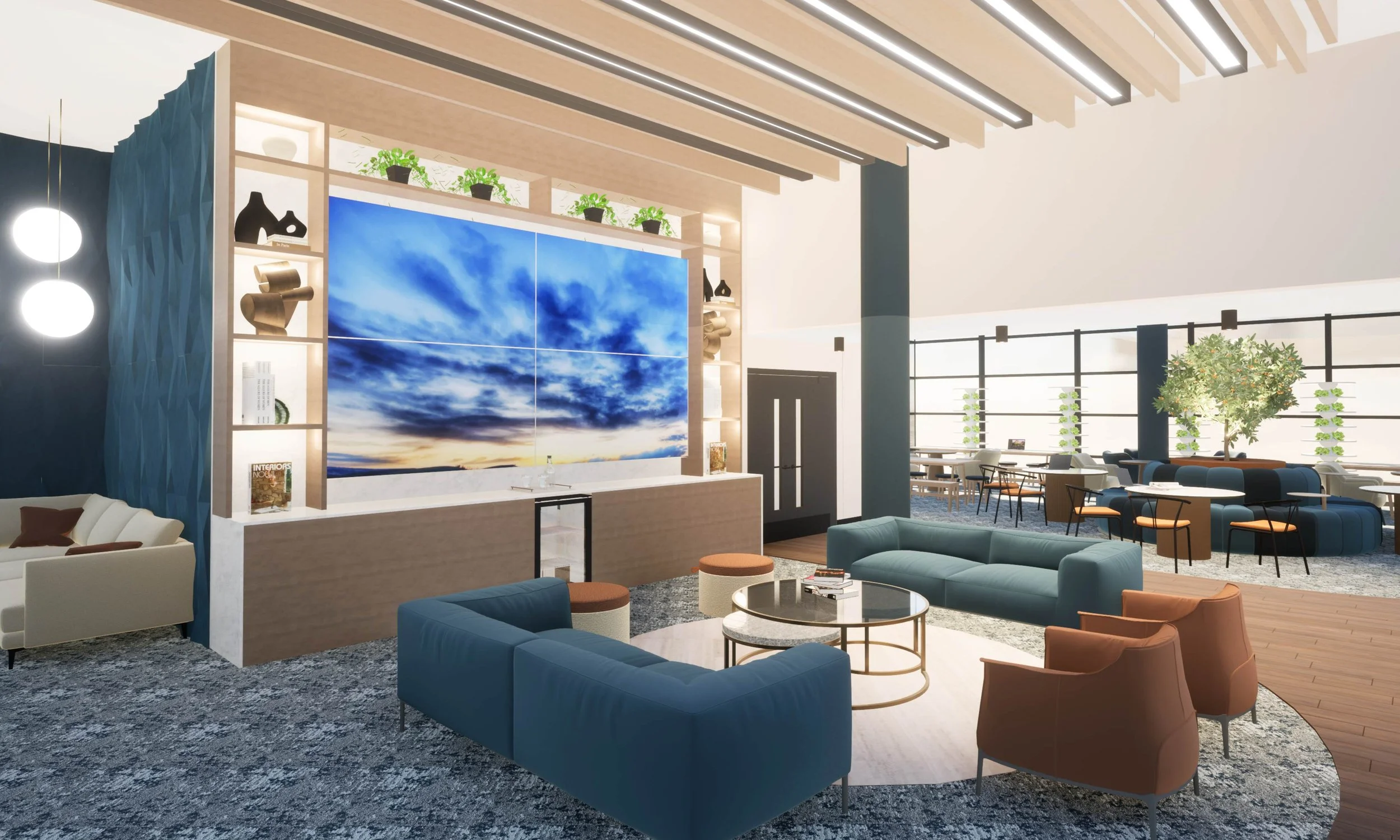
This means providing:
Open, social zones for group interaction
Smaller, more intimate settings for conversation
Flexible furniture that adapts to different group sizes
Spaces that support both planned and spontaneous interaction
Choice is critical.
When people can choose how and where they connect, community feels authentic — not forced.
Inclusive Design Builds Stronger Communities
True community only works when everyone feels considered.
Lighting, acoustics and layout all play a role in how safe and comfortable people feel in a space. Providing varied environments — brighter and quieter, lively and calm — allows people with different sensory needs and working styles to engage on their own terms.
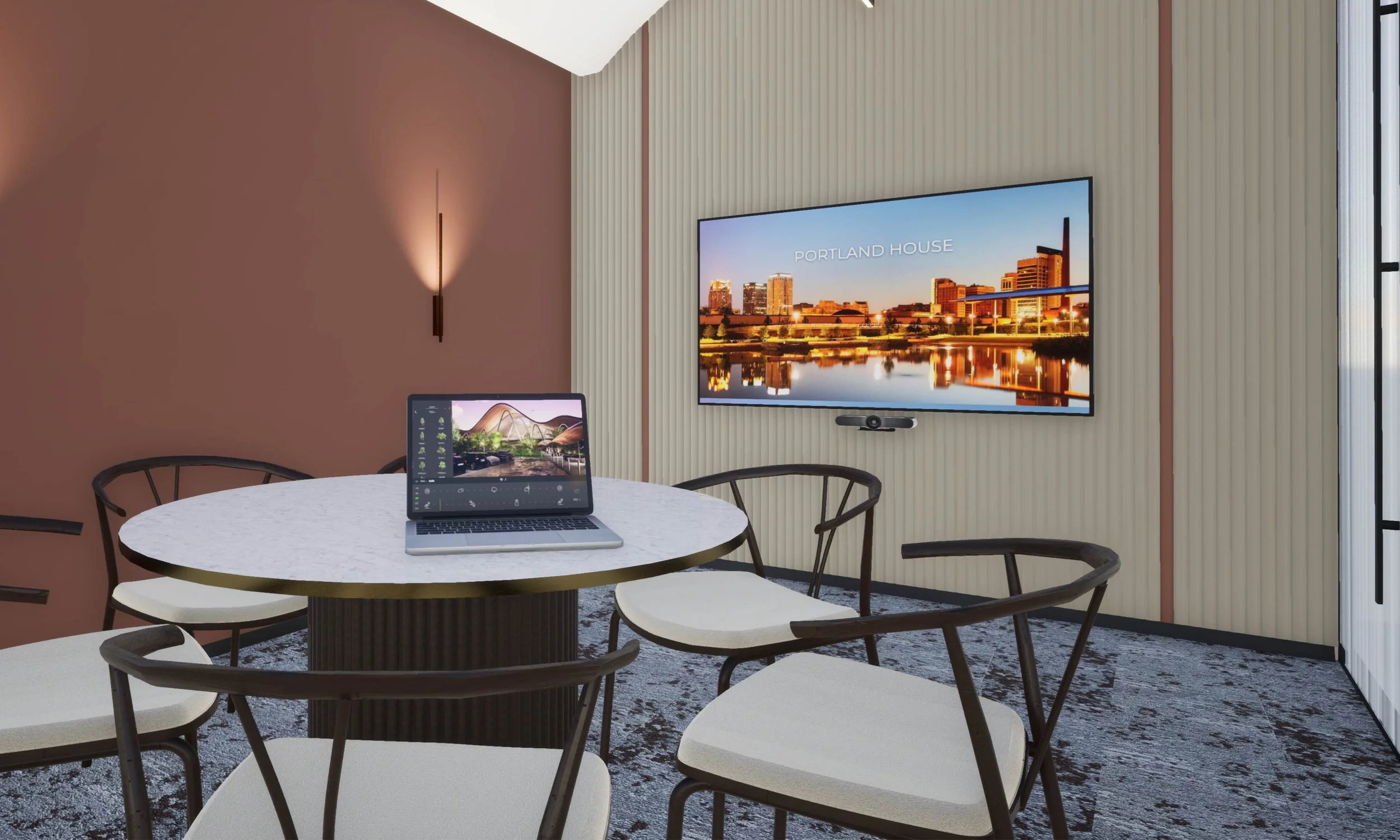
Designing for inclusion might include:
Zones with different sound and activity levels
Adjustable or layered lighting
Clear wayfinding to reduce anxiety
Spaces that feel welcoming, not overwhelming
When people feel understood by their environment, they’re more likely to engage with the people around them.
The Role of Nature in Connection
Biophilic design does more than improve wellbeing — it supports human connection.
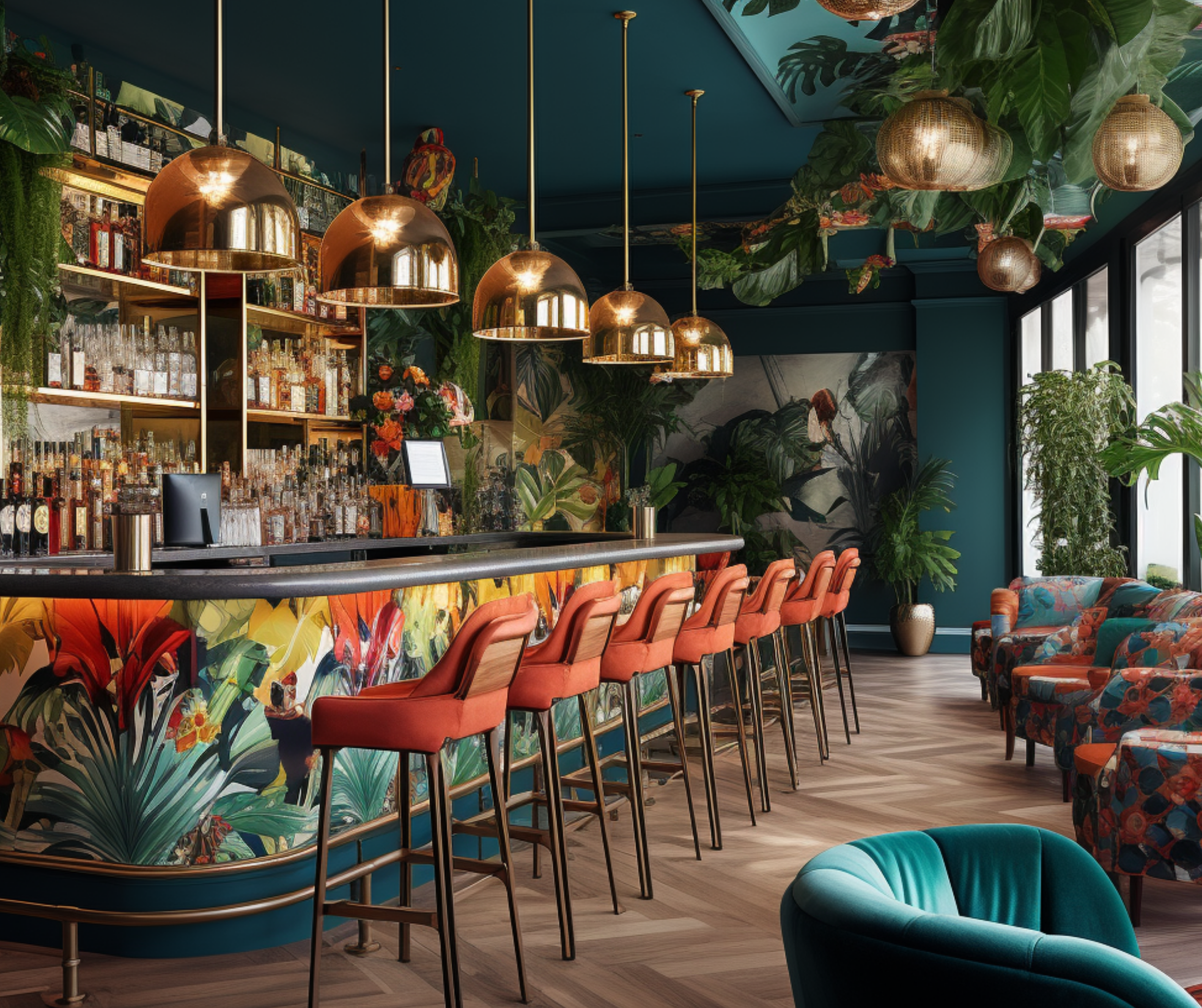
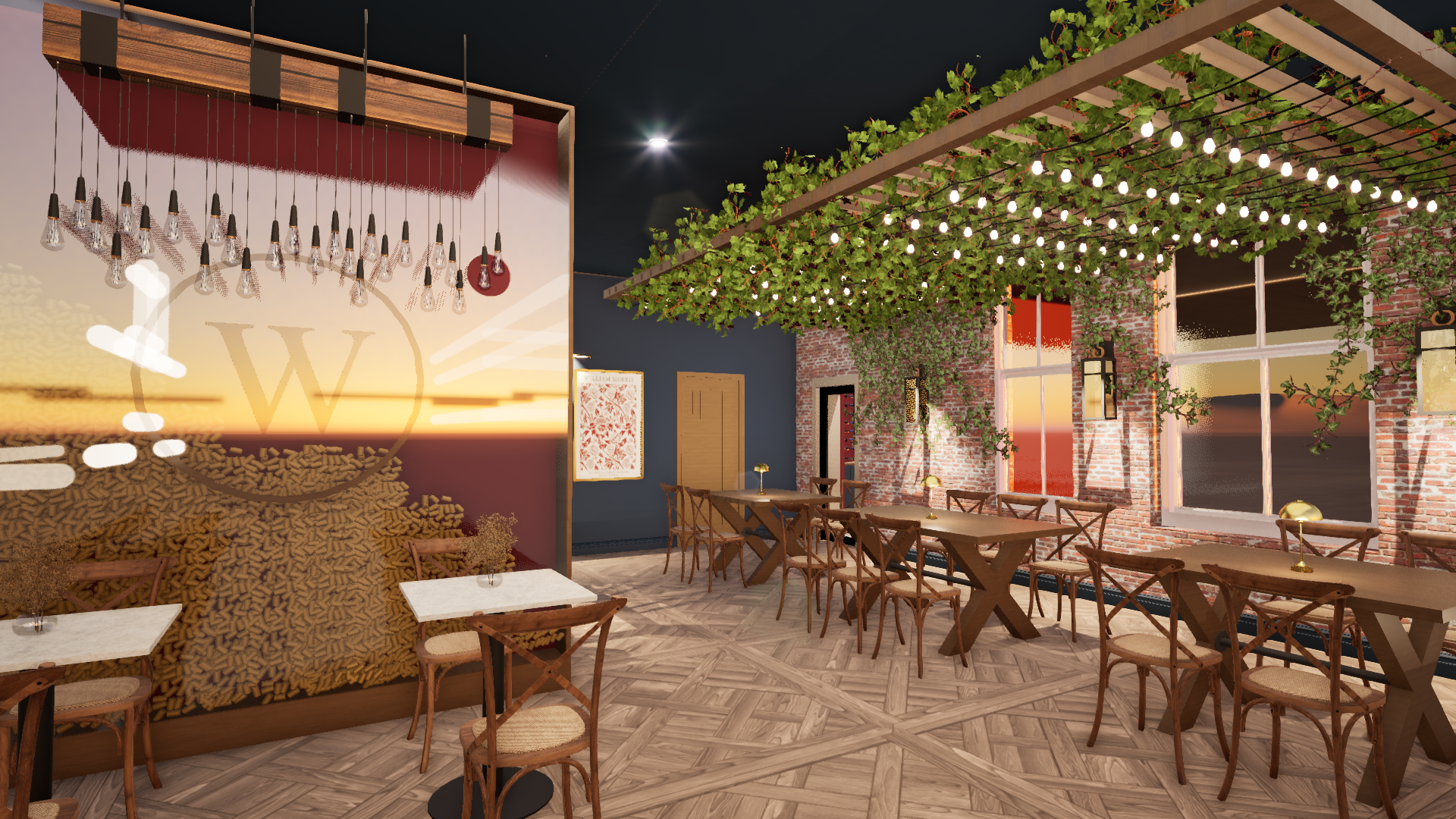
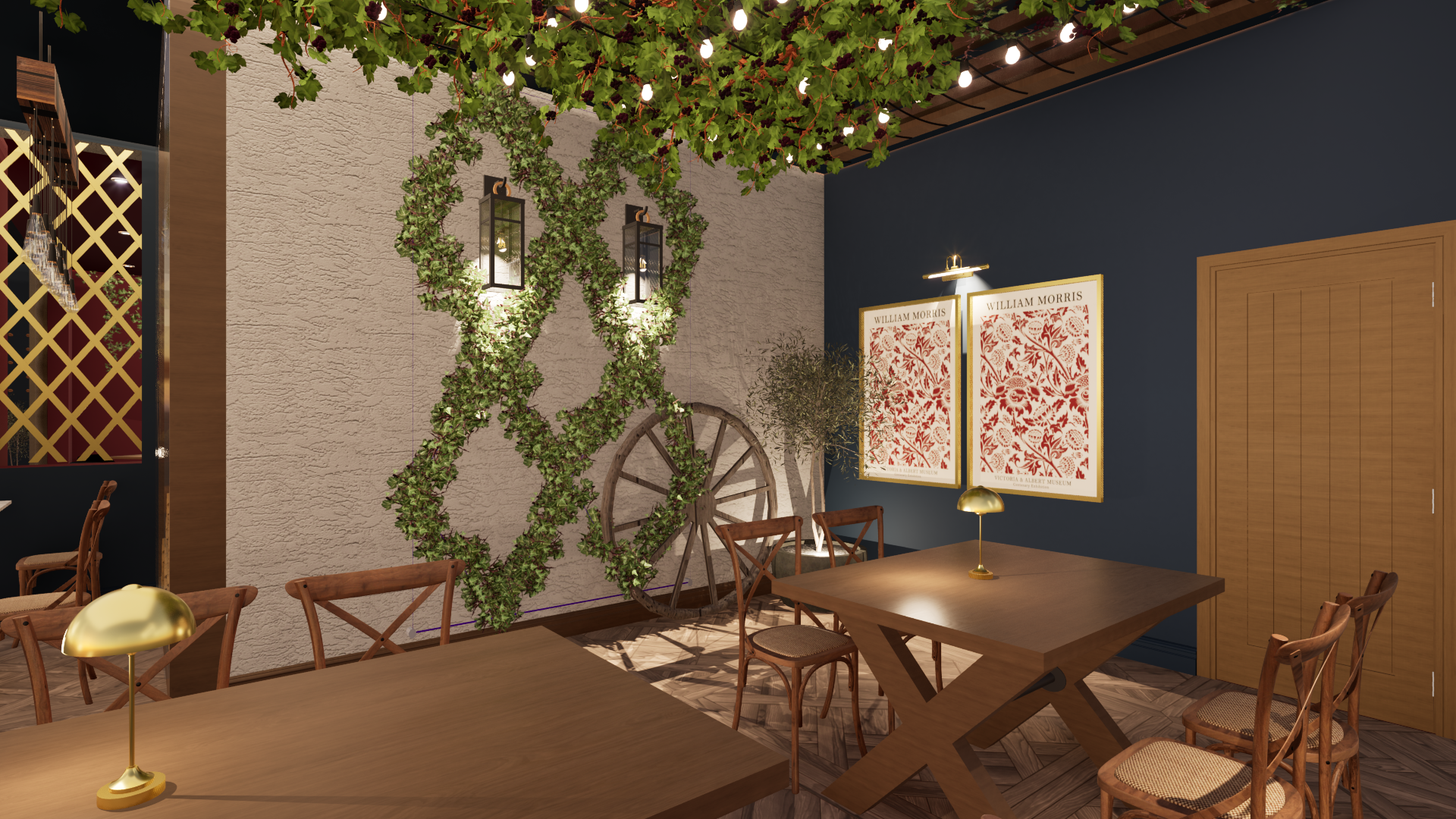
Natural materials, planting, daylight and organic forms create calmer environments where people feel more at ease. When stress levels drop, conversations flow more naturally and interactions feel less transactional.
Even subtle biophilic elements can:
Reduce tension and fatigue
Improve mood and comfort
Make shared spaces feel warmer and more inviting
Community flourishes in spaces that feel human, not clinical.
Community Is Supported by Culture — Not Just Layout
Design sets the conditions, but culture brings spaces to life.
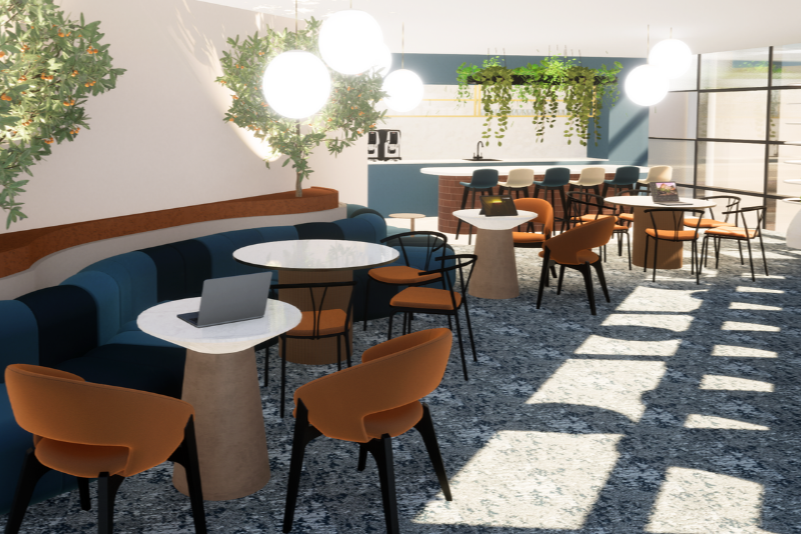
Offices that truly support community often include:
Neutral spaces for cross‑team interaction
Areas for informal lunches and shared breaks
Space for interest groups, wellbeing activities or events
Visual cues that celebrate people, not just performance
When the physical environment aligns with organisational values, community becomes part of daily life — not a side initiative.
Starting Small Can Still Make a Big Difference
Creating community doesn’t always require large‑scale change.
Small, considered design decisions — from re‑purposing underused spaces to rearranging seating and introducing flexible furniture — can significantly influence how people interact.
These subtle shifts signal that connection is encouraged, not disruptive, reinforcing that the workplace is designed for people, not just productivity.
Community doesn’t come from policies or slogans.
It comes from spaces that make connection feel natural, safe and worthwhile.
At Shropshire Studios, we design offices that support real human interaction — environments where people feel comfortable connecting, collaborating and belonging.
Because when people feel connected, they don’t just work better together — they stay.