The New Rules of Hybrid Workplace Design
Hybrid working has permanently changed the role of the office.
It’s no longer a place people have to go — it’s a place they choose to go. That shift has forced businesses to rethink what their workplace is for, how it supports their teams, and whether it genuinely adds value.
At Shropshire Studios, we see hybrid design not as a trend, but as a reset. The old rules no longer apply — and offices designed around desk density alone are already falling behind.
Here’s what hybrid workplace design really requires today.
The Office Is No Longer About Desks
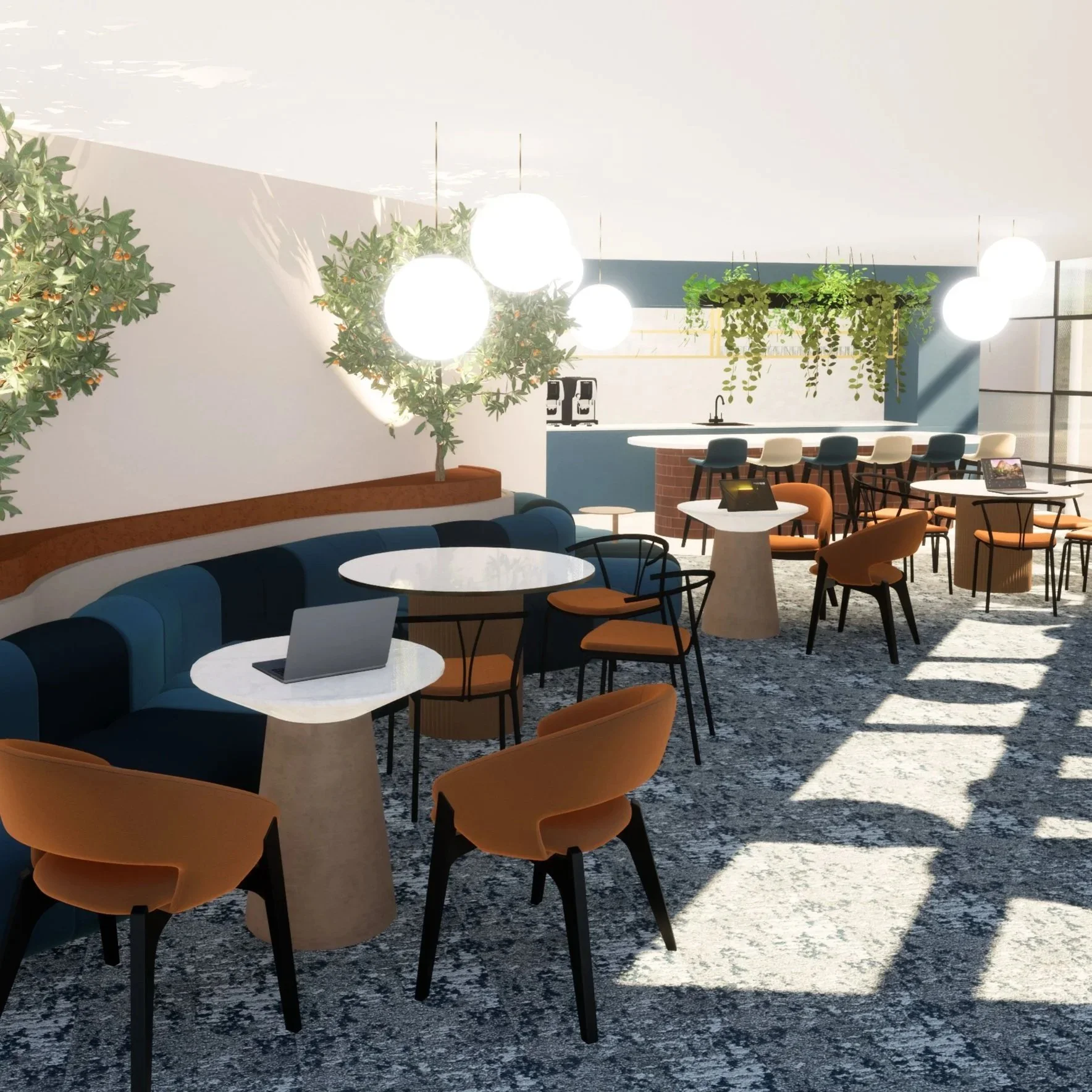
In a hybrid model, individual focused work often happens at home. When people come into the office, they’re there for collaboration, connection, learning and culture.
That means the office needs to prioritise:
Collaboration and team interaction
Informal meetings and knowledge sharing
Social connection and belonging
Brand experience and culture
If an office offers nothing more than a desk, it won’t compete with working from home.
Design for Choice, Not One‑Size‑Fits‑All
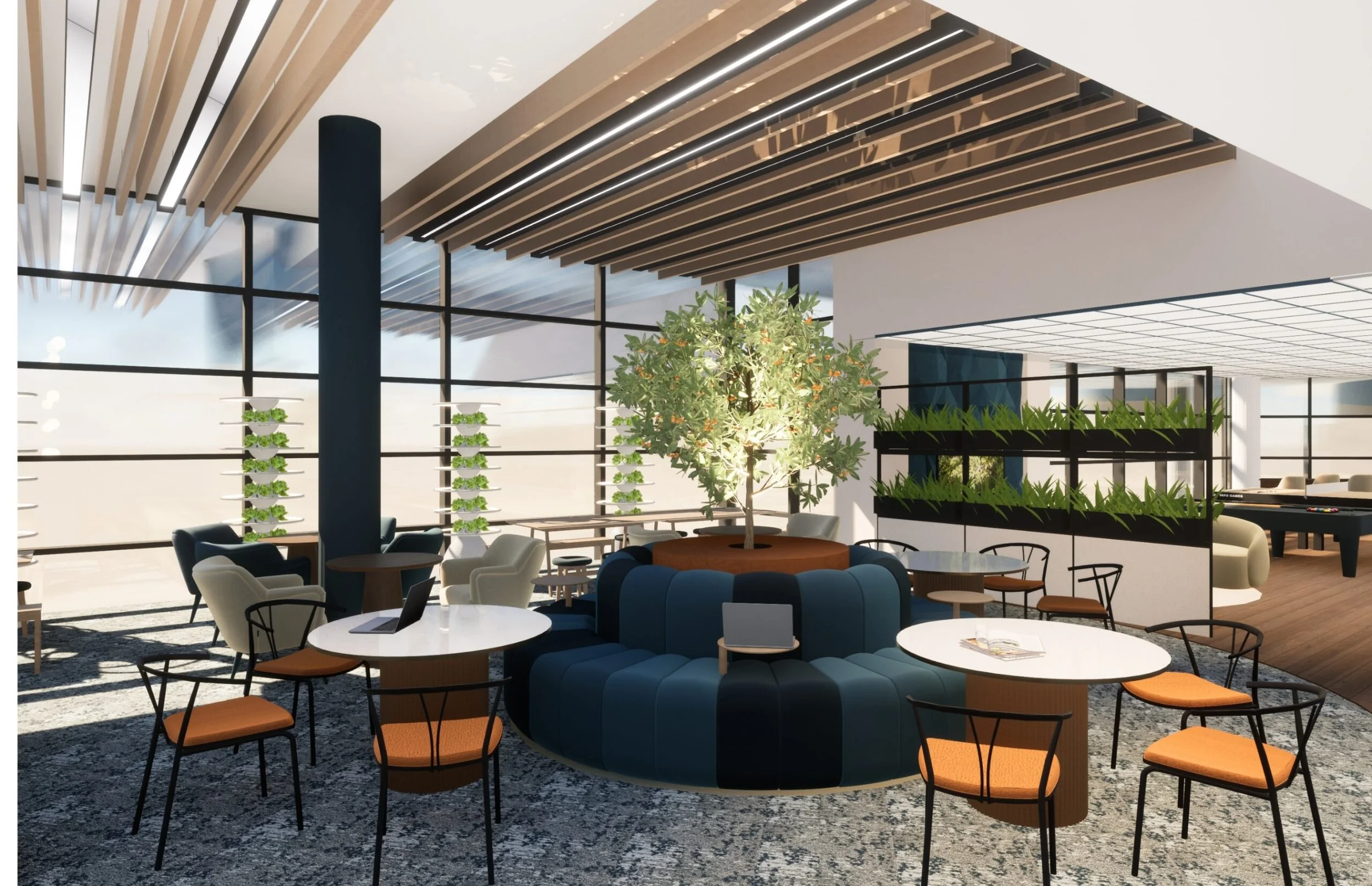
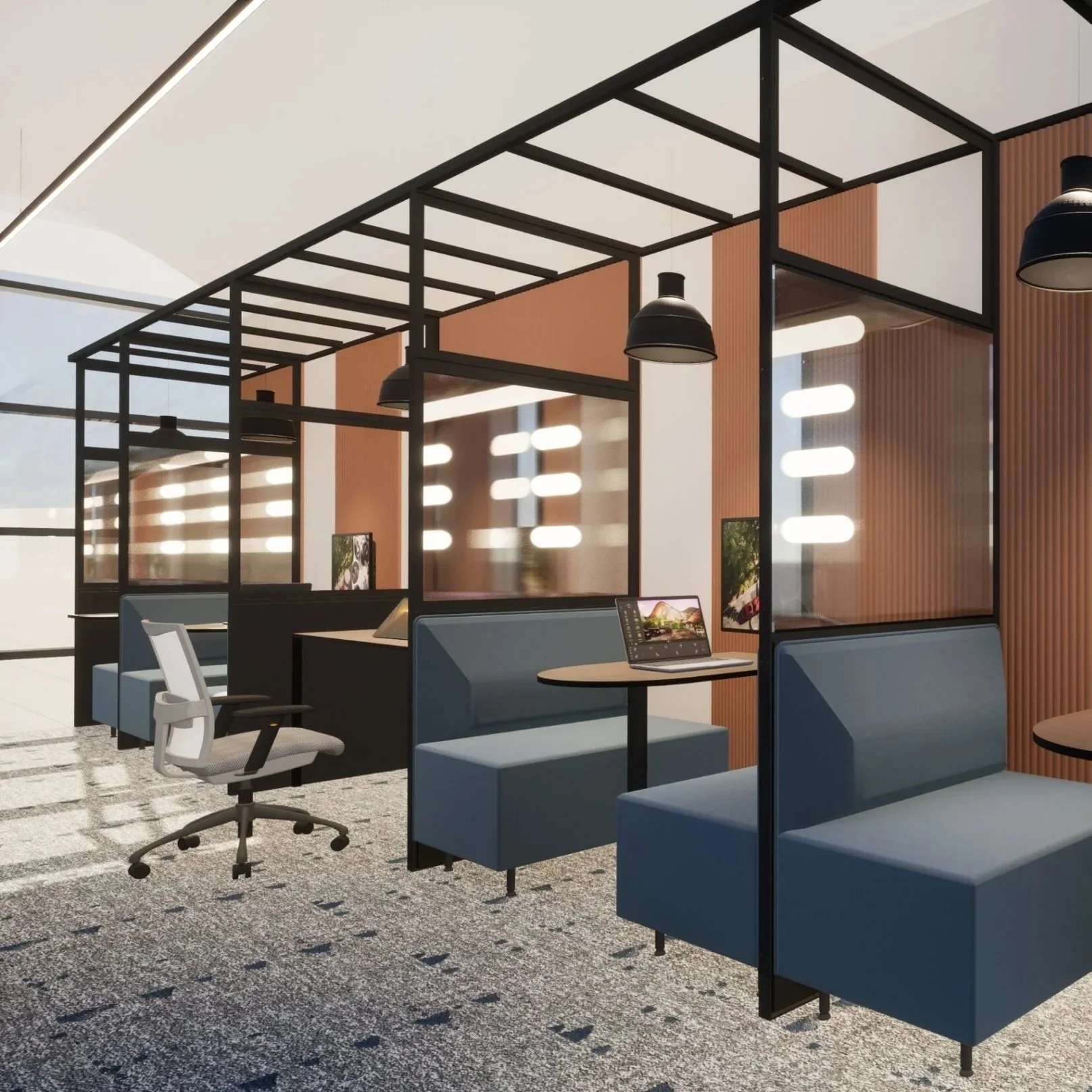
Hybrid working thrives on flexibility. People need spaces that support different tasks throughout the day, not a single environment forced to do everything.
High‑performing hybrid offices provide:
Focused zones for concentration
Meeting and collaboration spaces
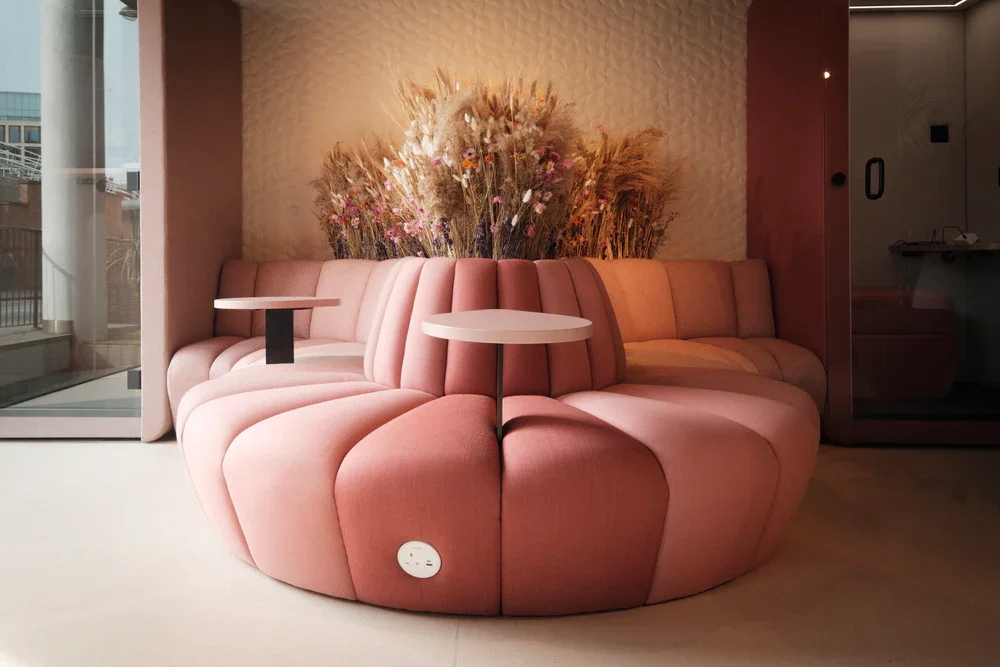
Informal breakout areas
Social and restorative spaces
Choice reduces frustration. When people can move between environments that suit their task, productivity and satisfaction increase.
Collaboration Needs to Be Intentional
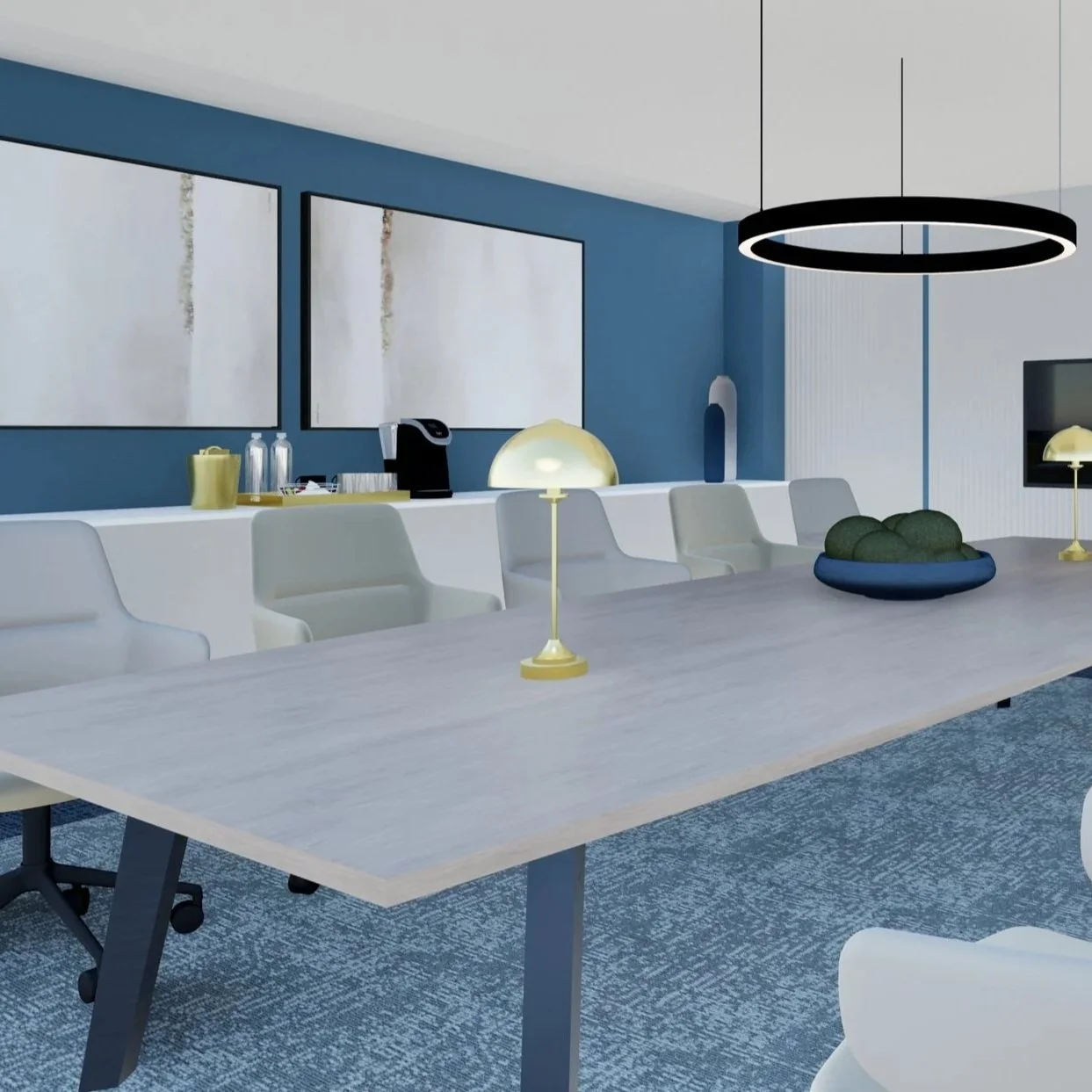
Collaboration doesn’t happen just because people are in the same building.
Hybrid offices must actively support interaction through:
Well‑designed meeting rooms with good acoustics
Informal collaboration zones that feel relaxed and accessible
Furniture layouts that encourage conversation
Technology that supports hybrid meetings seamlessly
Poorly designed spaces push people back onto video calls — even when they’re in the office together.
Culture Is Now Designed, Not Assumed
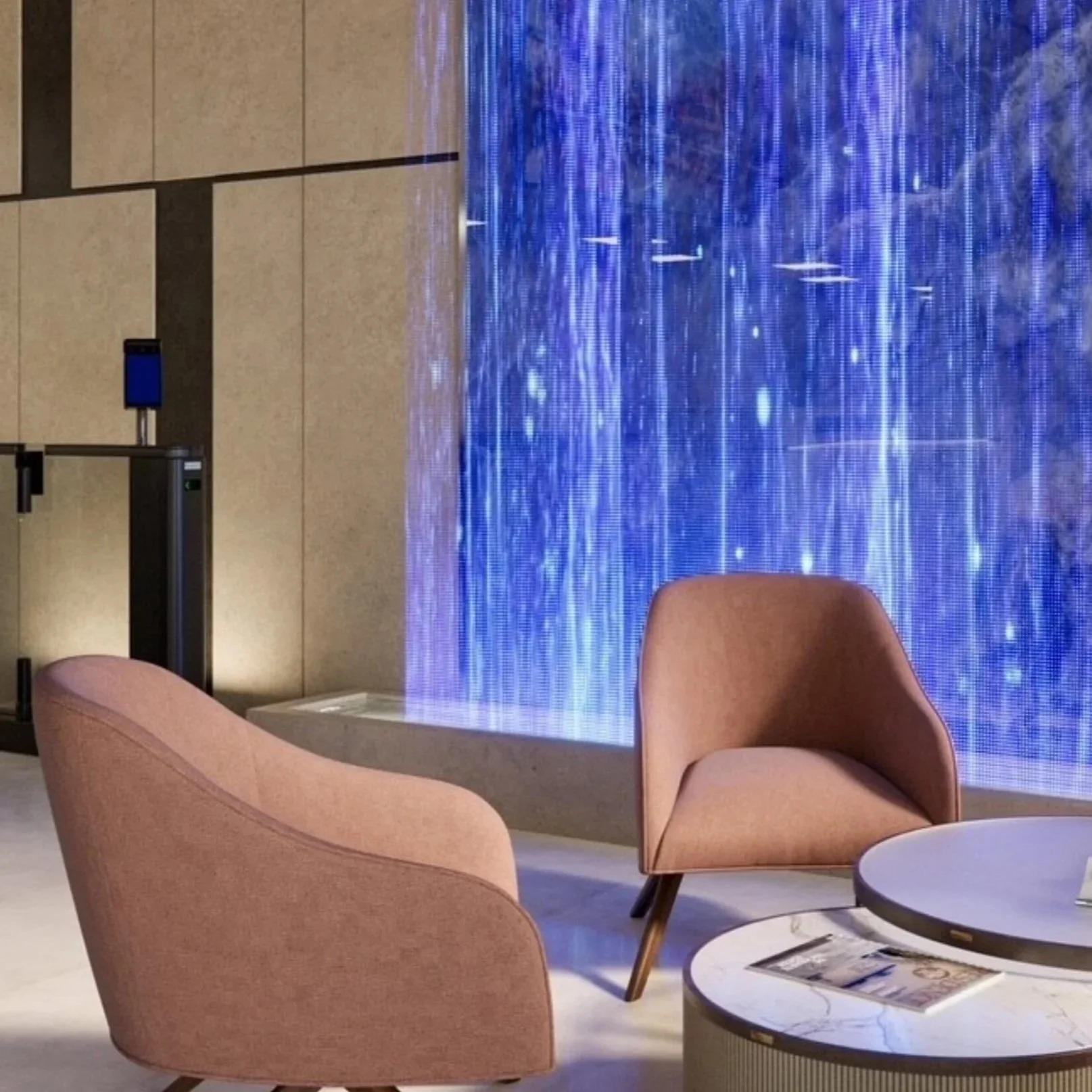
When teams aren’t in the office every day, culture doesn’t happen by accident anymore. The physical environment plays a bigger role than ever in reinforcing values, identity and belonging.
Hybrid workplaces should:
Reflect brand personality and purpose
Create spaces for social connection
Support onboarding and learning
Make people feel part of something bigger
The office becomes a physical expression of company culture — not just a functional container.
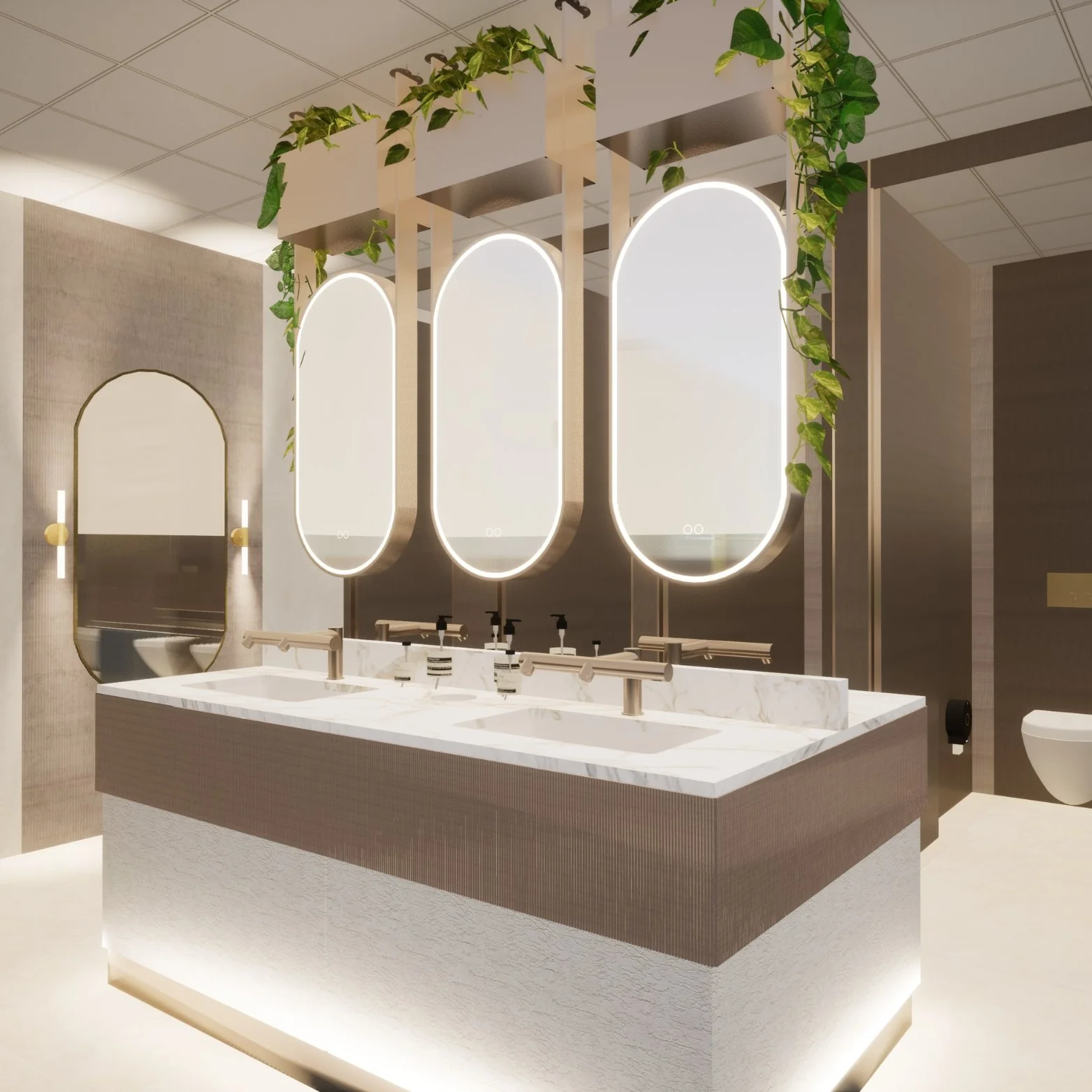
Comfort and Wellbeing Are Non‑Negotiable
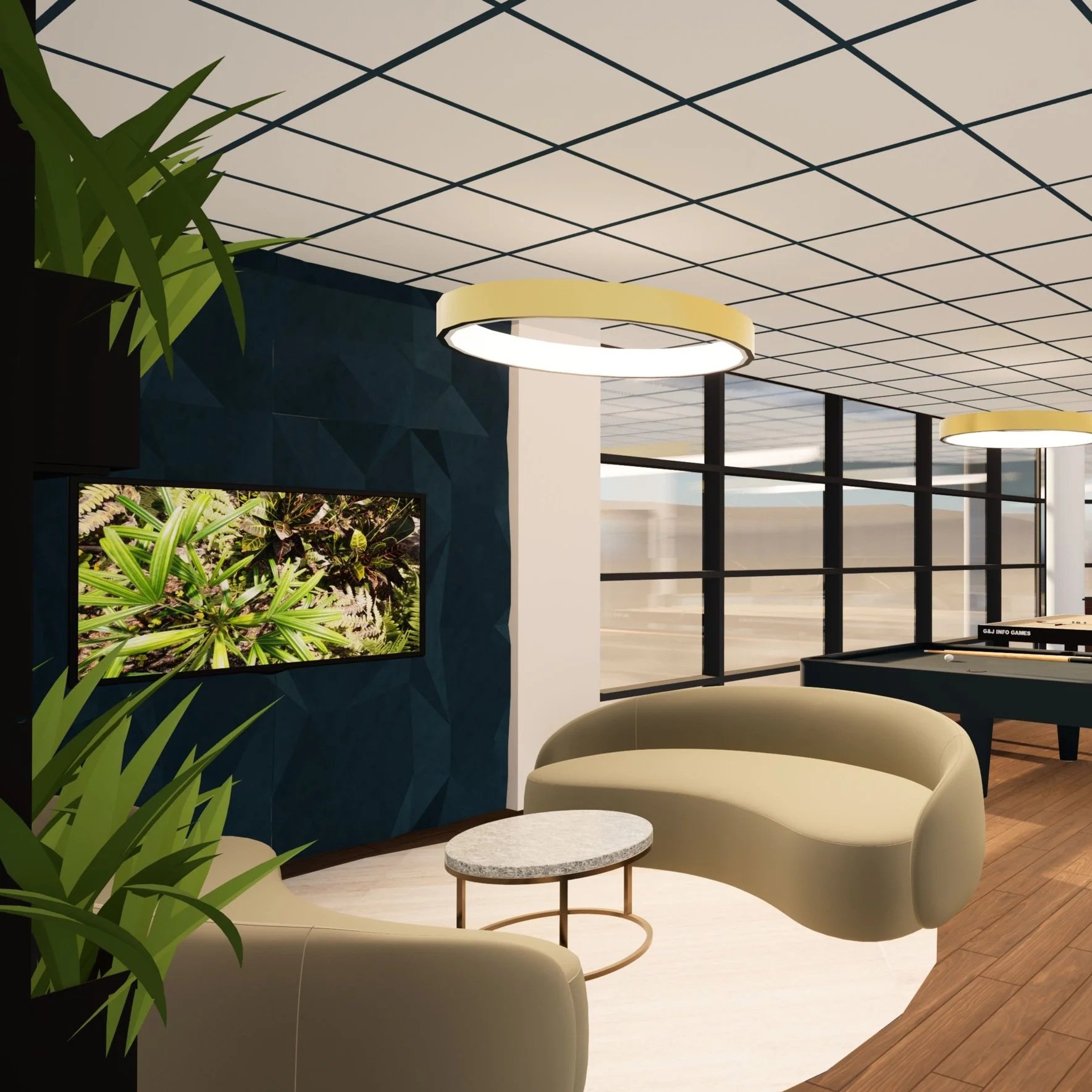
If people are choosing when to come in, comfort matters.
Hybrid workplaces must support wellbeing through:
Good air quality and ventilation
Access to natural light
Acoustic control and quiet zones
Ergonomic furniture and varied postures
Spaces to pause, reset and recharge
Uncomfortable offices don’t just reduce productivity — they reduce attendance.
Layouts Must Earn the Commute
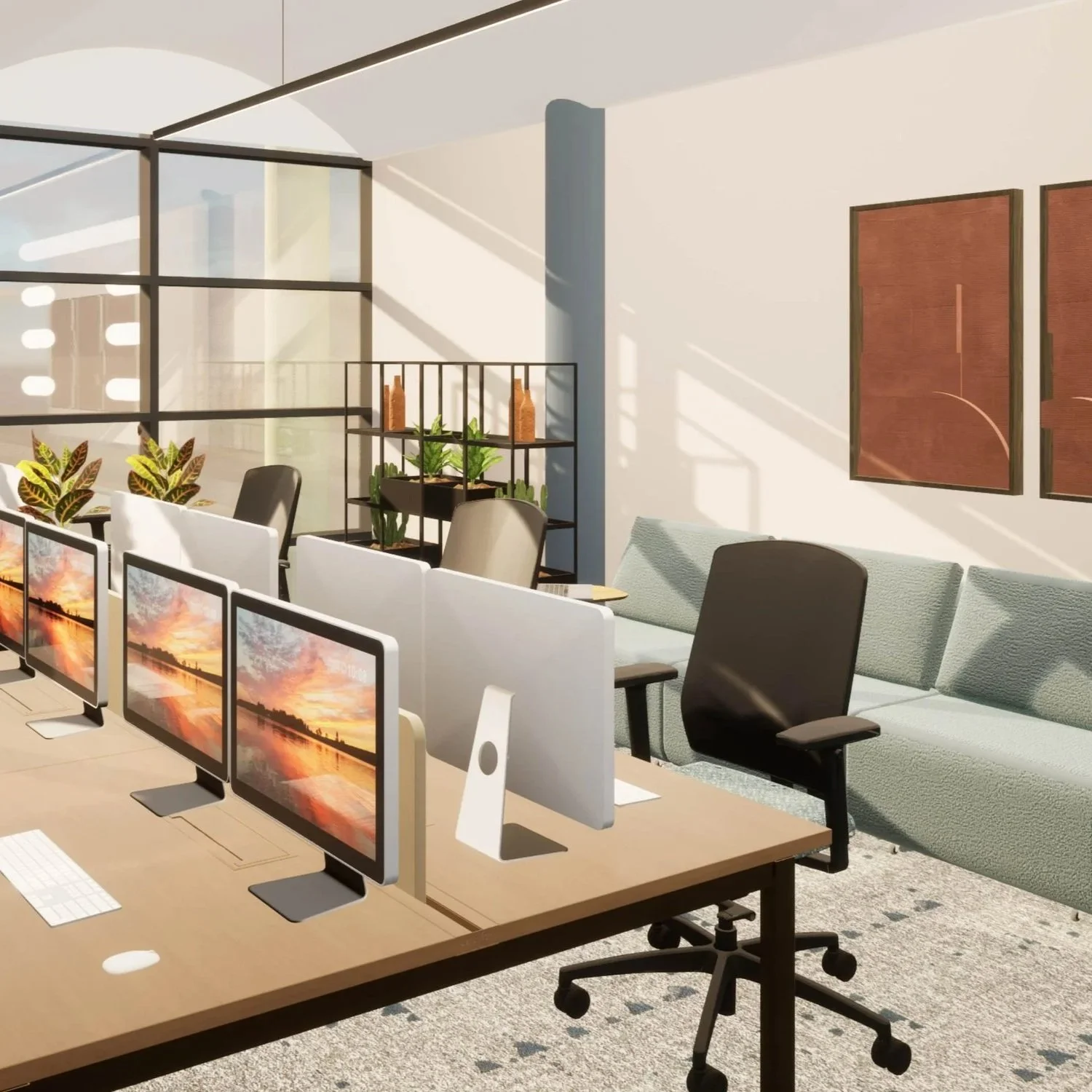
One of the biggest mistakes we see is hybrid offices designed exactly like pre‑pandemic spaces
.
Successful hybrid layouts:
Reduce desk density in favour of shared spaces
Prioritise quality over quantity
Create reasons to come in beyond task work
Support both planned and spontaneous interaction
If the commute doesn’t feel worthwhile, people won’t make it.
Hybrid Design Is About Long‑Term Performance
Hybrid workplace design isn’t about trends — it’s about longevity.
The most successful hybrid offices are flexible, durable and easy to adapt as teams evolve. When design supports culture, retention and performance, hybrid working becomes an advantage rather than a compromise.
Hybrid working has reshaped expectations. Offices now need to prioritise experience over density, choice over rigidity, and wellbeing alongside collaboration. The workplace must work harder than ever to earn the commute.
At Shropshire Studios, we design hybrid workplaces people want to return to — spaces that strengthen culture, support performance and deliver long‑term value for businesses.