How Office Design can Improve Staff Retention
Staff retention has become one of the biggest challenges facing businesses today.
Rising turnover, disengagement and absenteeism are expensive — yet one of the most powerful tools for addressing them is often overlooked.
The office environment.
At Shropshire Studios, we see workplace design as far more than a visual exercise. The spaces people work in every day directly influence how they feel, how they perform and whether they choose to stay. When offices fail to support wellbeing, focus and connection, employees notice — and eventually, they leave.
The Office Is No Longer Just a Place to Work
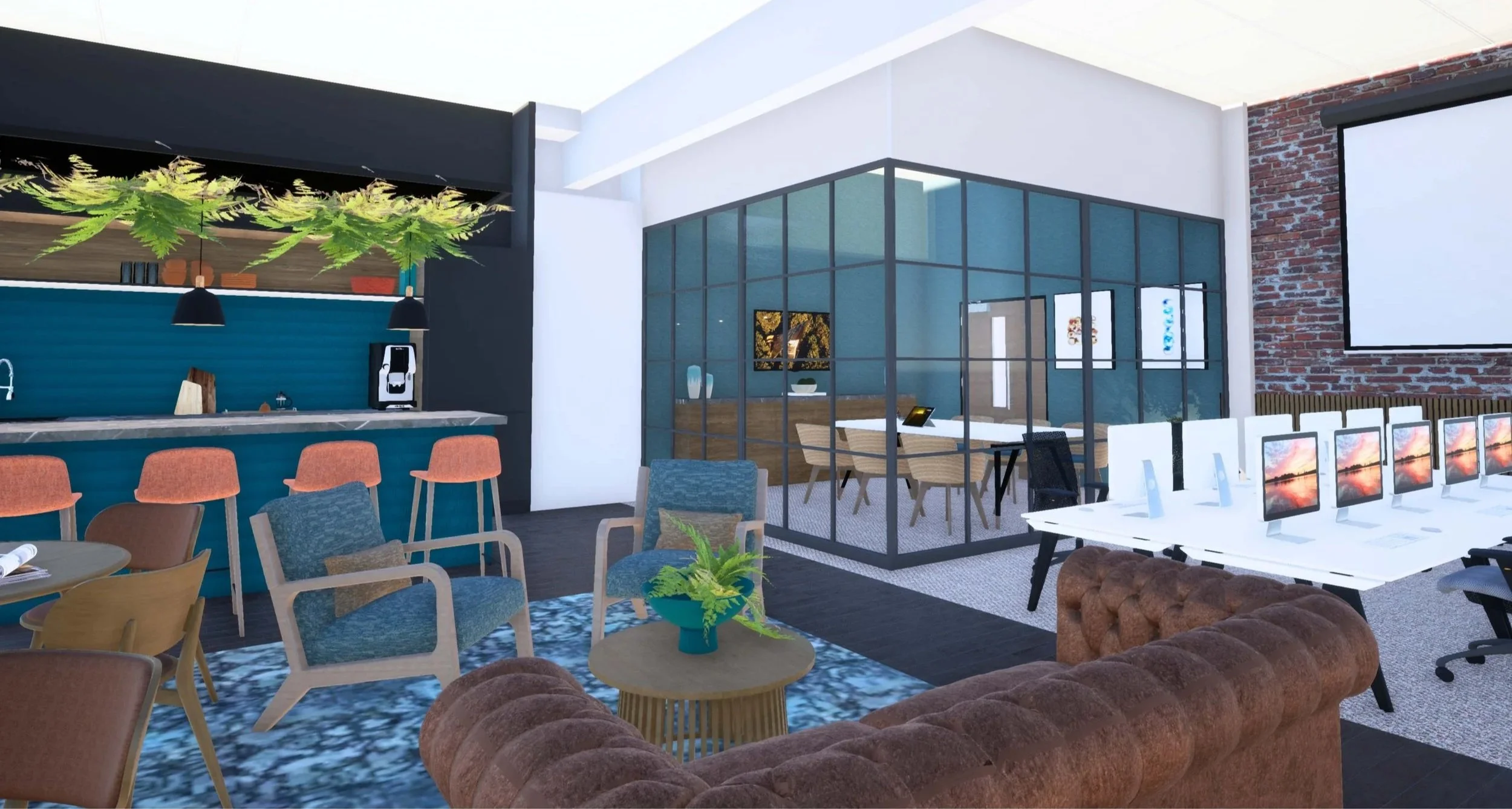
Hybrid working has changed expectations. Employees no longer come into the office out of obligation — they come in for collaboration, learning, social connection and culture.
If the space doesn’t support those things, the commute quickly feels pointless.
Research consistently shows that uninspiring, uncomfortable workplaces make people feel undervalued. When the environment sends the message that staff experience is an afterthought, retention suffers.
Good office design is no longer about “looking modern” — it’s about making people feel supported, energised and considered.
Why Workplace Design Directly Impacts Retention
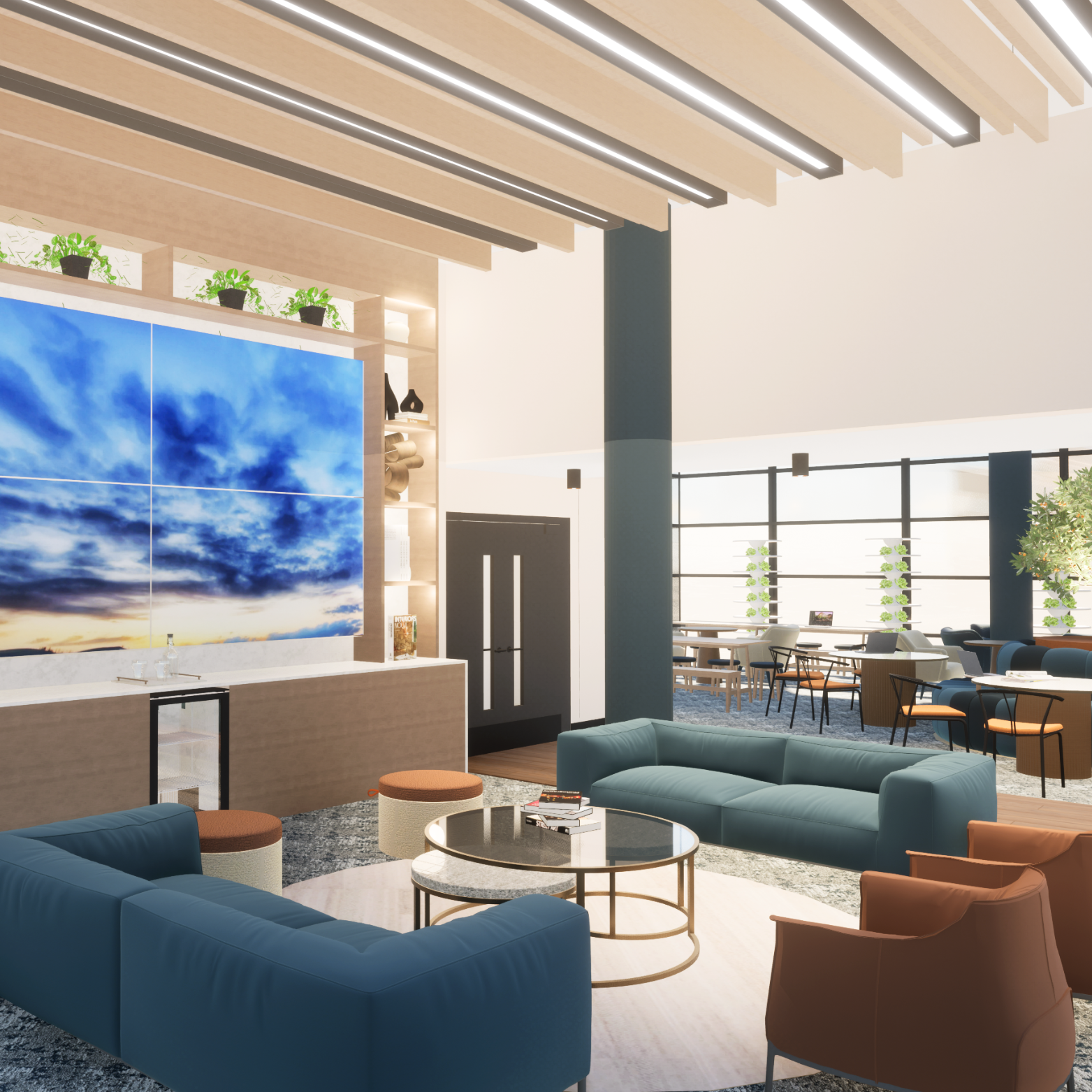
Retention isn’t driven by one single factor. It’s the result of how people feel over time.
Well‑designed offices:
Reduce stress and fatigue
Improve physical comfort
Support focus and collaboration
Encourage social connection
Reinforce company culture and values
When people feel better at work, they’re far more likely to stay.
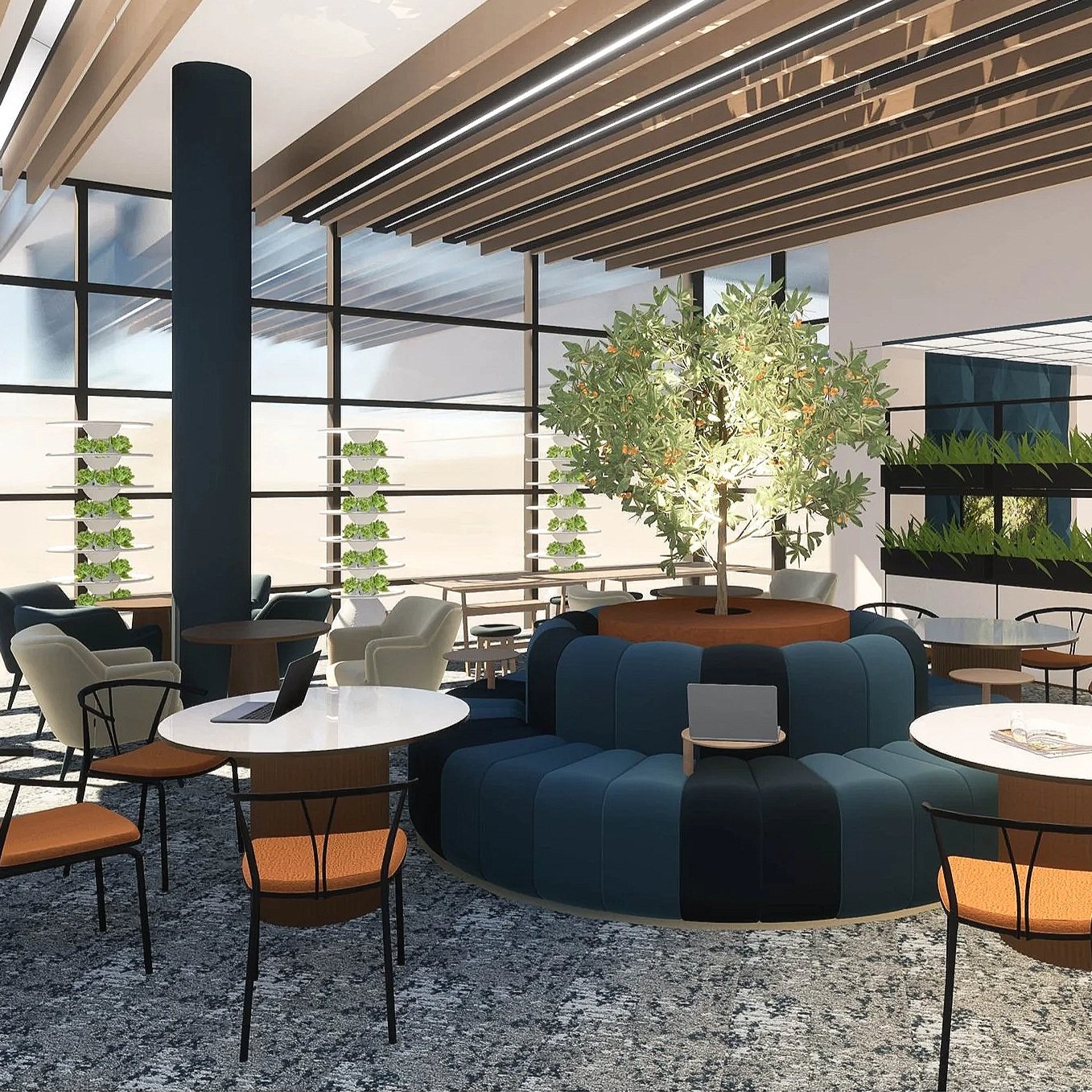
Air Quality and Comfort
Poor air quality quietly chips away at job satisfaction and performance.
Effective workplaces prioritise:
Good ventilation and fresh airflow
Ongoing air quality monitoring
Thermal comfort throughout the day
Spaces that feel healthy, not stuffy
Comfort isn’t a luxury — it’s a baseline expectation.
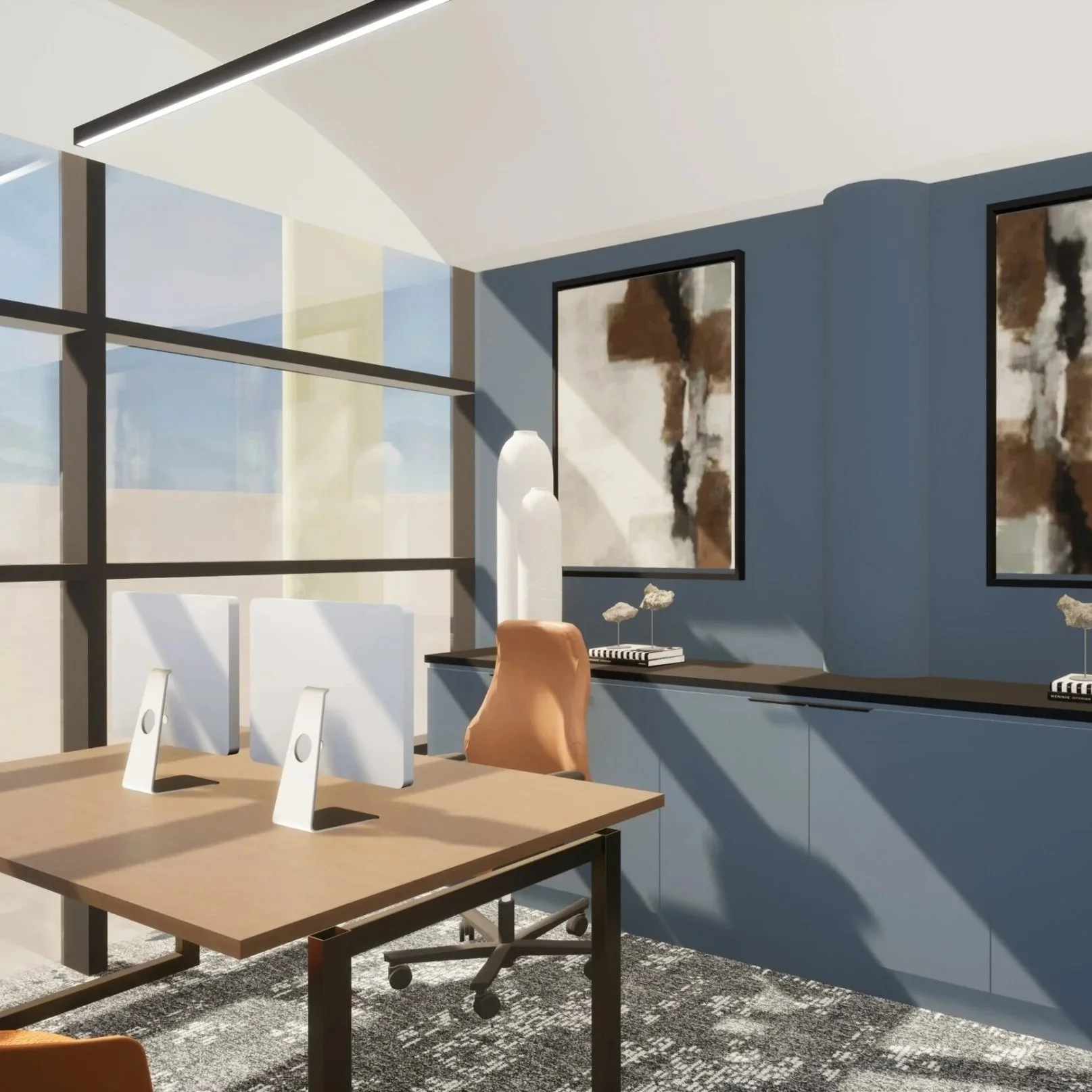
Lighting That Supports Energy
Lighting has a direct impact on mood, alertness and long‑term wellbeing.
High‑retention workplaces provide:
Maximised access to natural daylight
Desk layouts positioned near windows
Layered artificial lighting where daylight is limited
Soft, well‑balanced lighting rather than harsh, flat illumination
Well‑designed lighting energises people — poor lighting drains them.
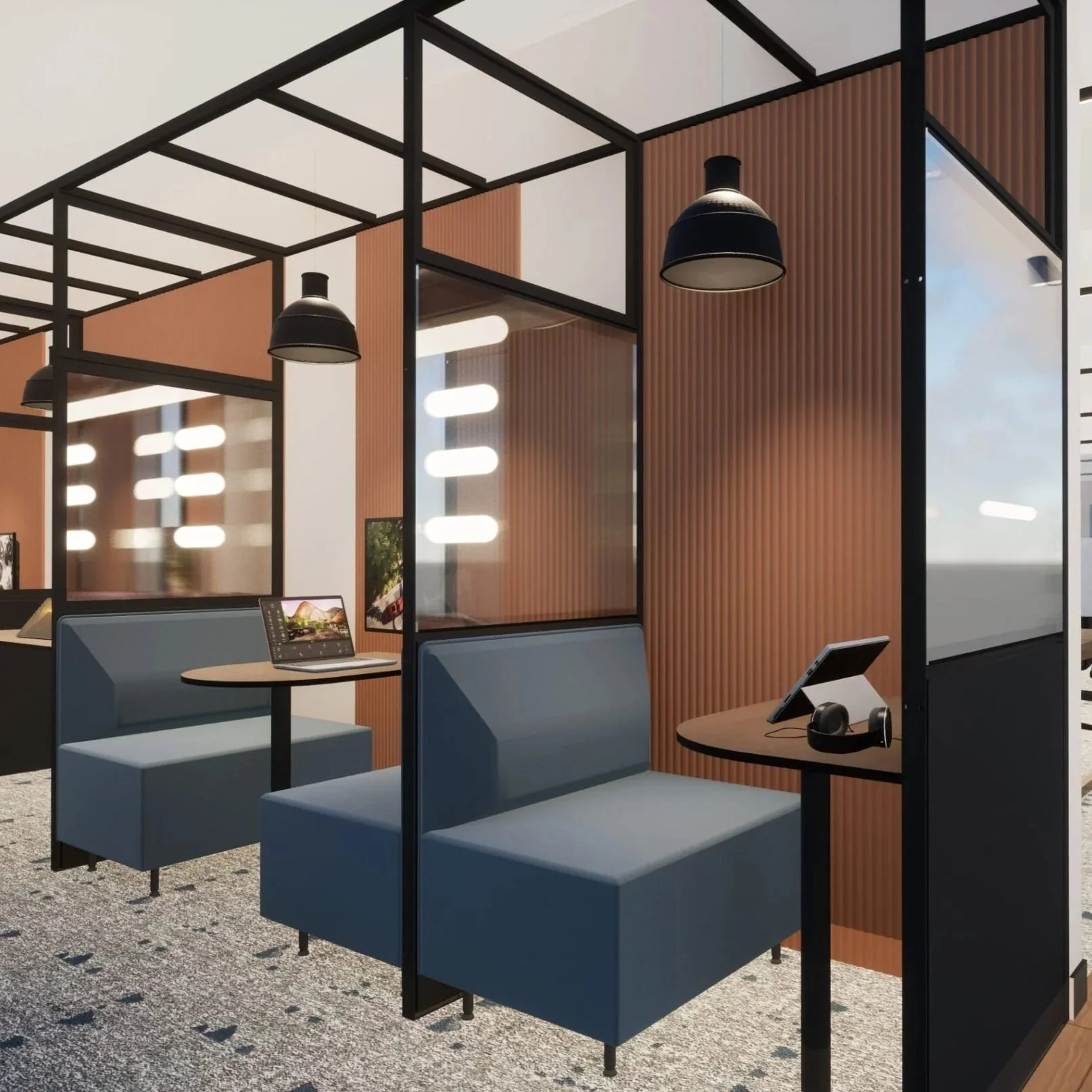
Acoustics and Noise Control
Noise is one of the biggest contributors to workplace frustration.
Effective acoustic strategies include:
Quiet zones for focused work
Acoustic panels and sound‑absorbing finishes
Enclosed booths for calls and meetings
Clear separation between noisy and quiet areas
People stay longer in environments where they can actually concentrate.
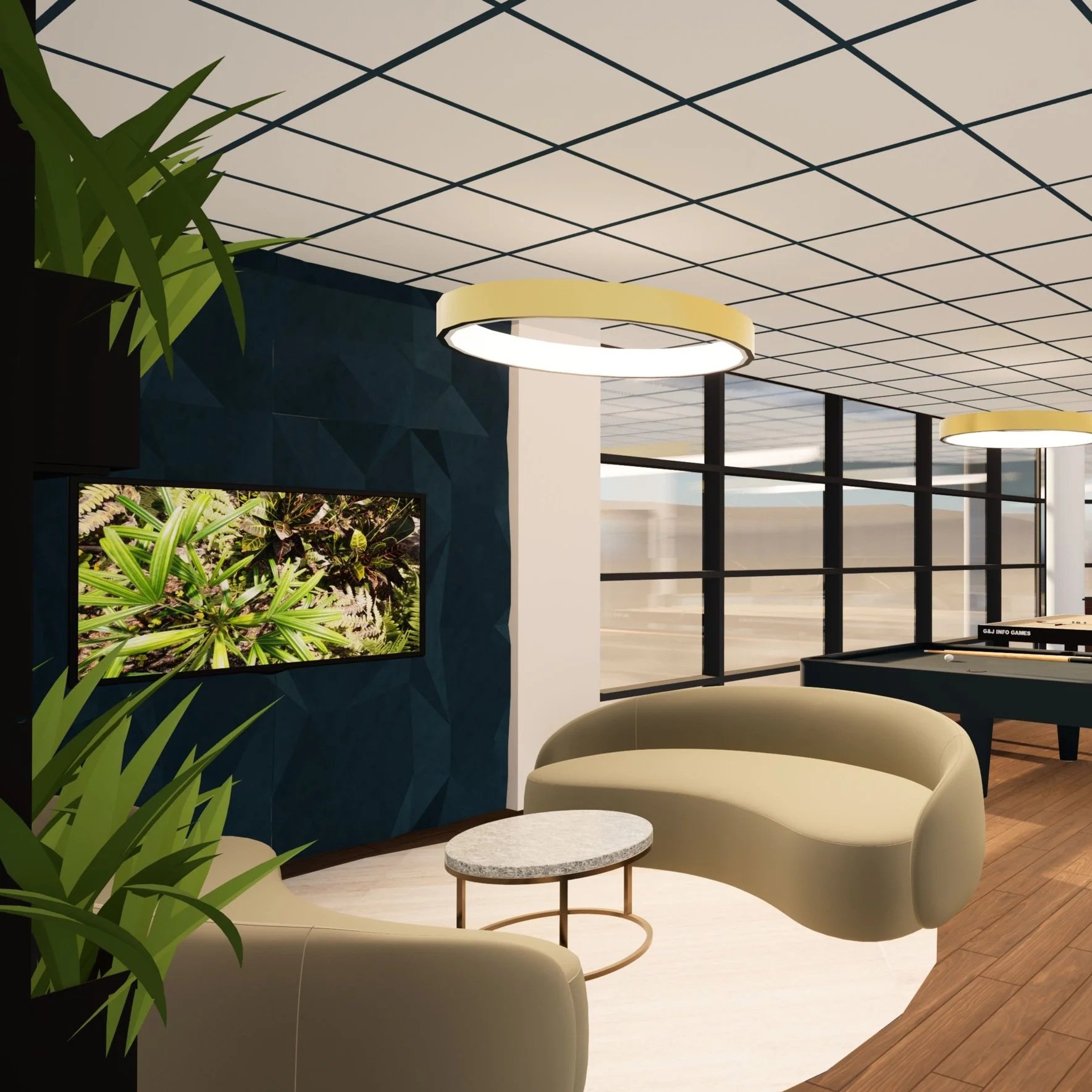
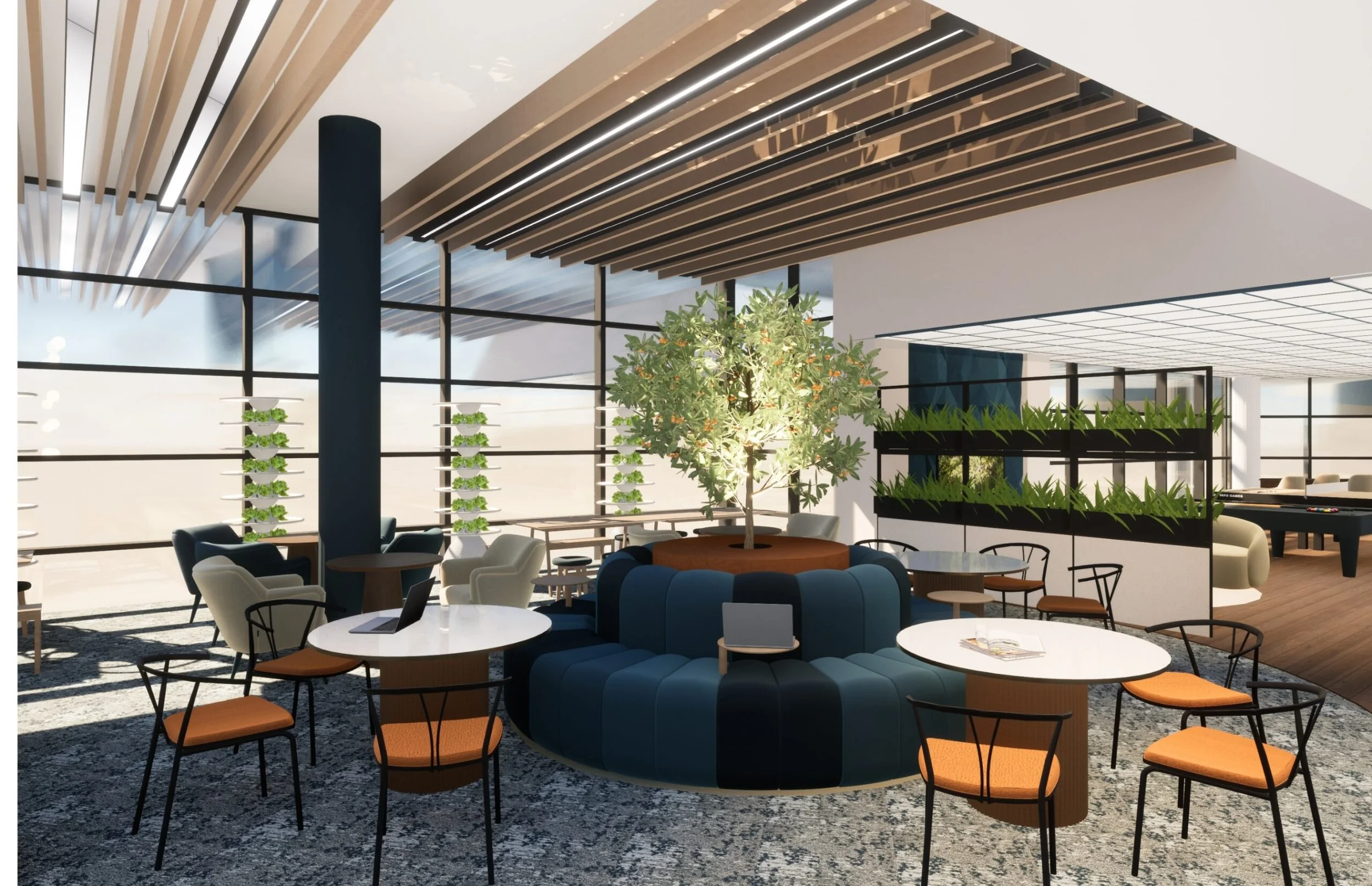
Layout That Supports How People Work
No single layout suits every task — and desk density alone doesn’t drive engagement.
High‑retention offices offer:
Dedicated focus areas
Collaboration and meeting spaces
Informal breakout zones
Social and restorative areas
Choice is key.
When people can move between spaces that suit different tasks, frustration drops and engagement rises.
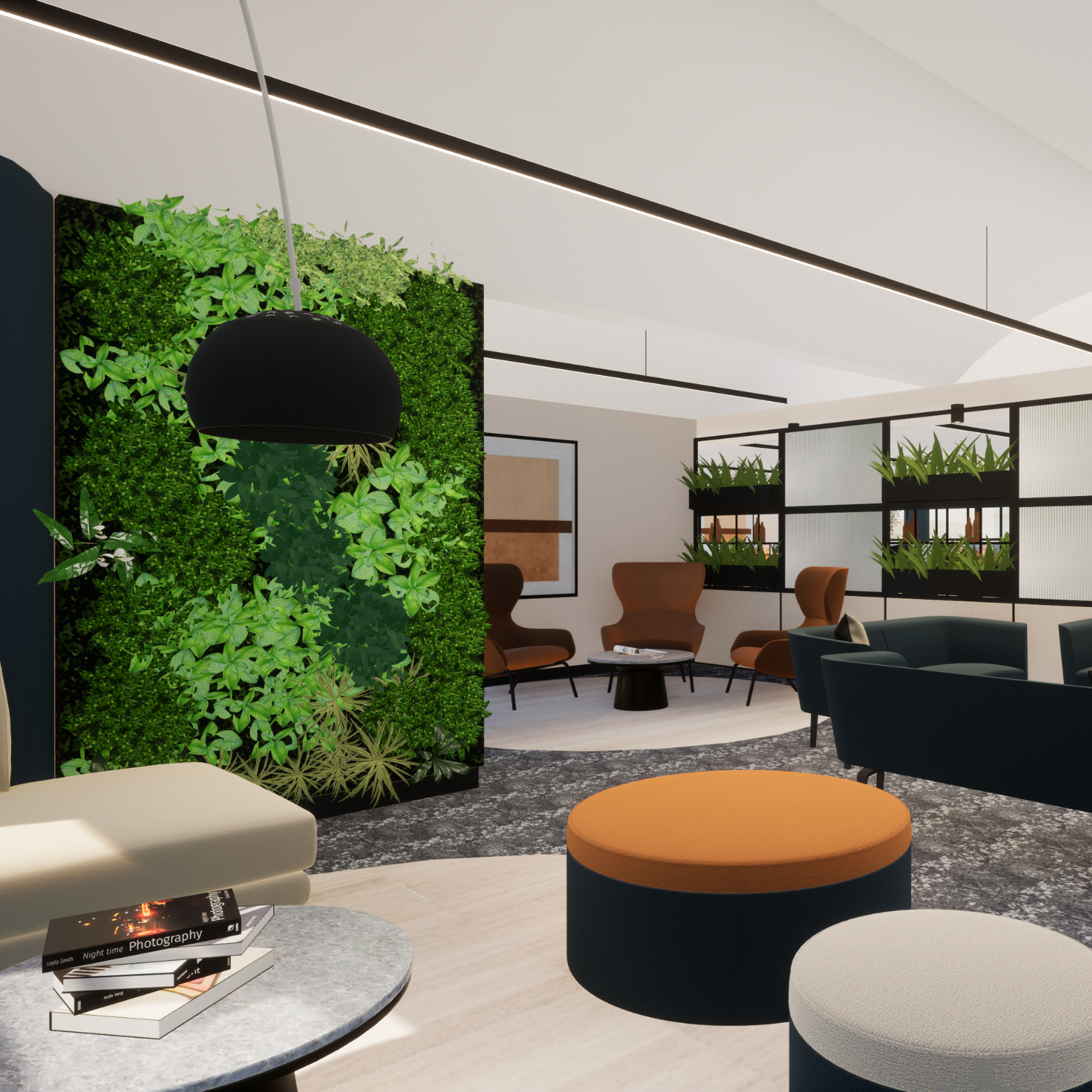
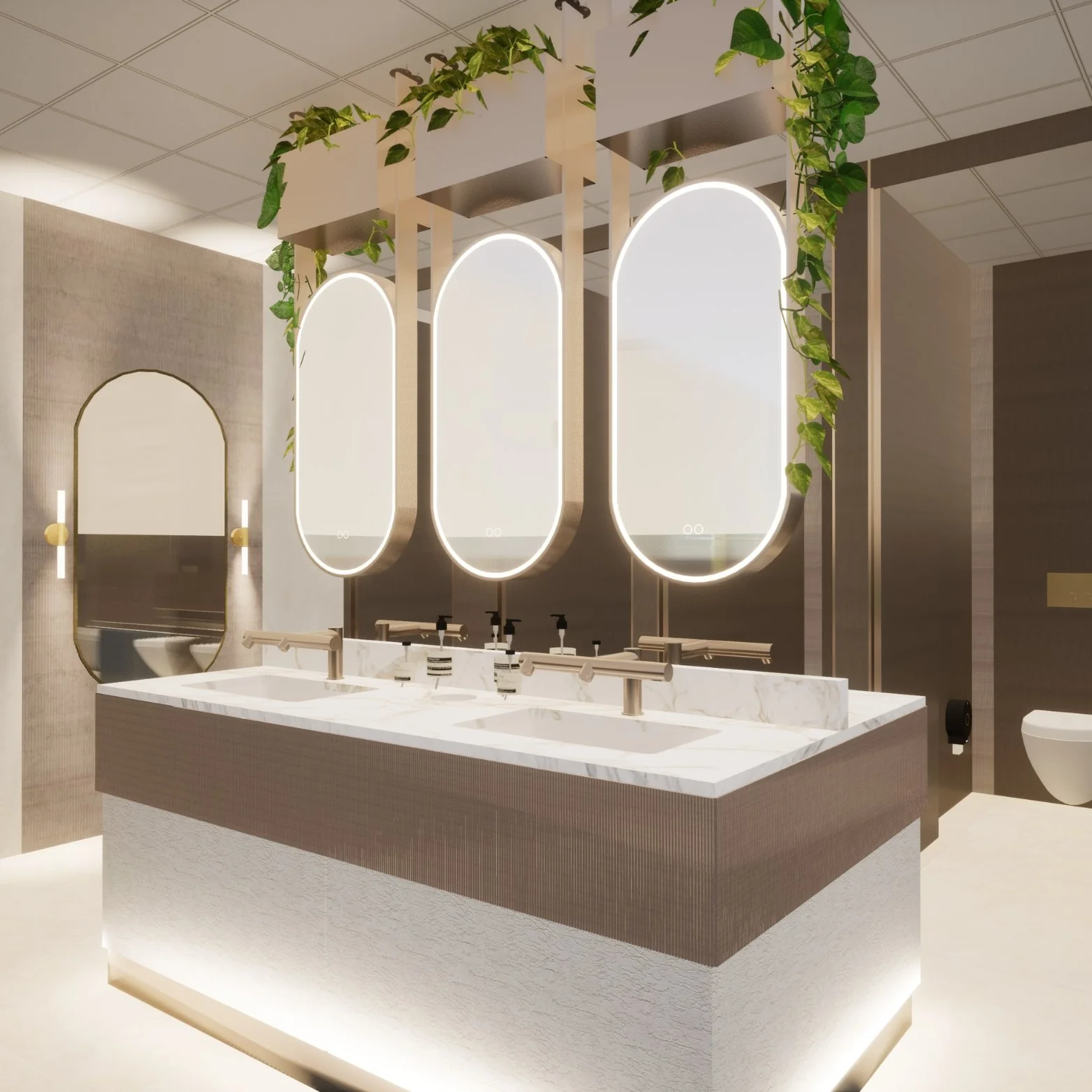
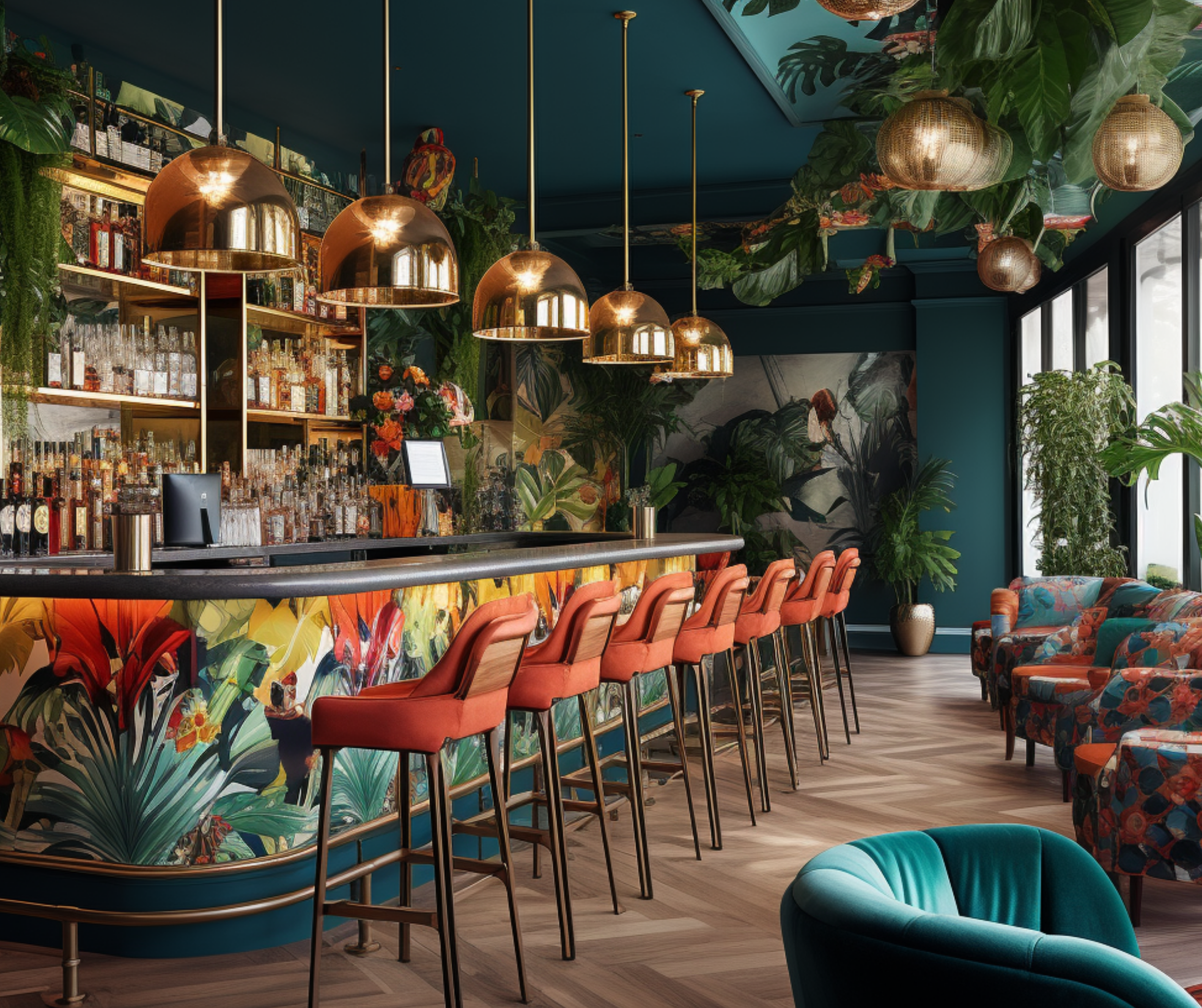
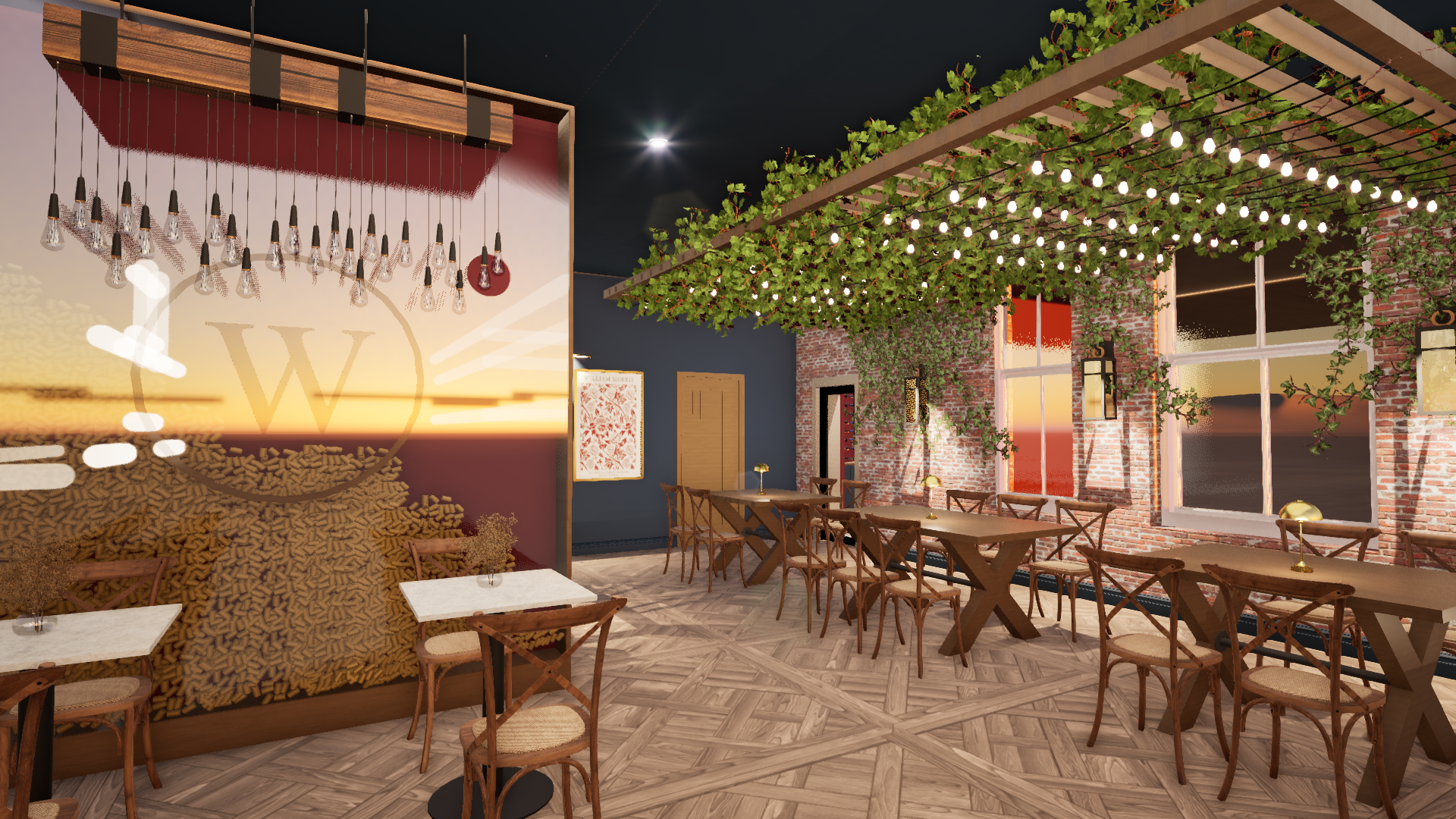
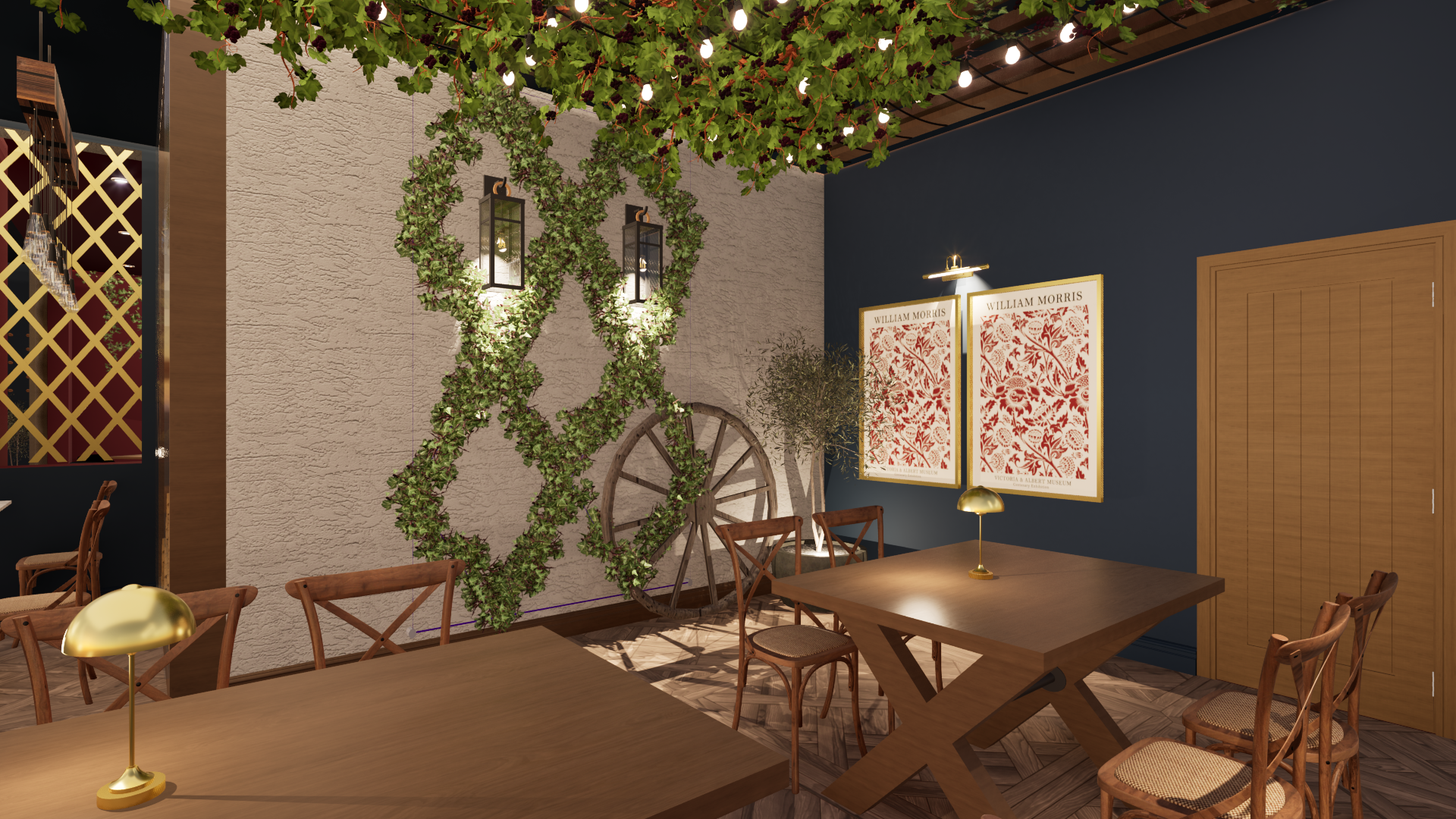
Biophilic Design, Beyond Just Plants
Connection to nature improves mood, reduces stress and supports wellbeing.
Effective biophilic design includes:
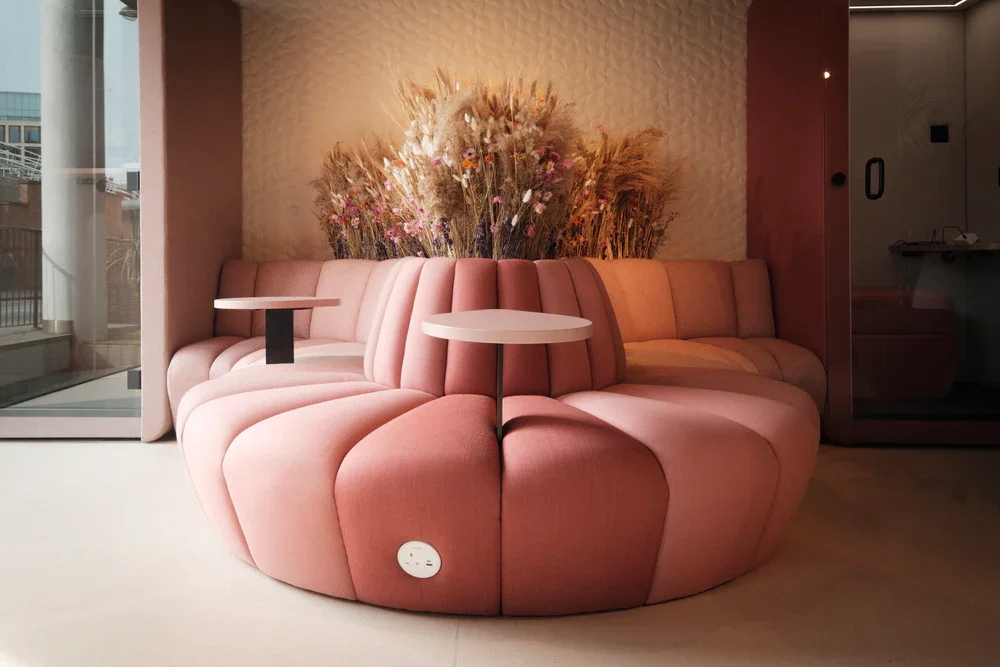
Natural materials and textures
Layered finishes that soften the environment
Views out and visual connection to nature
Organic forms, patterns and subtle sensory cues
Even small biophilic interventions can significantly improve how people feel at work.
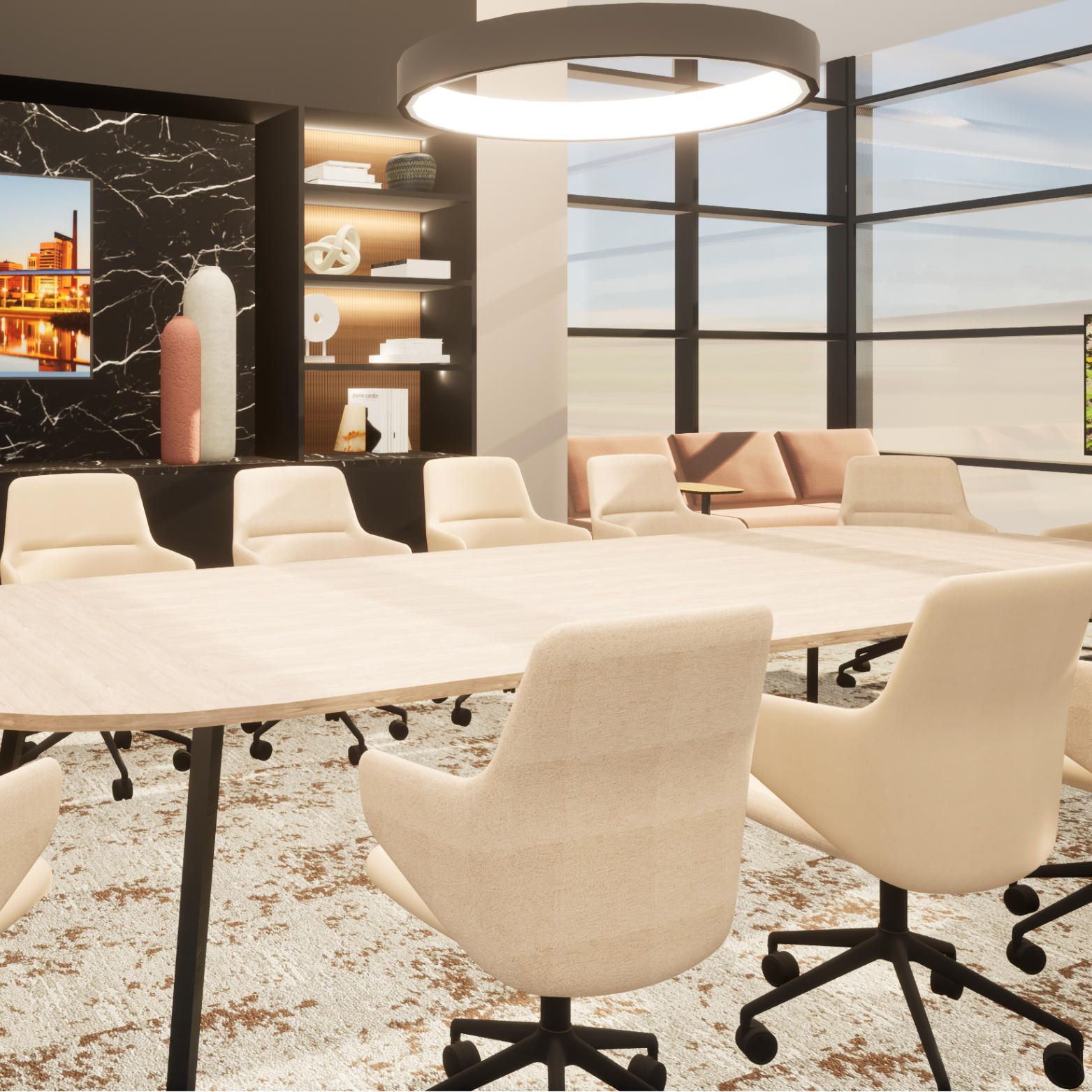
Ergonomics and Movement
Poor furniture and static working environments drive discomfort and dissatisfaction.
Thoughtful workplaces include:
Ergonomic task seating
Adjustable desks and workstations
Proper screen positioning
Spaces that encourage movement throughout the day
Comfort supports longevity — both physically and professionally.
Culture Is Built Through Space
Office design silently communicates how a company values its people.
Spaces that feel tired, poorly maintained or purely functional suggest stagnation. Environments that feel considered, comfortable and welcoming signal care, investment and pride.
That perception matters — especially when employees are deciding whether to stay, leave or recommend their workplace to others.
Designing for Retention, Not Just Aesthetics
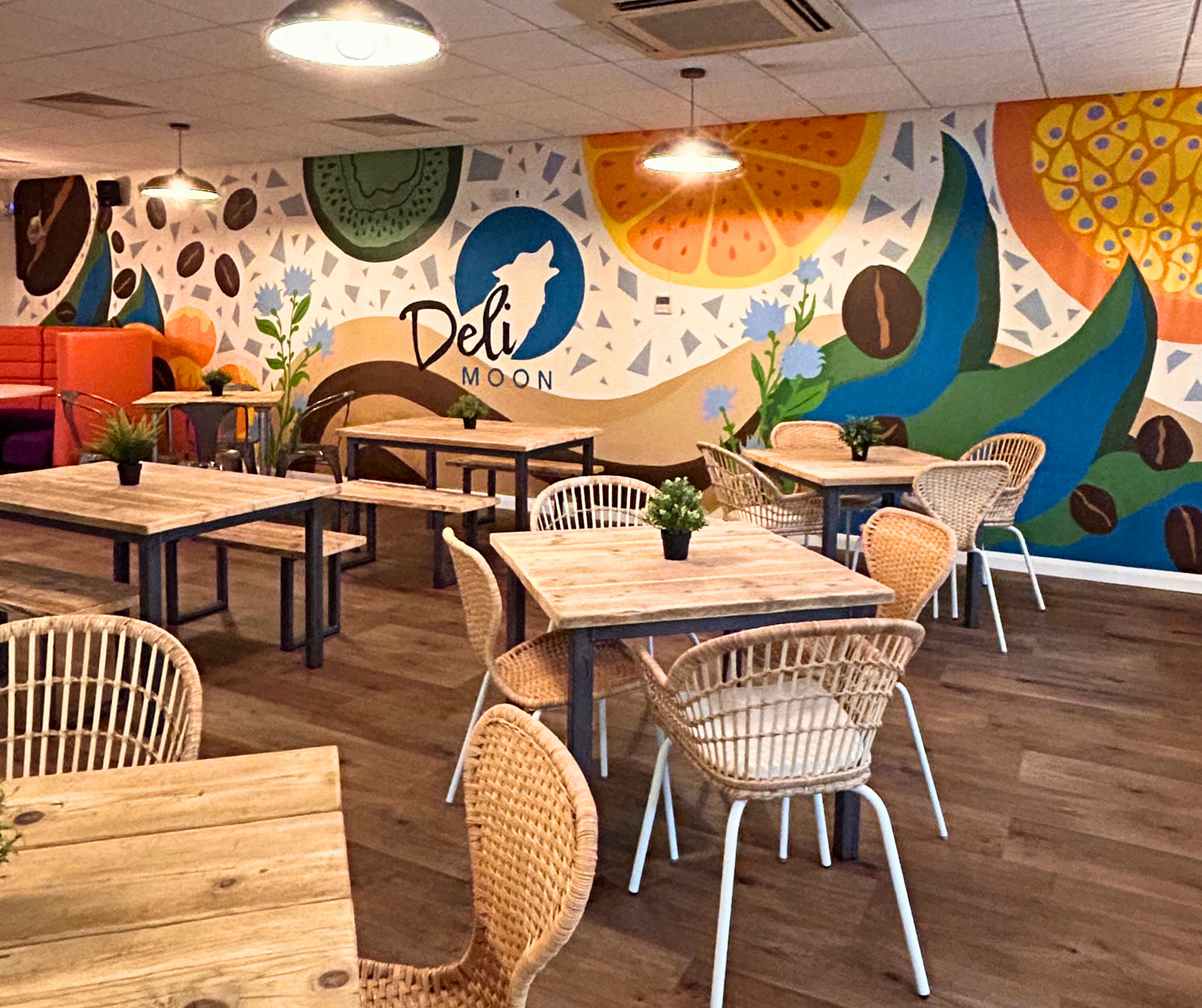
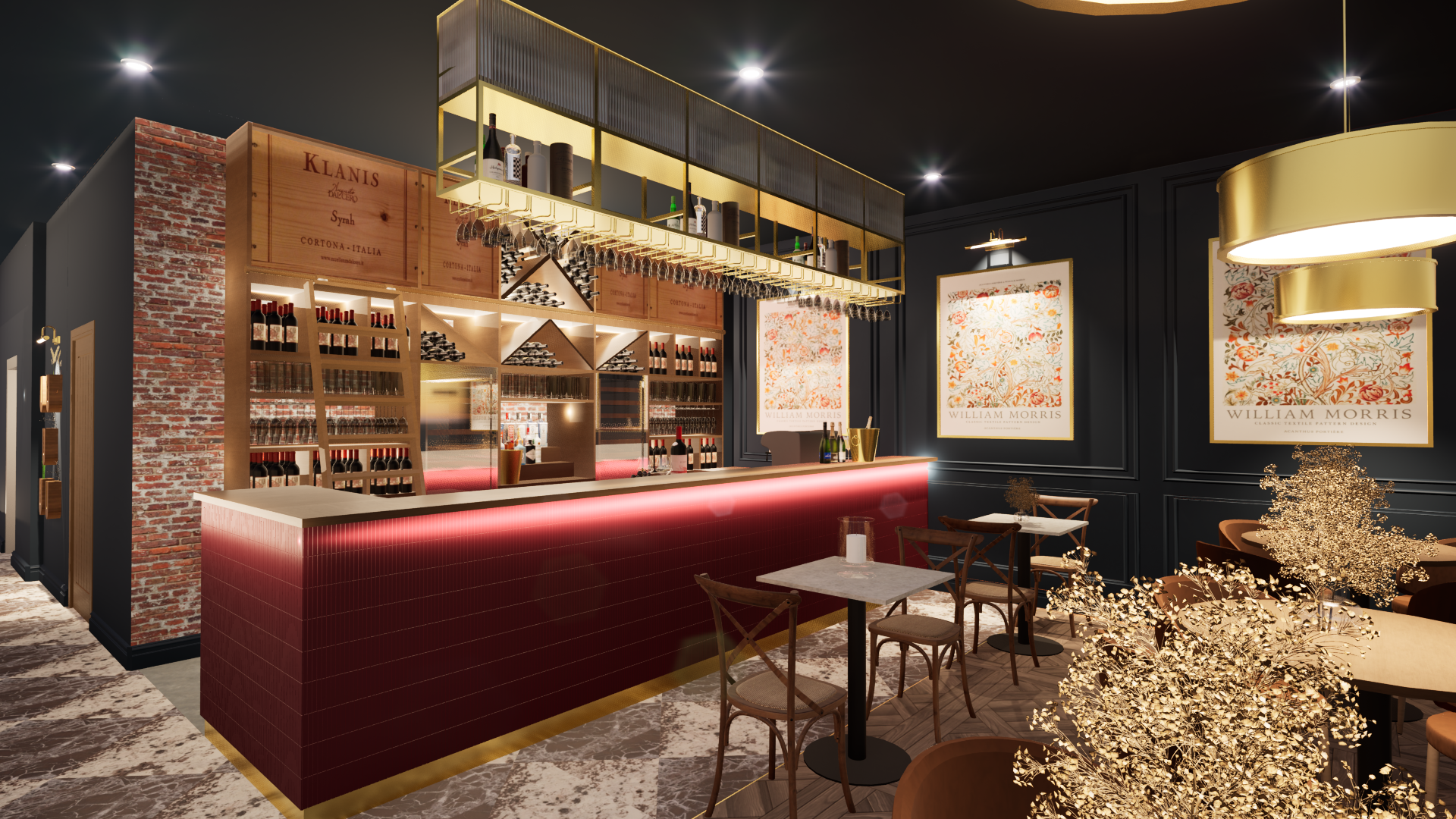
At Shropshire Studios, we design offices around human experience, not trends. We focus on how people feel when they arrive, how they move through the space, where they connect, and where they can retreat.
Because staff retention isn’t solved with perks or policies alone — it’s supported daily by the environment people spend their time in.
When offices are designed to support wellbeing, focus and connection, people don’t just work better.
They stay longer.