Updating Traditional Spaces Without Losing Heritage
There’s a fine line between preserving character and holding a space back.
In golf clubs, this challenge comes up time and time again.
A clubhouse rich in history, full of stories and identity—but struggling to meet modern expectations.
The instinct is often to protect what’s there.
But standing still isn’t the same as preserving heritage.
The real goal?
To evolve the space, without losing what makes it special.
Heritage Isn’t Just About Age
Not every traditional space is heritage, and not every heritage space should remain untouched.
Some clubhouses genuinely benefit from their history:
Original architectural features
Period detailing
A strong sense of identity
Others, however, are simply outdated.
The key is understanding the difference.
Because preserving a space should never mean preserving poor lighting, uncomfortable layouts, or tired finishes.
Preservation vs. Progress
One of the biggest challenges in refurbishment is knowing what to keep and what to change.
Strip too much away, and you lose the character.
Change too little, and nothing really improves.
It’s not about contrast for the sake of it. It’s about balance.
Working With the Building, Not Against It
Traditional buildings often come with constraints:
Structural limitations
Unusual layouts
Lower ceilings or smaller windows
Trying to force a modern solution into a traditional shell rarely works.
Instead, the design should respond to the building itself.
Good design doesn’t override history, it works with it.
The Role of Materials and Detail
Material choice is where heritage projects are won or lost.
Inconsistent or overly modern finishes can quickly feel out of place.
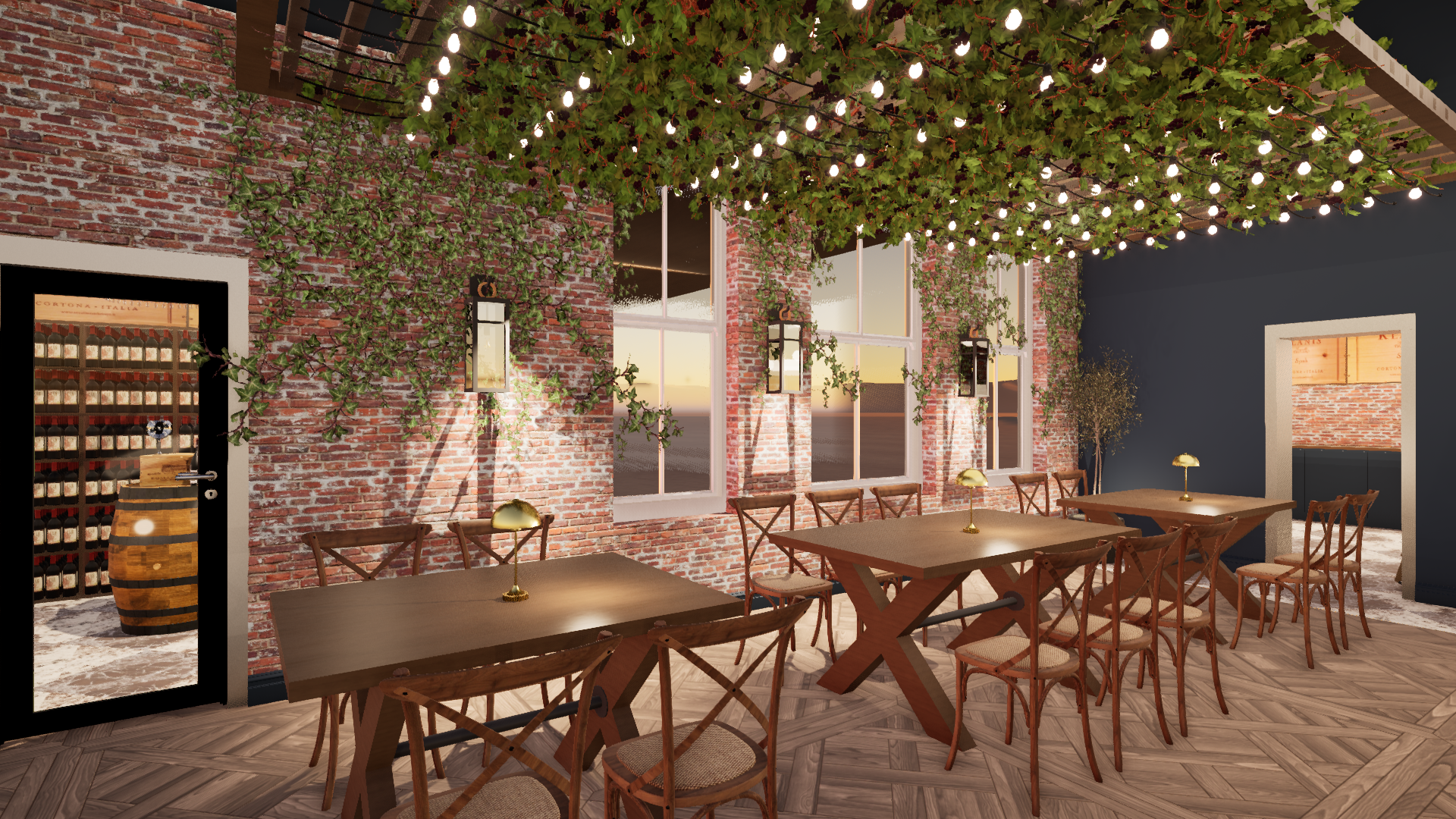
Whereas considered selections — natural timbers, textured fabrics, muted palettes — can bridge the gap between old and new.
These decisions shape how the space is perceived — often more than layout alone.
Modern Comfort Is Still Essential
While heritage is important, usability is non-negotiable.
If a space looks beautiful but doesn’t feel good to spend time in, it won’t be used.
And in a clubhouse environment, that directly impacts revenue and engagement.
The aim is to quietly integrate modern comfort — without it feeling forced or out of place.
Avoiding the “Time Capsule” Effect
One of the biggest risks with traditional spaces is unintentionally creating a time capsule.
A room that hasn’t changed in decades might feel nostalgic — but it can also feel neglected.
A more holistic approach ensures the space feels cohesive, rather than caught between eras.
Designing for Longevity
Heritage-led design isn’t just about the past, it’s about the future too.
Any refurbishment should consider:
How the space will be used over time
Whether it can adapt to different functions
The durability of materials in high-use areas
Because a well-designed space should last — not just visually, but functionally.
Respecting Identity, Enhancing Experience
Every golf club has its own identity.
For some, that’s traditional and formal.
For others, it’s relaxed and community-driven.
Updating a clubhouse shouldn’t erase that identity — it should strengthen it.
That might mean:
Refining, rather than replacing, existing character
Creating a clearer visual language across the space
Aligning the design with how the club wants to be perceived
Because when the environment reflects the club’s values, it resonates far more with members.
Final Thoughts
Updating traditional spaces isn’t about choosing between past and present.
It’s about bringing the two together — thoughtfully.
Done well, refurbishment doesn’t dilute heritage.
It reveals it.
It allows historic spaces to function better, feel more relevant, and continue to play a meaningful role in the life of the club.
Because heritage shouldn’t be something you work around.
It should be something you build on.