Is Your Workplace Helping or Hurting Your Brand?
Your workplace says more about your business than most people realise.
Before a client meets your team, reads a proposal or experiences your service, they’ve already started forming opinions based on the environment you invite them into. From first impressions and credibility to culture and consistency, the workplace plays a powerful role in shaping how your brand is perceived.
Yet many businesses still treat the office as a purely functional space, rather than a strategic brand asset.
So the question is simple: is your workplace reinforcing your brand — or quietly working against it?
First Impressions Start the Moment Someone Walks In
First impressions are formed quickly, and often subconsciously. Clients notice far more than just a reception desk.
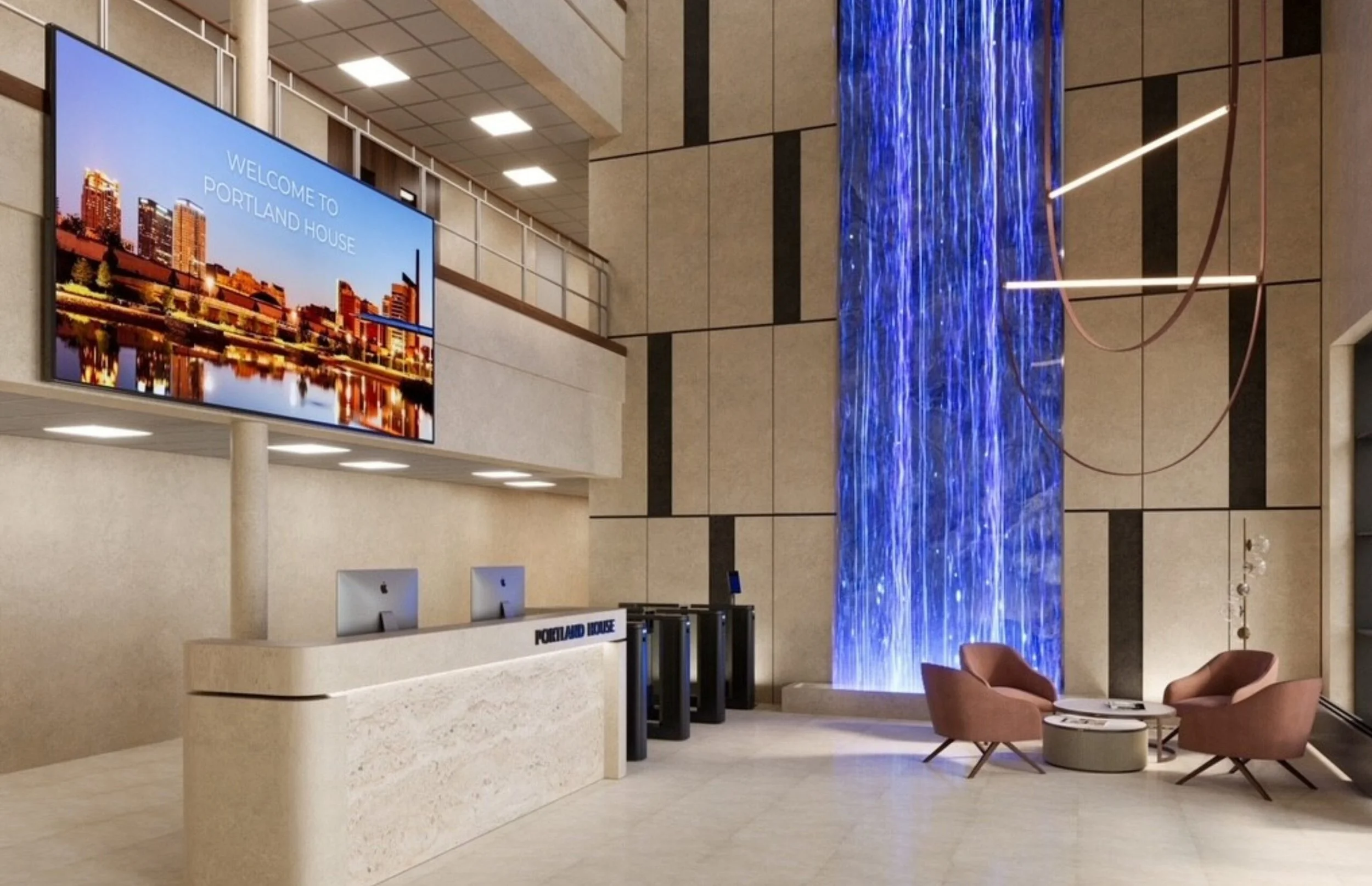
They take in:
The clarity and flow of the space
How welcoming or confident it feels
The quality of finishes and furniture
Lighting, cleanliness and atmosphere
Whether the environment feels intentional or improvised
All of these elements send signals about how you operate as a business.
A well‑designed workplace communicates professionalism, credibility and confidence. A poorly considered one can raise doubts, even if your service offering is strong.
In many cases, the office becomes a physical reflection of your brand values. If the space feels disjointed, outdated or uncared for, it can undermine trust before a conversation even begins.
What a Clean, Well‑Organised Space Really Communicates
Cleanliness and organisation go far beyond aesthetics.
Studies consistently show that tidy, well‑maintained environments send subconscious signals of reliability, safety and competence. Visitors may not consciously register every detail, but they respond to the overall impression.
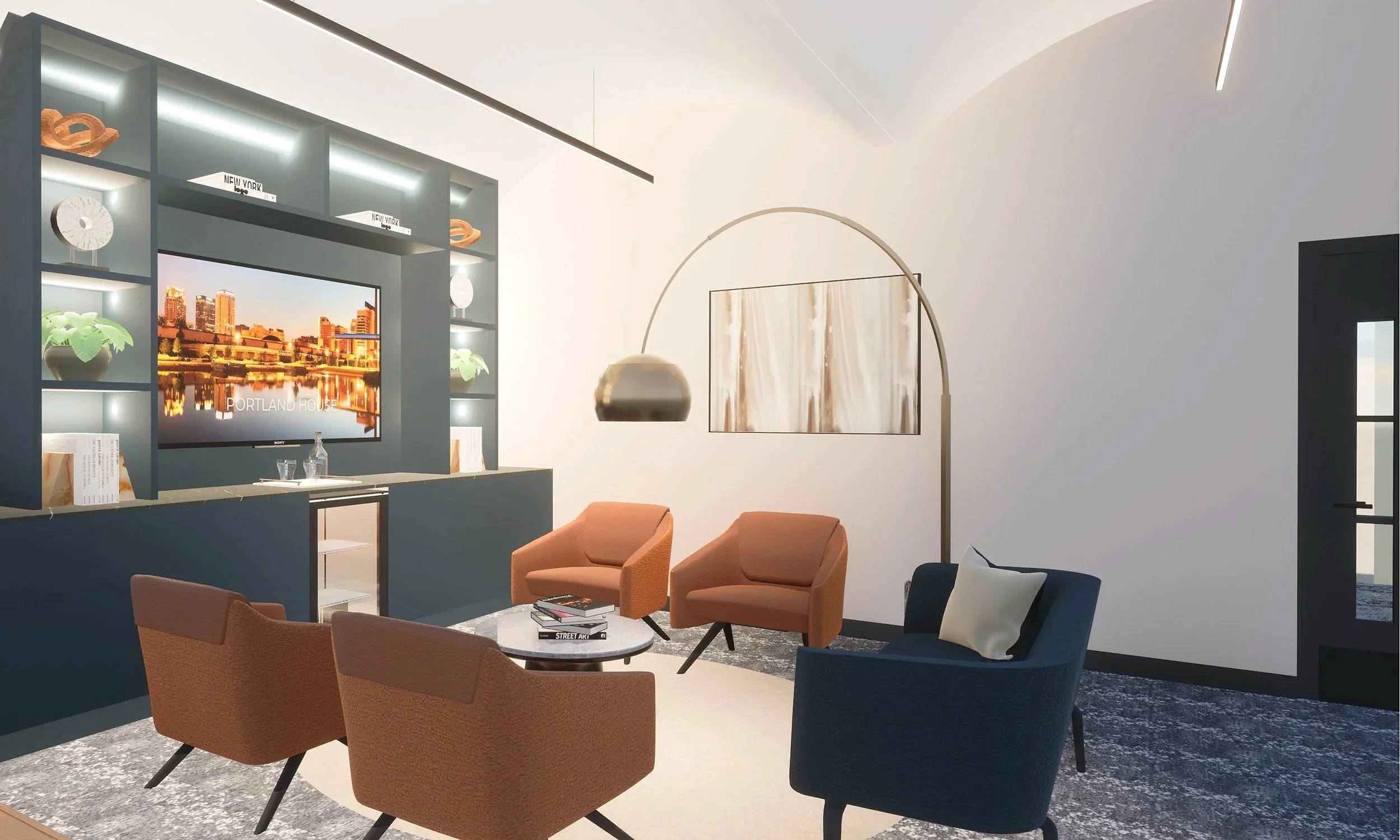
A clean, organised workspace suggests:
Attention to detail
Pride in the business
Professional standards
Respect for staff and visitors
It also reflects how a company operates internally. If a workplace feels chaotic or neglected, it can imply the same about processes, communication or leadership — whether that’s fair or not.
Regular maintenance, considered storage and clear layouts all contribute to an environment that feels calm, trustworthy and well‑run.
Flexibility, Adaptability and What It Says About Your Brand
Modern businesses change quickly and workplaces need to keep up.
Flexible, adaptable interiors signal a brand that is forward‑thinking and prepared for growth. This is why modular design approaches are becoming increasingly popular in commercial interiors.
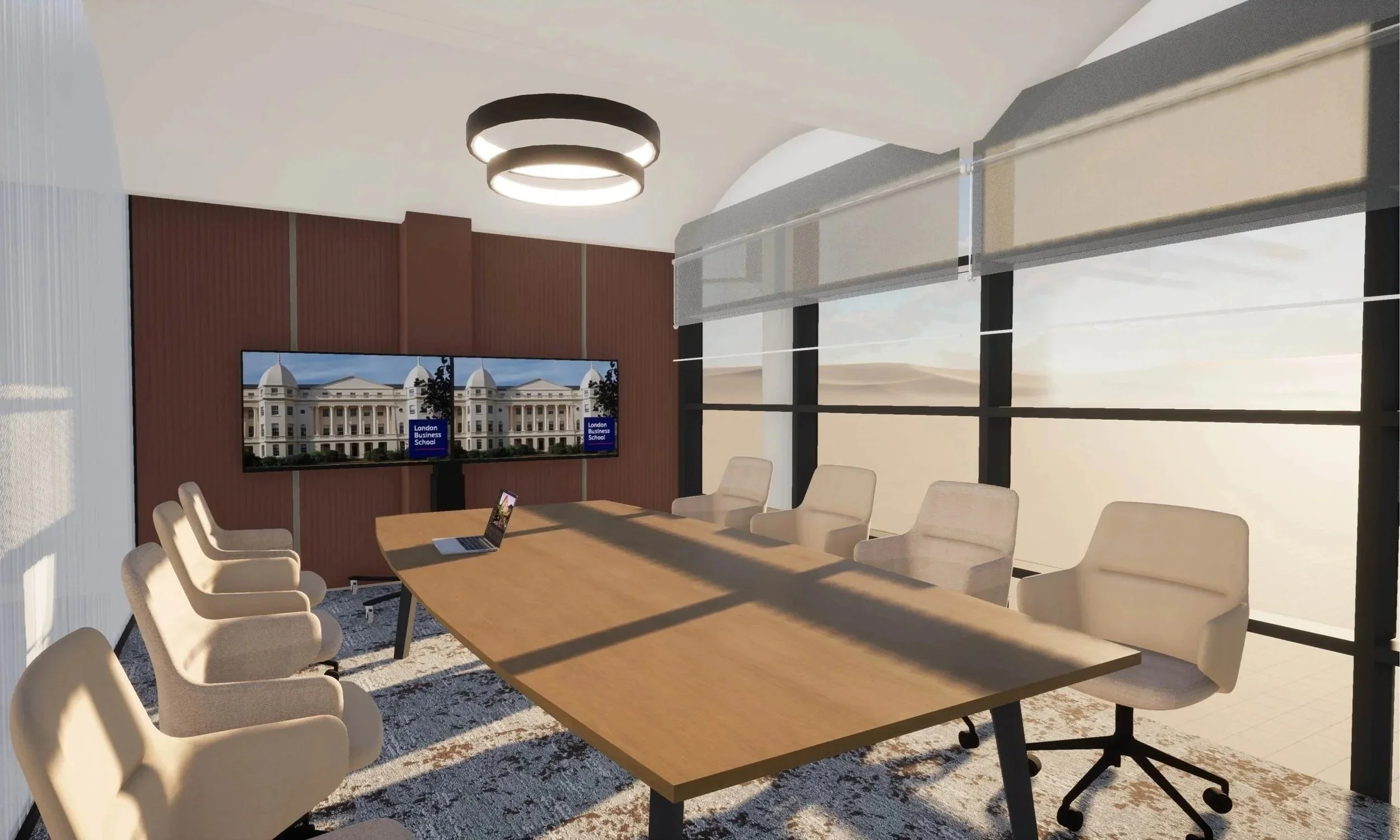
Rather than fixed, rigid layouts, modular systems allow spaces to evolve:
Meeting rooms can expand or contract
Teams can be reconfigured
Layouts can respond to growth or new ways of working
From a brand perspective, this communicates agility and confidence. It shows that the business isn’t stuck in the past and that it values efficiency, sustainability and long‑term thinking.
An office that can adapt feels current, one that can’t quickly starts to feel dated.
Colour, Mood and Brand Personality
Colour plays a far bigger role in branding than many workplaces allow for.
Different colour palettes influence how people feel, focus and interact within a space. They also reinforce brand personality, often more powerfully than logos or graphics.

For example:
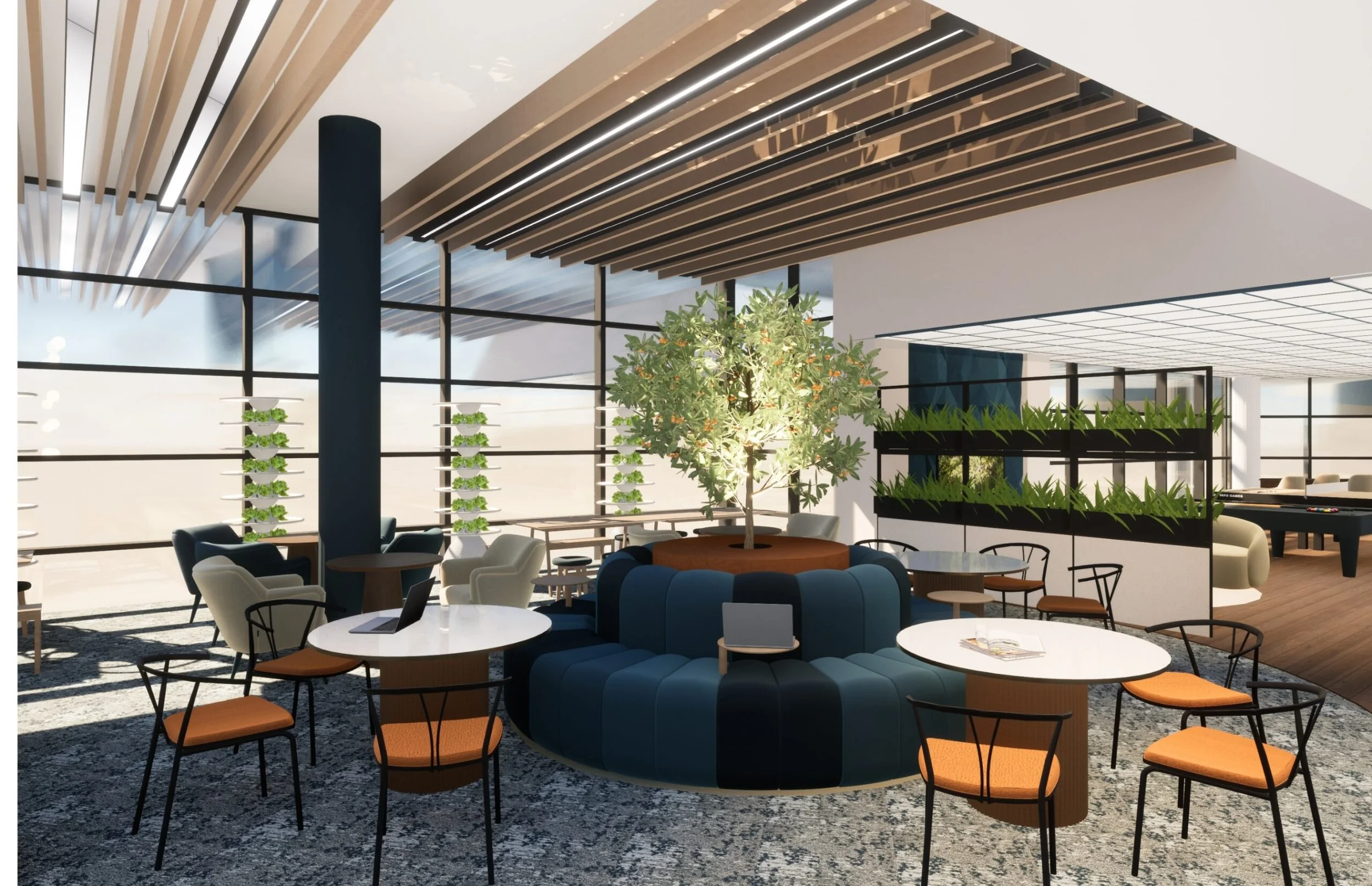
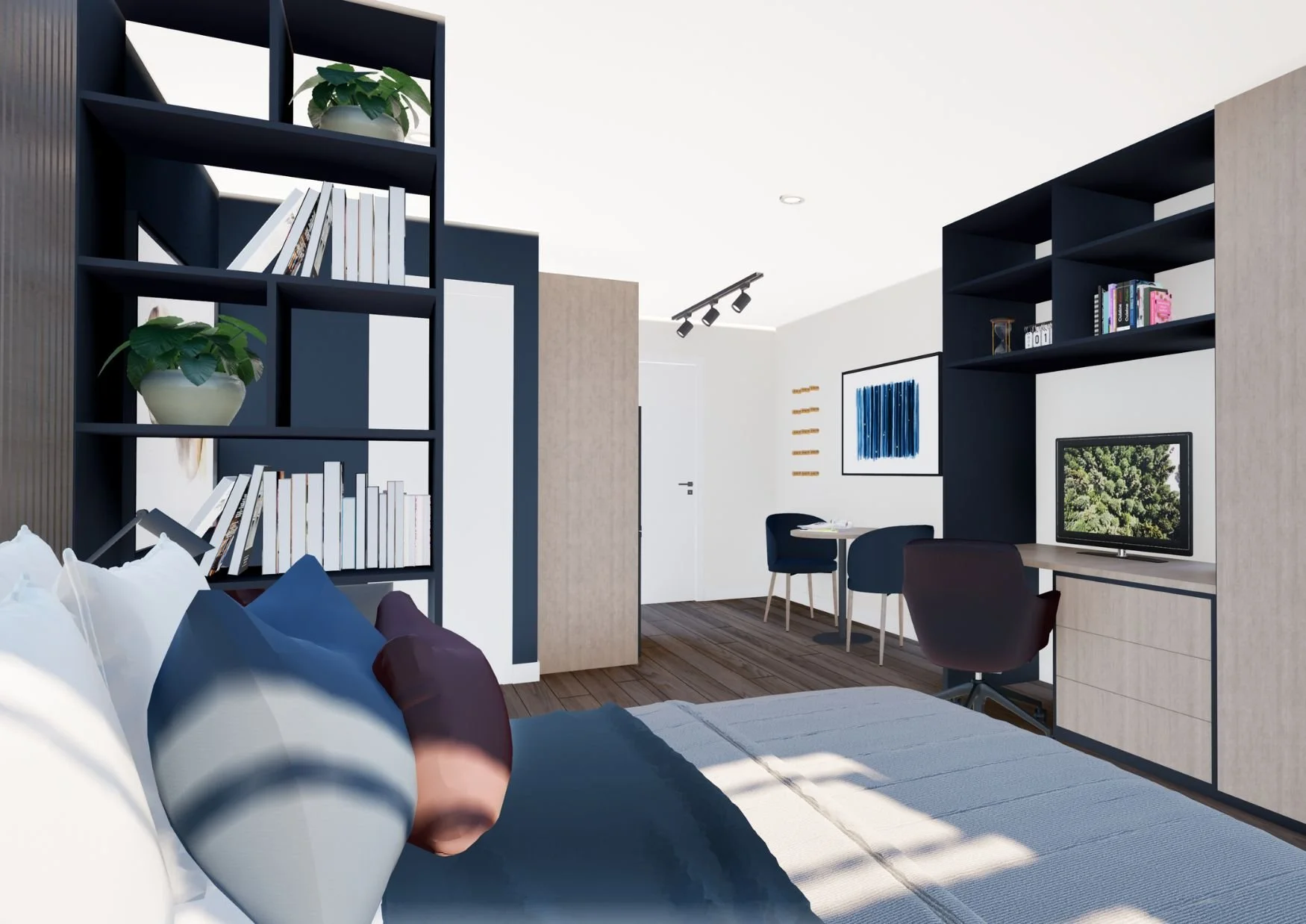
Blues and greens can support calm, focus and trust
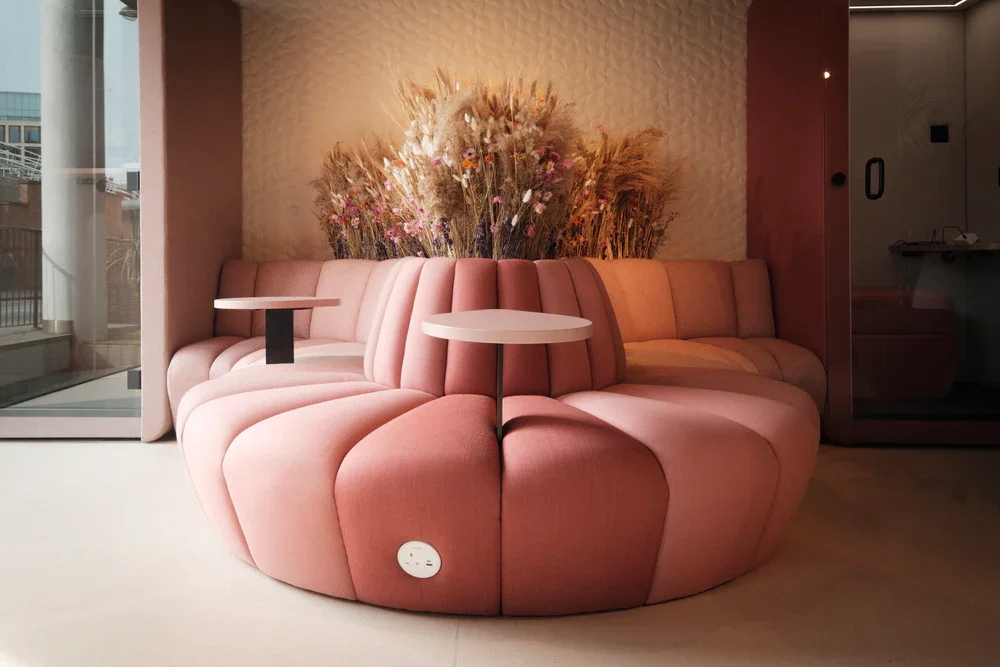
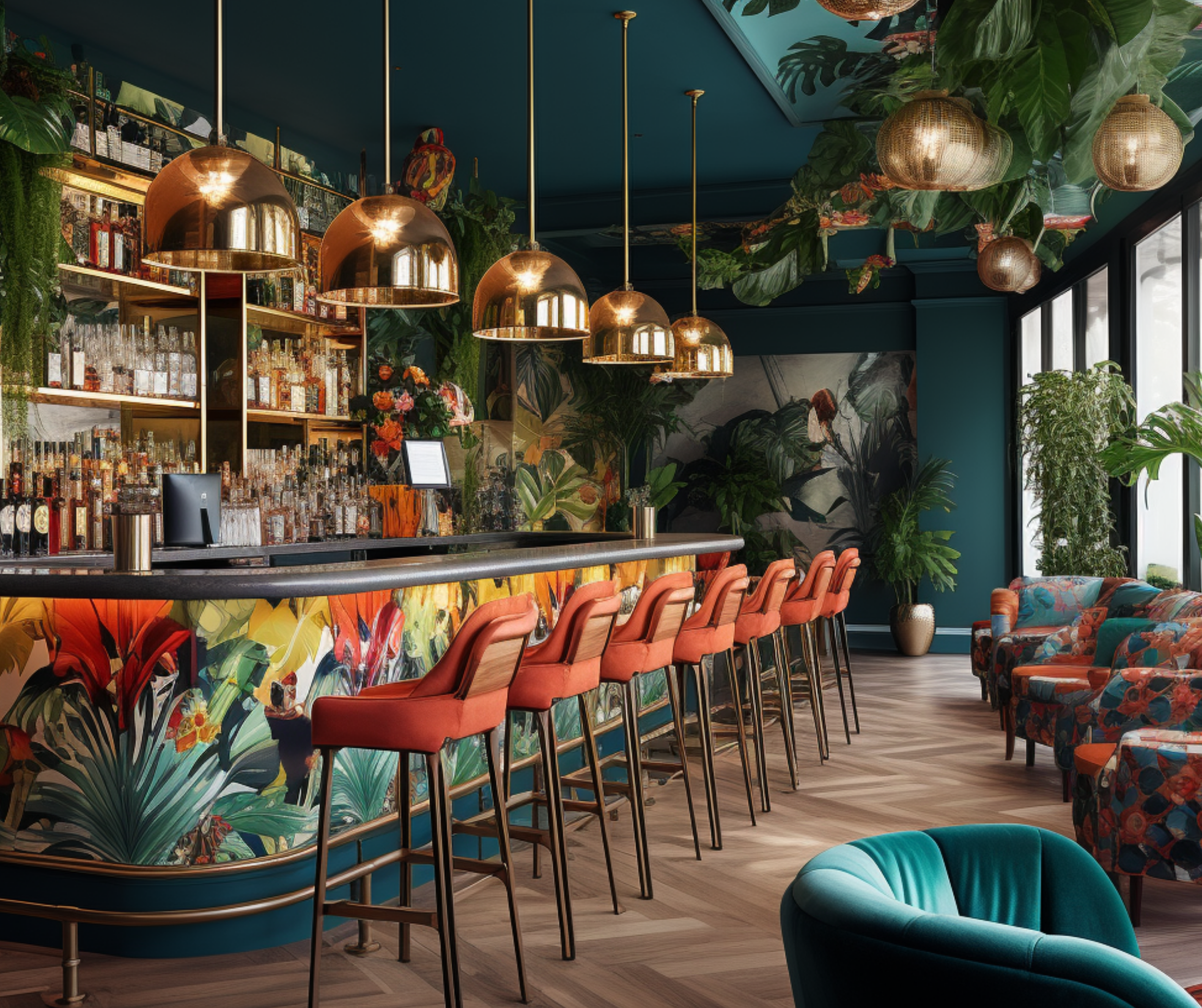
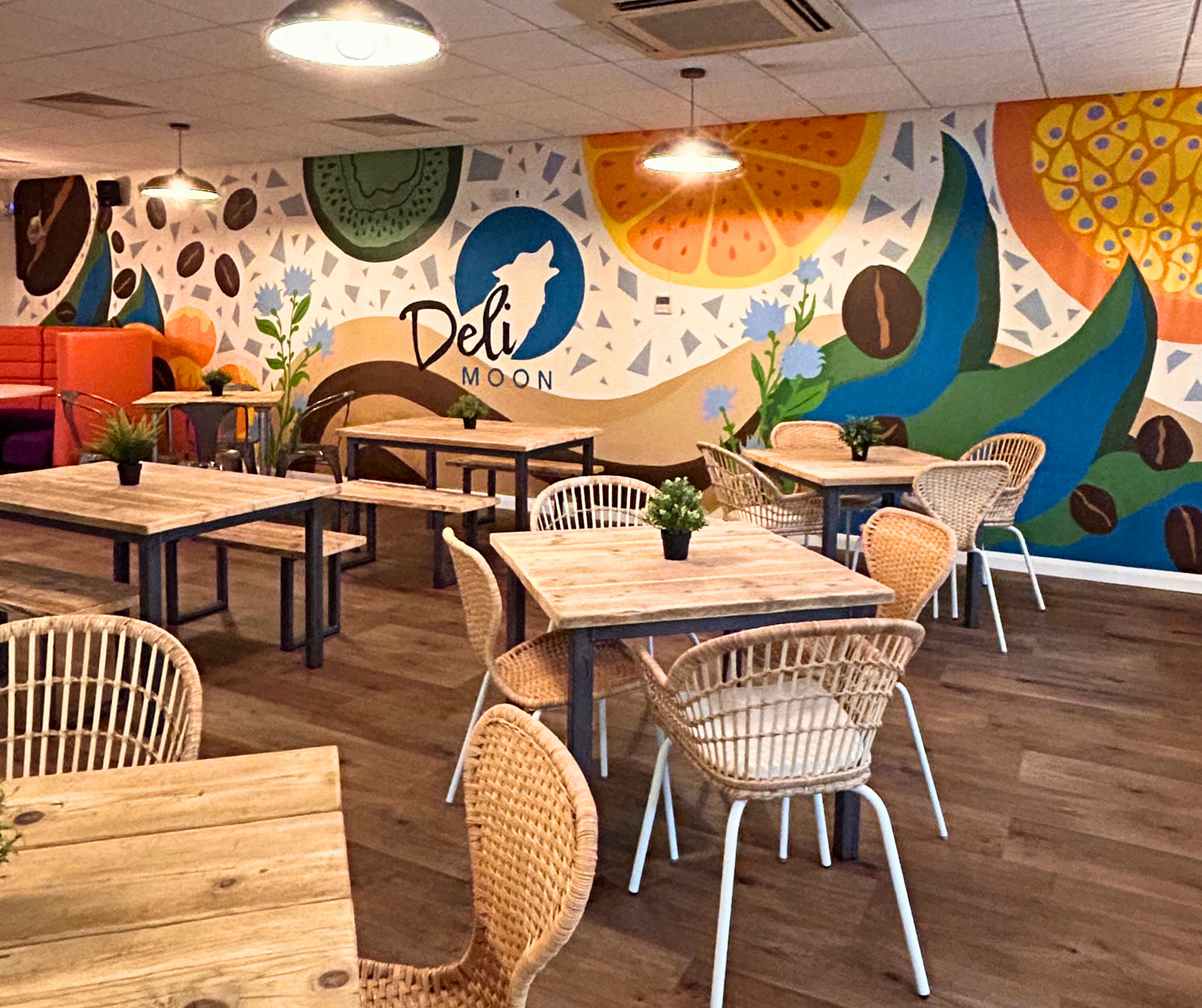
Warmer tones can encourage creativity, energy and collaboration
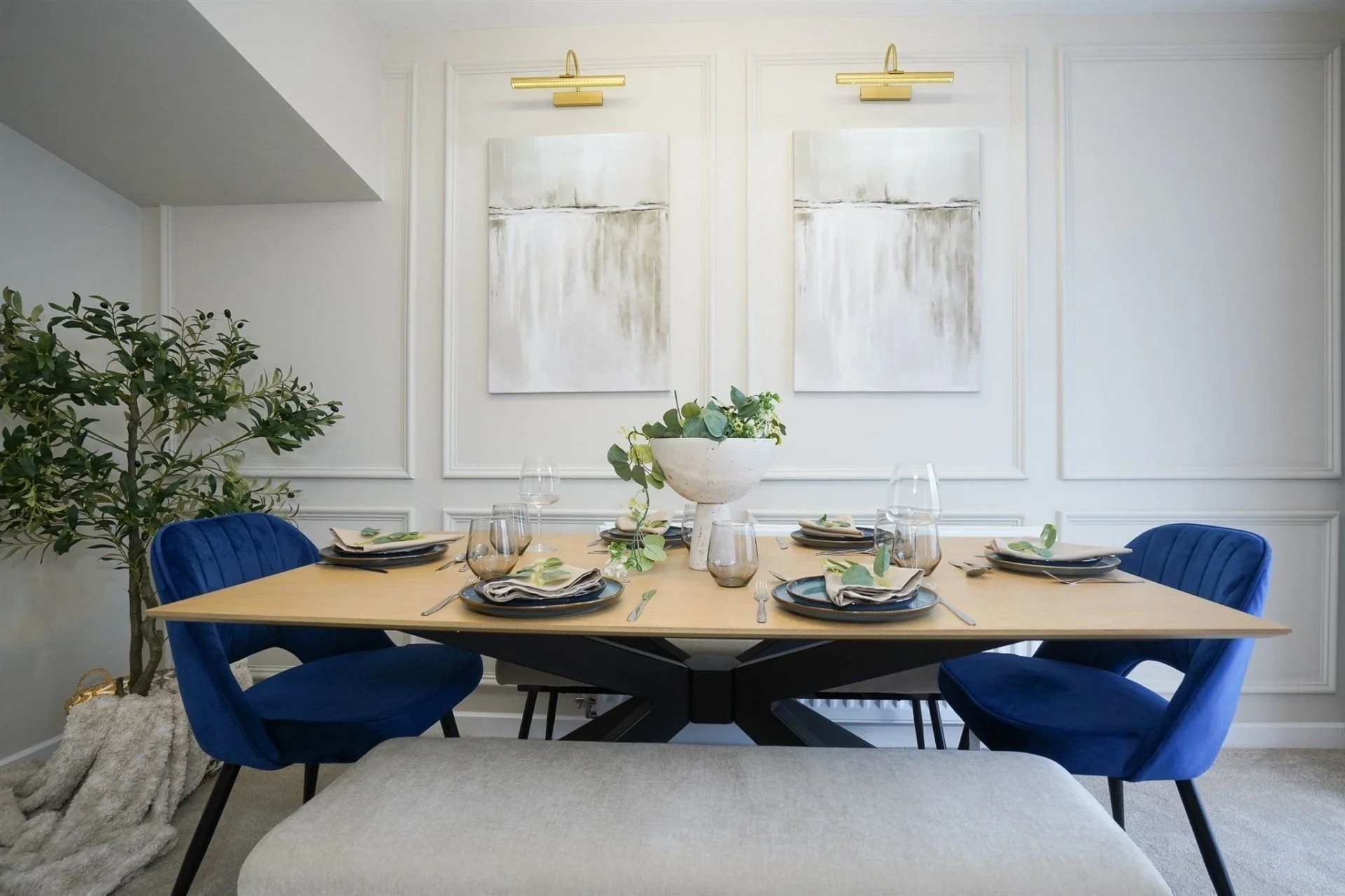
Neutral palettes can feel refined and professional when layered correctly
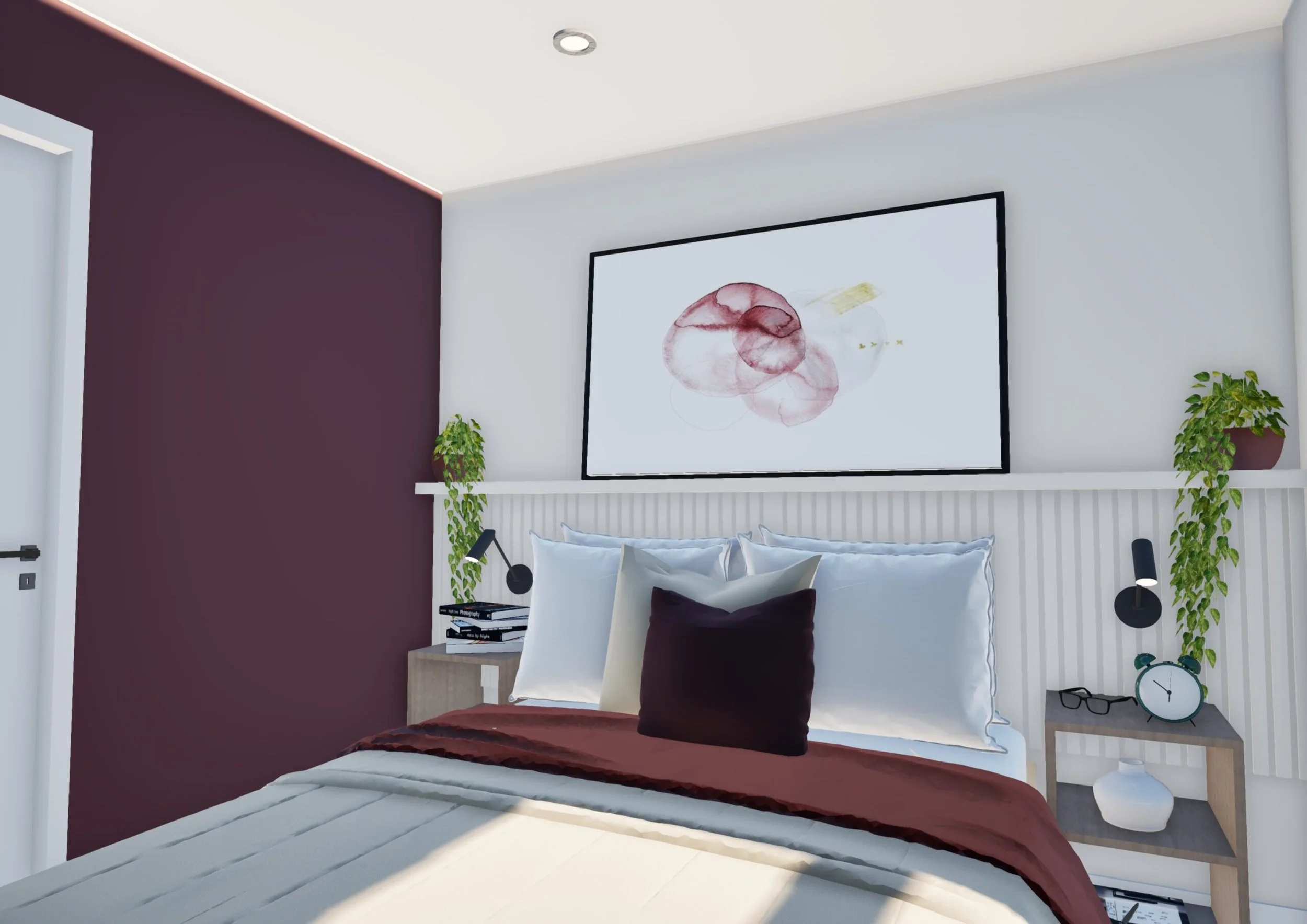
When colour is used strategically, it helps align the workplace with the brand’s tone of voice. When it’s ignored or applied inconsistently, spaces can feel generic or disconnected from the business identity.
The most effective workplaces use colour intentionally — not to decorate, but to support behaviour, mood and brand recognition.
Lighting: The Silent Brand Influencer
Lighting is one of the most overlooked elements of workplace design — yet it has a direct impact on how a space feels and performs.
Natural light is always the priority where possible. It supports wellbeing, reduces fatigue and creates a more welcoming environment. But artificial lighting still plays a crucial role, particularly in larger or deeper floorplates.
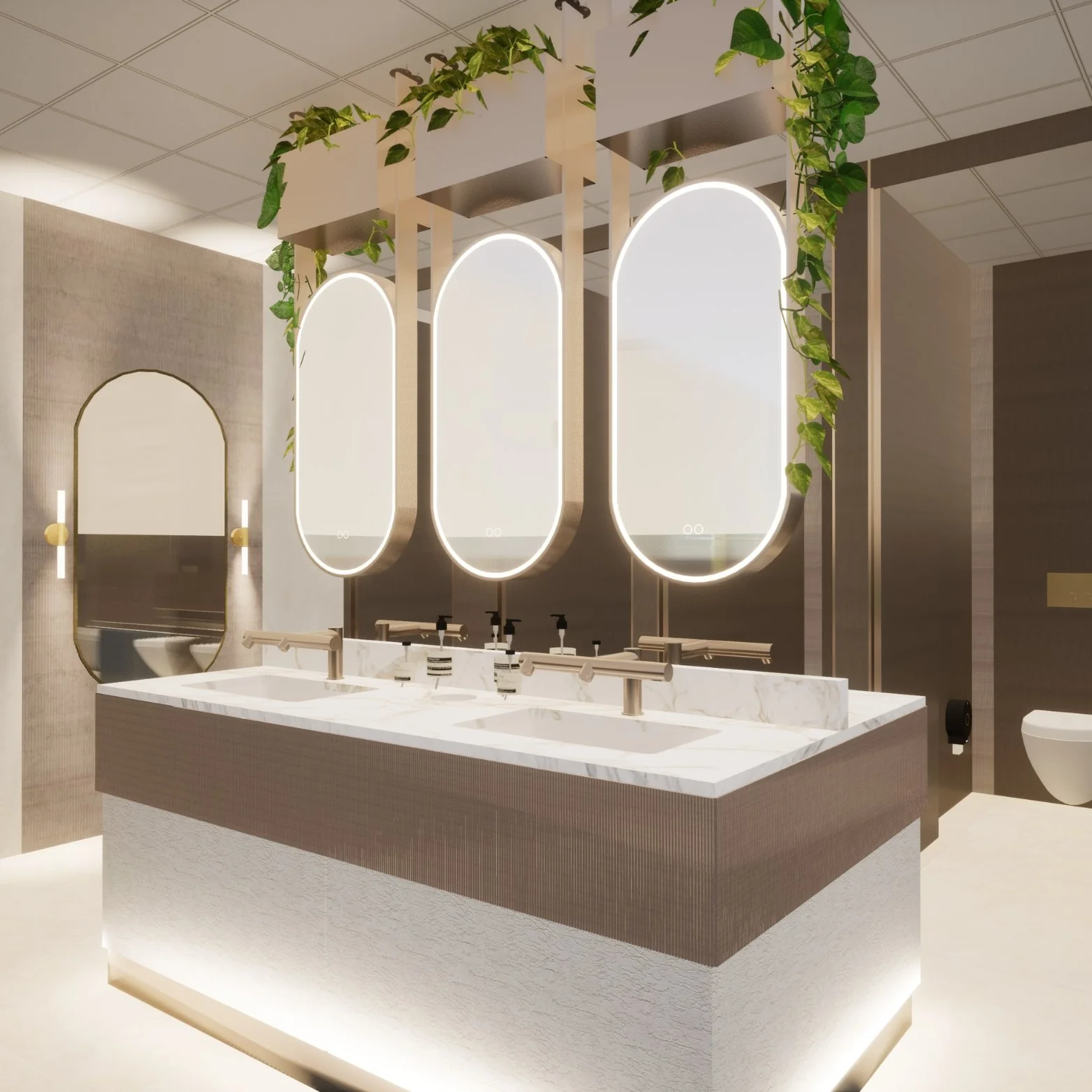
Harsh, uniform lighting can make a space feel clinical and uncomfortable. Layered lighting — combining ambient, task and accent lighting — creates warmth, depth and flexibility.
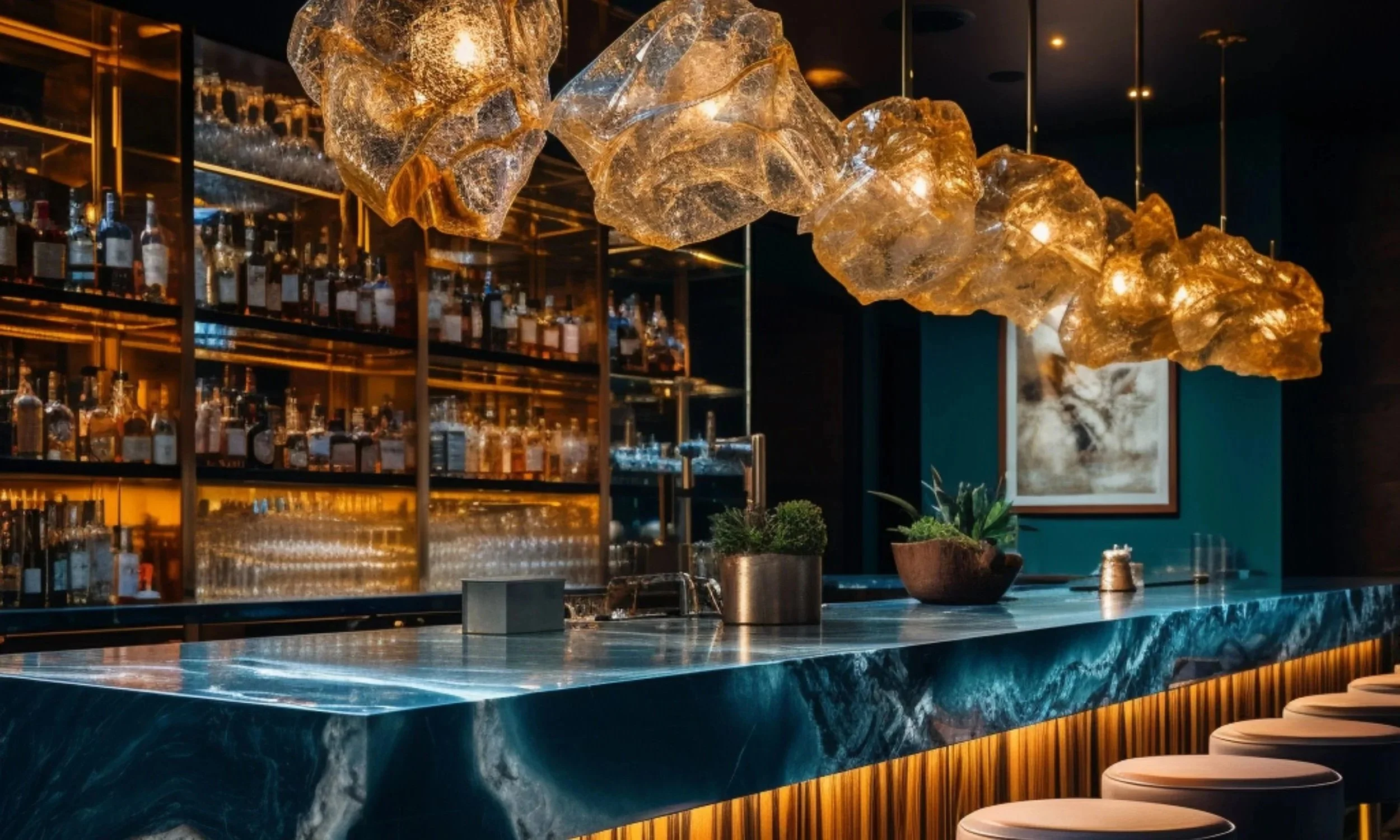
From a brand perspective, good lighting:
Makes spaces feel more considered and premium
Improves comfort for staff and visitors
Enhances finishes, materials and colour
Poor lighting, on the other hand, can undo even the best design decisions.
The Workplace as a Brand Experience
Today, the workplace is no longer just where work happens. It’s where brand culture is experienced — by staff, clients and visitors alike.
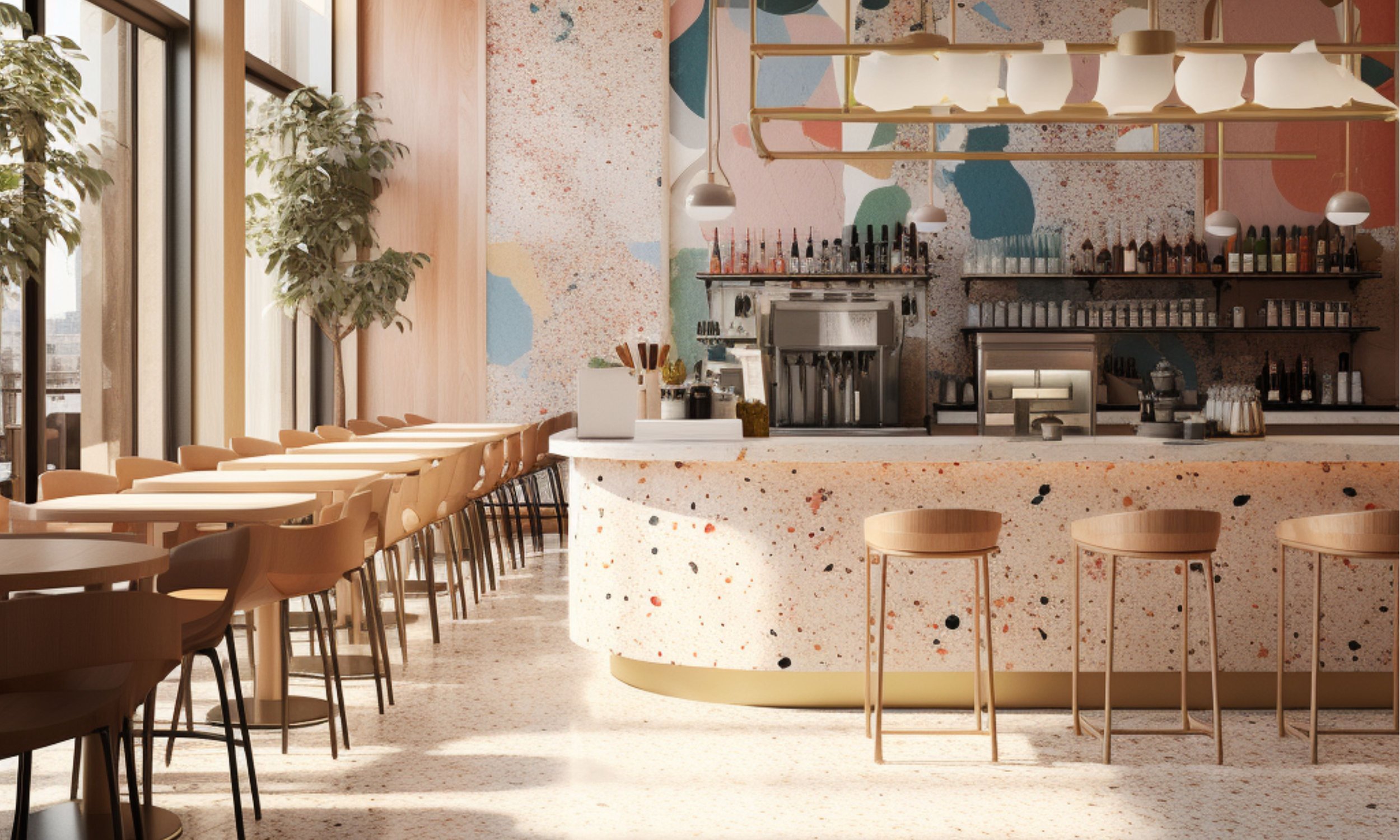
A well‑designed Workspace:
Reinforces brand values
Builds trust and credibility
Supports productivity and wellbeing
Creates consistency between brand message and reality
When design, layout, lighting and materials align with how a business wants to be perceived, the workplace becomes a powerful extension of the brand.
When they don’t, it creates friction — and that friction is often felt long before it’s articulated.
So, Is Your Workplace Working for You?
Your workplace doesn’t need to be extravagant. But it does need to be intentional.
If your workplace hasn’t evolved alongside your brand, culture or ambitions, it may be sending the wrong message — quietly, but consistently.
The most successful businesses understand that workplace design isn’t just about desks and meeting rooms. It’s about how people feel, how they behave, and how the brand is experienced in real life.
And that experience starts the moment someone walks through the door.