What Members Expect From Modern Clubhouse Design
The role of the clubhouse has changed.
It is no longer just a place to pass through or host the occasional event, today’s clubhouse is expected to perform on multiple levels — social hub, workspace, retreat, and statement space all in one.
And with rising expectations from members, the standard has shifted. It’s not just about how a clubhouse looks, but how it feels, functions, and adapts over time.
The question is no longer “Is there a clubhouse?”
It’s “Is it worth spending time in?”
Beyond Aesthetic — Designing for Experience
Modern clubhouse design isn’t driven by aesthetics alone. While visual appeal still matters, the real focus is on experience.
Members expect:
Spaces that feel intuitive and easy to use
Environments that support both socialising and privacy
A sense of quality that reflects the wider development
In short, the clubhouse needs to earn its place.
Because if it doesn’t offer something meaningful, it quickly becomes underused and ultimately, wasted space.
The Shift Towards Lifestyle Led Design
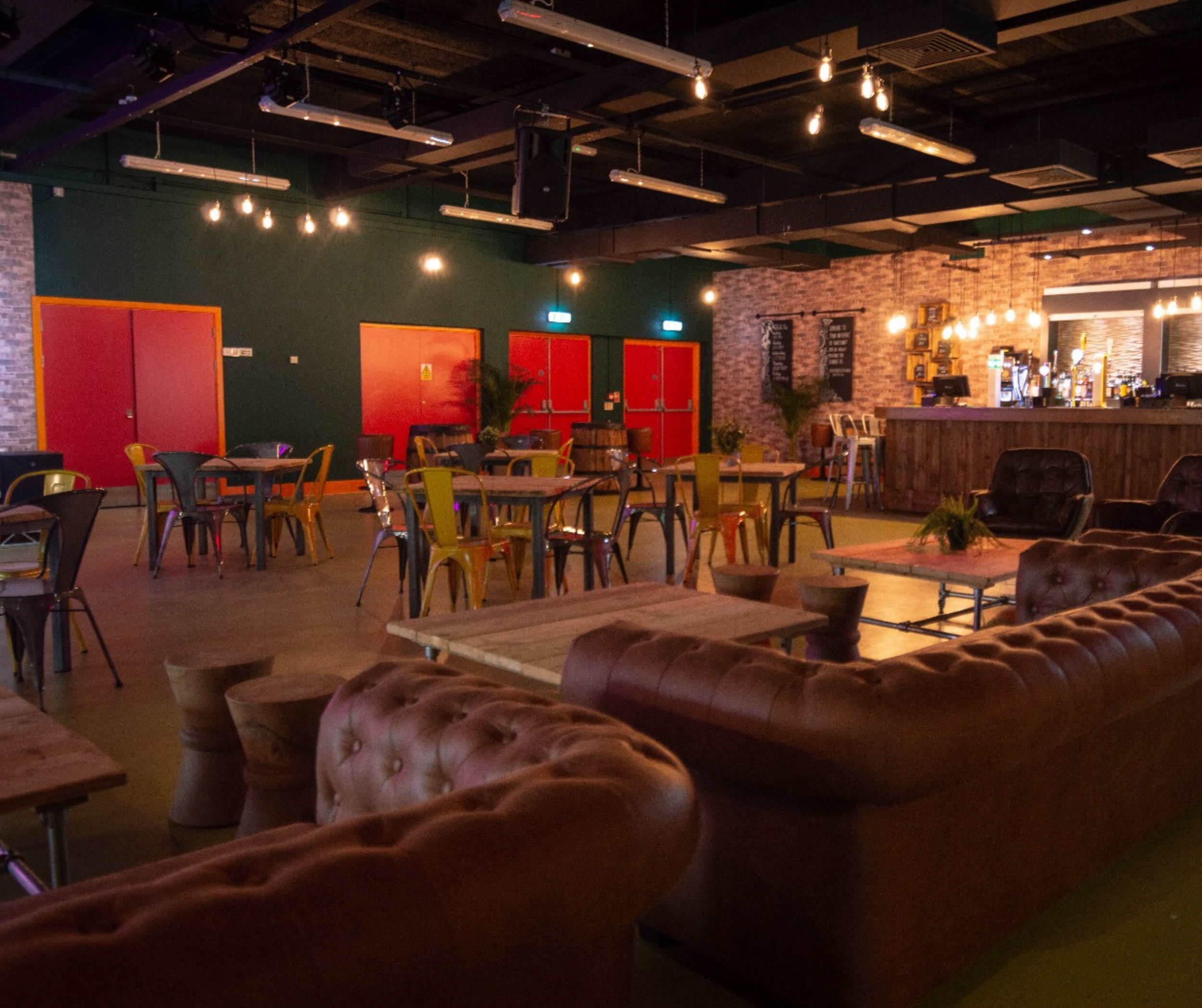
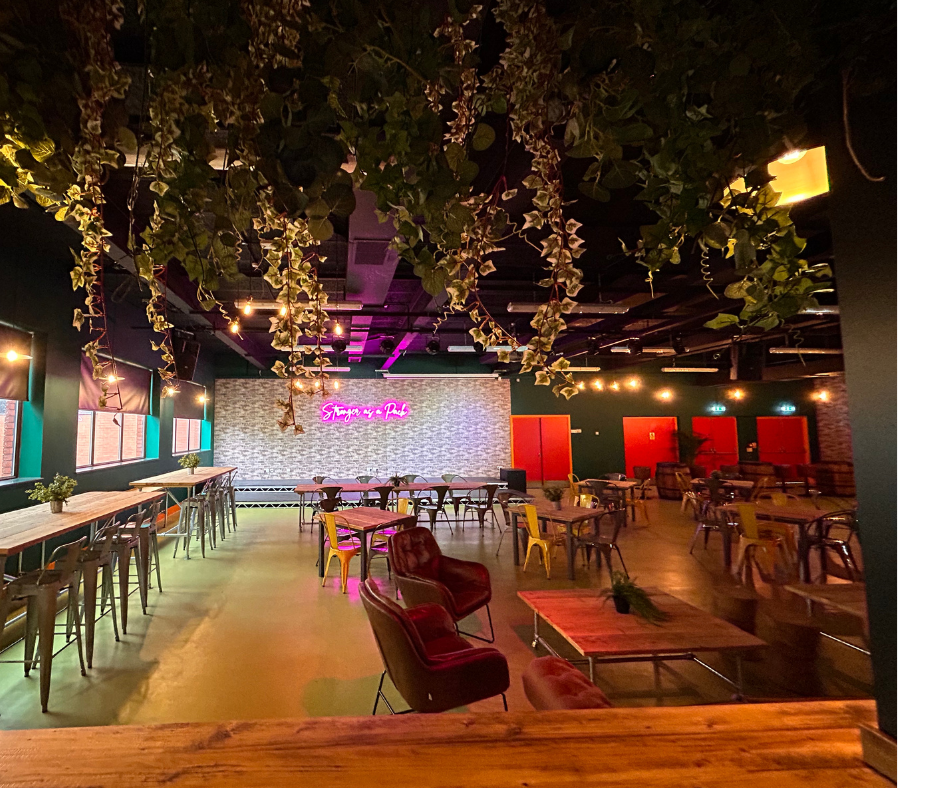
The most successful clubhouse spaces are no longer designed as single-use environments.
Instead, they are built around how people actually live.
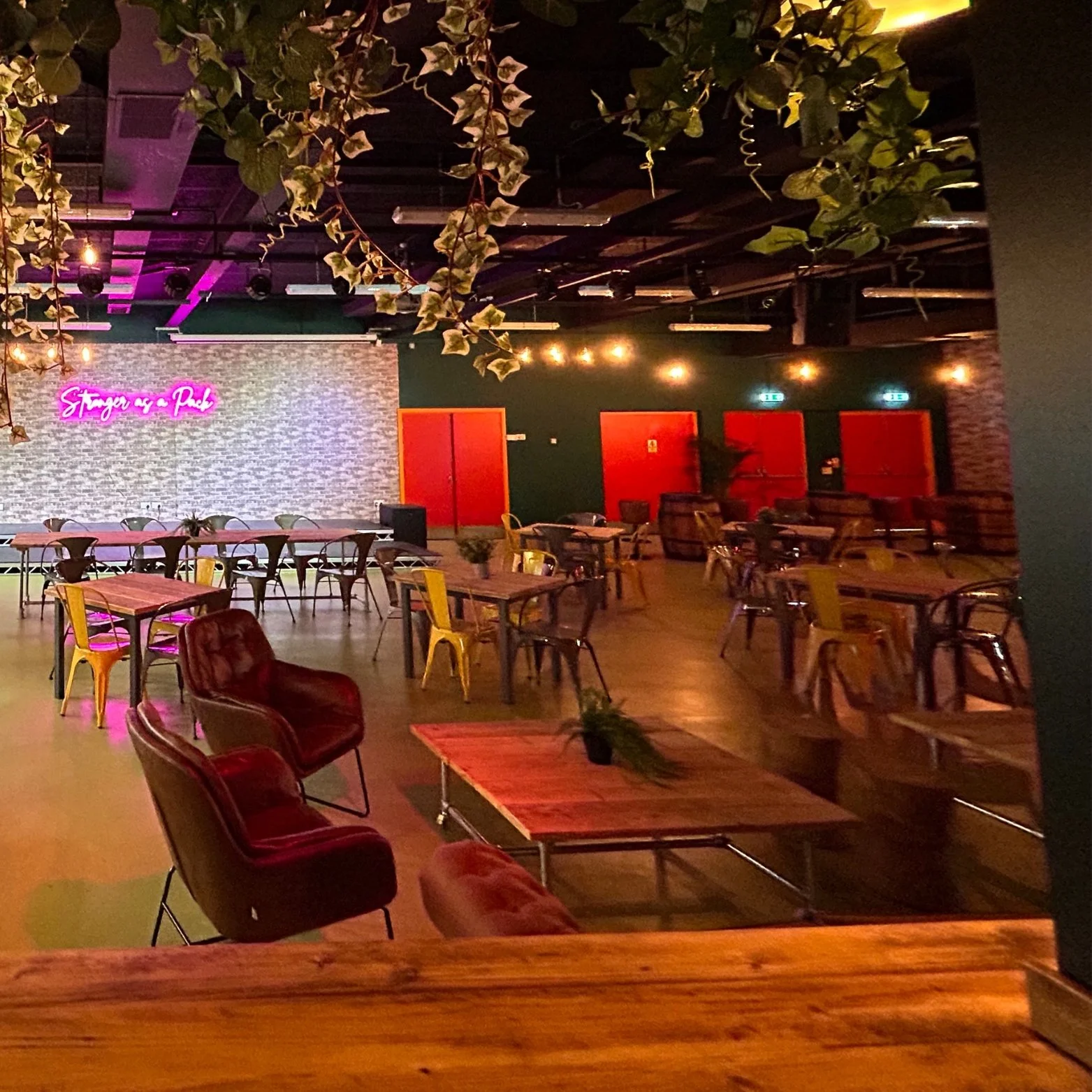
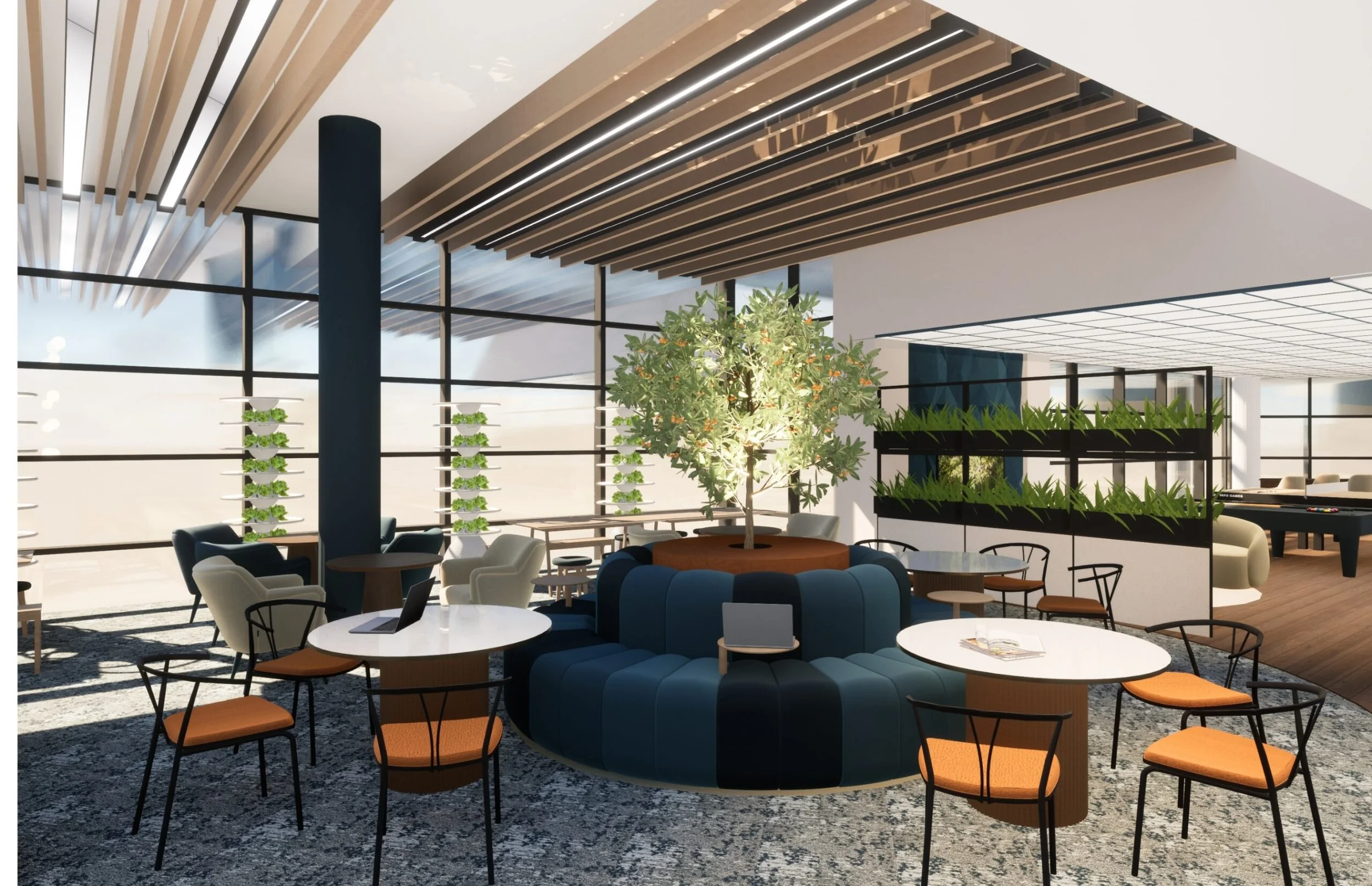
A lounge becomes a co-working space during the day.
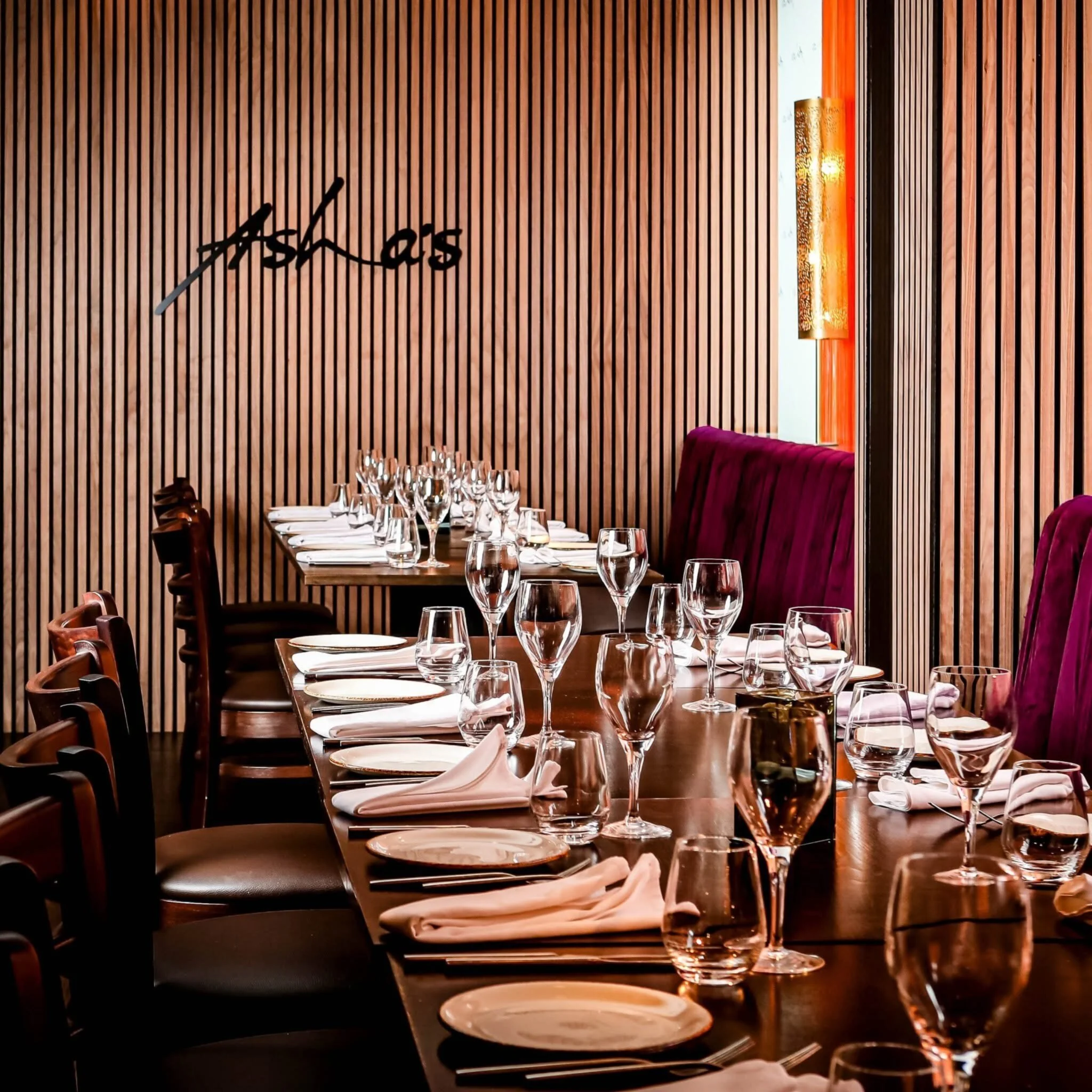
A dining area transforms into an event space in the evening.
A quiet corner doubles as a breakout or reading zone.
Flexibility isn’t a bonus anymore — it’s expected.
And it’s this adaptability that ensures the space remains relevant, no matter how member needs evolve.
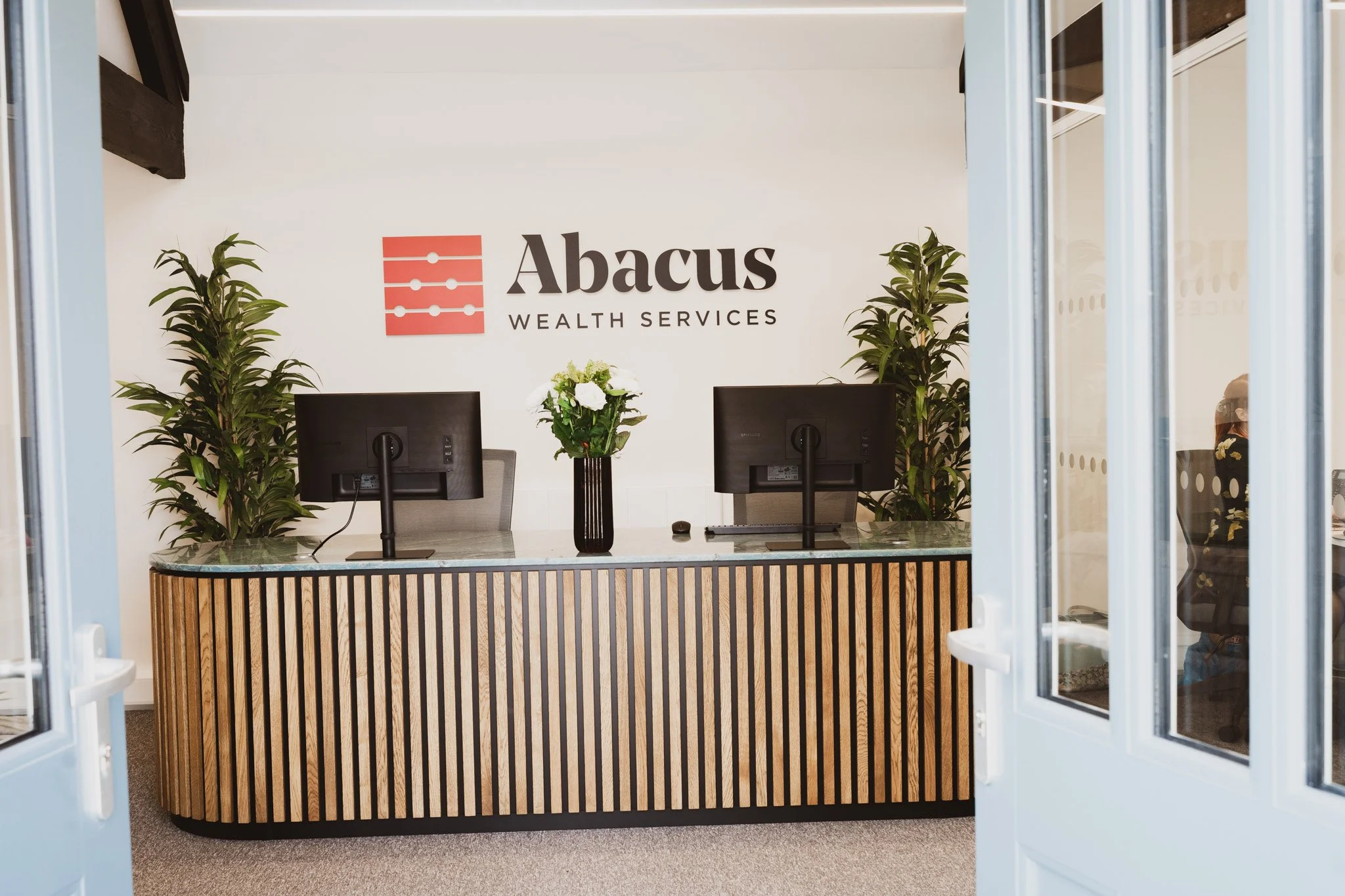
Creating a Sense of Arrival
First impressions matter — particularly in shared, communal environments.
Members expect a clubhouse to feel considered from the moment they enter.
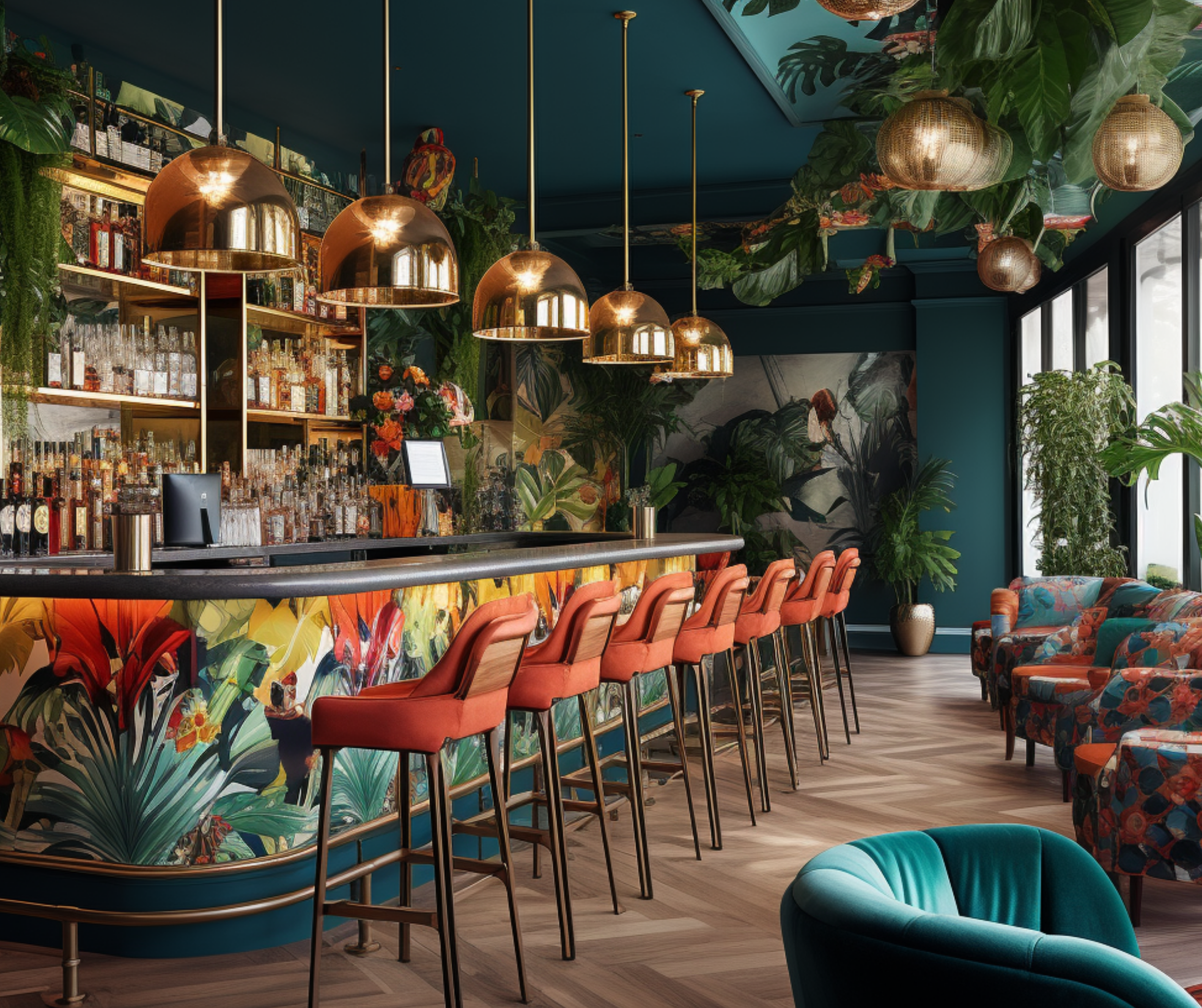
It should feel closer to a boutique hotel than a functional afterthought.
Because the clubhouse often sets the tone for the entire development.
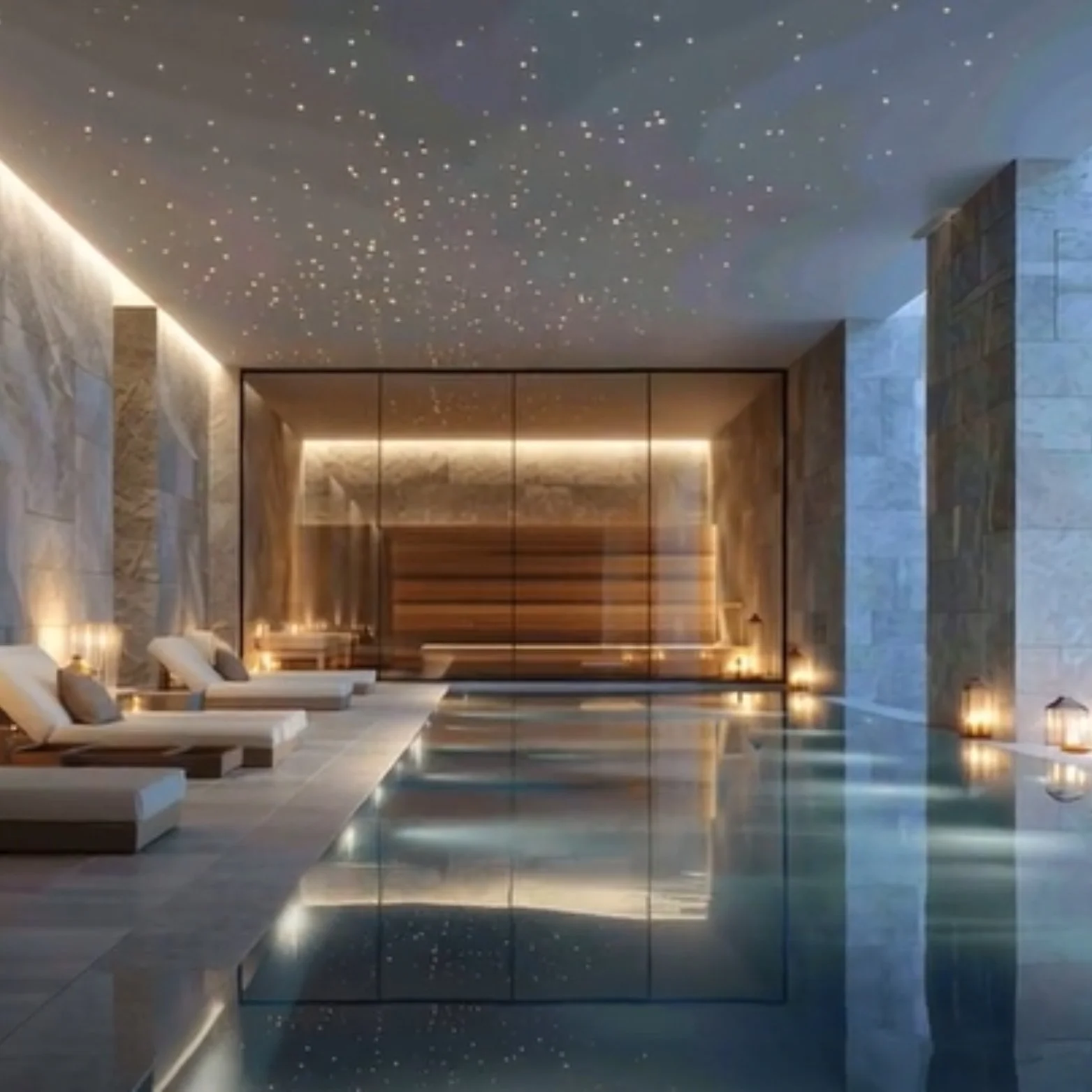
Comfort Is Non Negotiable
A common mistake? Designing for visual impact at the expense of comfort.
In reality, if a space doesn’t feel comfortable, it won’t be used, no matter how good it looks.
Comfort drives dwell time. And dwell time drives value.
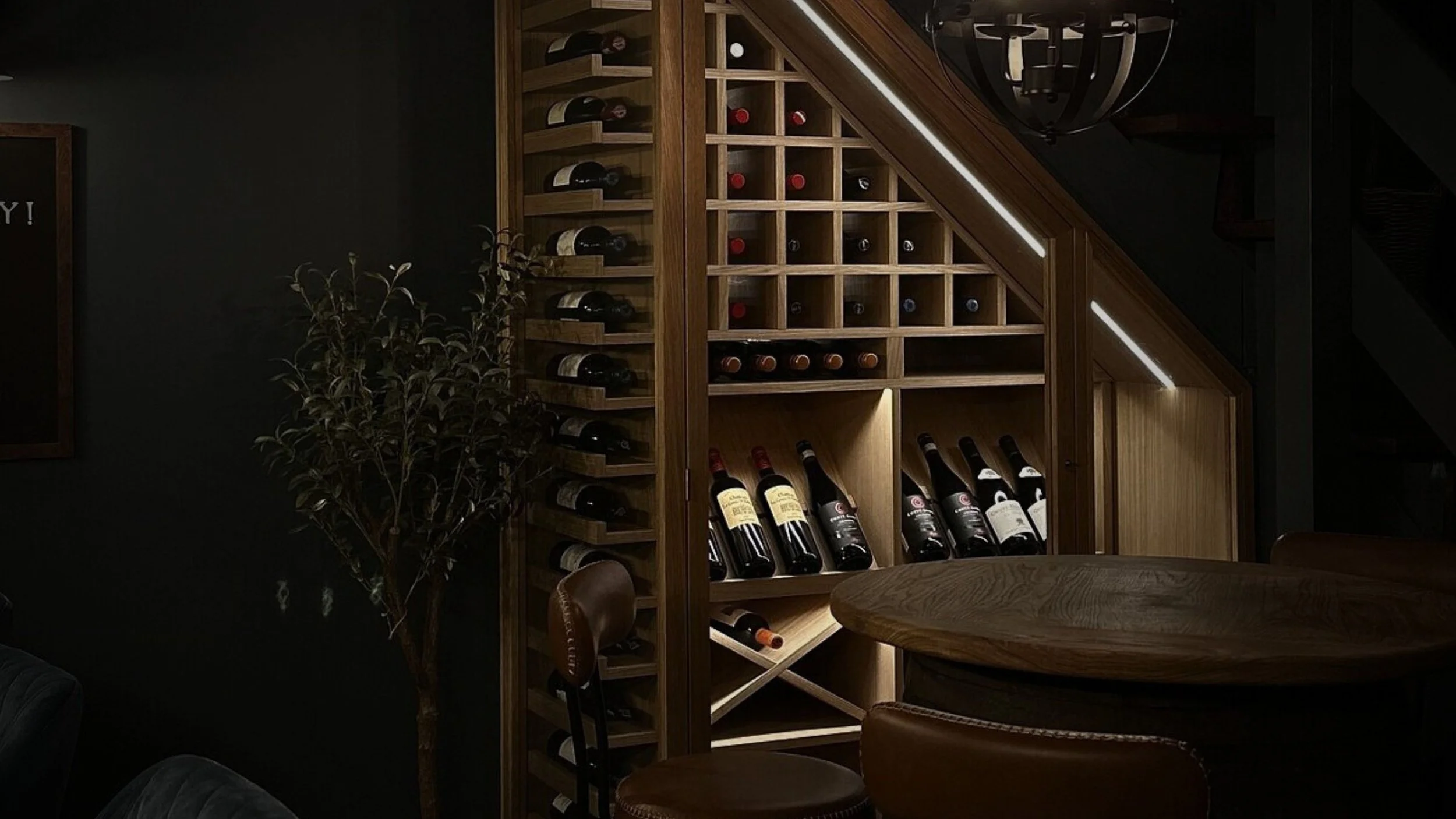
The Role of Materiality
Materials play a quiet but powerful role in shaping perception.
This isn’t just about sustainability — though that’s part of it. It’s about creating spaces that feel authentic and long-lasting.
Because in high-use environments like clubhouses, materials need to do more than look good on day one.
Technology That Enhances, Not Dominates
Smart technology is now expected — but only when it’s used well.
Members don’t want complexity. They want simplicity.
The best technology is the kind you don’t notice. It just works.
Social Spaces That Actually Work
At its core, the clubhouse is about bringing people together.
But that doesn’t mean one large, open room.
This creates choice — and with choice comes usability.
Because not every member wants the same experience at the same time.
Blurring Indoor and Outdoor Living
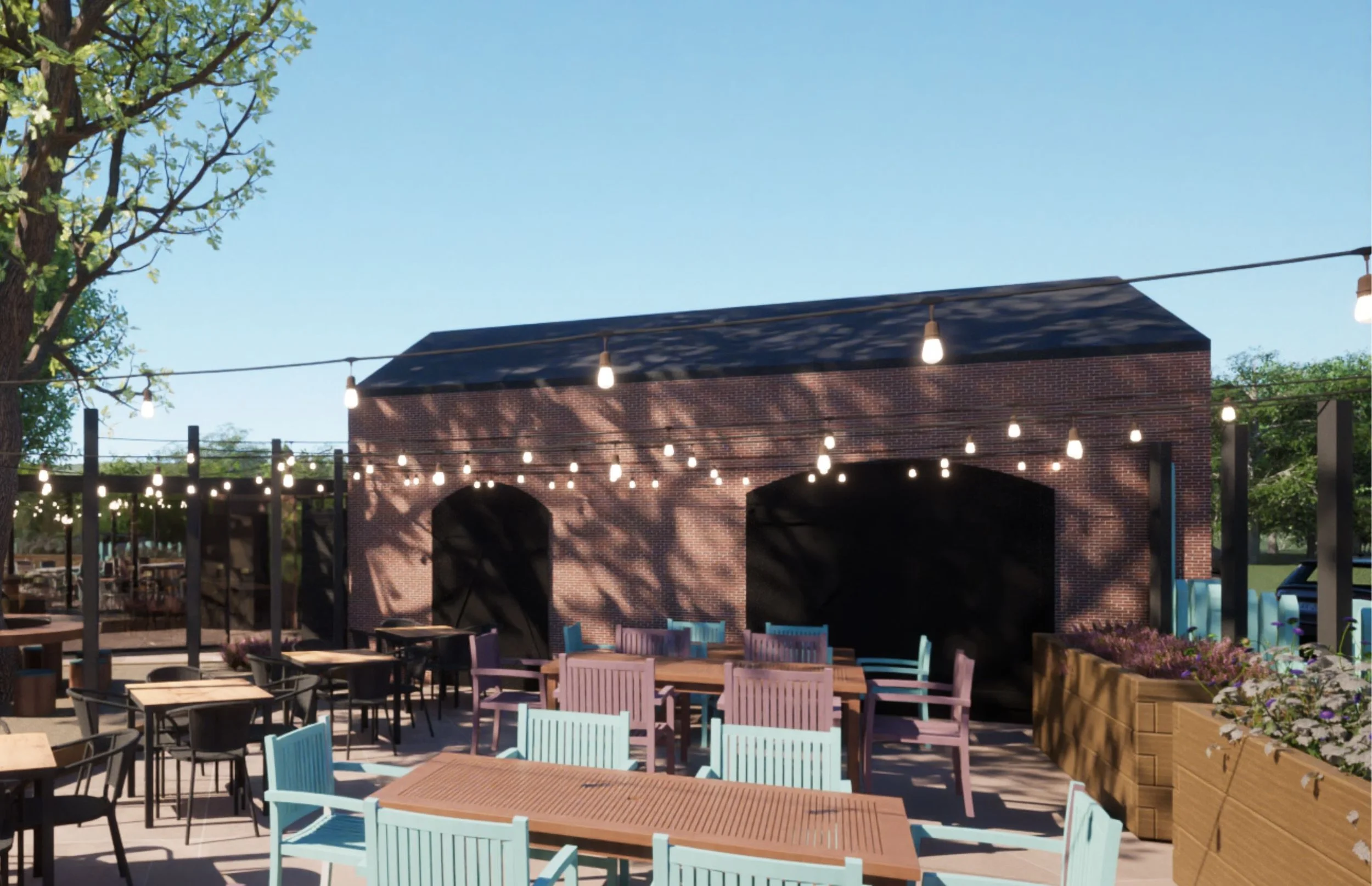
Where possible, modern clubhouse design extends beyond four walls.
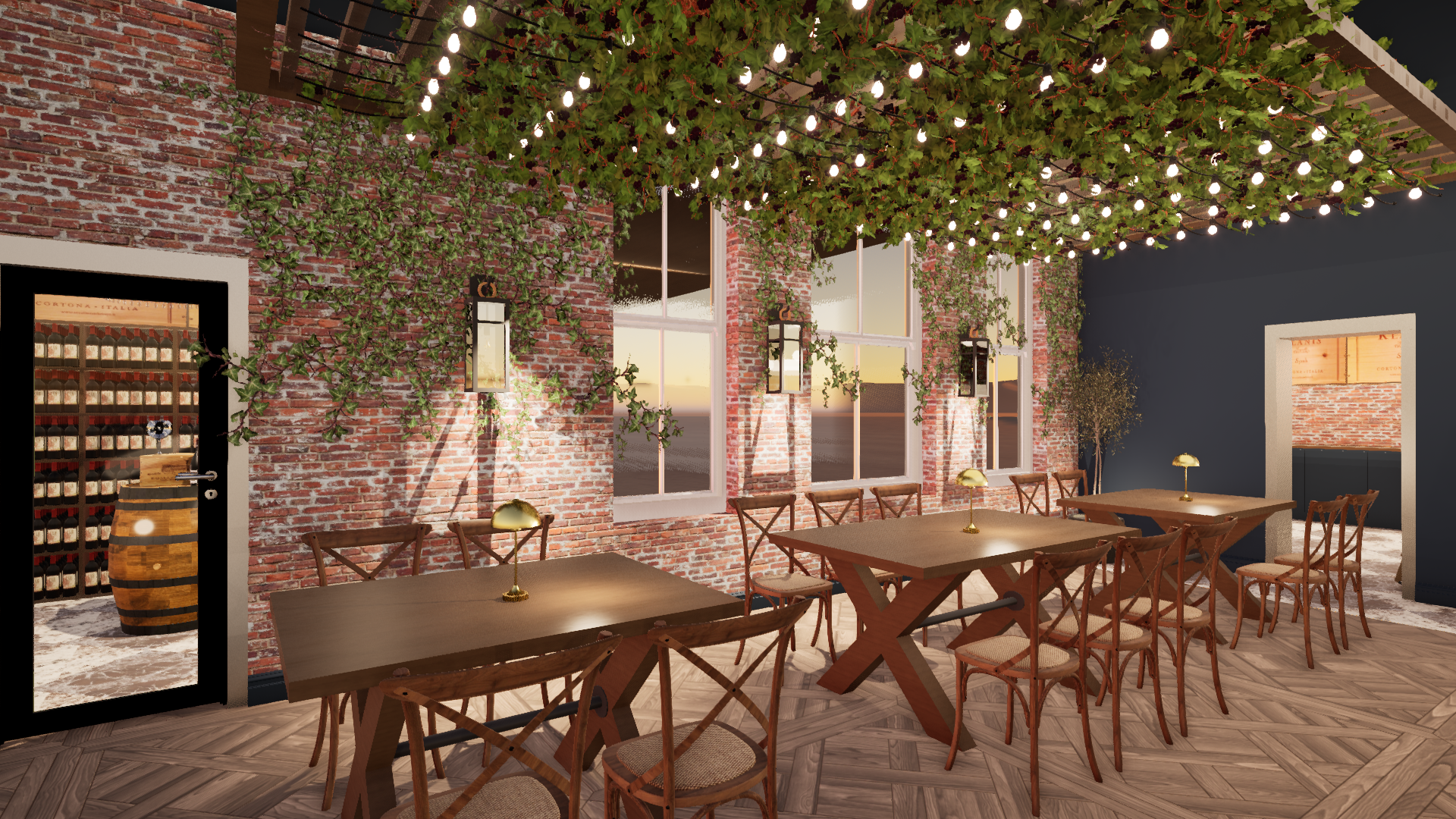
Outdoor terraces, courtyards, and semi-covered spaces are increasingly expected.
These spaces often become the most valued areas — particularly in residential developments.
A Reflection of Brand and Identity
Every clubhouse tells a story — whether intentionally or not.
Consistency matters.
Because when the clubhouse reflects the overall vision, it reinforces the quality of the entire scheme.
Final Thoughts
Modern clubhouse design is no longer about ticking a box.
It’s about creating a space that people genuinely want to use — a space that adds value, builds community, and enhances day-to-day living.
Done well, it becomes a defining feature of a development.
Done poorly, it becomes empty square footage.
The difference lies in understanding what members actually expect — and designing with intention from the very beginning.
Because great clubhouse design isn’t just seen.
It’s lived.