Biophilic Design in the Workplace — What Actually Works
Biophilic design has become one of the most talked about trends in workplace interiors
But somewhere along the way, it’s also become misunderstood. Adding a few plants and calling it “biophilic” isn’t enough.
When it’s done properly, biophilic design reconnects people with nature in ways that genuinely improve wellbeing, focus and performance. When it’s done badly, it becomes surface level decoration that looks good on Instagram but delivers very little value day‑to‑day.
So what actually works?
Why Humans Respond to Nature at Work
Our connection to nature isn’t a lifestyle preference, it’s biological.
Humans evolved in constant interaction with the natural world, and our nervous systems still respond to it. Research shows that exposure to natural elements can slow heart rate, reduce stress hormones and encourage a sense of belonging and collaboration.
That matters, especially when we now spend close to 90% of our time indoors.
Biophilic design is about recognising this instinctive connection and embedding it into the built environment, not as an aesthetic choice, but as a performance and wellbeing strategy.
The Real Benefits of Biophilic Design
When biophilic design is thoughtfully integrated, the impact is measurable.
Studies consistently show:
Increased productivity and creativity
Improved mood, focus and self‑esteem
Reduced stress and fatigue
Stronger social connection and collaboration
Even short exposure for as little as 5 - 20 minutes to natural elements such as greenery, water or daylight can have a restorative effect.
This is why well‑designed biophilic workplaces don’t just feel better — they perform better.
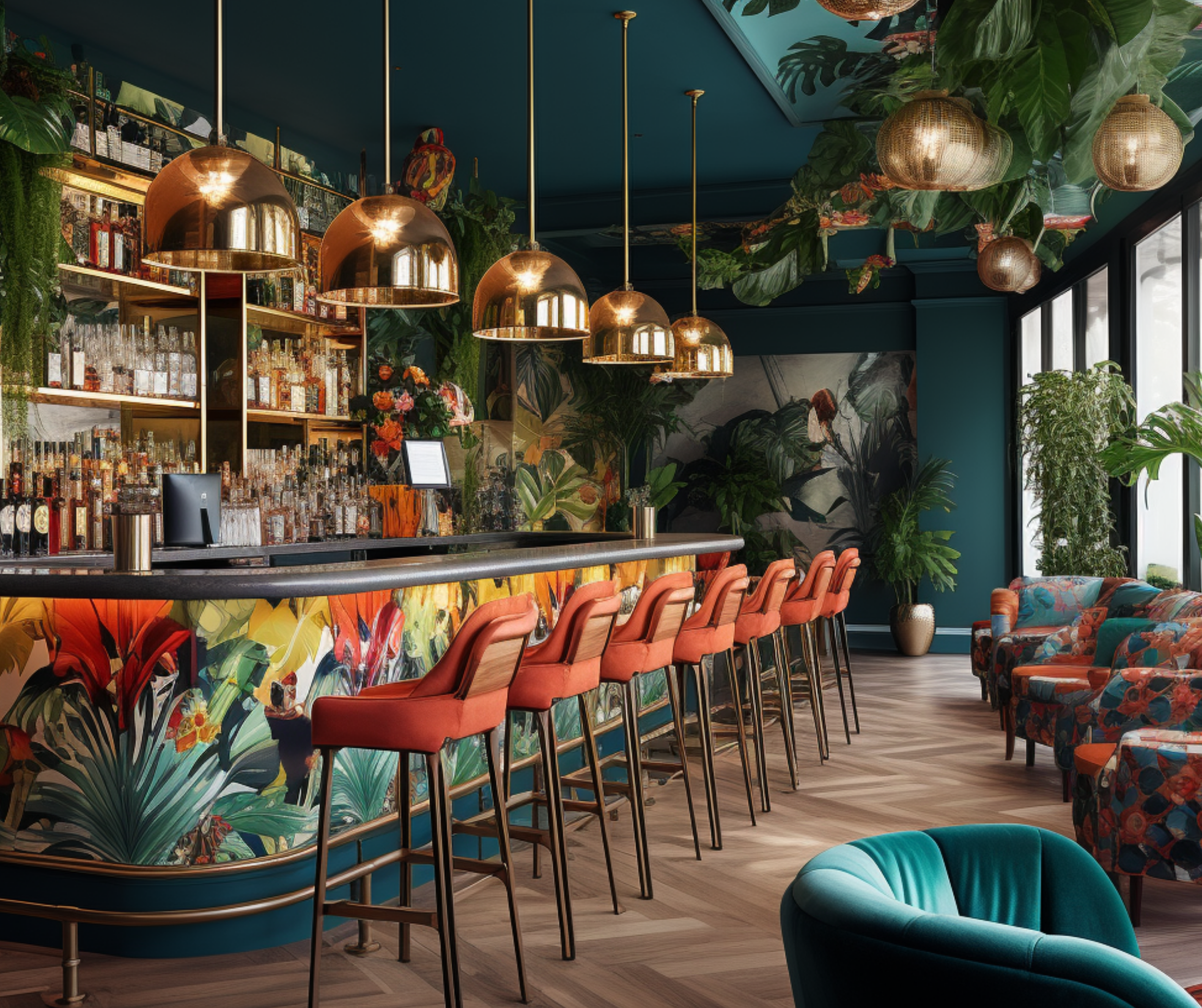
Biophilic Design Is More Than Plants
Plants are important, but they’re only one piece of the puzzle.
Effective biophilic design works across three layers:
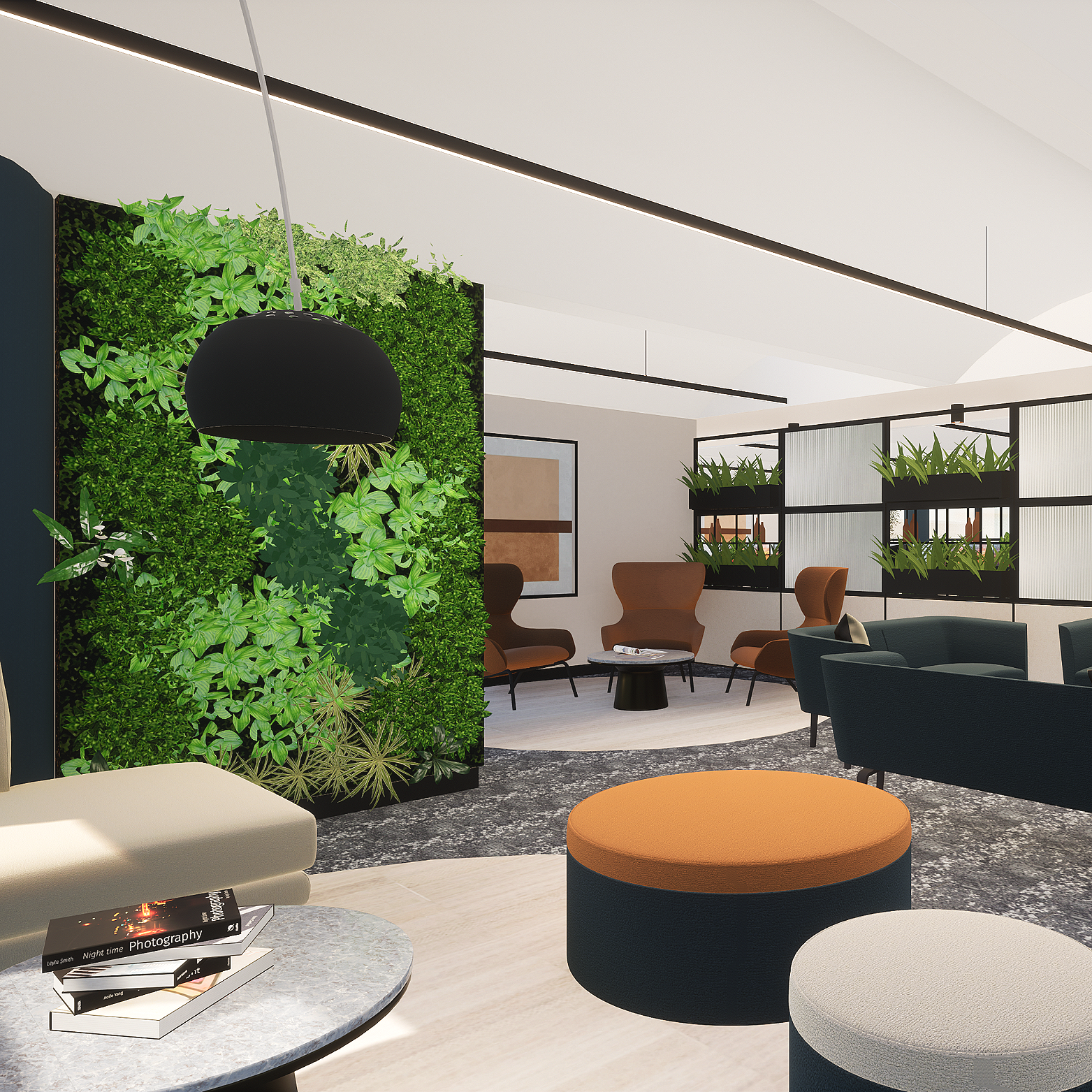
1. Nature in the Space
This includes real, living elements:
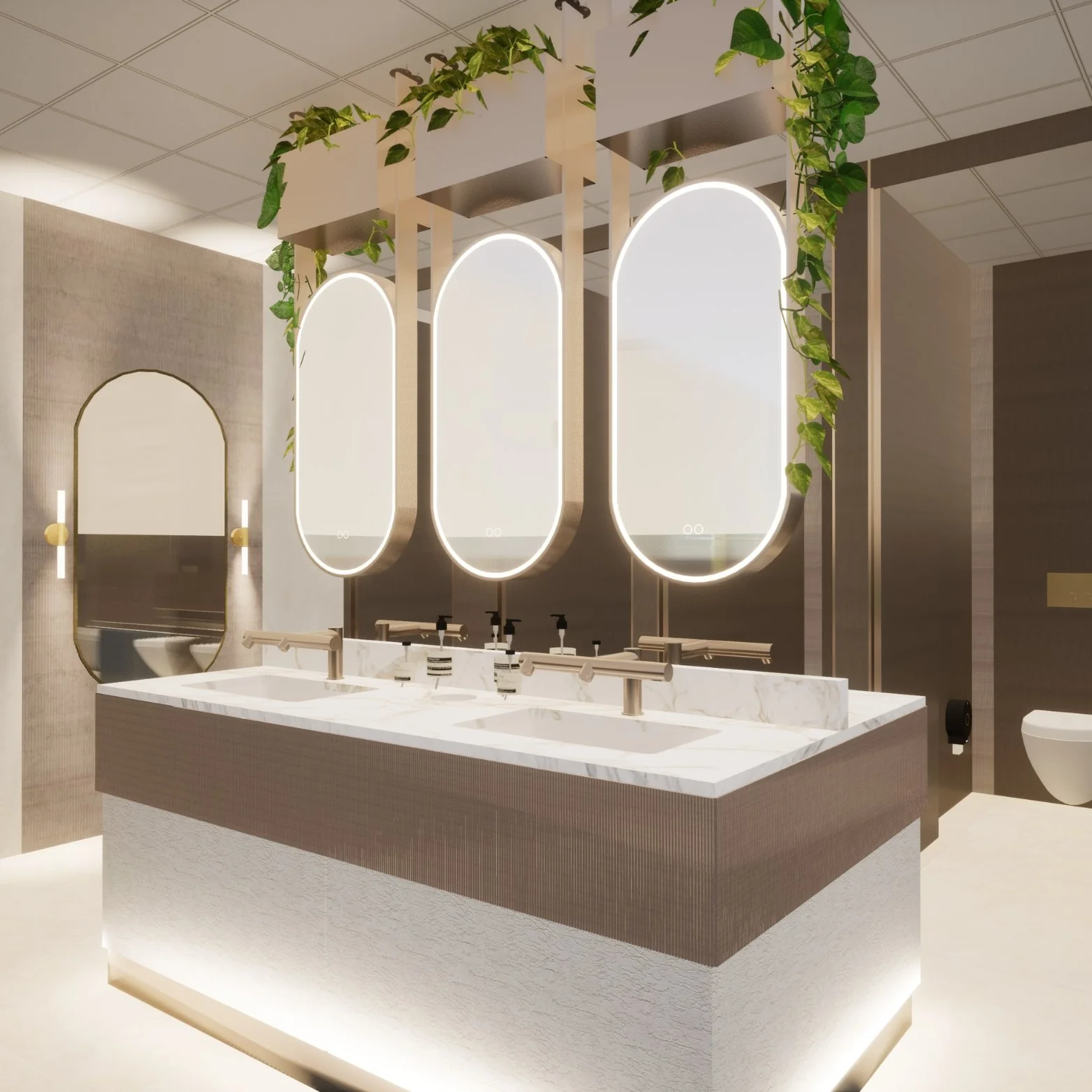
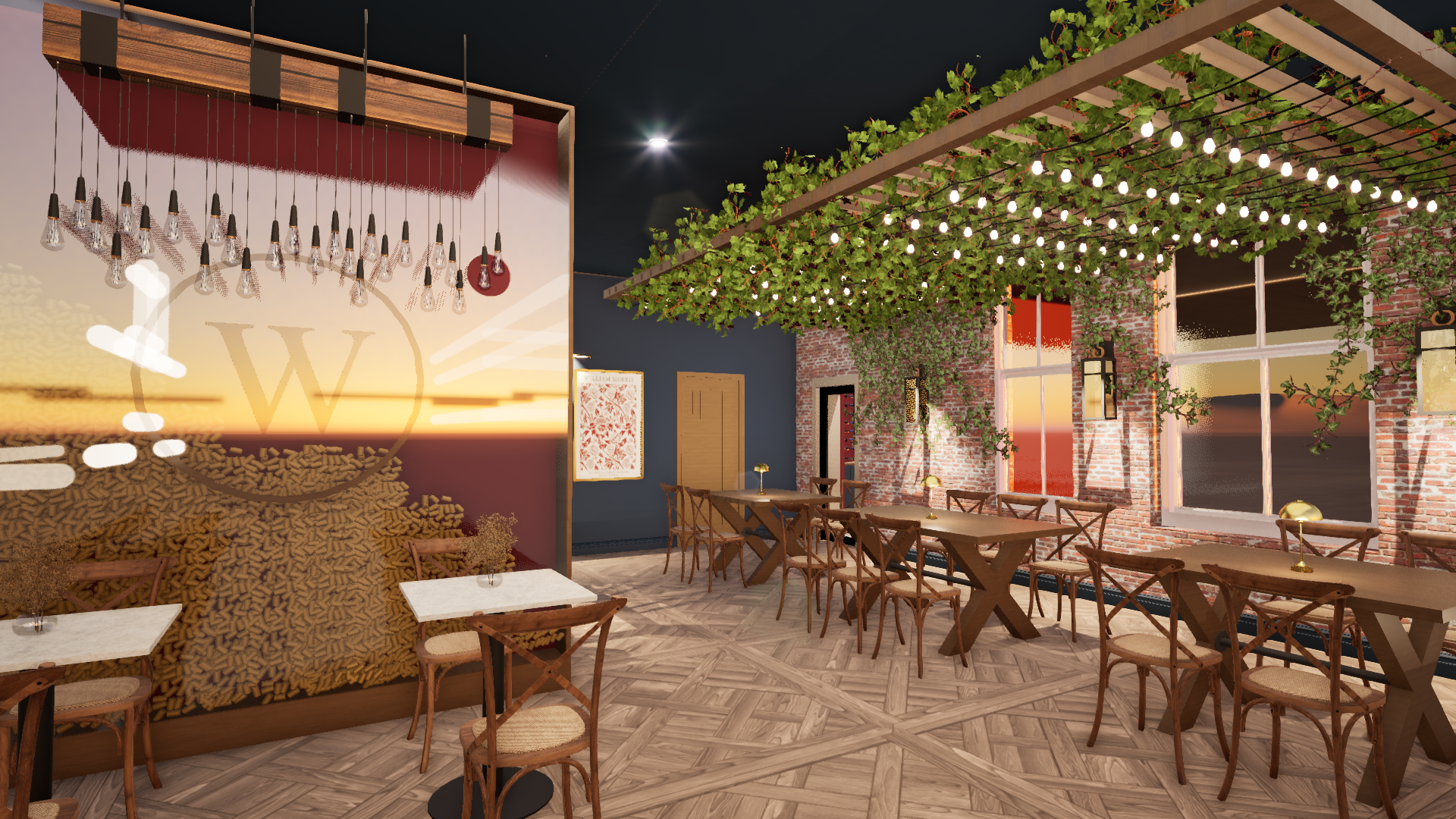
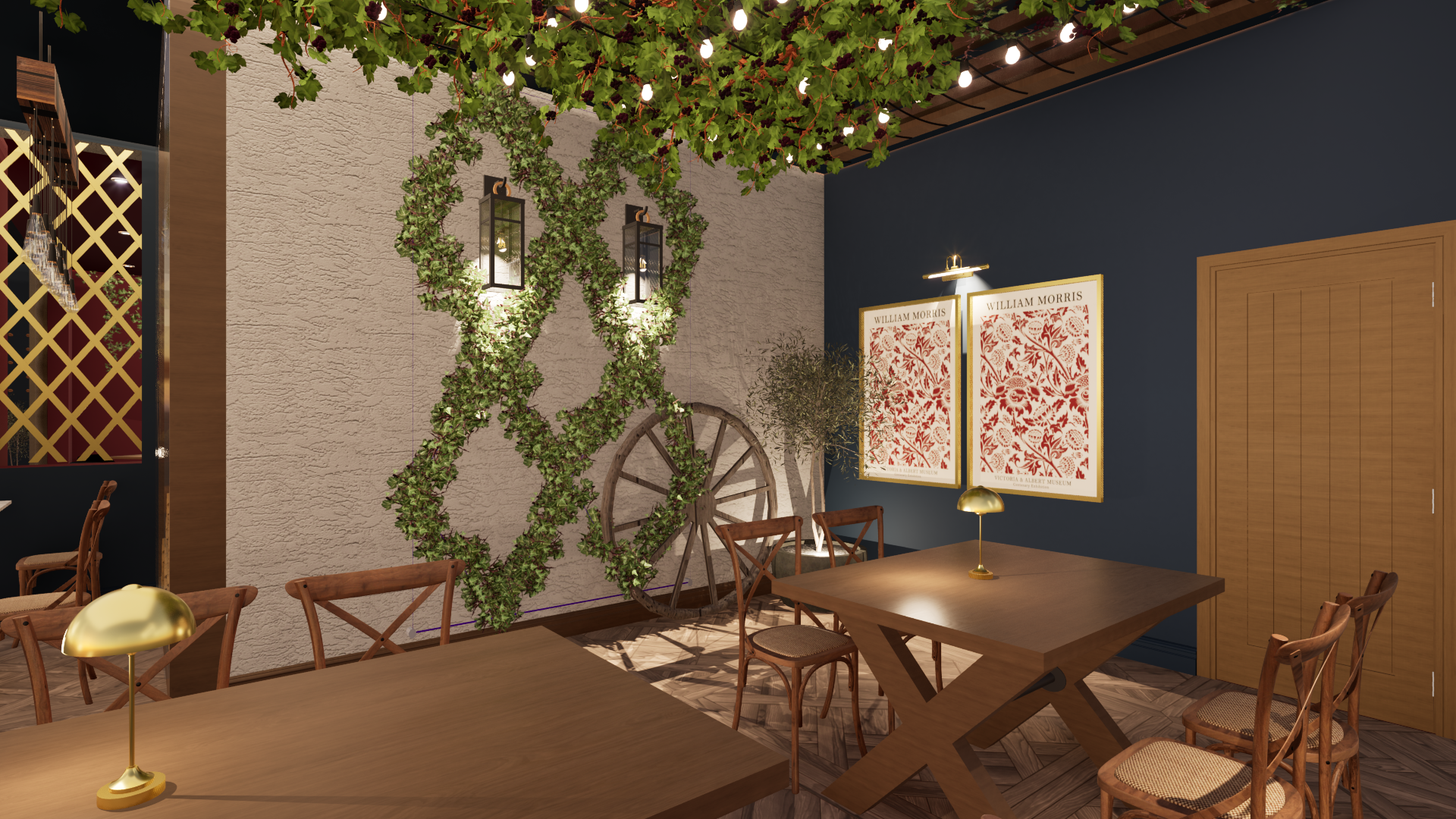
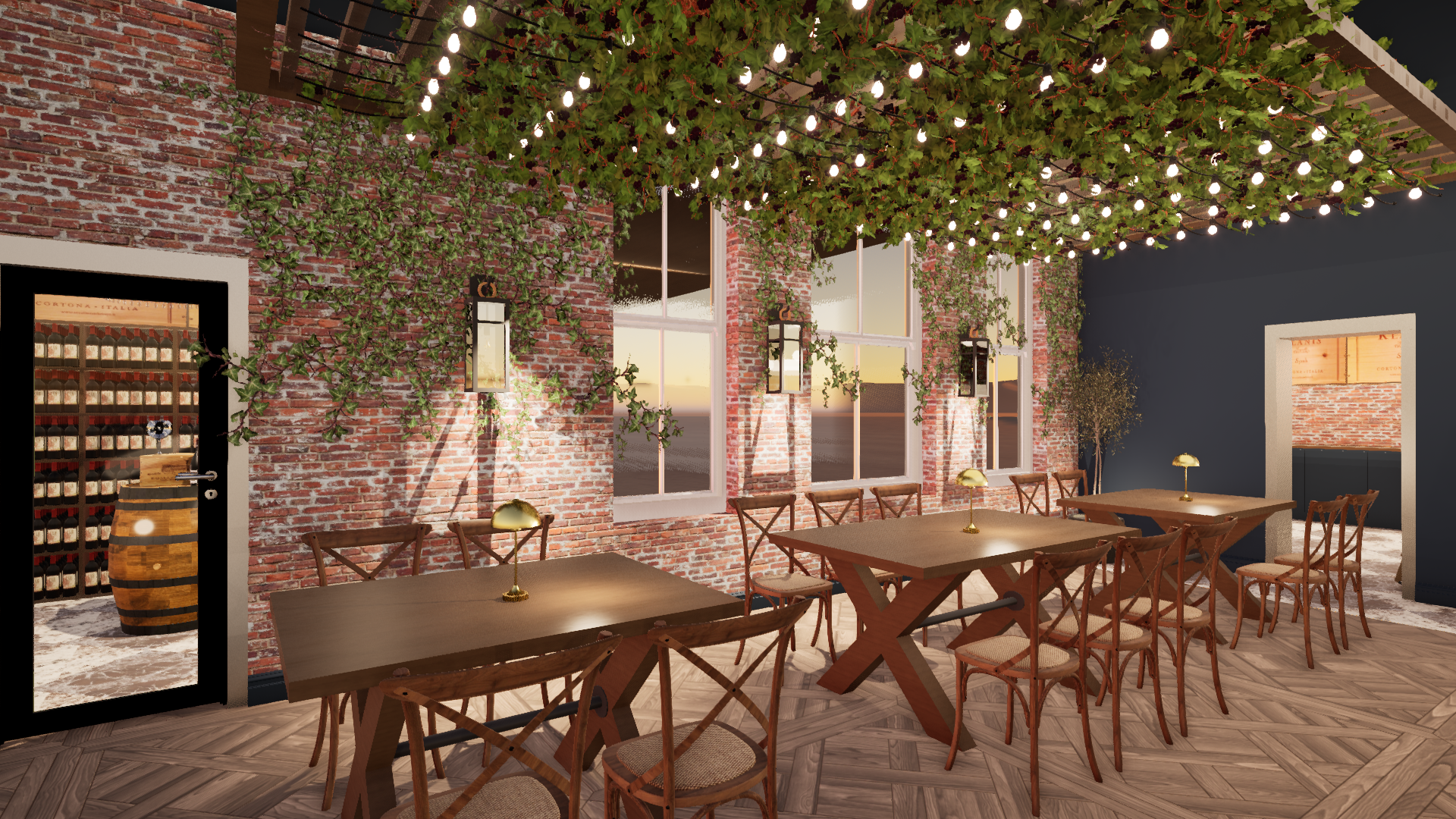
Planting and trees
Green walls and planters
Water features
Natural daylight and fresh air
These are the most obvious and often the most powerful connections to nature.
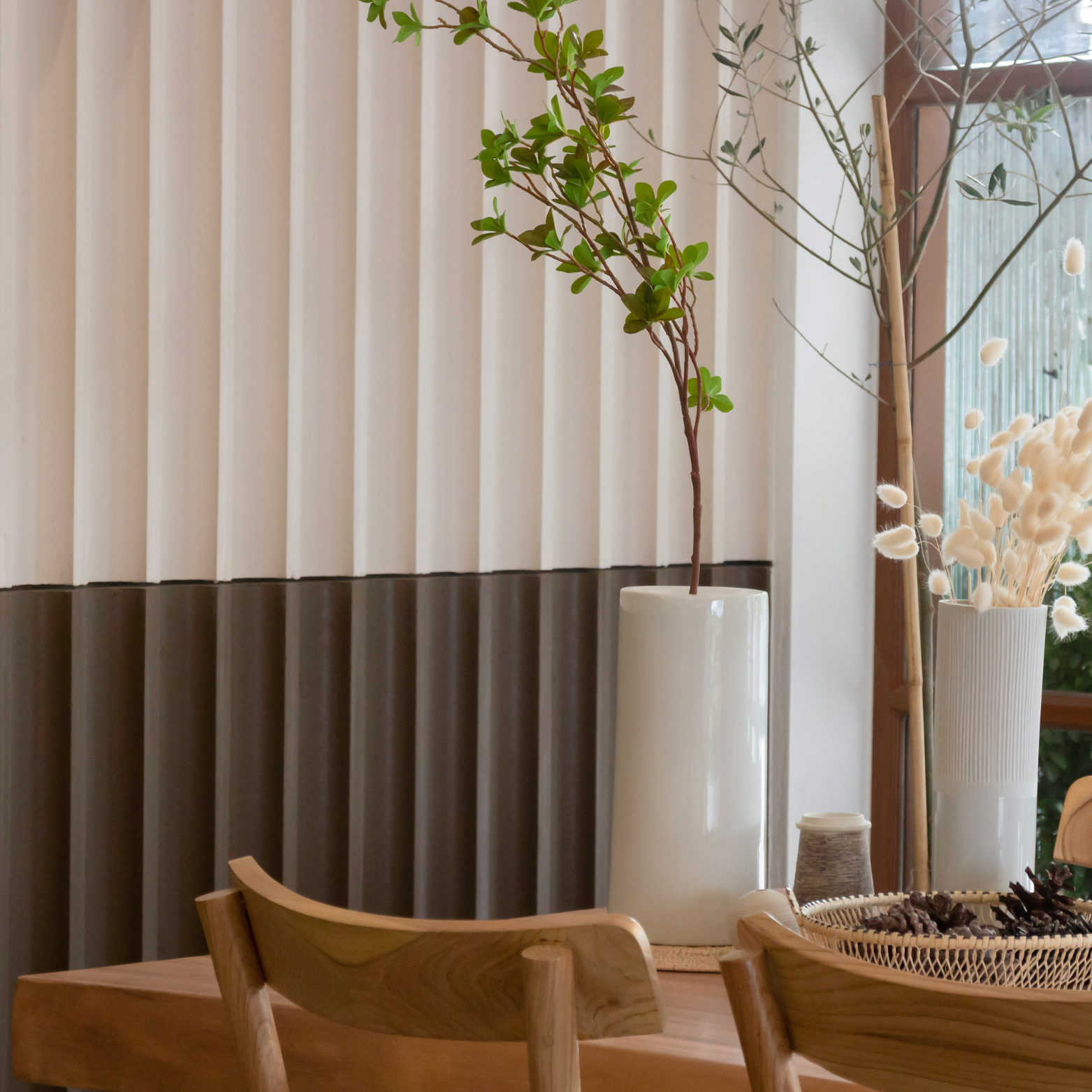
2. Natural Analogues
These are man‑made elements that reference nature:
Timber, stone and natural textures
Organic forms and curves
Nature‑inspired colour palettes
Patterns that echo growth, layering and movement
These help spaces feel warmer, calmer and more intuitive — even where real planting isn’t possible.
3. The Nature of Space
This is where many workplaces fall short.
It’s about how people feel in a space:
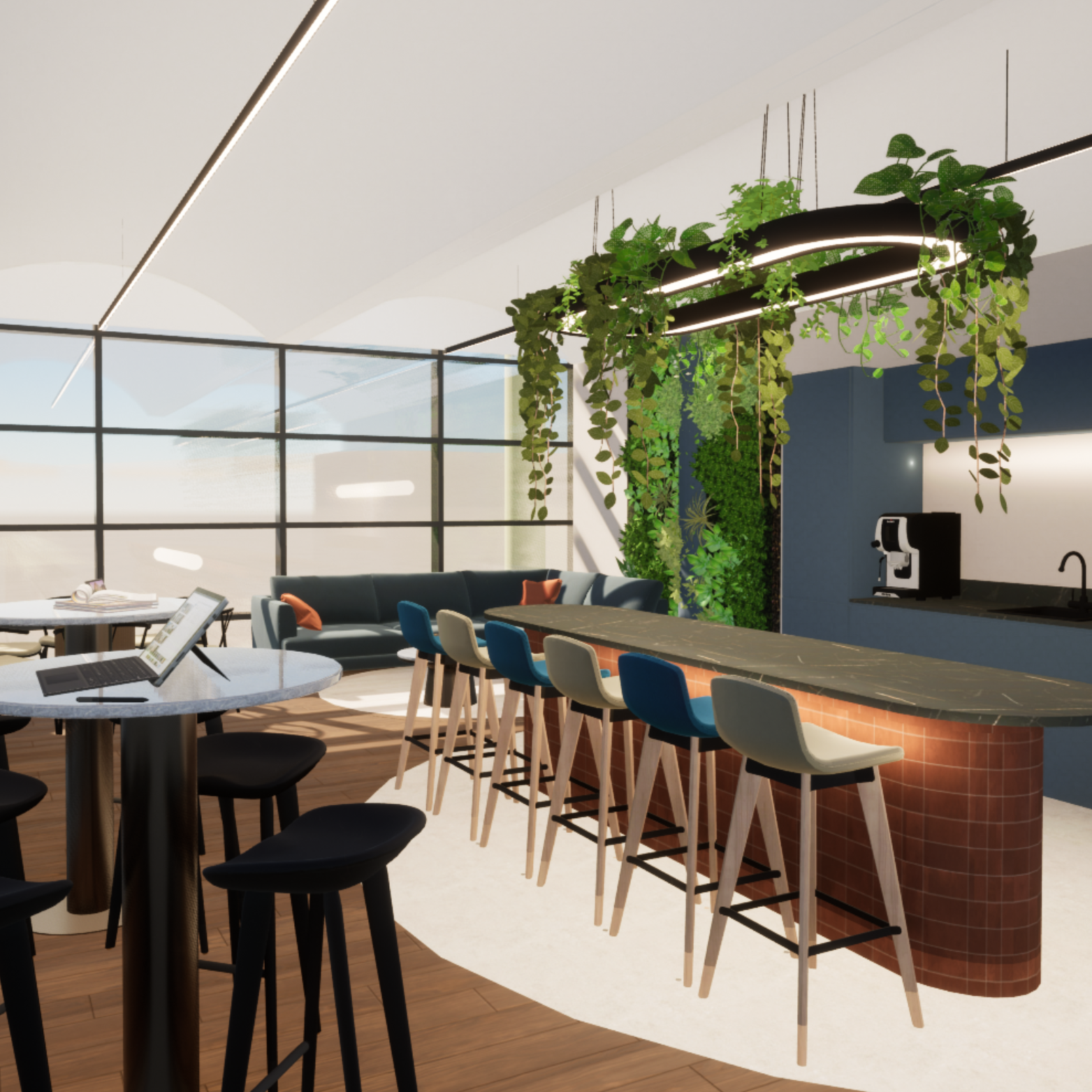
Prospect and refuge (open views balanced with places to retreat)
A sense of journey, discovery and variation
Spaces that support movement, pause and transition
This layer is critical — because it shapes behaviour, not just appearance.
What Actually Works in Real Offices?
Through experience, research and post‑occupancy feedback, some strategies consistently outperform others.
Access to Natural Light
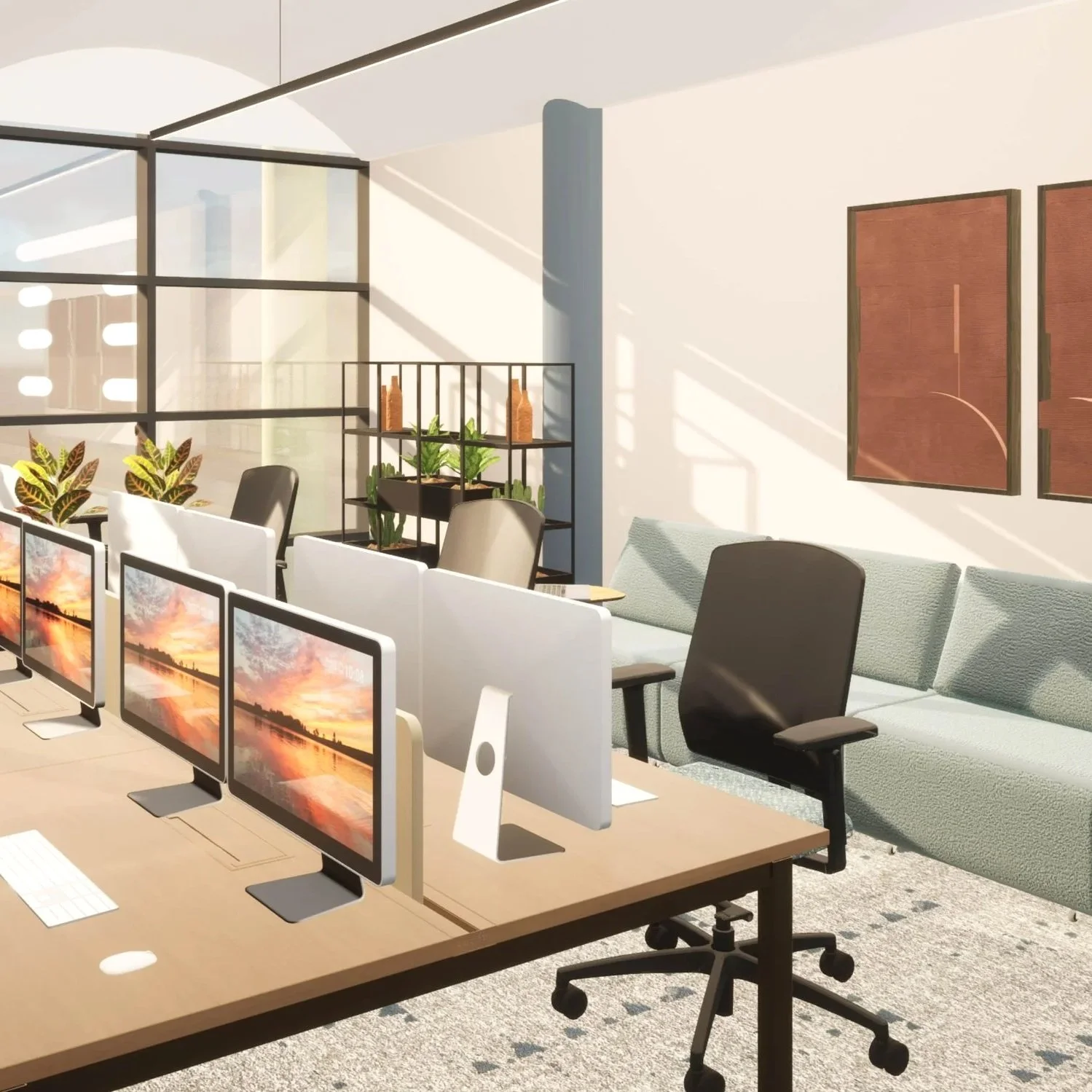
Daylight is one of the most effective biophilic tools available and often the most underused.
Maximizing window access, using glazed partitions and keeping layouts open helps support circadian rhythms, energy levels and focus throughout the day.
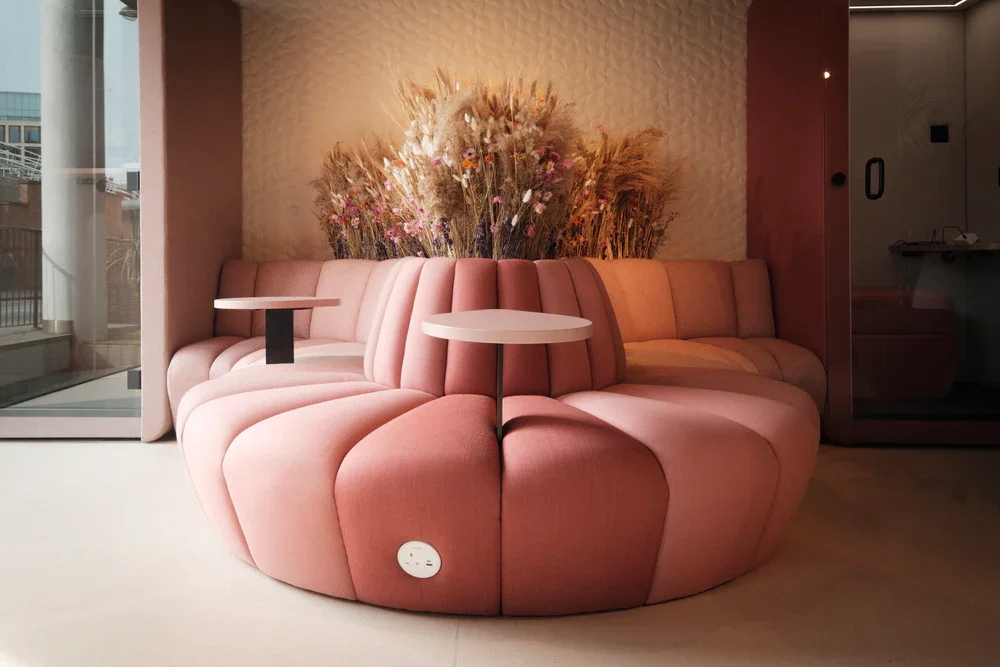
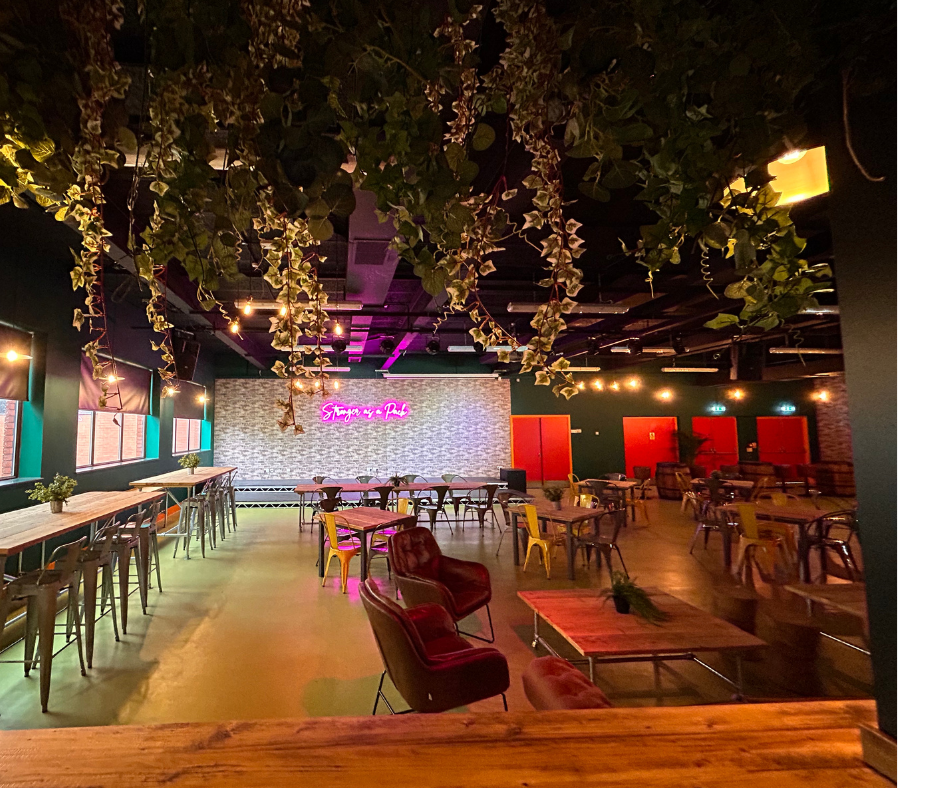
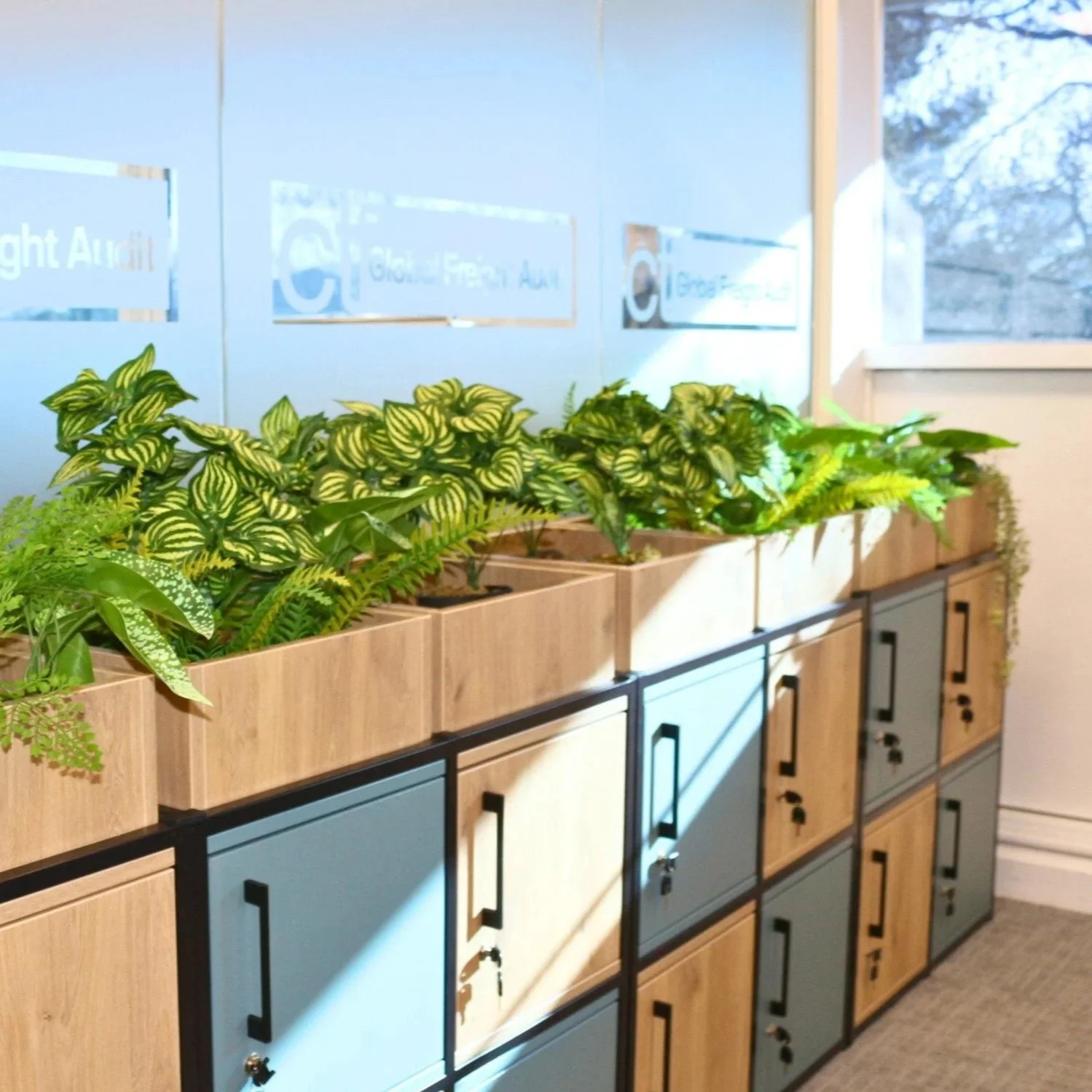
Greenery That’s Integrated, Not Decorative
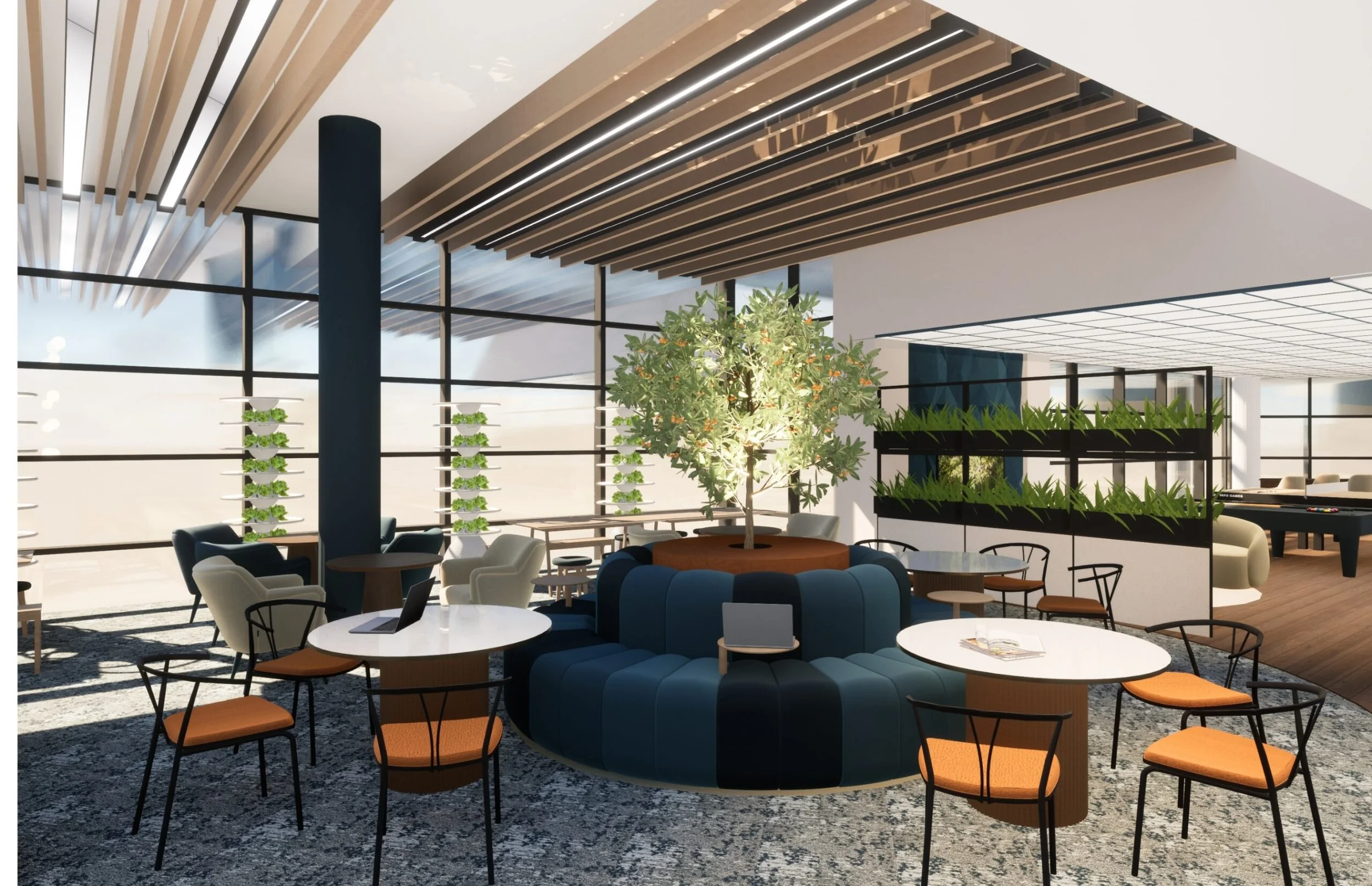
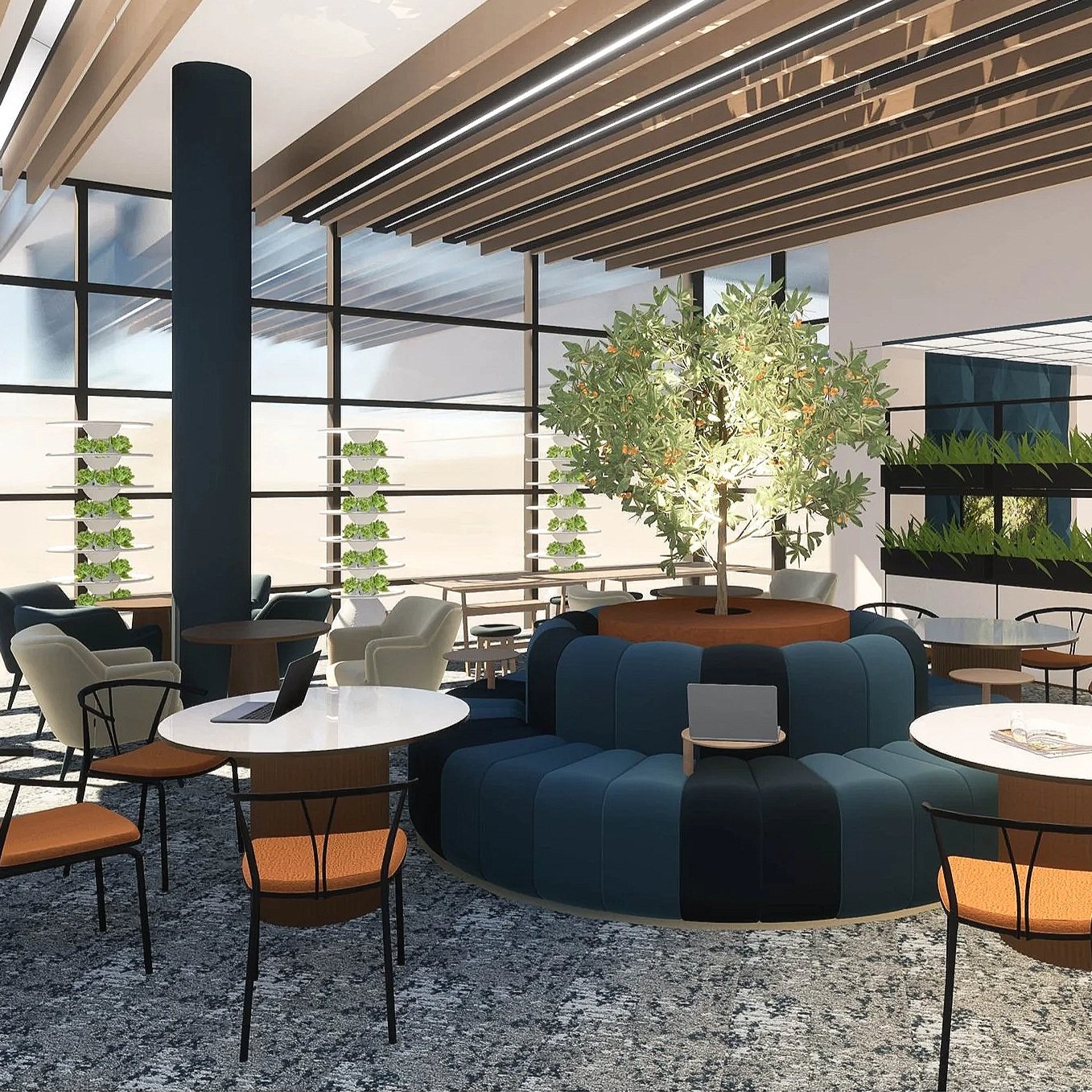
Plants work best when they’re part of the architecture:
Planters used to zone space
Greenery integrated into joinery
Planting that also improves acoustics
This creates function as well as atmosphere.
Material Honesty
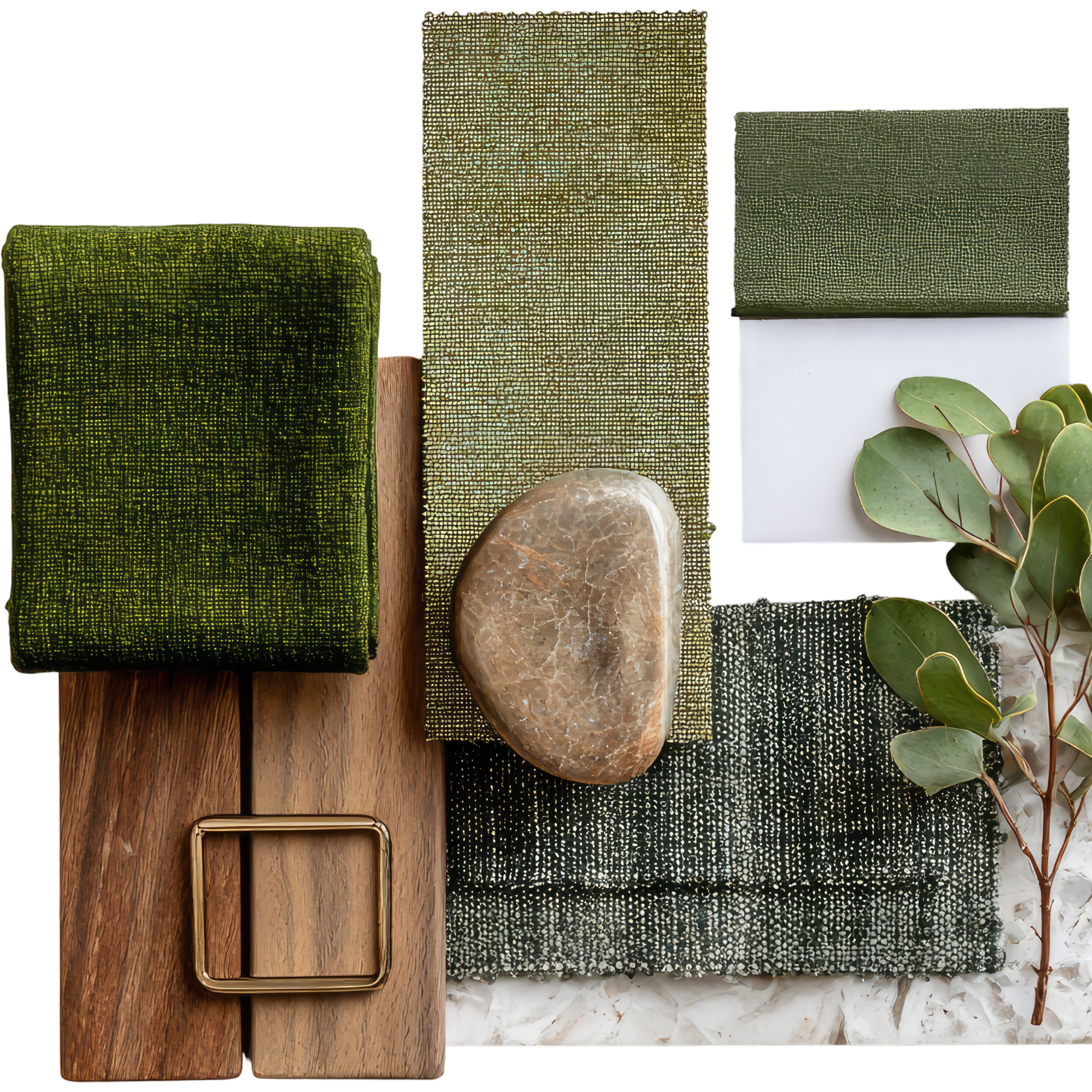
Timber that looks and feels like timber. Stone that has texture and depth. Finishes that age well.
Natural materials create a subconscious sense of calm and authenticity that synthetic alternatives often fail to deliver.
Micro‑Restorative Moments
Not every biophilic intervention needs to be large‑scale.
Small moments — a planted breakout, a quiet window seat, subtle movement from foliage — provide frequent “micro‑resets” that help reduce mental fatigue over the working day.
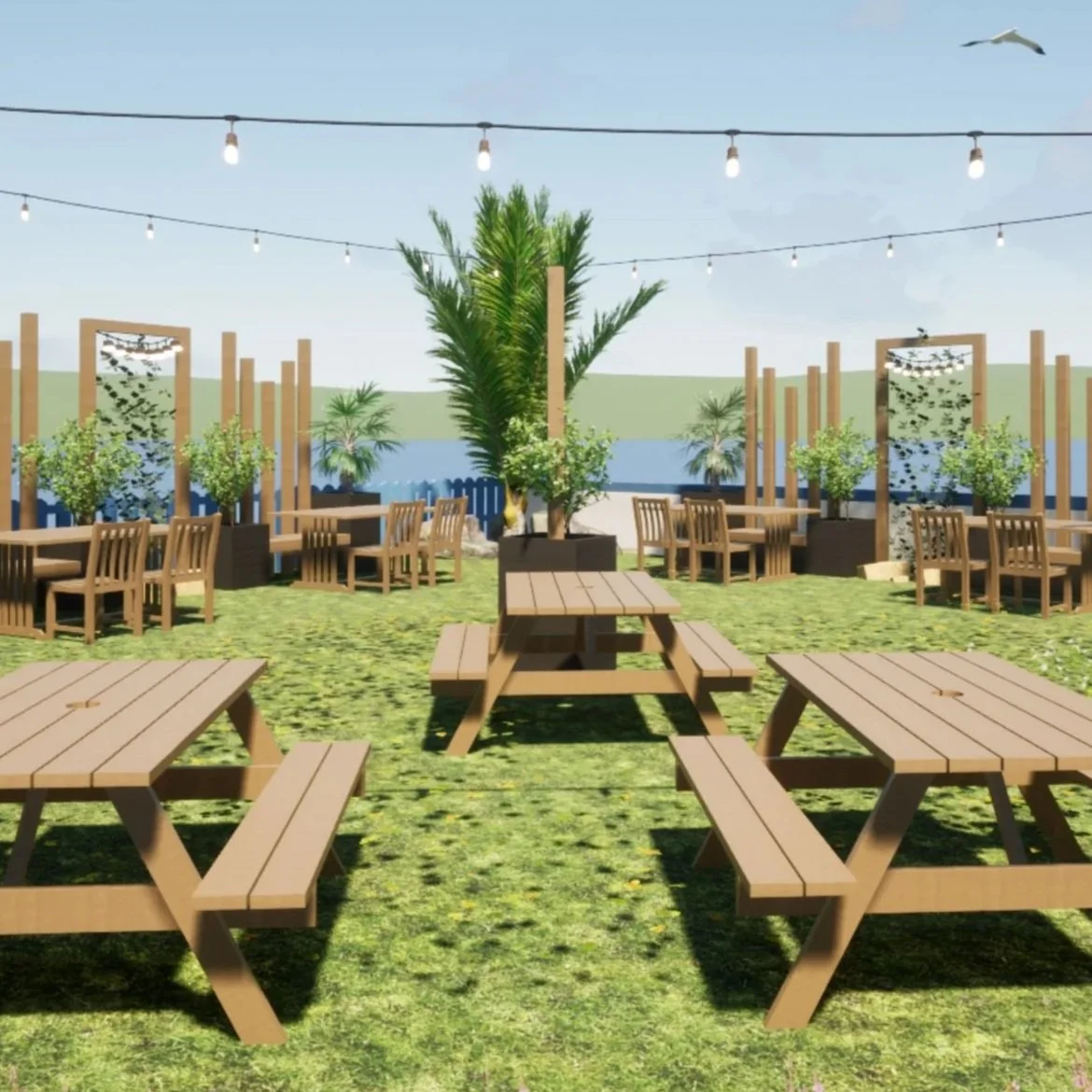
Outdoor Space
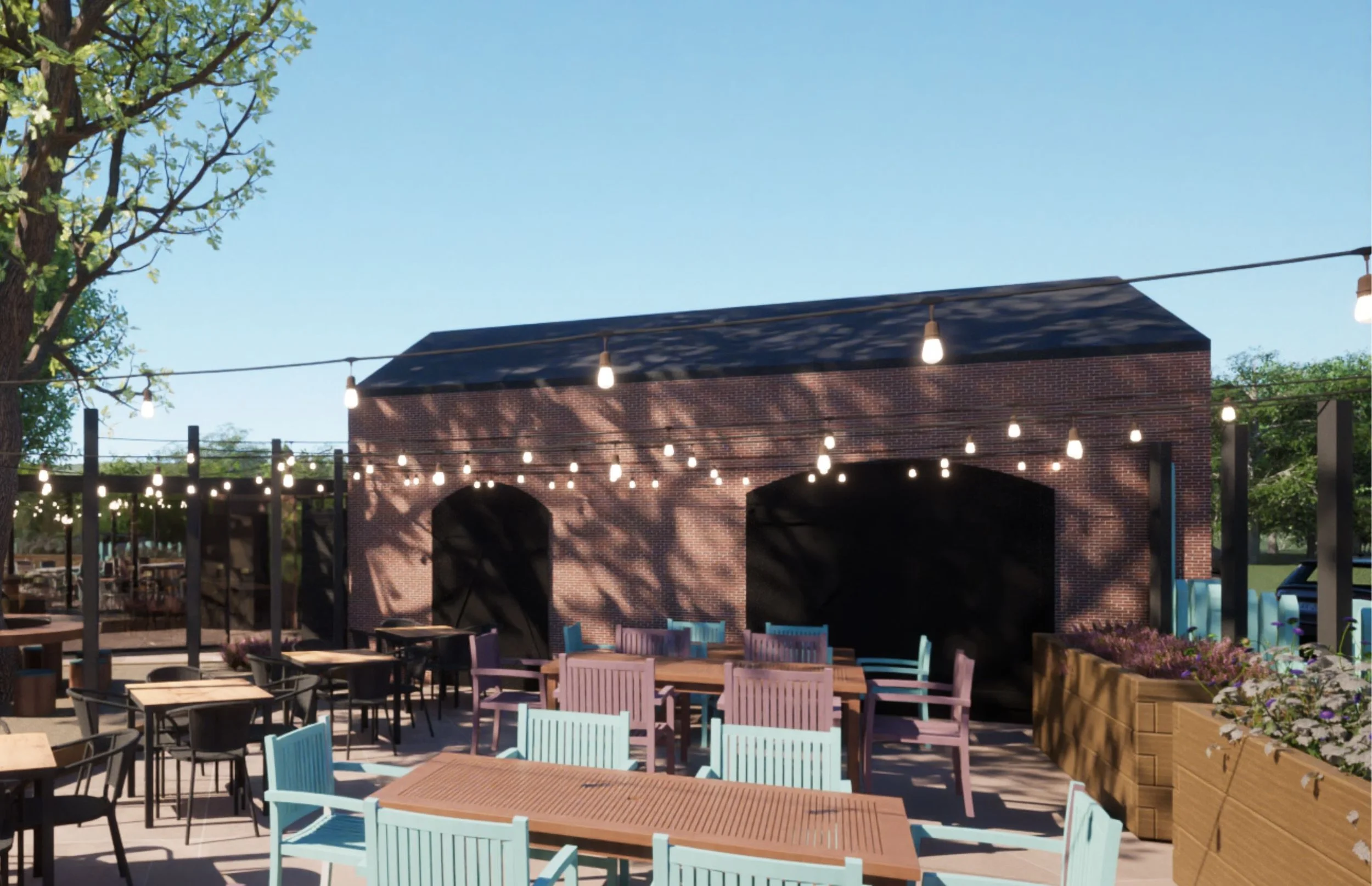
Terraces, balconies and outdoor seating command real commercial value — not just emotional value.
Workplaces with usable outdoor space consistently achieve higher occupancy, higher rents and stronger employee satisfaction.
Why Biophilic Design Matters More Than Ever
Workplace design is no longer about fitting desks into floorplates.
Post‑pandemic, offices need to offer something people can’t get at home:
Connection
Restoration
Belonging
Choice
Biophilic design supports all of this — when it’s treated as a core design principle, not a finishing touch.
It helps attract talent, retain teams and create environments people actually want to spend time in.
The Bottom Line
Biophilic design isn’t about trends or token gestures.
It’s about designing workplaces that acknowledge how humans actually function — emotionally, physically and socially.
When nature is woven into the workplace in meaningful ways, spaces feel calmer, healthier and more human. And when people feel better, businesses perform better.
That’s not a design trend. That’s good design.