How to Design a Space That Boosts Productivity
Productivity isn’t about working harder, it’s about working better.
With more businesses reassessing how their teams work, the office has become more than just a place to sit at a desk. It’s a strategic tool, one that can either support focus, collaboration and wellbeing, or quietly work against it.
At Shropshire Studios, we design offices around how people actually work. Productivity isn’t about packing more desks into a floorplate, it’s about creating environments that help people perform at their best. Here’s what truly makes the difference.
Design Around Behaviour, Not Assumptions
The most productive offices start with understanding how a space is used day to day.
Focused tasks, collaborative work, meetings and downtime all require different environments. When everything is forced into a single open space, productivity suffers. Thoughtful zoning allows teams to move naturally between different modes of work without disruption.
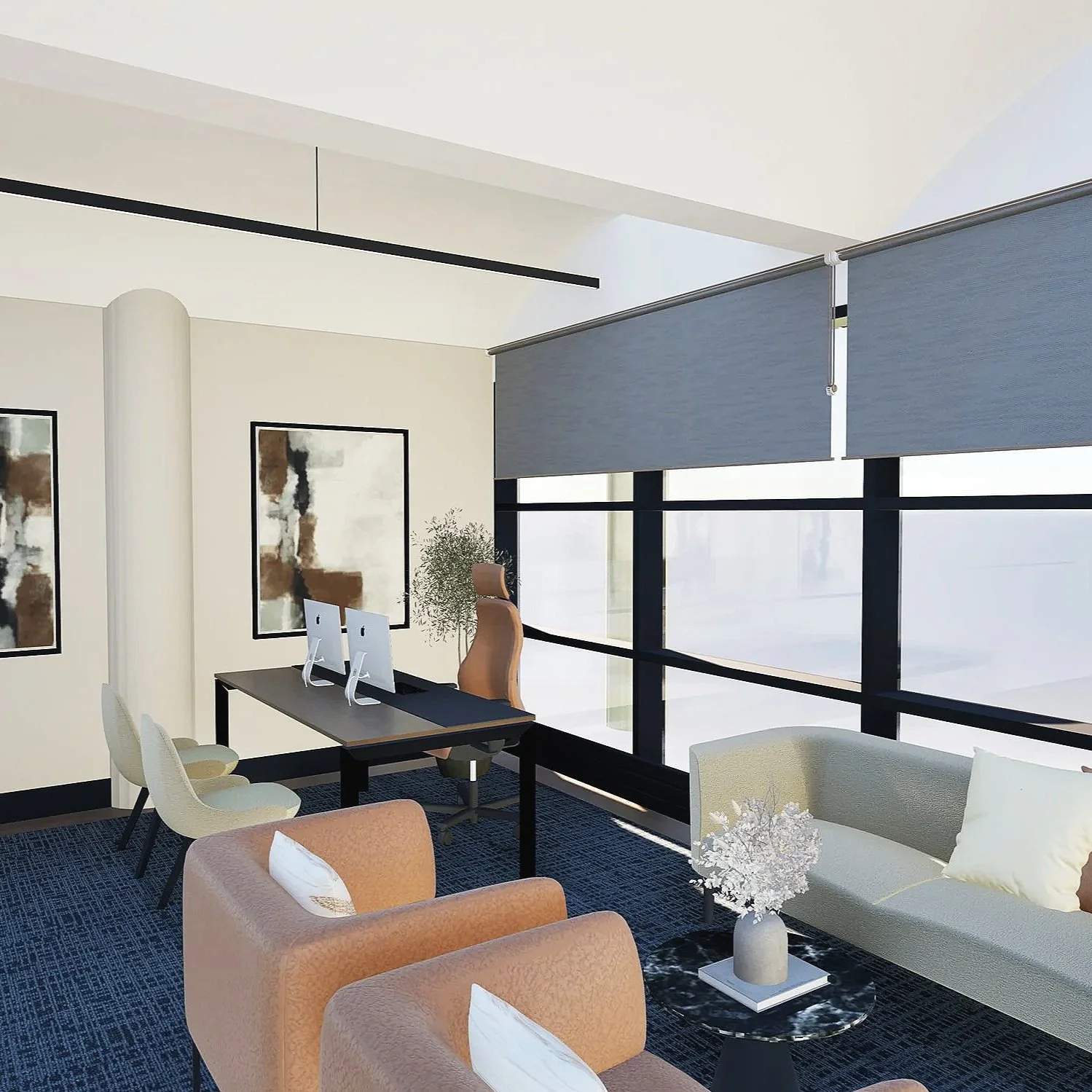
Clear separation between quiet and collaborative zones
Logical adjacencies that reduce unnecessary movement
Spaces that support both individual focus and teamwork
Flexibility to adapt as teams and working patterns change
When a space works with behaviour, productivity follows.
Natural Light Is a Performance Tool
Natural light plays a critical role in concentration, mood and energy levels. Offices that maximise daylight feel more open, comfortable and engaging and help people stay alert throughout the day.
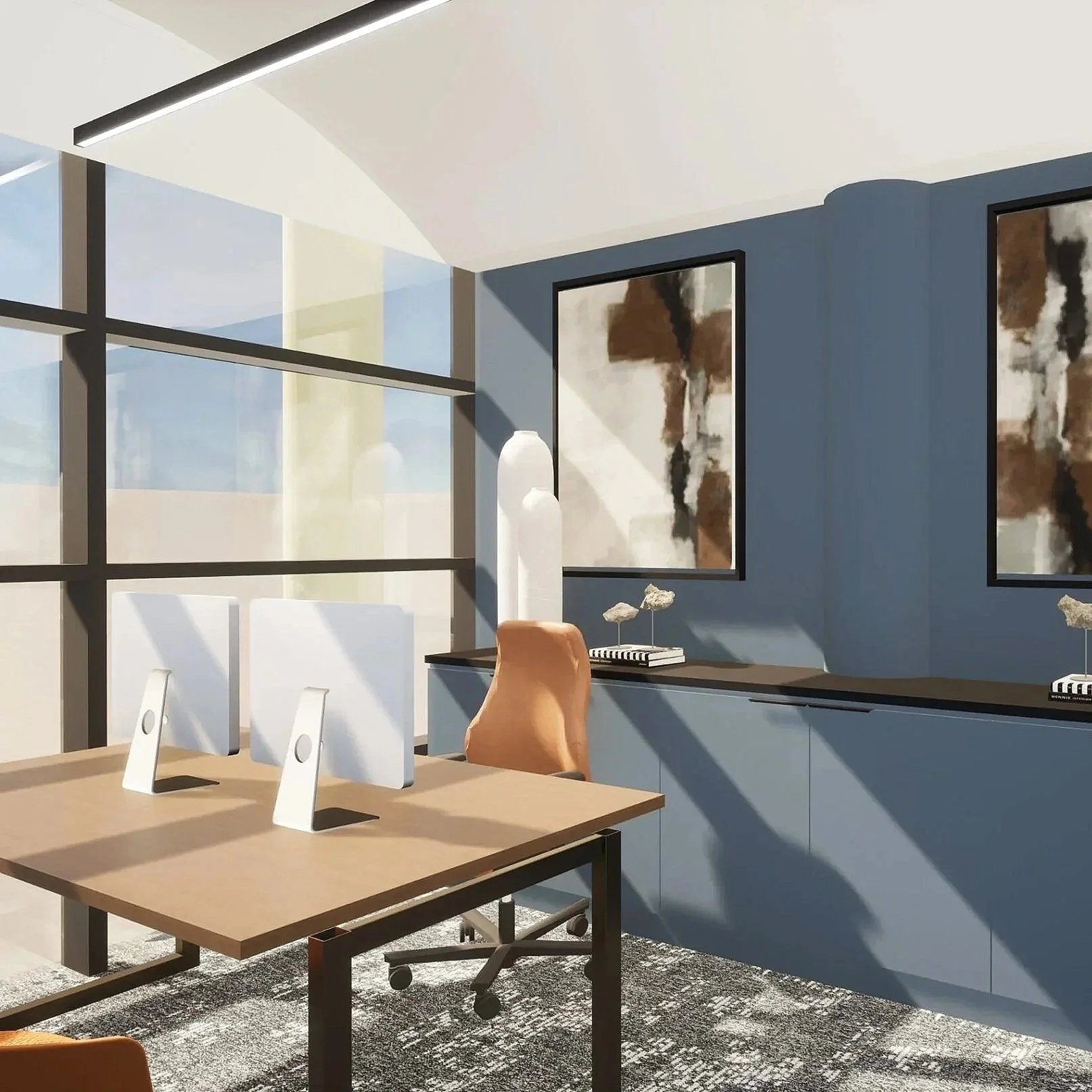
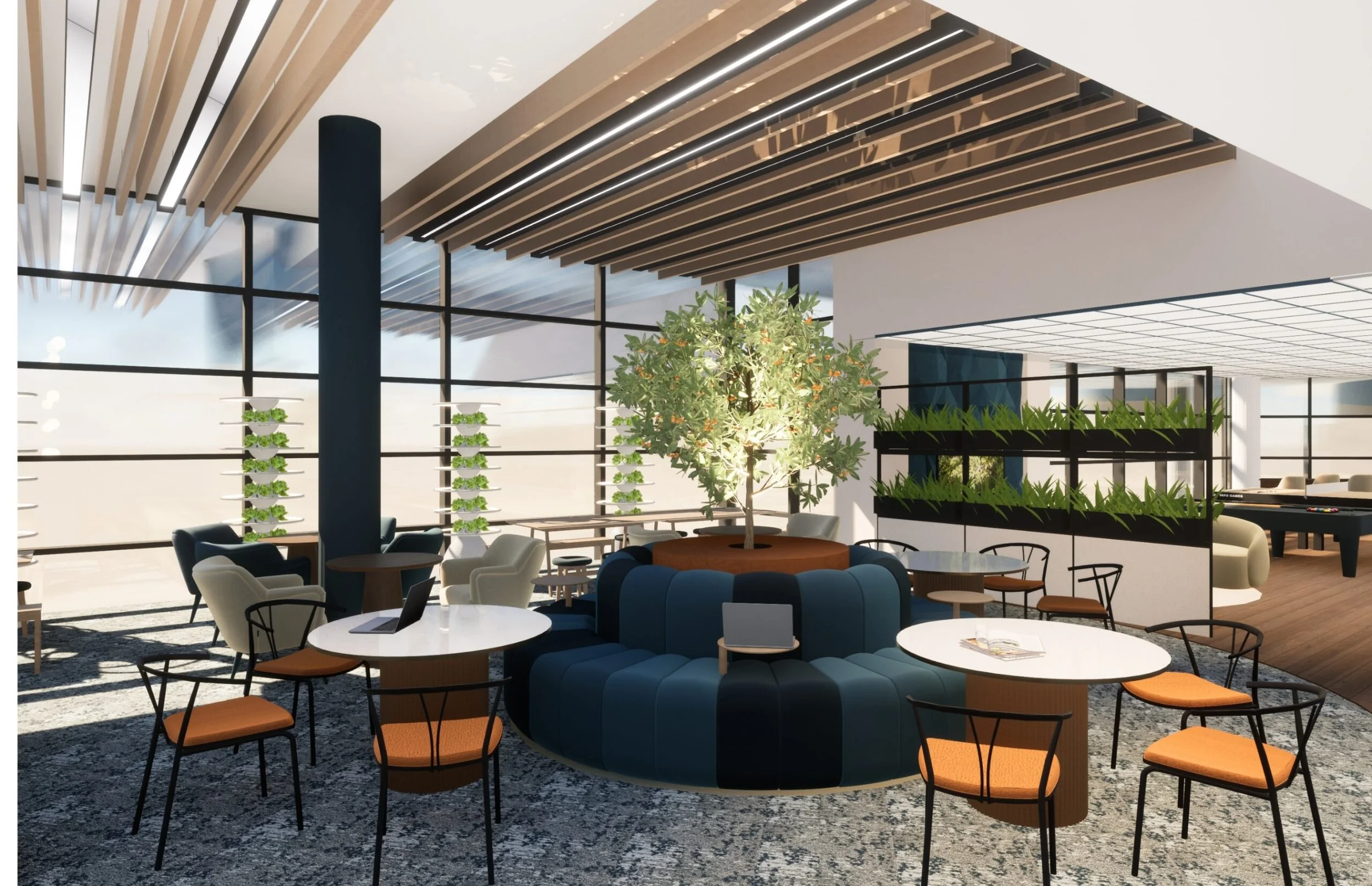
Glazed meeting rooms that allow light to flow through the space
Layouts designed to distribute daylight across work areas
Layered artificial lighting where daylight is limited
Ambient lighting for overall comfort
Task lighting for focused work
Accent lighting to reduce glare and fatigue
Well lit spaces don’t just look better, they support better work.
Furniture Should Support the Way People Work
Furniture has a direct impact on productivity and wellbeing. Poorly specified desks and seating lead to discomfort, distraction and fatigue.
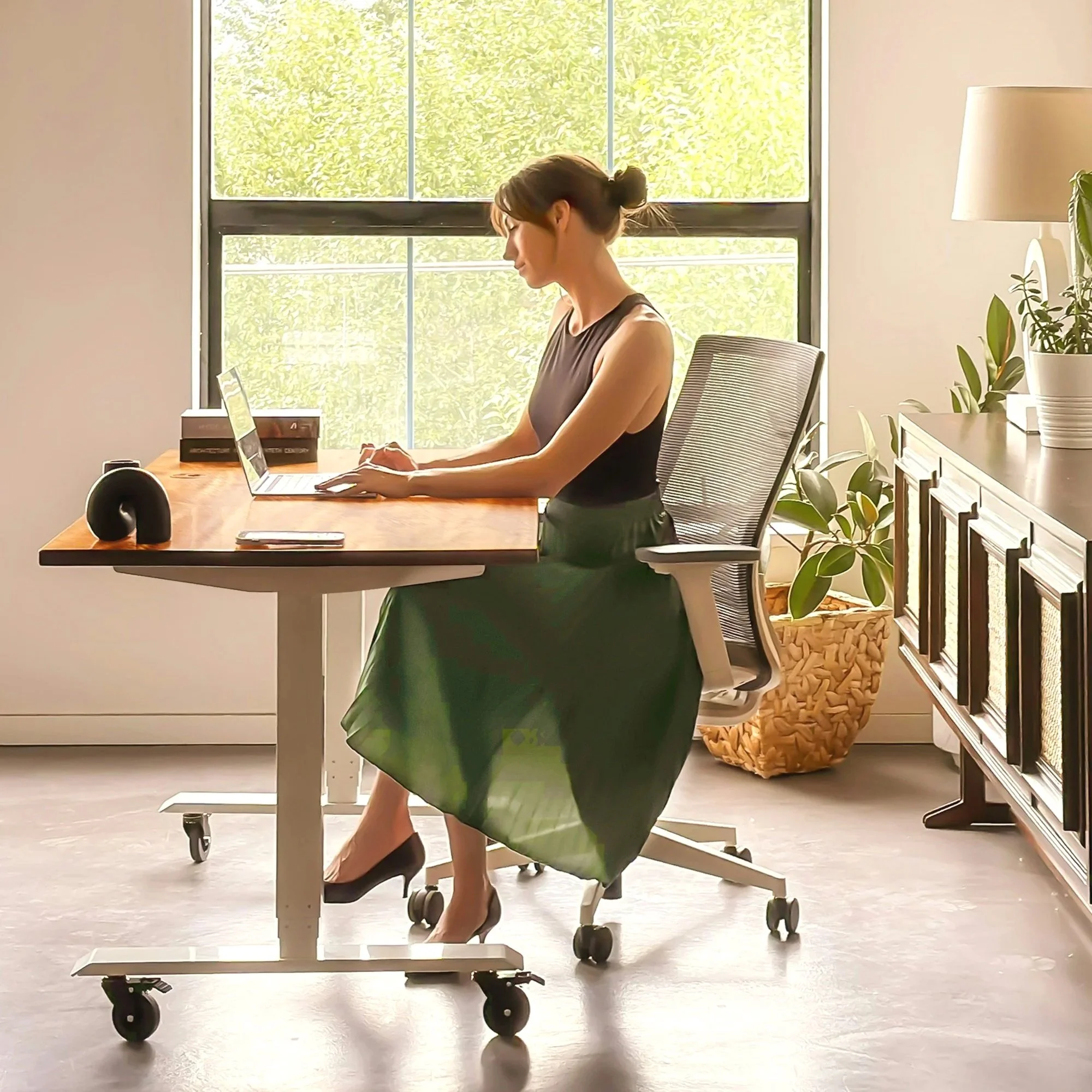
Furniture that supports movement, posture and flexibility
Ergonomic task chairs for long working hours
Adjustable desks to suit different users and tasks
Well designed collaboration furniture for teamwork
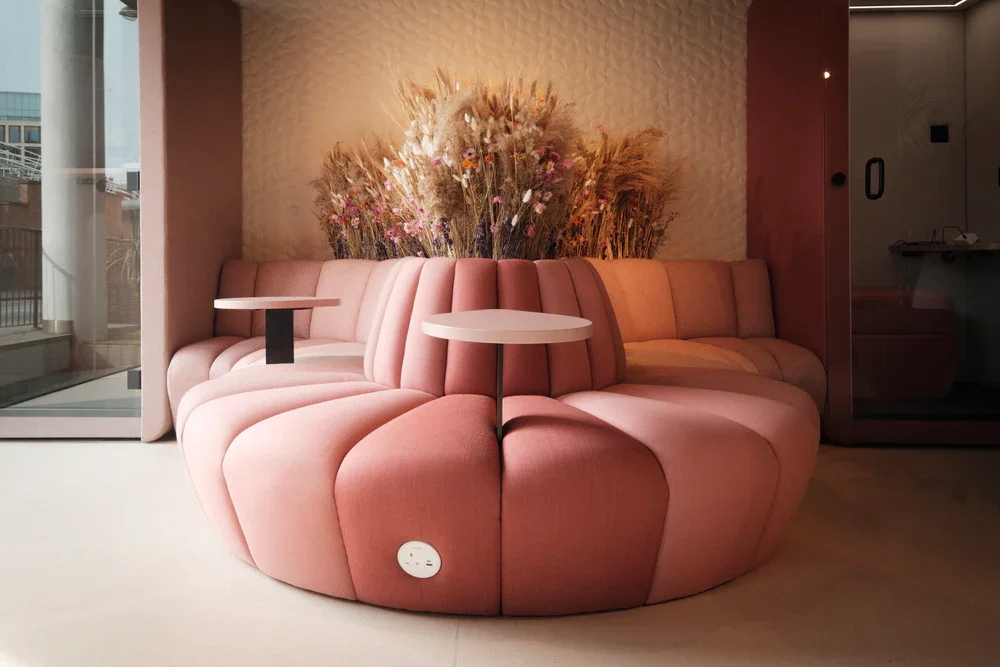
Informal seating to support meetings, creativity and downtime
When furniture works properly, people can focus on their work, not their discomfort.
Clutter Undermines Focus
A cluttered environment creates visual noise, making it harder to concentrate and think clearly.
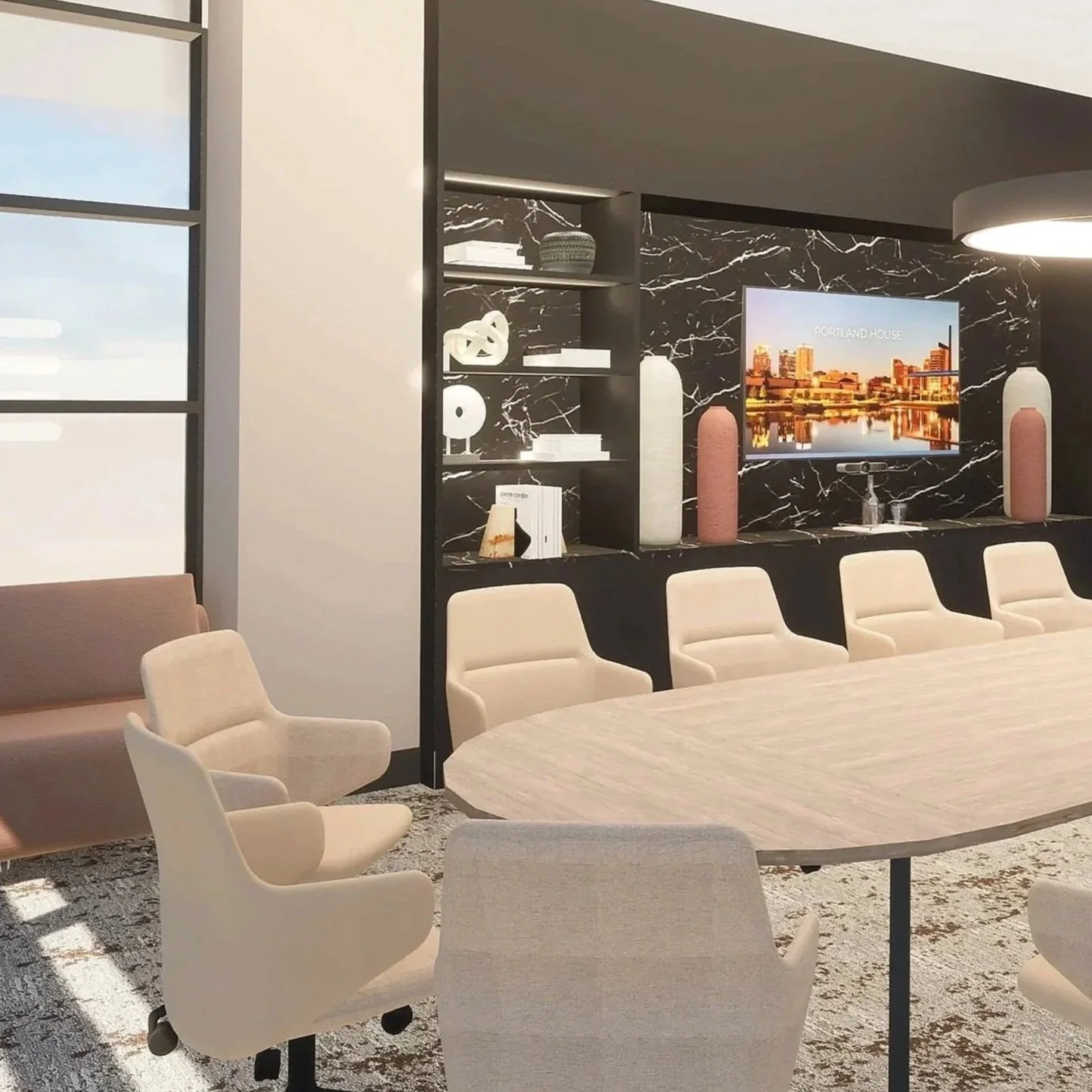
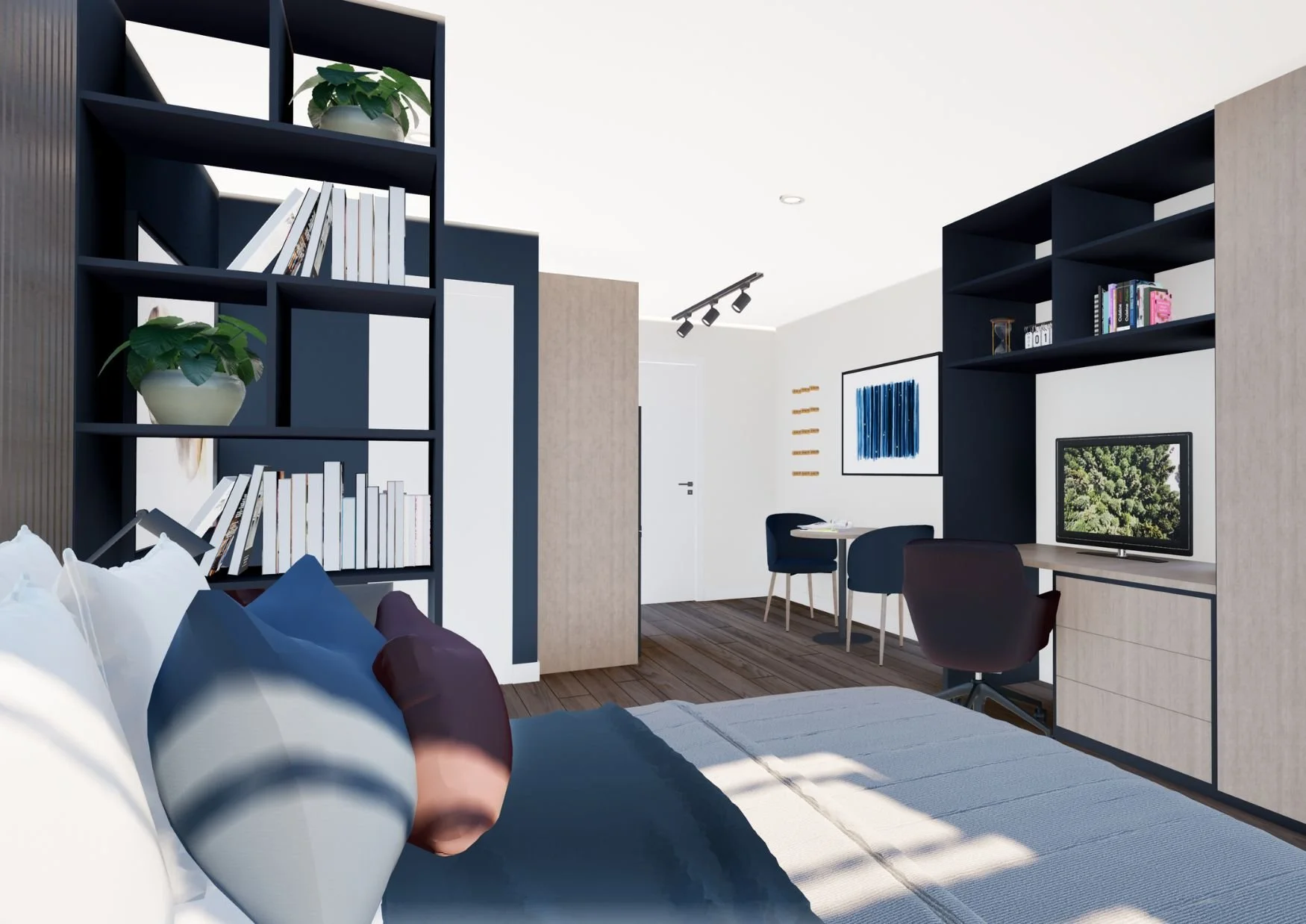
Integrated storage to keep workspaces organised
Concealed cable management to reduce visual clutter
Well‑planned furniture layouts that support calm, efficient flow
Clear desks that minimise distraction
Tidy shared areas that maintain a professional environment
Organised spaces that support focus and productivity
Order in the space creates order in the mind.
Biophilic Design Supports Wellbeing and Performance
Humans are instinctively drawn to nature. Introducing biophilic elements into the workplace has been shown to reduce stress, improve mood and support cognitive function.
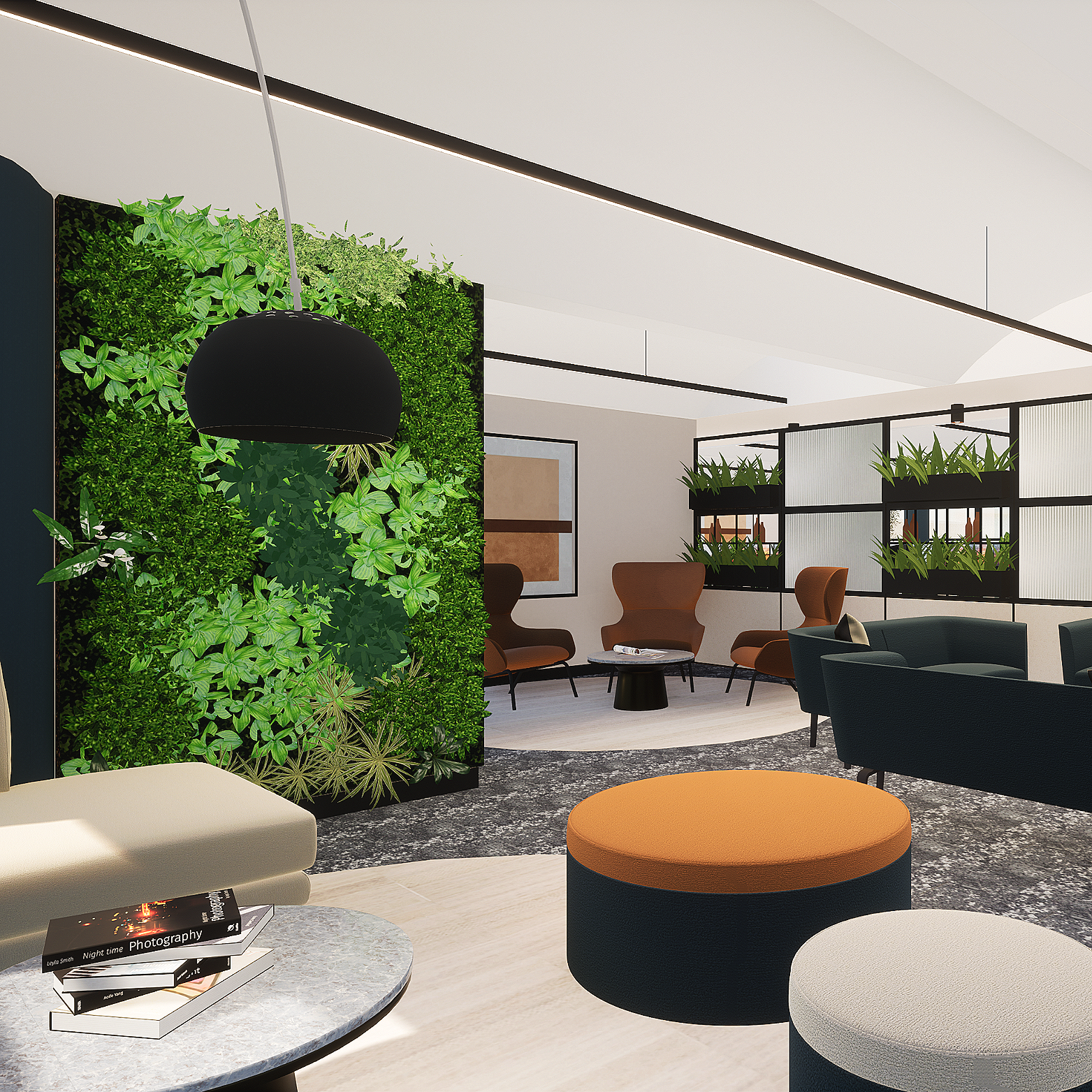
This can include:
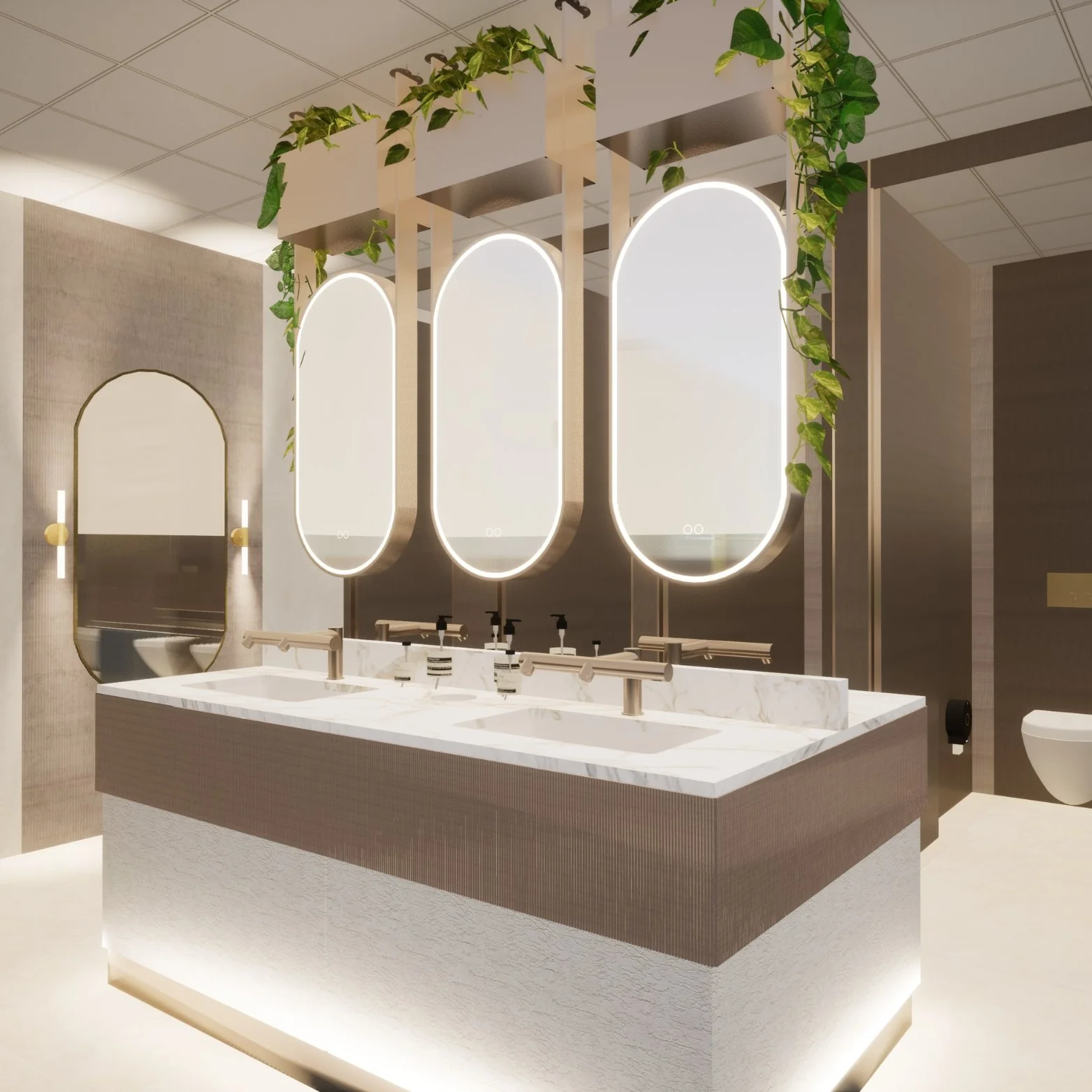
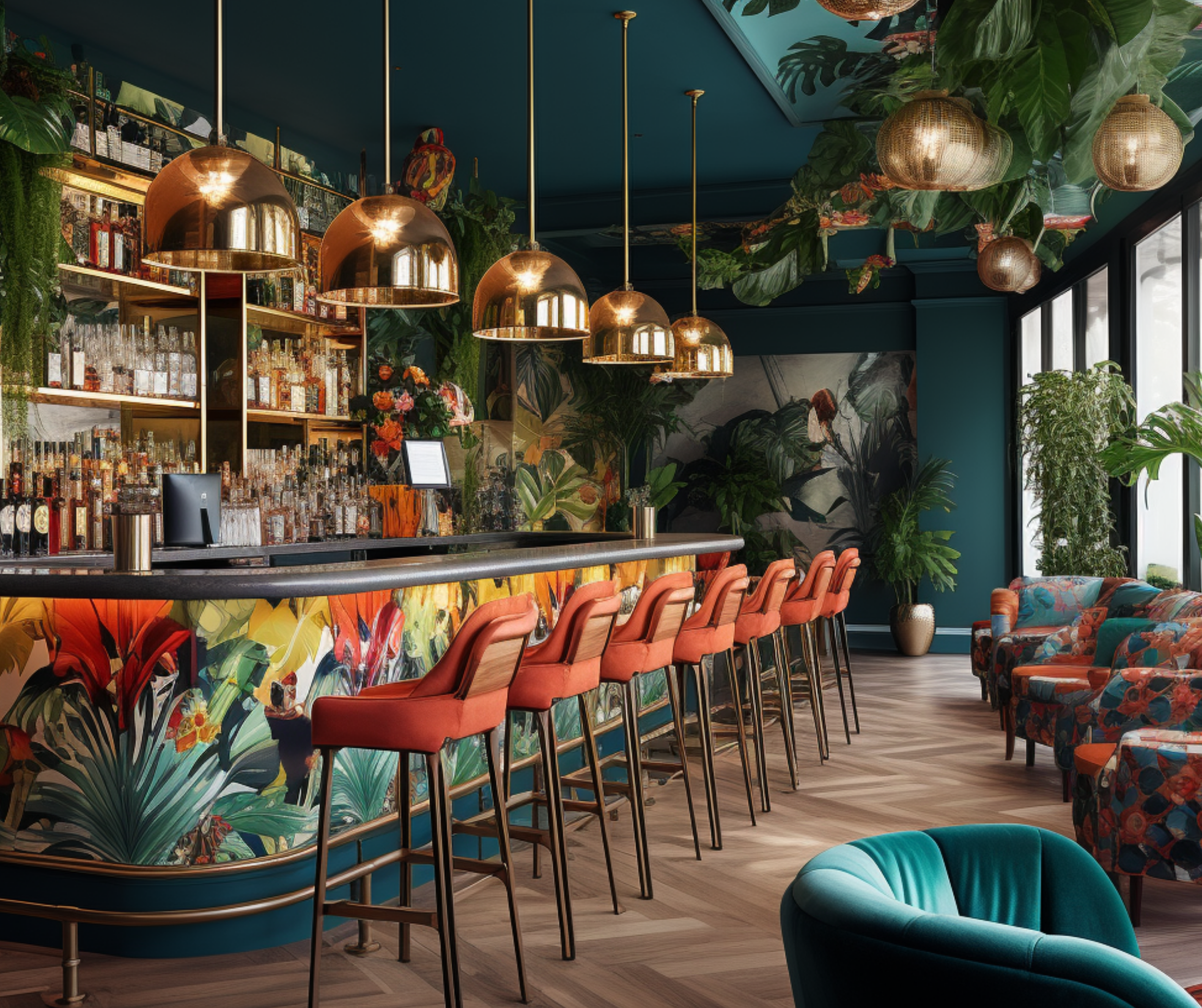
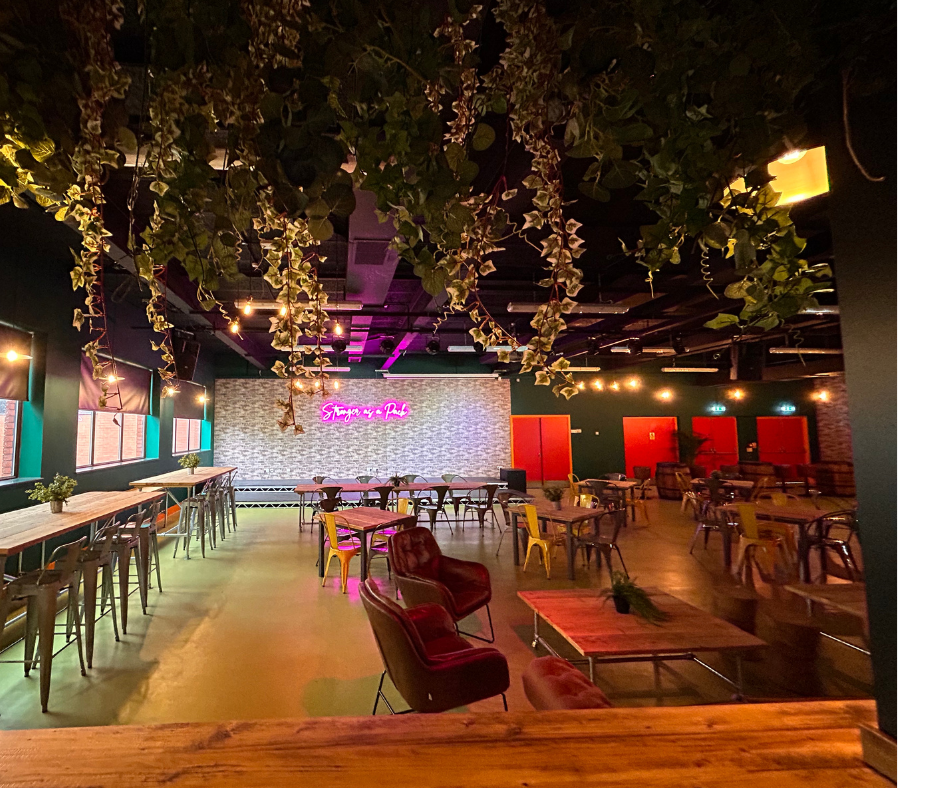
Planting and green walls
Natural materials such as timber and stone
Organic textures and forms
Visual connections to the outdoors
Even subtle biophilic interventions can have a meaningful impact on wellbeing and productivity.
Acoustics Are Critical for Concentration
Noise is one of the most common productivity challenges in offices. Without acoustic control, even beautifully designed spaces can become distracting and uncomfortable.
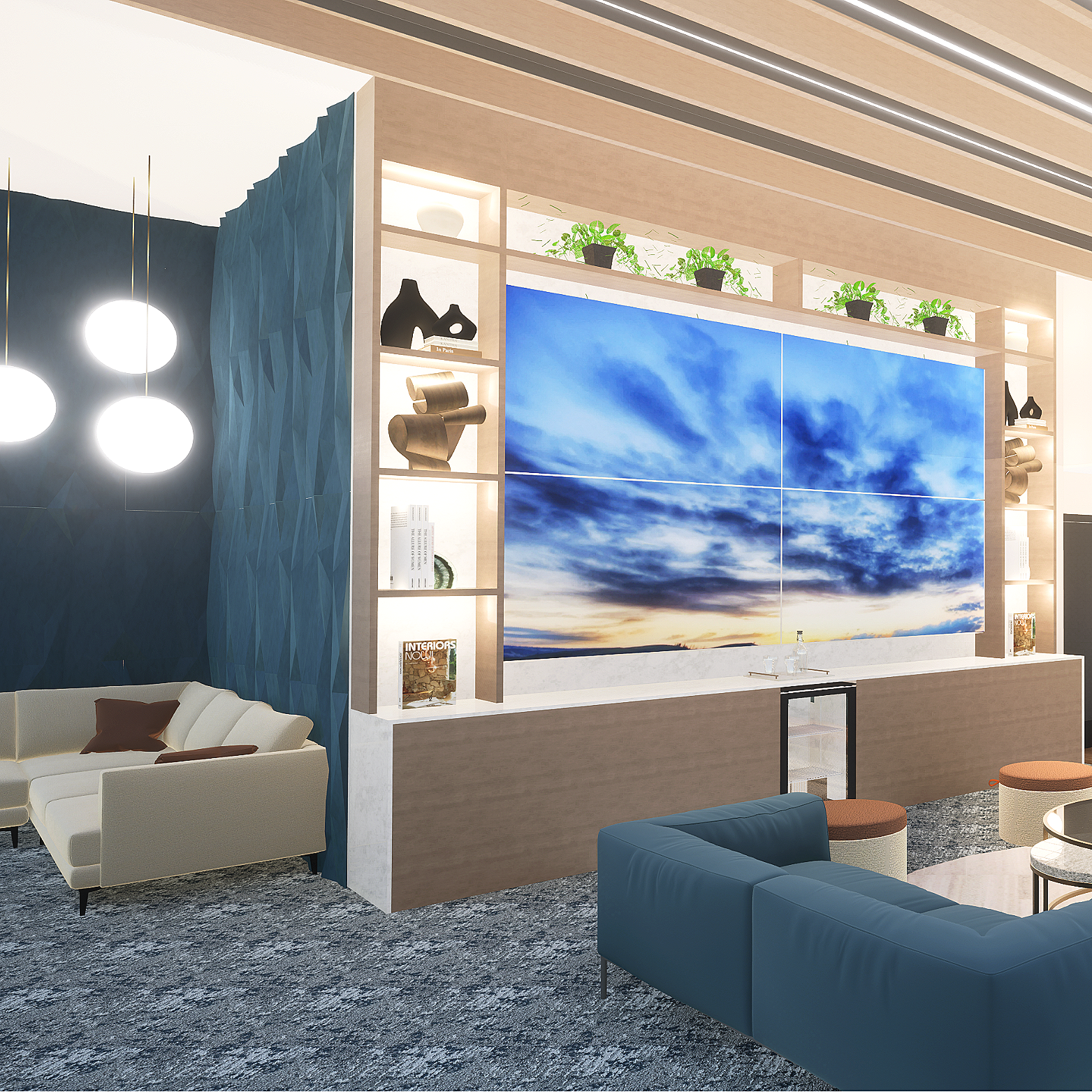
Acoustic finishes that absorb sound and reduce noise levels
Soft furnishings that help minimise sound reflection
Screens and booths to provide acoustic separation
Zoning louder activities away from focus areas
Reduced disruption for more effective, uninterrupted working
Improved concentration and productivity across teams
Good acoustic design creates balance, not silence.
Use Colour and Materials With Intention
Colour and material choices subtly influence how people feel and perform in a space.
Calmer tones, such as soft blues, greens and neutrals are often used in focus areas to support concentration. Warmer accents can be introduced in collaboration and social spaces to encourage energy and creativity without overwhelming the environment.
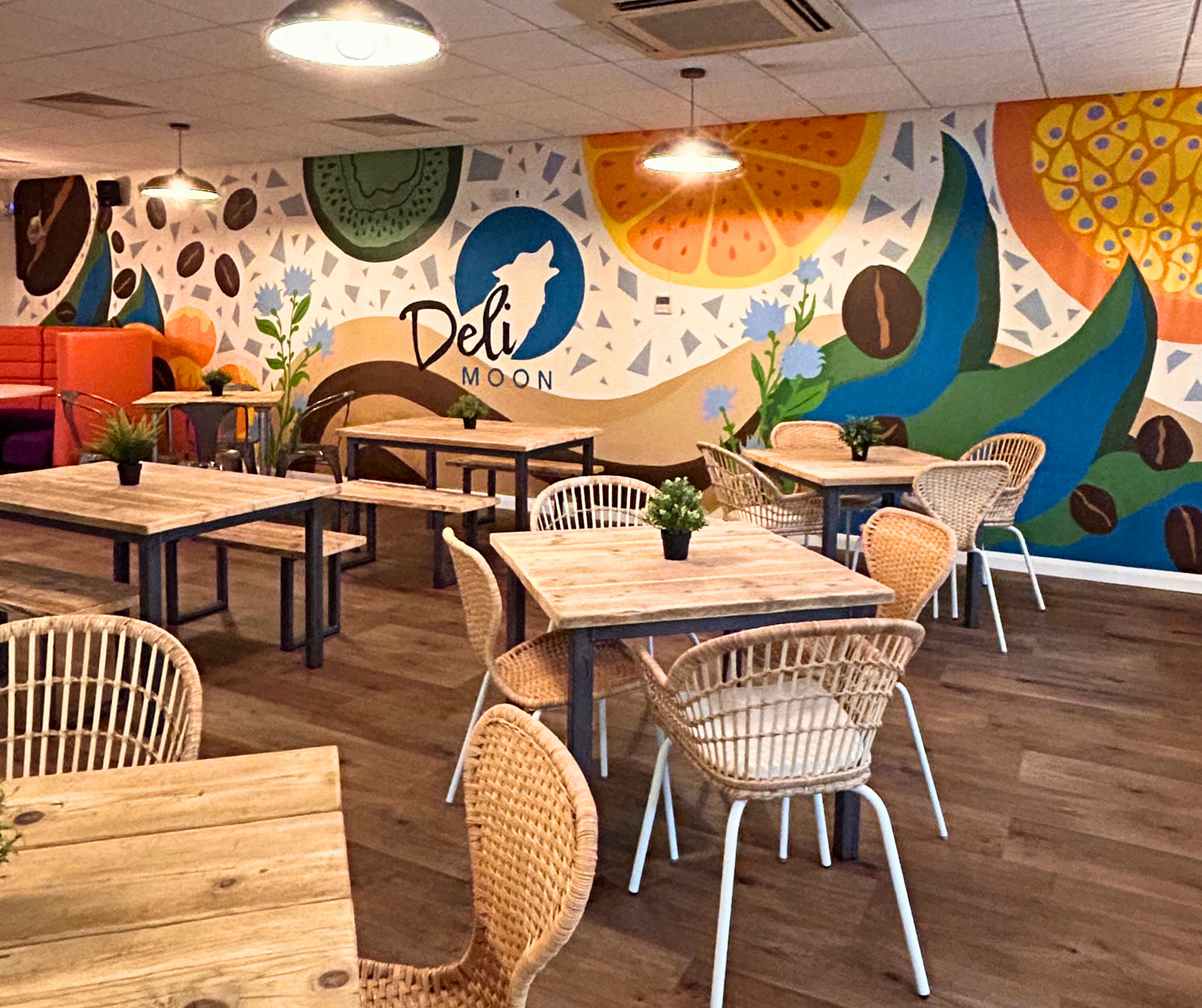
Natural materials, textured finishes and layered details add warmth and character, helping offices feel less clinical and more human.
Designing Offices That Work Better
Productivity doesn’t come from a single design decision. It’s the result of many considered choices working together; layout, lighting, furniture, acoustics, materials and organisation.
At Shropshire Studios, we design office environments that support focus, collaboration and wellbeing, while reflecting brand identity and long‑term business goals.