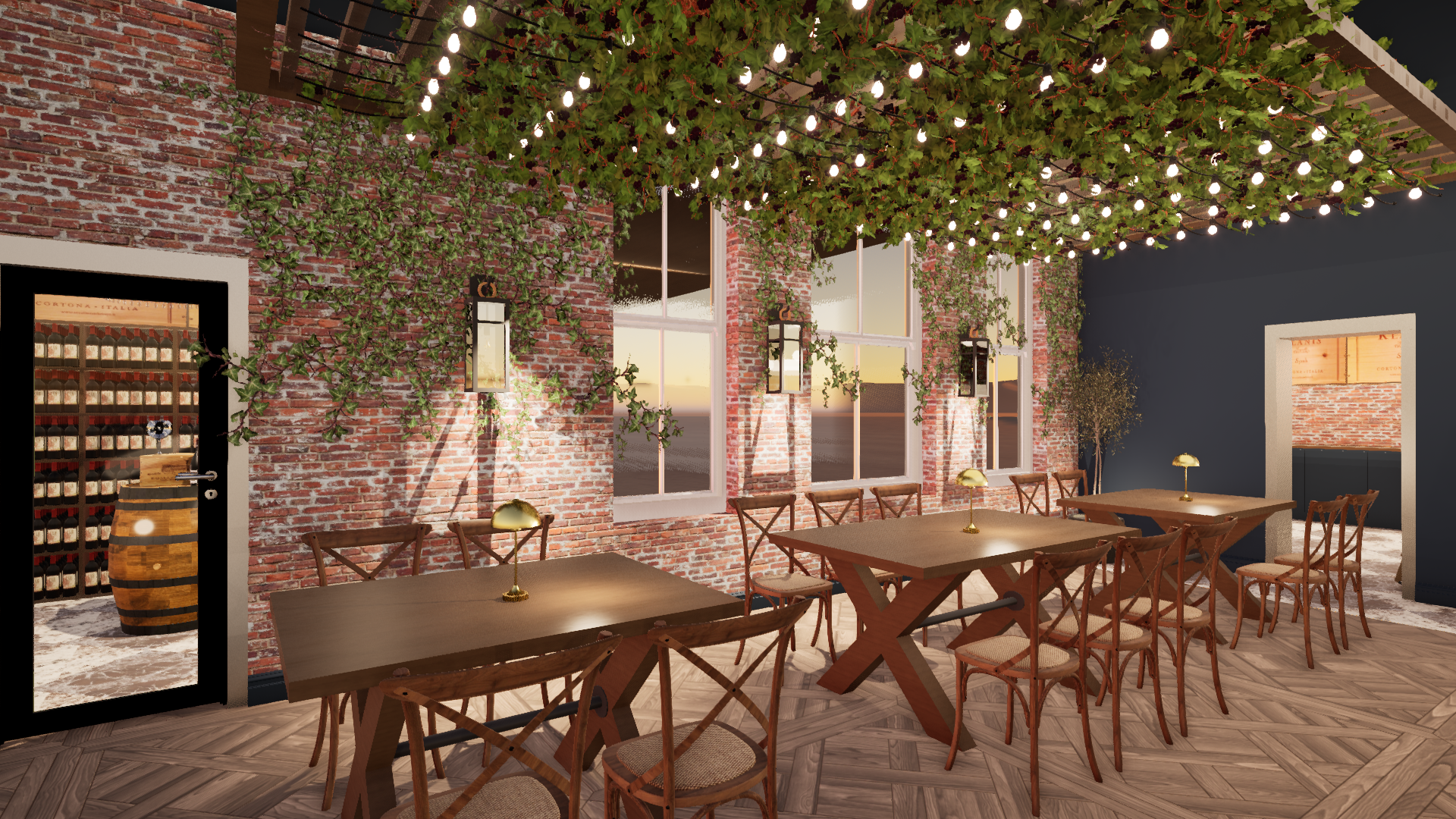
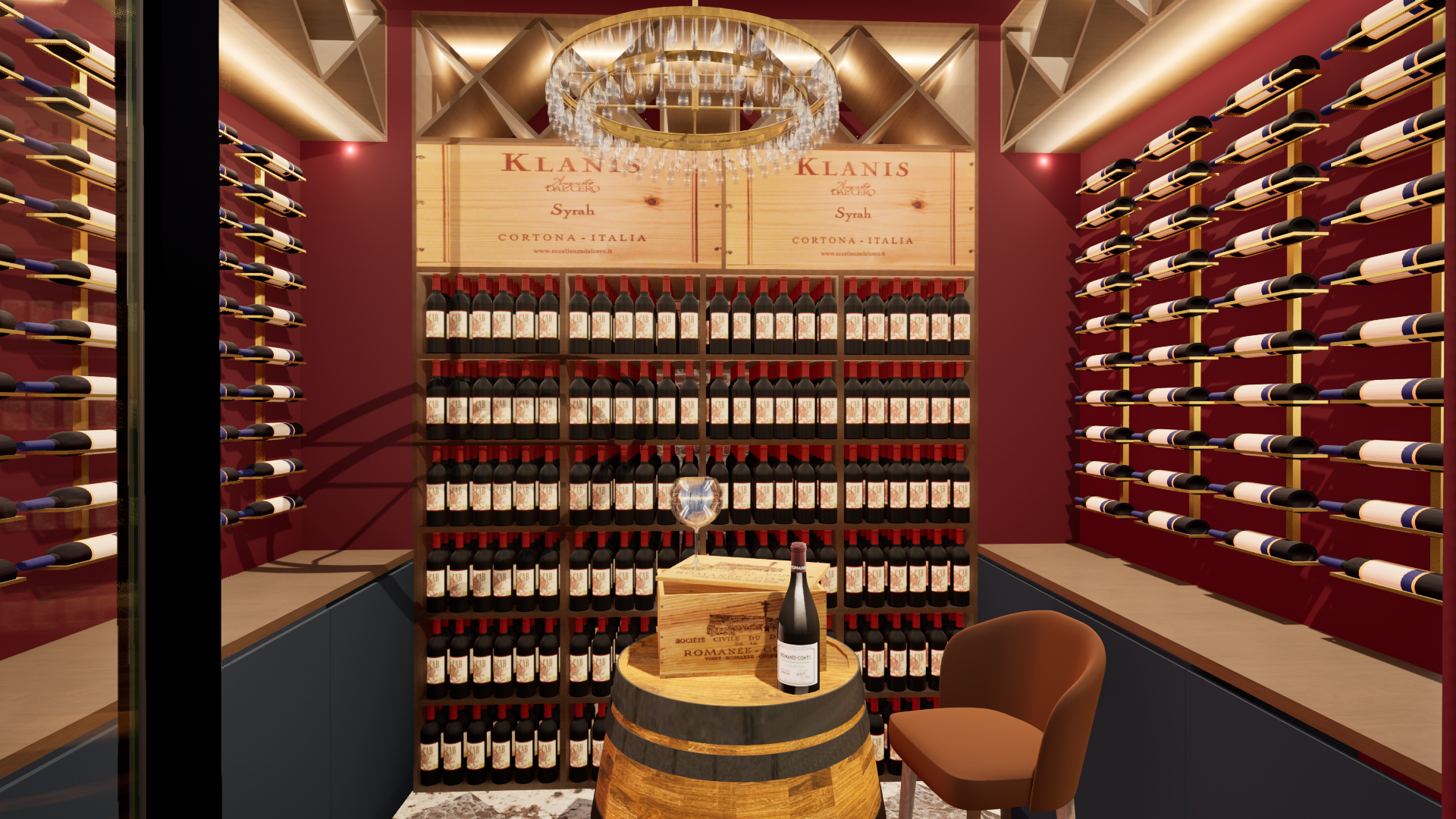
How Interior Design Impacts Longer Spend Time
Why do some spaces make you settle in, order another drink and lose track of time, while others subtly encourage you to finish up and move on?
It’s rarely accidental.
Interior design plays a powerful role in influencing how long people stay in a space and ultimately how much they spend. Whether in hospitality, retail or leisure environments, dwell time is directly linked to comfort, atmosphere and emotional connection.
This is something we carefully consider across all of our restaurant, bar and hospitality design projects, where dwell time directly impacts revenue.
At its core, longer spend time isn’t about manipulation. It’s about creating environments people genuinely want to remain in.
Here’s how design makes that happen.

Design Shapes Behavior
Every space communicates something before a single word is spoken.
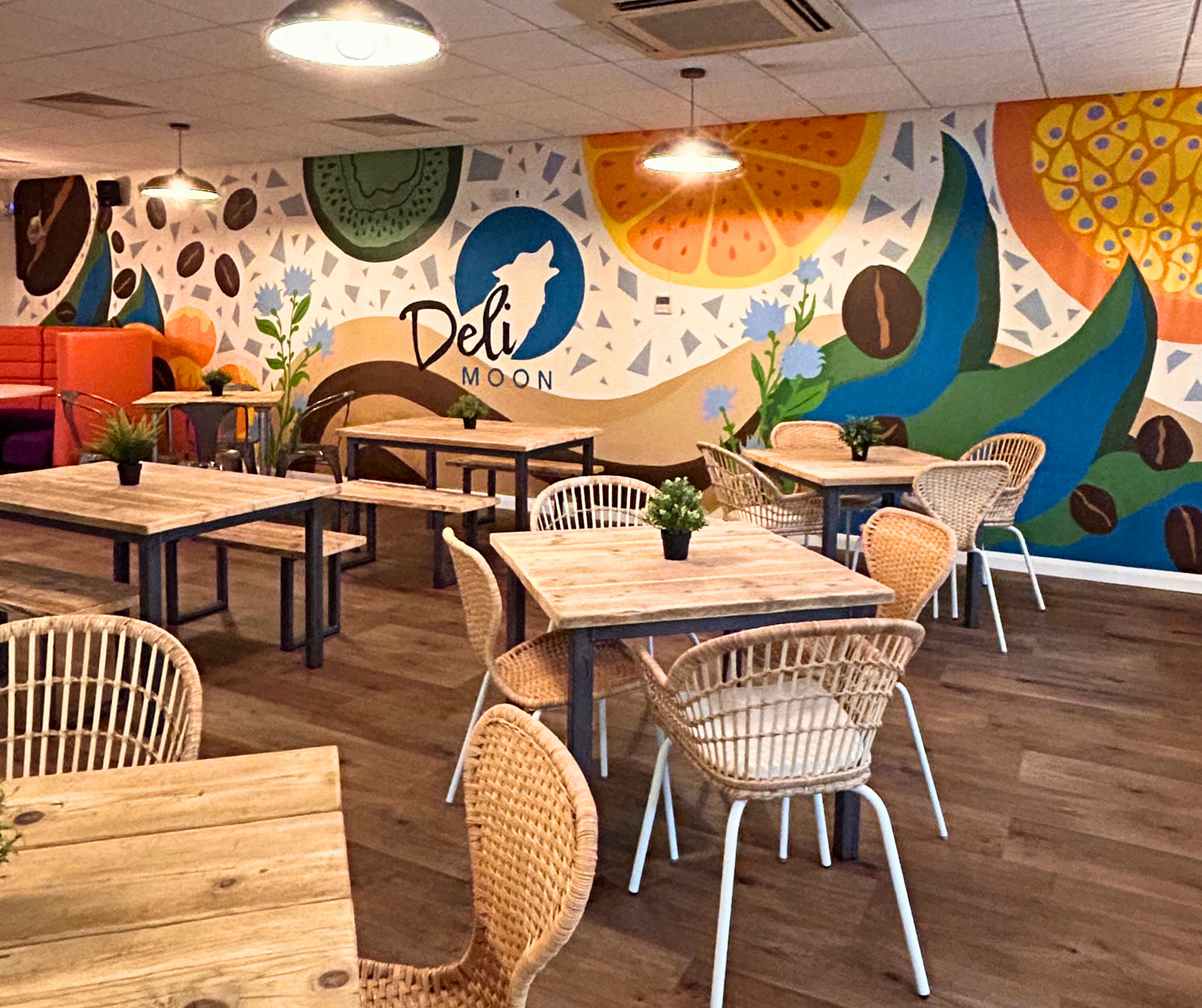
Fast‑service environments often use bright colours, firmer seating and higher energy lighting. The message is subtle but clear: enjoy, but don’t linger. These spaces are designed for efficiency and turnover.
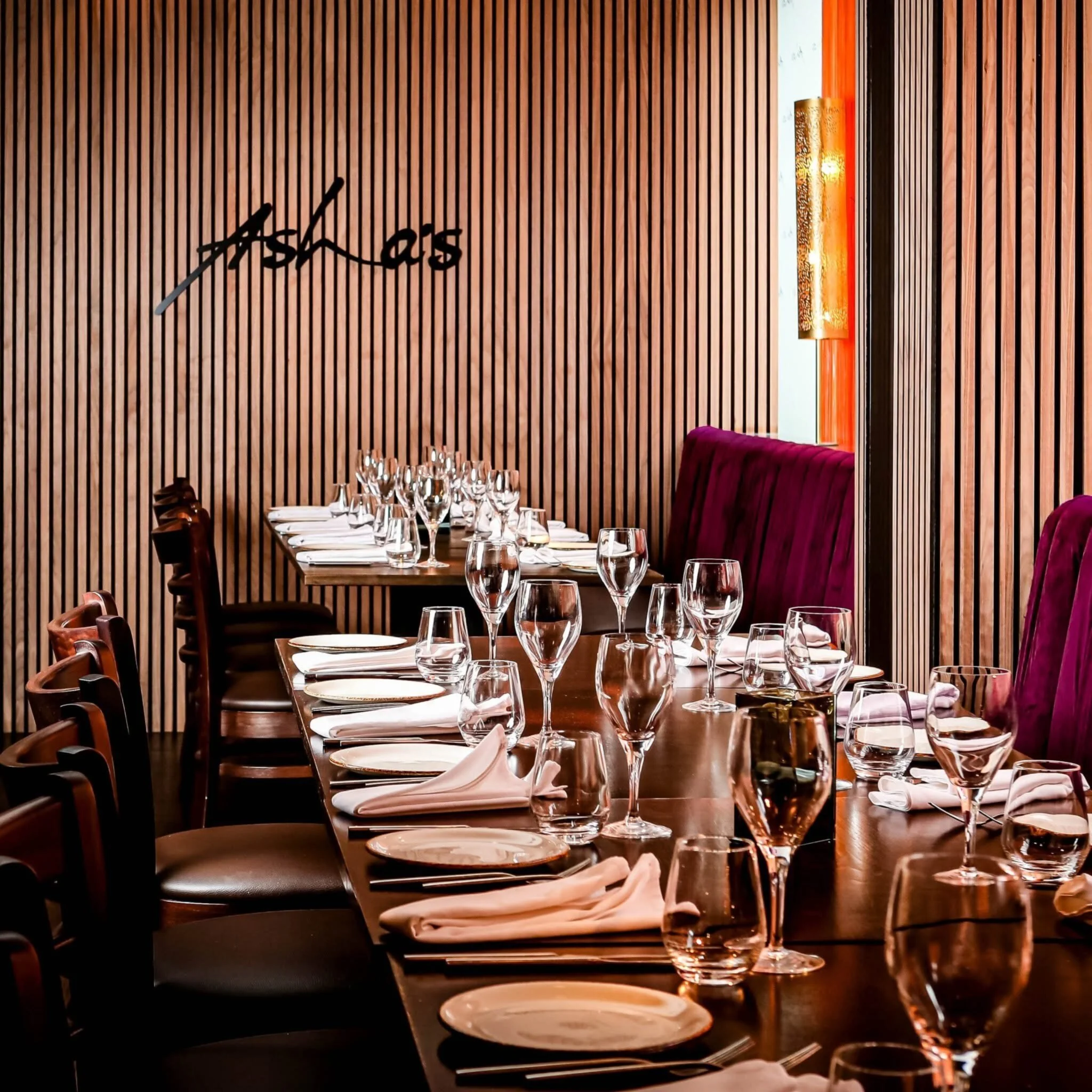
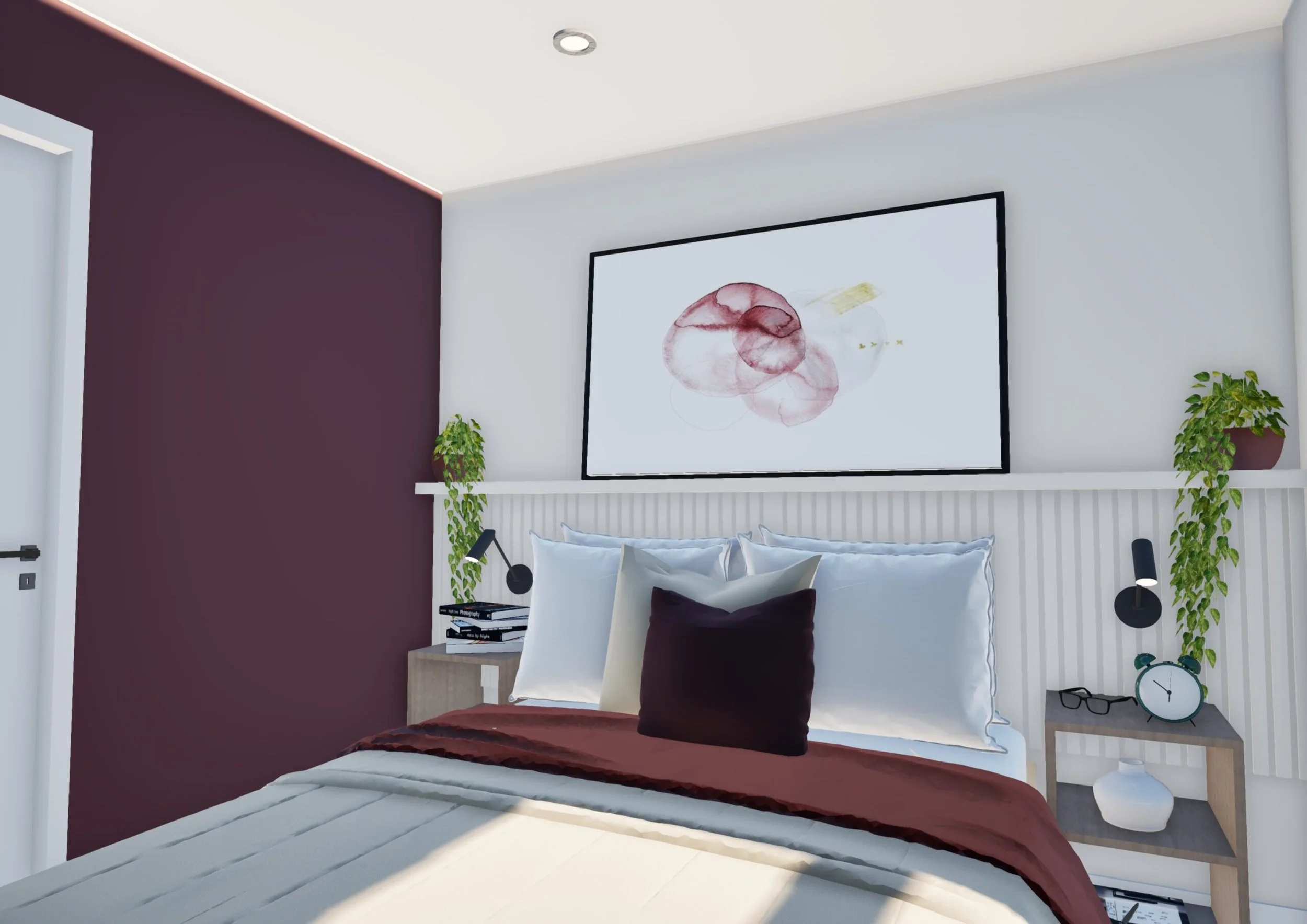
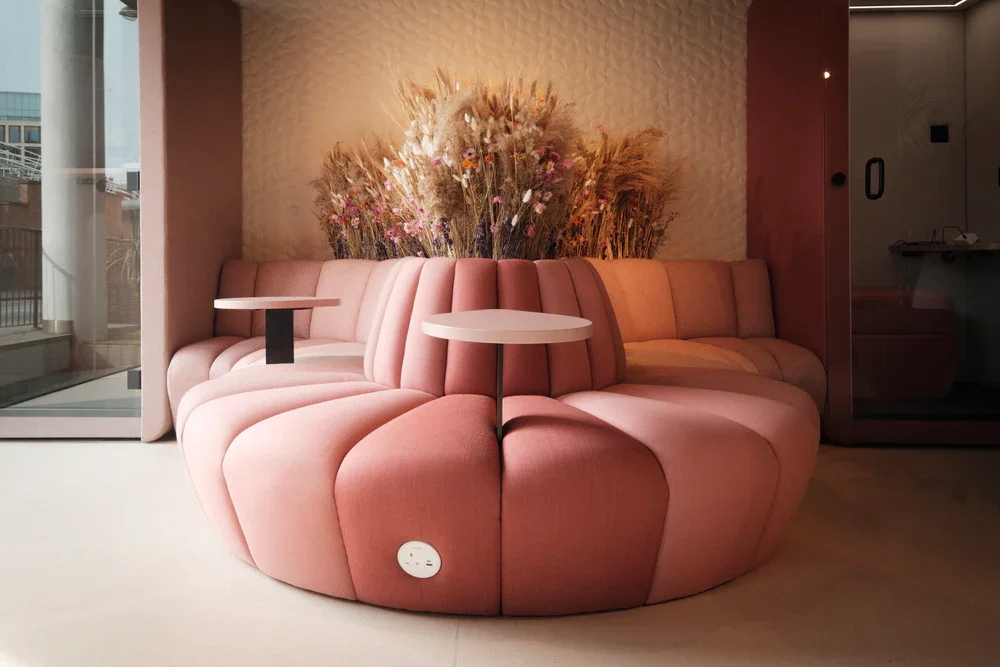
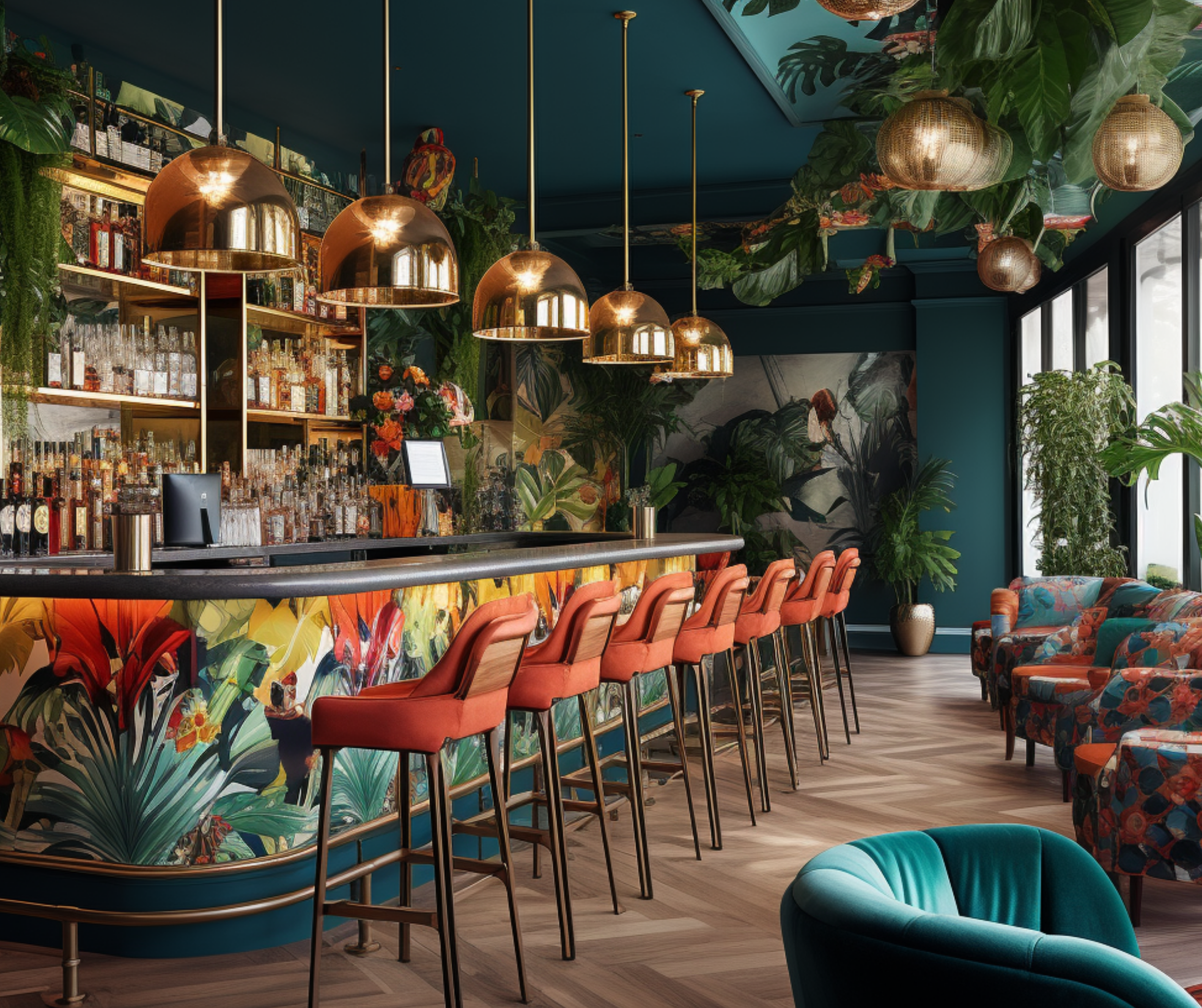
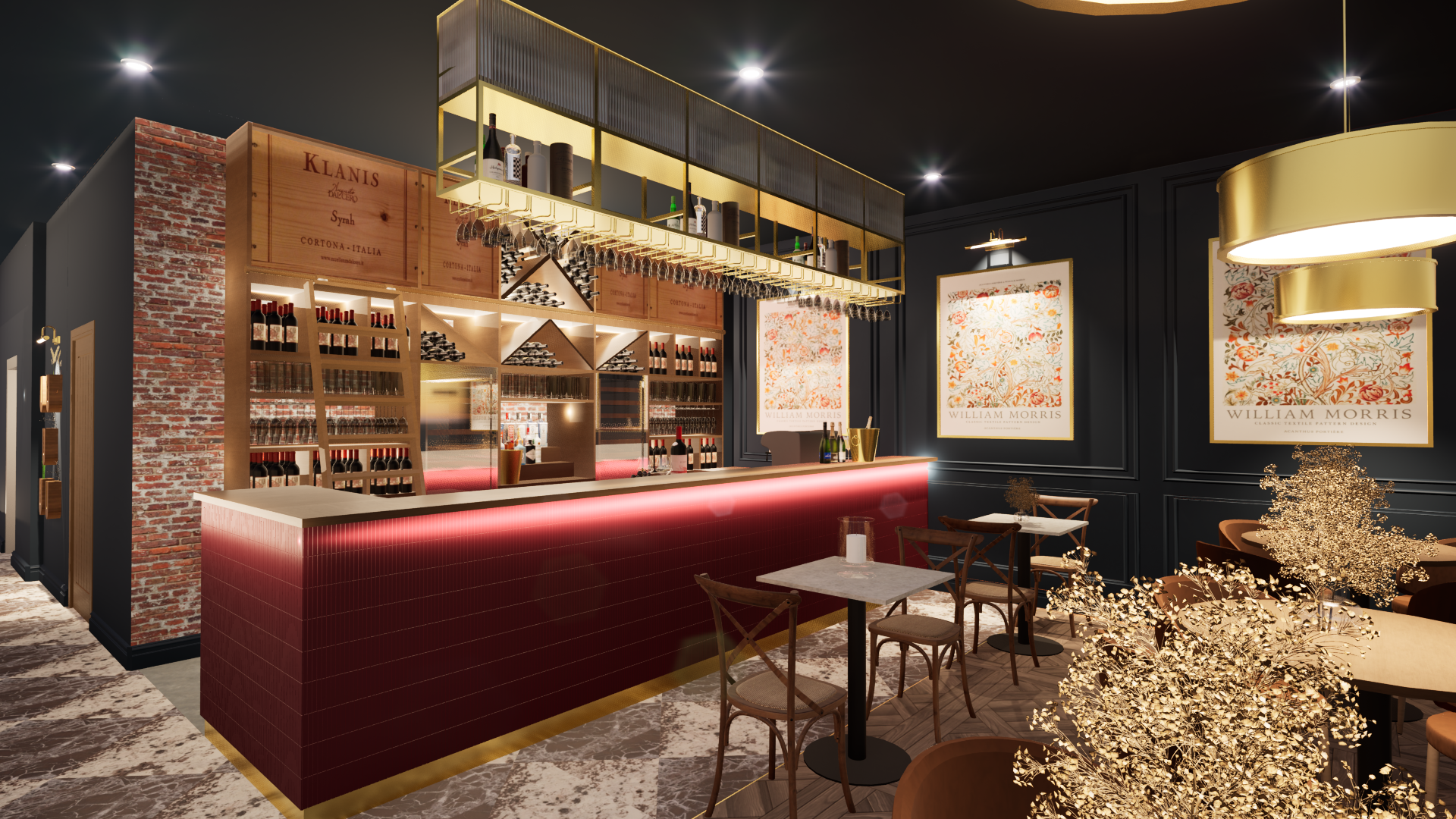
In contrast, premium hospitality environments lean into softness, layered lighting, deeper seating, tactile fabrics and rich materials. The message here is different: stay, relax, indulge.
Neither approach is right or wrong. It depends entirely on the commercial objective.
The key is alignment between brand intention and spatial experience.
Narrative Creates Immersion
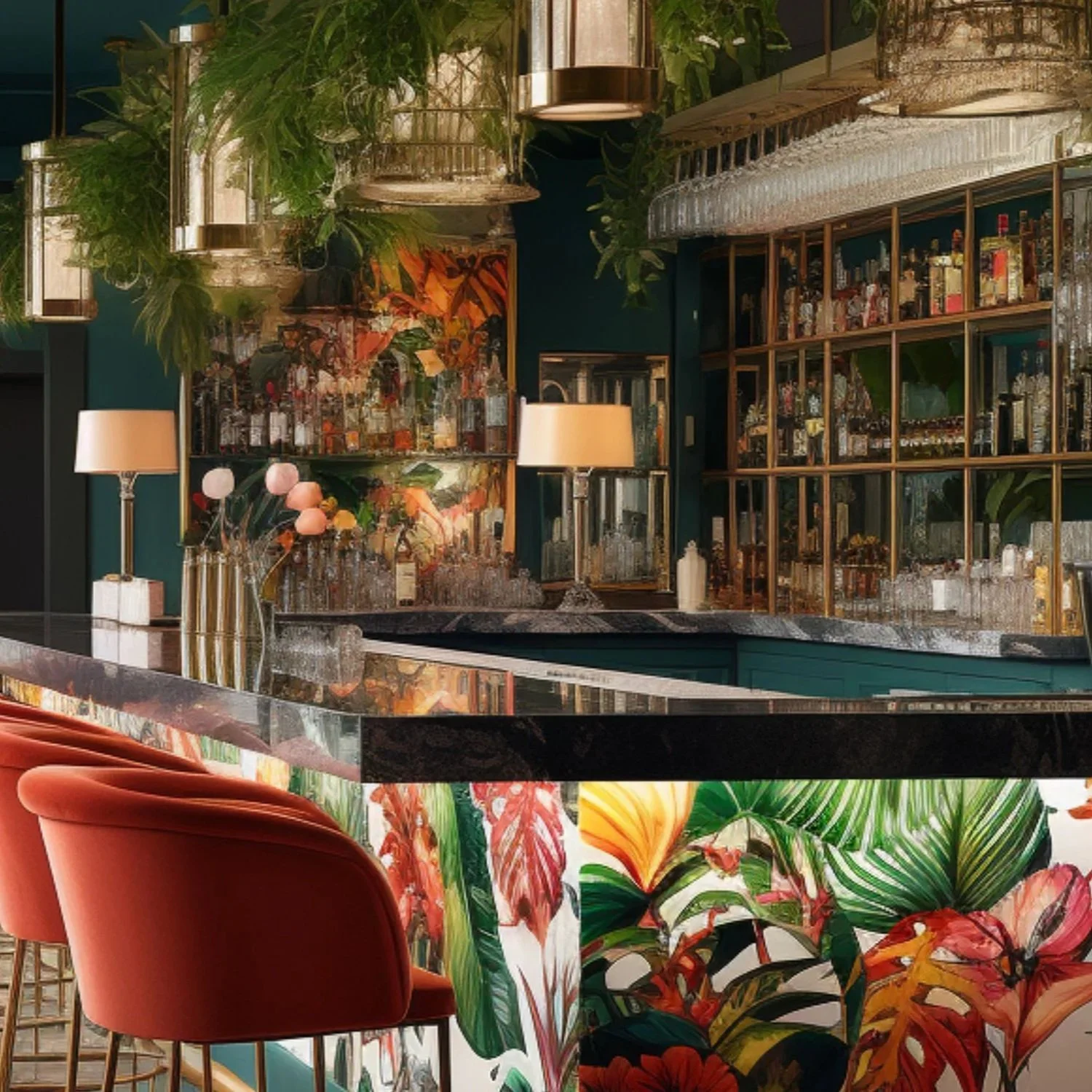
The most successful spaces tell a story.
When interiors, materials, menu and brand identity align, guests feel immersed. They’re not just consuming a product they’re participating in an experience.
This emotional connection extends dwell time naturally. When people feel transported, intrigued or engaged, they’re more likely to explore the menu further, order additional courses or stay for another round.
Design becomes more than aesthetic.
It becomes atmospheric.
Comfort Increases Spend Time
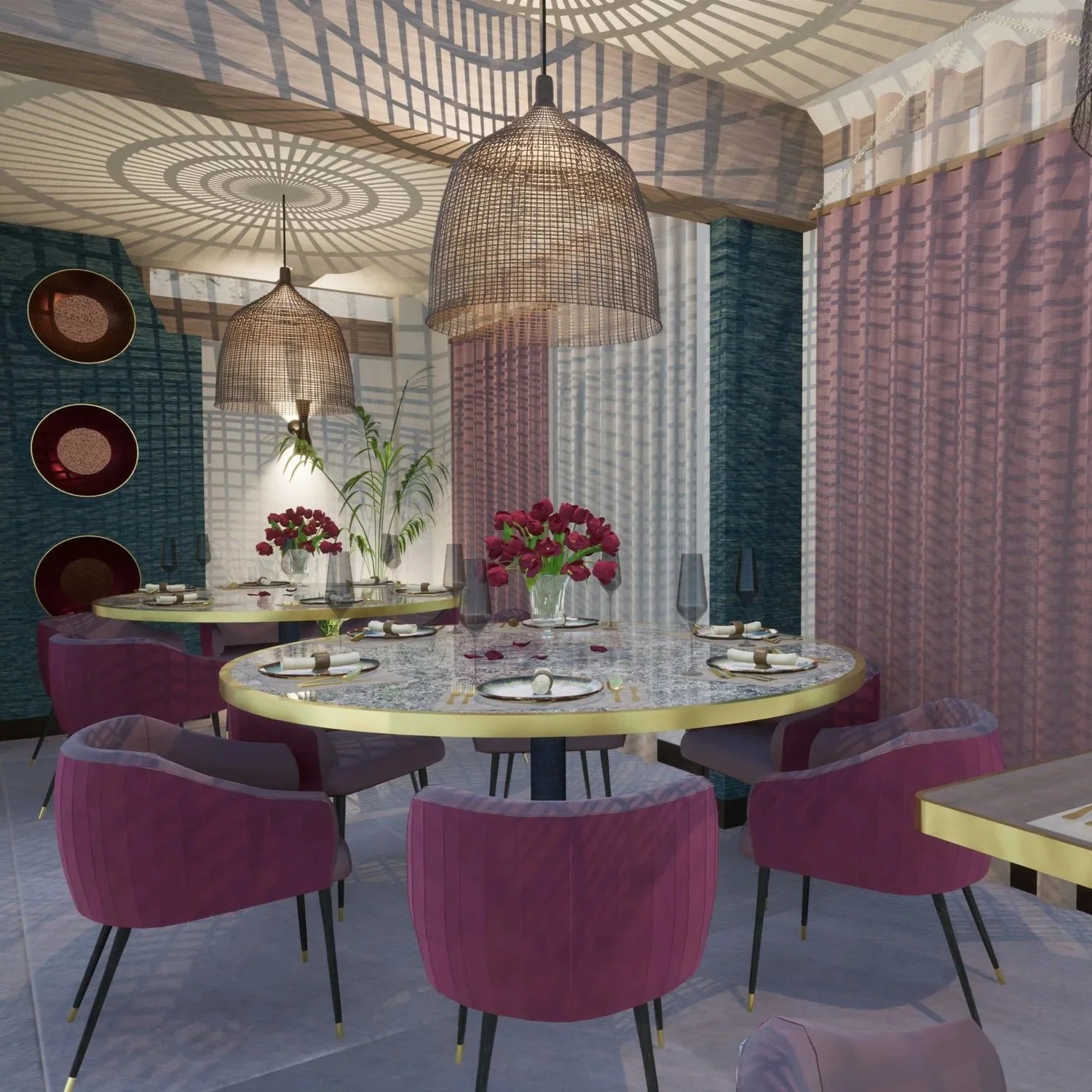
It sounds simple, but it’s often underestimated: people stay where they feel comfortable.
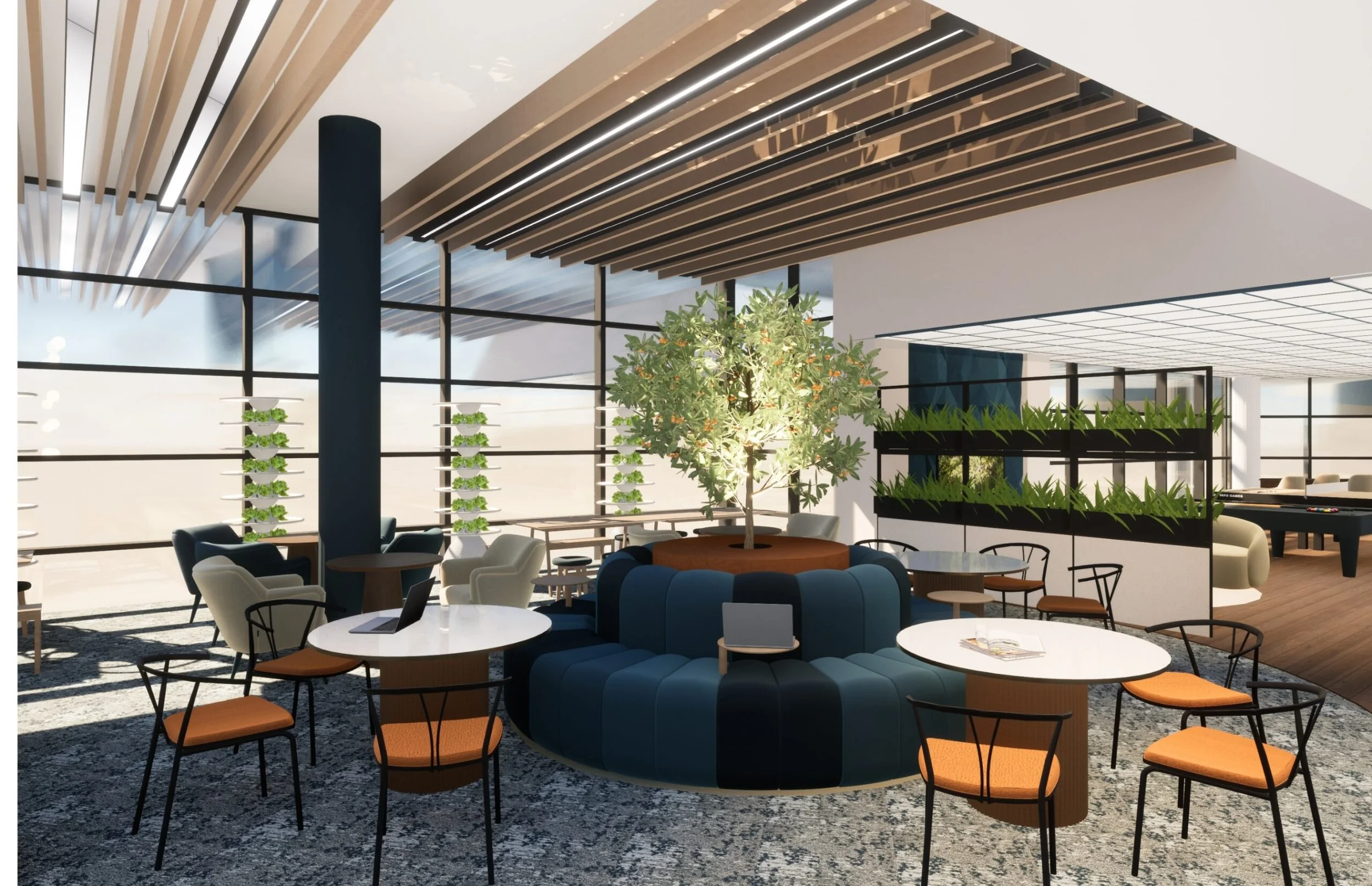
Deep upholstery, considered ergonomics, thoughtful spacing and acoustic balance all contribute to how long someone is willing to remain seated.
Hard chairs, tightly packed layouts and high noise levels create subconscious pressure to leave. Softer finishes, generous spacing and acoustic absorption create ease.
Comfort isn’t just physical, it’s psychological.
When guests feel relaxed, time expands.
Lighting Controls Mood and Confidence
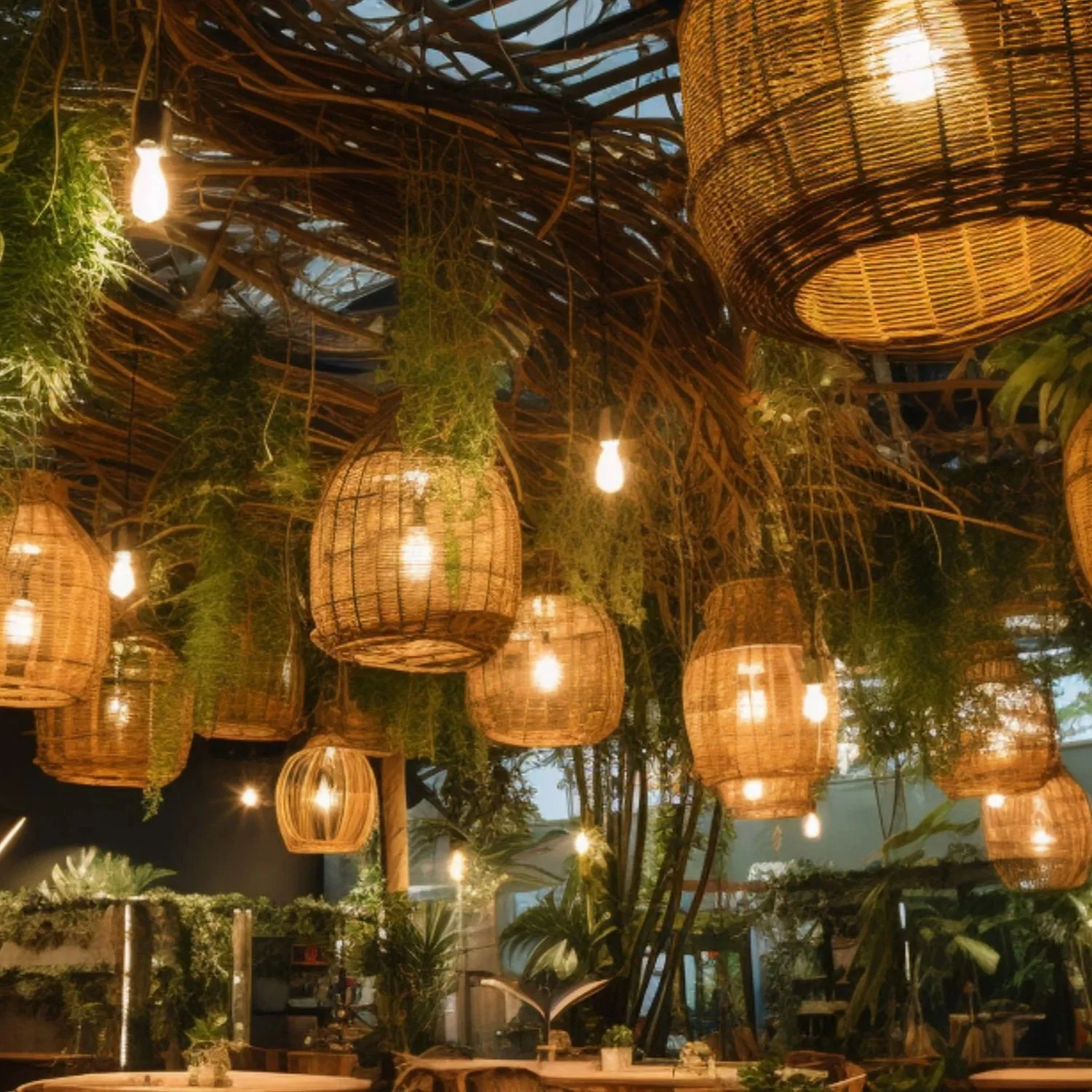
Lighting may be the most powerful behavioural tool in interior design.
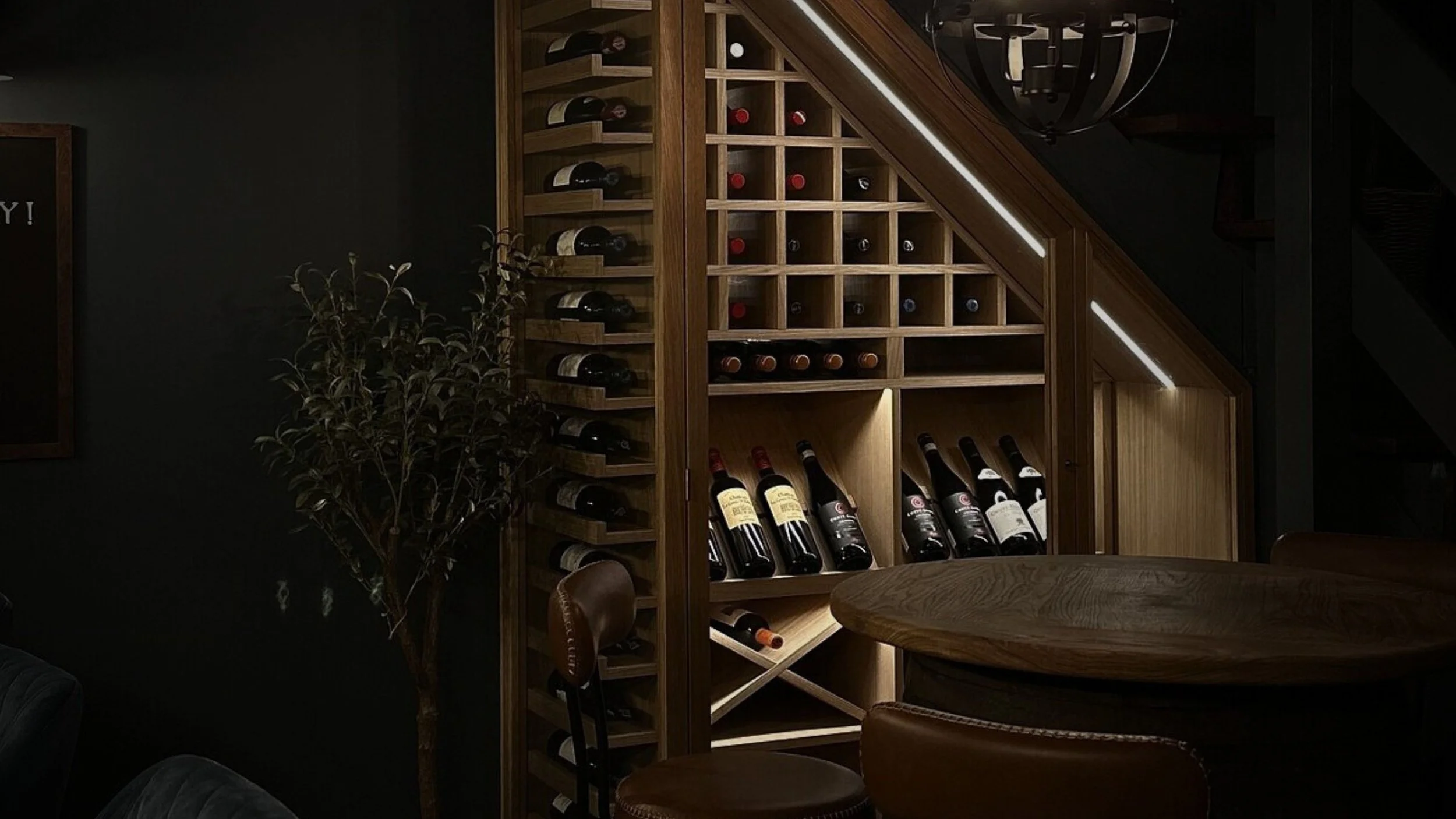
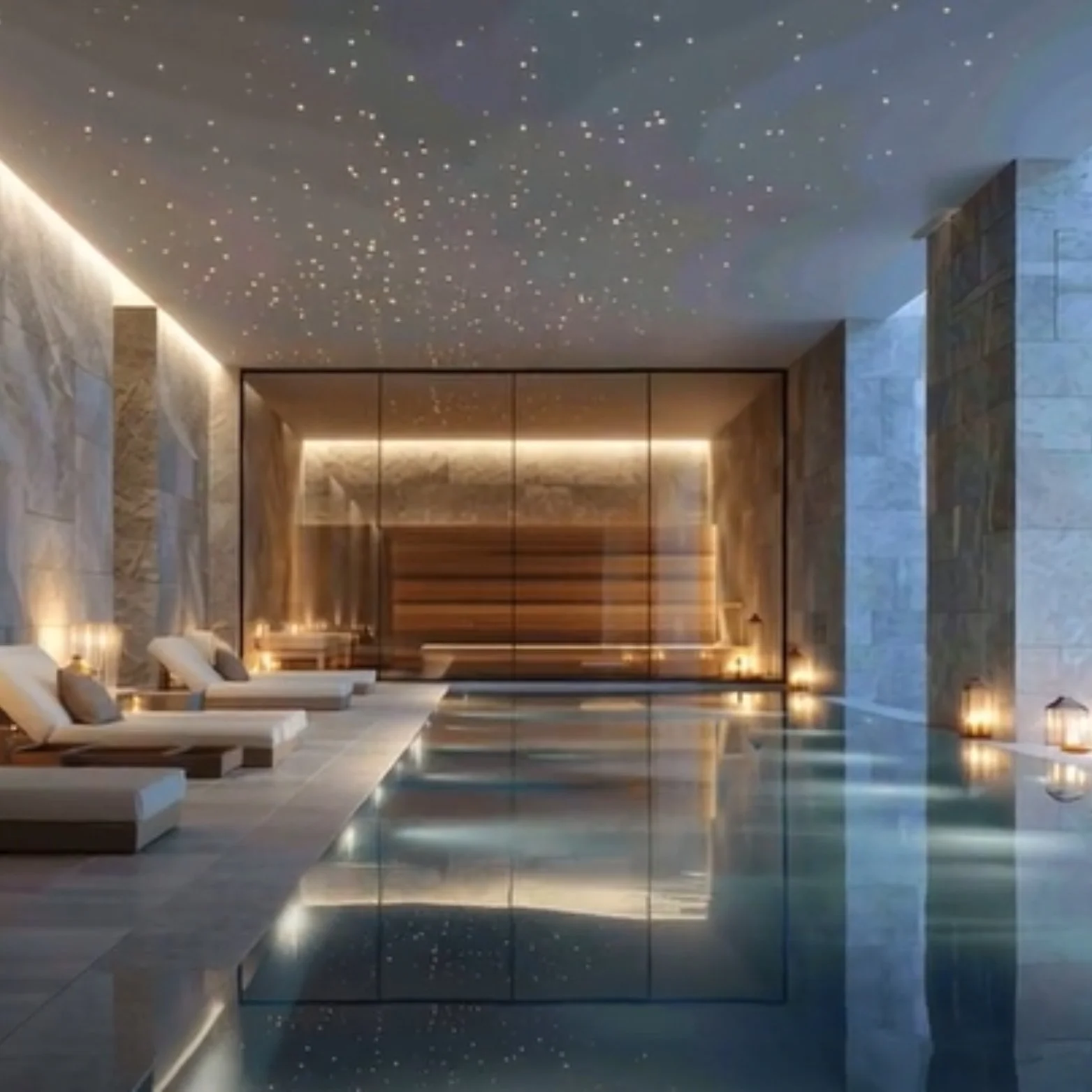
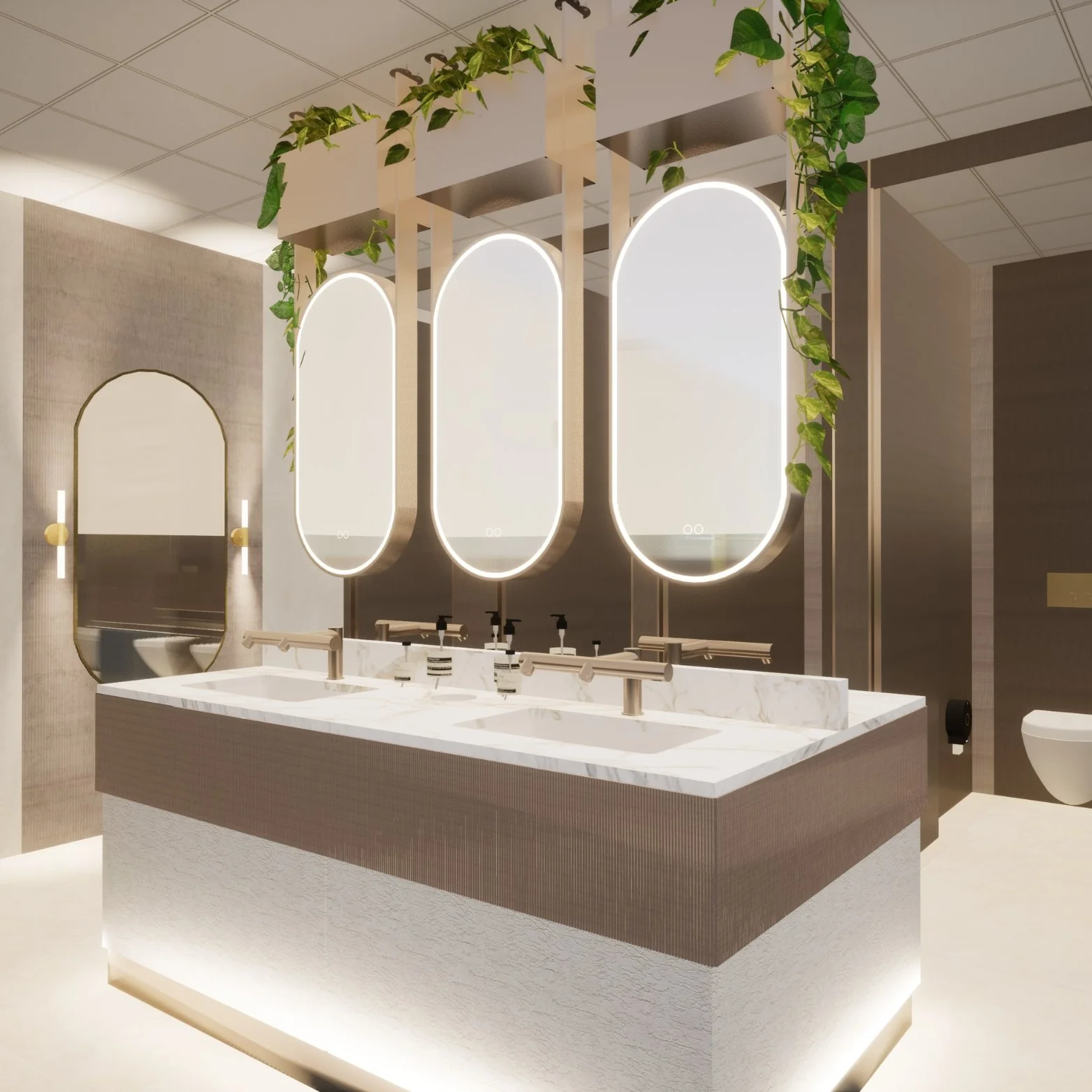
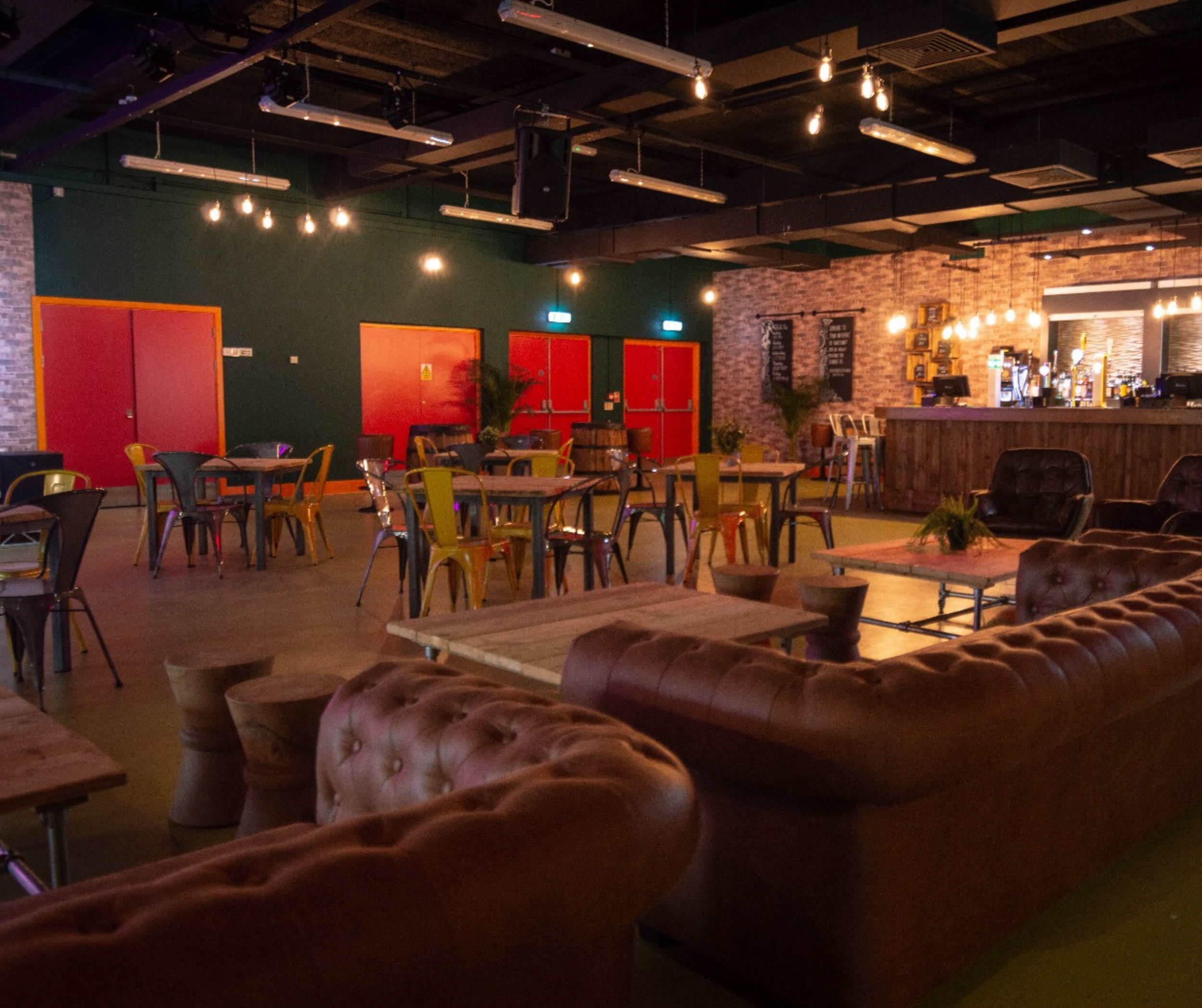
Soft, layered lighting creates intimacy and calm. It flatters skin tones, enhances materials and encourages people to feel confident in how they look, which subtly increases how long they’re willing to stay.
Brighter, cooler lighting increases alertness and turnover. Lower, warmer lighting slows pace and encourages conversation.
Designing lighting intentionally, rather than treating it as a technical afterthought, significantly influences time spent and overall spend in a space.
Texture and Materiality affect Perception of Value
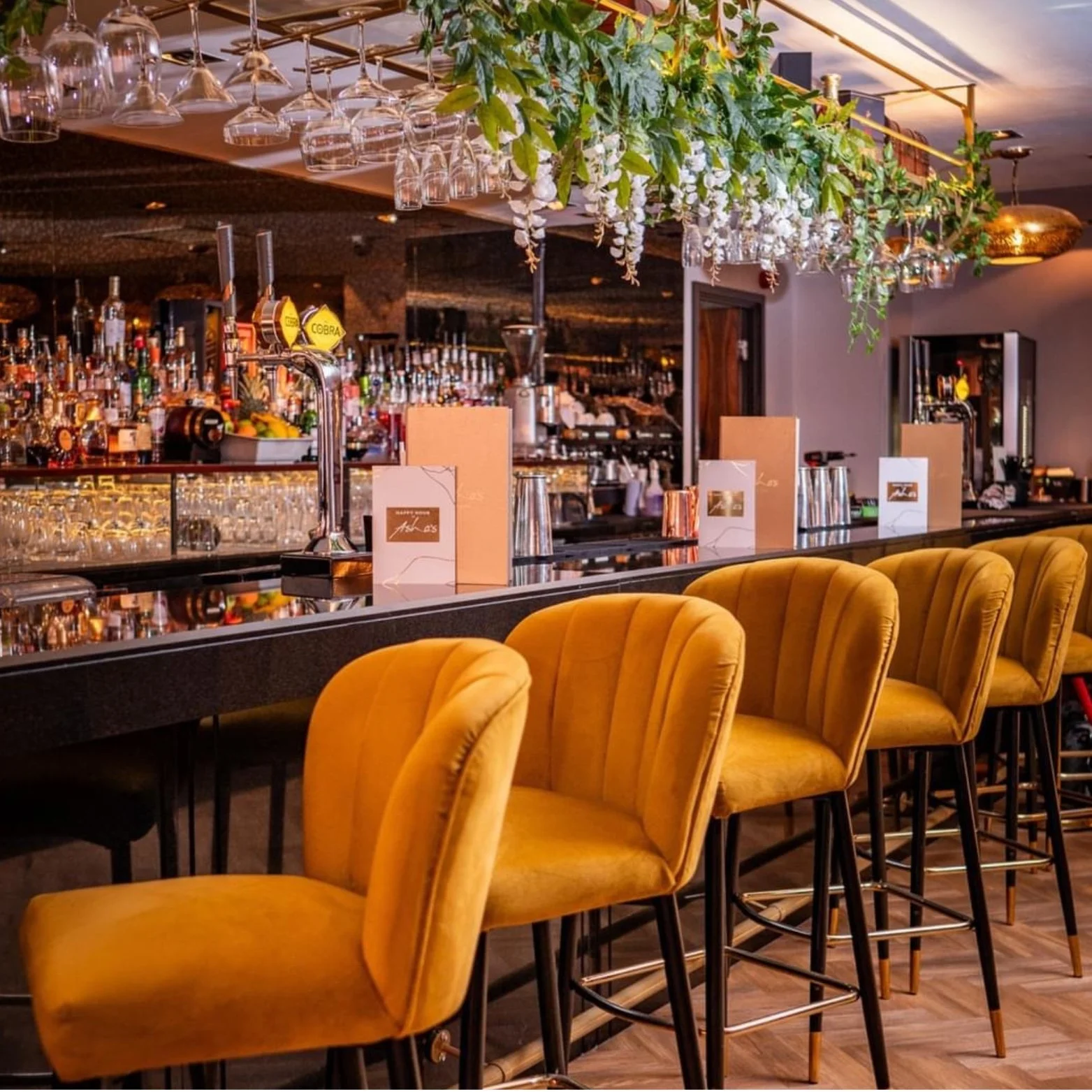
People don’t consciously analyse texture, but they respond to it instinctively.
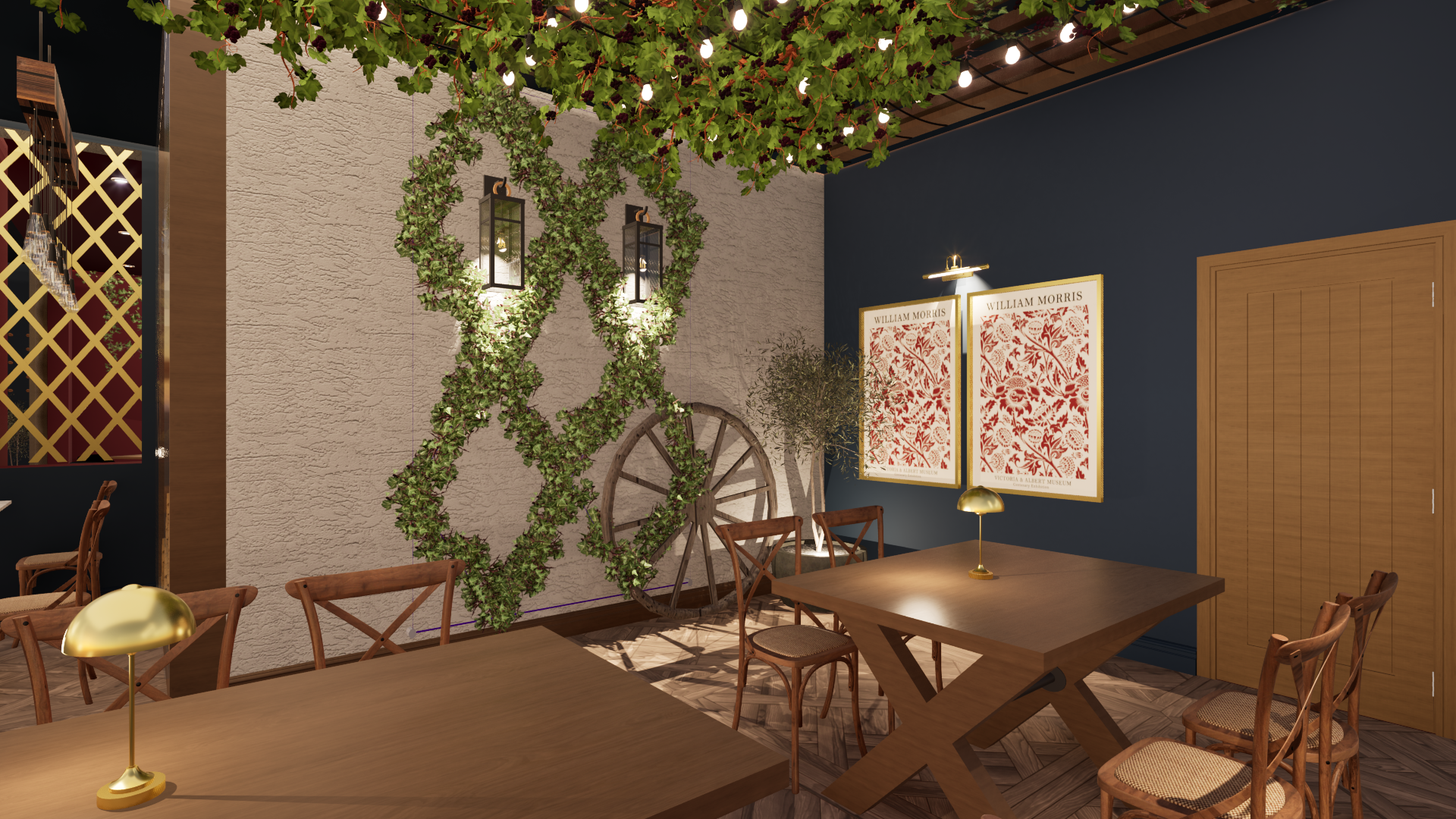
Plush fabrics, natural materials and layered finishes create depth and perceived quality. When a space feels considered and tactile, guests are more likely to perceive the offering as premium.
And when perceived value rises, willingness to spend typically follows.
Materiality shapes not only how a space looks, but how it is emotionally interpreted.
Social Media and the Modern Dwell Factor
Today, experience extends beyond the physical visit.
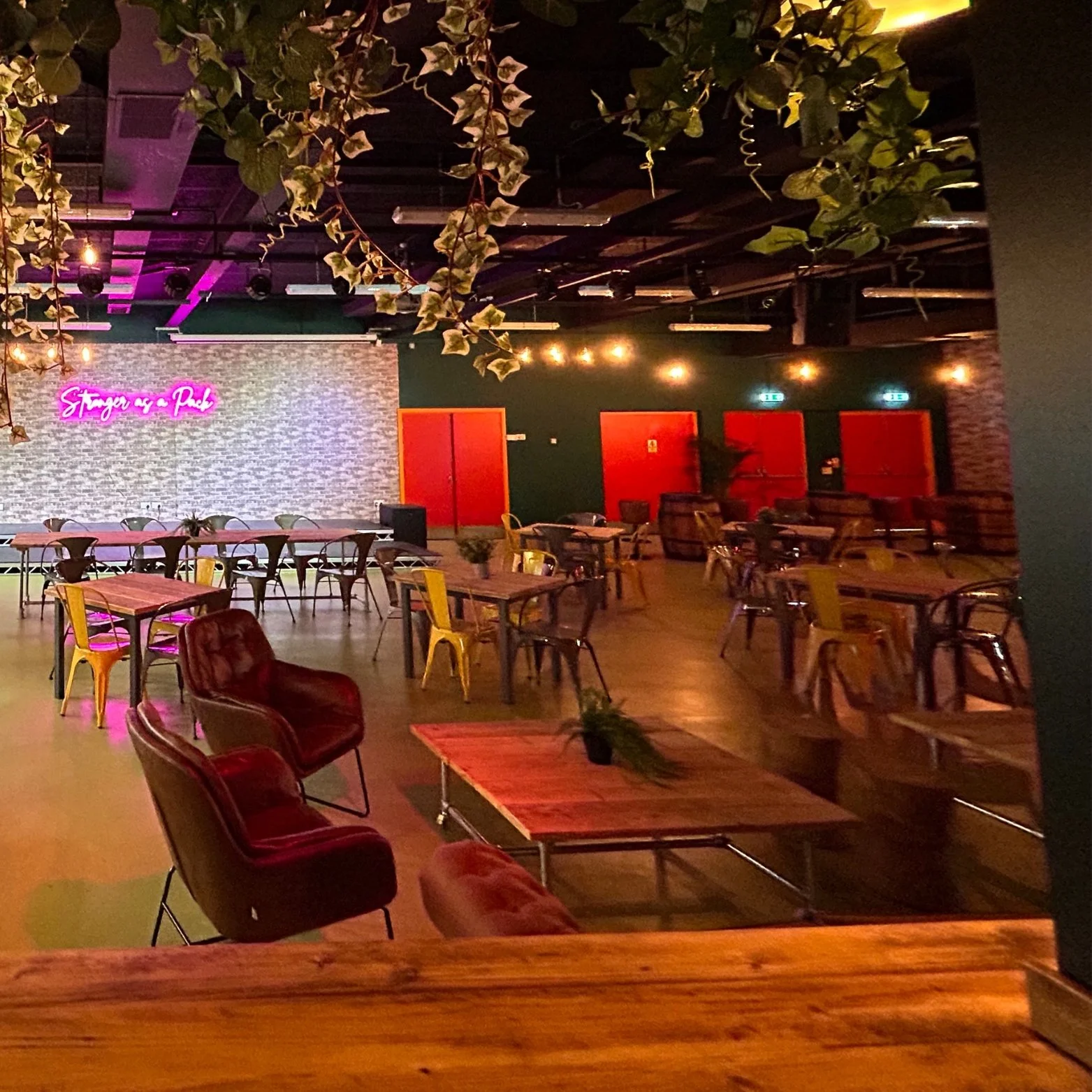
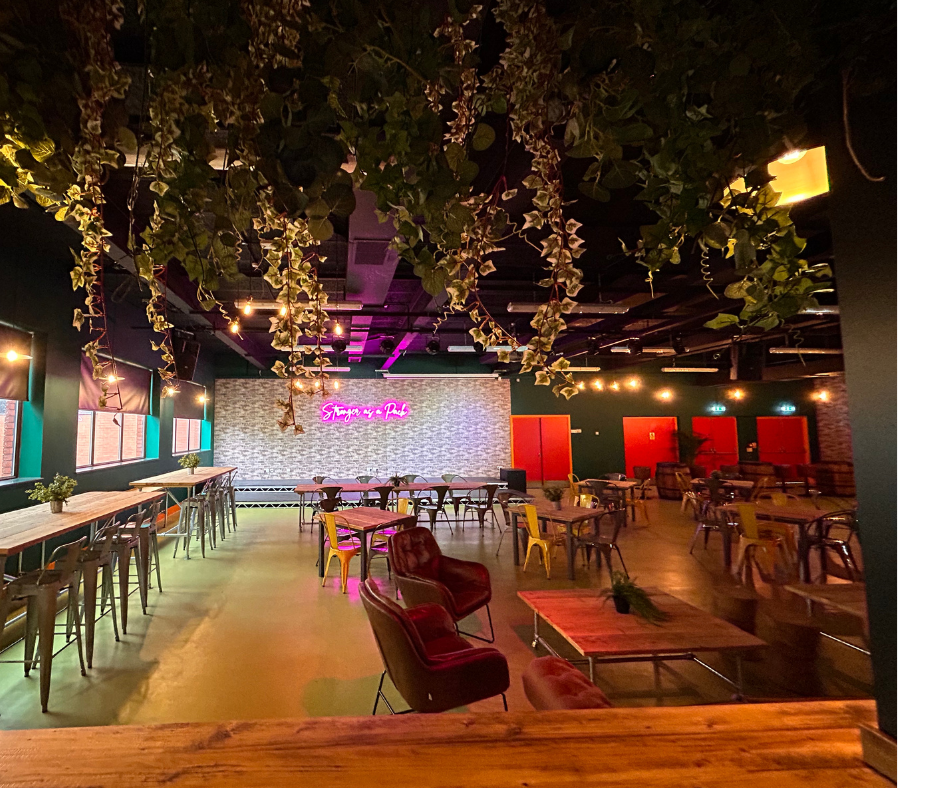
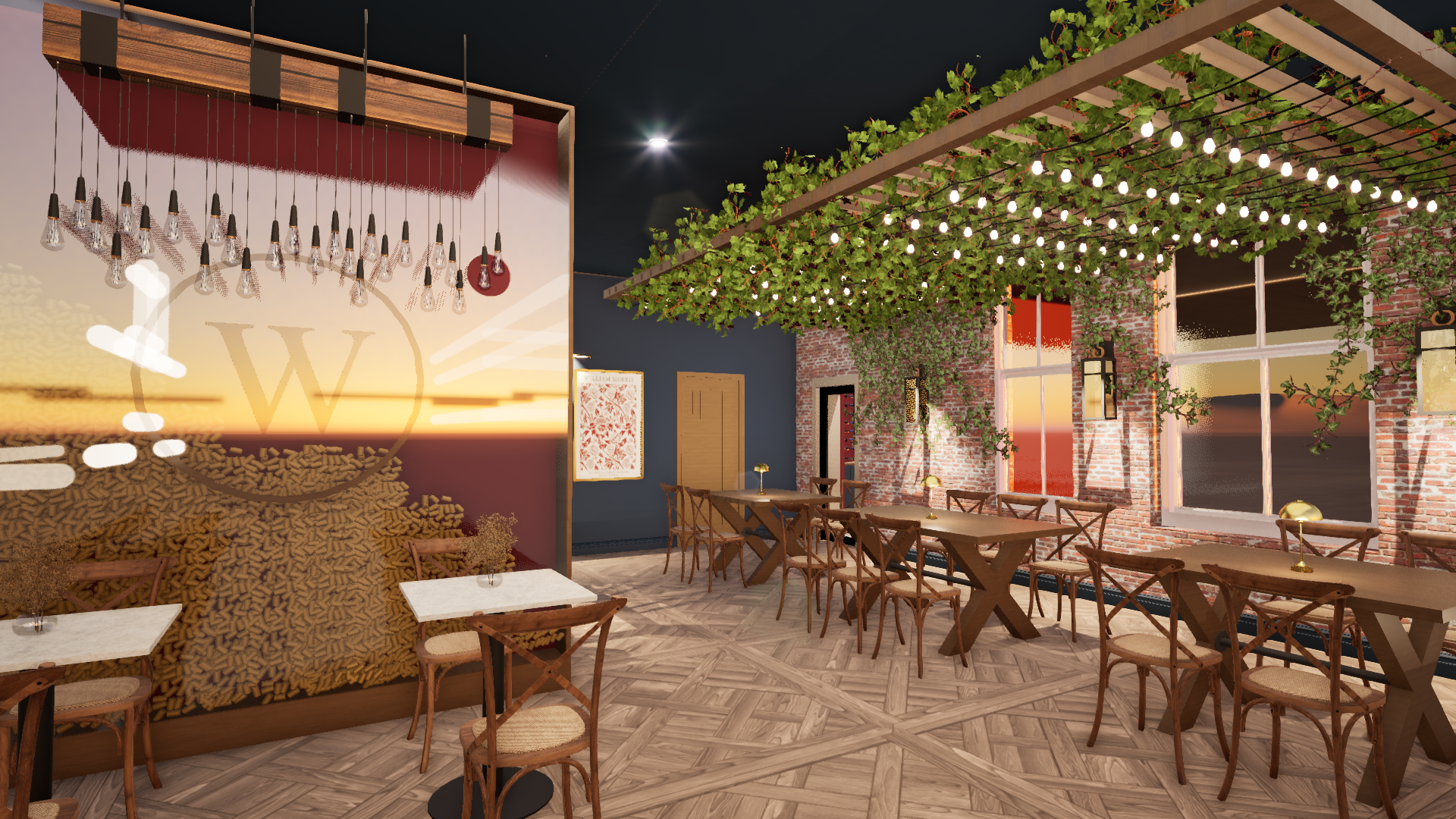
Design features that are visually striking or “shareable” can increase time spent in space, whether that’s a feature wall, a statement bar or layered lighting moments designed for photography.
However, aesthetic impact must still align with comfort. A space that looks good but feels uncomfortable won’t sustain long dwell times.
The balance between visual theatre and genuine atmosphere is where design becomes commercially powerful.
Functionality Protects the Experience
Even the most beautiful interior will fail to extend dwell time if it doesn’t function well.
Poor circulation, cramped layouts, disruptive staff routes or uncomfortable table placements create friction.
Guests may not articulate the issue, but they’ll feel it.
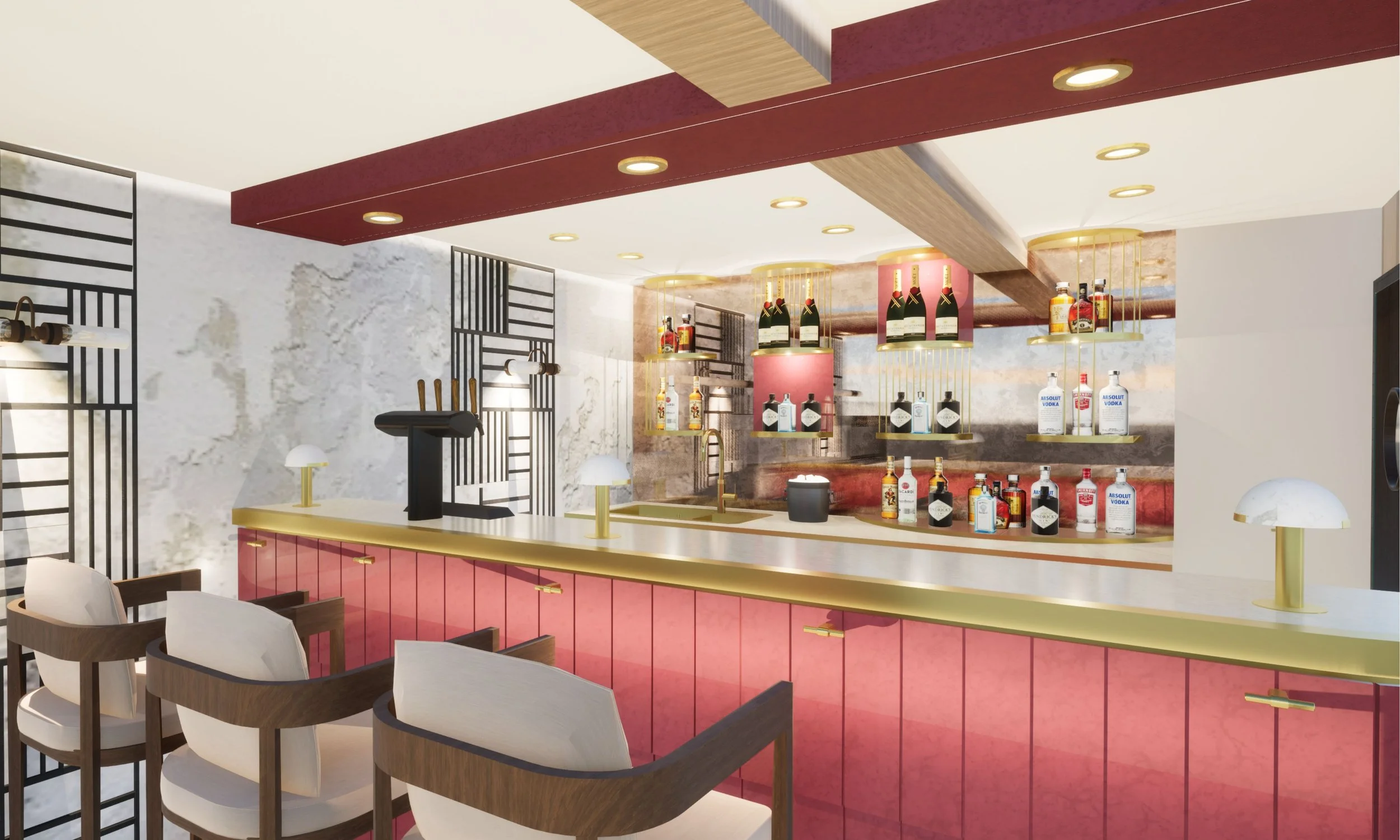
Effective spatial planning ensures:
Every seat feels intentional
Staff can move seamlessly
Noise levels are controlled
Guests don’t feel overlooked or exposed
When the environment flows effortlessly, people stay longer without realising why.
This is where a coordinated design & build approach becomes critical, ensuring layout, flow and operational efficiency are considered from the outset.
Longer Stay Means Stronger Commercial Performance
Increasing dwell time isn’t about forcing behaviour. It’s about reducing friction and increasing emotional connection.
When guests feel:
Comfortable
Confident
Immersed
Relaxed
Well looked after
They stay longer. And when they stay longer, secondary spending naturally increases to additional drinks, desserts, extended bookings, return visits.
Design becomes a revenue driver, not just a visual exercise.
Designing for Intentional Experience
At Shropshire Studios, we approach hospitality and commercial interiors with behavioural strategy in mind.
We ask:
How long do you want guests to stay?
What pace should the space operate at?
How should people feel after 10 minutes and after two hours?
Because interior design doesn’t just shape how a space looks. It shapes how it performs.
And when performance and experience align, dwell time follows naturally.
Start Your Hospitality Project the Right Way
If you're planning a restaurant, bar or hospitality venue, the difference between a space that looks good and one that performs comes down to how it’s designed.
We help businesses create environments that increase dwell time, improve customer experience and drive higher spend per visit.