Part M Explained — Door Sizes, Turning Circles And Access
Part M is often treated as a compliance checklist.
In reality, it shapes how people experience a building, whether it’s a home, office, retail unit or hospitality venue.
Part M of the Building Regulations covers access to and use of buildings. It ensures spaces are accessible, inclusive and usable for as many people as possible.
For developers and commercial operators, it’s not just about meeting minimum standards.
It’s about protecting value, avoiding redesign costs and widening your market reach.
Here’s what you actually need to know.
What Is Part M And Why It Matters
Part M ensures that buildings are accessible and usable by as many people as possible.
In residential projects, this typically means designing to:
M4(1) – Visitable dwellings
M4(2) – Accessible and adaptable dwellings
M4(3) – Wheelchair user dwellings
Local authorities often require M4(2) as standard, with a percentage of units achieving M4(3).
This isn’t just about compliance.
Homes that are easier to navigate appeal to a broader market, including downsizers, families with prams, and buyers planning long‑term occupancy.
Accessibility increases flexibility and Flexibility increases demand.
Door Widths
In residential M4(2) dwellings:
Minimum clear opening of 775mm (straight approach)
Wider where approach is angled
M4(3) wheelchair dwellings require greater clearances.
In commercial buildings (Part M Volume 2), door widths are typically:
800mm minimum clear opening for accessible routes
Double doors where higher occupancy is expected
But it’s not just about the leaf size.
Ironmongery, vision panels, power‑assisted doors and maneuvering clearances all come into play.
In retail, office and hospitality environments, poor door planning creates bottlenecks and bottlenecks affect both accessibility and revenue flow.
Door strategy is operational strategy.
Turning Circles and Maneuvering Spaces
In residential M4(3) dwellings, a 1500mm wheelchair turning circle is required in key areas such as kitchens and living spaces.
In commercial buildings, similar manoeuvring spaces are required in:
Lobbies
Reception areas
Accessible WCs
Lift lobbies
Circulation nodes
But here’s the mistake we often see:
Designers trying to “fit” turning circles into already constrained layouts.
Accessible circulation should shape the geometry of a space, not interrupt it.
Well-designed commercial spaces integrate flow seamlessly. Poorly designed ones feel compromised and visibly compliant.
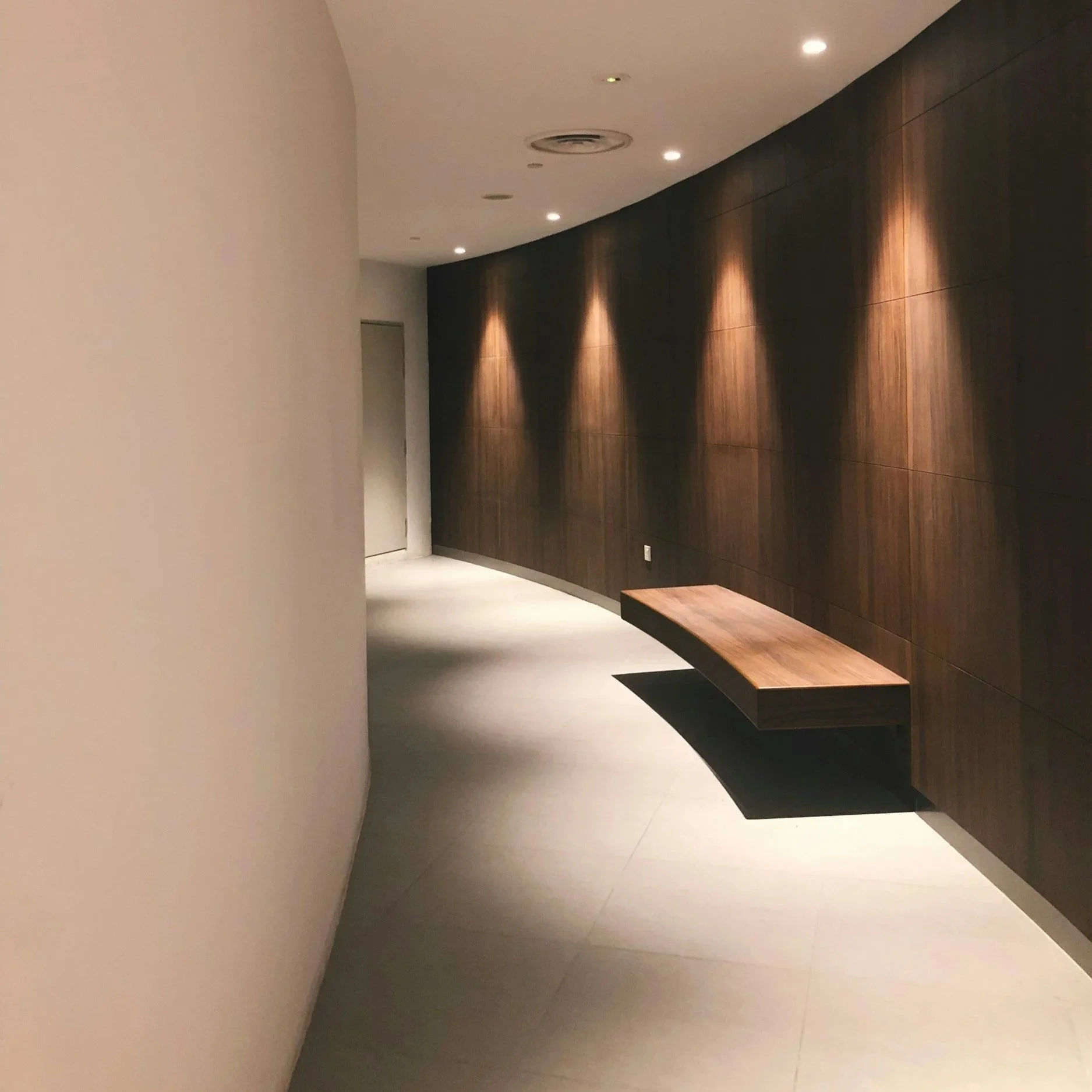
Corridor Widths
In offices and hospitality, circulation width isn’t just about compliance, it affects customer comfort, service efficiency and fire strategy integration.
Generous circulation often increases perceived quality.
Residential (M4(2)):
Typically 900mm minimum in key circulation areas
Commercial:
1200mm preferred minimum on accessible routes
Passing places required on longer corridors
Wider circulation required in high-traffic environments
Level Access And Thresholds
Step-free access is fundamental across both residential and commercial sectors.
Entrance design sets the tone for inclusivity. If a visitor can’t enter independently, the building fails, regardless of how well designed the interior is.
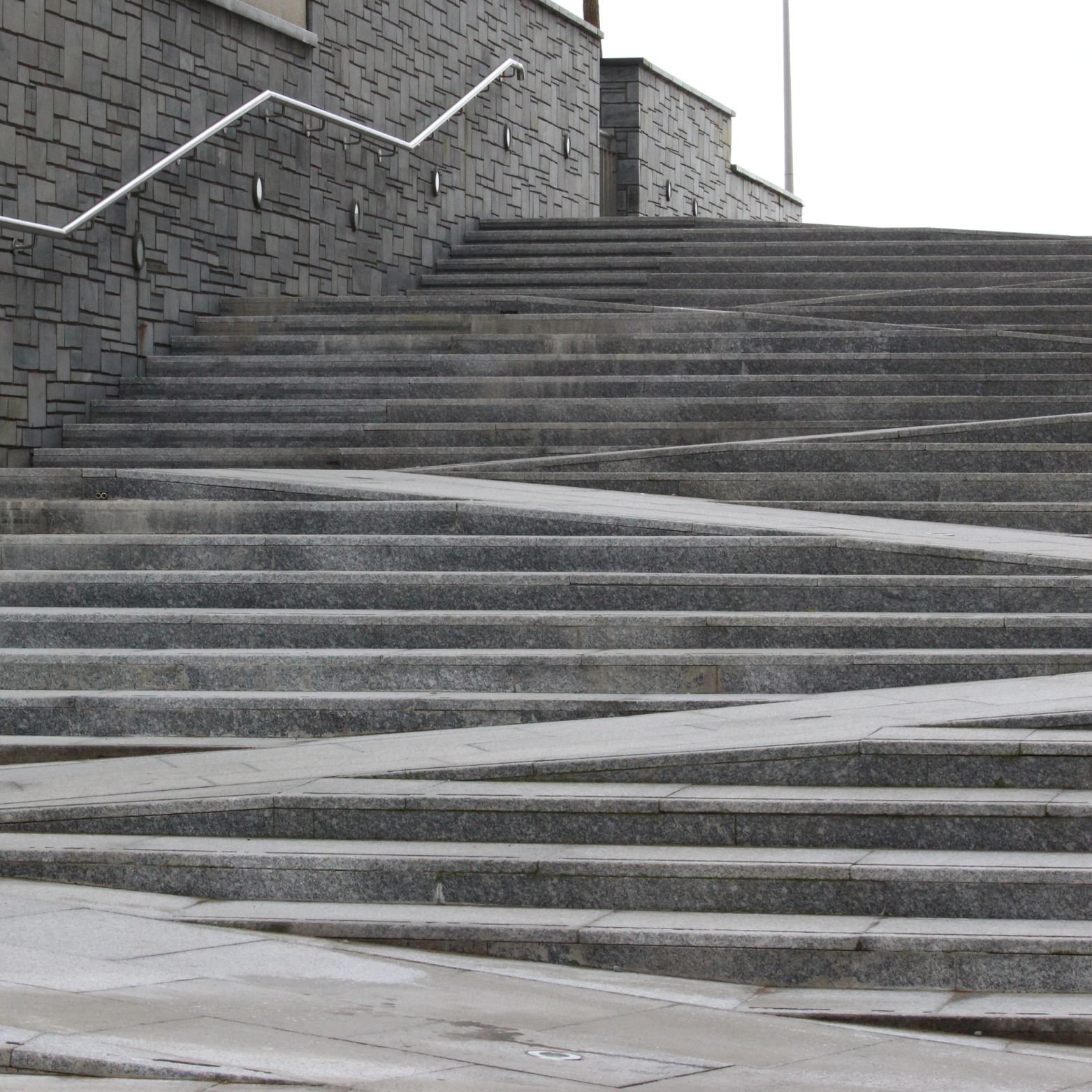
Requirements typically include:
Level or gently sloped approach
Maximum 15mm threshold upstand
Accessible entrance door widths
In commercial environments, external access strategy must coordinate with:
Drainage
Landscape design
Public realm interfaces
DDA compliance
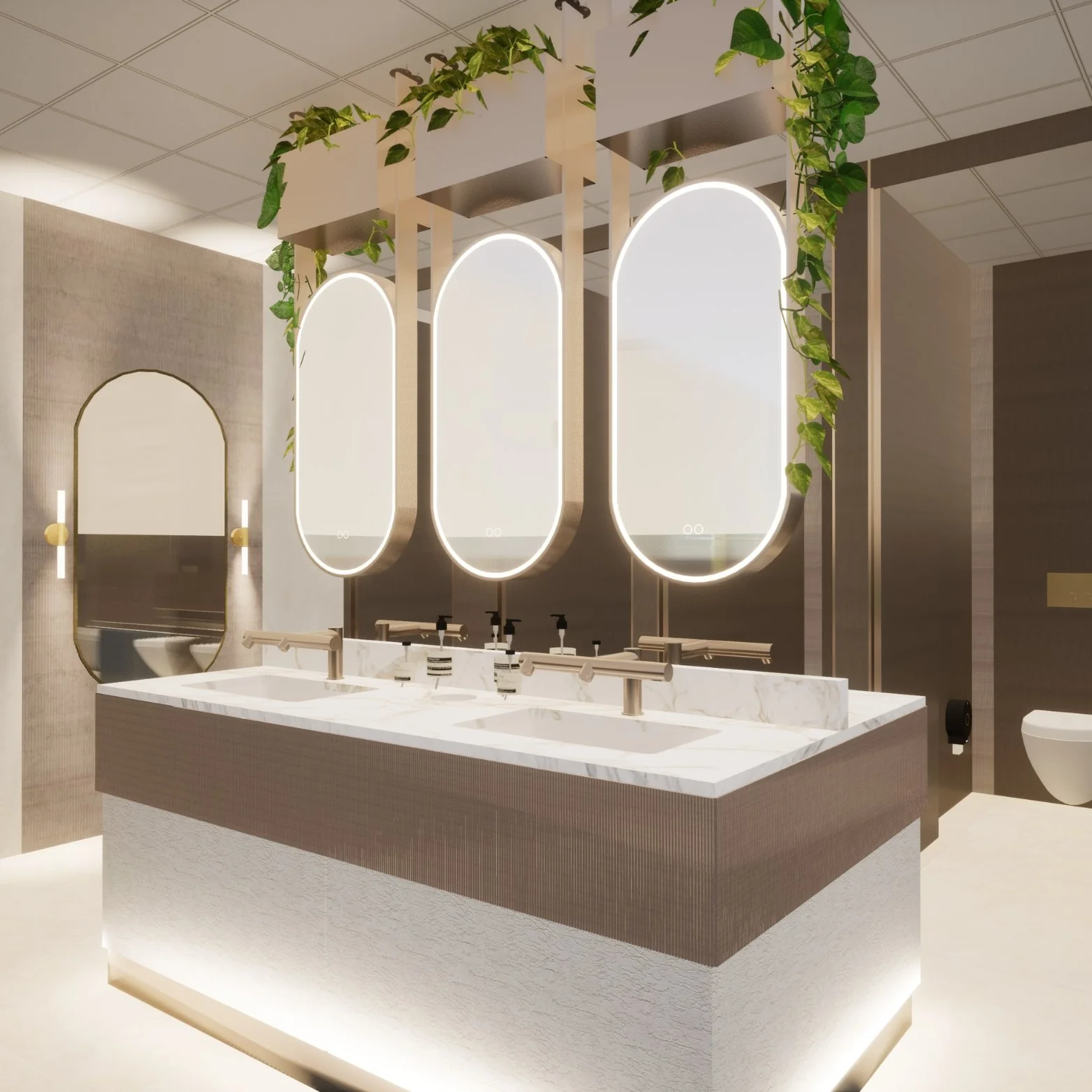
Accessible WCS, Commercial Requirements
Commercial buildings must provide compliant accessible toilet facilities.
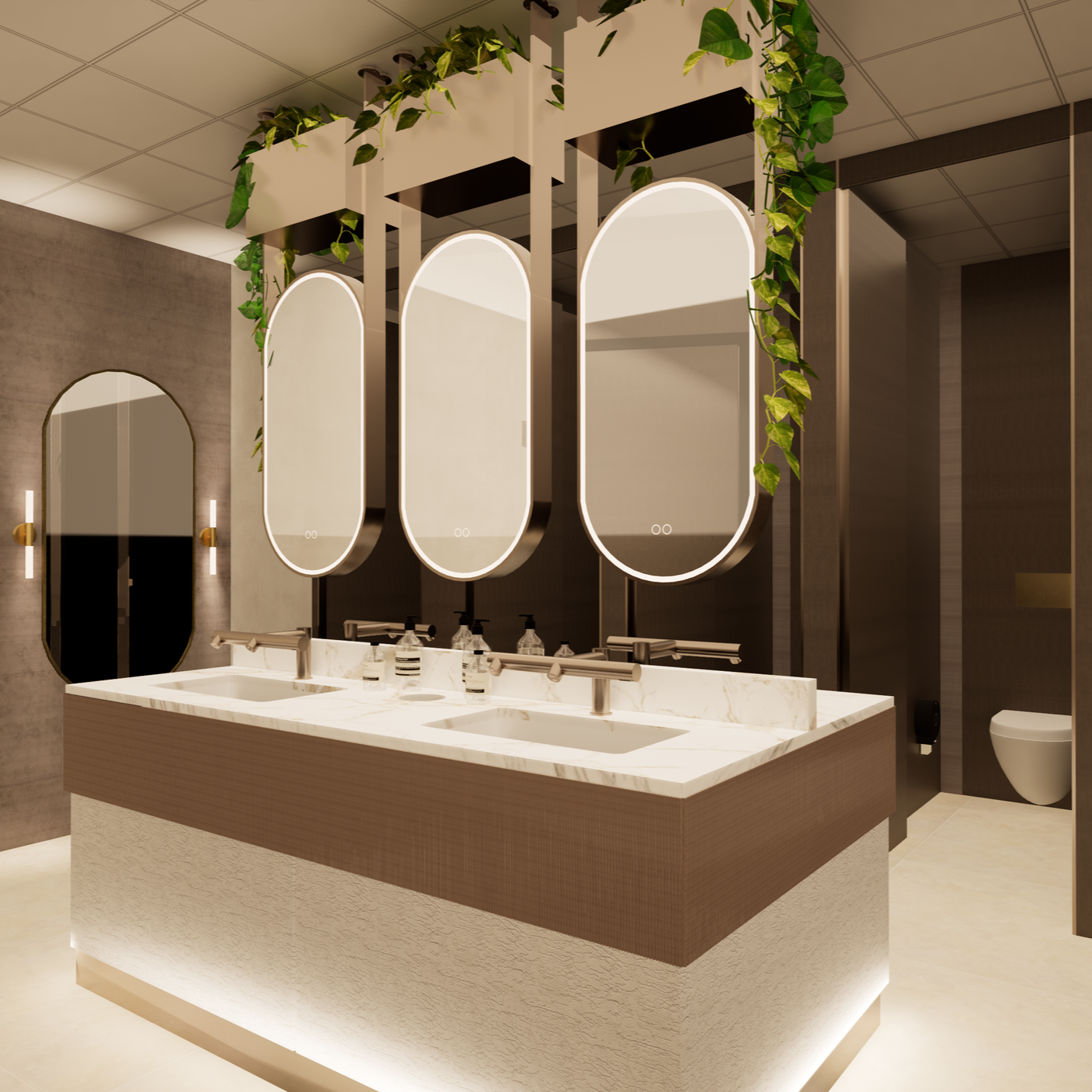
This includes:
1500mm turning space
Outward-opening doors
Grab rails positioned to regulation
Transfer space beside WCs
Alarm pull cords
These spaces are often squeezed into leftover corners.
That’s a mistake.
Accessible WCs are high-risk areas for Building Control rejection and costly redesign. Early coordination prevents late-stage compliance issues.
Lifts And Vertical Circulation
In residential apartment blocks, lift access may be mandatory depending on storey count and dwelling category.
Vertical circulation isn’t purely functional.
It affects leasing viability in commercial projects and sales performance in residential schemes.
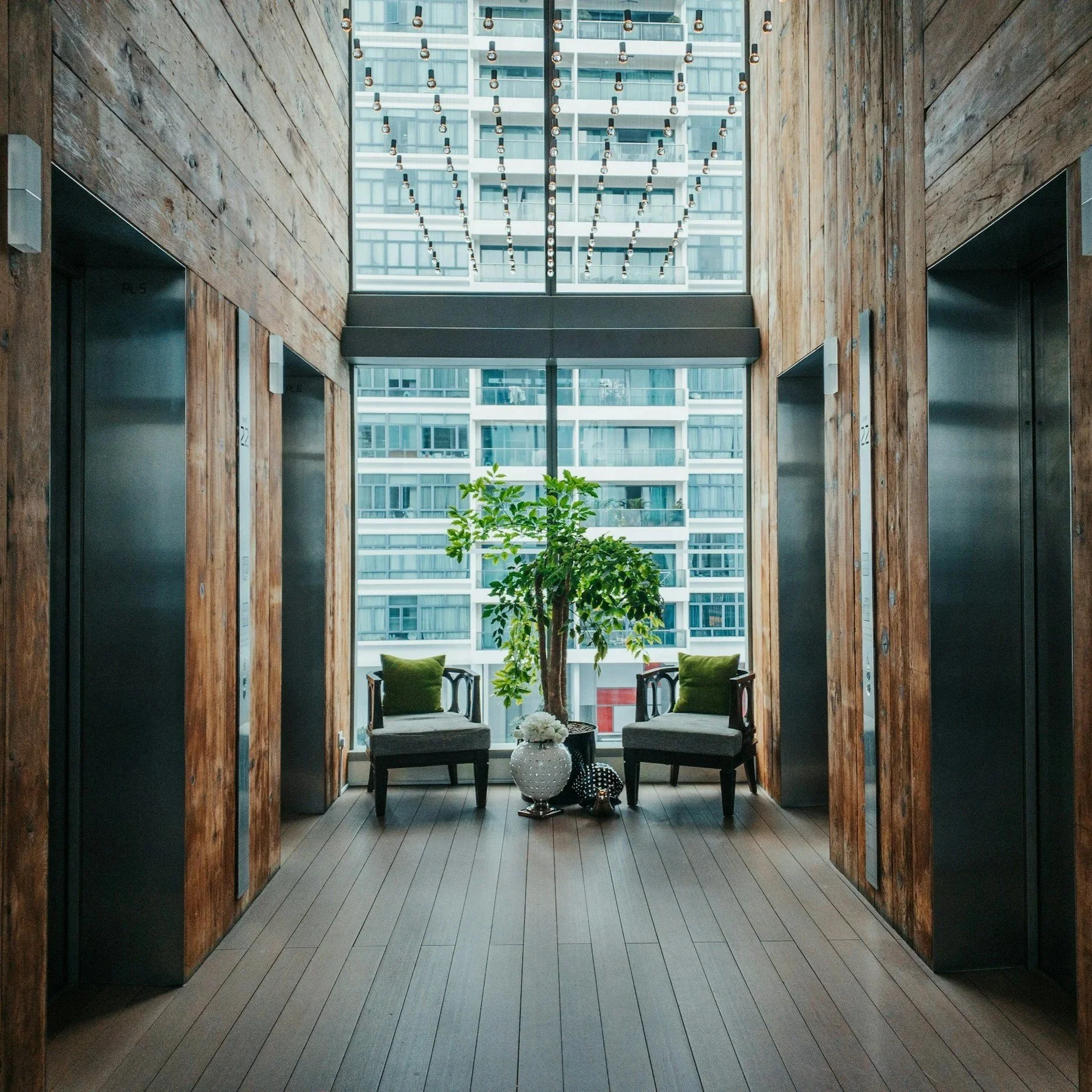
In multi-storey commercial buildings:
Passenger lifts must meet accessibility standards
Controls must be positioned at accessible heights
Audible and visual indicators are required
Compliance Vs Experience
Here’s the critical distinction:
Meeting minimum regulation does not automatically create good design.
A compliant space can still feel awkward.
A well-designed space integrates accessibility so naturally that users don’t notice it — because it simply works.
When accessibility is embedded at concept stage:
Layouts feel clearer
Circulation feels intuitive
Spaces feel more generous
Risk of redesign reduces
Market appeal widens

The Commercial Advantage
Accessible buildings:
Attract a broader demographic
Align with ESG and inclusivity targets
Reduce retrofit risk
Improve planning outcomes
Protect long-term asset value
For commercial operators, accessibility directly impacts customer base.
For developers, it influences absorption rates and long-term desirability.
Part M is not a limitation.
It’s a framework for smarter planning.
Design It In, Don’t Add It On
The biggest cost associated with Part M is late awareness.
Door widening after planning.
Bathroom redesign during construction.
Entrance levels reworked post-drainage install.
These are avoidable.
At Shropshire Studios, we integrate residential and commercial accessibility requirements from concept stage — ensuring compliance strengthens spatial clarity rather than restricting it.
Because the best buildings don’t just meet regulations.
They make access effortless.