LRV Contrast: Why It Matters and How to Apply It
In commercial interiors, design decisions are often judged on aesthetics alone.
But some of the most important choices have very little to do with style.
LRV contrast is one of them.
It’s a principle that sits quietly behind good design, shaping accessibility, clarity and usability within a space. When handled properly, it improves navigation, supports inclusive environments and ensures buildings meet regulatory expectations. When ignored, even the most visually striking interiors can become confusing or difficult to use.
Understanding LRV isn’t just about compliance. It’s about creating spaces that work for everyone.
Why LRV Matters in Commercial Interiors
In public and commercial buildings, people rely on visual cues to move through spaces confidently.
Subtle differences in colour might look refined in a design presentation, but if surfaces share similar LRVs they can visually merge together. Doors disappear into walls. Steps become harder to detect. Circulation routes lose definition.
The result isn’t just a design issue — it’s a usability problem.
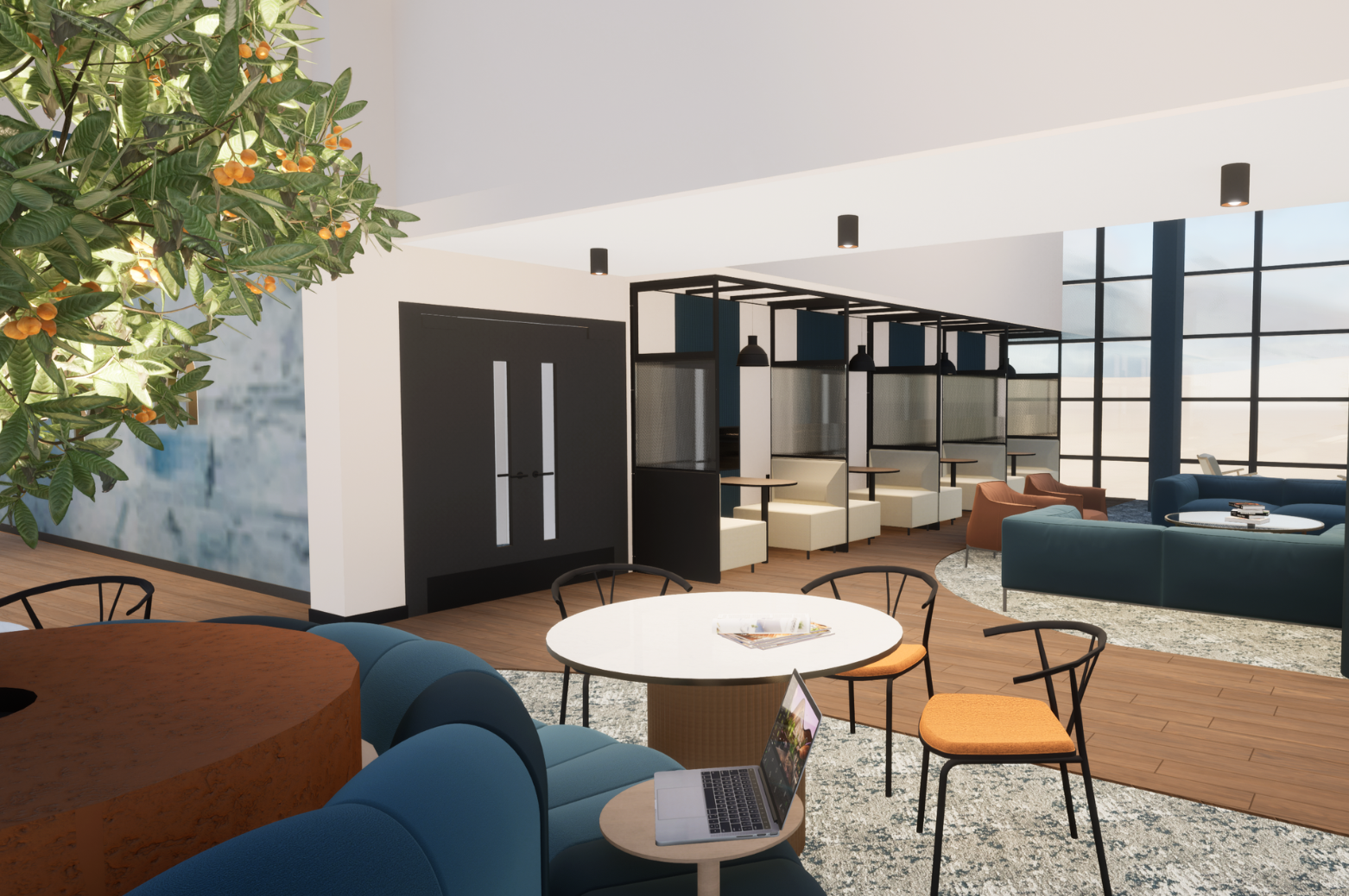
Strong LRV contrast helps to:
Clearly define doorways and openings
Improve visibility of steps and level changes
Highlight handrails and grab rails
Support navigation in corridors and shared spaces
Meet accessibility standards within building regulations
In short, it reduces uncertainty.
And uncertainty is something good design should always remove.
The Regulatory Context
LRV contrast is closely linked with accessibility guidance in UK design standards.
Guidance associated with Approved Document M (Access to and Use of Buildings) and BS 8300 recommends a minimum 30‑point LRV difference between certain elements.
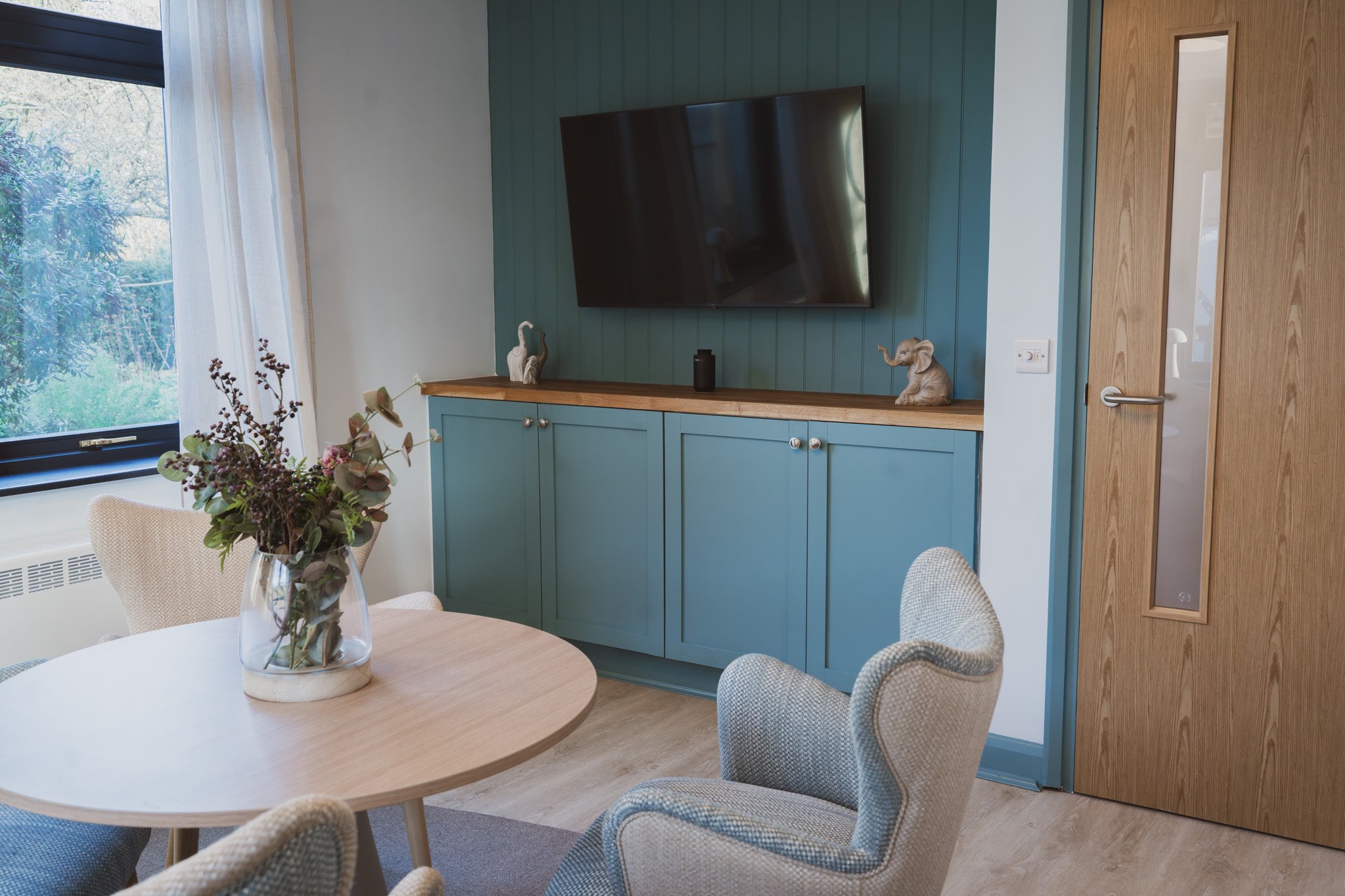
Common examples include:
Door leaves and surrounding walls
Handrails against wall surfaces
Manifestation on glass doors and partitions
Stair nosings against stair treads
The goal is to ensure key elements are clearly visible without relying solely on signage.
For commercial projects; particularly offices, healthcare environments, hospitality spaces and public buildings, this is often assessed during compliance reviews.
Ignoring it can lead to redesign late in the project.
Where LRV Contrast Matters Most
Not every surface in a building needs strong contrast. But certain areas are critical.
Doors and Door Frames
Doors should be clearly distinguishable from surrounding walls. When both share similar tones, the doorway visually disappears.
A darker door against a lighter wall (or vice versa) creates clear visual recognition.
This is particularly important in:
Corridors
Escape routes
Public circulation areas
Staircases
Stair nosings should contrast with the stair tread to highlight the edge of each step. This helps users judge depth and movement safely.
Without this visual definition, stairs can appear flat, increasing the risk of trips or missteps.
Handrails and Grab Rails
Handrails must stand out from the surface behind them.
A brushed metal rail against a pale wall might look elegant, but if the LRV difference is minimal it becomes difficult to identify quickly.
Strong contrast ensures rails are easily located and used.
Floors and Walls
In large open spaces, subtle floor‑to‑wall contrast can help visually define circulation routes.
This is particularly useful in:
Hotels
Healthcare environments
Large office floors
Retail environments
Clear visual boundaries support intuitive wayfinding.
Applying LRV Without Compromising Design
A common concern is that accessibility requirements will compromise aesthetics.
In reality, good design integrates these principles seamlessly.
Contrast doesn’t have to mean harsh or unattractive combinations. It simply requires intentional pairing of materials with sufficient reflectance difference.
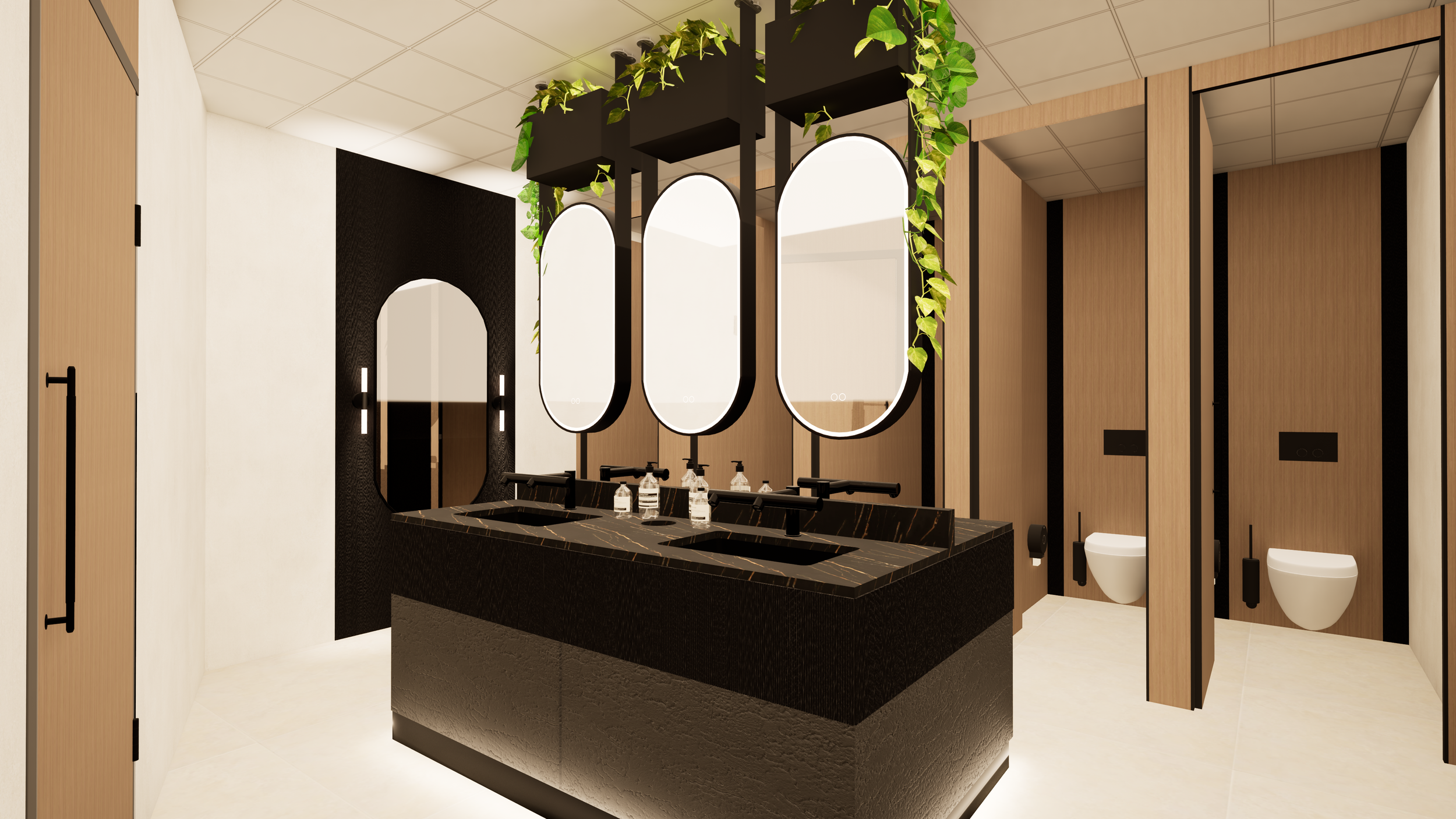
For example:
Deep timber doors against warm neutral walls
Dark metal handrails against soft plaster finishes
Stone flooring transitioning to lighter wall tones
Contrasting stair nosings integrated within material palettes
When planned early, LRV contrast becomes a natural part of the design language rather than an obvious compliance feature.
Why Early Planning Matters
The biggest issues with LRV usually appear late in the project.
Materials have already been selected. Joinery is detailed. Finishes are ordered. Then someone runs an accessibility check and discovers the contrast values don’t meet requirements.
Suddenly door colours change, stair details are modified, and carefully curated palettes are compromised.
This is entirely avoidable.
Considering LRV during the concept and specification stages ensures materials work together visually and technically.
It protects the design — and prevents unnecessary revisions.

Good Design Is Inclusive Design
LRV contrast is a reminder that interior design is about more than visual impact.
Spaces should be intuitive to navigate, comfortable to use and accessible to as many people as possible.
When contrast is applied intelligently, it improves safety, clarity and confidence within a building — often without users consciously noticing why the space feels easier to move through.
At Shropshire Studios, accessibility principles like LRV are integrated from the earliest design stages, ensuring interiors are not only visually strong but also inclusive and compliant.
Because the best commercial spaces don’t just look good.
They work for everyone who uses them.